
Dating App Red Flags: How to Recognize and Avoid Scammers

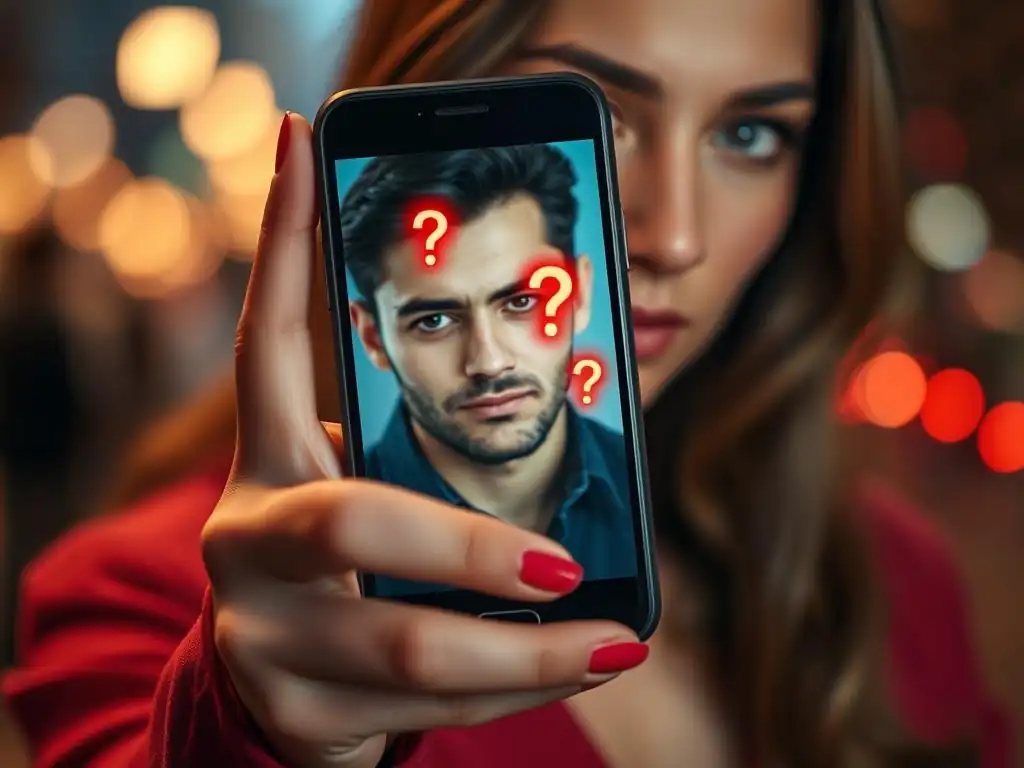
Tired of frustrating swipes and disappointing dates? At OnlineDatingSuccess.org, we're dedicated to helping you navigate the world of online dating with confidence. This isn't just about finding a match; it's about building genuine connections. But first, you need to know how to spot the red flags. Learn to identify dating app scammer red flags and protect yourself from potential heartbreak—discover how to stay safe and find the real thing in our comprehensive guide.
-
Understanding Dating App Scammer Tactics: Recognizing the Warning Signs
- The "Too Good to Be True" Profile: Spotting the Initial Deception
- Rapid Progression & Pressure for Offline Interaction: The Rush to Romance
- Financial Requests & Emotional Manipulation: The Endgame
- Inconsistencies & Evasive Behavior: The Unraveling of the Lie
- Protecting Yourself: Practical Steps for Safe Online Dating
- Frequently Asked Questions
- Final Reflection: Navigating the Digital Dating Landscape with Caution
- Unlock Your Dating Safety: Spotting & Avoiding Scammers
Understanding Dating App Scammer Tactics: Recognizing the Warning Signs
Online dating offers incredible opportunities to connect with people, build relationships, and even find love. However, the anonymity and distance inherent in the digital world also attract individuals with malicious intent. This article serves as your comprehensive guide to identifying and avoiding dating app scammers. We'll explore common scammer tactics, highlight crucial red flags, and provide practical advice to help you navigate the online dating landscape safely and confidently.
Protecting yourself is paramount, and understanding the strategies employed by scammers is the first step towards building healthy and secure relationships online. Learning to recognize these "dating app scammer red flags" is crucial for a positive and safe online dating experience. Let's delve into the warning signs you should be aware of.
The "Too Good to Be True" Profile: Spotting the Initial Deception
Many scammers create profiles that are almost unrealistically perfect. Think flawless photos, impressive career descriptions, and a seemingly effortless charm. They often boast extravagant lifestyles or achievements, designed to captivate and quickly build trust. A profile lacking any imperfections or showing inconsistencies should raise immediate suspicion.
Pay close attention to details; inconsistencies between photos, vague descriptions, or overly polished language can indicate a fabricated identity. For example, a profile boasting of frequent international travel but with only blurry or inconsistently styled photos should be treated with caution. Remember, genuine people have flaws and inconsistencies – it's part of what makes them authentic. A profile that's too perfect is often a red flag.
Rapid Progression & Pressure for Offline Interaction: The Rush to Romance
Scammers often try to move the relationship forward at an unnatural pace. They may express intense feelings very quickly, showering you with compliments and professing love within days or even hours of initial contact. They'll pressure you to move the conversation off the dating app quickly, often using excuses like, "This app is too limiting," or "Let's talk on [another platform]."
This rush is designed to bypass the natural stages of getting to know someone and to isolate you from the safety net of the app's reporting mechanisms. Be wary of anyone who pressures you to share personal information or meet in person before you feel comfortable and have had ample time to verify their identity.
Financial Requests & Emotional Manipulation: The Endgame
The ultimate goal of many dating app scammers is financial gain. They may start with small requests, gradually escalating to larger amounts of money. They'll often use emotional manipulation, creating fabricated emergencies or sob stories to justify their needs. Common tactics include requesting money for medical bills, travel expenses, or even legal fees. Never send money to someone you've only met online, regardless of their story. Legitimate relationships don't involve financial transactions early on. Remember, if it sounds too good to be true, or if you feel pressured into sending money, it almost certainly is a scam.
Inconsistencies & Evasive Behavior: The Unraveling of the Lie
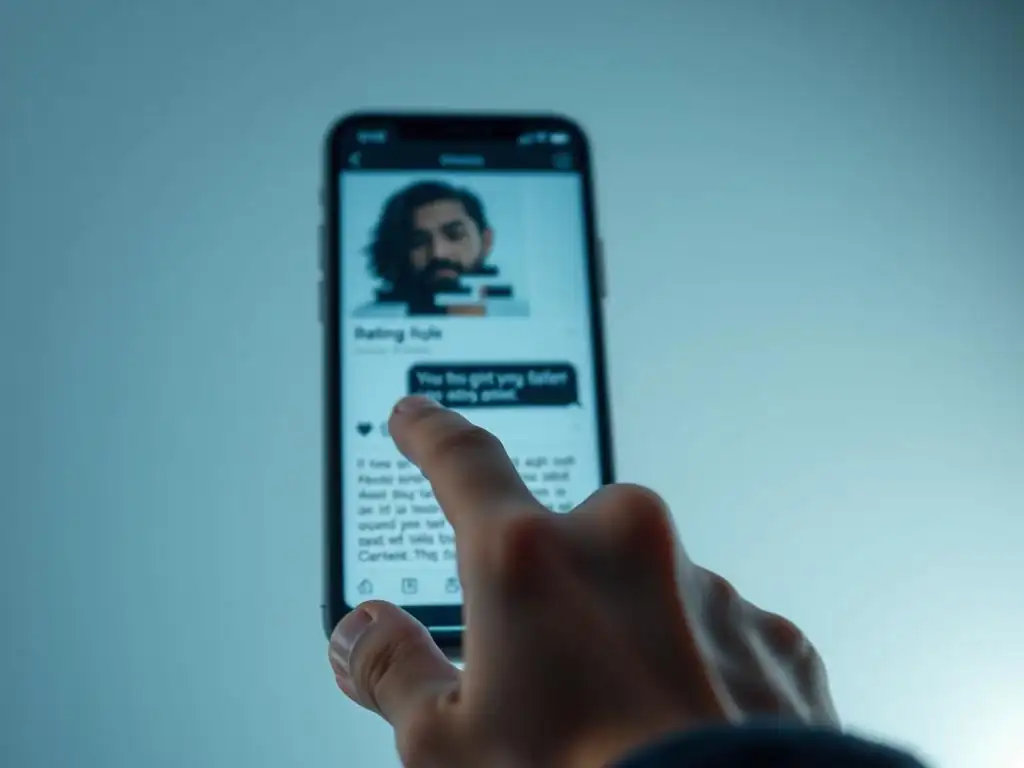
As you engage further, inconsistencies may start to appear. Their stories may contradict themselves, or they may be evasive when asked specific questions. They may avoid video calls or refuse to share personal details that would allow you to verify their identity. If you notice inconsistencies in their narrative, or if they consistently avoid direct answers, it's a clear sign that something isn't right. Trust your instincts; if something feels off, it probably is. Don't be afraid to ask probing questions or politely end the conversation if you feel uncomfortable.
Protecting Yourself: Practical Steps for Safe Online Dating
Staying safe online requires vigilance and proactive measures. Always verify profiles using reverse image searches and social media checks. Report suspicious profiles to the dating app administrators. Never share sensitive information like your address, bank details, or social security number with someone you haven't met in person and thoroughly vetted. Remember, building a genuine connection takes time; don't rush into anything that feels uncomfortable or unsafe. Prioritize your safety and well-being above all else. By staying informed and taking precautions, you can significantly reduce your risk of encountering scammers and enjoy the positive aspects of online dating.
Frequently Asked Questions
How can I spot a scammer on a dating app?
Scammers often use vague profiles with limited personal information or stolen photos. They may also pressure you for money or personal details very quickly. Be wary of anyone who avoids video calls or in-person meetings.
What are some common tactics used by dating app scammers?
Common tactics include love bombing (overwhelming you with affection), creating false emergencies needing money, or promising unrealistic returns on investments. They often claim to be traveling or working abroad to explain their inability to meet.
What should I do if I suspect someone is a scammer?
Immediately stop all communication. Report the profile to the dating app and block the user. Do not send money or share personal information, and consider reporting them to the authorities if you've been financially harmed.
How can I protect myself from dating app scams?
Verify their profile information independently. Use caution when sharing personal details. Meet in a public place for your first date and always tell a friend or family member where you're going and who you're meeting.
Are there specific red flags to watch out for on certain dating apps?
While tactics vary, the core red flags remain consistent across apps. Look for inconsistencies in their stories, pressure for quick relationships, or requests for financial assistance. Trust your instincts – if something feels off, it probably is.
The rise of dating apps has revolutionized romance, but it's also created a breeding ground for scammers preying on vulnerable hearts seeking connection. This unfortunately means that navigating the exciting world of online dating requires a keen eye and a healthy dose of skepticism. The information presented in this article serves as a crucial guide to protect yourself and ensure your online dating experience remains positive and safe.
The impact of online dating scams extends far beyond financial loss; it leaves emotional scars and erodes trust in human connection. The vulnerability inherent in seeking companionship online makes individuals susceptible to manipulation and exploitation. The heart wants what it wants,
they say, but a discerning mind protects it. This article aims to empower readers to cultivate that discerning mind, enabling them to approach online dating with both hope and caution. The ongoing prevalence of these scams underscores the importance of continuous education and awareness.
You now possess the knowledge to identify and avoid common dating app red flags. Take this information and use it to build a safer and more fulfilling online dating experience. Don't let fear paralyze you, but let vigilance empower you. Remember, genuine connection thrives on honesty and transparency – qualities that scammers consistently lack. Be brave, be cautious, and be yourself. Your authentic self deserves a genuine connection, free from the shadows of deception.
Unlock Your Dating Safety: Spotting & Avoiding Scammers
Thank you for taking the time to learn how to stay safe while online dating! You've gained valuable knowledge to protect yourself, both emotionally and financially. Let's put this knowledge into practice:
- Prioritize your safety: Review the red flags discussed in this article and create a personal checklist for your next online dating experience. This simple step will significantly improve your online safety.
- Share this article: Spread the word and help others avoid becoming victims of online dating scams. Your sharing can contribute to a safer online dating community.
- Join the discussion: Have you encountered any red flags not mentioned here? Share your experiences and advice in the comments below—let's help each other stay safe!
What's one small change you'll make to your online dating profile or habits to enhance your safety?