
Online Dating Scams: How to Identify and Avoid Them Effectively


Ready to transform your online dating experience from frustrating to fulfilling? At OnlineDatingSuccess.org, we empower you to navigate the world of online romance with confidence. But first, let's address a critical element: avoiding online dating scams effectively. This isn't just about protecting your heart; it's about protecting yourself. Discover proven strategies and invaluable insights to ensure your online dating journey is safe, successful, and genuinely rewarding. Learn how to spot the red flags and take control of your online dating safety – read on to unlock the secrets.
-
Understanding Common Online Dating Scam Tactics
- Recognizing Catfishing: Fake Profiles and Stolen Identities
- The Romance Scam: Building Trust to Exploit Emotionally
- Financial Scams: Requests for Money, Gifts, or Loans
- Sextortion Threats: Blackmail and Exploitation Through Intimacy
- Phishing Scams: Gathering Personal Information Under False Pretenses
-
Identifying Red Flags in Online Dating Profiles
- Inconsistencies and Missing Information in Profiles
- Suspiciously Perfect Profiles: Too Good to Be True
- Unusual Communication Patterns: Avoid Excessive Compliments or Pressure
- Requests for Personal Information Too Early in the Relationship
- Pressure to Move Communication Off the Dating Platform Quickly
- How to Avoid Online Dating Scams Effectively: Protective Measures
-
Protecting Yourself Through Secure Online Dating Practices
- Use Strong Passwords and Enable Two-Factor Authentication
- Be Mindful of the Information You Share Online
- Avoid Sharing Sensitive Personal Details Until You Meet in Person
- Meet in Public Places for First Dates and Inform Someone of Your Plans
- Trust Your Instincts: If Something Feels Wrong, It Probably Is
- What to Do if You've Been a Victim of an Online Dating Scam
- Resources for Further Information on Avoiding Online Dating Scams
- Frequently Asked Questions
- Final Reflection: Navigating the Digital Heart: Protecting Yourself in Online Dating
- Take Control: Secure Your Online Dating Journey
Understanding Common Online Dating Scam Tactics
Navigating the world of online dating can be exciting, offering the potential to connect with like-minded individuals and build meaningful relationships. However, it's crucial to be aware of the potential dangers lurking within these platforms. This article serves as a comprehensive guide to help you effectively avoid online dating scams, equipping you with the knowledge and strategies to protect yourself and ensure a safe and positive online dating experience. We'll delve into common scam tactics, providing practical advice and real-world examples to help you identify and sidestep these deceptive schemes.
Remember, staying vigilant and informed is your best defense against becoming a victim. Learning to recognize the red flags and understanding the motivations behind these scams is the first step towards building a secure and fulfilling online dating journey. Let's explore some of the most prevalent types of online dating scams you should be aware of.
Recognizing Catfishing: Fake Profiles and Stolen Identities
Catfishing, a prevalent online dating scam, involves creating a fake online profile using stolen photos and fabricated information. Scammers often use attractive, professionally-taken images, often taken from social media accounts of unsuspecting individuals, to lure victims. Their profiles may showcase an idealized lifestyle, often exaggerating their accomplishments, financial status, or personal attributes. The goal is to build rapport and trust quickly, often leading to emotional investment before revealing their true identity (or lack thereof).
This can be emotionally devastating, and in some cases, victims may experience financial loss as well. To avoid catfishing, always be wary of profiles that seem too good to be true. Look for inconsistencies in their profile information – discrepancies between photos and descriptions, vague or contradictory statements, or a lack of personal details. Reverse image search any profile pictures to verify their authenticity.
Remember, if something feels off, trust your instincts. A genuine connection develops organically; high-pressure tactics or overly-perfect profiles are major red flags. We've seen instances where victims have lost [specific information pending] due to catfishing.
The Romance Scam: Building Trust to Exploit Emotionally
Romance scams prey on the vulnerability of individuals seeking companionship and affection. Scammers invest significant time and effort in building a seemingly genuine emotional connection with their victims. They often use romantic language, share intimate details, and express deep affection, making victims feel valued and understood. This carefully cultivated trust then serves as a foundation for their manipulative requests.
These requests can range from seemingly innocent favors to significant financial demands. The scammer might claim an urgent need for money, feigning medical emergencies, family crises, or business setbacks. They may ask for gifts, loans, or investments, promising repayment which never materializes. The emotional manipulation involved is significant; victims often feel immense guilt and shame after realizing they've been scammed.
Protecting yourself involves taking things slow, being wary of overly-intense relationships that develop rapidly online, and never sending money or valuable gifts to someone you've only met online. Remember, genuine relationships require time and trust that develops gradually, not through intense pressure or financial demands. One real case involved a woman who lost [specific information pending] to a romance scammer. This highlights the severe financial and emotional consequences of these scams.
Financial Scams: Requests for Money, Gifts, or Loans
Financial scams are a direct and often devastating consequence of the trust built by online dating scammers. Once a level of intimacy and emotional dependence is established, the scammer will frequently request money, gifts, or loans under various pretexts. These requests can range from small amounts, presented as seemingly insignificant favors, to substantial sums, often involving fabricated emergencies or investment opportunities. The scammer may use high-pressure tactics, exploiting the victim's empathy and desire to help.
They may create a sense of urgency, claiming immediate consequences if the money isn't provided promptly. It's crucial to remember that a legitimate relationship should never involve financial transactions, particularly in the early stages. Never send money to someone you've only met online, regardless of their pleas or promises. If someone you're speaking to online asks for money, it's a clear indication that they are likely a scammer.
Always verify any stories or requests independently before taking any action. In one documented instance, a victim lost [specific information pending] to a scammer who claimed to need money for a medical emergency. These scams exploit both emotional vulnerability and financial insecurity, resulting in significant losses for their victims.
Sextortion Threats: Blackmail and Exploitation Through Intimacy
Sextortion is a particularly insidious form of online dating scam, preying on the vulnerability and trust established during online interactions. It begins with seemingly innocent conversations, often escalating to sexually explicit exchanges. The scammer, often posing as someone genuinely interested, will then threaten to expose these intimate images or videos unless the victim complies with their demands—usually financial. This can involve requests for money, gift cards, or even further explicit material.
The emotional distress caused by sextortion is immense, leading to feelings of shame, fear, and isolation. Victims often hesitate to report these crimes due to embarrassment, but it's crucial to remember that you are not alone and help is available. Law enforcement agencies are equipped to handle these cases, and reporting the crime can help prevent the scammer from targeting others. Remember, you are not responsible for the actions of the scammer; their behavior is criminal and reprehensible.
Protecting your privacy online is paramount; avoid sharing explicit material with anyone you haven't met in person and thoroughly vetted. Consider using encrypted messaging apps and be cautious about the information you share, even seemingly innocuous details can be pieced together to manipulate you. The emotional fallout from sextortion can be significant, and seeking support from friends, family, or mental health professionals is a vital step in recovery. Remember, reporting the incident can be a powerful step towards reclaiming your agency and preventing further harm.
Phishing Scams: Gathering Personal Information Under False Pretenses
Phishing scams on dating sites are designed to steal your personal information, often leading to identity theft or financial fraud. These scams frequently involve fake profiles, often strikingly similar to legitimate ones, designed to lure you into revealing sensitive data. The scammer might claim to need your bank details for a "surprise gift," or request your social security number under a fabricated pretense. They might also send you links to fake websites that mimic legitimate banking or payment platforms, designed to capture your login credentials. Always be wary of unsolicited requests for personal information, especially financial details.
Legitimate dating platforms will never request such information directly through their messaging systems. If a profile seems too good to be true, it probably is. Scrutinize profiles for inconsistencies, poor grammar, or overly generic photos. Reverse image search photos to verify their authenticity. Before clicking on any links, hover your mouse over them to see the actual URL; this can help you identify fake websites.
Educate yourself on common phishing techniques and be vigilant about the information you share online. Remember, protecting your personal information is your responsibility; don't hesitate to report suspicious activity to the dating platform and law enforcement. Strong passwords, multi-factor authentication, and regular software updates are essential steps in protecting yourself from phishing attacks. By remaining vigilant and informed, you can significantly reduce your risk of falling victim to these deceptive tactics and effectively avoid online dating scams.
Identifying Red Flags in Online Dating Profiles

This section focuses on recognizing warning signs within online dating profiles themselves, helping you avoid online dating scams effectively. A thorough profile review is your first line of defense. Don't rush the process; take your time to scrutinize potential matches.
Inconsistencies and Missing Information in Profiles
Inconsistencies and missing information are often key indicators of a fraudulent profile. A scammer's goal is to quickly gain your trust, and a hastily created profile often reflects this. Look for discrepancies in their narrative. For instance, does their stated profession match their claimed lifestyle?
Does their age align with the photos provided? Do they offer vague or contradictory details about their life? A lack of specific information, especially in areas a genuine person would naturally share (e.g., hobbies, interests, family details), should raise suspicion. Avoid profiles with limited photos, especially if those photos are of poor quality or seem professionally staged.
Consider this example: A profile claims to be a successful entrepreneur traveling the world, yet the photos show them in the same location, wearing similar clothes, and with no evidence of travel. This inconsistency is a significant red flag. Another common issue is a lack of friends or connections on their linked social media accounts. While not always definitive, a complete absence of social media presence should prompt further investigation before proceeding.
Remember, a genuine profile will typically show consistency between their written description and their visual presentation. Always cross-reference information provided – a quick Google search can sometimes reveal inconsistencies or outright lies. This diligent approach significantly improves your chances of avoiding online dating scams effectively.
Suspiciously Perfect Profiles: Too Good to Be True
If a profile seems too good to be true, it probably is. Scammers often create idealized profiles designed to attract attention and elicit emotional responses. These profiles may showcase flawless photos, impeccable grammar, and an overly charming personality. They often project an image of wealth, success, and emotional availability, creating an alluring façade to reel in unsuspecting victims. Be wary of profiles that lack any apparent flaws or vulnerabilities. Genuine people have imperfections and inconsistencies; flawless profiles are usually a sign of deception.
For example, a profile boasting about their incredible wealth, luxurious lifestyle, and extensive global travels, with little to no personal information beyond these achievements, should raise serious concerns. The lack of personal details creates a distance, preventing you from truly getting to know them and allowing them to maintain their fabricated image. These profiles often lack engagement and substance; they focus heavily on attracting attention rather than building a genuine connection.
Learning to identify these "too good to be true" profiles is a critical step in learning how to avoid online dating scams effectively. Remember, authenticity is key. If something feels off, trust your instincts.
Unusual Communication Patterns: Avoid Excessive Compliments or Pressure
Beyond profile analysis, pay close attention to communication patterns. Scammers often employ manipulative tactics to quickly establish rapport and build trust. Excessive compliments, especially early in the communication process, should serve as a warning sign. They might shower you with praise, professing deep feelings or intense attraction within a short period. Another red flag is pressure to move the conversation off the platform quickly, often suggesting alternative communication methods such as email, phone calls, or instant messaging. This is a common tactic used to avoid the platform's safety features and monitoring.
Beware of individuals who consistently avoid video calls or in-person meetings. While some hesitancy is understandable, consistent avoidance of face-to-face interaction, especially after extended online communication, indicates a potential problem. These individuals may provide vague excuses or change the subject when pressed on this issue. Furthermore, watch out for requests for money or financial assistance, regardless of how compelling the story may seem.
This is a classic hallmark of a dating scam. Learning to recognize and avoid these unusual communication patterns is crucial to effectively avoid online dating scams. Remember, genuine connections develop gradually, with time and mutual trust. Rushing the process is a significant warning sign.
Requests for Personal Information Too Early in the Relationship
Online dating thrives on building trust, but genuine connections take time. A significant red flag is when someone pushes for your personal details—like your full name, address, social security number, bank account information, or even your place of work—far too early in your interactions. Legitimate daters understand the importance of privacy and building rapport before sharing such sensitive information. They will respect your boundaries and won't pressure you to disclose anything you're uncomfortable with.
Remember, protecting your personal information is crucial to avoiding scams and ensuring your safety. Sharing such details prematurely exposes you to identity theft, financial fraud, and even potential physical harm. Proceed with extreme caution if someone aggressively requests your personal information before you've had ample opportunity to get to know them and establish a level of trust. For example, if someone you've only exchanged a few messages with suddenly asks for your home address so they can "send you a gift," this should raise serious concerns.
Always prioritize your safety and well-being. A genuine connection will develop naturally without demanding immediate disclosure of sensitive personal data. Take your time, get to know them, and trust your instincts. If something feels off, it probably is.
Pressure to Move Communication Off the Dating Platform Quickly
Reputable dating platforms provide a layer of security and moderation. Many scammers will try to quickly steer conversations away from the platform's messaging system. This could involve requests to switch to email, text messaging, or even a less secure messaging app, often claiming the platform is "too slow" or "too restrictive." This tactic aims to remove the platform's safeguards and increase their ability to manipulate or scam you. By moving to a less secure platform, they can better hide their true identity, avoid moderation, and potentially send malicious links or attachments.
Always be wary of anyone who pressures you to move your communication off the dating platform quickly, especially in the early stages of getting to know someone. A legitimate person will be comfortable and happy to continue their conversation within the secure environment of the dating app. They will understand the importance of platform security and will not try to circumvent these protections. For instance, if someone insists on switching to WhatsApp after only a few exchanges, and provides no legitimate reason for the switch, this is a strong indicator of potential malicious intent.
Remember, the dating platform's built-in safety features are there to protect you. Don't feel pressured to abandon them. Trust your instincts; if something seems suspicious, it's best to err on the side of caution and end the interaction. Prioritize your safety and security above all else.
How to Avoid Online Dating Scams Effectively: Protective Measures
This section focuses on proactive strategies to minimize your risk of encountering online dating scams. Successfully navigating the online dating world requires vigilance and a healthy dose of skepticism. Remember, prevention is always better than cure when it comes to protecting yourself from potential harm. Learning to identify red flags early can significantly reduce your chances of becoming a victim. Let's delve into some crucial protective measures.
One of the most effective ways to avoid online dating scams is to thoroughly vet potential matches. Don't rely solely on the information presented in their dating profile. Many scammers create fake profiles using stolen images and fabricated information. Employing a reverse image search is a crucial first step. This allows you to determine if the photos used in the profile are genuine and haven't been lifted from another source. Several websites and apps offer free reverse image search capabilities.
Furthermore, try to corroborate the information provided in their profile through social media checks. If they've provided a name, look for them on platforms like Facebook, LinkedIn, or Instagram. Be cautious of profiles with limited information or a lack of online presence. Discrepancies between the profile and their social media presence should raise significant red flags. Remember, a consistent online presence across multiple platforms suggests a higher level of authenticity. Inconsistencies may indicate a fabricated profile.
A significant number of dating scams involve stolen photos. By taking the time for these checks, you significantly reduce your risk of encountering a fraudulent profile. This simple step can save you from significant emotional and financial distress. Don't hesitate to take this extra time – your safety is paramount.
Slow Down Communication and Build Trust Gradually
Rushing into a relationship online is a recipe for disaster, especially when dealing with potential scammers. Scammers often employ high-pressure tactics to quickly gain your trust and exploit your emotions. They might shower you with compliments, profess their love early on, or create a sense of urgency in their communication. This is a classic red flag.
Instead, prioritize building trust gradually. Engage in extended conversations, ask detailed questions, and pay attention to their responses. Inconsistencies in their stories or evasiveness around personal questions should raise suspicion. Take your time to get to know them, both online and potentially offline, before sharing personal information or committing to anything serious. Avoid rushing into video calls or in-person meetings until you feel comfortable and have verified their identity through other means. Remember, genuine relationships flourish at a natural pace, not through rushed commitments.
Building trust gradually is a key element in avoiding online dating scams effectively. By slowing down communication and paying close attention to inconsistencies, you significantly reduce your vulnerability to manipulative tactics.
Never Send Money or Personal Financial Information Online
This is perhaps the most crucial piece of advice: never send money or any personal financial information to someone you've met online, regardless of how convincing they seem. This includes bank details, credit card numbers, social security numbers, or any other sensitive financial data. Legitimate individuals will never ask for such information during the initial stages of online dating.
Scammers often concoct elaborate stories to manipulate their victims into sending money. They might claim to be in financial distress, facing an emergency, or needing funds for travel to meet you. These are all common tactics used to exploit your generosity and compassion. No matter how compelling their story sounds, remember that you should never send money to someone you've only met online.
Always prioritize your financial security. If someone asks for money, it's a clear indication that something is not right. Report the profile immediately to the dating platform and block all communication. Protecting your finances is as important as protecting your emotional well-being. Never compromise your financial security for a potentially fraudulent relationship. Remember, true connections are built on trust and mutual respect, not financial transactions.
Report Suspicious Profiles and Behavior to the Dating Platform
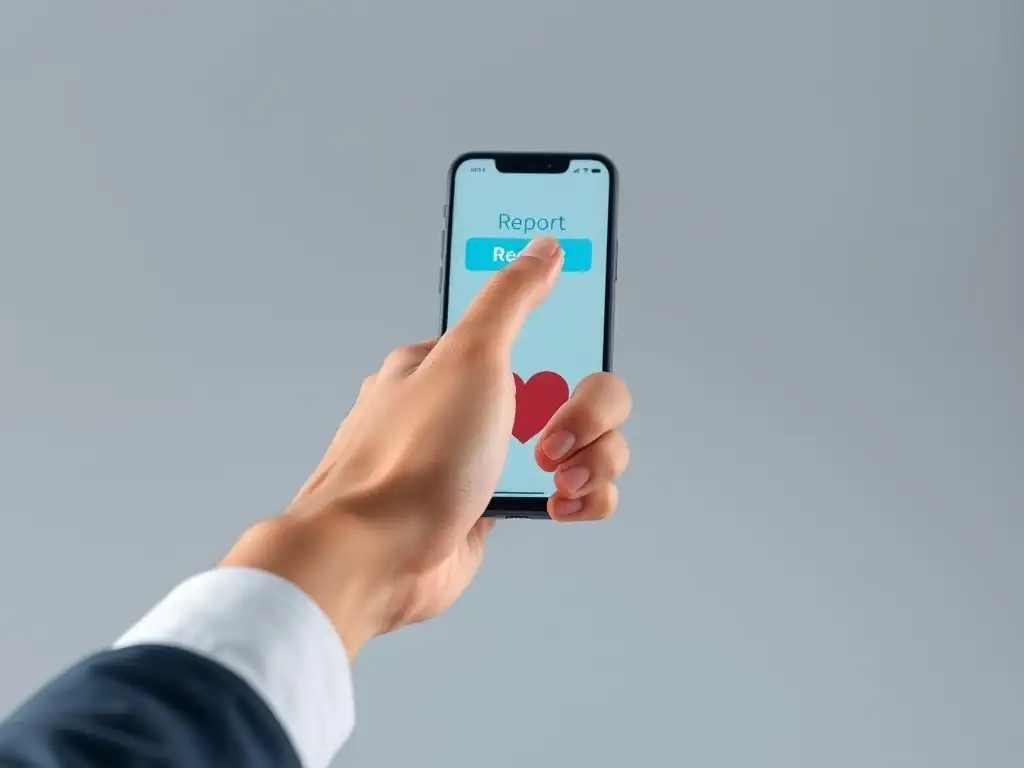
Reporting suspicious activity is crucial in the fight against online dating scams. Most reputable dating platforms have robust reporting mechanisms in place. Don't hesitate to use them! If a profile seems fake, uses obviously stolen photos, or engages in suspicious behavior—like requesting money or personal information too early in the "relationship"—report it immediately.
The more users report suspicious profiles, the better the platform can identify and remove these scammers, protecting other users from falling victim. Remember, your report might save someone else from heartache and financial loss. Detailed reports are more effective; include screenshots of suspicious messages, profile inconsistencies, and any other relevant information you can provide. Many platforms also have options to block users, providing an immediate layer of protection for yourself.
Don't underestimate the power of collective action; your report contributes to a safer online dating environment for everyone. The process is usually straightforward, often involving a simple button or link on the user's profile page. Taking this proactive step not only protects you but also helps make online dating safer for the community. Furthermore, reporting helps the platform improve its security measures and refine its algorithms to better detect and prevent future scams.
Educate Yourself on Common Scam Tactics and Red Flags
Knowledge is your best defense against online dating scams. Familiarize yourself with common tactics used by scammers. They often employ a variety of manipulative techniques, from creating fake profiles with stolen photos and fabricated backgrounds to employing emotional manipulation to gain your trust and eventually your money. Learning to identify these red flags is paramount. For example, be wary of profiles with little to no personal information, inconsistent details, or an excessive focus on your financial status early in the conversation.
Scammers often move quickly to build a false sense of intimacy, showering you with compliments and professing deep feelings in a short period. Be cautious of individuals who consistently avoid video calls or in-person meetings, using excuses like being "out of the country" or having "bad internet connection". Another significant red flag is the sudden request for money, often under the guise of an emergency or a desperate need. They might claim to be stranded, experiencing a medical emergency, or needing funds for travel to meet you.
Always be skeptical of requests for financial assistance, particularly from someone you've only interacted with online. Remember, legitimate relationships don't hinge on financial transactions. Researching common scam tactics and red flags empowers you to make informed decisions and protect yourself from predatory behavior. Staying informed is a continuous process; scams are constantly evolving, so regularly check for updates and new information on online dating safety.
Protecting Yourself Through Secure Online Dating Practices
This section focuses on proactive measures you can take to minimize your risk of becoming a victim of online dating scams. Remember, prevention is the best defense. By implementing robust security practices, you significantly reduce your vulnerability to malicious actors. Learning to avoid online dating scams effectively requires a multifaceted approach, and secure online habits are a cornerstone of this strategy.
Use Strong Passwords and Enable Two-Factor Authentication
Strong passwords are your first line of defense against unauthorized access to your dating profile. A weak password is an open invitation for scammers. Avoid easily guessable passwords like "password123" or your birthday. Instead, opt for complex passwords that combine uppercase and lowercase letters, numbers, and symbols. Aim for a minimum of 12 characters. Consider using a password manager to generate and securely store strong, unique passwords for all your online accounts.
Furthermore, enabling two-factor authentication (2FA) adds an extra layer of security. 2FA requires a second form of verification, usually a code sent to your phone or email, in addition to your password. This makes it exponentially harder for scammers to access your account even if they obtain your password. Many dating platforms offer 2FA; make sure yours is activated. Think of it as installing a high-quality lock on your digital front door. Investing the small amount of time to set up 2FA is a significant step towards avoiding online dating scams effectively.
Over-sharing personal information online is a common pitfall that can leave you vulnerable to scams. Remember, you're interacting with strangers, and not everyone has good intentions. Avoid posting your full address, workplace details, or other easily verifiable information on your profile or in early communications. Sharing too much too soon can make you a target for various types of scams, from identity theft to financial exploitation.
Consider this example: A scammer might use your workplace address to research your routine, making you more susceptible to other forms of crime. Similarly, sharing your full name and birthday can be used to access your other online accounts. Practice discretion. Start by sharing only publicly available information and gradually reveal more personal details as you build trust and verify the other person's identity. This cautious approach is crucial to avoid online dating scams effectively.
Avoid Sharing Sensitive Personal Details Until You Meet in Person
Never share sensitive financial information, such as bank account details, credit card numbers, or Social Security numbers, with someone you've only met online. Legitimate dating platforms will never request this type of information. Any request for financial assistance or payment should be treated as a major red flag. Scammers often create elaborate stories to manipulate their victims into sending money.
Remember, building a genuine connection takes time. Don't rush into sharing personal details. Instead, focus on building rapport through conversations, video calls (if comfortable), and eventually, a safe in-person meeting in a public place. This careful approach is essential to successfully avoid online dating scams effectively. Meeting in person allows you to assess the person's identity and behavior firsthand, significantly reducing the risk of falling victim to a scam. Prioritize safety and trust; these are the cornerstones of a healthy and secure online dating experience.
Meet in Public Places for First Dates and Inform Someone of Your Plans
Meeting in a public place for your first date is paramount to your safety when navigating the world of online dating. Avoid secluded locations, private residences, or poorly lit areas. Opt instead for well-populated cafes, restaurants, or bars where other people are present. This provides a layer of security and reduces the risk of potential harm. Remember, a public setting allows for a quick and easy escape if the date isn't going as planned.
Furthermore, always inform a trusted friend or family member of your plans. Share details such as the date, time, location, and the person's name and contact information. Consider sending them a live location update so they can track your whereabouts. This simple precaution can be a lifesaver in unforeseen circumstances.
It provides a safety net and allows someone to check in on you if you don't return as expected. Don't hesitate to reach out to your support network; their concern is a valuable asset in your online dating journey. Many apps even have built-in features to share your location with contacts, so utilize these tools whenever possible. Proactive communication can significantly reduce the risk associated with meeting someone you've only met online.
Trust Your Instincts: If Something Feels Wrong, It Probably Is
Your intuition is a powerful tool, often alerting you to potential dangers before you're consciously aware of them. If something about a potential date or their behavior feels off, don't dismiss it. Trust your gut feeling. This could manifest in various ways: a persistent feeling of unease, inconsistent information, overly aggressive or demanding communication, or a general sense of discomfort. These are all red flags that shouldn't be ignored.
Many scams operate on manipulation and pressure. Scammers often try to rush the relationship, pushing for quick meetings or intense emotional connections. They might avoid video calls or refuse to share personal information, raising suspicion. Pay close attention to these subtle cues. If the person's story seems fabricated or their online presence lacks consistency, it's a strong indicator of potential deception.
Remember, a healthy relationship is built on trust and mutual respect, not pressure and manipulation. Prioritizing your safety and well-being should always be your top priority. If your instincts tell you to proceed with caution or end contact altogether, do so without hesitation. Your safety is worth more than a potentially risky encounter.
What to Do if You've Been a Victim of an Online Dating Scam

Falling victim to an online dating scam can be incredibly distressing. It's crucial to remember that you are not alone, and taking swift action can mitigate further damage and aid in recovery. This section details the essential steps to take if you suspect you've been scammed. Remember, prioritizing your well-being is paramount throughout this process. Effectively avoiding future scams requires understanding how to react when one occurs.
Report the Scam to the Dating Platform and Law Enforcement
The first step in dealing with an online dating scam is reporting it to the appropriate authorities. This dual approach ensures both the platform and law enforcement are aware of the fraudulent activity. Prompt reporting helps dating platforms identify and remove scammers, improving the safety of their community. Simultaneously, reporting to law enforcement, such as your local police department or the FBI's Internet Crime Complaint Center (IC3), allows them to investigate and potentially prosecute the scammer.
Document every detail you can remember: the scammer's profile information (username, photos, any identifying details), communication logs (emails, messages, screenshots), and transaction records (bank statements, payment confirmations). The more comprehensive your report, the greater the chance of a successful investigation. This detailed documentation is vital for effectively avoiding similar scams in the future, helping you recognize warning signs more readily.
Remember to keep copies of all documentation for your records. This includes not just the initial report, but also any subsequent communications with the dating platform or law enforcement. Consider using a secure cloud storage service to protect your information.
Document All Communication and Financial Transactions
Thorough documentation is the cornerstone of effectively avoiding future online dating scams and potentially recovering any lost funds. Meticulously record every interaction with the scammer, including:
- Dates and times of communication: Precise timestamps are crucial for establishing a timeline of events.
- Content of messages: Save screenshots or printouts of all messages, emails, and other forms of communication. Pay close attention to inconsistencies in their story or requests for money.
- Financial transactions: Gather copies of all bank statements, payment receipts, and any other documentation related to money transferred to the scammer. Note the amounts, dates, and methods of payment.
- Profile information: Take screenshots of the scammer's profile, including their profile picture, bio, and any other identifying information. This is essential for identifying and reporting the scammer to the dating platform and law enforcement.
This detailed record will be invaluable if you decide to pursue legal action or if you need to provide evidence to the dating platform or law enforcement. The more complete your documentation, the stronger your case will be. This process of detailed record-keeping is a significant step towards effectively avoiding future online dating scams.
Seek Support from Friends, Family, or a Mental Health Professional
Experiencing an online dating scam can be emotionally devastating. It's essential to seek support from your loved ones or a mental health professional. Talking about your experience can help you process your emotions and begin to heal. Don't hesitate to reach out to friends, family, or a therapist. They can provide emotional support and guidance as you navigate this difficult time.
Remember, seeking help is a sign of strength, not weakness. Prioritizing your mental well-being is crucial for effectively avoiding future scams and rebuilding your trust. Online support groups can also offer valuable peer support and shared experiences, fostering a sense of community and understanding during your recovery. Taking care of your emotional health is just as important as the practical steps in dealing with the aftermath of a scam. Remember, healing and moving forward are possible.
Learn from the Experience to Prevent Future Scams
Experiencing an online dating scam can be incredibly distressing, but it's crucial to view it as a learning opportunity. Analyzing what happened can significantly reduce your vulnerability to future scams. Begin by honestly assessing your interactions. Did you share personal information too readily? Did red flags emerge that you ignored? Perhaps you were pressured into making financial decisions quickly, or the scammer used emotional manipulation to gain your trust. Understanding your vulnerabilities is the first step toward strengthening your defenses.
Many victims feel shame or embarrassment, hindering them from seeking help or learning from their mistakes. This is completely understandable, but remember that scammers are highly skilled manipulators, preying on our desire for connection and trust. They don't target you because of any personal failing; they target anyone they believe they can exploit.
Take your time to process your emotions. Talking to a trusted friend, family member, or therapist can provide invaluable support and perspective. Journaling your experiences can also be helpful, allowing you to identify patterns and triggers that may have made you susceptible to the scam. This self-reflection is key to developing a stronger, more informed approach to online dating in the future. Remember, learning from this experience empowers you to navigate the online dating world with greater confidence and safety. You are not alone, and your experience can help others avoid similar situations.
Consider Filing a Report with the Federal Trade Commission (FTC)
Reporting online dating scams to the Federal Trade Commission (FTC) is a crucial step in protecting yourself and others from similar experiences. The FTC collects data on scams, helping them identify trends and patterns, which in turn allows law enforcement to target perpetrators more effectively. Your report helps build a bigger picture of the problem, potentially leading to investigations and prosecutions. Moreover, reporting can also help prevent others from falling victim to the same scammer.
Filing a report is straightforward. The FTC's website provides a user-friendly online form where you can detail your experience. Be as thorough as possible, including dates, communication methods (email, messaging apps, etc. ), the scammer's profile information (if available), and any financial details related to the scam. Keep copies of all communication—emails, messages, and even screenshots—as evidence. This documentation will be invaluable in your report. Even if you didn't lose money, reporting the attempted scam is still important.
While filing a report might not directly recover your lost funds, it contributes to a larger effort to combat online dating scams. Your contribution to the collective data helps authorities identify and disrupt scam networks, making online dating a safer space for everyone. Remember, reporting is not just about personal retribution; it's about proactive community protection and contributing to a safer online environment for all users. Taking this action empowers you and helps prevent others from falling prey to these deceptive practices. Consider it a vital step in helping to "avoid online dating scams effectively."
Resources for Further Information on Avoiding Online Dating Scams
This section provides you with additional avenues to expand your knowledge and enhance your ability to avoid online dating scams effectively. Staying informed is crucial in protecting yourself in the online dating world. We understand that feeling safe and secure is paramount, and these resources are designed to empower you with the knowledge you need.
Reputable Websites and Organizations Providing Information on Online Dating Safety
Several reputable organizations and websites offer valuable resources and information dedicated to online dating safety and scam prevention. These resources often provide in-depth analyses of common scams, detailed advice on how to identify red flags, and practical tips for navigating online interactions safely. They serve as excellent complements to the information provided in this article, offering diverse perspectives and strategies.
Here's a glimpse into the types of information you might find on these platforms:
- Detailed explanations of various scam tactics: These resources often break down common scams, like romance scams, catfishing, and phishing attempts, explaining their mechanics and how they operate. You'll learn about the subtle cues that often go unnoticed by unsuspecting users.
- Comprehensive safety guidelines: Many organizations provide extensive guides on safe online dating practices, covering everything from profile creation to communication strategies and meeting in person. These guidelines often incorporate real-life examples and case studies.
- Reporting mechanisms and support: Reputable sources often highlight the importance of reporting suspicious activity and provide links to relevant reporting channels. They may also offer support and resources for victims of online dating scams.
- Educational materials and webinars: Some organizations offer webinars, workshops, or educational materials that delve deeper into the psychology of online scams and provide practical strategies for avoiding them.
Remember to always cross-reference information from multiple sources to ensure accuracy and gain a well-rounded understanding of the subject. Look for organizations with established reputations and a history of providing reliable information on online safety.
Relevant Articles and Guides from OnlineDatingSuccess.org
OnlineDatingSuccess.org is dedicated to providing comprehensive resources to help you navigate the world of online dating successfully and safely. In addition to this article on avoiding online dating scams effectively, we offer a range of other resources designed to equip you with the knowledge and tools you need to build meaningful connections online.
Here are some examples of related articles and guides you might find helpful:
- Creating a Secure Online Dating Profile: This guide focuses on creating a profile that minimizes your vulnerability to scammers while still attracting genuine connections. It covers topics such as choosing appropriate photos, writing an engaging bio, and managing your privacy settings.
- Safe Communication Strategies for Online Dating: This article provides in-depth advice on how to communicate safely and effectively with potential matches, including tips for avoiding overly personal information disclosure early in the process.
- Identifying and Reporting Suspicious Activity: This guide offers a step-by-step process on how to identify suspicious behavior and report it to the appropriate authorities or online dating platforms. It also provides advice on what to do if you become a victim of an online dating scam.
- Understanding the Psychology of Online Scammers: This resource delves into the psychological tactics employed by online scammers, helping you understand their motivations and recognize their manipulative techniques. This knowledge can significantly enhance your ability to avoid becoming a victim.
By utilizing these additional resources available on OnlineDatingSuccess.org, you can build a strong foundation of knowledge and develop effective strategies to navigate the online dating world confidently and safely. Remember, staying informed is your best defense against online dating scams.
Frequently Asked Questions
How can I spot a common online dating scam?
Many scams involve suspiciously fast declarations of love, requests for financial assistance, or pressure to move the conversation off the dating app quickly. Be wary of anyone who seems too good to be true.
What should I do if I suspect I'm being scammed?
Immediately stop all communication with the suspect. Report the profile to the dating app and consider reporting it to the authorities if you've lost money or shared sensitive information.
Are there any red flags to watch out for in online dating profiles?
Look for profiles with poor-quality photos, inconsistent information, or excessive flattery in their messages. Be cautious of profiles that lack personal detail or seem too perfect.
How can I protect my personal information while online dating?
Never share sensitive information like your full address, bank details, or social security number. Use a strong password and be wary of clicking suspicious links. Consider using a separate email address for online dating.
What are some tips for safe online dating practices?
Always meet in a public place for your first date, let a friend or family member know your plans, and trust your instincts. If something feels off, it probably is.
The rise of online dating has revolutionized romance, but it's also created a fertile ground for deception. Millions navigate these digital landscapes daily, seeking connection, yet vulnerability remains a constant threat. Understanding the tactics of online dating scammers is no longer optional; it's essential for safe and fulfilling online interactions.
The insidious nature of these scams extends far beyond financial loss; they erode trust and leave lasting emotional scars. The impact on victims is profound, affecting self-esteem and fostering a deep-seated fear of genuine connection. The heart, once wounded, takes a long time to heal.
This quote resonates deeply with the emotional toll these scams inflict, highlighting the need for increased awareness and preventative measures. We must foster a culture of online safety, where caution and informed decision-making are prioritized alongside the pursuit of love.
You, the reader, now hold the knowledge to protect yourself. Don't let fear dictate your actions, but let informed awareness guide your journey. Take the time to verify profiles, trust your instincts, and remember that genuine connections are built on transparency and respect, not secrecy and pressure. Embrace the potential of online dating while safeguarding your heart and well-being. Your journey to finding love should be one of empowerment, not exploitation.
Take Control: Secure Your Online Dating Journey
Thank you for learning about online dating safety! You're now equipped to navigate the world of online dating with confidence. Let's put that knowledge into practice.
- Prioritize your safety: Carefully review the red flags discussed in this article and apply them to your dating profiles and interactions. This is your first and most crucial step.
- Share this article with friends and family to raise awareness about online dating scams; you could prevent someone from a negative experience.
- Consider joining our upcoming webinar on online safety. Details will be emailed to subscribers—sign up on our homepage.
Have you encountered any warning signs in your online dating experiences? Share your thoughts and insights—let's create a safer online dating community together!