
Online Dating Without the Drama: A Guide for Anxious Attachment Styles


Dive into the world of OnlineDatingSuccess.org, where we demystify the often-chaotic landscape of online dating. Are you struggling to find lasting connection because of anxious attachment? Our expert guide on dating advice for anxious attachment will equip you with the practical strategies you need to navigate the dating scene with confidence, build healthier relationships, and finally find the love you deserve. Discover how to transform your online dating experience from stressful to successful—read on to unlock your potential!
- Understanding Anxious Attachment in Online Dating
- Setting Realistic Expectations for Online Dating with Anxious Attachment
- Practical Dating Advice for Anxious Attachment Styles
- Navigating the Challenges of Online Dating with Anxious Attachment
- Building Healthy Relationships Through Online Dating
- Long-Term Strategies for Success in Online Dating with Anxious Attachment
-
Frequently Asked Questions
- How can I manage my anxiety while online dating if I have an anxious attachment style?
- What are some red flags to watch out for in online dating profiles, especially with an anxious attachment style?
- How can I avoid getting overly invested too quickly in someone I meet online?
- What communication strategies are helpful for someone with anxious attachment in online dating?
- How can I tell if someone is a good match for me, considering my anxious attachment style?
- Final Reflection: Navigating Love's Digital Landscape with Anxious Attachment
- Unlock Your Dating Potential: Take Control of Your Love Life
Understanding Anxious Attachment in Online Dating
Navigating the world of online dating can be challenging for anyone, but individuals with anxious attachment styles often face unique hurdles. This guide provides practical dating advice specifically tailored for those with anxious attachment, offering strategies to manage triggers, improve communication, and ultimately, find fulfilling connections. We'll explore how anxious attachment manifests in online interactions, identify common triggers, and discuss the impact on dating success.
Understanding these dynamics is the first step towards building healthier, more secure relationships online, freeing you from the drama often associated with anxious attachment and online dating. This isn't about "fixing" your attachment style, but rather about equipping you with the tools to navigate the online dating landscape with greater confidence and self-awareness. Let's dive into how to make online dating work for you.
Recognizing Anxious Attachment Behaviors Online
Individuals with anxious attachment often exhibit specific behaviors in online dating. These can include:
- Constant Checking: Frequently refreshing dating apps, obsessively checking messages, and anxiously awaiting responses. This behavior stems from a deep-seated fear of abandonment and a need for constant reassurance.
- Overthinking: Analyzing every message, emoji, and online interaction for hidden meanings, often leading to misinterpretations and unnecessary anxiety. A simple "hey" can become an hour-long internal debate.
- Rapid Escalation: A tendency to quickly become emotionally invested and build strong expectations for connection, sometimes leading to disappointment and feelings of rejection if the other person isn't moving at the same pace.
- Need for Constant Validation: Seeking frequent reassurance and affirmation from potential partners, potentially overwhelming them with attention or requests for confirmation of their feelings.
- Fear of Rejection: This manifests as hesitant messaging, avoidance of initiating contact, or withdrawing entirely after perceived slights. The fear of rejection can be paralyzing.
Understanding these behaviors is crucial for self-awareness. Recognizing your own patterns allows you to proactively manage them and prevent them from sabotaging your online dating experience. Remember, self-compassion is key.
Common Triggers for Anxious Individuals in Online Dating
Several aspects of online dating can trigger anxious attachment behaviors. These triggers often relate to the inherent uncertainties and ambiguities of the online dating world:
- Delayed Responses: A simple delay in receiving a message can fuel anxiety and trigger negative thoughts about being ignored or rejected. This is amplified by the asynchronous nature of online communication.
- Ambiguous Messaging: Unclear or non-committal messages can lead to overthinking and heightened anxiety. The lack of non-verbal cues in online interactions makes interpretation difficult.
- Ghosting or Breadcrumbing: These behaviors, where someone suddenly stops communicating or provides inconsistent attention, can be particularly devastating for those with anxious attachment, triggering feelings of worthlessness and abandonment.
- Comparison to Others: The constant exposure to other profiles and potential partners on dating apps can fuel feelings of inadequacy and insecurity.
- Lack of Control: The unpredictable nature of online dating, where you have limited control over the outcome, can be exceptionally challenging for those who value security and predictability.
Identifying these triggers is the first step toward developing coping mechanisms. We'll explore strategies to manage these triggers in subsequent sections.
The Impact of Anxious Attachment on Online Dating Success
Anxious attachment can significantly impact online dating success. While it doesn't preclude finding a fulfilling relationship, it can create obstacles if left unaddressed. The behaviors associated with anxious attachment can:
- Drive Away Potential Partners: Overwhelming behavior, constant need for reassurance, and rapid escalation can scare potential partners away, leaving you feeling rejected and misunderstood.
- Lead to Unsatisfying Relationships: The fear of abandonment can lead to settling for less than you deserve or clinging to unhealthy relationships out of fear of being alone.
- Increase Anxiety and Stress: The constant worry and overthinking associated with anxious attachment can negatively impact your overall well-being and make the online dating experience incredibly stressful.
- Hinder Self-Esteem: Repeated negative experiences in online dating can further damage self-esteem, perpetuating a cycle of anxiety and insecurity.
- Prevent Authentic Connection: The focus on managing anxiety and seeking external validation can prevent you from forming genuine and authentic connections with others.
However, it's vital to remember that with self-awareness and the right coping strategies, individuals with anxious attachment can successfully navigate online dating and build healthy relationships. The following sections will explore practical tools and techniques to improve your online dating experience.
Setting Realistic Expectations for Online Dating with Anxious Attachment

Online dating, even for those with secure attachment styles, can be a rollercoaster. For individuals with anxious attachment, the inherent uncertainties of the process can amplify pre-existing anxieties related to rejection and abandonment. Successfully navigating this landscape requires a conscious effort to establish realistic expectations, mitigating the potential for disappointment and emotional distress. This involves understanding that online dating is a numbers game, not a guaranteed path to immediate relationship success.
Avoiding Idealization and Projection in Online Profiles
Anxious attachment often manifests as idealization – placing someone on a pedestal and attributing unrealistic perfection to them based on limited information. This is particularly problematic in online dating where profiles often present curated, often unrealistic, versions of individuals. To counter this tendency, practice mindful profile evaluation. Focus on concrete details rather than letting imagination fill in the gaps.
For example, instead of fixating on a vague description of someone being "kind," look for specific examples of kindness demonstrated in their profile or communication. Avoid projecting your own desires and unmet needs onto potential partners. Remember that a profile is a snapshot, not a comprehensive representation of a person's personality and character.
By consciously challenging idealized perceptions, you can foster a more grounded and realistic approach to online dating interactions. This reduces the likelihood of disappointment when the "real" person inevitably deviates from your imagined ideal. Remember, everyone has flaws; embracing imperfection in others and in yourself is crucial for healthy relationships.
Managing the Fear of Rejection and Abandonment
The fear of rejection is a significant challenge for those with anxious attachment in online dating. This fear can lead to hyper-vigilance, constantly seeking reassurance, and overanalyzing every message or lack thereof. Developing coping mechanisms is essential. Techniques like mindfulness meditation can help manage anxious thoughts and promote emotional regulation. Scheduling regular activities unrelated to online dating can create a sense of balance and prevent obsessive checking of messages or profiles.
Furthermore, reframing rejection as a natural part of the dating process, rather than a personal failing, is crucial. Not every connection will lead to a relationship, and that's okay. Remember that a lack of response doesn't necessarily reflect your worth; it might simply be due to the other person's circumstances or preferences. It’s important to cultivate self-compassion and to avoid self-blame in the face of rejection. Remember to prioritize self-care and engage in activities that boost your self-esteem.
Shifting from Reactivity to Responsiveness in Online Interactions
Anxious attachment often leads to reactive communication – impulsive responses driven by anxiety and fear. This can manifest as excessive messaging, overly eager responses, or demanding reassurance. To cultivate healthier interactions, practice responsiveness rather than reactivity. This involves pausing before responding to messages, allowing time for thoughtful consideration rather than impulsive reactions.
Consider the content of the message, and craft a response that is proportionate and appropriate, avoiding overly emotional or demanding language. Employing techniques like the "rule of three" – waiting at least three hours before responding to a message – can help regulate the urge for immediate response. This space allows for emotional regulation and helps prevent the escalation of anxiety.
By adopting a more mindful and considered approach to communication, you can foster more balanced and sustainable relationships in the online dating sphere. This approach demonstrates self-respect and encourages reciprocal respect from potential partners. Remember, healthy communication is a two-way street.
Practical Dating Advice for Anxious Attachment Styles
This section offers concrete strategies for navigating the online dating world with an anxious attachment style. Understanding your tendencies and proactively implementing these techniques can significantly reduce anxiety and increase your chances of forming healthy connections. Remember, online dating is a numbers game, and focusing on self-care and healthy communication will improve your experience regardless of immediate results.
Creating a Secure and Authentic Online Dating Profile
Crafting a profile that reflects your true self is crucial. Anxious attachment often leads to presenting an idealized version of oneself, hoping to attract validation. However, this approach can backfire, leading to disappointment and reinforcing negative patterns. Instead, focus on authenticity.
Here's how to build a profile that attracts compatible partners while remaining true to yourself:
- Choose photos that accurately represent you: Avoid heavily filtered or outdated pictures. Select photos showcasing your genuine personality and interests. Include a variety of shots – some casual, some showing hobbies, and at least one clear headshot. Think about what kind of partner you want to attract; your photos should subtly reflect those qualities you find desirable. For example, if you value outdoor activities, include a photo hiking or cycling.
- Write a bio that's honest and engaging: Instead of listing dealbreakers or focusing solely on what you're looking for, highlight your passions and interests. Use this space to showcase your personality and what makes you unique. Avoid overly generic statements; instead, offer specific examples. For instance, instead of saying "I love to travel," say "My last adventure was backpacking through Southeast Asia, and I'm already planning my next trip to [Location]."
- Highlight your strengths and values: Anxious attachment can make you focus on your perceived flaws. Actively counteract this by emphasizing your positive qualities and values. What are you proud of? What makes you a good partner? Showcase these aspects confidently. This not only attracts compatible partners but also boosts your self-esteem.
Healthy Communication Strategies for Anxious Daters
Effective communication is paramount in online dating, especially for those with anxious attachment. The tendency to overthink, over-analyze, and seek constant reassurance can lead to misunderstandings and relationship strain.
Here are some strategies to promote healthy communication:
- Manage your expectations: Avoid idealizing potential partners. Remember that everyone has flaws, and a perfect match doesn't exist. Accepting imperfection will reduce pressure and allow for more realistic interactions.
- Practice mindful communication: Before responding to messages, take a moment to reflect on your feelings and intentions. Avoid impulsive reactions driven by anxiety. This includes resisting the urge to constantly check your phone for replies.
- Communicate your needs clearly and assertively: While anxiety might urge you to suppress your needs, expressing them directly is crucial. This doesn't mean demanding things; rather, it's about clearly stating your preferences and boundaries. For example, if you need time to process information before responding, communicate that.
- Avoid excessive texting: While initial communication is important, avoid excessive back-and-forth messaging. Suggest moving the conversation to a phone call or video chat to build a more genuine connection and avoid misinterpretations. Excessive texting can fuel anxiety and create unrealistic expectations.
Setting Boundaries and Protecting Your Emotional Well-being
Protecting your emotional well-being is paramount in online dating, especially with an anxious attachment style. Setting boundaries is key to maintaining healthy relationships and preventing emotional exhaustion.
Here’s how to establish and maintain those boundaries:
- Limit your time spent on dating apps: Avoid excessive app usage, which can fuel anxiety and lead to comparing yourself to others. Schedule specific times to check messages and avoid scrolling endlessly.
- Don't overshare early on: Resist the urge to disclose personal information too quickly. Build trust gradually and protect your privacy. Over-sharing can leave you feeling vulnerable and exposed.
- Don't chase unresponsive partners: If someone isn't responding or showing interest, accept it and move on. Chasing after someone who isn't reciprocating will only intensify your anxiety and reinforce negative patterns.
- Prioritize self-care: Engage in activities that promote your well-being, such as exercise, meditation, or spending time with loved ones. Self-care is not a luxury; it’s a necessity for managing anxiety and maintaining emotional balance. Remember, your emotional well-being is your responsibility and should be prioritized above the validation sought from dating apps.
Remember, navigating online dating with an anxious attachment style requires self-awareness, patience, and self-compassion. By implementing these strategies, you can create a more positive and fulfilling online dating experience.
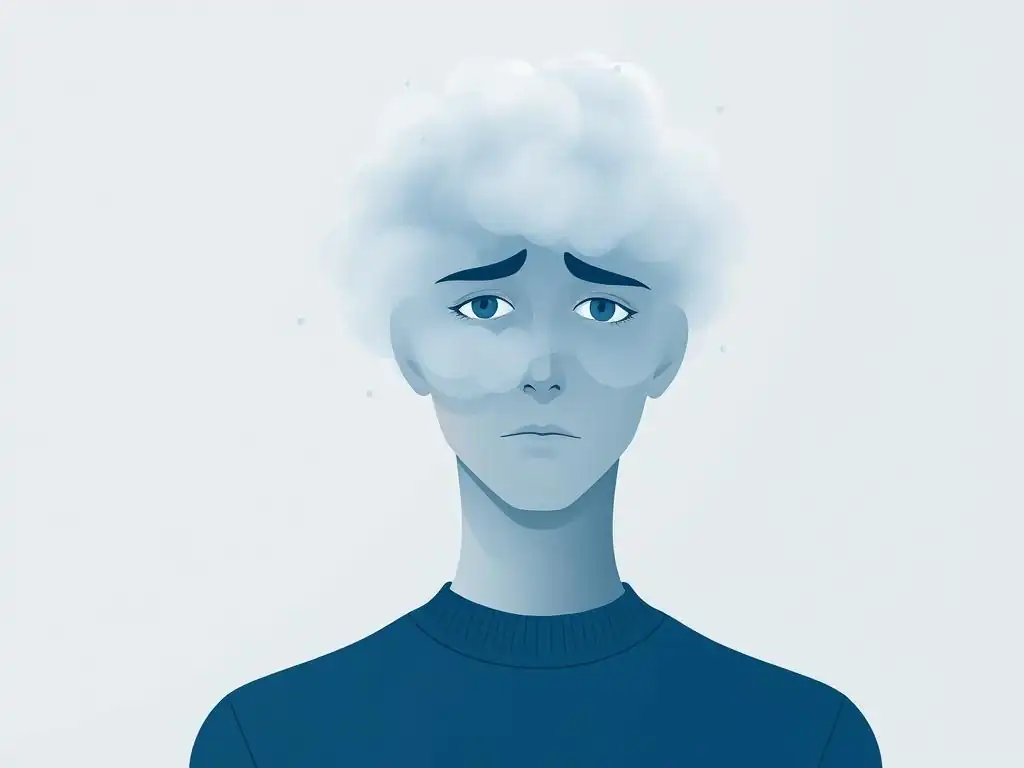
Online dating presents a unique set of challenges for individuals with anxious attachment styles. The inherent ambiguity, the potential for rejection, and the constant accessibility of communication can trigger anxieties and insecurities. This section will explore specific strategies to navigate these difficulties and foster healthier online dating experiences. Understanding your triggers and developing coping mechanisms is crucial for building confidence and finding fulfilling connections. Remember, you are not alone in this journey; many people with anxious attachment styles successfully navigate online dating. This guide provides practical steps and techniques to help you do the same.
Managing Jealousy and Insecurity in Online Relationships
Jealousy and insecurity are common experiences for those with anxious attachment. Online dating, with its potential for multiple interactions and lack of constant physical proximity, can exacerbate these feelings. It's essential to recognize that these feelings are valid but not necessarily reflective of reality. One helpful technique is to actively challenge negative thoughts. For instance, instead of assuming a lack of response means disinterest, consider alternative explanations: They might be busy, their phone might be dead, or they simply need more time to respond.
Practicing mindfulness can also be beneficial. When feelings of jealousy arise, take a few deep breaths and focus on the present moment. Ground yourself by noticing your surroundings – the temperature of the room, the texture of your clothing, the sounds around you. This helps to interrupt the cycle of negative thinking.
Setting healthy boundaries is also crucial. Avoid constantly checking your partner's online activity or demanding constant reassurance. Instead, focus on building trust through open communication and mutual respect. Remember, healthy relationships are built on trust and mutual understanding, not constant surveillance. Consider journaling your feelings to better understand the triggers and patterns of your jealousy. This can help you identify specific situations or behaviors that trigger these emotions and develop coping strategies accordingly. Remember, seeking professional help from a therapist specializing in attachment issues can provide invaluable support and guidance.
Dealing with Ambiguity and Uncertainty in Online Communication
The asynchronous nature of online communication can be particularly challenging for those with anxious attachment. The lack of immediate feedback and the potential for misinterpretations can lead to heightened anxiety and overthinking. To mitigate this, it’s important to set clear expectations for communication. Discuss preferred communication styles and frequency with your date early on. This reduces ambiguity and prevents misunderstandings that could fuel anxiety.
Avoid overanalyzing every message. One delayed text does not necessarily signify disinterest. Instead, focus on the overall pattern of communication. If someone consistently responds promptly and engages in meaningful conversations, it likely reflects genuine interest. Conversely, if communication is inconsistent or superficial, it might be a sign to reconsider investing further emotional energy.
Learning to manage expectations is key. Online dating is a process, and it's normal to experience periods of uncertainty. Accepting that you cannot control others' actions or responses can help reduce anxiety. Instead of focusing on what you cannot control, focus your energy on what you can: your own self-care, your communication style, and your personal growth.
Employing techniques like the 5-second rule (counting to five and then acting on a positive impulse) can help you avoid the trap of overthinking. When you feel the urge to send a flurry of messages, take a deep breath, count to five, and then decide if sending those messages is truly necessary and beneficial. This helps to regulate impulsive reactions driven by anxiety.
Coping with Ghosting and Rejection in the Online Dating World
Ghosting and rejection are unfortunately common experiences in online dating. For individuals with anxious attachment, these experiences can be particularly painful and reinforce negative beliefs about self-worth and relationships. It's crucial to remember that rejection does not reflect your inherent value. Someone's decision to end communication doesn't mean you are inherently flawed or unlovable. Often, it's a reflection of their own personal issues or incompatibility rather than a judgment of you.
Develop a self-compassionate approach to rejection. Treat yourself with the same kindness and understanding you would offer a friend going through a similar experience. Acknowledge the pain of rejection without dwelling on it. Allow yourself to grieve the loss of a potential connection, but don't let it define your self-worth.
Building a strong support system is also vital. Surround yourself with friends and family who offer unconditional love and support. Sharing your experiences with trusted individuals can provide validation and perspective. Consider seeking professional support from a therapist or counselor who can help you process your emotions and develop healthy coping mechanisms. Remember, resilience is a skill that can be learned and strengthened over time. Each experience, even a painful one, offers an opportunity for growth and self-discovery. Focus on self-improvement and personal growth; these are powerful antidotes to the sting of rejection.
Building Healthy Relationships Through Online Dating

This section focuses on practical strategies for building healthy relationships through online dating, specifically addressing the challenges faced by individuals with anxious attachment styles. Remember, navigating online dating with anxious attachment requires self-awareness and proactive strategies to avoid repeating past patterns. This isn't about changing who you are, but about building healthier relationship habits.
Identifying Red Flags and Avoiding Toxic Relationships
Individuals with anxious attachment styles often overlook red flags in relationships, driven by a fear of abandonment or a need for validation. Recognizing these warning signs early is crucial for protecting your emotional well-being. Common red flags include inconsistent communication, ignoring your needs, controlling behavior, gaslighting, and a lack of respect for your boundaries.
For example, someone who constantly cancels plans last minute, provides vague explanations, or dismisses your concerns is exhibiting potential red flags. Another significant indicator is a partner who pressures you into intimacy before you're comfortable, or who tries to isolate you from friends and family. These behaviors aren't just inconvenient; they're indicators of a potentially toxic dynamic.
Learning to identify these red flags requires active self-reflection. Ask yourself: Do I feel consistently anxious or stressed in this interaction? Am I constantly questioning my worth or the validity of my feelings? Do I feel pressured to compromise my values or needs?
If the answer is yes to any of these questions, it's essential to re-evaluate the relationship and prioritize your well-being. Remember, a healthy relationship should feel supportive and empowering, not draining or anxiety-inducing. Consider journaling your experiences to better track patterns and identify recurring red flags. This self-reflection is key to building healthier relationship patterns and moving forward with confidence.
Fostering Secure Attachment in Online Interactions
Building secure attachment in online dating requires conscious effort and self-compassion. Instead of focusing on instant gratification or seeking constant reassurance, concentrate on building genuine connections based on trust and mutual respect. This includes setting realistic expectations, managing your anxiety through self-soothing techniques (like mindfulness or deep breathing exercises), and prioritizing self-care. Avoid over-analyzing messages or jumping to conclusions. Remember, online communication can be easily misinterpreted.
One effective strategy is to focus on building a strong sense of self before actively seeking a relationship. This involves identifying your personal values, understanding your needs, and developing healthy coping mechanisms for stress and anxiety. Engage in activities that bring you joy and fulfillment, fostering self-esteem and reducing reliance on external validation. Prioritize activities that help you feel grounded and secure within yourself. By focusing on self-improvement and self-love, you create a stronger foundation for building healthy relationships, reducing the likelihood of falling into unhealthy patterns.
Maintaining Healthy Communication and Boundaries in Online Relationships
Healthy communication and clear boundaries are essential for managing anxious attachment in online dating. Learn to express your needs and feelings assertively, without being overly demanding or apologetic. This includes clearly stating your boundaries early on, such as limiting the amount of time you spend messaging or avoiding late-night conversations. If you feel overwhelmed or anxious, communicate this directly to your partner, explaining your needs without blaming them. For example, you might say, "I'm feeling a bit overwhelmed with the constant messaging; could we maybe scale it back a bit?" instead of accusing them of being too demanding.
Remember, setting boundaries isn't selfish; it's a crucial component of self-respect and maintaining your mental well-being. It's also important to be mindful of your partner's boundaries and respect their communication preferences. Healthy communication is a two-way street. This involves active listening, empathetic responses, and a willingness to compromise. By establishing clear boundaries and fostering open and honest communication, you create a safer and more secure online dating experience, reducing the risk of triggering anxious attachment responses. Consistent and respectful communication is the cornerstone of any healthy relationship, both online and offline.
Long-Term Strategies for Success in Online Dating with Anxious Attachment
This section focuses on cultivating sustainable habits and mindsets to foster healthier online dating experiences for individuals with anxious attachment styles. Remember, consistent effort is key to long-term success. Shifting ingrained patterns takes time and patience, but the rewards are well worth the journey. We'll explore strategies that move beyond quick fixes and instead focus on building a solid foundation for healthy relationships, both online and offline.
Developing Self-Compassion and Self-Acceptance
Anxious attachment often stems from a lack of self-compassion and self-acceptance. Before diving into the world of online dating, it's crucial to cultivate a kinder inner dialogue. This isn't about becoming narcissistic; it's about recognizing your inherent worthiness of love and connection.
Practicing self-compassion involves treating yourself with the same kindness and understanding you'd offer a close friend struggling with similar anxieties. When negative self-talk arises—common with anxious attachment—challenge those thoughts. Ask yourself: Would I say this to a friend? If not, why am I saying it to myself?
Here are some actionable steps to cultivate self-compassion:
- Keep a gratitude journal: Daily jot down things you're thankful for, focusing on your personal strengths and accomplishments. This helps shift your focus from perceived flaws to positive attributes.
- Practice mindfulness meditation: Mindfulness techniques help you become more aware of your thoughts and feelings without judgment, reducing the intensity of anxious responses.
- Engage in self-care activities: Prioritize activities that nurture your physical and emotional well-being. This could include exercise, spending time in nature, reading, or pursuing hobbies. These activities provide a buffer against overwhelming anxieties.
- Affirmations: Start and end your day with positive affirmations that focus on self-worth and self-acceptance. Examples include: "I am worthy of love," "I am strong and capable," and "I am enough."
Remember, self-compassion is a journey, not a destination. Be patient with yourself and celebrate small victories along the way. The more you nurture self-acceptance, the less you'll rely on external validation from online interactions.
Building a Strong Support System for Emotional Well-being
Having a strong support system is vital for navigating the emotional rollercoaster of online dating, especially with anxious attachment. This network can provide crucial emotional regulation when anxieties flare up.
This support system can consist of:
- Trusted friends and family: Share your experiences and anxieties with people who understand and support you. Their perspective can help you gain clarity and avoid impulsive decisions.
- Therapist or counselor: A therapist specializing in attachment styles can provide valuable guidance and tools to manage anxiety and improve communication skills. Professional support is particularly helpful during challenging dating experiences.
- Support groups: Connecting with others who share similar experiences can reduce feelings of isolation and provide a sense of community. Sharing experiences can normalize anxieties and offer practical advice.
Don't hesitate to reach out for support when needed. Leaning on your support system isn't a sign of weakness; it's a sign of strength and self-awareness. Open communication with your support network can help you process your emotions constructively and make informed decisions about your online dating journey. Remember, you don't have to go through this alone.
Maintaining a Balanced Approach to Online Dating and Offline Life
It's easy to become overly invested in online dating, particularly when dealing with anxious attachment. This can lead to neglecting other important aspects of your life. Maintaining a balanced approach is crucial for preventing burnout and maintaining a healthy perspective.
Here's how to achieve balance:
- Set boundaries: Limit the time you spend on dating apps and websites. Schedule specific times for online dating and stick to them. This prevents it from consuming your entire day.
- Prioritize self-care: Continue engaging in activities you enjoy and that promote your well-being, regardless of your dating progress. These activities serve as a grounding force amidst the uncertainties of online dating.
- Focus on offline connections: Nurture relationships with friends and family. Maintain a robust social life outside the realm of online dating. This provides a sense of belonging and reduces reliance on online validation.
- Engage in hobbies and interests: Dedicate time to activities you're passionate about. This helps you maintain a sense of self outside of the online dating world and creates a more fulfilling life, regardless of romantic success.
Maintaining a balanced life is essential for long-term well-being and reduces the likelihood of becoming overly dependent on online validation. Remember, a fulfilling life extends far beyond the world of online dating. Prioritizing your overall happiness will enhance your online dating experience and increase your chances of finding a healthy, meaningful relationship.
Frequently Asked Questions
How can I manage my anxiety while online dating if I have an anxious attachment style?
Online dating can trigger anxiety, but you can manage it. Focus on self-compassion and setting realistic expectations. Remember that rejection is part of the process, and it doesn't reflect your worth.
What are some red flags to watch out for in online dating profiles, especially with an anxious attachment style?
Be wary of profiles lacking photos or detail, or those that seem too perfect. Inconsistency in their messages or actions is a red flag. Pay attention to your gut feeling – if something feels off, it probably is.
How can I avoid getting overly invested too quickly in someone I meet online?
Practice mindfulness and self-awareness. Avoid over-analyzing messages or interactions. Focus on building a connection gradually and prioritize your own needs and well-being.
What communication strategies are helpful for someone with anxious attachment in online dating?
Communicate your needs and boundaries clearly and respectfully. Avoid over-sharing early on. Use "I" statements to express your feelings. Don't be afraid to ask for space if you need it.
How can I tell if someone is a good match for me, considering my anxious attachment style?
Look for someone who is emotionally available, communicative, and respectful of your boundaries. Someone who demonstrates consistent effort and understanding is key. Trust your intuition.
Understanding anxious attachment in the context of online dating is not just a niche concern; it's a crucial step towards building healthier, more fulfilling relationships in the digital age. The rise of online dating has amplified the anxieties inherent in seeking connection, making it vital to equip ourselves with the tools to navigate this landscape with self-awareness and compassion. This isn't just about finding a partner; it's about fostering a healthier relationship with ourselves first.
The journey of self-discovery and relationship building, particularly for those with anxious attachment styles, is a continuous process of learning and unlearning. It requires confronting ingrained patterns and developing new coping mechanisms. The impact of online dating on our expectations and anxieties is undeniable, often exacerbating pre-existing insecurities. The most important relationship you will ever have is the one you have with yourself.
This quote rings truer than ever in the fast-paced world of online dating, where self-acceptance and self-compassion are the cornerstones of healthy connection.
Now, consider your own dating experiences. What patterns have you noticed? Where do your anxieties stem from? This article has provided tools and strategies, but the true power lies in your willingness to apply them. Embrace self-reflection, practice self-care, and remember that building healthy relationships starts with building a healthy relationship with yourself. You deserve love, connection, and a dating experience that nourishes your well-being. Take the time to understand your attachment style, and use that knowledge to create a more positive and fulfilling dating journey.
Unlock Your Dating Potential: Take Control of Your Love Life
Thank you for exploring healthier online dating strategies! We hope this guide provided valuable insights into navigating the online dating world with an anxious attachment style. Now it's time to put these tips into practice.
Here's how you can start feeling more confident and secure in your dating journey:
- Prioritize self-care: Schedule some relaxing time this week—a long bath, a nature walk, or anything that helps you recharge and center yourself. This will boost your confidence and make online dating a more positive experience.
- Try one new technique: Choose one strategy from the article that resonates with you (e.g., setting realistic expectations, practicing mindful communication), and use it in your next online interaction.
- Share your experiences: Share your experiences and insights in the comments below – let's build a supportive community to help everyone find success!
Ready to embrace a more empowered and fulfilling dating experience? What's the first step you'll take to build a healthier relationship with yourself and others in the online dating world?