
The Impact of AI on Dating App Privacy: Benefits and Risks


Welcome to OnlineDatingSuccess.org, your guide to navigating the exciting yet complex world of online dating. Are you ready to unlock your dating potential? We'll equip you with the knowledge and strategies you need to succeed, from crafting irresistible profiles to fostering authentic connections. But first, let's address a critical concern: AI dating app privacy risks. Discover the surprising ways artificial intelligence impacts your online dating safety and learn how to protect yourself while finding love. Dive in and explore the fascinating intersection of technology and romance – your journey to a meaningful relationship starts here!
- AI-Powered Dating Apps: A Double-Edged Sword
- AI Dating App Privacy Risks: Unveiling the Potential Threats
- Mitigating the Risks: Protecting Your Privacy on AI-Powered Dating Apps
- The Future of AI and Dating App Privacy: Balancing Innovation and Security
-
Frequently Asked Questions
- What are the privacy benefits of using AI in dating apps?
- What are the main privacy risks associated with AI in dating apps?
- How can dating apps using AI ensure user data is protected?
- Can AI-powered dating apps accurately predict compatibility?
- What legal protections are in place regarding AI and dating app privacy?
- Final Reflection: Navigating the AI Revolution in Dating App Privacy
- Unlock Your Dating App Privacy Power
AI-Powered Dating Apps: A Double-Edged Sword
The rise of artificial intelligence (AI) has profoundly impacted numerous aspects of our lives, and online dating is no exception. Dating apps, once simple platforms for connecting individuals, are now increasingly incorporating AI-driven features designed to enhance user experience and improve matching accuracy. However, this integration of AI also presents significant concerns regarding user privacy and data security.
This article delves into the complex relationship between AI and dating app privacy, exploring both the potential benefits and the inherent risks associated with this rapidly evolving technology. We will examine how AI algorithms are used to personalize the dating experience, analyze the security measures implemented to protect user data, and discuss the potential vulnerabilities that could compromise personal information.
Understanding these aspects is crucial for navigating the modern dating landscape safely and effectively, allowing users to make informed decisions about their online interactions and protect their privacy. The increasing use of AI in dating apps makes understanding the implications of "AI dating app privacy risks" paramount for responsible online dating.
Enhanced Matching Algorithms and Personalized Experiences through AI
AI algorithms are transforming the way dating apps connect users. Instead of relying solely on basic search filters, these algorithms analyze vast amounts of user data – including profile information, communication patterns, and even location data – to predict compatibility and suggest potential matches. This leads to more personalized experiences, with apps curating potential partners based on individual preferences and behavioral patterns. For example, AI can identify subtle patterns in user interactions, such as preferred communication styles or specific interests, to refine matching suggestions over time.
This personalized approach can increase the efficiency of the dating process, potentially saving users time and effort in finding compatible partners. However, the extent of data collection and the potential for bias within these algorithms raise significant privacy concerns. The more data an app collects, the greater the risk of a data breach or misuse of personal information.
Furthermore, biases embedded in the algorithms could inadvertently discriminate against certain user groups, leading to unfair or discriminatory matching outcomes. Understanding how these algorithms function and what data they utilize is crucial for users to make informed choices about their online dating experience. The promise of improved matching through AI must be carefully weighed against the potential for privacy violations and algorithmic bias.
Increased Security Measures Using AI: Fraud Detection and Profile Verification
While AI poses significant privacy risks in dating apps, it also offers opportunities to enhance security. AI-powered systems are increasingly employed to detect and prevent fraudulent activities, such as fake profiles and scams. These systems analyze user behavior and profile information to identify suspicious patterns, flagging potentially fraudulent accounts for review. Similarly, AI can be used to verify user identities, employing techniques such as facial recognition or comparing profile information with other online data sources to reduce the prevalence of fake profiles.
These security measures can significantly improve the safety of online dating platforms, protecting users from harassment, scams, and other malicious activities. However, the use of AI for security also presents ethical and privacy challenges. Facial recognition technology, for instance, raises concerns about potential misuse and bias.
Furthermore, the collection and analysis of user data for security purposes requires robust data protection measures to prevent unauthorized access or misuse. The balance between enhanced security and the protection of user privacy needs careful consideration. The effective implementation of AI-driven security features should prioritize user consent and transparency about data usage, ensuring that security measures don't come at the expense of individual privacy.
AI Dating App Privacy Risks: Unveiling the Potential Threats
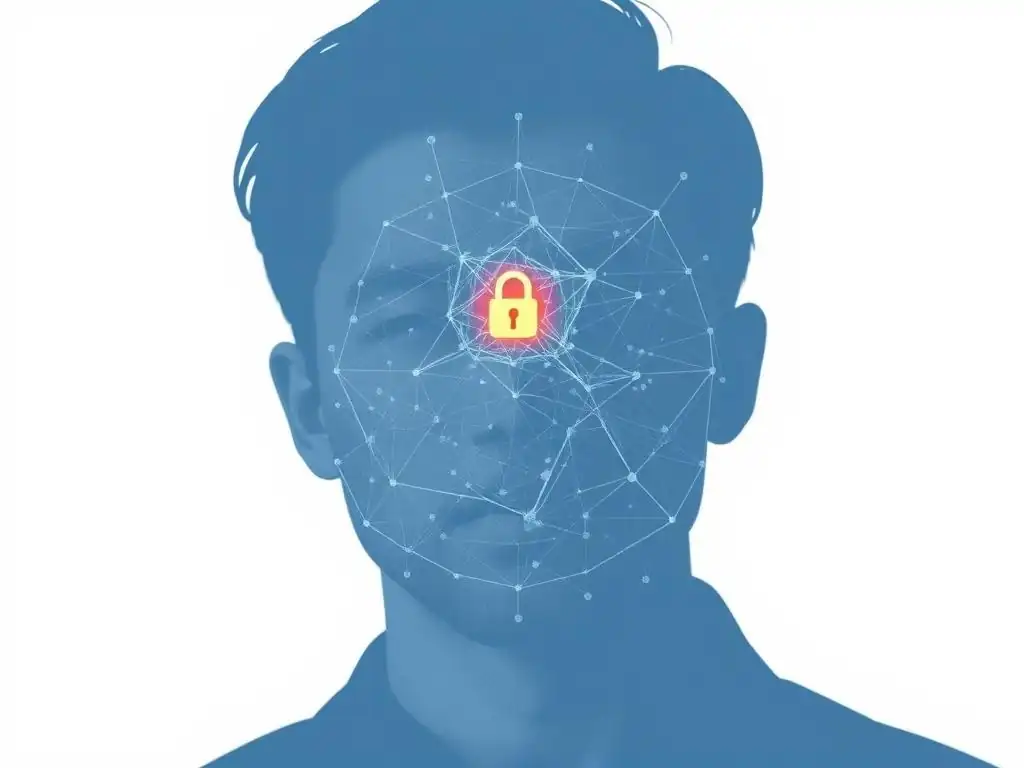
Dating apps are increasingly leveraging Artificial Intelligence (AI) to enhance user experience, from suggesting matches to optimizing profiles. While this technology offers undeniable benefits, it also introduces significant privacy risks that users should understand. This section delves into the potential threats associated with AI in the context of dating app privacy, specifically addressing data collection, algorithmic bias, and security vulnerabilities. Understanding these risks is crucial for navigating the modern online dating landscape safely and effectively. The keyword, "AI dating app privacy risks," is central to this analysis.
Data Collection and Usage: The Extent of AI's Reach in Dating Apps
AI-powered dating apps collect vast amounts of user data, often exceeding what's explicitly disclosed in privacy policies. This data extends beyond basic profile information like age, location, and interests. AI algorithms analyze communication patterns, browsing history within the app, even the precise timing of interactions. This comprehensive data collection allows for highly personalized matching suggestions, but also raises serious privacy concerns.
For example, consider the analysis of message content. While the app may claim to use this data only for improving matching algorithms, the potential for misuse is substantial. Sensitive personal information revealed in casual conversations – from financial details to health concerns – could be vulnerable.
Furthermore, the aggregation of seemingly innocuous data points can create a surprisingly detailed profile, potentially revealing aspects of a user's life they never intended to share. The lack of transparency regarding the exact data points collected and their usage remains a significant challenge. Many apps lack clear explanations of how this data is used, stored, and protected, leading to a lack of informed consent from users.
Algorithmic Bias and Discrimination in AI-Driven Matching Systems
AI algorithms are trained on existing datasets, which often reflect societal biases. This can lead to discriminatory outcomes in dating app matching systems. For example, if the training data overrepresents certain demographics or preferences, the algorithm may inadvertently favor those groups, resulting in less visibility or fewer matches for others. This creates a self-reinforcing cycle, perpetuating existing inequalities.
Consider a scenario where an algorithm is trained on data showing a preference for users with specific physical attributes. The algorithm might then prioritize matching users with those attributes, potentially disadvantaging individuals who don't fit the perceived ideal. This is not only unfair but also contributes to a potentially harmful feedback loop, reinforcing unrealistic beauty standards.
The lack of transparency in algorithmic decision-making makes it difficult to identify and address such biases. More research and regulatory oversight are needed to ensure fairness and prevent discrimination in AI-driven matching systems. Addressing the issue of "AI dating app privacy risks" requires a robust approach to algorithmic transparency and accountability.
The Security Risks of AI-Powered Features: Data Breaches and Misuse
The sophisticated AI features in dating apps also increase the vulnerability to data breaches and misuse. The extensive data collection inherent in AI systems creates a larger target for cyberattacks. A successful breach could expose sensitive personal information to malicious actors, leading to identity theft, stalking, or other serious harms. Moreover, the complexity of AI algorithms can make it difficult to detect and respond to security threats promptly.
Furthermore, AI-powered features, such as facial recognition or sophisticated profile matching, can be exploited for malicious purposes. For instance, unauthorized access to facial recognition data could be used for identity theft or tracking. Similarly, profile data could be misused for targeted harassment or scams.
The potential for misuse is amplified by the often-lacking security protocols and data encryption standards in some dating apps. To mitigate these "AI dating app privacy risks," stronger security measures, including robust encryption, regular security audits, and transparent data protection policies are crucial. Users should also practice good online safety habits, such as using strong passwords and being cautious about sharing personal information.
Lack of Transparency and User Control Over AI-Driven Processes
Many dating apps utilize AI algorithms to curate matches, personalize user experiences, and even moderate content. However, a significant concern revolves around the lack of transparency surrounding these processes. Users often lack clear understanding of how these algorithms function, what data points they consider, and what criteria they use to make decisions impacting their online dating experience. This opacity fosters a sense of unease and powerlessness. Users are essentially entrusting their personal information and romantic prospects to a "black box," with little insight into the mechanisms that shape their interactions.
This lack of control is further exacerbated by the often limited options available to users to modify or opt out of AI-driven features. For example, while some apps may allow users to adjust their matching preferences, they rarely provide granular control over the underlying AI algorithms themselves. This lack of transparency and control directly contributes to the perception of risk surrounding AI in online dating. The potential for bias, discrimination, and manipulation becomes significantly more concerning when users lack the means to understand and influence the AI systems shaping their experience. The absence of user-friendly explanations and readily accessible controls undermines trust and raises serious questions about data privacy and algorithmic accountability.
A more user-centric approach, emphasizing transparency and offering meaningful control over AI-driven features, is crucial to mitigating these risks and fostering a more responsible and ethical online dating ecosystem. Without this, the potential for misuse and exploitation remains significant. Furthermore, the lack of transparency makes it difficult to identify and address potential biases within the algorithms themselves, perpetuating existing societal inequalities and potentially harming vulnerable users. This lack of oversight necessitates greater regulatory scrutiny and industry self-regulation to ensure fairness and accountability in AI-driven matchmaking.
Mitigating the Risks: Protecting Your Privacy on AI-Powered Dating Apps

The rise of AI in online dating presents both exciting opportunities and significant privacy challenges. While AI algorithms can personalize matches and enhance user experience, they also collect and process vast amounts of personal data, raising concerns about potential misuse. Understanding these risks and adopting proactive measures is crucial for safeguarding your privacy. This section outlines practical steps to minimize your exposure to AI dating app privacy risks.
Understanding Your App's Privacy Policy and Data Practices
Before entrusting your personal information to any AI-powered dating app, meticulously review its privacy policy. Don't just skim; read it thoroughly. Look for clear explanations of:
- Data Collection: What types of data does the app collect? This might include your location data, photos, communication history, browsing activity, and even your device information. Pay close attention to the scope of data collected beyond what's explicitly needed for matching.
- Data Usage: How will the app use your data? Will it be shared with third-party advertisers, researchers, or other companies? The policy should clearly delineate how your data is used for personalization, advertising, and other purposes. Be wary of vague or overly broad statements.
- Data Security: What measures does the app take to protect your data from unauthorized access, use, or disclosure? Look for mentions of encryption, security protocols, and data breach response plans. A lack of detail here is a significant red flag.
- Data Retention: How long will the app retain your data? The policy should specify how long your information will be stored, even after you delete your account. Understand the app's data deletion procedures.
- Your Rights: What rights do you have regarding your data? Does the app allow you to access, correct, delete, or download your data? Look for clear explanations of your rights under applicable data privacy laws (like GDPR or CCPA).
Remember, a truly transparent app will provide clear, concise, and easily understandable information in its privacy policy. If the policy is convoluted, ambiguous, or difficult to locate, consider choosing a different app. The level of detail and clarity in a privacy policy is a key indicator of the app's commitment to user privacy. Don't hesitate to compare the privacy policies of different dating apps to make an informed decision.
Choosing Reputable Dating Apps with Strong Security Measures
Not all dating apps are created equal when it comes to data privacy. Some prioritize user privacy more than others. When selecting an app, consider its reputation and track record:
- Research the App: Look for reviews and articles discussing the app's privacy practices. See what other users have to say about their experiences with the app's data security.
- Check for Security Certifications: Some apps may have undergone independent security audits or obtained certifications that demonstrate their commitment to data protection. These can offer an additional layer of assurance.
- Look for Transparency: Apps that are upfront about their data practices and readily address user privacy concerns are generally more trustworthy. Avoid apps that are secretive or evasive about their data handling procedures.
- Consider App Size and Popularity: Larger, more established apps often have the resources to invest in robust security measures. However, popularity doesn't guarantee perfect security, so always conduct thorough research.
Choosing reputable apps with a strong history of protecting user data is a crucial step in mitigating the risks associated with AI-powered dating. Remember, your privacy is valuable, and choosing wisely is a proactive measure to protect it.
Utilizing Privacy Settings and Data Control Features
Even with a carefully chosen app, you can further enhance your privacy by actively managing your settings and data:
- Limit Data Sharing: Many apps allow you to control the amount of personal information you share. Carefully review these settings and limit sharing to only what's essential for finding potential matches. For example, you might choose to disable location sharing or limit the visibility of your photos.
- Manage Notifications: Control the types of notifications you receive. Excessive notifications can reveal information about your activity on the app.
- Review Connected Accounts: Check which accounts are connected to your dating app profile and disconnect any unnecessary links.
- Regularly Review Privacy Settings: Dating apps often update their features and privacy settings. Regularly review your settings to ensure they align with your privacy preferences.
- Use Strong Passwords and Two-Factor Authentication: Protect your account with strong, unique passwords and enable two-factor authentication whenever possible. This adds an extra layer of security against unauthorized access.
By understanding your app's data practices, choosing reputable apps, and actively managing your privacy settings, you can significantly reduce your exposure to the AI dating app privacy risks and maintain control over your personal information. Remember, proactive engagement is key to protecting your privacy in the evolving landscape of online dating.
Reporting Suspicious Activity and Data Breaches
Protecting your privacy on AI-powered dating apps isn't just about proactive measures; it also involves knowing how to react to potential threats. Understanding the reporting mechanisms available is crucial in mitigating the risks associated with AI dating app privacy. If you suspect unusual activity on your account—unexplained logins from unfamiliar locations, unauthorized profile modifications, or suspicious messages—reporting it immediately is paramount.
Most dating apps have clear pathways for reporting such issues, often accessible through a dedicated "Help" or "Support" section within the app's settings. These reports are usually reviewed by a dedicated team responsible for investigating security breaches and user safety. The speed and efficiency of their response can vary depending on the app's size and resources, but timely reporting is always the best course of action.
Furthermore, it's vital to understand how to respond to a data breach. While dating apps invest heavily in security, the risk of a large-scale data breach remains. Should a breach occur, the app should notify you promptly, outlining the nature of the compromised data and the steps they are taking to address the situation. They should also provide guidance on how to protect yourself, potentially including password changes, fraud monitoring services, and other security measures.
Being informed and proactive during such situations is crucial to minimizing the potential harm. Remember to monitor your credit report and bank statements for any unusual activity following a data breach notification. Don't hesitate to contact your bank or credit card company immediately if you notice any suspicious transactions. In severe cases, reporting the breach to relevant authorities, such as the Federal Trade Commission (FTC) in the US, might also be necessary.
Staying vigilant and informed empowers you to take control of your digital safety and privacy. The proactive reporting of suspicious activities and a knowledgeable response to data breaches are essential components of maintaining your online safety within the context of AI-driven dating apps. This proactive approach is key to mitigating the "AI dating app privacy risks".
The Future of AI and Dating App Privacy: Balancing Innovation and Security
The integration of Artificial Intelligence (AI) into dating apps presents a double-edged sword. While AI offers exciting possibilities for enhancing user experience – think personalized match suggestions and sophisticated fraud detection – it also raises significant concerns regarding user privacy and data security. The future of AI in online dating hinges on a delicate balance between leveraging its innovative potential and mitigating the inherent risks. This requires a multi-pronged approach involving developers, regulators, and users themselves.
Failure to address these issues proactively could lead to widespread erosion of trust and a chilling effect on the very adoption of these technologies. Already, we see a growing awareness amongst users about the amount of personal data collected by these platforms. This awareness is driving demand for greater transparency and control over how this data is used.
The Role of Regulation and Legislation in Protecting User Data
Robust legal frameworks are crucial for safeguarding user data in the context of AI-powered dating apps. Current data protection laws, such as GDPR in Europe and CCPA in California, provide a foundation, but they need strengthening and adaptation to specifically address the unique challenges posed by AI. For example, existing laws may not adequately address the use of AI in profiling users for targeted advertising or the potential for algorithmic bias to discriminate against certain groups.
Furthermore, clearer guidelines are needed regarding the transparency of AI algorithms used in matchmaking and the right of users to access and challenge the data used to create their profiles. The lack of standardized regulation across different jurisdictions creates a fragmented landscape, making it difficult for app developers to comply with varying requirements and leaving users vulnerable in some regions. A harmonized global approach would be ideal, but even regional cooperation could significantly improve data protection.
This might involve creating specific regulations for AI in dating apps, establishing independent oversight bodies, and implementing stricter penalties for data breaches. The focus should be on empowering users with greater control over their data while fostering innovation.
The Development of Ethical AI Guidelines for Dating App Developers
Beyond legislation, the development of voluntary ethical guidelines for dating app developers is paramount. These guidelines should go beyond mere compliance with existing laws and embrace a proactive approach to responsible AI development. This includes:
- Data Minimization: Collecting only the minimum necessary data for the app's core functionality.
- Transparency and Explainability: Providing users with clear and understandable information about how AI is used in the app and the rationale behind any decisions made by the algorithm.
- Algorithmic Auditing: Regularly reviewing and auditing algorithms to identify and mitigate potential biases and vulnerabilities.
- Data Security: Implementing robust security measures to protect user data from unauthorized access, use, or disclosure.
- User Consent: Obtaining explicit and informed consent from users for the collection and use of their data, with clear options for opting out.
These guidelines should be developed collaboratively, involving experts in AI ethics, data privacy, and online dating, as well as representatives from dating app companies and user advocacy groups. A publicly accessible code of conduct, regularly updated to reflect technological advancements and evolving ethical considerations, would foster trust and accountability. Independent certification programs could further strengthen the credibility of these guidelines, allowing users to identify apps committed to ethical AI practices.
Ultimately, the success of any effort to protect user privacy in AI-powered dating apps depends on user education and awareness. Many users are unaware of the extent to which their data is collected and used by these apps, let alone the role of AI in this process. Comprehensive educational campaigns are needed to empower users with the knowledge and skills to protect their privacy. This includes:
- Understanding data collection practices: Educating users about what types of data are collected, how it is used, and with whom it is shared.
- Managing privacy settings: Teaching users how to adjust their privacy settings to control the amount of data they share.
- Recognizing and reporting suspicious activity: Equipping users with the ability to identify and report potential data breaches or privacy violations.
- Critical evaluation of app permissions: Encouraging users to carefully review and understand the permissions requested by dating apps before granting access.
These educational initiatives should utilize diverse channels, including online resources, workshops, and social media campaigns, to reach a broad audience. Clear and concise information, presented in an accessible and engaging manner, is key to fostering a culture of informed consent and responsible data management within the online dating landscape. The ongoing evolution of AI necessitates continuous user education to keep pace with emerging technologies and potential risks. This ongoing dialogue is critical to ensuring a safe and trustworthy future for online dating.
Emerging Technologies and Their Impact on Privacy in Online Dating
The rapid advancement of artificial intelligence (AI) is dramatically reshaping the online dating landscape, introducing both exciting possibilities and significant privacy concerns. While AI-powered features like advanced matching algorithms and sophisticated fraud detection systems offer benefits, they also raise complex questions about data collection, usage, and security. The integration of technologies like facial recognition, voice analysis, and even predictive behavioral modeling adds another layer of complexity to the already intricate world of dating app privacy.
These technologies, while potentially enhancing user experience, often operate with opaque data processing methods, leaving users vulnerable to unforeseen risks. Understanding the implications of these emerging technologies is crucial for navigating the evolving privacy landscape of online dating.
One major concern revolves around the sheer volume of personal data collected by dating apps. AI algorithms thrive on data, requiring extensive information about users' preferences, behaviors, and communication styles to function effectively. This data, often including sensitive personal information like location data, relationship history, and even intimate details shared through messaging, presents a significant target for malicious actors.
A data breach involving a dating app could have devastating consequences for users, exposing them to identity theft, stalking, or even harassment. The potential for misuse of this data is substantial, highlighting the urgent need for robust security measures and transparent data handling practices.
Furthermore, the increasing sophistication of AI algorithms raises concerns about algorithmic bias and discrimination. AI systems are trained on existing data, which may reflect and perpetuate societal biases. This can lead to discriminatory outcomes, such as certain user profiles being unfairly disadvantaged in the matching process or being targeted for specific forms of advertising. The lack of transparency in how these algorithms operate makes it difficult to identify and address these biases, potentially leading to unfair and discriminatory practices within the online dating ecosystem.
The development of ethical guidelines and regulations for the use of AI in dating apps is therefore crucial to mitigate these risks. Ensuring fairness and equity in the application of AI is paramount to building a truly inclusive and respectful online dating environment. This requires not only technological solutions but also a strong focus on ethical considerations and responsible development practices.
The integration of biometric data, such as facial recognition and voice analysis, further complicates the privacy equation. While these technologies may enhance security by verifying user identities and preventing the creation of fake profiles, they also introduce new vulnerabilities. The unauthorized access or misuse of biometric data could have severe consequences, potentially leading to identity theft or impersonation.
The storage and security of this sensitive information need to be addressed with the utmost care, requiring robust encryption protocols and strict access controls. The lack of standardized security protocols across dating apps exacerbates this problem, leaving users vulnerable to differing levels of protection depending on the platform they use. Therefore, standardization of data security practices and increased regulatory oversight are essential to ensuring the responsible use of biometric data in online dating.
Frequently Asked Questions
What are the privacy benefits of using AI in dating apps?
AI can offer enhanced privacy controls, such as more precise matching based on preferences without revealing sensitive data, and improved fraud detection to protect users from fake profiles. This can lead to a safer and more personalized experience.
What are the main privacy risks associated with AI in dating apps?
AI systems require vast amounts of personal data for training and operation, raising concerns about data breaches and misuse. Algorithms can also perpetuate existing biases, leading to unfair or discriminatory outcomes.
How can dating apps using AI ensure user data is protected?
Apps should implement robust security measures, including encryption and anonymization techniques. They should also be transparent about data collection practices and obtain explicit user consent. Regular security audits are crucial.
Can AI-powered dating apps accurately predict compatibility?
While AI can analyze user data to suggest matches, it cannot accurately predict long-term compatibility. Algorithms may focus on superficial similarities, neglecting crucial aspects of relationship dynamics and individual personalities.
What legal protections are in place regarding AI and dating app privacy?
Data protection regulations like GDPR and CCPA provide some legal framework, but the specific application to AI in dating apps is still evolving. Users should be aware of their rights and carefully review app privacy policies.
The integration of AI into dating apps presents a double-edged sword, offering unprecedented personalization while simultaneously raising serious concerns about data privacy and security. This seemingly futuristic scenario is already our reality, impacting millions daily and demanding careful consideration of its ethical and practical implications. The potential for misuse of personal data is significant, and understanding the risks is crucial for navigating this evolving landscape.
The pervasive influence of AI on our personal lives, particularly within the intimate sphere of dating, is undeniable and profoundly shapes our expectations of online interactions. The very nature of trust in digital spaces is being redefined, forcing us to question the boundaries of data collection and the potential for algorithmic bias. As Sherry Turkle wisely noted, We expect more from technology and less from each other.
This sentiment rings particularly true in the context of AI-driven dating apps, where the allure of personalized matches can overshadow the potential for exploitation and manipulation.
Consider the implications of this information. You, the reader, have the power to shape the future of AI in dating. By demanding transparency from app developers, advocating for stronger data protection laws, and critically evaluating the information shared online, you can contribute to a safer and more ethical digital dating experience. Let us move forward, not with fear, but with informed engagement, ensuring that AI serves to enhance, not erode, the integrity and privacy of our personal connections.
Unlock Your Dating App Privacy Power
Thanks for exploring the complex world of artificial intelligence and dating app privacy with us! You've gained valuable insights into protecting your personal information in the digital dating world. Ready to take control?
- Prioritize your app settings: Carefully review and adjust your privacy settings on your dating apps. Pay close attention to data sharing permissions; making significant improvements is easier than you think.
- Share this article: Spread the word! Help your friends and family navigate the complexities of online dating privacy by sharing this article.
- Challenge the algorithms: Experiment with different app settings and usage patterns to see how they affect your experience. Share your findings in the comments below!
What unique steps are you taking to safeguard your privacy while dating online?