
Dating Safety: How to Build a Meaningful Connection Safely


Ready to ditch the dating app disappointments and find genuine connection? At OnlineDatingSuccess.org, we empower you to navigate the world of online dating with confidence. This isn't just about swiping right—it's about building meaningful relationships safely. Learn essential online dating safety tips in our latest article, and discover how to create a profile that attracts the right kind of attention. Let's unlock your potential for a fulfilling relationship, one smart choice at a time.
- Understanding Online Dating Safety Risks
- Safe Communication Strategies for Online Dating
-
Planning Safe First Dates: Online Dating Safety Tips for Meetings
- Choosing Safe and Public Meeting Places for First Dates
- Sharing Your Date Plans with Trusted Friends or Family
- Establishing Clear Boundaries and Expectations: Dating Safety Protocols
- Transportation Safety on First Dates: Online Dating Safety Tips
- Choosing Safe Meeting Locations: Online Dating Safety Tips
- Communicating Your Plans: Online Dating Safety Tips
- Ensuring Your Physical Safety During Dates
- Post-Date Safety Measures: Online Dating Safety Best Practices
- Building Healthy Relationships Online: Long-Term Online Dating Safety
-
Frequently Asked Questions
- How can I stay safe while meeting someone from an online dating site for the first time?
- What information should I avoid sharing on my online dating profile?
- How can I verify the identity of someone I'm talking to online?
- What should I do if I feel uncomfortable or threatened by someone I met online?
- What are some red flags to look out for in online dating?
- Final Reflection: Weaving Trust into the Digital Tapestry of Dating
- Unlock Your Dating Confidence: Start Connecting Safely Today!
Understanding Online Dating Safety Risks
Online dating has revolutionized how people meet and form relationships, offering unprecedented opportunities to connect with others who share similar interests and goals. However, this digital landscape also presents unique safety challenges. Navigating the world of online dating requires awareness and proactive measures to ensure a positive and secure experience. This article provides crucial online dating safety tips, empowering you to build meaningful connections while minimizing potential risks.
We'll explore how to identify red flags, avoid common scams, and protect your personal information, ultimately helping you create a safer and more fulfilling online dating journey. Remember, prioritizing your safety shouldn't compromise your ability to find genuine connections; rather, it enhances the possibility of building a healthy and lasting relationship. Let's delve into the essential strategies for online dating safety.
Identifying Potential Red Flags in Online Dating Profiles
Many online dating safety tips revolve around recognizing warning signs. A seemingly harmless profile can hide potential dangers. Careful observation is key. Look for inconsistencies in a profile's information – discrepancies between photos and descriptions, vague or missing details about their life, or an overly-perfect portrayal. Be wary of profiles lacking personal photos or those using heavily filtered or obviously stolen images. 🚩 Red Flag: Profiles that avoid specific questions about their lives or work, offering only vague answers, should raise suspicion.
Another critical aspect is the communication style. Be cautious of overly aggressive or overly romantic advances from someone you've just met online. A rush into intimacy or a push for personal information too early in the interaction is a significant red flag. Similarly, watch out for individuals who consistently avoid meeting in person or offer excuses for why they can't video chat. These behaviors often mask malicious intentions. Remember, building trust takes time; don't rush into a relationship or share personal information prematurely. Take your time to get to know someone before meeting them offline.
Consider these examples: A profile with few pictures, all showing the person from the same angle, might be using stock photos. Someone who immediately asks for financial assistance or claims to be in a dire situation is likely attempting a scam. These red flags, while seemingly small, can collectively paint a clearer picture of potential danger. Always trust your instincts; if something feels wrong, it probably is.
Recognizing and Avoiding Common Online Dating Scams
Online dating scams are unfortunately prevalent. Understanding common tactics is crucial for protection. One frequent scam involves individuals creating fake profiles to lure victims into sending money or sharing personal information. These scammers often portray themselves as wealthy, successful, or in need of urgent financial assistance. They may create elaborate stories to gain your sympathy and trust, making it difficult to identify their deception. Another common tactic is the "romance scam," where the scammer cultivates a seemingly genuine romantic relationship to manipulate their victim into sending money.
Protecting yourself requires vigilance and skepticism. Never send money or share your financial details with someone you've met online, regardless of how convincing their story may seem. Be wary of requests for personal information, especially sensitive data like bank account numbers or social security numbers. Always verify a person's identity through independent means before sharing personal details. Don't be afraid to ask probing questions or to conduct background checks using readily available online tools. Remember, legitimate relationships don't require secrecy or financial transactions.
Consider this scenario: Someone you've been talking to online suddenly needs money for an emergency, claiming their bank account has been frozen. This is a classic scam. Another example is a scammer who claims to be traveling abroad and needs money for a flight home. These scenarios are designed to exploit your empathy and generosity.
Protecting Your Personal Information Online: Best Practices for Online Dating
Protecting your personal information is paramount when using online dating platforms. Avoid sharing sensitive information, such as your full address, workplace, or phone number, too early in the process. Use a strong, unique password for your dating profile and enable two-factor authentication whenever possible. Be mindful of the information you share on your profile; avoid revealing too much personal detail that could be used to identify or locate you. Remember, less is often more when it comes to online safety.
Regularly review your privacy settings on dating apps and websites. Understand what information is publicly visible and adjust your settings to control your data visibility. Be cautious about clicking on links or downloading attachments from unknown senders, as these can contain malware or viruses. Always meet in public places for your first date and inform a friend or family member about your plans, including the location, time, and the person you're meeting. This simple step can add an extra layer of protection and peace of mind.
Consider using a separate email address and phone number specifically for online dating, to further protect your privacy and avoid unwanted contact. This added layer of separation can significantly reduce the risk of personal information breaches. Remember, your online safety is a continuous process; consistent vigilance and proactive measures are key to a secure and enjoyable online dating experience.
Safe Communication Strategies for Online Dating
This section focuses on establishing secure communication practices within the context of online dating, directly addressing concerns related to "online dating safety tips". Building trust and protecting personal information are crucial for fostering meaningful connections while minimizing risks. We'll explore practical strategies to navigate online interactions safely and confidently.
Building Trust Gradually: Essential Steps for Safe Online Interactions
Building trust in the online dating world requires patience and a measured approach. Rushing into deep personal disclosures can leave you vulnerable. Instead, focus on gradual information exchange, verifying details, and observing consistent behavior. Think of it like building a house – you wouldn't put on the roof before laying the foundation!
Here's a phased approach to building trust:
- Phase 1: Initial Contact: Keep conversations light and friendly during the first few interactions. Focus on shared interests and common ground. Avoid highly personal topics. This allows you to assess their communication style and overall demeanor. Look for consistency in their responses and their willingness to engage in open dialogue.
- Phase 2: Verification and Fact-Checking: Before investing significant time or emotion, subtly verify information they've shared. This doesn't mean being accusatory, but rather casually mentioning something and seeing if their responses align. For example, if they mention working at a specific company, a simple, "Oh, I know someone who works there too!" can open the door to a natural verification process.
- Phase 3: Video Calls: Once you feel comfortable, suggest a video call. This is a powerful tool to confirm their identity and build rapport. Seeing someone's face and hearing their voice adds another layer of authenticity to the interaction. It's far more difficult for someone to maintain a false persona through a video call.
- Phase 4: Public Meet-Ups: When considering an in-person meeting, always choose a public place for your first encounter. Let a friend or family member know where you're going, who you're meeting, and when you expect to be back. This precaution is essential for your safety and well-being.
Avoiding Oversharing Personal Information Online
Oversharing is a major vulnerability in online dating. Remember, you're building a relationship, not revealing your entire life story to a stranger. Avoid disclosing sensitive information like your full address, workplace address, financial details, or children's names and schools in early stages of online interaction.
Consider these guidelines:
- Use caution with location-based apps: Be mindful of the information you share through location-based apps or check-ins. Over-sharing your location can make you a target for potential harm.
- Protect your privacy settings: Regularly review and adjust your privacy settings on dating apps and social media platforms. Limit the information accessible to the public.
- Separate online profiles: Maintain a clear separation between your dating profile and your other social media accounts. Avoid linking them directly. This helps prevent someone from accessing a wealth of personal information about you.
- Be wary of requests for financial assistance: Never send money to someone you've met online, regardless of their story or how compelling it may seem. Genuine connections don't involve financial transactions.
Recognizing and Responding to Manipulative Behavior
Manipulative behavior can manifest in subtle ways. Learning to recognize these red flags is crucial for protecting yourself. Manipulators often use tactics to control, isolate, or exploit their victims.
Signs of manipulative behavior include:
- Love bombing: An overwhelming display of affection early in the relationship, designed to quickly gain your trust.
- Gaslighting: Making you question your own sanity or perception of events.
- Controlling behavior: Attempting to dictate your actions, choices, or relationships with others.
- Isolation: Trying to separate you from your friends and family.
- Constant negativity: Frequently criticizing or belittling you.
If you encounter any of these behaviors, don't hesitate to end communication immediately. Trust your instincts. Your safety and well-being are paramount. Remember, a healthy relationship is built on mutual respect, trust, and open communication, not manipulation or control. Prioritizing your safety is not selfish; it's essential for navigating the online dating world successfully and building meaningful connections.
Planning Safe First Dates: Online Dating Safety Tips for Meetings

This section focuses on practical strategies to ensure your safety when transitioning from online interactions to in-person dates. Remember, prioritizing your well-being is paramount in the online dating world. These online dating safety tips can significantly reduce risks and help you build meaningful connections with confidence.
Choosing Safe and Public Meeting Places for First Dates
The location of your first date is crucial for your safety. Avoid secluded or private locations. Instead, opt for well-lit, public places where other people are present. This provides a layer of security and reduces the potential for uncomfortable or dangerous situations.
Here's a breakdown of suitable and unsuitable venues:
| Suitable Locations | Unsuitable Locations | Rationale |
|---|---|---|
| Busy coffee shops or cafes | Private residences, especially on a first date. | High visibility, easy escape if needed. |
| Popular restaurants with outdoor seating | Remote parks or hiking trails, especially at night. | More witnesses, less opportunity for isolation. |
| Museums, art galleries, or other cultural venues | Deserted areas, poorly lit streets, or bars with limited visibility | Public spaces with multiple people and security personnel. |
| Well-lit shopping malls or areas with security | Cars, unless you're driving yourself and feel completely safe | Increased safety and ease of escape if things don't go as planned. |
Remember, a safe environment allows for a more relaxed and enjoyable first date. Prioritize places where you feel comfortable and secure. Consider the overall atmosphere; a bustling coffee shop during the day is far safer than a quiet bar late at night. Trust your instincts; if a location feels unsafe, choose a different one.
Transparency is key to online dating safety. Always share your date plans with at least one trusted friend or family member. This includes the date, time, location, and the person's name and contact information (if you're comfortable sharing that). Consider sending them your date's profile picture as well.
You can even arrange a check-in system. Ask a friend to call or text you at a specific time during the date to ensure everything's going well. This simple step provides an additional layer of security and peace of mind. If something feels off, you have someone to reach out to immediately. It's better to err on the side of caution. Many apps offer built-in safety features; utilize those as well.
Establishing Clear Boundaries and Expectations: Dating Safety Protocols
Open communication is vital for a successful and safe date. Before the date, or early on, establish clear boundaries and expectations. This doesn't need to be a formal conversation, but it's crucial for mutual respect and safety. This includes:
- Transportation: Discuss transportation arrangements beforehand. Will you drive yourselves separately? Will you meet at the venue? Driving yourself allows for greater control over your departure.
- Duration: Have a general idea of how long you plan to be on the date. This helps you stay aware of time and ensures you don't feel pressured to stay longer than you're comfortable with.
- Contact Information: Exchange contact information, but don't feel pressured to share more than you're comfortable with.
- Alcohol Consumption: Set limits on alcohol consumption if you choose to drink. Staying clear-headed is important for safety and decision-making.
- Emergency Exit Strategy: Mentally plan an escape route if needed. Knowing you have options can reduce anxiety and increase your sense of control.
Remember, it's perfectly acceptable to end a date early if you feel uncomfortable, regardless of the reason. Your safety and well-being should always come first. Trust your instincts; if something feels wrong, it probably is. Online dating should be enjoyable and empowering, not stressful or dangerous. Prioritizing these online dating safety tips will improve your dating experience.
Transportation Safety on First Dates: Online Dating Safety Tips
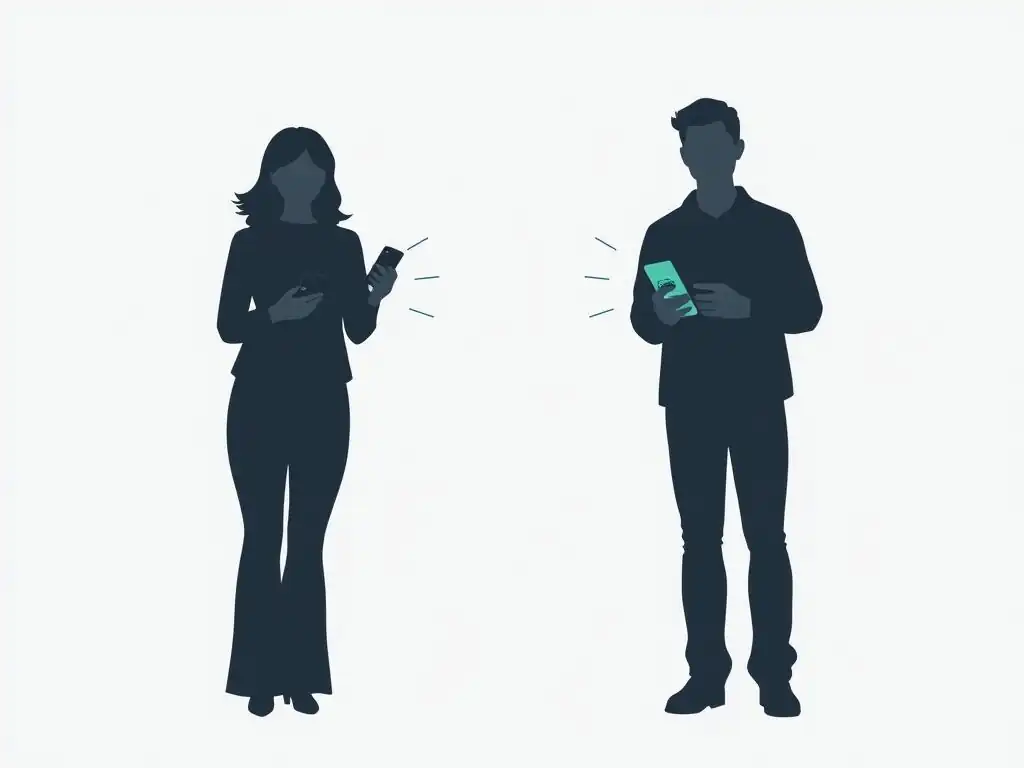
Planning your transportation for a first date is crucial for online dating safety. Never rely solely on your date for transportation, especially on a first meeting. This puts you in a vulnerable position and limits your control over the situation. Maintaining your independence in transportation arrangements is paramount.
Consider using your own car, a ride-sharing service like Uber or Lyft, or public transportation. If using a ride-sharing service, ensure you share your ride details with a trusted friend or family member. This allows them to track your location and provides an added layer of security. If you opt for public transportation, plan your route beforehand and ensure you're familiar with the schedule and potential delays. Avoid walking alone at night or in poorly lit areas, especially after the date concludes.
Remember to always be aware of your surroundings. If you feel uncomfortable at any point during the transportation process, don't hesitate to exit the vehicle or call for assistance. Trust your instincts – if something feels wrong, it probably is. Prioritizing your safety is always the most important aspect of a first date, even if it means altering your plans.
Your well-being is non-negotiable. Having a backup plan, such as a friend on standby to call if needed, is a proactive measure that can significantly enhance your safety. This preemptive strategy can provide reassurance and a quick escape route if necessary.
Choosing Safe Meeting Locations: Online Dating Safety Tips
Selecting a public, well-lit location for your first date is a fundamental aspect of online dating safety. Avoid secluded or isolated places where help might be difficult to access. Restaurants, cafes, or bars are generally good options, as they offer a degree of visibility and are frequented by other people. Consider locations that are familiar to you, allowing you to feel more comfortable and confident.
Before finalizing the meeting place, research the location online. Check reviews and ensure it has a positive reputation for safety and security. If possible, visit the location beforehand to get a feel for the environment and assess its suitability for a first date. Avoid meeting at your home or your date's home for the initial meeting. This reduces the risk of feeling trapped or uncomfortable. Remember, a safe and comfortable environment sets the stage for a positive and secure experience. This proactive approach demonstrates your commitment to personal safety and encourages a respectful interaction.
Communicating Your Plans: Online Dating Safety Tips
Open communication is key to ensuring your safety when meeting someone from online dating. Before the date, inform a trusted friend or family member about your plans, including the time, location, and the person you're meeting. Share your date's profile information and contact details with them as well. This allows them to keep tabs on your whereabouts and intervene if necessary. Consider setting up a check-in system – perhaps a text message at a specific time during or after the date.
Regular communication throughout the date is also crucial. If something feels off or you feel uncomfortable, text your friend or family member immediately. A simple message saying "All is well" can reassure them, and the ability to contact someone quickly in case of an emergency can provide a significant sense of security. Maintaining open communication not only ensures your safety but also fosters a sense of responsibility and accountability. Openly discussing your safety plans shows respect for yourself and your well-being.
Ensuring Your Physical Safety During Dates
This section focuses on practical online dating safety tips to help you prioritize your physical well-being when meeting someone you've connected with online. Remember, your safety is paramount, and a little preparation can go a long way in ensuring a positive and secure experience. Building meaningful connections should never compromise your personal safety.
Meeting in Well-Lit and Public Areas: Online Dating Safety Precautions
Meeting in well-lit and public areas is a fundamental online dating safety precaution. Avoid secluded locations, poorly-lit streets, or private residences for your first few dates. Opt instead for places with plenty of people around, such as busy cafes, restaurants with outdoor seating, or popular parks during daylight hours. The presence of others acts as a natural deterrent and provides a sense of security.
Consider the following points when choosing a meeting location:
- Visibility: Choose places where you're easily visible to others. Avoid secluded corners or areas that offer limited visibility.
- Accessibility: Ensure the location is easily accessible and that you have a clear understanding of how to get there and leave safely. Consider having a backup plan if transportation becomes an issue.
- Crowd Density: Opt for locations with moderate to high foot traffic. This increases the chances that someone will notice any unusual behavior.
- Escape Routes: Mentally note potential escape routes in case you need to leave quickly.
Remember, it's perfectly acceptable to suggest a public and well-lit meeting place. A genuine person will understand and respect your safety concerns. If someone pressures you to meet in a private or secluded location, it could be a warning sign.
Having an Escape Plan: Safety Strategies for Dates
Even in a public place, having a pre-planned escape route is a smart online dating safety tip. This proactive approach empowers you to take control of the situation if things turn uncomfortable. Before your date, identify potential exits, nearby businesses you could enter if needed, or even a friend you could contact discreetly.
Here are some strategies to incorporate into your escape plan:
- Discreet Communication: Have a friend or family member aware of your date's details, including the location, time, and the person's contact information. Arrange to check in with them periodically. Consider using a discreet app that allows for silent emergency alerts.
- Pre-arranged Transportation: Have your own transportation arranged, whether it's your car, a ride-sharing service, or public transport. This ensures you can leave whenever you feel it's necessary, without relying on your date.
- Fake Calls: If you feel uncomfortable, a strategically timed "fake" phone call can provide a convenient excuse to leave.
- Trust Your Gut: The most important aspect of your escape plan is your intuition. If something feels off, trust your instincts and leave immediately. Your safety is more important than politeness.
Implementing these strategies doesn't mean you're expecting something negative; rather, it's about taking proactive steps to protect yourself and empowering yourself with control.
Trusting Your Instincts: Recognizing Warning Signs During a Date
Your intuition is your most powerful online dating safety tool. If something feels wrong, even if you can't pinpoint exactly what it is, trust your gut feeling. Pay close attention to your date's behavior and any red flags that might arise. Remember, a healthy relationship is built on mutual respect and trust. Any behavior that makes you feel uncomfortable or unsafe is a serious concern.
Some warning signs to be aware of include:
| Warning Sign | Description | Response |
|---|---|---|
| Excessive Drinking or Drug Use | Noticeably intoxicated behavior or pressure to consume substances. | Politely excuse yourself and leave. |
| Controlling or Possessive Behavior | Attempts to control your actions, conversations, or choices; excessive jealousy or possessiveness. | Assert your boundaries firmly and consider ending the date immediately. |
| Disrespectful or Rude Behavior | Disrespect towards you, waitstaff, or others; making inappropriate comments or jokes. | Confront the behavior calmly but firmly and leave if it continues. |
| Inconsistent Information | Discrepancies between their online profile and their in-person behavior or provided information. | Investigate further or end the date. |
| Pressure for Physical Intimacy | Pressure to engage in physical intimacy beyond your comfort level, regardless of how long you've been dating. | Set clear boundaries and leave if they are not respected. |
Ignoring these warning signs can be dangerous. Prioritize your safety and well-being. A meaningful connection shouldn't come at the cost of your safety. Remember, online dating safety is a continuous process of awareness and self-protection.
Knowing When to End a Date Early: Safety First
Ending a date early isn't a sign of rudeness; it's a sign of prioritizing your safety and well-being. Sometimes, despite careful planning and initial positive vibes, things can take an unexpected turn. Perhaps the chemistry isn't there, their behavior is making you uncomfortable, or you simply feel uneasy for an inexplicable reason. Trust your gut; it's often right. Ignoring that feeling can lead to dangerous situations. Remember, your safety is paramount, and it's always acceptable to cut a date short if you feel threatened or uncomfortable, regardless of the reason.
There are many subtle cues that can indicate it's time to leave. For instance, if your date is exhibiting controlling behavior, such as trying to dictate your choices or becoming overly possessive, this is a major red flag. Similarly, excessive drinking or drug use can significantly increase the risk of an unsafe situation. If your date is behaving aggressively, making inappropriate comments, or exhibiting any form of verbal abuse, do not hesitate to end the date immediately. Even seemingly minor issues, such as a significant mismatch in personalities or values that makes you profoundly uncomfortable, justify an early exit.
It's crucial to have an exit strategy in place before the date begins. This doesn't mean you should approach the date with suspicion, but rather with preparedness. Consider having a friend or family member aware of your plans, including the time, location, and the person you're meeting. Regularly check in with them during the date, even if it's just a quick text message. Having a pre-arranged signal with this person, such as a specific word or phrase in a text, can be incredibly helpful if you need to discreetly signal that you need help.
Remember, you are not obligated to provide extensive explanations when ending a date early. A simple, polite but firm statement like, "I'm not feeling comfortable, and I need to go," is perfectly acceptable. Don't feel pressured to justify your decision. Your safety is the priority, and your well-being should never be compromised for the sake of politeness.
Prioritizing your safety in online dating is not just wise, it's essential for a positive and meaningful experience. Learning to recognize these warning signs and acting decisively is a crucial skill for navigating the world of online dating safely and confidently. Remember, a successful date is a safe date.
Post-Date Safety Measures: Online Dating Safety Best Practices
After a date, whether it went well or not, prioritizing your safety remains crucial. Many people overlook this critical aspect of online dating safety, focusing solely on pre-date precautions. Remember, the goal is to build meaningful connections safely, and that extends beyond the initial meeting.
Reviewing Your Date and Assessing Your Safety
Immediately following your date, take some time for self-reflection. This isn't about second-guessing yourself, but about consciously evaluating the experience from a safety perspective. Did anything feel off during the date? Did your date behave in a way that made you uncomfortable, even subtly? Were there any red flags you might have initially dismissed?
Consider these questions:
- Did your date respect your boundaries?
- Did they pressure you into anything you weren't comfortable with?
- Did they share information about themselves that seemed inconsistent or unbelievable?
- Did they make you feel unsafe at any point during the date?
- Did they follow through on their promises (e.g., picking you up on time, paying their share)?
Honest self-assessment is key. If even one of these questions raises a concern, it's crucial to take action. Trust your instincts; your gut feeling is often a reliable indicator of potential danger. Documenting your feelings and observations can be beneficial if you need to report anything later. This could include detailed notes about the date, times, locations, and any concerning behaviors.
Remember, online dating safety tips aren't just about avoiding scams; they're about fostering healthy relationships built on mutual respect and trust.
Reporting Suspicious Behavior or Harassment
If you experienced any form of harassment, abuse, or suspicious behavior during or after your date, reporting it is essential. Many online dating platforms have robust reporting mechanisms. Utilize these tools to flag inappropriate behavior. This helps protect other users and contributes to a safer online dating environment.
Here's what you might consider reporting:
- Unwanted advances or pressure: This includes unwanted physical contact, persistent messaging despite clear disinterest, or attempts to manipulate or coerce you.
- Threats or intimidation: Any form of threatening behavior, whether verbal or written, should be reported immediately.
- Catfishing or fake profiles: If you suspect your date was using a fake profile or misrepresenting themselves, report it to the platform.
- Stalking or harassment: This includes unwelcome contact outside the dating platform, such as unwanted calls, emails, or visits to your home or workplace.
- Sharing of intimate images without consent: This constitutes a serious violation and should be reported to both the dating platform and the relevant authorities.
Beyond the platform, you might also consider reporting incidents to the police, especially if you feel threatened or unsafe. Remember, you are not alone, and seeking help is a sign of strength, not weakness. Many resources are available to support victims of online harassment and abuse.
Continuing to Prioritize Your Safety After Meeting Someone Online
Even if your date went exceptionally well, maintaining your safety awareness is vital as the relationship progresses. Don't rush into anything; allow the relationship to develop naturally. Avoid sharing overly personal information or details about your location prematurely.
Consider these ongoing safety practices:
- Share your location and itinerary with a trusted friend or family member: Keep someone informed of your whereabouts, especially during early dates.
- Meet in well-lit, public places: Avoid secluded or isolated locations for initial meetings.
- Use your own transportation: This gives you more control over your departure and ensures you're not reliant on your date for transport.
- Maintain your independence: Don't feel pressured to change your plans or compromise your values to please someone.
- Trust your instincts: If something feels wrong, it probably is. Don't hesitate to end the date or interaction.
Building meaningful connections online requires vigilance and a proactive approach to safety. By implementing these post-date safety measures, you can significantly reduce your risks and enjoy the experience of online dating with greater confidence and peace of mind. Remember, prioritizing your well-being is paramount. Online dating safety tips are not just guidelines; they are essential practices for a positive and secure experience.
Building Healthy Relationships Online: Long-Term Online Dating Safety
Building a successful and safe online dating experience extends beyond the initial stages of meeting someone. Cultivating a healthy and meaningful relationship requires ongoing effort and awareness, even after you've met offline. This section focuses on maintaining safety and building trust throughout the relationship's development. Remember, online dating safety tips aren't just for the first few dates; they are crucial for a lasting, positive connection.
Maintaining Open Communication and Establishing Trust
Open and honest communication is the cornerstone of any healthy relationship, online or offline. This means sharing your feelings, needs, and concerns openly and respectfully. It also involves actively listening to your partner and validating their experiences. Establishing trust takes time, and it's built through consistent actions that demonstrate reliability and honesty.
For instance, being upfront about your intentions and expectations from the beginning fosters a transparent dynamic. Avoiding deception, even seemingly small ones, is crucial for building a strong foundation of trust. Regular check-ins and open conversations about your relationship's progression are also vital.
Remember, trust isn't something that's simply given; it's earned through consistent positive interactions and dependable behavior. If you notice inconsistencies or a reluctance to communicate openly, it's important to address these concerns directly. Healthy communication involves both expressing your needs and actively listening to your partner's perspective. Ignoring red flags or avoiding difficult conversations can hinder the growth of a healthy relationship. The goal is to create a safe space for both individuals to express themselves freely and honestly.
Balancing Online and Offline Interactions in a Healthy Relationship
While online dating facilitates initial connections, a healthy relationship necessitates a gradual shift towards in-person interactions. Over-reliance on online communication can hinder the development of a genuine connection. Maintaining a balance between online and offline interactions is crucial for building intimacy and trust.
A good balance might involve frequent texting and video calls, but also regular in-person dates. This allows for a more comprehensive understanding of each other's personalities and communication styles. It also helps in detecting inconsistencies or deceptive behavior that might be harder to identify solely through online interactions. Spending meaningful time together offline helps solidify the bond and allows for more spontaneous and authentic interactions.
Consider setting boundaries around screen time to prevent your relationship from becoming overly reliant on technology. Prioritizing quality time together, free from distractions, contributes significantly to a stronger and healthier relationship. This mindful approach to balancing online and offline interactions fosters a more robust connection, ensuring a safer and more fulfilling partnership.
Recognizing Signs of an Unhealthy Relationship
Even after forming a connection, it's essential to be vigilant and recognize potential warning signs of an unhealthy relationship. These signs can manifest in various ways, and it's crucial to address them promptly. Ignoring red flags can lead to escalating issues and potentially dangerous situations.
Some warning signs include:
- Controlling behavior: This could manifest as attempts to dictate your social life, monitor your online activity excessively, or limit your contact with friends and family. 😠
- Jealousy and possessiveness: Excessive jealousy, often unwarranted, can be a sign of insecurity and control.
- Gaslighting: This is a manipulative tactic where your partner tries to make you question your own sanity or perception of reality. 🤔
- Constant criticism and negativity: Consistent criticism and belittling remarks are damaging to self-esteem and mental health.
- Isolation: Your partner might try to isolate you from your support system, making you more dependent on them.
If you notice any of these patterns, it's crucial to address them directly and consider seeking support from trusted friends, family, or professionals. Remember, a healthy relationship is built on mutual respect, trust, and support, not control or manipulation. Prioritizing your safety and well-being is paramount. Your online dating safety should extend to the long-term health of your relationship. Don't hesitate to seek help if you feel unsafe or uncomfortable.
Seeking Support If Needed: Resources for Online Dating Safety
Navigating the world of online dating can be exciting, but it's also crucial to remember that challenges and difficult situations can arise. Knowing where to turn for help is a vital part of online dating safety. If you've experienced harassment, scams, or any other negative experience, remember you're not alone, and there are resources available to support you. Don't hesitate to reach out for help; your safety and well-being are paramount.
Many organizations offer support and guidance specifically for individuals facing issues related to online dating. These resources can provide a safe space to share your experiences, receive advice, and learn how to protect yourself in the future. Some organizations specialize in providing legal assistance for cases involving online harassment or scams, while others focus on emotional support and counseling. The availability of these services varies by location, so it's important to research resources specific to your region.
Remember that reporting inappropriate behavior is crucial. Most online dating platforms have robust reporting mechanisms in place. Utilize these tools to report suspicious profiles, harassment, or any violations of the platform's terms of service. Your report can help protect other users and contribute to a safer online dating environment for everyone. Don't underestimate the impact of reporting – it's a proactive step towards fostering a more positive and secure online dating experience. Additionally, consider reporting any criminal activity to the appropriate law enforcement agencies. They can investigate and potentially take action against perpetrators.
Beyond formal organizations, consider leaning on your support network. Talking to trusted friends, family members, or a therapist can provide invaluable emotional support and guidance during challenging times. Sharing your experiences can help you process what you've been through and develop strategies for moving forward safely.
Remember, building a strong support system is an essential aspect of online dating safety, offering a lifeline during difficult moments and empowering you to navigate the online dating world with confidence and resilience. Taking proactive steps to safeguard your well-being is a key element in building healthy and meaningful relationships online. Prioritizing your safety and seeking help when needed are signs of strength, not weakness.
Frequently Asked Questions
How can I stay safe while meeting someone from an online dating site for the first time?
Always meet in a public place for your first date. Let a friend or family member know where you're going and who you're meeting. Trust your instincts; if something feels off, leave.
What information should I avoid sharing on my online dating profile?
Avoid sharing personally identifiable information such as your full address, workplace address, or exact location. Don't post photos that reveal too much about your daily routine or your home.
How can I verify the identity of someone I'm talking to online?
Reverse image search their photos to check for inconsistencies. Be wary of profiles with limited information or those who are reluctant to video chat. Consider using a background check service if you feel concerned.
What should I do if I feel uncomfortable or threatened by someone I met online?
Immediately block and report the person on the dating app. Save all communication and evidence of any threatening behavior. Contact the platform's support team and, if necessary, the police.
What are some red flags to look out for in online dating?
Watch out for inconsistencies in their story, pressure to meet quickly, or requests for financial assistance. Be cautious of overly romantic language early on and excessive flattery. Trust your gut feeling.
Final Reflection: Weaving Trust into the Digital Tapestry of Dating
The ease of connection offered by online dating platforms is undeniable, yet it's crucial to remember that navigating this digital landscape requires vigilance and self-awareness. The potential for exploitation and harm, while often overshadowed by romantic possibilities, remains a stark reality. Ignoring this truth jeopardizes not only personal safety but also the very possibility of building genuine, meaningful relationships.
The impact of online dating on our social fabric is profound, shaping how we meet partners, form relationships, and even define intimacy itself. The constant negotiation between vulnerability and safety is a defining characteristic of this era. The greatest risk is not taking any risk... In a world that's changing really quickly, the only strategy that is guaranteed to fail is not taking risks.
This quote, while not specifically about dating, speaks to the inherent tension between cautiousness and the pursuit of connection. We must learn to embrace the risks responsibly, equipping ourselves with the knowledge and tools to navigate the complexities of online dating safely and effectively.
Now, consider your own approach to online dating. What steps are you taking to prioritize your safety and well-being? Are you actively engaging in self-reflection, assessing your boundaries, and communicating them clearly? This isn't just about avoiding danger; it's about cultivating a dating experience that fosters genuine connection, built on a foundation of trust and mutual respect. Take the time to review the tips presented in this article, and actively integrate them into your online dating journey. Your safety and happiness are paramount, and building a meaningful connection begins with prioritizing your well-being.
Unlock Your Dating Confidence: Start Connecting Safely Today!
Thank you for learning about building meaningful connections while staying safe online. You've gained valuable insights into confident and aware online dating. Now, let's put that knowledge into action!
- Prioritize your safety: Review the safety tips discussed, particularly those about verifying profiles and meeting in public places. This is crucial for a positive and secure dating experience.
- Share this information: Help friends and family stay safe on their dating journeys. Let's build a safer online dating community together!
- Reflect on your dating practices: Consider your current safety measures and those you'll implement. What feels most important to you?
Ready to confidently explore new connections? What small step can you take today to enhance your online dating safety?