
Avoid the Heartbreak: A Practical Guide to Reporting Scammers on Dating Sites

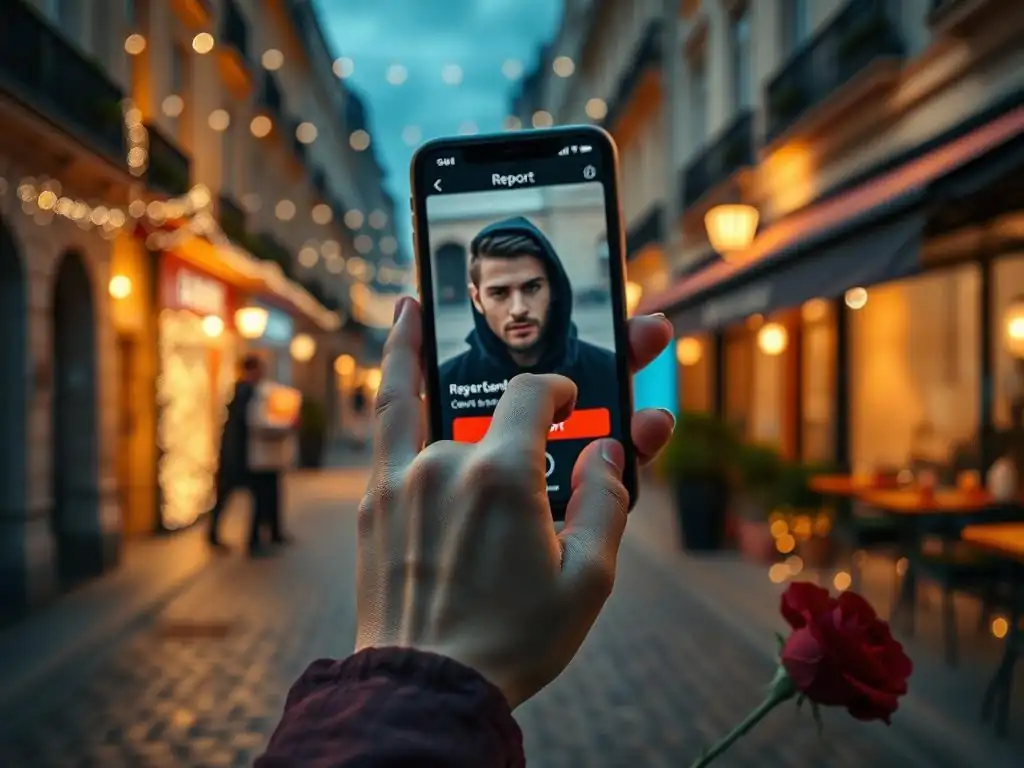
Ready to ditch the dating disappointments and find genuine connection? At OnlineDatingSuccess.org, we empower you to navigate the world of online dating with confidence. But be warned: not everyone online is who they seem. Our comprehensive Dating site scammer report guide will equip you with the knowledge and tools to identify and report suspicious activity, protecting yourself and ensuring a safer, more rewarding dating experience. Discover how to create a truly successful online dating journey – let's get started!
- Understanding the Dating Site Scam Landscape: Identifying Red Flags & Recognizing Scam Tactics
-
Reporting Dating Site Scammers: A Step-by-Step Guide
- Step 1: Gather Evidence: Screenshots, Messages, and Transaction Records
- Step 2: Report to the Dating Site: Utilizing In-App Reporting Mechanisms
- Step 3: Report to Law Enforcement: Filing a Police Report for Serious Cases
- Step 4: Block and Delete the Scammer: Protecting Yourself from Further Contact
- Step 5: Safeguarding Your Personal Information: Reviewing Your Online Privacy Settings
-
Protecting Yourself from Future Scams: Prevention Strategies
- Strong Password Practices: Creating Secure and Unique Passwords
- Profile Privacy Settings: Controlling Who Can See Your Information
- Communication Cautions: Avoiding Sharing Sensitive Information Online
- Financial Safety Precautions: Never Send Money or Gifts to Online Contacts
- Trust Your Instincts: Recognizing and Avoiding Suspicious Interactions
- Resources for Help and Support: Where to Turn for Assistance
-
Frequently Asked Questions
- How do I know if someone is a scammer on a dating site?
- What information should I include in a scammer report to the dating site?
- What should I do if I've already sent money to a dating site scammer?
- Are dating sites responsible for preventing scams?
- What steps can I take to protect myself from dating site scammers?
- Final Reflection: Reclaiming Trust in the Digital Dating Landscape
- Take Charge: Secure Your Online Dating Experience
Understanding the Dating Site Scam Landscape: Identifying Red Flags & Recognizing Scam Tactics
Online dating, while offering incredible opportunities to connect with others and build meaningful relationships, unfortunately also presents a breeding ground for scammers. Navigating this digital landscape requires vigilance and a proactive approach to safety. This guide, designed to help you effectively report scammers on dating sites, will equip you with the knowledge and tools to protect yourself and contribute to a safer online dating environment.
We'll explore common scam types, learn how to identify red flags, and understand the methods and motivations of those who prey on vulnerable individuals seeking love and connection. Ultimately, our goal is to empower you to report suspicious activity effectively, minimizing your risk of heartbreak and financial loss.
This guide serves as your comprehensive "dating site scammer report guide," providing a practical and empathetic approach to tackling this growing issue. Learning to recognize and report scams is crucial for creating a more positive and trustworthy online dating experience for everyone.
Common Dating Scam Types: Romance Scams, Catfishing, and Financial Fraud
The world of online dating scams is diverse, but some patterns emerge consistently. Let's examine three prevalent types:
- Romance Scams: These scams often involve building a seemingly genuine emotional connection over time, fostering trust and intimacy before requesting financial assistance, gifts, or personal information. Scammers may create elaborate fake profiles with stolen photos and fabricated backgrounds, weaving compelling narratives to manipulate their victims' emotions. The emotional investment makes it harder to recognize the deception. The financial requests can range from small amounts initially to increasingly large sums, often under a fabricated pretense of emergency or hardship.
- Catfishing: This involves creating a fake online persona using stolen photos and a fictitious identity. The scammer's goal may be varied – from simple entertainment to more malicious intentions like identity theft or extortion. Unlike romance scams, the financial aspect may not be the primary goal, but the deception and emotional manipulation are still present. Catfishing can lead to significant emotional distress for the victim, as they build a relationship based on a complete fabrication.
- Financial Fraud: Some scammers target online daters solely for financial gain, using various tactics to extract money. This can involve phishing attempts, fake investment opportunities, or requests for money under false pretenses, often related to supposed travel expenses or medical emergencies. These scams often lack the emotional investment of romance scams, focusing primarily on quick financial gain. The scammer may disappear quickly after receiving the money, leaving the victim with significant financial losses.
Recognizing Red Flags: Identifying Suspicious Behavior and Profiles
Identifying red flags is crucial in preventing victimization. Here are some common warning signs to watch out for:
- Inconsistent Information: Discrepancies in their profile information or stories should raise suspicion. Check for inconsistencies between photos and descriptions, or conflicting details in their narrative.
- Too-Good-to-Be-True Profiles: Be wary of profiles that seem unrealistically perfect or boast exaggerated accomplishments. Genuine profiles will have imperfections and relatable qualities.
- Rapid Progression of the Relationship: An unusually fast progression of the relationship, with declarations of love or intense feelings within a short period, should be a major red flag. Healthy relationships develop gradually.
- Requests for Money or Financial Assistance: Any request for money, especially under pressure or with a fabricated emergency, should be considered a serious warning sign. Legitimate relationships don't involve financial transactions early on.
- Avoidance of Video Calls or In-Person Meetings: A reluctance to engage in video calls or in-person meetings should spark suspicion. Legitimate individuals are generally comfortable with these forms of interaction.
- Grammar and Spelling Errors: Numerous grammatical errors or inconsistent spelling in their communication can indicate a fake profile.
How Scammers Operate: Understanding Their Methods and Motivations
Understanding how scammers operate is key to effective prevention. They often employ several tactics:
- Building Trust: Scammers invest significant time and effort in building trust and rapport with their victims. This involves creating a sense of intimacy and emotional connection through personalized messages and seemingly genuine interactions.
- Manipulating Emotions: They skillfully manipulate emotions, exploiting vulnerabilities and playing on the victim's desire for companionship and love. This emotional manipulation makes it harder to recognize the scam.
- Creating a Sense of Urgency: Scammers often create a sense of urgency to pressure their victims into making hasty decisions. This pressure can prevent victims from critically evaluating the situation.
- Exploiting Vulnerabilities: They target individuals who may be lonely, vulnerable, or financially insecure, making them more susceptible to their manipulations.
By understanding these tactics, you can better equip yourself to identify and report scammers, creating a safer online dating experience for yourself and others. Remember, reporting suspicious activity is a crucial step in combating online dating scams.
Reporting Dating Site Scammers: A Step-by-Step Guide

This section provides a comprehensive guide on how to effectively report scammers encountered on online dating platforms. Successfully navigating the reporting process is crucial for protecting yourself and preventing others from falling victim to similar schemes. Remember, reporting is a powerful tool in combating online dating fraud. This guide will equip you with the knowledge and steps to take action against scammers, helping you reclaim your online safety and peace of mind.
Step 1: Gather Evidence: Screenshots, Messages, and Transaction Records
Before initiating a report, meticulously collect all available evidence. This crucial step significantly increases the chances of a successful investigation and action taken against the scammer. The more evidence you provide, the stronger your report will be. Consider the following types of evidence:
- Screenshots: Capture screenshots of every interaction with the suspected scammer. This includes their profile, messages (both sent and received), and any suspicious requests or links. Pay close attention to inconsistencies in their profile information or unusual requests for money or personal details. Time stamps are vital; ensure they are visible in your screenshots.
- Messages: Save all communication with the scammer. This includes emails, instant messages, and text messages. If possible, preserve the original message format to maintain context and integrity. Do not delete anything until after you have filed your report.
- Transaction Records: If you've sent money or provided financial information, gather all transaction records. This includes bank statements, payment confirmations, and any other documentation that proves the financial interaction. Note any unusual payment methods requested, as this is a common tactic used by scammers.
Remember, preserving evidence is paramount. Consider using cloud storage or a secure external hard drive to ensure the safety and accessibility of your collected information. This organized approach will streamline the reporting process and significantly improve the likelihood of a positive outcome. The more detail you provide, the better equipped the dating site and law enforcement will be to investigate and take appropriate action. Consider creating a clearly labeled folder to store all evidence.
Step 2: Report to the Dating Site: Utilizing In-App Reporting Mechanisms
Most reputable dating sites have built-in reporting mechanisms to handle suspected scammer profiles. Locate and utilize these features promptly. The process typically involves navigating to the scammer's profile and selecting a "Report" or "Block" option. These usually provide options to detail the nature of the scam and upload supporting evidence.
Be detailed and specific in your report. Clearly explain the scammer's actions, including specific examples and dates. Include all the evidence you've gathered – screenshots, messages, and transaction records – as attachments. Many dating sites provide detailed forms to assist you in relaying this information. Thorough and concise reporting is key.
Following the dating site's instructions is critical. Failure to adhere to their reporting procedures may hinder the investigation process. Keep a copy of your report for your records, including the date and time of submission, and any reference or case numbers assigned. Note down the steps you took and the response you received from the dating site. This record will be useful if further action is required. Remember, your cooperation is essential in helping the dating site address the issue effectively.
Step 3: Report to Law Enforcement: Filing a Police Report for Serious Cases
For serious cases involving significant financial loss, identity theft, or threats, reporting to law enforcement is crucial. Contact your local police department or the appropriate cybercrime unit. They will guide you through the process of filing a police report, and potentially investigate the matter further.
When filing a police report, present all the evidence you've gathered in a clear and organized manner. Be prepared to answer questions about your interactions with the scammer, including details about the scam itself. Remember to provide copies of your report to the dating site, as well as any communication you've had with them regarding the scammer.
Filing a police report might seem daunting, but it's a vital step in protecting yourself and others from future scams. Law enforcement agencies work collaboratively to track down and prosecute online scammers. Your report, coupled with others, contributes to a larger effort in combating online dating fraud. Remember, seeking legal assistance is a significant step in reclaiming control and ensuring justice. Don't hesitate to seek professional help if needed. Your safety and security are paramount.
Step 4: Block and Delete the Scammer: Protecting Yourself from Further Contact
Once you've reported the scammer to the dating site and any relevant authorities, the next crucial step is to completely sever contact. This isn't just about preventing further interaction; it's about protecting your emotional well-being and ensuring your safety. Failing to block and delete the scammer leaves you vulnerable to continued manipulation and harassment. They might try different tactics, create new profiles, or even attempt to contact you through other platforms.
Blocking the scammer on the dating site is the first line of defense. Most dating platforms offer a straightforward blocking mechanism, usually found within the user's profile settings or messaging interface. This prevents them from sending messages, viewing your profile, or contacting you in any way through the platform. Take the time to understand your chosen dating site's specific blocking features; some offer more granular control, allowing you to block specific actions (like messaging) without completely blocking the user. This can be beneficial if you later discover you've mistakenly blocked a legitimate user.
Beyond blocking, deleting the scammer's contact information from your phone and email is essential. This removes any temptation to revisit the interaction and prevents accidental contact. Consider deleting any messages or communications you've exchanged to minimize emotional distress and potential future harassment. Remember, removing this digital trace is a critical step in your healing process. Don't hesitate to seek support from friends, family, or a therapist if you're struggling with the emotional aftermath of the encounter. Your safety and well-being are paramount.
Step 5: Safeguarding Your Personal Information: Reviewing Your Online Privacy Settings
After experiencing a scam, it's vital to review and adjust your online privacy settings across all your online platforms, not just the dating site where the encounter occurred. Scammers often use information gleaned from online profiles to target their victims, so tightening your security is a proactive step in preventing future scams.
Begin by reviewing your dating site's privacy settings. Many dating platforms offer a range of options to control the visibility of your profile information. Limit the information you publicly share, such as your full name, address, workplace, or other identifying details. Be particularly cautious about sharing financial information or revealing too much about your daily routine. Consider limiting who can see your photos, and opt for the most private settings available. Remember, the goal is to minimize the information available to potential scammers.
Extend this review beyond dating sites to include social media platforms like Facebook, Instagram, and Twitter. Examine your privacy settings to ensure that only approved contacts can see your posts and personal information. Review your friend lists and remove any contacts you don't recognize or trust. Consider limiting the information you share publicly, such as your location or travel plans.
Publicly available information can be easily exploited by scammers to build trust and gain access to your personal data. Regularly updating your privacy settings is a crucial part of online safety. Consider using strong, unique passwords for each account to further enhance your online security. Taking these steps demonstrates proactive care for your digital well-being and reduces the risk of future online scams.
Protecting Yourself from Future Scams: Prevention Strategies
This section focuses on proactive measures you can take to minimize your risk of encountering dating site scammers. Remember, reporting scams is crucial, but preventing them in the first place is even better. By implementing robust preventative strategies, you significantly reduce your vulnerability and protect your emotional well-being. This guide will equip you with the knowledge and tools necessary to navigate the online dating world more safely and confidently. Let's explore some key preventative measures.
Strong Password Practices: Creating Secure and Unique Passwords
A strong password is your first line of defense against unauthorized access to your dating profile. Weak passwords are easily cracked, leaving your personal information vulnerable. Avoid easily guessable passwords like birthdays or pet names. Instead, aim for complexity and uniqueness. Here's a breakdown of best practices:
- Length: Aim for at least 12 characters. Longer passwords are significantly harder to crack.
- Variety: Use a mix of uppercase and lowercase letters, numbers, and symbols (! @#$%^&*).
- Uniqueness: Never reuse the same password across multiple accounts. If one account is compromised, your other accounts remain safe. Consider using a password manager to generate and securely store unique passwords for each of your online accounts.
- Regular Updates: Change your password every few months, or even more frequently if you suspect any compromise.
Think of your password as a key to your personal information. Would you use the same key for your house and your car? Absolutely not! Apply the same logic to your online accounts. A robust password strategy is a fundamental aspect of online safety, crucial to preventing not just dating scams but also a wide variety of other online threats. Consider using a password manager to help you create and manage strong, unique passwords for all your online accounts.
Profile Privacy Settings: Controlling Who Can See Your Information
Dating sites often offer extensive privacy settings. Understanding and utilizing these controls is essential for protecting your personal information and minimizing your exposure to potential scammers. Take the time to review your profile settings carefully and adjust them to reflect your comfort level.
- Photo Visibility: Decide who can see your photos. Restrict access to only verified users or those you've connected with.
- Profile Information: Limit the personal details you share publicly. Avoid including your full name, address, workplace, or other sensitive information. Instead, use a pen name or keep your profile information general.
- Messaging Controls: Control who can message you. You can block users who seem suspicious or who make you uncomfortable.
- Location Settings: Be mindful of your location settings. Some dating sites show your general location, while others show your precise location. Adjust these settings to your preference, prioritizing your privacy and safety.
Remember, less is more. The less personal information you share publicly, the less opportunity scammers have to target you. Regularly review and update your privacy settings to ensure they align with your comfort level and safety needs. Treat your online profile like a valuable asset—protect it accordingly.
Communication Cautions: Avoiding Sharing Sensitive Information Online
Once you start communicating with someone, maintaining caution is paramount. Scammers often try to build trust quickly before asking for money or personal information. Here's how to stay safe:
- Slow and Steady: Don't rush into a relationship. Take your time to get to know someone before sharing personal details.
- Financial Requests: Be wary of anyone who asks for money, especially early in the relationship. Legitimate relationships don't involve financial transactions.
- Personal Information: Avoid sharing sensitive information like your full name, address, phone number, or financial details online. Never share sensitive information with someone you haven't met in person and thoroughly vetted.
- Video Calls: Suggest a video call early on to verify the person's identity and build trust in a more secure way. This can help deter scammers who are reluctant to show their faces.
- Trust Your Gut: If something feels off, it probably is. Don't hesitate to end the conversation or block the user if you feel uncomfortable or unsafe.
Protecting yourself from online dating scams is a continuous process. By combining vigilance with proactive prevention strategies, you can significantly reduce your risk and enjoy a safer online dating experience. Remember, building meaningful connections should be enjoyable, not anxiety-inducing.
Financial Safety Precautions: Never Send Money or Gifts to Online Contacts
Online dating should be fun and exciting, a journey of discovery and connection. However, it's crucial to remember that not everyone online is who they seem. Protecting your finances is paramount, and the cardinal rule is: never send money or gifts to anyone you've met online, regardless of how convincing or charming they may appear. This includes gift cards, cryptocurrency, wire transfers – anything of monetary value. Legitimate relationships don't rely on financial transactions; they're built on trust, shared experiences, and genuine connection.
Scammers often create elaborate stories to manipulate their victims into sending money. They might claim to be in a dire financial situation, needing funds for medical emergencies, travel expenses to meet you, or business ventures. These are all classic red flags. Remember, if someone asks for money early in the relationship, or under pressure, it's almost certainly a scam.
Legitimate individuals will understand your need to protect yourself financially and will not pressure you into any financial commitments. Always be wary of anyone who avoids video calls or in-person meetings, further fueling suspicion. Protecting your financial well-being is crucial, and prioritizing your safety over fleeting online connections is essential for a positive dating experience. Consider the emotional toll as well; the financial loss compounds the emotional heartbreak of being scammed.
Never share your banking details, credit card information, or any other sensitive financial data with anyone online. If you're unsure, it's always best to err on the side of caution and refuse any requests for money. Your financial security is more important than any online relationship. Remember, legitimate dating sites and apps will never request your financial information.
Trust Your Instincts: Recognizing and Avoiding Suspicious Interactions
Your intuition is your most powerful tool in navigating the online dating world. If something feels off, it probably is. Don't ignore those gut feelings; they often signal danger. Learning to recognize and avoid suspicious interactions is key to protecting yourself from scams and heartbreak.
Many scammers employ similar tactics. They often move conversations off the dating platform quickly, pressuring you to communicate through less secure methods like email or text messaging. Be wary of anyone who is overly complimentary too early in the relationship or who professes strong feelings very quickly. This is a common tactic to build trust and manipulate victims.
Also, be suspicious of individuals who are vague about their personal details or who avoid answering direct questions about their lives. Inconsistencies in their stories should raise red flags. Pay attention to inconsistencies in their profile pictures, or if their profile seems too good to be true. A meticulously crafted profile with flawless pictures might be a sign of a fake account.
Remember, building a genuine connection takes time. Don't rush into anything. Take your time getting to know someone, and always prioritize your safety and well-being. If you encounter suspicious behavior, don't hesitate to report it to the dating platform and block the user immediately. Prioritizing your safety and trust in your intuition is a vital part of a safe and successful online dating journey. Don't be afraid to end communication if someone makes you feel uncomfortable or uneasy, no matter how charming they may seem. Your peace of mind is invaluable.
Resources for Help and Support: Where to Turn for Assistance
Finding yourself targeted by a scammer on a dating site can be incredibly upsetting. Knowing where to turn for help is crucial in mitigating further harm and potentially assisting in bringing the scammer to justice. This section outlines various resources available to you, providing a comprehensive guide to reporting and recovering from a negative online dating experience. Remember, you are not alone, and seeking help is a sign of strength, not weakness. This guide helps you navigate the process of reporting a dating site scammer effectively.
Dating Site Help Centers: Accessing Support from Dating Platforms
Most reputable online dating platforms provide internal mechanisms for reporting suspicious behavior and potential scams. These help centers are often your first line of defense. Their effectiveness varies depending on the platform, but generally, they offer a streamlined process for reporting profiles, messages, or interactions you suspect are fraudulent. Look for a "Help," "Support," "Safety," or "Report" button, usually found in your account settings or within the messaging interface.
When reporting, be as detailed as possible. Include screenshots of suspicious messages, profile information (username, profile URL if possible), and a clear explanation of why you believe this person is a scammer. Note any red flags you encountered, such as unusual requests for money, inconsistent stories, or overly-affectionate behavior early in the communication.
The more information you provide, the better equipped the dating site is to investigate and take appropriate action. Some platforms even have dedicated teams trained to identify and address scammer profiles proactively. Documenting your interactions and reporting them promptly is a key step in your "dating site scammer report guide."
Many dating sites also offer safety tips and educational resources within their help centers. Familiarizing yourself with these resources can help you identify potential red flags before you become a victim. Proactive measures are crucial in preventing future scams.
Online Safety Resources: Websites and Organizations Dedicated to Online Safety
Beyond the dating site itself, many external organizations offer valuable support and resources for victims of online scams and harassment. These organizations often provide guidance on reporting cybercrimes to law enforcement, managing the emotional aftermath of a scam, and securing your online accounts. Their expertise extends beyond dating sites, encompassing a broader understanding of online safety practices. These resources are invaluable additions to your "dating site scammer report guide."
These organizations often maintain comprehensive databases of known scams and fraudulent activities, which can help you understand the common tactics used by scammers. They provide educational material on recognizing red flags, securing your personal information, and protecting yourself against future incidents. They often offer emotional support, recognizing the psychological impact of falling victim to a scam.
Cybercrime Support: Reporting and Getting Help with Cybercrimes
If the scam involves financial loss or significant emotional distress, it's crucial to report the incident to law enforcement. Your local police department is usually the first point of contact, but depending on the nature and scope of the crime, you might need to involve the FBI's Internet Crime Complaint Center (IC3) or other relevant agencies. These agencies are equipped to investigate cybercrimes, potentially track down scammers, and offer support to victims. This is a critical part of any effective "dating site scammer report guide."
When reporting to law enforcement, gather all available evidence: screenshots of conversations, transaction records, and any other documentation that supports your claim. Be prepared to provide detailed accounts of your interactions with the scammer. Remember to remain calm and provide accurate information. Law enforcement agencies can provide guidance on recovering lost funds or mitigating further damage, offering a crucial support system during a difficult time. The process might be time-consuming, but reporting is vital for preventing future victims and holding scammers accountable. This comprehensive approach completes your "dating site scammer report guide," offering a path toward safety and recovery.
Frequently Asked Questions
How do I know if someone is a scammer on a dating site?
Scammers often exhibit red flags like inconsistent profiles, pressure for quick relationships, requests for money or personal information, and avoiding video calls. Be wary of anyone who seems too good to be true.
What information should I include in a scammer report to the dating site?
Provide as much detail as possible, including the scammer's profile information, their communication history (screenshots are ideal), and any instances of financial requests or suspicious behavior.
What should I do if I've already sent money to a dating site scammer?
Contact your bank or financial institution immediately to report the fraudulent transaction. File a police report and consider contacting the Federal Trade Commission (FTC).
Are dating sites responsible for preventing scams?
While dating sites implement security measures, they cannot guarantee a scam-free experience. User vigilance and reporting suspicious activity are crucial in minimizing the risk.
What steps can I take to protect myself from dating site scammers?
Always verify profiles, be cautious about sharing personal information, avoid sending money, and utilize the reporting features provided by the dating site. Trust your instincts!
Final Reflection: Reclaiming Trust in the Digital Dating Landscape
The rise of online dating has brought unprecedented connection, but it's also created fertile ground for exploitation. The chilling reality is that scammers are becoming increasingly sophisticated, preying on vulnerable hearts and emptying bank accounts. This guide, therefore, isn't just about clicking "report"; it's about reclaiming our digital spaces and fostering a safer environment for genuine connection.
The impact of online dating scams extends far beyond financial loss; it erodes trust, leaving victims feeling betrayed and disillusioned. The emotional toll is immense, often leading to feelings of shame and self-blame. The heart was made to be broken,
they say, but intentional deception inflicted by a stranger is a different kind of heartbreak altogether. This article aims to empower you to fight back against this insidious form of abuse, to transform feelings of helplessness into proactive action, and to contribute to a collective effort to make online dating safer for everyone.
You hold the power to change the narrative. By diligently reporting suspicious profiles and sharing this information with others, you are not only protecting yourself but also building a safer community for future daters. Take the time to learn the red flags, to be vigilant in your interactions, and to report any suspicious activity. Remember, your voice matters, and your actions can make a real difference in combating online dating scams. Let's work together to create a digital dating world where genuine connection thrives, free from the shadows of deception.
Take Charge: Secure Your Online Dating Experience
Thank you for learning how to protect yourself from online dating scams! You've gained valuable knowledge to navigate the dating world more safely and confidently. Let's put that knowledge into action:
- Report suspicious profiles immediately. Don't hesitate; your report could help others avoid harmful situations. This is crucial for keeping our community safe.
- Share this article with your friends and family. Help spread awareness and empower others to recognize and avoid scams.
- Consider creating a short video sharing your experiences and tips on identifying red flags in online dating profiles – it could significantly help others.
What specific warning signs will you be most vigilant about in the future?