
Understanding Attachment Styles: How They Affect Your Online Dating Experience

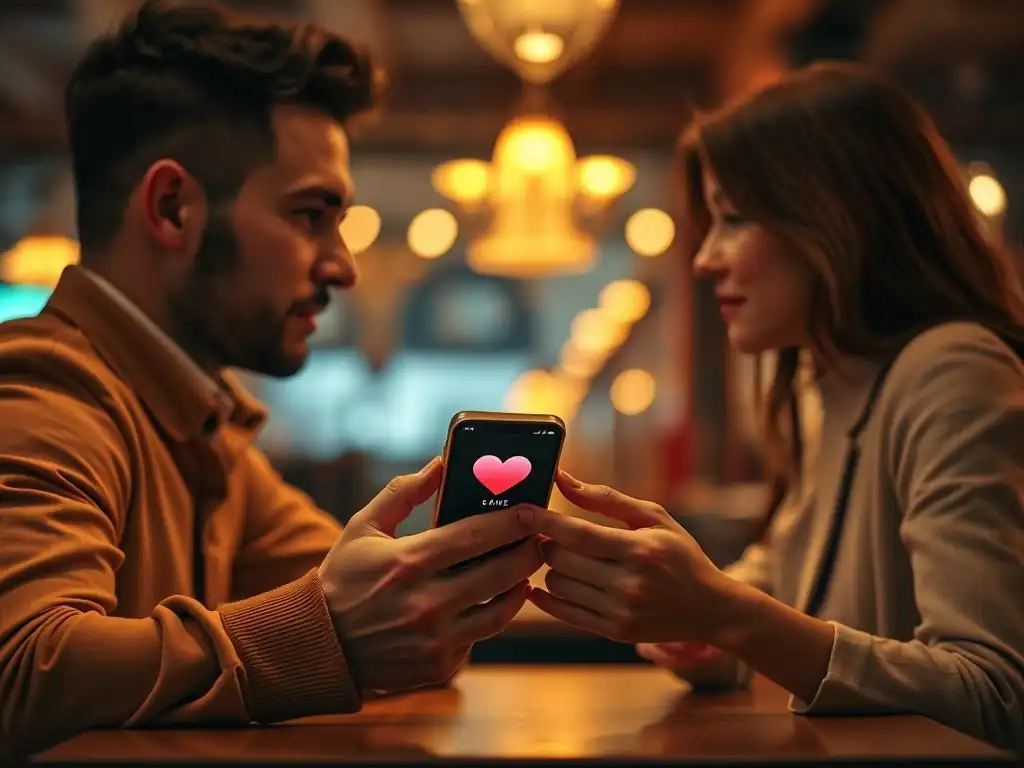
Ready to unlock the secrets to finding lasting love online? At OnlineDatingSuccess.org, we empower you to navigate the world of online dating with confidence. But did you know your attachment style could be silently sabotaging your chances of finding a meaningful connection? Discover how understanding your online dating attachment style impact can transform your dating experience and pave the way for a fulfilling relationship. Let's explore how to leverage this knowledge to build healthier, more successful connections.
- The Impact of Attachment Styles on Online Dating Success
- Recognizing Your Attachment Style in Online Interactions
- Strategies for Navigating Online Dating with Different Attachment Styles
- Building Healthy Relationships Despite Attachment Insecurities
- Online Dating and Attachment Style: Long-Term Relationship Implications
-
Frequently Asked Questions
- How do my attachment styles affect my online dating profile?
- Does my attachment style impact how I communicate with matches?
- Can I change my attachment style to improve my online dating success?
- What attachment style is most successful in online dating?
- How can I identify my attachment style to better navigate online dating?
- Final Reflection: Navigating the Digital Landscape of Love
- Unlock Your Dating Potential: Take Control of Your Connections
The Impact of Attachment Styles on Online Dating Success
Navigating the world of online dating can be a rollercoaster of emotions, from exhilarating matches to disheartening ghosting. Understanding your own attachment style, and recognizing those of potential partners, can significantly impact your online dating experience and overall success in forming meaningful connections. This article delves into the crucial role attachment styles play in online dating, exploring how they influence profile creation, communication, and the ultimate success of finding a compatible partner.
We'll examine the three main attachment styles – secure, anxious, and avoidant – and illustrate how each manifests in the online dating sphere, providing actionable insights to help you navigate this digital landscape with greater self-awareness and improved outcomes. Understanding your attachment style is key to unlocking more fulfilling and successful online dating experiences, fostering healthier relationships, and ultimately finding the connection you seek.
This knowledge empowers you to identify patterns in your behavior and relationships, making conscious choices that lead to more positive interactions and long-term compatibility. The journey to online dating success begins with self-understanding, and understanding your attachment style is a crucial first step.
Defining Attachment Styles: Secure, Anxious, Avoidant
Attachment theory, a cornerstone of psychological research, proposes that our early childhood experiences significantly shape our adult relationships. These experiences foster the development of distinct attachment styles, broadly categorized as secure, anxious, and avoidant.
- Secure Attachment: Individuals with a secure attachment style generally have a positive view of themselves and others. They feel comfortable with intimacy and independence, readily forming close relationships and navigating conflict constructively. They trust their partners and feel comfortable expressing their needs.
- Anxious Attachment: Characterized by a preoccupation with relationships and a fear of abandonment. Anxiously attached individuals often crave closeness and reassurance, potentially exhibiting clingy behaviors or excessive neediness. They may experience heightened jealousy and insecurity in relationships.
- Avoidant Attachment: These individuals tend to prioritize independence and avoid intimacy. They may struggle with expressing emotions or forming close bonds, often appearing distant or emotionally unavailable. They may fear commitment and intimacy, leading to difficulties in maintaining lasting relationships.
Understanding these fundamental differences is crucial for recognizing how these styles manifest in the complexities of online dating.
How Attachment Styles Manifest in Online Dating Profiles
The way we present ourselves online is significantly influenced by our attachment style. Our profiles reflect our comfort levels with intimacy, our expectations of others, and our underlying anxieties about relationships. Let's examine how each attachment style shapes profile creation and presentation.
Secure Attachment and Profile Presentation
Securely attached individuals tend to create authentic and relatable online dating profiles. Their profiles often showcase their genuine interests and personality traits, without excessive self-promotion or embellishment. They are comfortable presenting their true selves, believing that genuine connection comes from authenticity. Their profile photos reflect this genuineness, often featuring a variety of pictures that showcase their hobbies and interests. They are more likely to write detailed and engaging bios that highlight their values and what they are looking for in a partner. Their communication style is direct, honest, and respectful.
Anxious Attachment and Profile Creation
Anxiously attached individuals may create profiles that project a need for validation and reassurance. They might use overly flattering photos or exaggerate their accomplishments to attract attention and secure a sense of belonging. Their bios might express a strong desire for a committed relationship, possibly conveying a sense of urgency or desperation. They may also overshare personal details early in the communication process, stemming from a desire to build intimacy quickly and alleviate their anxieties. They might check their dating apps incessantly and become overly invested in the process, leading to potential disappointment and emotional distress.
Avoidant Attachment and Online Dating Profiles
Avoidantly attached individuals often present themselves in a more ambiguous or distant manner online. Their profiles might lack detail or be inconsistent, reflecting their reluctance to fully commit to the process or reveal personal information. They may use generic photos or avoid showcasing their hobbies and interests. They might be less responsive to messages or delay communication, reflecting a need for space and a resistance to emotional intimacy.
Their communication style may be brief, superficial, and evasive, mirroring their desire to maintain emotional distance. They may also engage in ghosting or suddenly disappear from the dating platform, reflecting their discomfort with the demands of a close relationship. This behavior, although unintentional, can cause considerable emotional pain to their dating partners.
Recognizing Your Attachment Style in Online Interactions

Understanding your attachment style is crucial for navigating the complexities of online dating and fostering healthy relationships. Attachment theory posits that our early childhood experiences shape our expectations and behaviors in romantic relationships. These patterns, often unconscious, significantly impact how we interact online, from crafting our profiles to engaging in conversations.
Recognizing your own attachment style – whether secure, anxious-preoccupied, dismissive-avoidant, or fearful-avoidant – allows you to understand your tendencies and make conscious choices to improve your online dating experience. This self-awareness empowers you to break negative cycles and attract healthier connections. Ignoring your attachment style can lead to repeated negative experiences in online dating, reinforcing unhelpful patterns.
Communication Patterns: Secure, Anxious, and Avoidant Attachments
Different attachment styles manifest in distinct communication patterns within the online dating sphere. Securely attached individuals tend to communicate openly, honestly, and respectfully. They are comfortable expressing their needs and feelings while also being responsive to their partner's. Their online profiles often reflect authenticity and a balanced self-presentation. They initiate contact confidently but don't overwhelm potential partners with excessive messaging.
Anxious-preoccupied individuals, on the other hand, might over-communicate, frequently checking for responses and interpreting silence negatively. Their online profiles might project a need for validation or reassurance, often seeking constant engagement. They may come across as clingy or demanding in their messages. They might send multiple messages without waiting for a response, fearing rejection.
Conversely, dismissive-avoidant individuals often appear distant and emotionally unavailable online. They may be slow to respond to messages, keep their profiles vague, and avoid deep conversations. Their communication might be brief and superficial, prioritizing independence and minimizing emotional intimacy. They might appear aloof or uninterested, even if they are secretly hoping for a connection. This avoidance stems from a fear of intimacy and vulnerability.
Identifying Red Flags in Online Dating Based on Attachment
Recognizing attachment styles in potential partners online can help you avoid potentially problematic relationships. Certain behaviors can serve as red flags indicating unhealthy attachment patterns. These behaviors are often subtle but can escalate quickly if ignored. Early identification can save you time and emotional distress.
Recognizing Anxious Attachment Behaviors in Potential Partners
Anxious attachment in online dating often manifests as excessive neediness and clinginess. Look for signs such as:
- Constant messaging and quick responses, even at inappropriate times.
- Rapid declarations of love or intense feelings early on.
- Frequent checking in and seeking reassurance.
- Jealousy or possessiveness, even in the early stages of online interaction.
- Dramatic reactions to perceived slights or lack of attention.
- Overly sharing of personal information too early.
These behaviors, while seemingly harmless initially, can become overwhelming and suffocating in a relationship. It's important to set boundaries early on and communicate your needs clearly.
Spotting Avoidant Attachment Behaviors Online
Avoidant attachment styles present different challenges in online dating. Individuals with avoidant attachment often exhibit:
- Infrequent or delayed responses to messages.
- Vague or incomplete profiles.
- Reluctance to discuss personal feelings or experiences.
- A tendency to avoid making plans or committing to future interactions.
- Sudden disappearances or ghosting.
- A preference for superficial conversations and avoiding deeper connections.
Understanding these red flags helps you assess the potential compatibility and emotional health of a prospective partner. Remember, recognizing these patterns doesn't mean judging individuals; it's about protecting your emotional well-being and fostering healthy relationships. By understanding the impact of attachment styles on your online dating experience, you equip yourself to make more informed choices and build more fulfilling connections.
Understanding your attachment style is crucial for success in online dating. Attachment theory suggests we develop distinct patterns of relating to others based on early childhood experiences. These patterns significantly influence how we approach relationships, including those formed online. This section explores how different attachment styles manifest in the online dating world and offers practical strategies for navigating these challenges. Mastering your attachment style can significantly improve your online dating experience and increase your chances of finding a fulfilling connection. This impacts your success rate in online dating considerably.
Tips for Securely Attached Individuals
Securely attached individuals generally enjoy healthy relationships characterized by trust, independence, and emotional intimacy. While this provides a strong foundation, even securely attached people can benefit from strategies to optimize their online dating experience.
- Authenticity: Leverage your strengths! Your natural confidence and ability to form close bonds are attractive qualities. Present yourself honestly and authentically in your profile and interactions. Avoid exaggerating or presenting a false persona.
- Balanced Communication: Maintain healthy communication boundaries. Respond promptly but avoid constant messaging or appearing overly eager. Allow space for natural progression in the relationship.
- Realistic Expectations: Remember that online dating is a process. Not every connection will lead to a long-term relationship. Maintain a balanced perspective and avoid becoming discouraged by setbacks. Focus on building genuine connections rather than chasing immediate results.
- Self-Reflection: While you're naturally adept at relationships, periodic self-reflection can help identify areas for growth. Consider journaling about your dating experiences to better understand your patterns and preferences. This can help you refine your approach and make conscious choices in future interactions. This improved self-awareness will improve your online dating success rate.
Managing Anxious Attachment in Online Dating
Individuals with an anxious attachment style often crave closeness and reassurance, sometimes leading to clinginess or insecurity in relationships. Online dating presents unique challenges for this group.
- Self-Soothing Techniques: Practice self-soothing techniques before and during interactions to manage anxiety. This could include deep breathing exercises, mindfulness meditation, or engaging in calming activities. Reducing your anxiety levels will allow you to engage in healthier online interactions.
- Mindful Communication: Avoid overthinking messages or reading too much into silences. Communicate your needs directly but avoid being overly demanding or controlling.
- Patience and Self-Compassion: Understand that building trust takes time. Practice self-compassion and avoid self-criticism if things don't progress as quickly as you'd like. Remember that online dating success is a marathon, not a sprint.
- Professional Help: If anxiety significantly impacts your online dating experience or overall well-being, consider seeking professional help from a therapist or counselor specializing in attachment issues. They can provide valuable support and guidance tailored to your specific needs. This is particularly crucial when anxiety impairs your ability to build healthy relationships.
Strategies for Avoidantly Attached Individuals Seeking Connection
Individuals with an avoidant attachment style may struggle with intimacy and emotional vulnerability. Online dating can feel overwhelming or threatening to them.
- Gradual Engagement: Start with shorter, less intense interactions. Avoid rushing into deep conversations or commitments. Allow yourself time to build comfort and trust.
- Honest Self-Assessment: Reflect on your past relationship patterns and identify any behaviors that might hinder connection. Working on self-awareness is crucial for building healthier relationship dynamics.
- Setting Boundaries: Establish clear boundaries to manage your comfort level. This might involve limiting the frequency or duration of communication or being upfront about your need for space.
- Identifying Needs: Acknowledge your need for connection while respecting your need for independence. Finding a balance between these two desires is key to forming healthy relationships. Online dating can be a safe space to experiment with this balance, but requires self-awareness and a willingness to step outside your comfort zone. This improved self-awareness will greatly improve your online dating success.
Remember, understanding your attachment style is the first step towards building healthier, more fulfilling relationships, both online and offline. By acknowledging your patterns and implementing these strategies, you can significantly enhance your online dating experience and improve your chances of finding a compatible partner.
Building Healthy Relationships Despite Attachment Insecurities
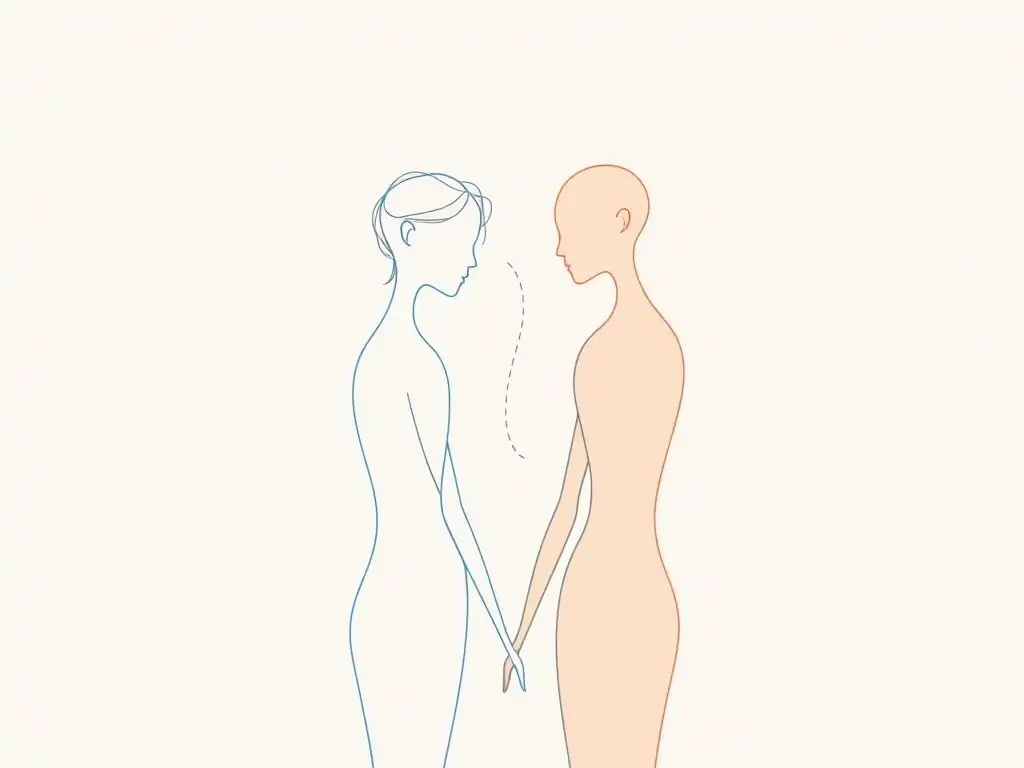
Understanding your attachment style is the first step towards navigating the complexities of online dating. Many individuals grapple with anxious-preoccupied or dismissive-avoidant attachment styles, which can significantly impact their online dating experiences. These styles, stemming from early childhood experiences, often manifest as anxieties about rejection or a reluctance to commit fully. However, building healthy relationships is achievable even with these insecurities. The key lies in self-awareness and proactive strategies. This section will explore practical steps to foster healthier connections, regardless of your attachment style. Successfully navigating online dating with attachment insecurities requires conscious effort and self-compassion.
Setting Boundaries in Online Dating
Setting healthy boundaries is paramount for anyone using online dating platforms, but it's especially crucial for those with attachment insecurities. Anxious individuals might over-invest emotionally early on, leading to disappointment. Avoidant individuals might struggle with intimacy and create distance. Clear boundaries protect your emotional well-being and prevent unhealthy dynamics.
For example, establish a clear expectation about the frequency of communication. Instead of constantly checking your phone for messages, set specific times to respond. This prevents you from becoming overly dependent on validation from others. Similarly, be upfront about your dating goals. Are you looking for a casual relationship or something more serious?
Communicating this early on helps avoid misunderstandings and wasted time. Remember, saying "no" is a perfectly acceptable boundary. Don't feel pressured to meet someone in person or engage in activities that make you uncomfortable. Prioritizing your own well-being is not selfish; it's essential for a healthy online dating experience. Consider creating a personal list of boundaries – a personal "Online Dating Bill of Rights" – to refer to when needed.
Defining your personal boundaries in online dating is a process of self-discovery and constant refinement. It's okay to adjust them as you learn more about your needs and preferences. The goal is to find a balance between being open to connection and protecting yourself from potential harm. This is especially important to manage the emotional rollercoaster that often accompanies online dating.
Communicating Your Needs Effectively
Effective communication is the cornerstone of any healthy relationship, and online dating is no exception. However, individuals with attachment insecurities often struggle to express their needs clearly and assertively. Anxious individuals might avoid direct communication for fear of rejection, while avoidant individuals might minimize their needs to avoid feeling vulnerable.
To overcome this, practice assertive communication techniques. Use "I" statements to express your feelings without blaming others. For example, instead of saying "You never text me back," try "I feel insecure when I don't hear from you for a while. Could we set up a regular check-in time?" This approach focuses on your feelings and encourages open dialogue. Being vulnerable can be challenging, but it's essential for building trust and intimacy. Remember, sharing your needs doesn't guarantee the other person will meet them, but it increases the likelihood of a more satisfying connection.
Active listening is also crucial. Pay attention to what the other person is saying, both verbally and nonverbally. Ask clarifying questions to ensure you understand their perspective. This shows respect and fosters mutual understanding. The ability to communicate needs effectively is a skill that improves with practice, and it's a vital aspect of building healthy relationships online and offline. It allows for healthy conflict resolution and mutual understanding, leading to a more fulfilling online dating experience.
Seeking Professional Help for Attachment Issues
While self-help strategies can be beneficial, seeking professional help can significantly improve your online dating experience and overall well-being if you're struggling with deeply rooted attachment insecurities. A therapist can provide a safe and supportive space to explore your attachment style, understand its roots, and develop coping mechanisms.
Therapy can help you identify negative thought patterns and behaviors that sabotage your relationships. It can also equip you with tools to manage anxiety, improve communication skills, and build healthier relationships. A therapist specializing in attachment theory can provide personalized guidance and support tailored to your specific needs. This professional support can be particularly valuable in navigating the complexities of online dating, where rejection and vulnerability are common experiences.
Remember, seeking professional help is a sign of strength, not weakness, and it can significantly enhance your chances of finding a fulfilling and lasting connection. It's an investment in your mental health and your future relationships. Consider this crucial step in managing the impact of attachment styles on your online dating journey.
Online Dating and Attachment Style: Long-Term Relationship Implications
Understanding your attachment style is crucial for navigating the complexities of online dating and fostering healthy, long-lasting relationships. Your attachment style, developed in early childhood through interactions with primary caregivers, significantly impacts your behavior in romantic relationships, influencing how you approach dating, form connections, and ultimately, build lasting bonds. Ignoring this aspect can lead to repeated negative patterns and hinder your ability to find a compatible partner. This section explores the long-term implications of different attachment styles on online dating success.
The Link Between Attachment and Relationship Satisfaction
Research consistently demonstrates a strong correlation between attachment style and relationship satisfaction. Individuals with a secure attachment style, characterized by trust, independence, and the ability to form close relationships, tend to report higher levels of relationship satisfaction and stability. They tend to communicate openly and honestly, effectively resolve conflicts, and maintain a healthy balance between intimacy and autonomy. In the context of online dating, secure individuals often present themselves authentically, engage in meaningful conversations, and manage expectations realistically. They are less likely to engage in relationship avoidance or excessive dependency.
Conversely, those with anxious-preoccupied attachment styles often experience heightened anxiety and insecurity in relationships. They crave closeness and reassurance, potentially leading to clinginess and dependency in online interactions. This can manifest as excessive messaging, constant checking for responses, or rapid escalation of commitment. Such behavior can be overwhelming for potential partners, hindering the development of a healthy connection. Data suggests that individuals with anxious-preoccupied attachment styles often report lower relationship satisfaction and experience more relationship instability.
Individuals with dismissive-avoidant attachment styles, on the other hand, tend to suppress their emotions and prioritize independence. In online dating, this might manifest as limited emotional expression, infrequent communication, or a reluctance to commit. They might appear aloof or uninterested, even if they are secretly hoping for a connection. This can create confusion and frustration for potential partners, leading to difficulties in building intimacy and trust. Studies show that this attachment style is often associated with lower relationship satisfaction and a greater likelihood of relationship termination.
Finally, fearful-avoidant individuals experience a combination of anxiety and avoidance. They desire closeness but fear intimacy, leading to inconsistent behavior and emotional instability. This creates considerable challenges in online dating, as it can result in unpredictable interactions and difficulties in forming lasting relationships. They may cycle through periods of intense engagement followed by sudden withdrawal, leaving their partners feeling confused and hurt.
Creating Secure Attachments in the Digital Age
While attachment styles are deeply ingrained, they are not immutable. With self-awareness and conscious effort, individuals can cultivate more secure attachment patterns, improving their online dating experience and increasing their chances of forming healthy, fulfilling relationships. This involves addressing underlying anxieties and insecurities, learning healthy communication skills, and setting realistic expectations.
Several strategies can facilitate this process:
- Self-reflection: Understanding your own attachment style is the first step. Consider your past relationship patterns and identify recurring themes. Online resources and self-assessment tools can be helpful in this process. Honest introspection is key to achieving meaningful change.
- Therapy: Professional guidance from a therapist specializing in attachment theory can provide valuable support and personalized strategies for managing attachment anxieties and cultivating healthier relationship dynamics. This is particularly beneficial for those struggling with insecure attachment styles.
- Mindfulness practices: Techniques like meditation and mindfulness can help regulate emotions, reduce anxiety, and improve self-awareness, crucial components in building secure attachments. By learning to be present and manage emotional responses, individuals can navigate online dating interactions with greater composure and self-assurance.
- Setting healthy boundaries: Learning to establish and maintain healthy boundaries is essential. This includes managing communication expectations, respecting individual needs, and avoiding excessive dependency. This is particularly crucial in the fast-paced world of online dating where it's easy to feel pressured to respond immediately or overshare personal information.
- Focusing on self-compassion: Practicing self-compassion is crucial for navigating the ups and downs of online dating. Treat yourself with the same kindness and understanding you would offer a friend facing similar challenges. Remember that setbacks are a normal part of the process.
By actively working on these areas, individuals can improve their emotional regulation, communication skills, and overall approach to online dating, significantly increasing their chances of forming secure and fulfilling relationships. The journey towards a more secure attachment style requires time, effort, and self-compassion. However, the rewards of building healthy, lasting relationships are well worth the investment. Remember, understanding your online dating attachment style impact is a powerful tool for creating a positive and fulfilling dating experience.
Frequently Asked Questions
How do my attachment styles affect my online dating profile?
Your attachment style significantly influences how you present yourself online. Those with anxious attachment might overshare, while avoidant individuals may keep profiles brief and impersonal. Securely attached people tend to create balanced and honest profiles.
Does my attachment style impact how I communicate with matches?
Absolutely. Anxious individuals might overtext or seek constant reassurance, while avoidant daters may struggle with intimacy and consistent communication. Securely attached people communicate openly and honestly, respecting their partner's needs.
Can I change my attachment style to improve my online dating success?
While you can't completely change your attachment style, you can learn to manage its impact. Therapy or self-help resources can teach you healthy communication strategies and help you build more secure relationships.
What attachment style is most successful in online dating?
While no single style guarantees success, secure attachment generally leads to the most fulfilling relationships. Understanding your style and working on its potential drawbacks can improve your online dating experience regardless.
Take an online attachment style quiz or consult a therapist. Understanding your tendencies – whether anxious, avoidant, or secure – allows you to anticipate potential challenges and develop strategies for healthier online interactions.
Understanding your attachment style is no longer a niche concept; it's a crucial key to unlocking a fulfilling online dating experience. In a world increasingly mediated by screens, the nuances of our emotional connections become even more pronounced, highlighting the vital role attachment plays in navigating the complexities of modern romance. Ignoring these deeply ingrained patterns only risks repeating past relationship dynamics, hindering our ability to find genuine connection.
The impact of attachment styles on online dating extends far beyond the initial swipe; it shapes how we communicate, interpret messages, and ultimately, build relationships. It influences our choices, from the profiles we create to the partners we pursue. The anxieties and avoidances that stem from insecure attachment styles can manifest in impulsive actions, unrealistic expectations, and a cycle of disappointment. The greatest love story is the one you live.
This sentiment rings truer than ever in the digital age, but only if we are equipped with the self-awareness to understand and manage our attachment patterns.
Now, consider your own attachment style. How has it influenced your online dating journey? What patterns do you recognize? This isn't about self-criticism; it's about self-discovery. By acknowledging your tendencies, you can consciously choose to break free from limiting behaviors and cultivate healthier, more fulfilling connections. Take the time to reflect, learn, and grow. The path to authentic love, even in the digital realm, begins with understanding yourself.
Unlock Your Dating Potential: Take Control of Your Connections
Thank you for exploring the world of attachment styles and their impact on your online dating journey! You've gained valuable insights into understanding your own relationship patterns and those of potential partners. Now it's time to apply that knowledge.
- Identify your primary attachment style: Take some time for self-reflection. Using what you've learned, determine your dominant attachment style and consider how it might be affecting your dating experiences. This is a crucial first step.
- Share your experiences: Discuss your insights (anonymously, if you prefer) with other readers in the comments below. Let's build a supportive community where we can all learn and grow together!
- Practice healthier communication: Try actively practicing one new communication strategy this week—even a small change can make a significant difference.
Ready to build more fulfilling connections? What's one small step you'll take today to improve your online dating experience?