
Online Dating Red Flags: Don't Ignore These Warning Signs


Ready to transform your online dating experience? At OnlineDatingSuccess.org, we empower you to navigate the world of digital romance with confidence. But be warned: not all connections are created equal. Learn to identify crucial online dating warning signs to ignore—and the ones you absolutely shouldn't—in our essential guide to avoiding scams and building genuine connections. Discover the secrets to a safer and more rewarding online dating journey. Dive in and unlock your potential for lasting love!
-
Recognizing Early Warning Signs in Online Dating Profiles
- Suspicious Profile Pictures: Low-Quality Images and Stock Photos
- Inconsistent Information Across Profiles: Discrepancies in Age, Location, or Occupation
- Lack of Personal Details: Vague Descriptions and Missing Information
- Overly Perfect Profiles: Unrealistic Claims and Idealized Self-Portraits
- Missing or Limited Social Media Presence: Absence of Verifiable Online Identity
-
Dodgy Communication Patterns: Behavioral Red Flags to Watch Out For
- Excessive Compliments and Flattery: Unrealistic Praise and Immediate Intense Affection
- Pressure for Quick Commitment: Rushing the Relationship and Ignoring Boundaries
- Avoidance of Video Calls or In-Person Meetings: Reluctance to Connect Beyond Text or Chat
- Inconsistent or Confusing Communication: Sudden Changes in Tone or Subject Matter
- Unrealistic Promises and Financial Requests: Seeking Money or Financial Assistance Quickly
- Controlling or Manipulative Behavior: Attempts to Isolate You or Dictate Your Actions
-
Identifying Financial and Emotional Manipulation Tactics
- Sudden Requests for Money or Financial Assistance: Various Pretenses for Urgent Funds
- Emotional Blackmail and Guilt Trips: Manipulating Your Feelings for Personal Gain
- Love Bombing and Idealization: Overwhelming Affection Followed by Criticism
- Gaslighting and Denial: Twisting Your Perception of Reality and Events
- Threats and Intimidation: Controlling Behavior and Attempts to Instill Fear
-
Protecting Yourself from Online Dating Scams and Dangers
- Verify Profiles Using Reverse Image Search and Social Media Checks
- Communicate Slowly and Cautiously: Avoid Sharing Personal Information Prematurely
- Report Suspicious Profiles and Behavior to the Dating Platform
- Trust Your Instincts: Don't Ignore Your Gut Feeling About a Potential Match
- Never Send Money or Personal Information to Someone You've Only Met Online
- Moving Forward Safely and Positively in Online Dating
-
Frequently Asked Questions
- What are some common online dating warning signs I should watch out for?
- How can I spot a fake profile on a dating site?
- What should I do if I feel uncomfortable or unsafe during an online interaction?
- Is it a red flag if someone asks for money or financial assistance online?
- How can I balance caution with being open to meeting new people online?
- Final Reflection: Navigating the Digital Dating Landscape
- Ready to Navigate Dating with Confidence?
Recognizing Early Warning Signs in Online Dating Profiles
Navigating the world of online dating can be exciting, but it's crucial to approach it with caution. Finding genuine connections requires discernment, and learning to identify red flags early on can save you time, heartache, and potentially even danger. This article serves as your guide to recognizing warning signs in online dating profiles and interactions, empowering you to make informed decisions and prioritize your safety and well-being. We'll explore common red flags, offering practical advice to help you navigate the complexities of online dating with confidence and protect yourself from potentially harmful situations.
Ignoring these warning signs can lead to frustrating experiences, wasted time, and, in some cases, serious risks. Therefore, understanding these indicators is a crucial step in building healthy and safe relationships online. Let's delve into some key areas where you should be extra vigilant. Remember, your safety and emotional well-being are paramount.
Suspicious Profile Pictures: Low-Quality Images and Stock Photos
Low-quality or overly filtered profile pictures should raise a red flag. Professional, high-quality photos are readily available today, so blurry, pixelated, or excessively edited images often suggest an attempt to conceal identity or mislead. Similarly, the use of stock photos—images readily available online—indicates a lack of authenticity and a potential unwillingness to present themselves honestly. Consider these points:
- Image Quality: Are the pictures blurry, pixelated, or of poor resolution? This could indicate the person is trying to hide their true appearance.
- Over-Editing: Excessive use of filters can distort the person's actual look. Be wary of profiles where it's difficult to see the individual clearly.
- Stock Photos: A quick reverse image search can reveal if the photos are readily available online. This strongly suggests the profile is fake or uses deceptive imagery.
- Lack of Variety: A profile with only one or two pictures, especially if they are of poor quality, is a cause for concern. A genuine profile usually displays a variety of images showcasing different aspects of the person's life.
Remember, a genuine profile usually features multiple, clear, and recent photos that accurately reflect the person's appearance.
Inconsistent Information Across Profiles: Discrepancies in Age, Location, or Occupation
Inconsistencies in the information provided across different platforms or within the dating profile itself are a significant warning sign. This might involve discrepancies in age, location, occupation, or other biographical details. Cross-referencing information is key here.
- Social Media Check: If you're able to find their social media profiles, compare the information provided there with what's on their dating profile. Any significant discrepancies should raise concerns.
- Reverse Image Search: Use a reverse image search on their profile pictures to see if they appear on other sites or profiles with different information.
- Vague Descriptions: Be wary of profiles with vague or inconsistent descriptions of their work, hobbies, or lifestyle. Genuine profiles usually provide more specific details.
- Unrealistic Claims: Be cautious of individuals who make unrealistic claims about their wealth, achievements, or lifestyle. These are often signs of deception.
Inconsistency often indicates an attempt to create a false persona or hide something. Thorough fact-checking is crucial in such situations.
Lack of Personal Details: Vague Descriptions and Missing Information
A profile lacking personal details often suggests a lack of transparency and a potential unwillingness to engage authentically. Vague descriptions and missing information can be indicative of a person trying to avoid genuine connection.
- Missing Information: A profile with missing key details like age, location, or occupation should raise questions. This lack of transparency can be a major red flag.
- Vague Interests: Generic or overly vague descriptions of interests and hobbies suggest a lack of genuine engagement. Look for specific details that show a person's personality and passions.
- Absence of Photos: While not always a red flag, a profile with very few or no photos can be a cause for concern, especially if coupled with other warning signs. Genuine profiles usually include at least a few pictures.
- Overly Generic Language: Avoid profiles that use overly generic or cliché language in their descriptions. Authentic profiles usually express individuality and personality.
A profile that's too vague or lacking in personal details can be a sign that the person is not ready or willing to form a meaningful connection. Prioritize profiles that showcase authenticity and a willingness to share relevant personal information.
Overly Perfect Profiles: Unrealistic Claims and Idealized Self-Portraits
Online dating profiles often present an idealized version of ourselves, but some profiles go beyond embellishment and enter the realm of the unbelievable. Be wary of profiles that seem too good to be true. These often feature unrealistic claims, such as possessing an impossibly perfect physique, extravagant wealth, or an unbelievably successful career. The photos might be professionally done, looking like they came straight from a magazine photoshoot, lacking the casual, candid shots that show a person's genuine day-to-day life. These profiles often lack any hint of imperfection or vulnerability, presenting a flawless facade that is rarely genuine.
Remember, everyone has flaws; a profile completely devoid of them is a major red flag. Look for inconsistencies – does the claimed profession match the lifestyle depicted? Do the photos seem professionally edited to an unrealistic degree? Does the writing style seem too polished, perhaps even suggesting the use of a professional profile writer? These discrepancies can indicate a potential attempt at deception, perhaps masking a less-than-ideal reality.
Authenticity is key; a profile that feels too perfect often hides something. Pay close attention to the details and trust your instincts – if something feels off, it probably is. Prioritizing genuine connection over idealized images is crucial for a safe and successful online dating experience. Remember, even the most attractive profiles can hide problematic individuals.
In today's interconnected world, most people have a significant online presence across various social media platforms. A complete absence of social media links or a very limited presence, especially when combined with other red flags, can be a cause for concern. While some individuals might choose to limit their online footprint for privacy reasons, a total lack of verifiable online information makes it difficult to confirm the person's identity and background. This lack of transparency can make it harder to assess their authenticity and increases the risk of encountering fake profiles or scams.
Consider this: If someone is hesitant to share even basic online information, it might indicate a desire to conceal their true identity or past. This is especially true if they are unwilling to share links to platforms like Facebook, Instagram, or LinkedIn, where publicly available information could easily verify their claims. It's important to remember that verifying someone's online presence isn't about invading their privacy; it's about exercising due diligence to protect your safety and well-being in the online dating world.
A healthy approach to online dating involves a balance between openness and caution. Always prioritize your safety and trust your intuition; if something feels off about a profile's lack of online presence, proceed with extra caution or avoid contact altogether. Remember, a genuine person usually isn't afraid to share verifiable information about themselves.
Dodgy Communication Patterns: Behavioral Red Flags to Watch Out For
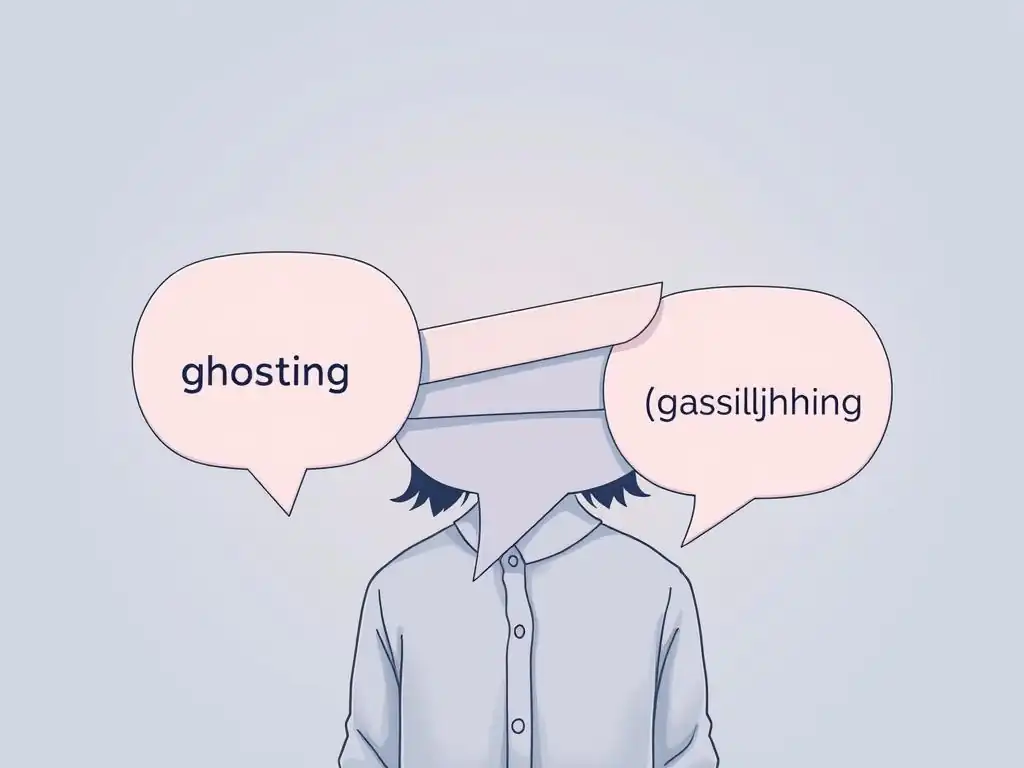
Navigating the world of online dating requires a keen eye for detail, especially when it comes to communication. Subtle—and sometimes not-so-subtle—red flags can signal potential problems. Understanding these warning signs is crucial for protecting your emotional well-being and safety. Ignoring these communication patterns can lead to heartache and, in some cases, even dangerous situations.
Remember, your intuition is a powerful tool; trust your gut feeling if something feels off. This section focuses on identifying concerning communication styles that frequently crop up in problematic online dating interactions, helping you avoid wasting time and potentially safeguarding yourself from harm. Learning to recognize these patterns is a significant step towards online dating success, allowing you to focus your energy on genuine connections.
Excessive Compliments and Flattery: Unrealistic Praise and Immediate Intense Affection
One of the most common online dating warning signs is receiving an overwhelming amount of compliments, particularly early in the interaction. While a genuine compliment is always appreciated, excessive flattery, especially if it feels unrealistic or insincere, can be a major red flag. Think grandiose statements like, "You're the most beautiful woman I've ever seen," or "I've never met anyone like you."
These statements often lack specificity and are designed to manipulate you into feeling special and desirable, fostering a sense of obligation or urgency. This behavior can be a tactic used by individuals who are not genuinely interested in getting to know you, but instead are focused on quickly gaining your trust and affection for their own purposes. For example, a scammer might shower you with compliments to quickly build rapport and gain your confidence before making a financial request.
Always be wary of intense affection expressed too early in the relationship, as genuine connections develop gradually. Authentic interest involves getting to know you as a person, not just showering you with generic praise.
Pressure for Quick Commitment: Rushing the Relationship and Ignoring Boundaries
Another significant online dating warning sign is the pressure to move too quickly into a committed relationship. Healthy relationships develop at a pace comfortable for both individuals involved. If someone is constantly pushing for a serious commitment before you've even had a chance to properly get to know each other, this is a serious red flag.
This might manifest as relentless requests to define the relationship, pressure to meet in person immediately despite your reservations, or ignoring your boundaries and preferences. For instance, repeatedly ignoring your stated preference for waiting before sharing personal information or meeting in person is a clear sign of disrespect and disregard for your feelings. This behavior can be manipulative and is a common tactic used by those seeking to control or exploit others.
Remember, taking things slow and establishing trust is crucial for a healthy relationship. Don't let anyone rush you into a commitment you're not ready for.
Avoidance of Video Calls or In-Person Meetings: Reluctance to Connect Beyond Text or Chat
A persistent refusal to engage in video calls or in-person meetings, despite expressing interest in a relationship, is another strong indicator of potential problems. While some initial hesitation is understandable, prolonged avoidance of visual interaction should raise concerns. The reasons behind this avoidance can vary, but often it's because the individual is concealing their true identity, perhaps using fake photos or hiding aspects of their appearance.
This could be related to catfishing, where someone uses a false identity online, or simply a desire to avoid accountability. A genuine connection thrives on authenticity and transparency. If someone repeatedly makes excuses to avoid video calls or meeting up, it is wise to exercise caution and consider the possibility of deception.
Prioritize your safety and well-being; don't engage with anyone who consistently avoids these crucial steps in building a real-life connection. Remember, a willingness to connect on multiple levels is a sign of genuine interest and respect.
Inconsistent or Confusing Communication: Sudden Changes in Tone or Subject Matter
Inconsistency in communication is a significant online dating warning sign. Imagine engaging in a seemingly normal conversation, filled with witty banter and shared interests, only to have the tone abruptly shift. One minute, they're showering you with compliments; the next, they're criticizing your life choices or expressing unwarranted anger. This erratic behavior signals a potential lack of emotional regulation or a deliberate attempt to manipulate your emotions.
These sudden shifts in subject matter, jumping from intimate details to unrelated topics without transition, can also be a red flag. For instance, a smooth conversation about your favorite books might suddenly veer into a desperate plea for financial help. Such jarring inconsistencies often indicate a deceptive or unstable personality. Trust your gut; if the communication feels erratic and unpredictable, it's a strong indicator that something isn't right.
Pay attention to these shifts and don't dismiss them as minor quirks. Consistent, respectful communication is a cornerstone of healthy relationships, both online and offline. Remember, a healthy relationship involves open, honest, and predictable communication patterns.
Unrealistic Promises and Financial Requests: Seeking Money or Financial Assistance Quickly
One of the most glaring online dating warning signs is the rapid escalation of financial requests. Be wary of anyone who, within a short period of time, begins making unrealistic promises or directly asking for money or financial assistance. This often takes the form of fabricated emergencies, such as urgent medical bills or family crises, requiring immediate financial intervention. They might paint a picture of significant hardship, playing on your empathy to elicit funds.
These requests can be subtle at first, starting with small amounts and escalating quickly. Remember, legitimate relationships don't rely on financial transactions. Genuine connections build organically, focusing on shared experiences and emotional intimacy, not monetary exchanges. If someone is pressuring you for money, especially early in the relationship, this is a significant red flag.
It's crucial to prioritize your financial safety and well-being. Never send money to someone you've only met online, no matter how convincing their story may seem. Consider reporting such behavior to the dating platform if you encounter such situations.
Controlling or Manipulative Behavior: Attempts to Isolate You or Dictate Your Actions
Controlling behavior is a serious warning sign that should never be ignored. This can manifest in various ways, from subtly criticizing your friends and family to directly attempting to isolate you from your support network. They might express disapproval of your social life, suggesting you spend more time with them and less with others. This isolation tactic aims to weaken your independent decision-making and increase their influence over you.
Another subtle form of control is dictating your actions or choices, even in seemingly minor matters. They might suggest what you should wear, where you should go, or what you should say, gradually eroding your autonomy. This behavior is a clear indicator of a toxic and potentially abusive relationship. Healthy relationships are built on mutual respect and independence, not control and domination.
Remember, you have the right to maintain your own friendships, pursue your interests, and make your own decisions without feeling pressured or manipulated. If you detect any signs of controlling behavior, prioritize your safety and well-being. Seek support from trusted friends, family, or professionals if needed. Your emotional safety is paramount.
Identifying Financial and Emotional Manipulation Tactics

Online dating, while offering exciting possibilities for connection, unfortunately also presents opportunities for exploitation. Understanding potential red flags is crucial for protecting your emotional and financial wellbeing. This section focuses on recognizing manipulative tactics often employed by individuals with malicious intent. Learning to identify these warning signs can significantly reduce your risk of becoming a victim. Ignoring these signals can have severe consequences, so paying close attention to your interactions is paramount. Remember, healthy relationships are built on mutual respect and trust, not coercion or pressure.
Sudden Requests for Money or Financial Assistance: Various Pretenses for Urgent Funds
One of the most blatant online dating warning signs is the sudden and unexpected request for money. These requests often come with a compelling (and usually fabricated) story. The individual might claim to be experiencing a sudden financial emergency – a medical crisis, a family emergency, travel difficulties, or even a simple "lost wallet" scenario. The urgency is always a key component; they need the money immediately.
Here are some examples of the various pretenses used:
- Medical emergencies: "My grandmother is in the hospital and I need money for her surgery."
- Travel issues: "I'm stranded overseas and need money for a flight home."
- Lost/Stolen funds: "My bank account was hacked and I need money until I can sort it out."
- Business setbacks: "My small business is failing and I need a loan to keep it afloat."
These scenarios are often embellished with emotional details to increase your sympathy and encourage a quicker response. Remember, legitimate emergencies rarely require immediate financial assistance from someone they've only recently met online. Always be wary of requests for money, no matter how convincing the story seems. Legitimate needs are usually addressed through established support systems, not through sudden appeals to strangers. Always verify the story independently, if possible, before offering any financial help. This is a crucial online dating warning sign to never ignore.
Emotional Blackmail and Guilt Trips: Manipulating Your Feelings for Personal Gain
Emotional manipulation is a subtle but insidious form of abuse. Manipulators use guilt, shame, and fear to control their victims. In online dating, this might involve subtle digs at your character, exaggerating their own problems to make you feel responsible for their happiness, or making you feel obligated to respond to their needs immediately.
Consider these examples:
- Constant negativity: They consistently focus on their own problems, making you feel responsible for their emotional well-being.
- Threats of self-harm: They might subtly threaten self-harm or suicide if you don't comply with their wishes.
- Gaslighting: They deny or distort events to make you question your own sanity and memory. They might say things like, "You're being too sensitive" or "You're imagining things."
These tactics aim to erode your self-confidence and make you question your own judgment. A healthy relationship fosters mutual support and understanding, not manipulation and control. If you feel consistently pressured, controlled, or manipulated, it's a significant online dating warning sign. Trust your instincts; a relationship shouldn't leave you feeling emotionally drained or constantly walking on eggshells. Ignoring these warning signs can lead to significant emotional distress.
Love Bombing and Idealization: Overwhelming Affection Followed by Criticism
Love bombing is a tactic where someone showers you with excessive affection and attention early in the relationship. This intense phase of idealization is often followed by a period of criticism and control. It's a classic cycle of manipulation designed to quickly establish a strong emotional bond, making it harder to recognize the abusive patterns that follow.
Here's how it typically unfolds:
- Initial Phase: Overwhelming compliments, gifts, declarations of love, and constant contact. They might seem too perfect, too attentive.
- Shifting Dynamics: The initial intensity fades, replaced by criticism, controlling behavior, and emotional manipulation. They might start to isolate you from friends and family.
This rollercoaster of emotions can be incredibly disorienting. The initial love bombing makes it difficult to recognize the abusive patterns that emerge later. Remember, healthy relationships develop gradually, with a balance of affection and respect. An overwhelming display of affection early on, followed by a sharp shift in behavior, is a major online dating warning sign that shouldn't be overlooked. Trust your gut feeling; if something feels "off," it probably is. Prioritizing your emotional safety is crucial.
Gaslighting and Denial: Twisting Your Perception of Reality and Events
Gaslighting is a subtle but insidious form of manipulation where someone systematically distorts your reality to make you question your own sanity and judgment. In online dating, this might manifest as your date denying things they said or did, even when you have clear evidence (screenshots, messages). They might claim you misunderstood, misremembered, or are even imagining things. For example, they might vehemently deny promising a date, then later claim you misinterpreted a casual suggestion.
This constant questioning of your memory and perception chips away at your self-confidence and makes you more likely to doubt your instincts. The goal is to make you dependent on their version of events, even when it directly contradicts your own experience. Don't dismiss these instances as simple misunderstandings; repeated instances of gaslighting are a major red flag indicating a manipulative and potentially abusive personality. Remember, your feelings and experiences are valid.
If someone consistently makes you feel like you're going crazy, it's time to distance yourself. Trust your gut; if something feels off, it probably is. Documenting instances of gaslighting, such as saving messages or screenshots, can be incredibly helpful if the situation escalates.
Threats and Intimidation: Controlling Behavior and Attempts to Instill Fear
Threats and intimidation are far more overt signs of manipulation and potential abuse. These tactics aim to control you through fear. In the online dating world, this could range from subtle threats to more overt ones. Subtle threats might involve passive-aggressive comments about your friends or family, or veiled threats about revealing personal information if you don't comply with their wishes.
More overt threats might include direct threats of violence or harm, or threats to damage your reputation or career. The language used might be explicitly threatening, or it could be couched in seemingly innocuous terms designed to instill a sense of unease. For instance, a seemingly harmless comment like, "I know where you work," could be a veiled threat. Remember, any attempt to control you through fear is unacceptable.
This behavior is a serious warning sign and should never be tolerated. If you encounter such threats, immediately cease all contact, block the individual, and consider reporting them to the dating platform and/or the authorities, especially if the threats are credible or involve physical harm. Prioritizing your safety and well-being is paramount; don't hesitate to seek support from friends, family, or a support organization if you feel threatened. Your safety is more important than any online relationship.
Protecting Yourself from Online Dating Scams and Dangers

This section focuses on proactive measures you can take to minimize your risk when navigating the world of online dating. Remember, being vigilant is key to a safe and positive online dating experience. Ignoring warning signs can lead to significant emotional distress and even financial loss. Let's explore some crucial steps to protect yourself.
One of the most effective ways to avoid online dating scams is to thoroughly verify the profiles you encounter. Many scammers use fake photos and fabricated information to lure unsuspecting individuals. Don't rely solely on the information presented on the dating platform. Take the initiative to conduct your own investigation.
A simple yet powerful tool is a reverse image search. Use Google Images or a similar service to upload the profile picture. This will reveal if the image appears elsewhere online, potentially indicating the use of a stolen photograph or a stock image. Discrepancies between the profile picture and other images associated with the same person should raise a red flag. 🚩
Furthermore, try to find the individual on other social media platforms. Look for consistency in their online presence. Do their profiles on different platforms match the information provided on the dating site? Inconsistencies can be a strong indicator of deception. For example, if their dating profile claims to be a successful entrepreneur but their social media portrays a drastically different lifestyle, this warrants further scrutiny. This process of cross-referencing information takes time, but it significantly reduces the likelihood of interacting with a fraudulent profile. Don't rush the process; thorough verification is crucial.
Communicate Slowly and Cautiously: Avoid Sharing Personal Information Prematurely
Rushing into intimate conversations and sharing personal information too early is a major online dating red flag that many people overlook. Scammers often try to build a quick connection to gain your trust and then exploit that trust for their own benefit. Establish a pattern of slow and cautious communication.
Avoid revealing sensitive details like your full address, workplace, financial information, or even your exact location prematurely. Sharing such information exposes you to significant risks. Instead, focus on building a genuine connection through open and honest conversations without revealing sensitive personal data. If someone pressures you to disclose personal information before you feel comfortable, it's a major warning sign. Remember, building trust takes time; don't let anyone rush you.
Consider using a separate email address specifically for online dating to further protect your privacy. This helps to maintain a boundary between your personal and online dating communications, allowing you to manage the level of information shared more effectively. This simple precaution can safeguard your personal email from potential spam or harassment.
Report Suspicious Profiles and Behavior to the Dating Platform
If you encounter a profile that seems suspicious or exhibits behavior that makes you uncomfortable, don't hesitate to report it to the dating platform. Most online dating sites have reporting mechanisms in place to help identify and remove fraudulent profiles and users. This is a crucial step in maintaining the safety and integrity of the online dating community.
Reporting suspicious activity not only protects you but also helps to protect other users from potential harm. Be specific in your report; provide details about the profile and the concerning behavior you observed. Screenshots can be particularly helpful in supporting your report. By actively reporting suspicious activity, you contribute to a safer online dating environment for everyone. Remember, your safety and the safety of others depend on your vigilance and willingness to report suspicious behavior. Don't ignore those warning signs; take action.
Trust Your Instincts: Don't Ignore Your Gut Feeling About a Potential Match
Your intuition is a powerful tool, often picking up on subtle cues that your conscious mind might miss. In the world of online dating, where deception can be prevalent, trusting your gut feeling is paramount. If something feels off about a potential match, even if you can't pinpoint exactly what it is, don't dismiss it. Perhaps their profile seems too perfect, their responses are evasive, or their communication style feels disingenuous.
These are all potential warning signs that deserve attention. Remember, online dating involves a significant degree of vulnerability, and protecting yourself emotionally and financially requires being attuned to your instincts. Don't pressure yourself to pursue a connection if your intuition is screaming "red flag." Prioritizing your safety and well-being is always the right choice.
Many individuals have shared stories of how ignoring that initial unease led to negative experiences, from emotional manipulation to financial loss. Learning to listen to your inner voice is a crucial skill in navigating the complexities of online dating safely and effectively. It's better to err on the side of caution than to risk potential harm.
Never Send Money or Personal Information to Someone You've Only Met Online
This is perhaps the most crucial piece of advice regarding online dating safety: never send money or any sensitive personal information to someone you've only met online. This includes bank account details, social security numbers, addresses, and even copies of your driver's license. Legitimate relationships don't require such exchanges at the initial stages. Scammers often create elaborate stories to manipulate their victims into sending money, promising returns on investments, facing urgent financial difficulties, or needing help with travel expenses.
They might even feign affection and build a false sense of trust before making their requests. Remember, a genuine connection should never pressure you into sharing financial information or sending money. If someone asks for money, regardless of how compelling their story might seem, it's a major red flag indicating a potential scam. Report such profiles immediately to the dating platform and block the user.
Protecting your financial security is essential, and falling prey to online scams can have devastating consequences, both financially and emotionally. Staying vigilant and refusing to share sensitive information is a key step in safeguarding yourself from online dating dangers. Your financial well-being is worth protecting.
Moving Forward Safely and Positively in Online Dating
After identifying and navigating potential red flags, it's crucial to focus on fostering a positive and safe online dating experience. This involves proactively protecting yourself, setting healthy boundaries, and prioritizing your mental well-being. Remember, online dating is a journey, and setbacks are a normal part of the process. Learning from these experiences empowers you to build healthier, more fulfilling connections. Don't let negative encounters deter you from finding genuine connections. The right approach can significantly improve your chances of success.
Maintaining Healthy Boundaries and Protecting Your Privacy
Maintaining healthy boundaries is paramount in online dating. This extends beyond simply avoiding potentially harmful individuals; it's about protecting your personal information and emotional well-being. Avoid sharing overly personal details early on, such as your full address, workplace, or financial information. Be cautious about sharing photos that reveal too much about your daily routine or location. Remember, building trust takes time.
Consider using a separate email address and phone number specifically for online dating to maintain a level of separation between your personal and dating life. This added layer of privacy helps protect your personal information and allows you to manage your online interactions more effectively. It's also important to be mindful of what you share on social media. Review your privacy settings and avoid posting information that could compromise your safety or personal details. Think of it as a gradual reveal – share information incrementally as you build trust and rapport with someone.
Furthermore, always meet in public places for first dates, and let a friend or family member know where you're going and who you're meeting. This simple precaution can make a significant difference in ensuring your safety. Trust your instincts; if something feels off, it's perfectly acceptable to end the interaction. Your safety and well-being are always the top priority.
Prioritizing Your Mental Well-being Throughout the Dating Process
Online dating can be emotionally taxing. Rejection, ghosting, and encountering inappropriate behavior are unfortunately common experiences. It's essential to prioritize your mental health throughout the process. Develop coping mechanisms to deal with setbacks. This might involve engaging in activities you enjoy, spending time with supportive friends and family, or practicing self-care techniques such as mindfulness or meditation.
Remember that online dating is not a measure of your self-worth. Don't take rejection personally; it's often a matter of incompatibility rather than a reflection of your value. Maintain a positive self-image and celebrate your strengths.
If you find yourself struggling to cope with the emotional challenges of online dating, consider seeking support from a therapist or counselor. They can provide guidance and support to help you navigate these challenges and maintain a healthy perspective. Prioritizing your mental well-being is not a sign of weakness; it's an act of self-care that will enhance your overall experience and increase your chances of finding a healthy, fulfilling relationship.
Building Healthy Relationships Based on Trust and Respect
The ultimate goal of online dating is to build healthy, meaningful relationships. This requires establishing a foundation of trust and mutual respect from the outset. Pay attention to the other person's communication style and behavior. Do they listen actively? Do they respect your boundaries? Do they treat you with kindness and consideration? These are crucial indicators of a healthy relationship.
Red flags, such as controlling behavior, excessive jealousy, or a reluctance to meet in person, should be taken seriously. A healthy relationship is built on mutual respect, open communication, and a willingness to compromise. Don't settle for less than you deserve. If you encounter any warning signs of abuse or manipulation, seek help immediately. Remember, a healthy relationship should enhance your life, not detract from it. Trust your instincts and prioritize your well-being above all else. Building a relationship based on these foundations will significantly increase your chances of finding lasting happiness and fulfillment.
Learning from Negative Experiences and Moving On
Navigating the world of online dating often involves encountering setbacks. Rejection, ghosting, or even encountering potentially harmful individuals are unfortunately common experiences. The key to successfully moving forward isn't to avoid these experiences altogether—that's unrealistic—but to learn from them and develop resilience. Remember that a negative experience doesn't diminish your worth or your potential for finding a meaningful connection. Each encounter, positive or negative, provides valuable data points about what you're looking for in a partner and what kind of interactions you want to cultivate.
One crucial step is self-reflection. After a disappointing experience, take some time to analyze what happened. Was there a red flag you missed? Did your communication style contribute to the negative outcome? Perhaps you were too quick to share personal information, or maybe you ignored inconsistencies in your date's profile or behavior.
Honest self-assessment, though sometimes painful, is vital for growth. Journaling can be a helpful tool for processing these emotions and identifying patterns. Consider asking yourself questions like: "What did I learn about myself in this interaction? ", "What could I have done differently? ", and "What am I looking for in a partner, and how can I better communicate those needs?"
Don't dwell on the negative indefinitely. While reflection is important, wallowing in disappointment will only hinder your progress. Allow yourself to feel your emotions—sadness, anger, frustration—but don't let them consume you. Engage in activities that bring you joy and help you relax. Spend time with friends and family, pursue hobbies, or focus on self-care practices like exercise, meditation, or spending time in nature. These activities help restore your emotional balance and remind you of your self-worth, independent of your dating life.
Remember, online dating is a numbers game. Not every connection will lead to a lasting relationship, and that's okay. Each experience, even the negative ones, contributes to your journey. Focus on what you've learned, adjust your approach accordingly, and keep moving forward with a positive attitude.
Your ideal partner is out there, and by learning from past experiences, you increase your chances of finding them. Maintaining a healthy perspective, prioritizing self-care, and understanding that setbacks are a part of the process are crucial elements in navigating online dating successfully and building resilience. The ability to move on from negative experiences is a testament to your strength and determination.
Frequently Asked Questions
What are some common online dating warning signs I should watch out for?
Some major red flags include inconsistent information in their profile, pressure to move quickly offline, or avoiding video calls. Be wary of anyone who seems too good to be true.
How can I spot a fake profile on a dating site?
Look for stock photos, limited personal information, or profiles with few or no connections. Reverse image search their photos to verify authenticity. Inconsistencies in their story should also raise suspicion.
What should I do if I feel uncomfortable or unsafe during an online interaction?
Trust your instincts. Immediately stop communicating with the person, block them, and report them to the dating site if necessary. Consider confiding in a friend or family member.
Is it a red flag if someone asks for money or financial assistance online?
Yes, absolutely. This is a major red flag and a common tactic of scammers. Never send money to someone you've only met online, regardless of their story.
How can I balance caution with being open to meeting new people online?
Be selective about who you engage with, proceed slowly, and verify information. Don't share personal details too quickly. Focus on building trust gradually through open and honest communication.
The rise of online dating has fundamentally reshaped modern romance, yet the inherent risks remain. Ignoring the warning signs can lead to heartache, wasted time, and even dangerous situations. Understanding these red flags is no longer optional; it's essential for navigating this increasingly complex world of digital connections.
The impact of online dating on our social fabric is profound, influencing how we meet partners, form relationships, and perceive intimacy. It's a double-edged sword, offering incredible opportunities for connection while simultaneously presenting unique vulnerabilities. The ease of interaction can sometimes overshadow the importance of careful consideration and healthy boundaries. The greatest love stories are those that begin unexpectedly.
While this is true, unexpected beginnings shouldn't overshadow the need for caution and self-preservation. We must learn to balance the excitement of potential connection with a discerning eye for potential danger.
So, what will you do differently now? Take a moment to reflect on the red flags discussed in this article. Consider how you can apply this knowledge to your own online dating experiences, prioritizing your safety and well-being above all else. Don't let fear paralyze you, but let awareness empower you to build healthy, fulfilling relationships in the digital age. Your happiness and safety are worth the extra vigilance.
Thank you for learning about online dating red flags! You've gained valuable knowledge to make smarter choices and protect yourself. Let's put this knowledge into practice.
- Prioritize your safety: Carefully review your dating profile for any unintentional vulnerabilities and adjust your communication strategies. This is crucial for a positive dating experience.
- Share your insights: Discuss this information with a trusted friend or family member. Talking about your dating experiences can be helpful and may spark insightful conversations.
- Become a proactive dater: Challenge yourself to identify red flags in profiles and initial conversations, and practice politely ending contact when necessary.
So, which specific red flag will you be most aware of going forward?