
Privacy Practices: Ensuring Your Safety in the Online Dating Landscape


Ready to unlock the secrets to a safe and successful online dating experience? OnlineDatingSuccess.org is your guide to navigating the world of digital romance. We understand the challenges—and the incredible potential—of finding love online. This is why we've created comprehensive resources, like our insightful article on online dating safety tips, to help you build meaningful connections while prioritizing your well-being. Dive in and discover how to create a profile that shines, communicate confidently, and most importantly, stay safe throughout your journey.
- Protecting Your Personal Information: Online Dating Safety Tips
- Online Dating Safety: Recognizing and Avoiding Red Flags
- Communicating Safely: Online Dating Safety Precautions
- Privacy Settings and Online Dating App Features
- Legal and Ethical Considerations: Protecting Your Online Dating Privacy
- Resources and Further Information: Online Dating Safety and Support
-
Frequently Asked Questions
- How can I protect my personal information while online dating?
- What should I do if I feel unsafe or uncomfortable during an online interaction?
- Are there any red flags I should watch out for in online dating profiles?
- How can I verify the identity of someone I'm meeting online?
- What should I do if I suspect someone is catfishing me?
- Final Reflection: Navigating Love and Safety in the Digital Age
- Unlock Your Dating Confidence: Secure Your Online Privacy Now
Protecting Your Personal Information: Online Dating Safety Tips
Navigating the world of online dating requires a delicate balance: presenting yourself authentically while safeguarding your personal information. This article delves into crucial privacy practices to ensure your safety and well-being while searching for connection. We'll explore practical strategies for managing your online presence, protecting your identity, and building trust in a digital environment. Understanding these online dating safety tips is paramount to a positive and secure experience, helping you avoid potential risks and build meaningful relationships with confidence.
We'll cover everything from crafting safe profiles to securing your accounts, empowering you to take control of your online dating journey. Remember, prioritizing your safety shouldn't compromise your authenticity; it enhances it. Let's learn how to navigate this landscape responsibly and effectively.
Creating an engaging dating profile is crucial, but it's equally important to be mindful of what information you share. Oversharing can expose you to unwanted attention or even scams. Instead of revealing your full name, address, workplace, or other identifying details, focus on presenting a compelling picture of yourself without compromising your safety. Consider these guidelines:
- Use a nickname or initials: Instead of your full name, use a nickname or your initials to protect your identity.
- Avoid specific location details: Mention your general area (e.g., "near the city center") instead of your exact address or neighborhood. Avoid geotagging photos.
- Be vague about your workplace: Instead of stating your exact job title and company, you can use a more general description of your profession.
- Protect your phone number and email address: Avoid including these directly in your profile. Use the dating platform's internal messaging system initially.
- Choose photos carefully: Avoid pictures that reveal sensitive information like your house number or workplace. Opt for photos that show you in a positive light without revealing too much personal information.
Remember, the goal is to attract genuine interest while maintaining a level of privacy that protects you. Think of your profile as a carefully curated introduction, not a comprehensive biography. A little mystery can be quite alluring!
Avoiding Oversharing: Protecting Your Location and Identity Online
Beyond your profile, your online behavior plays a significant role in your safety. Avoid sharing your location in real-time on social media or other platforms linked to your dating profile. Be cautious about what you post online in general, as potential matches might try to find out more about you through other channels. Consider these additional online dating safety tips:
- Reverse image search: Before meeting someone in person, perform a reverse image search on their profile photos to verify their identity and ensure they aren't using someone else's picture.
- Verify profiles: Cross-reference information provided on dating profiles with other publicly available information to help ensure authenticity.
- Limit personal information on social media: Review your privacy settings on all social media platforms and limit the information accessible to the public.
- Be wary of overly personal conversations early on: Avoid sharing sensitive information, such as financial details or family matters, with someone you've just met online.
- Trust your instincts: If something feels off or unsafe, don't hesitate to end the conversation or block the user. Your safety is paramount.
Securing Your Account: Password Management and Two-Factor Authentication for Online Dating
Protecting your online dating accounts is crucial to preventing unauthorized access. Strong passwords and two-factor authentication (2FA) are essential layers of security.
- Strong Passwords: Use unique, complex passwords for each of your online accounts. Avoid using easily guessable information like birthdays or pet names. Consider using a password manager to help generate and store strong, unique passwords.
- Two-Factor Authentication (2FA): Enable 2FA whenever possible. This adds an extra layer of security, requiring a code from your phone or email in addition to your password to log in. This significantly reduces the risk of unauthorized access, even if your password is compromised.
- Regularly review your privacy settings: Dating apps and websites frequently update their privacy settings. Regularly review these settings and adjust them as needed to maximize your privacy.
- Report suspicious activity: If you notice any suspicious activity on your account, report it immediately to the dating platform's customer support.
- Be cautious of phishing attempts: Be wary of emails or messages that ask for your personal information or login credentials. Legitimate dating platforms will never request this information via email.
By implementing these strategies, you can significantly enhance your safety and privacy while enjoying the benefits of online dating. Remember, a cautious and informed approach is key to a positive and secure experience. Enjoy the journey! 🎉
Online Dating Safety: Recognizing and Avoiding Red Flags
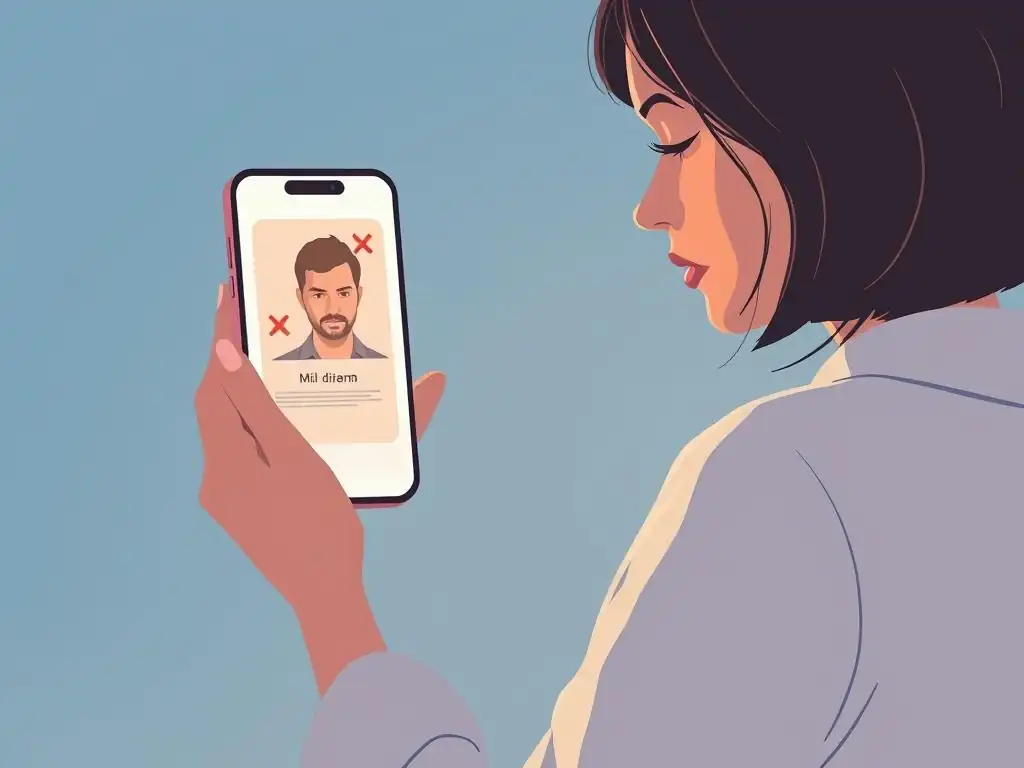
Online dating safety is paramount. Navigating the digital world of romance requires vigilance and a keen eye for potential dangers. This section focuses on recognizing and avoiding red flags, crucial steps in ensuring a safe and positive online dating experience. Remember, your safety and well-being are the top priority. Ignoring warning signs can lead to significant emotional and financial harm. Let's delve into some key indicators of potentially problematic profiles and interactions.
Identifying Potentially Dangerous Profiles: Recognizing Warning Signs in Online Dating
Identifying potentially dangerous profiles requires careful observation and a healthy dose of skepticism. Many red flags are subtle, requiring attention to detail. Here's a breakdown of common warning signs:
- Inconsistencies in Profile Information: Discrepancies between photos, self-descriptions, and stated occupation should raise concerns. A lack of detail or overly vague information is another potential red flag. For example, a profile with few photos or inconsistent information about their location might indicate they are trying to hide something. Always cross-reference information provided.
- Excessive Use of Stock Photos or Unrealistic Images: Be wary of profiles showcasing only professionally-taken photos or images that appear too perfect to be true. This could suggest the person is trying to present a false image of themselves. Reverse image searching photos can help verify their authenticity.
- Overly Aggressive or Pushy Communication: Early requests for personal information, financial assistance, or meeting in person without establishing trust are major red flags. A healthy relationship develops gradually, with mutual respect and cautious progress.
- Grammar and Spelling Errors: While not always indicative of danger, a profile riddled with grammatical errors or misspelled words can suggest a lack of education or authenticity. It might also indicate that the profile was created hastily or by someone who isn't who they claim to be.
- Lack of Social Media Presence or Limited Online Footprint: While some individuals may prefer privacy, a complete absence of social media presence or a limited online footprint can be suspicious, especially if they claim to have a busy professional life or extensive social network.
- Vague or Evasiveness: If someone is consistently vague about their personal life or avoids answering direct questions, it could indicate they are hiding something. Genuine connection requires transparency and open communication.
Avoiding Scams and Catfishing: Protecting Yourself from Online Dating Fraud
Catfishing and online dating scams are unfortunately prevalent. Protecting yourself requires awareness and proactive measures. Here are some crucial steps to avoid becoming a victim:
- Verify Profiles: Use reverse image search tools to verify the authenticity of profile photos. Check for the same photos on other dating sites or social media platforms. Inconsistencies can be a major sign of deception.
- Slow Down the Pace of Communication: Don't rush into a relationship. Take your time getting to know someone before sharing personal information or meeting in person. Build trust gradually through consistent and open communication.
- Be Wary of Grand Gestures or Promises: Be skeptical of anyone who makes extravagant promises or claims to have immense wealth or influence. Scammers often use these tactics to lure victims into a false sense of security.
| Scam Type | Description | Prevention |
|---|---|---|
| Romance Scams | Targeting victims emotionally to extract money or personal information. | Be wary of overly affectionate messages early in communication. Verify their identity. |
| Catfishing | Creating a fake online persona to deceive others. | Verify profile information using reverse image search and social media checks. |
| Investment Scams | Luring victims into fake investment opportunities. | Be wary of unsolicited investment offers and always conduct thorough research. |
Protecting Your Financial Information: Avoiding Financial Scams in Online Dating
Financial safety is a critical aspect of online dating safety. Never share sensitive financial information with someone you've only met online, regardless of how trustworthy they may seem. Scammers often exploit emotional connections to manipulate victims into sending money. Here's how to protect your finances:
- Never Send Money: No matter the circumstances, never send money to someone you've met online, especially if you've never met them in person. Legitimate relationships do not involve financial transactions in the early stages.
- Be Wary of Urgent Requests: Scammers often create a sense of urgency to pressure their victims into making quick decisions. Take your time and carefully consider any requests for financial assistance.
- Monitor Your Bank Accounts: Regularly check your bank and credit card statements for any unauthorized transactions. Report any suspicious activity immediately to your financial institution.
- Use Secure Payment Methods: If you decide to make any online purchases, use secure payment methods that offer buyer protection. Avoid using methods that offer little or no recourse in case of fraud.
Remember, building trust takes time. If something feels off, trust your instincts. Prioritizing your safety and well-being is crucial for a positive online dating experience. Your safety should never be compromised.
Communicating Safely: Online Dating Safety Precautions
This section focuses on practical online dating safety tips for communication, aiming to help you navigate the digital world of dating while minimizing risks. Remember, your safety is paramount. Protecting your personal information and maintaining healthy boundaries are crucial aspects of a successful and secure online dating experience. Let's delve into specific strategies for safe communication.
Safe Communication Practices: Protecting Yourself During Online Dating Interactions
Before engaging in any conversation, remember that your safety is paramount. Avoid sharing Personally Identifiable Information (PII) prematurely. This includes your full name, address, workplace, phone number, and social security number. Instead, start with general conversations, allowing trust to build organically. Be wary of overly enthusiastic or insistent individuals who pressure you to share personal details too quickly.
Consider using the dating platform's messaging system initially. This provides a layer of security and allows the platform to monitor interactions. If you decide to exchange phone numbers or email addresses, do so cautiously and only after you feel comfortable with the person. Always maintain control over the pace of the conversation. If something feels off or makes you uncomfortable, don't hesitate to end the communication. Remember, you are in charge of your safety and your comfort level should always be your priority.
Think of it like this: you wouldn't give your house keys to a stranger on the street; similarly, don't readily divulge sensitive personal information to someone you haven't met and thoroughly vetted. Online dating safety tips emphasize gradual disclosure, building trust over time.
Here's a checklist for safe online communication:
- [ ] Avoid sharing PII (full name, address, etc.) early on.
- [ ] Use the platform's messaging system initially.
- [ ] Proceed slowly; trust builds over time.
- [ ] End communication if you feel uncomfortable.
- [ ] Report suspicious behavior to the platform.
Verifying Identities: Strategies for Confirming Online Dating Profiles
While it's impossible to completely verify someone's identity online, there are steps you can take to mitigate risks. Beware of profiles with minimal information, inconsistencies, or unrealistic photos. Reverse image searching profile pictures can help identify if the same image is used on other sites or if it's stock photography. Checking for social media profiles linked to the dating profile can offer additional insights, but remember to approach this with caution and respect their privacy.
Remember, inconsistencies or a lack of information can be red flags. Don't be afraid to ask clarifying questions. If someone is unwilling or unable to provide reasonable answers, it could be a sign of deception. Trust your instincts; if something doesn't feel right, it probably isn't.
Consider using online tools designed to help verify profiles, but be aware that these tools are not foolproof. They can offer some level of additional security, but they should not be the sole basis for your trust. Always maintain a healthy level of skepticism and proceed with caution.
| Verification Method | Effectiveness | Cautions |
|---|---|---|
| Reverse Image Search | Moderate | Not all fake profiles use fake images. |
| Social Media Profile Check | Moderate | Respect privacy; don't stalk. |
| Asking Clarifying Questions | High | Be mindful of how you phrase your questions. |
| Online Profile Verification Tools | Low-Moderate | Not foolproof; use as a supplement, not a solution. |
Meeting in Person Safely: Online Dating Safety Tips for First Dates
Once you decide to meet in person, prioritize your safety. Always meet in a public place, preferably during the day. Let a friend or family member know where you're going, who you're meeting, and when you expect to return. Share your location with them in real-time, if possible. Choose a location that is well-lit and easily accessible. Avoid going to secluded or isolated areas.
Never allow someone to pick you up at your home or workplace. Arrange your own transportation and meet at the chosen location. During the date, remain aware of your surroundings and trust your instincts. If you feel uncomfortable at any point, don't hesitate to leave. Have an escape plan in mind, like having a ride readily available or knowing the location of nearby exits.
Remember, your safety is your responsibility. Don't feel pressured to do anything that makes you uncomfortable. A healthy and successful relationship is built on mutual respect and trust. If a date doesn't feel right, it's perfectly acceptable to end it early. Prioritize your well-being above all else.
Privacy Settings and Online Dating App Features
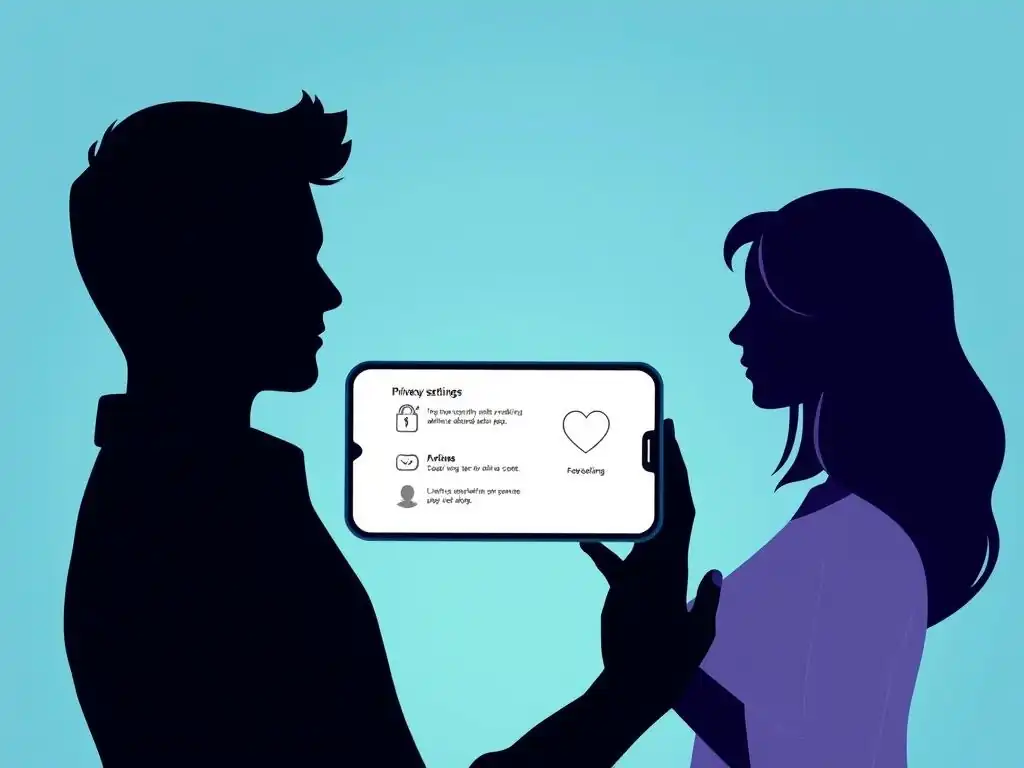
This section delves into the crucial role of privacy settings in mitigating risks associated with online dating. Understanding and effectively utilizing these features is paramount for maintaining your online dating safety. Many apps offer a range of customizable options, but their effectiveness varies depending on the platform. Let's explore how to best leverage these tools.
Optimizing Privacy Settings on Dating Apps: Maximizing Your Online Dating Safety
Optimizing your privacy settings is the first line of defense against unwanted attention and potential harm. Most dating apps allow you to control who can see your profile, message you, and what information is publicly visible. For example, you can often restrict profile views to only those who have already liked your profile, reducing the volume of unsolicited messages. Similarly, many apps allow you to disable the ability for others to see your last active status, preventing potential stalkers from tracking your online activity.
Consider these key privacy settings and their implications:
- Photo Visibility: Control which photos are visible to everyone versus only those you've matched with. Avoid posting pictures that reveal too much personal information, such as your home address or workplace.
- Location Sharing: Disable location sharing altogether, or at least limit it to a broader region rather than your precise location. Sharing your exact location can be a serious safety risk.
- Message Controls: Block users who make you uncomfortable or send inappropriate messages. Report abusive behavior immediately using the app's reporting mechanisms.
- Profile Information: Carefully consider what personal details you share in your profile. Avoid including your full name, workplace, or other easily identifiable information. Use a nickname instead of your full name if you feel safer.
Remember, the more restrictive your settings, the more control you have over who interacts with you. Regularly review and adjust these settings to maintain optimal online dating safety. Think of it as a continuous process of refinement, adapting your settings based on your experience and comfort level. This proactive approach significantly contributes to a safer online dating experience.
Using Anonymous or Pseudonymous Profiles: Balancing Privacy and Connection in Online Dating
The desire for connection often clashes with the need for privacy. Using a pseudonymous profile—one that uses a fake name and limited personal information—offers a potential solution. However, this approach requires careful consideration. While it enhances your anonymity and reduces the risk of doxxing or unwanted contact, it can also hinder genuine connections. People may be hesitant to engage with a profile that lacks transparency.
The key is to find a balance. You might use a nickname instead of your real name, avoid sharing identifying details in your profile pictures, and carefully curate the information you share. Consider using a separate email address specifically for online dating to further protect your privacy. Remember, even with a pseudonymous profile, it's essential to maintain vigilance and be aware of potential risks. You still need to be cautious about the information you share and the people you interact with.
Think of your online persona as a carefully constructed representation, highlighting aspects of yourself while carefully protecting your personal details. This strategic approach allows you to participate in online dating while minimizing your vulnerability.
Reporting Abusive Behavior: Online Dating Safety and Reporting Mechanisms
Online dating platforms are increasingly committed to fostering safe environments. Most provide robust reporting mechanisms to address abusive behavior. Knowing how to use these tools is crucial for your safety and the safety of others. If you experience harassment, threats, or any form of abuse, report it immediately. Don't hesitate—your safety is paramount.
Most apps offer clear pathways to report inappropriate behavior, often through in-app buttons or menus. These reports usually include options to describe the nature of the abuse and provide evidence such as screenshots of messages or profiles. Many platforms also have dedicated teams to review these reports and take appropriate action, ranging from account suspension to legal action in extreme cases. Utilizing these mechanisms is not only protecting yourself but also contributing to a safer online dating community for everyone.
Remember, reporting abusive behavior is a collective responsibility. By reporting incidents, you help create a more secure environment for all users. Don't suffer in silence; use the available tools to protect yourself.
Legal and Ethical Considerations: Protecting Your Online Dating Privacy
Navigating the world of online dating requires a delicate balance between presenting your best self and safeguarding your personal information. This section delves into the legal and ethical frameworks surrounding online dating privacy, empowering you to make informed decisions about sharing your data and protecting your well-being. Understanding your rights and responsibilities is crucial for a safe and positive online dating experience. This is especially important given the increasing prevalence of online dating scams and the potential misuse of personal data. Remember, proactive measures are key to mitigating risks associated with "online dating safety tips".
Understanding Your Rights: Online Dating and Data Privacy Laws
Data privacy laws vary significantly by region. In many jurisdictions, companies handling personal data are subject to regulations like GDPR (in Europe) or CCPA (in California). These laws grant individuals specific rights regarding their data, including the right to access, correct, and delete their information. Understanding these rights is crucial. For example, you have the right to know what data a dating platform collects about you, how it's used, and who it's shared with.
If a platform violates these rights, you may have legal recourse. Always review the privacy policy of any dating app or website carefully. Don't hesitate to contact the platform directly if you have questions about their data practices. Remember, your privacy is a fundamental right, and being informed is your best defense.
Knowing your rights empowers you to make informed decisions and take control of your online dating safety. The specific details of these laws can be complex, so consulting a legal professional for personalized advice is always recommended. Ignoring these laws may lead to unwanted consequences. Therefore, staying informed about your data privacy rights is paramount to your online dating safety.
Reviewing Terms of Service: Protecting Your Information on Dating Platforms
Before signing up for any online dating platform, meticulously review their terms of service (TOS) and privacy policy. These documents outline the platform's rules and regulations regarding data collection, usage, and sharing. Pay close attention to sections concerning:
- Data Collection: What information does the platform collect? Does it go beyond basic profile information? Does it collect location data, browsing history, or other sensitive information?
- Data Sharing: With whom does the platform share your data? Does it share data with third-party advertisers or other companies? Is your data shared internationally?
- Data Security: What measures does the platform take to protect your data from unauthorized access or breaches? Do they utilize encryption and other security protocols?
- Data Retention: How long does the platform retain your data after you delete your account?
Understanding these aspects is crucial for informed consent. If the TOS or privacy policy contains clauses you find unacceptable or unclear, consider using a different platform. Remember, a platform's commitment to user privacy is a significant indicator of its trustworthiness. Prioritizing platforms with transparent and user-friendly data policies is a crucial component of effective "online dating safety tips".
Don't be afraid to compare the policies of different platforms before making a choice. Your online safety and privacy are paramount. A thorough review of the TOS and privacy policy is a fundamental step towards a safer online dating experience. Remember, informed consent is a cornerstone of ethical online dating practices.
Resources and Further Information: Online Dating Safety and Support

This section provides crucial resources and further information to enhance your online dating safety. Understanding where to turn for help and support is just as important as implementing preventative measures. Remember, your safety and well-being are paramount in the online dating world. Navigating this landscape requires proactive measures and knowing where to find assistance when needed. This information is designed to empower you with knowledge and resources to confidently and safely explore online dating. We aim to provide you with practical online dating safety tips that you can implement immediately.
Trusted Organizations for Online Dating Safety: Finding Help and Resources
Finding reliable support is crucial for maintaining online dating safety. Many organizations dedicate themselves to helping individuals navigate the potential risks associated with online dating. These resources offer a range of services, from educational materials to direct support in cases of harassment or abuse. It's essential to familiarize yourself with these resources before you start actively using online dating platforms. This proactive approach can significantly reduce your vulnerability.
Several organizations specialize in providing support and resources related to online safety and digital well-being. These groups often offer advice on creating secure profiles, identifying and avoiding scams, and reporting inappropriate behavior. They also provide information on maintaining your privacy and protecting yourself from potential threats. Their services are often free and accessible to everyone.
Here's a potential breakdown of the types of support available:
- Educational Resources: Many organizations offer workshops, webinars, and online articles providing comprehensive guidance on online dating safety. These resources cover a wide range of topics, from creating secure passwords to recognizing and avoiding red flags in online profiles. They often offer practical online dating safety tips to help you stay secure.
- Direct Support: In cases of harassment, cyberbullying, or other forms of online abuse, these organizations provide direct support and guidance. They can assist you in reporting incidents to the appropriate authorities and provide emotional support during challenging times. Knowing where to turn for help in such situations can be invaluable.
- Legal Advice: Some organizations offer legal advice or referrals to legal professionals who specialize in online safety and privacy issues. This support is particularly helpful if you've experienced identity theft or other serious forms of online abuse.
Remember, seeking help is a sign of strength, not weakness. Don't hesitate to reach out to these organizations if you need assistance or feel unsafe at any point during your online dating journey. Your safety and well-being are of utmost importance. Proactive measures, coupled with access to reliable support networks, can significantly enhance your online dating experience while mitigating potential risks. Take advantage of the resources available to you to build a safer and more positive online dating experience. These practical online dating safety tips can help improve your experience immensely.
Example of Potential Support Categories (Further Research Needed):
This section requires further research to populate with real-world examples of organizations offering specific support categories. We need to identify and list specific organizations and their services to provide concrete examples for readers.
Remember to always prioritize your safety. Being aware of potential risks and having access to support resources are key components of a safe and positive online dating experience. This empowers you to navigate the online dating world with confidence and security.
Frequently Asked Questions
How can I protect my personal information while online dating?
Never share sensitive information like your full address, workplace, or financial details until you've met someone in person and trust them completely. Use a separate email address specifically for online dating. Verify profiles before sharing details.
What should I do if I feel unsafe or uncomfortable during an online interaction?
Immediately block and report the user to the dating platform. Save any evidence of harassment or inappropriate behavior. Consider contacting the authorities if necessary.
Are there any red flags I should watch out for in online dating profiles?
Be wary of profiles with limited information, inconsistent photos, or those asking for financial assistance. Avoid anyone who pressures you to meet quickly or shares excessive personal details too soon.
How can I verify the identity of someone I'm meeting online?
Use reverse image search to check if their photos appear elsewhere online. Consider a video call before meeting in person to confirm their identity. Meet in a public place for your first date.
What should I do if I suspect someone is catfishing me?
Gather evidence of inconsistencies in their profile or communication. Don't confront them directly; instead, report them to the dating platform and block them. Consider sharing your concerns with a trusted friend or family member.
The erosion of privacy in the online dating world is not merely a technological inconvenience; it's a significant threat to personal safety and well-being. Millions navigate the complexities of online dating, seeking connection and companionship, yet often unknowingly expose themselves to risks ranging from minor annoyances to serious harm. This vulnerability underscores the critical need for proactive measures to protect oneself in this increasingly digital landscape.
The impact of unchecked data collection and privacy violations extends far beyond the immediate experience of a single dating profile. The long-term consequences, from identity theft to stalking and harassment, are deeply unsettling. The ease with which personal information can be gathered and misused necessitates a constant vigilance and a proactive approach to safeguarding one's privacy. The price of liberty is eternal vigilance,
– Thomas Jefferson. This quote, while originally referring to political freedom, resonates deeply with the ongoing struggle to maintain personal safety and privacy in the online dating sphere. It's a constant battle, requiring awareness and proactive measures.
You, the reader, now possess the knowledge to navigate the online dating world with greater awareness and caution. Take control of your digital footprint. Actively manage your privacy settings, be discerning about the information you share, and remember that your safety is paramount. Don't let the pursuit of connection compromise your well-being. Embrace the power of informed choices and build a safer, more fulfilling online dating experience.
Unlock Your Dating Confidence: Secure Your Online Privacy Now
Thank you for learning about online dating safety. We hope this article empowers you to connect confidently and securely. Now, let's put that knowledge into practice!
Here's how to take control of your online safety today:
- Prioritize your privacy settings: Carefully review and adjust your privacy settings on all dating apps and social media. Ensure you're comfortable with the information you share. This is crucial for your online safety.
- Share this article with friends: Let's build a safer online dating community by sharing this information. Knowing your friends are prioritizing their safety too will provide extra reassurance.
- Use a virtual private network (VPN): Consider using a VPN, especially when using public Wi-Fi, for added security and protection of your online activity.
What further steps will you take to enhance your online safety while dating? Let's discuss in the comments!