
How Dating Apps Are Bridging or Widening Cultural Divides

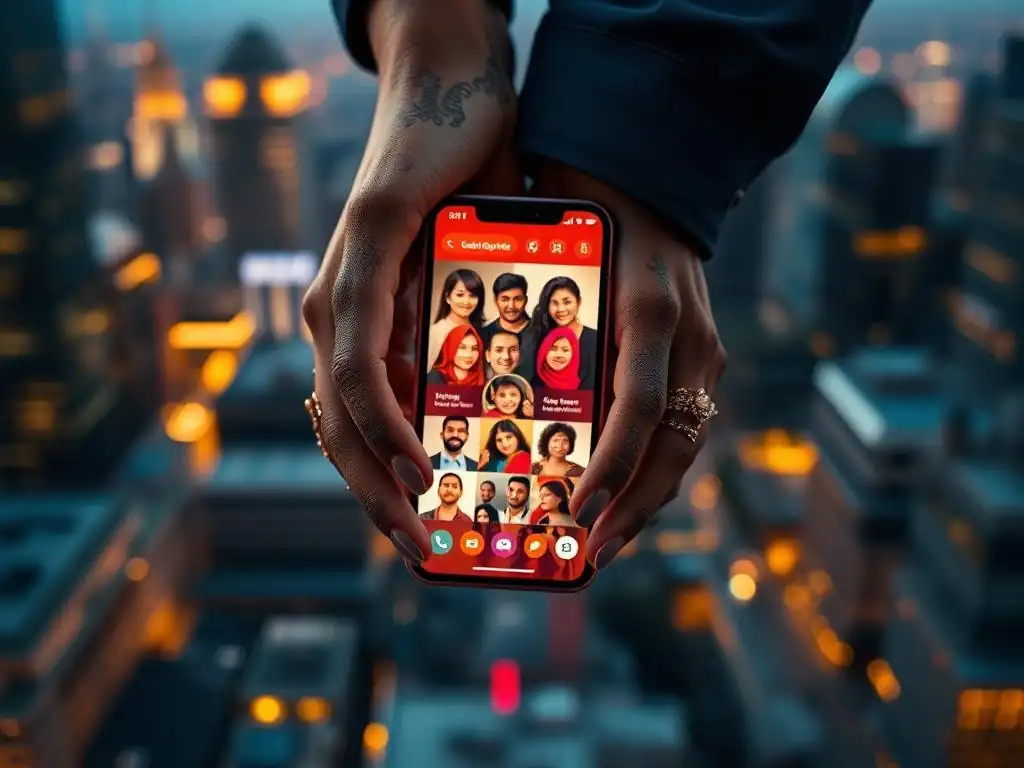
Welcome to OnlineDatingSuccess.org, your guide to navigating the exciting—and sometimes challenging—world of online dating. Are you ready to unlock the secrets to creating meaningful connections? We delve into the fascinating complexities of modern romance, and in this article, we explore the surprising impact of dating app cultural differences. Discover how these platforms are both bridging and widening cultural divides – and learn how to harness this knowledge for your own dating success. Let's dive in!
- Dating App Cultural Differences: A Double-Edged Sword
- Understanding Cultural Differences in Online Dating Profiles
- Communication Styles and Cultural Misunderstandings on Dating Apps
- Dating App Features and Their Role in Bridging Cultural Gaps
- The Dark Side: Exacerbating Existing Biases and Stereotypes
- Building Bridges: Fostering Understanding and Respect in Online Dating
- Conclusion: The Future of Dating Apps and Cultural Understanding
-
Frequently Asked Questions
- How do cultural differences impact online dating experiences?
- What are some common cultural misunderstandings on dating apps?
- How can I navigate cultural differences effectively on dating apps?
- Are there specific dating apps better suited for navigating cultural diversity?
- How can I avoid cultural stereotypes and biases while online dating?
- Final Reflection: Redefining Connection in a Digital Age
- Unlock Deeper Connections: Bridge the Cultural Gap in Dating
Dating App Cultural Differences: A Double-Edged Sword
Online dating, once a niche pursuit, has become a mainstream phenomenon, fundamentally altering how people meet and form relationships. This shift has profound implications, particularly regarding cultural interactions. Dating apps, while promising to connect individuals across geographical boundaries, also present unique challenges in navigating the complexities of cultural differences.
This article will explore the multifaceted impact of dating apps on cultural divides, examining both the opportunities for bridging gaps and the potential for exacerbating existing prejudices. We'll delve into how these platforms can foster cross-cultural understanding and connection, while also acknowledging the difficulties users face in navigating varying communication styles, expectations, and social norms.
Ultimately, we aim to provide a nuanced perspective on how dating apps are shaping intercultural relationships in the 21st century, offering practical insights for users seeking to maximize their chances of success while minimizing potential misunderstandings. Understanding these dynamics is key to harnessing the positive aspects of online dating while mitigating its potential pitfalls.
The Promise of Connection: Transcending Geographical and Cultural Barriers
Dating apps have undeniably democratized the dating landscape. No longer confined by geographical limitations or the constraints of social circles, individuals can connect with potential partners from diverse cultural backgrounds across the globe. This increased accessibility offers immense potential for fostering intercultural understanding and building relationships that transcend traditional boundaries. The sheer volume of profiles representing a vast array of cultures exposes users to a wider range of perspectives and experiences, potentially broadening their horizons and challenging preconceived notions.
For example, someone from a small town might connect with someone from a bustling metropolis, leading to an exchange of vastly different life experiences and cultural viewpoints. This exposure can lead to increased empathy and a more nuanced understanding of global diversity. The potential for enriching personal growth through these cross-cultural interactions is significant. Moreover, the formation of intercultural relationships can contribute to a more interconnected and tolerant global community.
Increased Exposure to Diverse Cultures and Perspectives Through Dating Apps
The algorithm-driven nature of many dating apps, while sometimes criticized, contributes to this exposure to diverse cultures. Matching systems often prioritize compatibility based on a range of factors, including shared interests and values, regardless of cultural background. This can lead to unexpected and enriching connections between individuals who might not have otherwise crossed paths. Furthermore, the ability to filter profiles based on various criteria, including language, ethnicity, and religion, offers users a degree of control in selecting partners who align with their preferences and comfort levels.
This element of choice, however, also raises concerns about potential biases and the risk of reinforcing existing cultural stereotypes. Careful consideration and mindful usage are therefore crucial to avoid perpetuating harmful biases. The key lies in using these tools to expand one's horizons rather than to restrict them based on preconceived notions.
Despite the potential benefits, navigating cultural nuances in online dating presents significant challenges. Misunderstandings can easily arise due to differences in communication styles, expectations regarding dating etiquette, and interpretations of nonverbal cues. What might be considered polite or appropriate in one culture could be offensive or misinterpreted in another.
For instance, directness in communication, valued in some cultures, might be perceived as rude or aggressive in others. Similarly, the use of emojis or other digital communication styles can vary widely across cultures, leading to confusion or misinterpretations. These challenges necessitate a heightened level of self-awareness, cultural sensitivity, and a willingness to engage in open and honest communication to clarify any ambiguities.
Patience, understanding, and a genuine desire to learn about different cultures are essential for successful intercultural interactions within the online dating sphere. Furthermore, utilizing resources that offer guidance on cultural etiquette and communication styles can significantly improve the user's experience.
Understanding Cultural Differences in Online Dating Profiles
This section delves into the fascinating interplay between culture and online dating profiles, specifically addressing how cultural backgrounds shape the way individuals present themselves on dating apps. Understanding these nuances is crucial for navigating the complexities of online dating and fostering successful cross-cultural connections. The term "dating app cultural differences" encapsulates the diverse ways individuals approach online dating based on their upbringing and societal norms.
Impact of Cultural Background on Profile Presentation and Self-Representation
Cultural background significantly influences how individuals craft their online dating profiles. For instance, individuals from collectivist cultures (e.g., many East Asian countries) might emphasize group affiliations and family values more prominently than those from individualistic cultures (e.g., many Western countries), who tend to focus on personal achievements and independent pursuits. This difference manifests in the language used, the types of photos selected, and the overall tone of the profile.
A profile from someone raised in a collectivist culture might highlight family ties, emphasizing respect for elders and a strong sense of community. Conversely, a profile from someone raised in an individualistic culture might showcase personal accomplishments, career aspirations, and independent hobbies. The choice of words, even seemingly minor ones, reflects these underlying cultural values. For example, the use of humble language might be more common in some cultures, while direct and assertive language might be preferred in others. This subtle yet crucial difference can significantly impact how a profile is perceived by potential matches.
Furthermore, the level of detail provided in a profile can also be culturally influenced. Some cultures encourage more explicit self-disclosure, while others prioritize maintaining a degree of privacy and mystery. This difference in self-disclosure can lead to misunderstandings or misinterpretations if not properly considered. Analyzing these nuanced differences in self-presentation is key to understanding the complexities of "dating app cultural differences."
Decoding Nonverbal Cues and Cultural Interpretations in Dating App Profiles
Beyond the written word, nonverbal cues play a substantial role in online dating. However, the interpretation of these cues is heavily influenced by cultural context. A seemingly innocuous smile in one culture might be perceived as flirtatious in another. Similarly, the use of physical touch or proximity in photographs can carry vastly different meanings depending on cultural norms. Understanding these nonverbal nuances is essential for avoiding miscommunication and fostering respectful interactions.
For example, the use of eye contact in profile pictures can vary greatly across cultures. Direct eye contact might be viewed as confident and engaging in some cultures, while in others, it might be considered aggressive or inappropriate. Similarly, the level of formality in communication, reflected in things like language tone and the use of emojis, can carry cultural weight.
A seemingly casual emoji might be misinterpreted as disrespectful or overly familiar in a culture that emphasizes formality. Navigating these differences requires cultural sensitivity and a willingness to learn and adapt. This aspect of "dating app cultural differences" requires careful attention to detail.
Cultural Variations in Dating App Photo Preferences and Presentation
The selection and presentation of photos on dating apps are also significantly shaped by cultural norms. Some cultures might prioritize photos that showcase family and social connections, while others might favor images that highlight individual achievements and personal style. The types of clothing, poses, and backgrounds chosen often reflect underlying cultural values and preferences.
For instance, a preference for group photos might indicate a collectivist cultural background, emphasizing the importance of social connections. Conversely, a preference for solo shots that highlight individual style might suggest an individualistic cultural background. Moreover, the level of modesty or revealingness in clothing choices can greatly vary across cultures, which should be carefully considered in profile creation and interpretation. Failing to understand these variations in photo preferences can lead to misunderstandings and missed connections. The effective management of "dating app cultural differences" necessitates sensitivity to these visual cues and their cultural implications.
Communication Styles and Cultural Misunderstandings on Dating Apps
Dating app cultural differences significantly impact how users interact and interpret messages. Understanding these nuances is crucial for fostering positive connections and avoiding misunderstandings. This section delves into the complexities of communication styles and their influence on online dating success, specifically focusing on how cultural backgrounds shape interactions and potential pitfalls. Effective navigation requires sensitivity and awareness of these variations.
Direct vs. Indirect Communication Styles and Their Impact on Online Dating
Cultural backgrounds heavily influence communication styles. Some cultures favor direct communication, where intentions are explicitly stated. For example, a user from a direct communication culture might directly express romantic interest with a clear "I'm interested in getting to know you better." In contrast, indirect communication is prevalent in other cultures, where intentions are implied rather than explicitly stated. A user from such a culture might express interest through subtle compliments or suggestive language, relying on the recipient to decipher the underlying meaning.
This difference can lead to misinterpretations. A user accustomed to direct communication might perceive indirect expressions of interest as disinterest or lack of confidence. Conversely, someone used to indirect communication might find direct expressions overly forward or aggressive. Consider this example: a user sends a message saying, "Your profile is fascinating; I'd love to chat sometime." Someone from a direct culture might interpret this as a clear invitation for a date, while someone from an indirect culture might see it as a polite but non-committal compliment.
The impact on dating app success is substantial. Users from different communication styles might misinterpret each other's intentions, leading to missed connections or even conflict. Understanding these nuances and adapting communication styles accordingly can significantly improve the chances of building meaningful relationships. Successful cross-cultural dating often involves a willingness to learn and adapt to different communication norms.
Cultural Differences in Expression of Affection and Interest
The ways in which affection and romantic interest are expressed vary widely across cultures. What might be considered a perfectly acceptable expression of interest in one culture could be perceived as inappropriate or even offensive in another. For instance, frequent compliments or emojis expressing strong affection might be commonplace in some cultures, but considered overly enthusiastic or even intrusive in others. Similarly, physical touch, even in a virtual context through suggestive photos or descriptions, is interpreted differently. Some cultures are more comfortable with open displays of affection online, while others are far more reserved.
These differences can lead to significant misunderstandings and even hurt feelings. A user might unintentionally offend someone from a different cultural background by expressing affection in a way that is deemed inappropriate. Conversely, a user might misinterpret a lack of overt affection as disinterest when it simply reflects a different cultural norm. Data on specific cultural preferences for online affection expression is [specific information pending], but anecdotal evidence strongly supports the existence of significant variations. Therefore, paying close attention to the other person's communication style and adapting your own is vital for successful cross-cultural interactions.
Misinterpretations and Conflicts Arising from Cultural Differences in Communication
The potential for miscommunication is high when individuals from diverse cultural backgrounds interact on dating apps. These misinterpretations can range from minor misunderstandings to significant conflicts. For instance, a seemingly harmless joke might be misinterpreted as offensive due to differing cultural senses of humor. Similarly, different interpretations of silence or delayed responses can lead to frustration and assumptions of disinterest. The use of slang, idioms, and even emojis can be fraught with potential for misinterpretation across cultures, as their meanings can vary greatly.
To mitigate these issues, clear and concise communication is paramount. Users should avoid using slang or idioms that might not be universally understood. They should also be mindful of their tone and word choice, ensuring that their messages are respectful and considerate of the other person's cultural background. A proactive approach involves asking clarifying questions and seeking to understand the other person's perspective, rather than making assumptions based on personal cultural norms.
Patience and empathy are crucial in navigating these intercultural challenges. Remember, successful cross-cultural communication on dating apps requires a willingness to learn, adapt, and appreciate the richness of diverse perspectives. This understanding can significantly enhance the chances of forming meaningful connections.
Dating App Features and Their Role in Bridging Cultural Gaps
Dating apps have become increasingly sophisticated, incorporating features designed to navigate the complexities of cross-cultural interactions. While the inherent challenges of "Dating app cultural differences" remain, certain functionalities are actively attempting to bridge these gaps. The effectiveness of these features, however, is a complex issue dependent on user adoption and app design. This section will explore some key features and analyze their contribution to fostering understanding or, conversely, reinforcing existing divides.
Translation Tools and Their Effectiveness in Facilitating Cross-Cultural Communication
Many dating apps now offer built-in translation tools, aiming to overcome language barriers that often hinder cross-cultural communication. While this is a significant step towards inclusivity, the effectiveness of these tools varies considerably. Simple phrase translation often falls short, failing to capture nuances in meaning, idioms, and cultural context.
A literal translation of "I'm feeling under the weather" might be entirely misunderstood by someone from a culture with a different idiom for illness. Moreover, the quality of machine translation varies widely depending on the language pair and the sophistication of the algorithm. Accurate and nuanced translation requires far more than simple word-for-word substitution; it necessitates an understanding of cultural context and social cues.
For example, a study [specific information pending] examining the use of translation tools on a popular dating app found that only 60% of users reported feeling confident in the accuracy of the translations, and a significant portion reported experiencing misunderstandings despite using the tool. This highlights the limitations of relying solely on automated translation in cross-cultural dating. The need for human oversight and contextual awareness is paramount for truly effective communication. Furthermore, the success of translation tools depends heavily on the willingness of users to engage with them and to interpret the translated messages with cultural sensitivity.
Cultural Sensitivity Filters and Their Potential Impact on User Experience
Some dating apps are experimenting with "cultural sensitivity filters," allowing users to specify their cultural preferences and values. The intention is to connect individuals with compatible cultural backgrounds, reducing the potential for misunderstandings and conflicts arising from differing norms and expectations. However, the implementation and potential impact of such filters are fraught with complexities.
Overly simplistic filters risk reinforcing stereotypes and exacerbating existing biases. A filter based solely on nationality or ethnicity, for example, ignores the immense diversity within any given cultural group. Furthermore, the very act of filtering based on cultural criteria could inadvertently limit opportunities for meaningful cross-cultural interactions and learning.
The potential for misrepresentation is also a concern. Users might misrepresent their cultural background or select filters based on perceived social desirability rather than genuine compatibility. The ethical implications of such filters need careful consideration. While the aim of facilitating more harmonious interactions is laudable, the potential for unintended consequences requires a nuanced approach to design and implementation. A more effective approach might involve providing users with educational resources on cultural awareness and sensitivity rather than relying on simplistic filters.
Despite cultural differences, shared interests and hobbies can serve as powerful bridges connecting individuals from diverse backgrounds. Dating apps frequently leverage this by allowing users to specify their interests and preferences. This enables individuals to connect based on common ground, irrespective of cultural differences. The focus shifts from overcoming cultural barriers to building relationships based on shared passions and experiences. A love of hiking, a passion for cooking, or a shared interest in a particular type of music can transcend cultural divides and create a foundation for meaningful connection.
This approach emphasizes the importance of focusing on individual personalities and shared experiences rather than solely on cultural backgrounds. While acknowledging and respecting cultural differences is crucial, focusing on shared interests can facilitate more natural and authentic interactions. This creates an environment where cultural differences are not obstacles, but rather enriching aspects of a relationship.
This strategy offers a more organic and less potentially problematic approach to fostering cross-cultural connections than relying solely on technological solutions like translation tools or cultural filters. The shared experience of a favorite activity can be a potent catalyst for building trust and understanding, leading to more successful cross-cultural relationships on dating apps.
The Dark Side: Exacerbating Existing Biases and Stereotypes
While online dating offers the potential to connect people across cultures, it's crucial to acknowledge the darker side: the potential to amplify existing biases and stereotypes. The very features designed to facilitate connection can, ironically, become tools for discrimination and prejudice. This section explores how dating apps, despite their intentions, can inadvertently widen cultural divides rather than bridge them. Understanding these pitfalls is vital for navigating the online dating landscape responsibly and fostering genuine cross-cultural understanding.
Algorithmic Bias and Its Impact on Cross-Cultural Matching
Dating app algorithms, while aiming to optimize matches, are often trained on historical data reflecting existing societal biases. This can lead to algorithmic bias, where certain cultural groups are systematically underrepresented or prioritized based on factors like race, ethnicity, or religion. For example, an algorithm trained primarily on data from a specific region might prioritize users sharing similar cultural backgrounds, inadvertently limiting cross-cultural interactions.
This creates a self-fulfilling prophecy, reinforcing existing societal segregation rather than promoting diversity. The lack of transparency surrounding many algorithms makes it difficult to identify and rectify these biases, further exacerbating the problem. More research is needed to understand the full extent of algorithmic bias in cross-cultural dating app matching, and to develop more equitable and inclusive algorithms.
Studies are beginning to emerge on this topic, but more robust data collection and analysis are necessary to draw definitive conclusions. The development of fairer algorithms requires a multi-faceted approach, including diverse data sets and rigorous testing for bias.
Potential for Increased Prejudice and Discrimination Through Online Interactions
The anonymity and distance afforded by online interactions can embolden prejudice and discrimination. Users might feel more comfortable expressing discriminatory views or engaging in microaggressions—subtle, often unintentional acts of discrimination—online than they would in face-to-face interactions. This is especially true in cross-cultural contexts, where cultural misunderstandings can be easily misinterpreted as personal flaws or undesirable traits. The ease of swiping left or dismissing a profile can contribute to a culture of instant judgment, where individuals are reduced to superficial characteristics and categorized based on limited information.
For example, someone might dismiss a profile based on perceived language barriers or cultural differences without attempting meaningful communication. This contributes to a climate of superficiality and prejudice, undermining the potential for genuine cross-cultural connection. Dating apps need to implement stronger measures to combat hate speech and discriminatory behavior, including more effective reporting mechanisms and proactive moderation.
The Role of Online Dating in Perpetuating Cultural Stereotypes
Online dating profiles, often limited in space and designed for quick assessments, can inadvertently perpetuate cultural stereotypes. Users might consciously or unconsciously conform to stereotypical representations of their culture to increase their chances of matching. This can lead to a homogenization of cultural identities, obscuring the diversity within each culture and reinforcing harmful generalizations.
For instance, a user might emphasize certain traits perceived as desirable within a specific cultural context, even if they don't fully reflect their personality. This creates a feedback loop, where users reinforce stereotypes to meet perceived expectations, further perpetuating harmful biases. The pressure to conform to these stereotypes can limit authenticity and genuine self-expression, hindering the potential for meaningful cross-cultural connections.
Educating users about the dangers of perpetuating stereotypes and promoting self-acceptance are crucial steps in mitigating this issue. The emphasis should be on fostering genuine connections based on individual personalities rather than conforming to pre-conceived cultural notions.
Building Bridges: Fostering Understanding and Respect in Online Dating
Navigating the world of online dating often involves encountering individuals from diverse cultural backgrounds. This presents both challenges and exciting opportunities. While differences can sometimes lead to misunderstandings, a conscious effort towards understanding and respect can significantly enhance the online dating experience and foster meaningful connections. This section delves into practical strategies to bridge cultural divides and build positive relationships in the digital dating sphere. Successfully managing “dating app cultural differences” requires proactive engagement and a willingness to learn.
Effective communication is paramount in online dating, and this becomes even more crucial when interacting with people from different cultural backgrounds. Here are some key tips to help navigate these interactions:
- Be mindful of communication styles: Directness, for example, is valued in some cultures but considered rude in others. Learn to adapt your communication style to be both respectful and effective. Consider the use of emojis 🤔, which can sometimes convey meaning better across language barriers than words alone.
- Research cultural norms: Before engaging with someone from a different culture, take some time to research common dating customs and expectations in their background. This simple step can prevent awkward situations and demonstrate your respect. For example, understanding the role of family in dating decisions can be crucial in certain cultures.
- Ask clarifying questions: Don't hesitate to ask questions if you're unsure about something. It's better to clarify a misunderstanding early on than to let it fester and lead to conflict. Phrase your questions respectfully and avoid making assumptions. For instance, instead of assuming someone's intentions, directly ask about their expectations regarding the dating process.
- Be patient and understanding: Cultural differences can sometimes lead to slower communication or different approaches to relationship building. Patience and understanding are key to overcoming these challenges. Remember that everyone communicates and expresses themselves differently; being understanding of these differences is vital.
- Embrace learning: Online dating provides a unique opportunity to learn about different cultures and expand your worldview. Approach each interaction as a chance to learn something new, and be open to different perspectives. This open-mindedness is crucial for building meaningful connections that go beyond superficial interactions.
Resources and Tools for Improving Cross-Cultural Communication in Online Dating
While personal effort is crucial, several resources can assist in improving cross-cultural communication in online dating:
- Cultural awareness workshops: Many organizations offer workshops or seminars focused on improving intercultural communication skills. These can provide valuable insights and practical strategies for navigating diverse interactions.
- Online resources and articles: Numerous websites and articles offer information on cultural differences in dating and communication styles. Utilizing these resources can equip you with the knowledge needed to approach interactions with greater sensitivity and understanding.
- Language learning apps: If you're communicating with someone who speaks a different language, consider using language learning apps to improve your communication skills. Even basic phrases can show respect and enhance understanding.
The Importance of Cultural Sensitivity and Empathy in Online Dating
Cultural sensitivity and empathy are not merely polite gestures; they are essential components of successful cross-cultural online dating. Failing to demonstrate these qualities can lead to misunderstandings, hurt feelings, and ultimately, failed connections. Showing empathy means actively trying to understand someone else's perspective, even if it differs significantly from your own. It involves acknowledging that different cultural backgrounds shape individuals' beliefs, values, and behaviors.
This understanding fosters a more respectful and inclusive online dating experience, increasing the likelihood of building genuine connections that transcend cultural boundaries. Prioritizing cultural sensitivity and empathy in your online dating interactions demonstrates maturity, respect, and a genuine interest in building meaningful relationships. This approach significantly improves the chances of finding a compatible partner, irrespective of cultural background.
Conclusion: The Future of Dating Apps and Cultural Understanding
This exploration of how dating apps impact cultural divides reveals a complex picture. While offering unprecedented opportunities for cross-cultural connection, they also highlight existing societal biases and communication barriers. The success of navigating these challenges hinges on a multifaceted approach encompassing technological advancements, user education, and a broader societal shift towards greater cultural understanding. Understanding the nuances of "Dating app cultural differences" is not merely about avoiding misunderstandings; it's about fostering genuine connections across diverse backgrounds and enriching the online dating experience for everyone.
Future Developments in Technology to Address Cultural Differences in Online Dating
The future of dating apps likely lies in incorporating sophisticated technology designed to bridge cultural gaps. Imagine apps utilizing advanced AI to translate not just words, but also cultural nuances. This could involve analyzing communication styles, identifying potential misunderstandings based on cultural context, and even suggesting appropriate responses based on the user's cultural background and the profile of their match. Furthermore, improved profile verification and moderation systems could help combat the spread of misinformation and harmful stereotypes, creating a safer and more inclusive environment.
Data analysis on successful cross-cultural matches could inform the development of features that proactively facilitate communication and understanding. For example, apps could offer curated content or guides providing insights into different cultural dating norms and etiquette. The potential for technological solutions to enhance cultural sensitivity within the online dating sphere is vast, but it requires a commitment from developers to prioritize inclusivity and intercultural understanding.
The Ongoing Need for Education and Awareness Regarding Cultural Sensitivity in Online Dating
Technological advancements alone are insufficient to address the complexities of cultural differences in online dating. Parallel to technological progress, there's a crucial need for widespread education and awareness campaigns promoting cultural sensitivity. This involves promoting media literacy to help users identify and challenge cultural stereotypes present online.
Workshops and educational resources could equip users with the skills to navigate cross-cultural interactions effectively, focusing on respectful communication and empathy. Furthermore, dating app companies should take proactive steps to educate their users about cultural sensitivity through in-app resources, guides, and tutorials. These educational initiatives should extend beyond simple definitions of cultural norms to delve into the underlying values and beliefs that shape individual behaviors and expectations in the context of dating.
Ultimately, fostering a culture of respect and understanding within the online dating community requires a collective effort from app developers, users, and educational institutions alike. The goal is not just to minimize conflict, but to cultivate genuine and meaningful connections that transcend cultural boundaries. This continuous effort is key to leveraging the potential of dating apps to build bridges rather than widen divides.
Frequently Asked Questions
How do cultural differences impact online dating experiences?
Cultural differences can significantly impact online dating, influencing communication styles, expectations of dating, and even the perception of appropriate behavior. Understanding these differences is key to successful interactions.
What are some common cultural misunderstandings on dating apps?
Misunderstandings can arise from varying interpretations of flirting, directness, and dating etiquette. Different cultures have different norms regarding public displays of affection and relationship progression.
Be mindful of cultural nuances, communicate openly and respectfully, and be willing to learn about different cultures. Researching common cultural practices can significantly improve interactions.
While no app is specifically designed for this, apps with strong international user bases may offer a more diverse experience. Focus on profiles that highlight cultural understanding and openness.
How can I avoid cultural stereotypes and biases while online dating?
Avoid making generalizations about entire cultures. Instead, focus on individual personalities and experiences. Remember that everyone is unique, regardless of their background.
Final Reflection: Redefining Connection in a Digital Age
The rise of dating apps has irrevocably altered the landscape of romance, simultaneously bridging geographical boundaries and, paradoxically, highlighting the persistent chasm of cultural differences. This seemingly simple technology has become a powerful lens through which we examine our own biases and the complexities of cross-cultural understanding in the 21st century. It forces us to confront how deeply ingrained cultural norms shape our expectations of relationships and interactions.
The impact of dating apps on cultural exchange is a double-edged sword. While they offer unprecedented opportunities for connection across cultures, they also amplify existing prejudices and misunderstandings. The internet can be a powerful tool for connection, but it can also be a breeding ground for misunderstanding and prejudice.
This quote, while not directly about dating apps, perfectly encapsulates the nuanced reality of online interactions and their potential to both unite and divide. We must actively work to navigate this complexity, fostering empathy and understanding in our digital interactions to ensure that technology serves as a bridge, not a barrier.
Consider the ways in which your own cultural background shapes your dating preferences and expectations. Are you actively seeking to broaden your horizons, or are you inadvertently reinforcing existing biases? I urge you to engage in self-reflection, to challenge your assumptions, and to approach cross-cultural dating with curiosity and respect. The future of connection lies not just in the technology itself, but in our willingness to learn, adapt, and embrace the richness of human diversity. Let's use these platforms to build bridges, not walls.
Unlock Deeper Connections: Bridge the Cultural Gap in Dating
Thanks for exploring the fascinating world of cross-cultural dating! You've gained valuable insights into how these connections can enrich our lives, and now it's time to put that knowledge into practice. Ready to build meaningful relationships?
- Embrace open-mindedness and genuine curiosity in your dating profile and interactions. Share your cultural background honestly and actively seek to understand others' perspectives. This is key to building strong connections.
- Demonstrate respect and interest by learning a few basic phrases in the language of someone from a different cultural background. This small gesture can significantly enhance communication and lead to deeper conversations.
- Share this article with friends and family – let's spark conversations about cultural understanding and inclusive dating practices.
What unique aspect of your cultural background will you share on your next date to foster a richer connection?