
The Surprising Ways Dating Platforms Are Influencing Our Expectations


Ready to unlock the secrets to online dating success? At OnlineDatingSuccess.org, we delve into the intriguing world of digital romance. But have you ever considered how the very platforms you use to find love might be subtly shaping your expectations? Our latest article, " The Surprising Ways Dating Platforms Are Influencing Our Expectations," explores the often-overlooked sociological aspects of online dating, revealing how dating app expectation influence impacts your search for a meaningful connection. Prepare to discover surprising truths and gain valuable insights that will transform your online dating experience. Let's dive in!
- Dating App Expectation Influence: A Shifting Landscape of Romance
- How Dating Platforms Shape Our Perceptions of Ideal Partners
- The Influence of Online Dating on Relationship Dynamics
- Dating App Expectation Influence: Strategies for Healthy Online Dating
- The Future of Dating and the Evolving Impact of Technology
-
Frequently Asked Questions
- How do dating apps influence our expectations of relationships?
- Does using dating apps affect how we view potential partners in real life?
- What are some negative impacts of dating app usage on relationship expectations?
- Can dating apps positively influence relationship expectations?
- How can I avoid the negative influences of dating apps on my relationship expectations?
- Final Reflection: Redefining Romance in the Digital Age
- Unlock Your Dating Potential: Reimagine Your Approach
Dating App Expectation Influence: A Shifting Landscape of Romance
The digital age has revolutionized romance, with online dating platforms fundamentally altering how we approach relationships. This article delves into the surprising ways dating apps are shaping our expectations of love, impacting everything from initial attraction to long-term commitment. We'll explore how the design and functionality of these platforms subtly—and sometimes not so subtly—influence our perceptions of potential partners, the pace of courtship, and the very definition of a successful relationship. Understanding this influence is crucial for navigating the modern dating landscape and fostering healthy, fulfilling connections.
The rise of dating apps has created a unique cultural context where instant gratification, a seemingly endless supply of options, and curated profiles are the norm. This shift has profound implications for how we approach dating, impacting our expectations of potential partners and the relationships we ultimately form. Let's examine some key ways dating apps are reshaping our romantic expectations.
The Rise of the "Swipe Right" Mentality and its Impact on Relationship Expectations
The swipe-based interface, prevalent in many popular dating apps, has introduced a culture of instant judgment and superficial assessment. Potential partners are often reduced to a series of photos and a brief bio, leading to a prioritization of visual appeal and immediate attraction over deeper compatibility. This "swipe right" mentality fosters a sense of disposability, where rejection is frequent and easily accepted, potentially impacting individuals’ self-esteem and expectations of commitment.
Studies have shown a correlation between heavy use of swipe-based apps and a decreased likelihood of forming long-term relationships, suggesting that this quick-judgement approach may hinder the development of meaningful connections. The ease of moving on to the next profile can also cultivate impatience and a lower tolerance for initial relationship challenges.
This, in turn, can lead to unrealistic expectations about the speed and effort required to find a compatible partner. Furthermore, the emphasis on visual attraction often overshadows the importance of shared values, personality compatibility, and emotional connection, potentially leading to superficial relationships.
Instant Gratification and the Erosion of Patience in Dating
Dating apps offer instant access to a large pool of potential partners, fostering an expectation of immediate gratification. The constant influx of new profiles can create a sense of urgency and impatience, leading individuals to prematurely dismiss potential matches or jump into relationships before sufficient time for genuine connection has been allowed. This impatience can manifest in several ways: rushing into serious commitments before thoroughly knowing a partner; demanding immediate responses and constant communication; and expecting a relationship to effortlessly progress without navigating initial challenges.
This culture of instant gratification can erode patience and resilience, crucial ingredients for building a lasting relationship. The constant stream of potential partners can also create a sense of entitlement, leading to unrealistic expectations about finding the "perfect" match immediately.
Consequently, individuals may become disillusioned and frustrated when relationships don't progress as quickly or easily as they anticipated. The emphasis on instant reward can overshadow the importance of nurturing a relationship over time.
The Illusion of Choice and its Effect on Relationship Commitment
Dating apps present users with an abundance of options, creating an illusion of infinite choice. This can lead to a fear of missing out (FOMO) and a tendency to constantly search for "better" options, hindering the ability to commit to a single partner. The perceived abundance of choices can paradoxically make it harder to commit to a relationship, as individuals may believe that a more suitable partner is always just a swipe away.
This constant comparison can erode satisfaction within existing relationships and lead to a reluctance to invest the time and effort necessary for long-term commitment. The illusion of choice can also foster a sense of dissatisfaction, as individuals may continuously compare their current partner to others they see on the app, leading to unrealistic expectations and a diminished appreciation for the present relationship.
The vast array of profiles can also create a sense of overwhelm and decision fatigue, making the process of choosing a partner more difficult and potentially leading to indecision and relationship avoidance. Ultimately, the illusion of choice can undermine the commitment needed for successful, lasting relationships.
How Dating Platforms Shape Our Perceptions of Ideal Partners
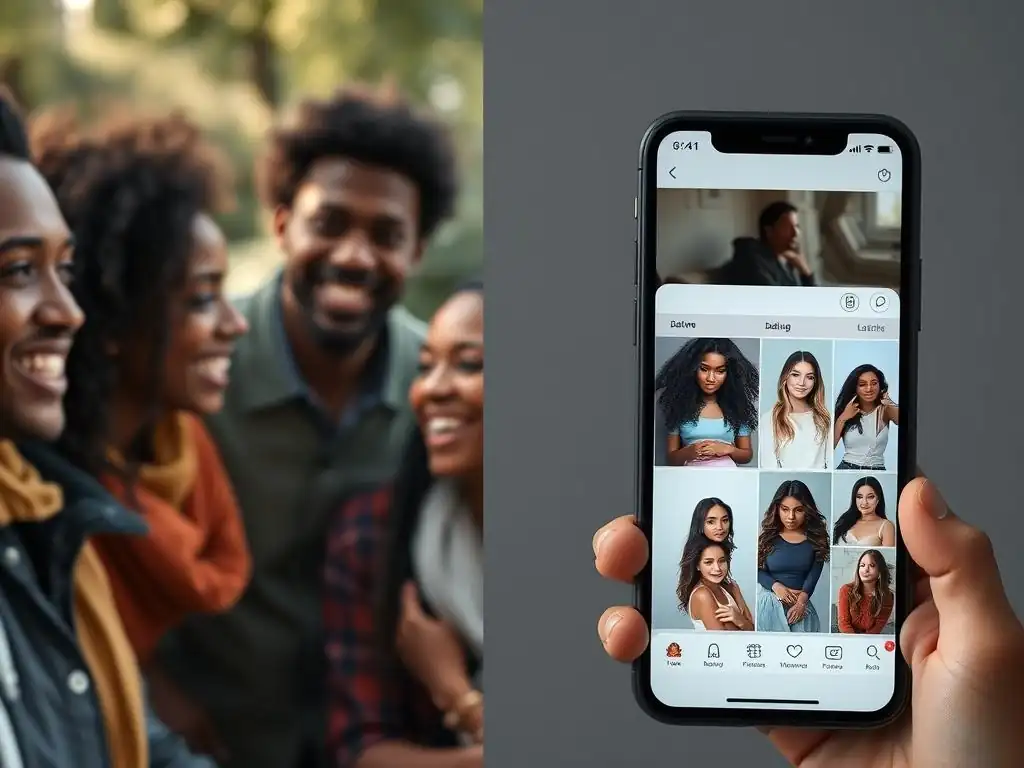
Dating apps, while offering unprecedented access to potential partners, subtly yet powerfully shape our perceptions of ideal partners. This influence extends beyond simply expanding our dating pool; it fundamentally alters our expectations of relationships and romantic compatibility. The curated nature of these platforms, combined with sophisticated algorithms and the pressure to present an idealized self, creates a complex interplay that significantly impacts how we approach dating and relationships in the real world.
Understanding these influences is crucial to navigating the modern dating landscape successfully and fostering healthy, realistic expectations. The “Dating app expectation influence” is a significant factor in today's dating culture.
The Filter Bubble Effect and its Role in Reinforcing Existing Biases
The "filter bubble" effect, a phenomenon where algorithms personalize our online experiences based on our past behavior, plays a significant role in shaping our dating app preferences. If a user consistently interacts with profiles exhibiting certain physical characteristics, interests, or personality traits, the algorithm will prioritize showing them more profiles with similar attributes. This creates a self-reinforcing cycle, limiting exposure to individuals outside of a pre-defined preference set.
For example, someone who primarily interacts with profiles of individuals with a specific body type might subconsciously develop a stronger preference for that body type, potentially overlooking equally compatible partners who don't fit that mold. This can lead to a narrowing of dating prospects and reinforce existing biases, hindering the discovery of genuinely compatible matches.
The impact of this bias extends beyond superficial preferences; it can also affect our perception of ideal personality traits, lifestyle choices, and even social and economic backgrounds. The constant reinforcement of these limited preferences through algorithmic filtering can lead to unrealistic expectations and a decreased willingness to consider individuals outside of the narrowly defined "ideal" presented by the algorithm.
The Impact of Algorithmic Matching on Relationship Compatibility
Dating apps often employ sophisticated algorithms to suggest potential matches. While these algorithms aim to increase compatibility, their impact on relationship expectations is complex and not always positive. Many algorithms focus on superficial similarities, such as age, location, and shared interests, neglecting deeper compatibility factors crucial for long-term relationship success.
This overemphasis on surface-level similarities can lead users to prioritize superficial attributes over essential qualities like emotional intelligence, communication skills, and shared values. The resulting "match" may appear promising on paper but lack the fundamental elements needed for a fulfilling and lasting relationship. Furthermore, the constant influx of potential matches can foster a sense of disposability, leading users to prematurely dismiss potential partners who might require more time and effort to connect with, undermining the development of meaningful connections.
The algorithmic focus on immediate compatibility, while seemingly efficient, can inadvertently hinder the development of genuine understanding and emotional intimacy. The reliance on algorithms for finding partners needs a more nuanced approach, recognizing the limitations of automated matching in predicting long-term relationship success.
Dating App Profiles: Presenting an Idealized Version of Self and its Consequences
Dating app profiles are often meticulously crafted presentations of self, highlighting positive attributes and downplaying or omitting less desirable ones. This curated representation of self, while understandable, contributes significantly to unrealistic expectations within the online dating world. Users frequently present idealized versions of themselves, including digitally enhanced photos, carefully chosen words, and selectively presented interests.
This discrepancy between online presentation and real-life personality can lead to disappointment and frustration when meeting potential partners offline. The pressure to project an idealized image can also generate anxiety and insecurity, leading users to constantly compare themselves to others on the platform. This continuous comparison can negatively impact self-esteem and create a sense of inadequacy, hindering genuine connection and self-acceptance.
Moreover, this focus on presenting an "ideal" self can create a culture of superficiality, where deeper qualities and genuine connection are overshadowed by the pursuit of a perfect online persona. Striving for authenticity and realistic self-representation is crucial for fostering meaningful relationships and avoiding the pitfalls of idealized online profiles.
The Influence of Online Dating on Relationship Dynamics
Online dating, while offering unprecedented access to potential partners, significantly shapes our expectations and influences relationship dynamics in surprising ways. The ease of connection, coupled with the sheer volume of profiles available, subtly alters how we perceive relationships, communication, and emotional availability. Understanding these influences is crucial for navigating the modern dating landscape successfully and building healthy, fulfilling relationships. This section explores the key ways dating apps reshape our expectations and how to manage these changes effectively.
Communication Styles Shaped by Dating App Interactions
Dating apps have fundamentally altered communication styles in romantic relationships. The brevity demanded by character limits and the expectation of quick responses cultivate a culture of concise, often superficial exchanges. This contrasts sharply with the more nuanced, extended communication typically associated with traditional courtship. For example, instead of lengthy phone calls, initial interactions often consist of short, text-based messages, emojis, and GIFs. This can lead to misunderstandings and difficulties in establishing deeper emotional connections.
The prevalence of messaging apps within the dating app ecosystem further reinforces this trend. The immediate nature of these platforms encourages rapid-fire exchanges, sometimes sacrificing depth for speed. This can result in a perceived lack of intimacy and emotional connection, as the subtleties of tone and body language are lost in translation. Furthermore, the ease of ghosting – abruptly ending communication without explanation – has become normalized, contributing to a culture of disposability in relationships.
A study by [specific information pending] found that users of dating apps reported feeling more pressure to respond quickly and maintain consistent engagement, even if they weren't genuinely interested. This pressure can lead to feelings of stress and anxiety, particularly for individuals who value thoughtful communication. To counter this, consciously prioritizing quality over quantity in communication is essential. Taking time to craft thoughtful messages, engaging in meaningful conversations, and valuing genuine connection over superficial interactions can help build stronger, more fulfilling relationships.
Expectations of Immediate Connection and Emotional Availability
Dating apps create an environment of abundant choices, fostering an expectation of immediate connection and readily available emotional intimacy. The sheer volume of potential partners accessible at any given moment can fuel a sense of impatience and entitlement, leading individuals to quickly dismiss potential matches who don't meet their immediate needs or expectations. This "abundance mindset" can lead to a cycle of superficial interactions and a reluctance to invest time and effort in cultivating deeper connections.
This is further exacerbated by the curated nature of online profiles. Individuals often present idealized versions of themselves, leading to unrealistic expectations and potential disappointment when the reality doesn't match the online persona. The ease with which individuals can switch between different profiles and potential partners contributes to a sense of detachment and a reduced commitment to any single relationship.
For example, the immediate gratification provided by "matching" with multiple individuals can create a sense of validation, potentially delaying the deeper investment required for meaningful relationships. This contrasts with traditional dating methods, where the process of getting to know someone often involves more sustained interaction and a gradual build-up of emotional intimacy. To overcome this, cultivating patience and self-awareness is crucial. Recognizing that building genuine connections takes time and effort is essential in countering the instant gratification culture fostered by dating apps.
Maintaining relationships that began online presents unique challenges. The initial ease of connection can be deceptive, masking the difficulties of building trust and intimacy in a primarily digital environment. The lack of physical proximity can make it harder to develop a strong emotional bond and navigate conflicts effectively. Furthermore, the absence of shared physical experiences can limit the development of a shared history and sense of intimacy.
The reliance on technology for communication also introduces new vulnerabilities. Misunderstandings are easily amplified through the absence of non-verbal cues, and the potential for deception is higher in an online environment where individuals can easily misrepresent themselves. For instance, catfishing – creating a false online persona – is a significant concern, highlighting the need for caution and careful verification.
Successfully navigating these challenges requires conscious effort and open communication. Prioritizing regular in-person meetings, establishing clear boundaries, and fostering trust through consistent and honest communication are vital for building a strong and lasting relationship. It's also important to acknowledge and address the unique challenges posed by digital communication, recognizing that online interactions are not a substitute for genuine human connection.
The willingness to invest time and effort in building a strong foundation of trust and mutual understanding is crucial to the success of relationships initiated online. This requires actively working to bridge the digital divide and cultivate a strong bond beyond the confines of the digital world.
Dating App Expectation Influence: Strategies for Healthy Online Dating

This section explores how dating apps subtly, and sometimes not-so-subtly, shape our expectations of relationships and romantic partners. Understanding this influence is crucial for navigating the online dating world successfully and fostering healthy, authentic connections. The pervasive nature of dating apps means their impact on our perceptions of dating, relationships, and even self-worth is significant. We'll examine strategies to mitigate the negative effects and cultivate a more realistic and fulfilling approach to finding love online. This is vital for managing the "Dating app expectation influence" and achieving a positive online dating experience.
Recognizing and Managing Unrealistic Expectations Cultivated by Dating Apps
Dating apps, by their very nature, present a curated version of reality. Profiles often showcase idealized versions of individuals, highlighting their best features and omitting less flattering aspects. This curated presentation contributes significantly to unrealistic expectations. The constant stream of potential partners can also foster a sense of impatience and a belief that "better" options are always just a swipe away. This "grass is always greener" mentality can lead to dissatisfaction and a cycle of disappointment.
Furthermore, the sheer volume of choices can lead to a phenomenon known as "choice overload," making it difficult to make decisions and potentially leading to analysis paralysis. People might spend countless hours scrolling through profiles, never committing to actually engaging with anyone. This constant comparison can erode self-esteem and create a sense of inadequacy. The gamified nature of many apps, with their points systems and matching algorithms, further reinforces this competitive mindset.
To combat these unrealistic expectations, it's crucial to practice mindful engagement. Focus on connecting with individuals genuinely, rather than simply accumulating matches. Remember that profiles are snapshots, not comprehensive representations of a person. Engage in self-reflection to identify your own biases and expectations, and consciously challenge negative thought patterns. Remember that building a meaningful connection takes time and effort; it's not an instant gratification process. Prioritize quality over quantity.
Cultivating Realistic Expectations for Online and Offline Dating
Developing realistic expectations involves acknowledging that online dating is a tool, not a guarantee. It's a process of exploration and discovery, not a shortcut to finding "the one." Success in online dating, like in offline dating, requires effort, patience, and resilience. It's essential to understand that not every connection will lead to a long-term relationship. Many interactions will be brief, and some will be disappointing. This is a normal part of the process.
A key aspect of cultivating realistic expectations is understanding the difference between online and offline interactions. Online dating facilitates initial contact and allows for efficient screening, but it lacks the depth and nuance of in-person interactions. Body language, tone of voice, and subtle cues are often lost in digital communication. Therefore, it's crucial to transition to offline interactions as soon as comfortable to gain a more complete understanding of potential partners.
Consider the following strategies: Define your relationship goals clearly. What are you seeking in a partner and a relationship? Be honest with yourself about your strengths and weaknesses. Understand that relationships require commitment and effort from both sides. Focus on building genuine connections rather than chasing fleeting interactions. Remember that finding a compatible partner takes time, and it’s okay to be patient.
Building Authentic Connections Beyond the App Interface
Once you've identified potential matches, the focus shifts to building authentic connections. This means moving beyond superficial interactions and engaging in meaningful conversations. Ask open-ended questions that encourage deeper responses, share your own experiences and vulnerabilities, and actively listen to your partner's responses. Authenticity is key; be yourself and avoid trying to be someone you're not to impress others.
Remember that successful relationships are built on mutual respect, trust, and shared values. Don't be afraid to express your needs and boundaries. And, equally important, be respectful of your partner's needs and boundaries. The transition from online interactions to in-person meetings is a critical step. Choose safe and public locations for initial meetings and let a friend or family member know your plans.
Prioritize getting to know the person beyond their profile. Look for common interests and values. Engage in activities that allow you to connect on a deeper level. Remember, the goal is to build a genuine connection, not just a romantic relationship. Even if a romantic connection doesn't develop, you may still make a valuable friendship. The focus should always remain on building healthy and respectful relationships, regardless of their longevity. This approach will help mitigate the negative "Dating app expectation influence" and lead to more fulfilling experiences.
The Future of Dating and the Evolving Impact of Technology
The pervasive influence of dating apps on modern relationships is undeniable, raising crucial questions about the future of dating and its evolving impact on societal expectations. We're seeing a shift away from traditional courtship rituals, with initial connections increasingly forged through digital interfaces. This digital transformation isn't merely a trend; it's reshaping the very fabric of how we meet, date, and form relationships.
Understanding this evolution is critical for navigating the complexities of modern romance successfully. The speed and efficiency of app-based dating allow for a rapid exploration of potential partners, leading to both benefits and drawbacks. While it expands the dating pool significantly, it can also contribute to a culture of instant gratification and a decreased emphasis on long-term commitment.
The Long-Term Effects of Dating App Use on Relationship Formation
The long-term effects of dating app use on relationship formation are still unfolding, but initial research suggests both positive and negative influences. One notable effect is the normalization of "swiping" – the rapid assessment and rejection of potential partners based on limited information. This can lead to a decreased emphasis on deeper connection and a heightened sense of competition.
Studies show a correlation between heavy dating app usage and higher rates of relationship dissatisfaction, potentially due to the abundance of choice and the ease of moving on to a new potential partner. However, it's important to note that these are correlations, not causations. Other factors, such as individual personality traits and relationship goals, undoubtedly play a significant role.
Further research is needed to disentangle these complex interactions and fully understand the long-term consequences. For instance, longitudinal studies tracking individuals' dating app usage over several years and their subsequent relationship outcomes would provide valuable insights. [Specific data on longitudinal studies pending].
The impact on relationship formation also extends beyond individual experiences. The rise of dating apps has contributed to a societal shift in relationship expectations. The readily available abundance of options can lead to a decreased tolerance for perceived imperfections and a heightened expectation of immediate compatibility. This can create pressure on individuals to present idealized versions of themselves online, potentially leading to disappointment and mismatched expectations once relationships move offline. This "idealization effect," driven by curated profiles and filtered images, significantly impacts the initial stages of relationship development.
Adapting to the Changing Landscape of Modern Romance
Navigating the evolving landscape of modern romance requires adaptability and a conscious effort to counteract some of the negative influences of dating apps. Developing healthy relationship expectations, independent of app-driven trends, is crucial. This involves prioritizing genuine connection over superficial attraction and recognizing that compatibility takes time and effort to cultivate.
Focusing on self-awareness and understanding one's own relationship goals can help individuals make more informed choices and avoid the pitfalls of app-based dating. Furthermore, cultivating strong communication skills is essential for building meaningful connections, both online and offline. Open and honest communication can help manage expectations and prevent misunderstandings.
The key to success in the age of dating apps lies in using technology strategically, rather than letting it dictate our approach to dating and relationships. By consciously managing expectations, prioritizing genuine connection, and developing strong communication skills, individuals can harness the benefits of dating apps while mitigating their potential drawbacks and build lasting, fulfilling relationships. This mindful approach is crucial for navigating the complexities of modern romance and fostering healthy, sustainable connections.
The future of dating is not solely determined by technology; it's shaped by our ability to adapt and use technology thoughtfully. Ultimately, the human desire for connection remains constant, even as the methods of finding it evolve.
Frequently Asked Questions
How do dating apps influence our expectations of relationships?
Dating apps often present an idealized version of relationships, showcasing only positive interactions and carefully curated profiles. This can lead to unrealistic expectations about partners and the pace of relationships, causing disappointment when reality doesn't match the app's portrayal.
Does using dating apps affect how we view potential partners in real life?
Yes, constant exposure to a vast pool of potential partners on dating apps can raise the bar, making it harder to appreciate real-life connections. It might lead to a sense of constant comparison and a reluctance to settle for someone who doesn't meet the seemingly perfect standards set by the app.
What are some negative impacts of dating app usage on relationship expectations?
Overuse of dating apps can foster a sense of entitlement and impatience. It might lead to a decreased appreciation for effort and commitment in building genuine relationships, promoting a culture of instant gratification and superficial connections.
Can dating apps positively influence relationship expectations?
While often negative, dating apps can help clarify relationship goals and priorities. The process of creating a profile and interacting with others can help individuals better understand what they seek in a partner and what they're willing to offer in a relationship.
How can I avoid the negative influences of dating apps on my relationship expectations?
Be mindful of the idealized nature of profiles and interactions on dating apps. Focus on building genuine connections rather than simply accumulating matches. Remember that real relationships take time, effort, and compromise—aspects often overlooked in the fast-paced world of online dating.
Final Reflection: Redefining Romance in the Digital Age
The pervasive influence of dating platforms on modern relationships is undeniable; our expectations of love, connection, and even compatibility are increasingly shaped by the algorithms and interfaces designed to connect us. These platforms, while offering unprecedented access to potential partners, have simultaneously created a complex landscape of unrealistic ideals and instant gratification, demanding a critical examination of how we approach intimacy in the 21st century.
The subtle yet powerful shift in our romantic expectations, from organic encounters to curated profiles, is a fascinating and often unsettling phenomenon. The constant stream of options, the pressure to present a "perfect" version of ourselves, and the ease with which we can move on to the next profile have fundamentally altered the way we perceive relationships. The problem with dating apps isn't the apps themselves, but the way we use them—and the unrealistic expectations we bring to them.
This quote encapsulates the core issue: the technology is neutral; it's our interpretation and application that determine its impact.
Consider the implications of this for your own life. How have dating apps shaped your understanding of romance? Are you consciously aware of the expectations you hold, and are they realistic and healthy? I urge you to take a moment to reflect on your own experiences, challenge the narratives presented by these platforms, and actively cultivate a more authentic and fulfilling approach to finding connection. Let's move beyond the curated profiles and algorithmic matches, and rediscover the beauty of genuine human interaction, where imperfections are embraced, and true connection blossoms organically.
Unlock Your Dating Potential: Reimagine Your Approach
Thanks for exploring the surprising ways dating apps shape our expectations! You've gained valuable insights into navigating the modern dating world. Ready to put this knowledge into practice?
- Craft a compelling dating profile: Use what you've learned to completely revamp your online profile. Focus on authenticity and what truly makes you unique. This is key to attracting compatible matches.
- Practice mindful dating: Reflect on your expectations and how they might be influenced by the dating apps you use. Make conscious choices about your interactions and prioritize genuine connections.
- Share your thoughts!: What surprising discoveries did you make about how dating apps influence our perspectives? Share your experiences in the comments below!
Ready to embark on a reimagined dating journey?