
Attachment Styles and the Fear of Rejection in Online Dating


Ready to conquer your fear of rejection and find lasting love online? At OnlineDatingSuccess.org, we understand the anxieties that come with navigating the world of online dating. This isn't just about swiping; it's about building genuine connections. Our expert advice will help you understand how your attachment style might be influencing your online dating experience, and we'll show you exactly how to overcome the fear of rejection and unlock the potential for a truly meaningful relationship. Learn how to transform your dating journey by exploring our guide on "Online dating rejection fear overcome"—your path to success starts now.
- Understanding Your Attachment Style and Its Impact on Online Dating Success
-
Overcoming Fear of Rejection in Online Dating: Strategies Based on Attachment Style
- Managing Rejection Anxiety for Securely Attached Individuals
- Coping Mechanisms for Anxiously Attached Individuals Facing Online Dating Rejection
- Addressing Rejection Fears for Avoidantly Attached Individuals in the Online Dating World
- Building Resilience and Self-Esteem to Reduce Online Dating Rejection Sensitivity
- Practical Tips for Navigating Online Dating with Attachment Style Awareness
- Building Healthy Relationships After Overcoming Online Dating Rejection Fear
- Online Dating Rejection: Turning Setbacks into Opportunities for Growth
-
Frequently Asked Questions
- What is the connection between attachment styles and fear of rejection in online dating?
- How can understanding my attachment style help me overcome rejection fear?
- What are some practical strategies to manage rejection in online dating?
- Does online dating inherently increase the fear of rejection?
- How can I build resilience against rejection to improve my online dating experience?
- Final Reflection: Unmasking Rejection's Grip in the Digital Age
- Unlock Your Dating Confidence: Take the Next Step
Understanding Your Attachment Style and Its Impact on Online Dating Success
Navigating the world of online dating can be exhilarating, but also incredibly daunting. For many, the fear of rejection looms large, casting a shadow over potential connections and hindering the pursuit of meaningful relationships. Understanding your attachment style is a crucial first step in overcoming this fear and building healthier, more fulfilling online dating experiences.
This article delves into the connection between attachment styles – secure, anxious, and avoidant – and the pervasive fear of rejection in online dating, providing practical insights and strategies for navigating this common challenge. We'll explore how different attachment styles manifest in online interactions and offer actionable advice to help you cultivate more confident and successful dating experiences, ultimately helping you overcome your fear of online dating rejection.
This knowledge empowers you to approach online dating with self-awareness, improving your chances of finding a compatible partner and building a lasting connection. Let's explore how understanding your attachment style can transform your online dating journey.
Identifying Your Attachment Style: Secure, Anxious, Avoidant
Understanding your attachment style is key to addressing the fear of rejection in online dating. Attachment theory suggests we develop distinct patterns of relating to others based on our early childhood experiences. These patterns significantly influence our adult relationships, including those formed through online dating. Let's examine the three main attachment styles:
- Secure Attachment: Individuals with a secure attachment style generally feel comfortable with intimacy and independence. They trust others, communicate openly, and are less likely to fear rejection. In online dating, they tend to approach interactions with confidence and authenticity. They are able to handle setbacks with grace and resilience.
- Anxious Attachment: Those with an anxious attachment style often crave intimacy but fear abandonment. They may experience heightened anxiety in online dating, constantly seeking reassurance and validation. They might overthink messages, obsess over responses, and be prone to emotional distress if they don't receive immediate replies. This can lead to a cycle of insecurity and fear of rejection.
- Avoidant Attachment: Individuals with an avoidant attachment style often prioritize independence and avoid intimacy. They may struggle with vulnerability and emotional expression, leading to difficulties in forming close relationships. In online dating, they might keep interactions superficial, avoid deeper conversations, and pull away when things get too close. Fear of rejection manifests as a preemptive avoidance of potential intimacy.
How Attachment Styles Manifest in Online Dating Interactions
The way you interact with potential partners online is often a direct reflection of your attachment style. For example:
| Attachment Style | Online Dating Behavior | Potential Challenges |
|---|---|---|
| Secure | Communicates openly, manages expectations realistically. | Relatively few, possesses healthy coping mechanisms. |
| Anxious | Overthinks messages, seeks constant reassurance, jealousy. | Difficulty managing expectations, prone to insecurity and anxiety. |
| Avoidant | Keeps interactions superficial, avoids emotional vulnerability. | Difficulty forming deep connections, potential for miscommunication. |
Consider your own online dating behaviors. Do you recognize patterns aligned with any of these styles? Understanding these patterns is the first step towards making positive changes.
The Link Between Attachment Style and Fear of Rejection in Online Dating
The fear of rejection is a common experience in online dating, but its intensity and impact vary depending on attachment style. Anxious individuals often experience intense fear, interpreting any perceived slight as confirmation of their fears of unworthiness. Avoidant individuals may avoid the risk of rejection altogether, limiting their interactions and hindering their chances of finding a compatible partner. Secure individuals, while not immune to disappointment, tend to possess healthier coping mechanisms and a more realistic perspective on rejection.
Recognizing this link is crucial for developing strategies to manage and overcome this fear. By understanding your attachment style, you can develop targeted strategies to address your specific challenges and build more resilience in the face of rejection. Remember, rejection is a part of dating, but it doesn't define your worth or potential for finding a fulfilling relationship.
Overcoming Fear of Rejection in Online Dating: Strategies Based on Attachment Style
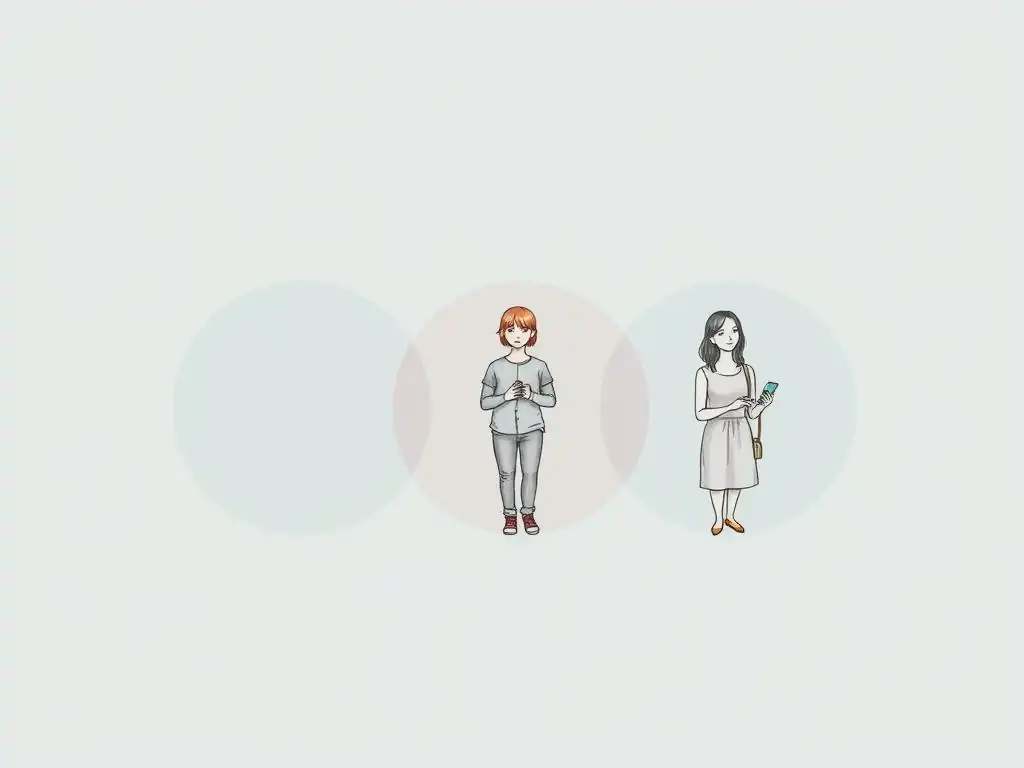
Online dating rejection is a universal experience, but its impact varies significantly depending on an individual's attachment style. Understanding your attachment style is crucial in developing effective coping mechanisms and ultimately, overcoming the fear of rejection to find success in online dating. This section explores practical strategies tailored to different attachment styles, helping you navigate the emotional landscape of online dating with greater confidence and resilience.
Learning to manage rejection constructively is key to building healthy relationships, both online and offline. This empowers you to pursue genuine connections without being paralyzed by the fear of potential setbacks. Remember, rejection is a part of the process, not a reflection of your worth.
Managing Rejection Anxiety for Securely Attached Individuals
Even securely attached individuals, known for their healthy relationships and self-esteem, can experience rejection anxiety in online dating. While generally resilient, the sheer volume of potential interactions and the impersonal nature of initial online contact can trigger some discomfort. The key for securely attached individuals is to maintain perspective and self-compassion. Rejection in online dating often reflects incompatibility or timing, not personal flaws.
For securely attached individuals, focusing on self-care and maintaining a balanced approach is paramount. This might involve setting realistic expectations about the speed of finding a match, practicing mindfulness to manage anxious thoughts, and engaging in activities that foster self-esteem outside of the dating app. Regular exercise, hobbies, and spending time with supportive friends and family can help buffer against the emotional impact of rejection. Remember to celebrate small victories and acknowledge your strengths. The process of online dating is a marathon, not a sprint. Consistent self-reflection and self-improvement will serve you well.
Coping Mechanisms for Anxiously Attached Individuals Facing Online Dating Rejection
Anxiously attached individuals often experience heightened sensitivity to rejection. The fear of abandonment can be amplified in the online dating environment, where interactions can feel fleeting and impersonal. For these individuals, rejection can trigger intense emotional distress, leading to self-doubt and a cycle of seeking reassurance. Overcoming this requires a multi-faceted approach focusing on self-soothing techniques, building self-esteem, and setting healthy boundaries.
Effective coping mechanisms for anxiously attached individuals include:
- Mindfulness and Self-Compassion: Practicing mindfulness techniques, such as meditation or deep breathing exercises, can help regulate emotions and reduce anxiety in the face of rejection. Self-compassion involves treating yourself with kindness and understanding, recognizing that rejection is a common experience and not a reflection of your worth.
- Challenging Negative Thoughts: Anxiously attached individuals often engage in negative self-talk after rejection. Actively challenging these thoughts by replacing them with more realistic and positive affirmations can help shift perspective.
- Setting Healthy Boundaries: Learning to set healthy boundaries is crucial. This includes limiting the amount of time spent on dating apps, avoiding excessive communication with potential matches before a real-life meeting, and prioritizing self-care over chasing validation.
- Seeking Professional Support: Therapy, particularly Cognitive Behavioral Therapy (CBT), can be incredibly beneficial in addressing underlying anxieties and developing healthier coping mechanisms.
Addressing Rejection Fears for Avoidantly Attached Individuals in the Online Dating World
Avoidantly attached individuals often struggle with intimacy and vulnerability, making online dating a particularly challenging experience. The fear of closeness and commitment can lead to avoidance of meaningful connections, even when opportunities arise. Rejection, while potentially painful, can reinforce pre-existing beliefs about relationships and further fuel avoidance behaviors.
For avoidantly attached individuals, overcoming rejection fears requires a gradual and mindful approach:
- Identifying and Challenging Avoidance Behaviors: Recognizing patterns of avoidance is the first step. This might involve journaling, reflecting on past relationships, and identifying the triggers that lead to withdrawal.
- Developing Emotional Regulation Skills: Learning to manage emotions effectively is key. This could involve practicing mindfulness, seeking support from trusted friends or family, or engaging in activities that promote emotional well-being.
- Gradual Exposure to Intimacy: Avoidantly attached individuals often benefit from gradually increasing their exposure to intimacy. This can involve starting with low-stakes interactions online and slowly building trust and connection over time. This is a process that demands patience and self-compassion.
- Understanding the Nature of Rejection: Reframing rejection as a natural part of the dating process, rather than a personal failure, can help alleviate anxiety and reduce avoidance behaviors. It's important to remember that rejection doesn't define your worth or your ability to form meaningful connections. It simply indicates incompatibility.
Remember, overcoming the fear of rejection in online dating is a journey, not a destination. With self-awareness, tailored strategies, and consistent effort, you can navigate the challenges and find success in building fulfilling relationships. The key is to approach online dating with self-compassion and a willingness to learn and grow.
Building Resilience and Self-Esteem to Reduce Online Dating Rejection Sensitivity
Building resilience and self-esteem is crucial in navigating the sometimes-brutal world of online dating and overcoming the fear of rejection. Rejection is a common experience, and how we process it significantly impacts our future interactions. Individuals with anxious-preoccupied attachment styles, for example, tend to be more sensitive to rejection due to their deep-seated fear of abandonment.
They may interpret even minor setbacks as confirmation of their unworthiness, leading to a cycle of self-doubt and avoidance. Conversely, those with dismissive-avoidant attachment styles might appear outwardly unaffected by rejection, but internally, they may be reinforcing their belief in self-sufficiency and emotional detachment, hindering their ability to form meaningful connections.
Developing resilience involves actively challenging negative self-talk and cultivating a more compassionate inner dialogue. This means consciously replacing thoughts like "I'll never find anyone" with more realistic and positive affirmations such as "I am worthy of love and connection, and I will keep trying." Journaling can be a powerful tool in this process.
By regularly writing down your feelings and experiences, you can identify recurring negative patterns and begin to challenge their validity. For instance, if you notice a pattern of self-criticism after a disappointing date, you can consciously reframe your thoughts, focusing on what you learned from the experience rather than dwelling on perceived failures.
Boosting self-esteem requires identifying and celebrating your strengths and accomplishments. This isn't about arrogance; it's about acknowledging your value as an individual. Make a list of your positive qualities, both big and small. Are you a good listener? Are you creative?
Do you have a great sense of humor? Remind yourself of these qualities regularly, especially when facing rejection. Engaging in activities that bring you joy and fulfillment—whether it's pursuing a hobby, spending time with loved ones, or practicing self-care—can also significantly improve your self-esteem and resilience. Remember, your worth is not determined by your success or failure in online dating.
Consider seeking professional support if you struggle to manage your emotions or build resilience independently. A therapist can provide guidance and tools to help you develop healthier coping mechanisms and build a stronger sense of self. Cognitive Behavioral Therapy (CBT), for example, is particularly effective in addressing negative thought patterns and developing more adaptive behaviors.
Remember, overcoming the fear of rejection is a journey, not a destination. Be patient with yourself, celebrate your progress, and focus on building a strong foundation of self-love and self-acceptance. This will not only make you more resilient in the face of rejection but also make you a more attractive and confident partner.
This section offers actionable strategies to help you manage your attachment style and reduce the fear of rejection in online dating. Remember, understanding your attachment style is the first step; putting this knowledge into practice is key to finding fulfilling connections. Successfully overcoming online dating rejection fear involves self-awareness and proactive strategies.
Setting Realistic Expectations and Defining Success in Online Dating
Many individuals, particularly those with anxious-preoccupied or fearful-avoidant attachment styles, enter online dating with unrealistic expectations. This can lead to disappointment and fuel the fear of rejection. It's crucial to redefine success in online dating beyond simply finding a partner.
Consider these points:
- Success is a journey, not a destination: Online dating is a process. It's about learning, growing, and refining your approach. Each interaction, even a rejection, provides valuable feedback.
- Focus on self-improvement: Use online dating as an opportunity for personal growth. Work on your communication skills, identify your dating preferences, and understand your own needs and values.
- Define "success" for yourself: What does a successful online dating experience look like to you? Is it connecting with interesting people? Developing meaningful conversations? Finding a partner? Defining your own metrics helps manage expectations and prevents disappointment.
- Track your progress: Keep a journal to document your experiences, both positive and negative. This allows you to identify patterns and celebrate small victories. For example, did you initiate a conversation with someone you found interesting? That's a success!
- Embrace the learning process: View rejections not as personal failures but as opportunities to learn and improve your profile, messaging, or overall approach. Analyze what might have contributed to the rejection and adapt accordingly.
For example, someone with an anxious-preoccupied attachment style might set unrealistic expectations of immediate reciprocation and intense connection. By focusing on building genuine connections at a comfortable pace, they can reduce their anxiety and increase their chances of success. Conversely, someone with a fearful-avoidant attachment style might need to challenge their avoidance behaviors and actively participate in the dating process.
Choosing the Right Online Dating Platforms Based on Your Attachment Style
Different online dating platforms cater to different user demographics and interaction styles. Choosing a platform aligned with your attachment style can significantly impact your experience and reduce feelings of rejection.
| Attachment Style | Suitable Platform Characteristics | Example Platform Considerations (Hypothetical) |
|---|---|---|
| Secure | Balanced features, diverse user base, focus on genuine connection | Platforms emphasizing profile verification and in-depth questionnaires |
| Anxious-Preoccupied | Platforms with high activity and frequent communication | Platforms with live chat features or a strong emphasis on immediate responses |
| Dismissive-Avoidant | Platforms with less pressure, more control over interaction | Platforms with less emphasis on constant communication or immediate replies |
| Fearful-Avoidant | Platforms offering gradual connection, controlled interaction | Niche platforms with shared interests, allowing for slow and cautious engagement |
Remember, these are hypothetical examples. The best platform for you depends on your individual preferences and comfort levels. Experiment and find what works best for you. The key is to choose a platform that supports your emotional needs and reduces the pressure to conform to unrealistic expectations.
Improving Communication Skills to Minimize Misunderstandings and Rejection
Effective communication is crucial for minimizing misunderstandings and rejection in online dating. Your attachment style significantly impacts your communication patterns, so understanding and adapting your approach is essential.
- Anxious-Preoccupied: Practice patience and avoid overwhelming potential partners with excessive messages or overly intense expressions of interest. Focus on building rapport gradually.
- Dismissive-Avoidant: Challenge your tendency to be aloof or unresponsive. Make an effort to engage in meaningful conversations and show genuine interest.
- Fearful-Avoidant: Start with small, low-pressure interactions. Gradually increase your engagement as you feel more comfortable and confident.
- Secure: Maintain open and honest communication, while respecting the other person's pace and boundaries.
Practicing active listening, expressing your needs clearly and respectfully, and managing your expectations are vital skills to cultivate. Consider seeking professional guidance if you struggle with communication in relationships. Remember, effective communication is a skill that can be learned and improved upon with practice and self-awareness. This is crucial for overcoming online dating rejection fear and building healthy, lasting connections. Learning to communicate your needs and boundaries effectively will reduce misunderstandings and increase your chances of finding a compatible partner.
Overcoming the fear of rejection in online dating is significantly easier with a strong support system. This isn't just about having friends who offer platitudes; it's about building a network that understands the unique pressures of online dating and can offer practical, empathetic support. This network can act as a buffer against the emotional rollercoaster of online interactions, helping you to process setbacks and celebrate successes.
One crucial aspect of this support network is emotional validation. Finding friends or family members who understand the emotional toll of online dating—the constant swiping, the inevitable rejections, the pressure to present a perfect online persona—is invaluable. These individuals can provide a safe space for you to express your frustrations, anxieties, and even your triumphs without judgment.
They can help you reframe negative experiences and maintain a healthy perspective on the process. For example, a friend might help you process a string of unsuccessful dates by reminding you of your positive qualities and helping you identify areas for improvement in your profile or messaging.
Beyond emotional support, a strong network can offer practical assistance. This could involve proofreading your dating profile, offering feedback on your photos, or even helping you craft engaging messages. A trusted friend with experience in online dating can offer valuable insights and identify potential pitfalls you might otherwise overlook. They can also provide a reality check, preventing you from becoming overly invested in someone too early in the process. Perhaps a friend could help you identify red flags in a potential date's profile or offer advice on how to handle a difficult conversation.
Consider joining online communities or support groups specifically focused on online dating. These spaces offer a sense of shared experience, allowing you to connect with others who understand the unique challenges you face. Sharing experiences, offering advice, and finding encouragement within a community of like-minded individuals can significantly reduce feelings of isolation and increase your resilience in the face of rejection.
The collective wisdom and shared support within these communities can be incredibly empowering. Remember, you are not alone in this journey, and connecting with others can be a powerful tool in overcoming your fear of rejection. The feeling of belonging and shared understanding can significantly reduce the stress associated with online dating.
Finally, remember that your support network shouldn't be solely comprised of other online daters. Maintaining connections with friends and family who are outside the online dating world provides a crucial balance. They can offer a different perspective, reminding you of your value and worth beyond the context of online interactions.
This broader perspective is vital for maintaining a healthy sense of self and preventing your self-worth from becoming solely dependent on your online dating success. This wider support system can help ground you and ensure that you don't lose sight of your overall well-being amidst the ups and downs of online dating.
Building Healthy Relationships After Overcoming Online Dating Rejection Fear

Overcoming the fear of rejection in online dating is a significant step towards building healthy relationships. It's crucial to remember that rejection is a part of the process, and it doesn't reflect your inherent worth. Once you've started to manage your anxieties around rejection, you can focus on cultivating fulfilling connections.
This involves recognizing healthy relationship dynamics, maintaining a positive mindset, and understanding your own needs and boundaries. Learning to navigate the complexities of online dating and building resilience against rejection will significantly improve your chances of finding a compatible partner and fostering a lasting, meaningful relationship. The journey to overcoming rejection fear is a personal one, and celebrating small victories along the way is key to maintaining momentum.
Recognizing Healthy Relationship Dynamics and Red Flags
Understanding the signs of a healthy relationship is paramount after experiencing the sting of online dating rejection. A healthy relationship is built on mutual respect, trust, and open communication. Partners support each other's growth, share responsibilities, and resolve conflicts constructively. There's a balance of independence and togetherness, with each individual maintaining their own identity and interests while also enjoying shared experiences.
Conversely, red flags often manifest as controlling behavior, consistent negativity, disrespect for boundaries, a lack of communication, or a pattern of gaslighting. These behaviors are detrimental to a healthy relationship and should not be ignored. Recognizing these red flags early on is crucial in protecting yourself from emotional harm and ensuring you’re focusing your energy on compatible partners.
For example, consistent criticism disguised as "constructive feedback," or a partner who isolates you from friends and family are major red flags to watch out for. Remember, a healthy relationship should feel supportive and empowering, not draining or stressful. Trust your intuition; if something feels off, it likely is.
Maintaining a Positive Mindset and Self-Compassion During the Dating Process
Maintaining a positive mindset is essential throughout the online dating journey, especially after experiencing rejection. Self-compassion plays a critical role in this process. Instead of dwelling on negative experiences, practice self-kindness and understanding. Remember that rejection is a common experience, and it doesn't diminish your worth. Focus on your strengths and celebrate your accomplishments, both big and small.
Develop strategies for self-care, such as engaging in activities you enjoy, spending time with loved ones, or practicing mindfulness. These activities can help you regulate your emotions and maintain a positive outlook. Consider keeping a journal to track your progress, celebrate successes, and identify areas needing improvement.
This proactive approach fosters resilience and helps build confidence in your ability to navigate the dating world effectively. Remember to treat yourself with the same kindness and understanding you would offer a close friend facing similar challenges. This self-compassion is a powerful tool in overcoming online dating rejection fear and building a healthy relationship.
Seeking Professional Help to Address Persistent Rejection Fears and Attachment Issues
For some individuals, overcoming the fear of rejection in online dating may require professional help. Persistent rejection fears often stem from deeper-rooted attachment issues, which can significantly impact relationships. A therapist can provide a safe and supportive space to explore these issues, develop coping mechanisms, and build healthier relationship patterns. Therapy offers a structured environment to address underlying anxieties, improve communication skills, and develop strategies for navigating the complexities of dating and relationships.
Cognitive Behavioral Therapy (CBT) and other therapeutic approaches can be particularly effective in addressing rejection sensitivity and improving emotional regulation. A therapist can help you identify and challenge negative thought patterns, develop healthier coping mechanisms, and build resilience against rejection. Remember, seeking professional help is a sign of strength, not weakness. It's a proactive step towards building healthier relationships and achieving greater emotional well-being. Don't hesitate to reach out to a mental health professional if you're struggling to overcome your fears independently. Your mental health is paramount, and seeking support can dramatically improve your journey towards finding fulfilling connections.
Online Dating Rejection: Turning Setbacks into Opportunities for Growth
Online dating, while offering exciting possibilities for connection, inevitably involves the experience of rejection. This isn't a sign of failure; rather, it's a common part of the process. The key lies in reframing rejection, transforming it from a source of discouragement into a valuable learning experience that fuels personal growth and improves your online dating success. Many people search for ways to "overcome online dating rejection fear," and understanding how to learn from setbacks is a crucial step. This section explores practical strategies to turn rejection into a stepping stone towards finding a meaningful connection.
Learning from Rejection Experiences to Improve Future Online Dating Interactions
Rejection in online dating can manifest in various ways: a lack of response to messages, unmatched profiles, or even outright negative feedback. Instead of dwelling on the negative emotions, actively analyze each experience to identify potential areas for improvement. Consider these questions:
- Profile Optimization: Was your profile engaging and accurately representational of yourself? Did it highlight your best qualities and interests clearly? Perhaps a fresh set of eyes could offer valuable feedback on your profile's effectiveness.
- Communication Strategy: Were your messages clear, concise, and engaging? Did you tailor your approach to the recipient's profile? Consider the tone and content of your messages; were they too forward, too casual, or perhaps too generic?
- Photo Selection: Were your photos high-quality, recent, and accurately reflective of your appearance? Did they convey your personality and interests effectively? Consider seeking feedback on your photo choices from trusted friends.
- Compatibility Factors: Were you targeting the right audience? Sometimes, rejection simply indicates a lack of compatibility, and that's perfectly okay. Understanding your preferences and focusing your efforts on compatible profiles can significantly increase your chances of success.
By meticulously examining each rejection, you can identify patterns and refine your approach. This iterative process is key to improving your online dating experience and increasing your chances of success. Remember, every rejection is a data point, providing valuable insights into what works and what doesn't.
Developing a Growth Mindset to Embrace Challenges and Overcome Setbacks
A growth mindset is crucial for navigating the challenges of online dating. Instead of viewing rejection as a personal failing, embrace it as an opportunity for learning and growth. Individuals with a growth mindset believe their abilities and intelligence can be developed through dedication and hard work. This contrasts with a fixed mindset, where individuals believe their abilities are static and unchangeable.
To cultivate a growth mindset, focus on these strategies:
- Self-Compassion: Treat yourself with kindness and understanding. Rejection is a normal part of life, and it doesn't define your worth.
- Focus on Progress, Not Perfection: Celebrate small victories and acknowledge your efforts, even if they don't always result in immediate success.
- Embrace Challenges: View setbacks as learning opportunities, rather than obstacles to overcome.
- Learn from Criticism: Use constructive feedback to improve your approach and refine your strategy.
- Persistence: Don't give up easily. Success in online dating often requires patience and perseverance. The journey may be challenging, but the rewards can be significant.
Remember, overcoming the fear of online dating rejection is a process, not a destination. By adopting a growth mindset, you empower yourself to learn from every experience and steadily increase your confidence and success. This is a key aspect of conquering your "online dating rejection fear."
Celebrating Small Victories and Progress in Online Dating
While the ultimate goal is finding a meaningful connection, focusing solely on that large-scale objective can be overwhelming and discouraging. Instead, break down your online dating journey into smaller, manageable goals, and celebrate each achievement along the way. These small victories will build your confidence and motivation, ultimately increasing your resilience in the face of rejection.
Here are some examples of small victories to celebrate:
- Completing an updated and compelling online dating profile. 🎉
- Receiving a positive response to a message. 👍
- Having a pleasant and engaging conversation with a potential match. 💬
- Going on a first date. 🥂
- Making a genuine connection with someone. ❤️
Even seemingly insignificant achievements contribute to your overall progress. Keep a journal to track your successes, no matter how small. This positive reinforcement will boost your morale and keep you motivated throughout the process. Acknowledging and celebrating these milestones helps to build resilience against the inevitable setbacks, making the journey less daunting and more rewarding. This positive approach is vital in overcoming the fear of rejection and ultimately finding success in online dating.
Frequently Asked Questions
What is the connection between attachment styles and fear of rejection in online dating?
Individuals with anxious-preoccupied or dismissive-avoidant attachment styles often experience heightened fear of rejection in online dating. These styles stem from past relationship experiences and impact how one approaches dating, leading to self-sabotaging behaviors or excessive neediness.
How can understanding my attachment style help me overcome rejection fear?
Recognizing your attachment style allows you to understand the root causes of your fear. This self-awareness empowers you to challenge negative thought patterns and develop healthier coping mechanisms, such as mindfulness or journaling.
What are some practical strategies to manage rejection in online dating?
Focus on building self-esteem and self-compassion. Practice self-care, set realistic expectations, and remember that rejection is a normal part of the dating process. Diversify your dating activities to reduce reliance on online interactions.
Does online dating inherently increase the fear of rejection?
While online dating can amplify the feeling of rejection due to the impersonal nature of initial interactions and higher volume of potential partners, the fear itself stems from underlying insecurities and attachment patterns, not the platform itself.
How can I build resilience against rejection to improve my online dating experience?
Develop a growth mindset by reframing rejection as an opportunity for learning and self-improvement. Focus on building genuine connections rather than seeking validation. Celebrate small wins and remember your worth irrespective of dating outcomes.
Final Reflection: Unmasking Rejection's Grip in the Digital Age
The fear of rejection in online dating isn't a bug; it's a feature of the human experience, amplified by the unique pressures of digital connection. This pervasive anxiety, often rooted in our attachment styles, significantly impacts our ability to navigate the complexities of modern romance. Understanding these underlying patterns is crucial for building healthier relationships, both online and offline.
The pervasiveness of online dating has undeniably shifted the landscape of romantic pursuit, exposing vulnerabilities and anxieties in new ways. The ease of connection paradoxically increases the potential for rejection, creating a cycle of self-doubt and avoidance for many. The heart wants what it wants, but the mind often gets in the way.
This quote perfectly encapsulates the internal struggle many experience when navigating the emotional rollercoaster of online dating, a struggle often exacerbated by pre-existing insecurities tied to our attachment styles. Learning to identify and address these patterns is key to breaking free from the cycle of fear.
You now possess the tools to understand the root of your anxieties surrounding online dating rejection. Take this knowledge and use it to build a stronger, more resilient approach to finding love. Don't let fear dictate your choices; instead, use self-awareness and compassion to navigate the digital dating world with confidence and authenticity. Embrace vulnerability, learn from each experience, and remember that connection, genuine connection, is always worth the risk.
Unlock Your Dating Confidence: Take the Next Step
Thank you for exploring the world of attachment styles and online dating! We hope you've gained valuable insights into your own relationship patterns and how they affect your dating experiences. Now it's time to put this knowledge into practice.
Here's how you can begin building healthier dating connections:
- Understand and Reflect on Your Attachment Style: Take some time this week to journal about how your attachment style plays out in your dating life. What recurring patterns do you see? What situations trigger your fear of rejection? This self-awareness is crucial for positive change.
- Share Your Discoveries: Talk to trusted friends, family members, or a therapist about your reflections. Sharing your experiences can alleviate stress and provide valuable perspective.
- Practice Mindful Communication: Consciously try different communication techniques in your next online interactions. Observe how a more thoughtful approach affects your emotional responses and your connection with potential partners.
What small step will you take this week to cultivate healthier relationships and embrace vulnerability?