
Navigating Love Languages in Early Online Dating: First Impressions Matter


Welcome to OnlineDatingSuccess.org, your guide to navigating the exciting – and sometimes challenging – world of online dating! Are you ready to unlock the secret to meaningful connections? We believe understanding your love language and that of your potential partners is key to building lasting relationships, even before the first date. Discover how to leverage online dating love language compatibility to create compelling profiles and initiate conversations that truly resonate. Dive into our expert advice and learn how to find the love you deserve. Let's get started!
- Understanding Your Love Language and Its Role in Online Dating
- Recognizing Love Languages in Potential Matches' Profiles
- First Impressions and Love Language Compatibility in Online Dating
- Online Dating Love Language Compatibility: Long-Term Success
- Practical Tips for Online Dating Success with Love Languages
- Case Study: Successful Online Dating Based on Love Language Compatibility
-
Frequently Asked Questions
- How can I discover my love language and my potential match's?
- Is love language compatibility crucial in online dating?
- How do I incorporate love languages into my online dating profile?
- What if my love language and my match's are different?
- Can I use love languages to improve my online dating communication?
- Final Reflection: The Lasting Impact of Love Language Understanding in Online Dating
- Unlock Deeper Connections: Your Next Steps in Online Dating
Understanding Your Love Language and Its Role in Online Dating
Online dating, a landscape teeming with potential connections, often hinges on those crucial first impressions. While a captivating profile picture and witty bio are essential, understanding and effectively communicating your love language can significantly elevate your online dating experience, leading to more meaningful and compatible connections. This article delves into the practical application of love languages – a framework for understanding how people give and receive love – within the context of online dating.
We'll explore how identifying your own love language and recognizing it in others can dramatically improve your chances of finding a truly compatible partner, ultimately fostering stronger, more fulfilling relationships. Mastering this aspect of online communication can transform your search from a frustrating hunt to a rewarding journey towards genuine connection.
By understanding how your preferred way of giving and receiving affection interacts with the digital realm of online dating, you'll not only improve your chances of finding a match but also deepen the quality of the relationships you build. This is about more than just finding someone; it's about building a foundation of understanding and mutual appreciation from the very start.
Identifying Your Primary Love Language
Before you can effectively communicate your love language preferences online, you need to understand your own primary love language. Developed by Dr. Gary Chapman, the five love languages are: Words of Affirmation, Acts of Service, Receiving Gifts, Quality Time, and Physical Touch. Each represents a distinct way individuals feel loved and appreciated.
To identify your primary love language, consider which actions make you feel most cherished and loved. Do you cherish heartfelt compliments and encouraging words? This might indicate Words of Affirmation as your primary love language. Do small acts of service, like someone helping with chores or running errands, make you feel truly appreciated? Then Acts of Service might be your dominant language.
Do you feel deeply connected when someone takes the time to truly listen and spend quality uninterrupted time with you? This points towards Quality Time. For some, receiving thoughtful gifts, big or small, speaks volumes of affection, suggesting Receiving Gifts as their primary love language. Finally, for those who value physical touch, such as hugs, cuddles, and holding hands, Physical Touch is likely their dominant love language.
Think about past relationships and reflect on what made you feel loved and secure. Consider what gestures or actions consistently resonated with you and made you feel truly seen and understood. There are many online quizzes and resources available to help you further refine your understanding of your love language. Knowing your primary love language is the first crucial step towards using it effectively in the world of online dating.
Recognizing Your Love Language in Online Dating Profiles
Once you've identified your primary love language, the next step is to learn to recognize it in the profiles of potential matches. While not explicitly stated, subtle clues often reveal a person's love language preferences. For example, someone who frequently uses positive and encouraging language in their profile might prioritize Words of Affirmation. A profile that emphasizes volunteering or helping others could suggest Acts of Service as a significant love language.
Similarly, someone who posts many pictures of themselves engaging in activities with loved ones likely values Quality Time. Profiles that showcase a collection of unique items or mention a love of giving gifts might indicate Receiving Gifts as a key love language. While less directly expressed online, subtle hints within photos (e.g., many photos of physical affection) might hint at Physical Touch.
Remember, it's about recognizing patterns and subtle cues, not expecting explicit declarations. Pay close attention to the language used, the activities described, and the overall tone of the profile. This careful observation will provide valuable insights into potential compatibility. The key is to look beyond the surface level and into the underlying communication styles. This allows you to identify potential matches who demonstrate preferences that align with your own love language, increasing the chances of a harmonious and fulfilling connection.
Communicating Your Love Language Preferences Online
Communicating your love language preferences online requires a delicate balance of subtlety and clarity. Directly stating "My love language is Acts of Service" might seem too forward in an initial message. Instead, subtly integrate your preferences into your profile and conversations. For example, you could mention your enjoyment of helping others or volunteering in your profile.
In your messages, you could ask about their hobbies or interests, demonstrating your interest in Quality Time. You could also compliment their profile picture or writing style (Words of Affirmation). While you may not explicitly mention love languages, your actions and communication style will subtly reflect your preferences.
Remember, the goal is not to force your love language onto others but to find someone whose communication style resonates with you. It's about finding a partner who understands and appreciates your way of expressing and receiving affection. By being authentic and expressing your interests and values naturally, you'll attract individuals who share similar communication styles and increase your chances of building a strong and lasting connection. This approach allows for a more organic and genuine connection, fostering a more authentic and meaningful relationship.
Recognizing Love Languages in Potential Matches' Profiles
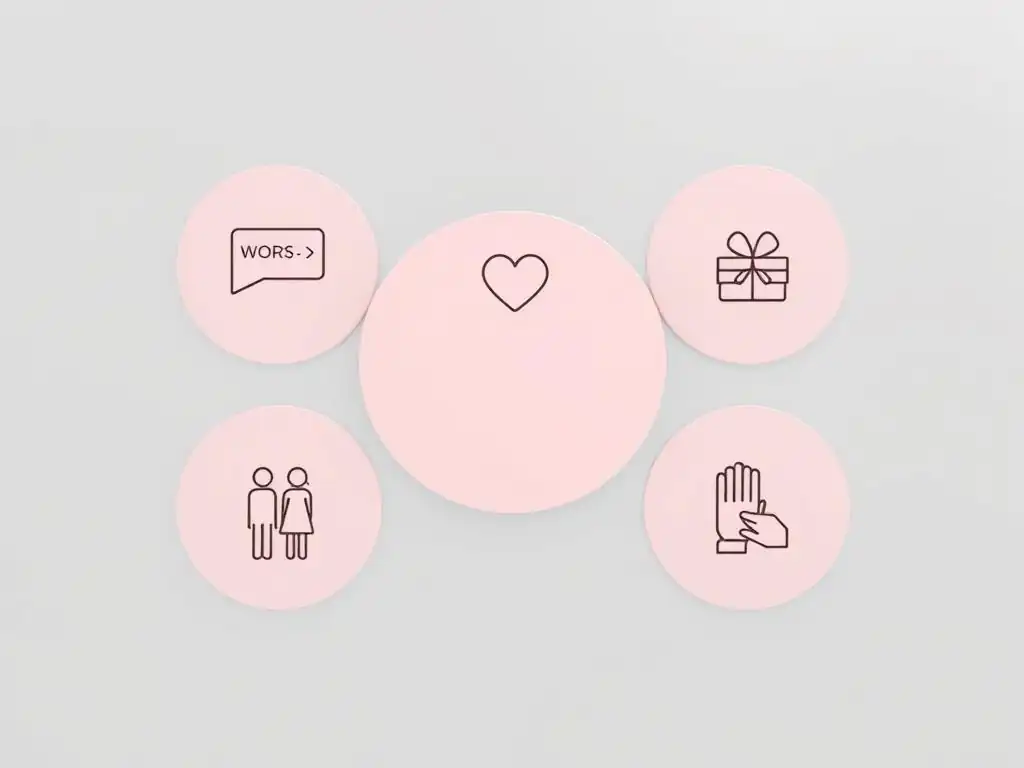
Understanding love languages—how people best give and receive affection—is crucial for building strong, healthy relationships. But how do you gauge someone's love language in the often-truncated world of online dating? It requires a keen eye and a nuanced understanding of how these preferences manifest in online profiles and initial communications. This section will help you develop that skill, improving your chances of finding online dating love language compatibility.
Deciphering Online Dating Profiles for Love Language Clues
Online dating profiles, while often brief, offer subtle clues about a person's love language. Look beyond the surface-level information. For instance:
- Words of Affirmation: Do they emphasize their achievements, using language like "driven," "ambitious," or "successful"? Do they frequently use positive self-descriptors? Do they express gratitude or appreciation in their profile? These are potential indicators of valuing words of affirmation. A profile filled with self-congratulatory language might suggest a preference for this love language, but be cautious – it could also signal narcissism. Look for a balance.
- Acts of Service: Do they mention helpfulness, volunteering, or a willingness to assist others? Do their photos show them engaging in activities that benefit others? Someone who highlights their acts of service, even seemingly small ones, might value this love language. For example, a profile mentioning "always happy to lend a hand" or showing a picture volunteering at an animal shelter suggests a predisposition to this love language.
- Receiving Gifts: While less directly observable, you might infer a preference for receiving gifts through subtle clues. Do they mention enjoying special occasions or celebrating milestones? Do they highlight their appreciation for material things in a tasteful manner, perhaps mentioning a favorite hobby that involves collecting items? However, be mindful not to equate materialism with a preference for receiving gifts; the nuance is crucial.
- Quality Time: Profiles emphasizing strong family ties, close friendships, or a passion for meaningful conversations often hint at a preference for quality time. Look for mentions of shared experiences, hobbies that involve interaction with others, and an overall tone that emphasizes connection and companionship. A profile that focuses on shared activities rather than individual accomplishments could indicate a preference for quality time.
- Physical Touch: This is the most challenging love language to discern from an online profile alone. While it's unlikely to be explicitly stated, photos showcasing physical affection (within appropriate boundaries) or descriptions emphasizing physical activity and close contact with loved ones might hint at a preference. However, this should be interpreted with extreme caution and is best determined through later interactions.
Once you've identified potential love language preferences in your matches' profiles, consider your own. A strong match often involves some degree of shared love languages. For example, if you thrive on words of affirmation and notice a potential partner frequently uses positive self-descriptors and expresses gratitude in their profile, you've found a potential point of connection. This doesn't mean you must share all love languages; however, finding some overlap can significantly improve your chances of building a compatible relationship.
Consider creating a simple table to compare your love language preferences and those you've inferred from potential matches' profiles:
| Love Language | My Preference | Potential Match's Preference (Inferred) | Compatibility Level |
|---|---|---|---|
| Words of Affirmation | High | Medium | Good |
| Acts of Service | Medium | High | Good |
| Receiving Gifts | Low | Low | Excellent |
| Quality Time | High | High | Excellent |
| Physical Touch | Medium | Unknown | Pending further interaction |
Remember, these are inferences based on limited information. The true test of compatibility lies in communication and getting to know each other better.
Addressing Potential Incompatibilities Early On
Discovering early on that you and a potential partner have significantly different primary love languages doesn't necessarily mean incompatibility. However, it does necessitate open communication and a willingness to understand and adapt. Knowing your partner's love language allows you to tailor your interactions to better connect with them.
For example, if your partner prioritizes acts of service, offering practical help or support can be more effective than grand romantic gestures. Conversely, if you value words of affirmation, ensure you express your appreciation and affection verbally. Understanding these differences and adapting your approach is key to building a successful online dating experience and a fulfilling relationship.
Openly discussing love languages early on can prevent misunderstandings and foster a stronger, more empathetic connection. Learning about each other's love languages can set the foundation for a more successful and fulfilling relationship, proving that online dating love language compatibility is a key factor in long-term success.
First Impressions and Love Language Compatibility in Online Dating
First impressions in online dating are crucial, setting the stage for potential connection or immediate disengagement. Understanding love languages — words of affirmation, acts of service, receiving gifts, quality time, and physical touch — significantly impacts how we perceive and interpret these initial interactions. Successfully navigating the early stages of online dating often hinges on recognizing and aligning with your potential partner's love language, even before a first date.
This section explores how to leverage this knowledge for a smoother, more fulfilling online dating experience. The key to successful online dating love language compatibility lies in mindful communication and perceptive observation.
The Importance of Early Communication: Establishing Connection Through Love Languages
Early communication is paramount in establishing a connection that resonates with your potential partner's love language. For example, someone whose primary love language is words of affirmation will appreciate thoughtful, engaging messages expressing genuine interest. Conversely, someone who prioritizes acts of service might respond more positively to offers of help or assistance, even in a virtual context (e.g., offering to share helpful resources related to their profile interests).
Understanding your own love language is equally important. If your primary love language is physical touch, you might inadvertently misinterpret the lack of physical intimacy in early online interactions as disinterest. Recognizing this bias helps you adjust your expectations and communication style accordingly. Remember, online dating is a gradual process; physical connection isn't the focus initially.
Consider this scenario: Two people, Alex and Ben, are communicating. Alex's love language is quality time, while Ben's is acts of service. Alex might initiate conversations with lengthy, detailed messages, hoping to build a strong connection through extended dialogue. However, Ben might interpret this as overwhelming and prefer shorter, more task-oriented messages. Misalignment here could lead to missed opportunities unless both are conscious of their differing love language preferences.
Using Love Languages to Craft Engaging Opening Messages
Crafting engaging opening messages tailored to potential partners' love languages significantly increases your chances of a positive response. Avoid generic, impersonal messages. Instead, actively observe their profile for clues about their potential love language preferences.
- Words of Affirmation: Compliment something specific and genuine about their profile, showing you've actually read it. Avoid generic compliments.
- Acts of Service: Offer to help with something mentioned in their profile, even if it's a small gesture. For example, "I saw you're into hiking; I've been meaning to try that trail near [location mentioned in profile], perhaps we could try it sometime?"
- Receiving Gifts: While not literally sending gifts at this stage, you can express appreciation for something they mentioned in a thoughtful way. "That sounds like an incredible experience [referencing a travel photo]; I'd love to hear more about it."
- Quality Time: Propose a specific virtual activity. "I'd love to chat more about [shared interest]. Are you free for a quick video chat sometime this week?"
- Physical Touch: This is the most challenging to address in initial online interactions. Focus on creating a warm, friendly tone in your messages that conveys genuine connection.
Remember, the goal is to create a personalized message that demonstrates you've taken the time to understand their interests and personality, reflecting their preferred way of receiving affection.
Avoiding Misunderstandings: Recognizing Love Language Differences in Initial Interactions
Even with careful messaging, misunderstandings can occur due to differing love languages. Recognizing these differences early can prevent frustration and premature disengagement. Pay attention to the quality of their responses. Are they brief and to the point, suggesting a preference for efficiency (potentially acts of service or quality time)? Or are they detailed and emotionally expressive, indicating a preference for words of affirmation?
Here's a table summarizing potential indicators:
| Love Language | Potential Indicators in Early Online Interactions |
|---|---|
| Words of Affirmation | Detailed, expressive messages; frequent compliments; responding enthusiastically to compliments. |
| Acts of Service | Prompt, efficient responses; offering help or solutions; practical suggestions. |
| Receiving Gifts | Appreciation for small gestures; enthusiasm for shared interests involving experiences or gifts (even virtual ones). |
| Quality Time | Lengthy, engaging conversations; proposing virtual activities; expressing a desire for extended interaction. |
| Physical Touch | Warm, friendly tone; emphasis on personal connection; using emojis to convey warmth and empathy. |
Recognizing and respecting these differences is key to building successful online relationships. Remember, successful online dating love language compatibility isn't about changing yourself; it's about understanding and adapting your communication style to connect meaningfully with others. 🤝
Online Dating Love Language Compatibility: Long-Term Success
Understanding your own love language and recognizing it in potential partners is crucial for building strong, lasting relationships, even when those relationships begin online. Online dating love language compatibility isn't just about finding someone who speaks your language fluently; it's about appreciating the nuances of how you and your partner express and receive affection. Think of it as a foundation upon which you build a meaningful connection.
Ignoring compatibility can lead to misunderstandings and unmet needs, potentially derailing even the most promising online connections. This section explores how aligning love languages contributes to long-term success in online dating. The initial spark of online attraction often fades without a shared understanding of how to nurture the relationship.
When you and your online dating match share similar love languages, the path to a thriving relationship is smoother. For example, if both of you prioritize Words of Affirmation, you'll naturally express appreciation and affection through heartfelt messages and compliments. This constant affirmation strengthens your bond, fostering a sense of security and validation.
Similarly, couples who both value Acts of Service might find joy in planning virtual dates, sending thoughtful care packages, or offering tech support to each other. This mutual understanding translates into tangible gestures of love and care, reinforcing the connection. The ease of understanding and reciprocating affection builds trust and intimacy faster.
Consider this example: Imagine two individuals, both with a primary love language of Physical Touch. Their online interactions might include playful emojis expressing affection, enthusiastic video calls filled with smiles and nonverbal cues, and an eagerness to meet in person for physical intimacy. This shared understanding eliminates the frustration of misinterpreting affection, leading to a more secure and connected relationship.
The key is recognizing how your love language manifests in the online space and looking for those same signals in potential partners. A shared love language isn't a guarantee of success, but it significantly increases the likelihood of compatibility and long-term happiness.
While shared love languages create a harmonious foundation, differences don't automatically doom a relationship. Successful couples often learn to bridge these gaps, enhancing their understanding and appreciation for each other. If one partner primarily values Quality Time while the other prefers Gifts, for example, the key is open communication and a willingness to compromise. The Quality Time partner might appreciate thoughtful virtual dates, while the Gifts partner could incorporate small, meaningful gestures into their online interactions. This conscious effort to understand and cater to each other's needs demonstrates love and commitment, even with differing love language preferences.
Learning each other's love languages is a continuous process, and online dating presents unique challenges. For instance, a partner who prioritizes Physical Touch might feel less connected during the initial online stages. However, creative solutions, such as frequent video calls or planning exciting in-person dates, can help bridge this gap. The crucial aspect is acknowledging the differences and actively working to meet each other's emotional needs. This proactive approach transforms potential conflict into opportunities for growth and deeper understanding. Remember, understanding is key to navigating these differences successfully.
Maintaining Open Communication: Addressing Love Language Needs Over Time
Even with strong initial compatibility, love languages can evolve over time, and online communication requires consistent effort to maintain connection. Regular check-ins are essential. Consider incorporating questions like, "How am I making you feel loved lately?" or "Is there anything I could do to better express my love for you?" into your online conversations. These open-ended questions create a safe space for honest feedback and facilitate ongoing adjustments to your communication style.
Furthermore, incorporating various love languages into your interactions can enhance intimacy. Even if your primary love language differs from your partner's, consciously using different methods of expressing affection shows care and understanding. For example, a partner who primarily uses Acts of Service can express affection by offering tech support or helping plan virtual dates, even if their partner's primary love language is Words of Affirmation. This demonstrates effort and strengthens the bond.
Open communication, combined with a willingness to adapt and learn, is crucial for navigating the complexities of love languages in long-term online relationships. The effort invested in understanding and meeting each other's needs will significantly impact the longevity and fulfillment of your online dating journey. Remember, consistent effort and open communication are the cornerstones of a successful and fulfilling relationship, regardless of the initial love language compatibility.
Practical Tips for Online Dating Success with Love Languages
This section delves into actionable strategies for leveraging love language understanding to enhance your online dating experience. Successfully navigating the complexities of online dating often hinges on effective communication and understanding your own needs, as well as those of potential partners. Knowing your love language and recognizing those of others can significantly improve your chances of forming meaningful connections. This isn't about manipulation; it's about fostering genuine understanding and building a stronger foundation for potential relationships. The key is to integrate this knowledge organically, avoiding overt declarations of "My love language is..." in early interactions.
Integrating Love Language Awareness into Your Dating Strategy
Understanding your own love language is the crucial first step. Are you primarily Words of Affirmation, finding joy in compliments and encouraging messages? Or perhaps Acts of Service resonate most strongly with you, showing affection through helpful gestures? Do you prioritize Receiving Gifts, finding meaning in thoughtful presents? Do you crave Quality Time, seeking focused attention and shared experiences? Or is Physical Touch your primary love language, expressing and receiving affection through physical contact?
Once you've identified your primary love language (and perhaps a secondary one), consider how you can subtly incorporate its expression into your online dating profile and initial interactions. For example:
- Words of Affirmation: Instead of just stating your hobbies, describe them enthusiastically, highlighting the positive aspects and feelings they evoke. Use positive and uplifting language in your profile and messages.
- Acts of Service: Offer helpful suggestions or advice in your conversations, showing genuine interest in the other person's life. A simple "Let me know if there's anything I can help you with" can go a long way.
- Receiving Gifts: While not appropriate for early stages, subtly hinting at interests (e.g., "I love trying new coffee shops," or "I'm a huge fan of independent bookstores") can pave the way for future thoughtful gestures.
- Quality Time: Focus on engaging conversations that reveal shared interests and values. Suggest specific activities for future dates that focus on shared experiences.
- Physical Touch: While this is clearly inappropriate for the initial online phase, your profile picture and communication style can subtly convey warmth and approachability.
This strategic integration helps you attract compatible partners who appreciate your expression of love and value your communication style. Remember, consistency and authenticity are key; don't force it.
Using Love Languages to Plan Meaningful Virtual Dates
Even in the initial stages of online dating, you can utilize love languages to plan engaging virtual dates that foster connection. Avoid generic video calls. Instead, plan activities that cater to different love languages:
| Love Language | Virtual Date Idea | Notes |
|---|---|---|
| Words of Affirmation | Collaborative online writing project, sharing poetry | Focus on positive feedback and encouragement. |
| Acts of Service | Online cooking class together, planning a virtual trip | Focus on collaborative planning and mutual assistance. |
| Receiving Gifts | Sending each other virtual gifts (e.g., Spotify playlists) | Ensure it aligns with their interests; avoid overly expensive or flashy gifts. |
| Quality Time | Online game night, watching a movie together, virtual museum tour | Prioritize focused interaction and shared experience. |
| Physical Touch | This is challenging virtually; focus on warmth in communication | Convey empathy and understanding through your words and tone. |
Remember to be mindful of your date's preferences and comfort levels. The goal is to create a fun and engaging experience that strengthens your connection. Observe their responses; their reactions will help you refine your approach in future interactions.
Maintaining Authenticity While Expressing Your Love Language Needs
It's vital to remain genuine throughout the process. Avoid overtly labeling your love language or forcing interactions to fit a specific mold. Instead, let your actions speak louder than words. Subtle cues and consistent behavior will reveal your preferences more effectively than explicit statements. For example, frequently sending thoughtful messages demonstrates Words of Affirmation, offering to help with a task shows Acts of Service, and suggesting a specific activity demonstrates a preference for Quality Time.
Moreover, be receptive to your date's love language. Pay attention to how they communicate and express affection. Do they frequently offer compliments? Do they prioritize spending quality time together? Understanding their preferences allows you to reciprocate in ways that resonate deeply with them, solidifying the connection and fostering a more fulfilling online dating experience. This reciprocal understanding is the cornerstone of successful online dating, regardless of your individual love languages. Remember, empathy and genuine connection are always paramount.
Case Study: Successful Online Dating Based on Love Language Compatibility

This case study examines a successful online dating experience, highlighting the crucial role of love language compatibility in building a strong and lasting connection. We'll analyze the profile, initial interactions, and long-term relationship development to illustrate how understanding and aligning love languages significantly impacts online dating success. This example demonstrates how recognizing and catering to your partner's love language can lead to a more fulfilling and meaningful relationship, even when initiated in the virtual world. Remember, online dating love language compatibility is key to fostering authentic connections.
Initial Profile Analysis: Identifying Love Language Preferences
Analyzing online dating profiles for clues about love language preferences requires a keen eye for detail. It's not always explicitly stated, but subtle cues can be incredibly revealing. For instance, a profile filled with adventurous photos and descriptions of exciting experiences might suggest an Acts of Service or Experiences love language—someone who values shared activities and gestures of thoughtfulness. Conversely, a profile emphasizing personal growth, intellectual pursuits, or deep conversations might indicate a preference for Words of Affirmation or Quality Time.
Let's consider a specific example. Sarah's profile showcased numerous photos of her hiking, rock climbing, and volunteering at an animal shelter. Her bio highlighted her passion for outdoor adventures and helping others. This immediately suggested a strong preference for Acts of Service and potentially Gifts (showing care through actions). Conversely, Mark's profile featured thoughtful, introspective captions alongside professional photos.
He discussed his love for literature, philosophy, and meaningful conversations. This pointed towards a Words of Affirmation and Quality Time love language profile. These initial observations provided valuable insights before even initiating contact. Understanding these nuances in profile construction is a significant step towards online dating love language compatibility.
Early Interactions: Communication Based on Love Languages
Once initial contact is made, aligning communication with identified (or suspected) love languages is paramount. This requires active listening and observation. Did Sarah respond enthusiastically to Mark's thoughtful messages, indicating a preference for Words of Affirmation? Did Mark reciprocate Sarah's excitement about planning a hiking date, showing he understood her Acts of Service leanings?
In this scenario, Mark, understanding Sarah's implied love language, suggested a hiking trip instead of just a coffee date. This proactive approach, an Act of Service, resonated deeply with Sarah. Simultaneously, Sarah consistently complimented Mark's insightful comments and thoughtful questions, reinforcing his need for Words of Affirmation. This reciprocal understanding of each other's love languages fueled their connection, laying the foundation for a deeper bond. Ignoring these subtle cues could have easily led to miscommunication and a lack of connection. This highlights the importance of conscious communication in achieving online dating love language compatibility.
Relationship Development: Long-Term Success Through Understanding
The successful navigation of early online interactions, informed by love language awareness, paved the way for a more fulfilling long-term relationship for Sarah and Mark. Their continued understanding of each other's preferences manifested in consistent efforts to communicate and show affection in ways that resonated most deeply. For instance, Mark consistently planned thoughtful dates and offered assistance with tasks Sarah found challenging, continually demonstrating Acts of Service. Sarah, in turn, expressed her appreciation through heartfelt words of affirmation and quality time spent together, nurturing Mark's need for Words of Affirmation and Quality Time.
This ongoing adaptation and responsiveness directly contributed to their relationship's longevity and strength. They learned to navigate potential conflicts by understanding the underlying emotional needs driving each other's reactions. For example, a missed call might have been interpreted negatively if love language preferences weren't considered; understanding the underlying need for Quality Time allowed for more empathetic responses and conflict resolution.
Their success underscores the importance of continuous learning and adaptation in maintaining online dating love language compatibility throughout the relationship's evolution. This case study exemplifies how understanding and applying love languages can significantly enhance the chances of building a successful and fulfilling relationship, even when starting online.
Frequently Asked Questions
How can I discover my love language and my potential match's?
Take a free online quiz to identify your primary love language. Subtly inquire about their preferences in conversation, focusing on how they show and receive affection. Don't pressure them; let it unfold naturally.
Is love language compatibility crucial in online dating?
While not a deal-breaker, compatibility in love languages significantly improves relationship chances. Understanding how you and your partner express and receive love enhances communication and connection. It helps avoid misunderstandings and frustrations.
How do I incorporate love languages into my online dating profile?
Highlight activities that reflect your love language, subtly hinting at your preferred ways of showing affection. For example, mention enjoying quality time, acts of service, or receiving gifts. This attracts like-minded individuals.
What if my love language and my match's are different?
Differences in love languages aren't insurmountable. Open communication and a willingness to learn and adapt are key. Focus on understanding each other's needs and finding ways to express love in mutually fulfilling ways.
Can I use love languages to improve my online dating communication?
Absolutely! Understanding your match's love language allows you to tailor your communication to resonate better. For instance, if they value words of affirmation, offer genuine compliments and encouragement.
Final Reflection: The Lasting Impact of Love Language Understanding in Online Dating
Understanding your love language and recognizing it in others is no longer a niche concept; it's a crucial skill for navigating the complexities of modern relationships, especially in the fast-paced world of online dating. The ability to identify and appreciate different ways of expressing and receiving affection significantly impacts connection, leading to more fulfilling and lasting partnerships. Ignoring this fundamental aspect can lead to misunderstandings and ultimately, missed opportunities for genuine connection.
The impact of learning about love languages extends far beyond the initial stages of online dating. It shapes how we communicate, build intimacy, and resolve conflict in any relationship. The subtle nuances of expressing affection, often overlooked in the initial excitement of a new match, become the bedrock of long-term compatibility. The most important thing in communication is hearing what isn't said.
- Peter Drucker. This quote highlights the importance of observing actions and understanding unspoken needs, a crucial element in recognizing and respecting different love languages.
Now, consider your own love language. How do you express and receive love? Take a moment to reflect on your past dating experiences. Were there instances where miscommunication stemmed from a lack of understanding of love languages? Use this knowledge to approach your future online interactions with intentionality and empathy. Don't just swipe; connect. By actively seeking to understand your potential partner's love language, you're investing in the possibility of a deeper, more meaningful relationship – one built on mutual understanding and genuine affection.
Unlock Deeper Connections: Your Next Steps in Online Dating
Thank you for exploring how understanding love languages can enhance your online dating experience! We hope you've gained valuable insights into making a stronger first impression. Now, let's put this knowledge into practice.
- Craft a personalized opening message. Consider your match's profile to determine the best approach. A thoughtful question, a genuine compliment, or a suggestion related to a shared interest might resonate most effectively.
- Observe their responses carefully. Do they seem to reciprocate your communication style, or do certain approaches elicit a warmer response? This feedback is invaluable.
- Share this article with your friends. Helping others find connection is incredibly rewarding, and this knowledge can benefit many.
What small adjustment will you make today to foster more meaningful connections?