
Love Languages and First Date Vulnerability: Building Trust Through Understanding


Welcome to OnlineDatingSuccess.org, your guide to navigating the exciting, yet sometimes treacherous, world of online dating. Are you ready to transform your dating experience? We delve into the crucial connection between understanding love languages and minimizing online dating vulnerability, especially on that all-important first date. Discover how recognizing your own and your date's communication styles can build trust and pave the way for a truly meaningful connection. Learn practical strategies to protect yourself and foster genuine intimacy – read on to unlock the secrets to online dating success!
- Understanding Online Dating Vulnerability on First Dates
- Connecting Love Languages to First Date Vulnerability
- Strategies for Safe and Vulnerable First Dates
- Building Long-Term Trust After a Vulnerable First Date
- Navigating Online Dating Vulnerability: A Step-by-Step Guide
-
Frequently Asked Questions
- How can I avoid vulnerability on a first date?
- What are some safe ways to share about myself on a first online date?
- How can understanding love languages help me feel safer on a first date?
- What if my date shares something very personal on a first date – should I reciprocate?
- How do I identify potential red flags related to safety and vulnerability on a first date?
- Final Reflection: Bridging the Gap: Vulnerability and Connection in Online Dating
- Unveil Your Dating Potential: Speak the Language of Love
Understanding Online Dating Vulnerability on First Dates
Navigating the world of online dating can feel like walking a tightrope. The excitement of potential connection is often intertwined with anxieties about safety, authenticity, and the vulnerability inherent in sharing your personal life with a stranger. This article delves into the crucial intersection of love languages and vulnerability, particularly on that all-important first date, offering practical strategies to build trust and foster meaningful connections while mitigating the risks associated with online dating.
We'll explore how understanding your own vulnerabilities, recognizing cues in potential partners, and employing effective communication can pave the way for safer and more fulfilling relationships born from the digital sphere. The goal is to empower you to approach online dating with confidence, knowing how to identify and manage vulnerability to create a positive and safe experience.
Successfully navigating this landscape requires self-awareness, empathy, and a proactive approach to communication—all of which we'll unpack in detail below. Let's begin by examining your own personal level of comfort and vulnerability.
Identifying Your Own Vulnerability in Online Dating
Understanding your own vulnerability is the first, and arguably most important, step in building healthy relationships, both online and offline. What aspects of yourself make you feel most exposed when meeting someone new from the internet? Is it sharing personal details about your life, revealing your hopes and dreams, or even simply admitting nervousness? Many people find it challenging to assess their own vulnerability levels accurately. Consider these questions:
- What are your emotional boundaries? Where do you draw the line between sharing and oversharing?
- What are your comfort levels with physical intimacy on a first date? This is crucial to establish early on.
- What are your non-negotiables in a partner? Understanding your dealbreakers helps you identify red flags early.
- How do you typically react to rejection or disappointment? This helps you prepare for potential negative experiences.
Recognizing your vulnerabilities isn't about weakness; it's about self-awareness. By understanding your own tendencies, you can proactively set boundaries and manage expectations, reducing the potential for emotional distress. For example, if you tend to overshare when nervous, consciously choose to keep initial conversations lighter, gradually revealing more as trust develops. This controlled approach allows for a more measured and safer progression of intimacy. Remember, vulnerability is a spectrum, and there’s no right or wrong place to be on it.
Recognizing Vulnerability Cues in Potential Partners
Just as crucial as understanding your own vulnerabilities is recognizing potential red flags in others. While it's important to approach each interaction with an open mind, be mindful of behaviors that might suggest a lack of respect for boundaries or a tendency towards manipulative behavior. These cues can manifest in various ways:
- Pressure to share too much too soon: A potential partner who pushes for excessive personal information early in the relationship may be exhibiting controlling tendencies.
- Disrespectful or dismissive communication: Ignoring your concerns or minimizing your feelings is a significant red flag.
- Inconsistency in their words and actions: If their online persona differs significantly from their in-person behavior, it could signal deception.
- Avoidance of direct questions about their life: A reluctance to answer personal questions may indicate a lack of transparency.
Learning to identify these cues is vital for protecting your safety and emotional well-being. Trust your intuition; if something feels off, it probably is. Prioritize your safety and well-being above all else. Remember that healthy relationships are built on mutual respect, trust, and open communication. If you encounter any of these red flags, don't hesitate to end the interaction.
The Role of Communication in Mitigating Online Dating Risks
Open and honest communication is the cornerstone of any healthy relationship, and it plays an even more critical role in the context of online dating. Effective communication helps establish boundaries, build trust, and mitigate potential risks. Here's how:
- Set clear boundaries from the outset: Communicate your comfort levels regarding sharing personal information, physical intimacy, and meeting in person.
- Be upfront about your intentions: Clearly articulate what you're looking for in a relationship to avoid misunderstandings.
- Listen actively and validate your partner's feelings: Show genuine interest in understanding their perspective.
- Maintain open and honest dialogue throughout the dating process: Address any concerns or anxieties promptly and respectfully.
- Utilize safe meeting practices: Always meet in a public place for your first date, and let a friend or family member know your plans.
Effective communication isn't just about what you say but how you say it. Empathy, active listening, and a willingness to compromise are key to building a strong foundation of trust and understanding. By prioritizing open and honest communication, you can significantly reduce the risks associated with online dating and increase your chances of finding a meaningful connection.
Connecting Love Languages to First Date Vulnerability
Online dating vulnerability on a first date can feel like walking a tightrope. You're putting yourself out there, sharing aspects of your personality and life with a stranger. Understanding love languages can significantly impact how comfortable you feel expressing vulnerability and building trust, ultimately leading to more successful first dates and potentially meaningful relationships. This section explores how aligning your communication style with your date's preferred love language can foster a safe and connected environment.
Successfully navigating the complexities of online dating vulnerability, especially on that crucial first date, requires careful consideration and a thoughtful approach. By understanding and responding to your date's love language, you can significantly increase the chances of building rapport and a genuine connection. Remember, vulnerability is key to forming deep bonds, but it must be approached with sensitivity and respect.
How Acts of Service Can Build Trust on a First Date
For those whose primary love language is Acts of Service, showing thoughtfulness and consideration goes a long way in building trust. This isn't about grand gestures; it's about the small, meaningful actions that demonstrate care and attentiveness. For instance, planning the date meticulously – selecting a restaurant you know they'll enjoy based on previous conversations, making a reservation to avoid awkward waiting, or even offering to pick them up – communicates that you value their time and preferences.
These seemingly small acts of service speak volumes, demonstrating respect and consideration, crucial elements for fostering vulnerability. Think about it: a date who takes the initiative to alleviate stress and potential inconveniences shows they care.
This proactive approach makes the recipient feel safe and valued, creating an environment where opening up feels less risky. Remember that consistency is key; a single act of service is nice, but a pattern of thoughtful actions builds deeper trust over time.
The Impact of Quality Time on Vulnerability and Connection
Individuals who prioritize Quality Time deeply value undivided attention and meaningful interactions. On a first date, this translates to being fully present, engaging in active listening, and avoiding distractions like your phone. Focusing on genuine conversation, asking thoughtful questions, and truly listening to their responses creates a space for vulnerability.
Avoid interrupting or dominating the conversation; instead, create a balanced exchange where both parties feel heard and understood. This shared focus builds intimacy and trust, making it easier to share personal experiences and feelings. For example, choosing a date activity that allows for uninterrupted conversation, like a walk in a park or a quiet coffee shop, can be more conducive to building a connection than a crowded, noisy bar.
Remember, it's the quality of the time spent together, not the quantity, that matters most in this context. By giving your date your complete, focused attention, you show them that they are important and worthy of your time, paving the way for greater vulnerability.
Words of Affirmation and Reducing First Date Anxiety
For those whose love language is Words of Affirmation, positive and encouraging communication is paramount in creating a safe space for vulnerability. Genuine compliments, specific praise, and expressions of appreciation can significantly reduce first-date anxiety. Rather than generic compliments, focus on specific qualities you admire – "I really appreciate your insightful perspective on that topic" or "I was impressed by your passion when you talked about your work."
These sincere affirmations validate your date and build their self-esteem, making them feel more comfortable sharing personal information. Avoid empty flattery; instead, focus on genuine observations that highlight their positive attributes. Positive reinforcement, even in small ways, can profoundly impact someone's confidence and willingness to be vulnerable.
Remember, the goal is to create a positive and encouraging environment where your date feels comfortable being themselves, which is the foundation for building a strong connection. By using words of affirmation strategically and sincerely, you can significantly improve the likelihood of a successful and vulnerable first date.
Gifts and Vulnerability: Thoughtful Gestures that Build Trust

Giving gifts, as a love language, isn't about extravagance; it's about thoughtful gestures that demonstrate you've been listening and paying attention. In the context of online dating vulnerability on a first date, a small, well-chosen gift can significantly ease the tension and build trust. Think beyond expensive jewelry or flowers.
A book based on a shared interest mentioned in your online conversations, a locally roasted coffee from a favorite shop you know they frequent, or even a hand-picked wildflower—these small tokens demonstrate effort and understanding, exceeding mere superficial pleasantries. The act of giving itself communicates vulnerability; you're putting yourself out there, revealing a side of yourself that goes beyond the curated profile. It shows you've invested time and thoughtfulness into understanding their preferences and personality, thereby fostering a sense of safety and connection.
The key is to make it personal and meaningful, reflecting what you've learned about them during your online interactions. Avoid anything too intimate or potentially misconstrued on a first date; the goal is to build comfort, not overwhelm. A well-chosen gift can be a powerful bridge towards vulnerability, facilitating a more open and authentic conversation.
Physical Touch and the Boundaries of Vulnerability
Physical touch as a love language presents a unique challenge when discussing online dating vulnerability and first dates. It's crucial to understand and respect personal boundaries. While a light touch on the arm during conversation might be perfectly acceptable for some, others may find even that level of physical contact too forward, especially on a first meeting. Before the date, it's impossible to know for certain someone's comfort level with physical touch, making open communication paramount.
Avoid any physical contact that could be misinterpreted as aggressive or inappropriate. Instead, focus on creating a comfortable and respectful atmosphere where nonverbal cues are clearly acknowledged. Pay attention to their body language; if they seem uncomfortable or pull away, respect that immediately. Consent is absolutely essential.
If you're unsure about a particular gesture, it's always best to err on the side of caution and avoid it altogether. Remember, building trust in online dating is a gradual process, and respecting personal space and boundaries is foundational to establishing a safe and comfortable connection. A first date is about getting to know each other, not about physical intimacy. Focusing on genuine conversation and shared experiences will create a much stronger foundation for future intimacy than any premature physical contact.
Strategies for Safe and Vulnerable First Dates
Online dating vulnerability on a first date can feel daunting, but building trust and connection requires a willingness to be open. This section focuses on practical strategies to navigate this delicate balance, prioritizing safety while fostering genuine intimacy. Remember, vulnerability is a choice, not an obligation, and your safety and comfort should always come first. This isn't about reckless exposure, but about calculated steps towards deeper connection. The goal is to create a positive experience that fosters trust and helps you determine compatibility.
Choosing Safe and Public First Date Locations
The location of your first date significantly impacts your safety and comfort level. Avoid secluded or private settings, especially on initial encounters. Opt for well-lit, public places where you feel comfortable and in control. Some excellent choices include:
- Busy coffee shops: The bustling atmosphere provides a natural buffer, and the short timeframe allows for a low-pressure introduction.
- Popular restaurants: Similar to coffee shops, the public nature offers a sense of security. Choose places with a lively, yet manageable crowd.
- Museums or art galleries: These venues provide engaging conversation starters and a less intense atmosphere than a bar or club.
- Daytime activities: Consider a walk in a park (during daylight hours), a visit to a farmers market, or attending a community event. These options foster casual interaction and allow for easy exits if needed.
Remember to share your date's information (name, photo, and location) with a trusted friend or family member before you meet. Let them know where you'll be, when you expect to be back, and how to reach you in case of an emergency. This proactive measure ensures an added layer of safety and peace of mind. Prioritize your safety above all else. If at any point you feel uncomfortable or unsafe, trust your instincts and leave the date.
Setting Clear Boundaries and Expectations
Open communication is crucial for building trust and managing vulnerability. Before your date, consider what you're comfortable sharing and what you're not. This might include personal details, past relationships, or sensitive topics. Setting clear boundaries doesn't mean being closed off; it's about protecting your emotional and physical well-being.
For example, you could establish a time limit for your date, making it clear you have other commitments. This gives you an easy out if things aren't going as planned. You might also decide beforehand that you aren't comfortable discussing certain topics on a first date, such as past traumas or financial situations. Communicating these boundaries upfront demonstrates respect for yourself and your emotional space. This is particularly important when navigating online dating vulnerability first date scenarios.
Consider this scenario: You've matched with someone online, and you're both excited for your first date. To manage expectations and ensure a comfortable experience, you could use phrases such as: "I'm looking forward to getting to know you better, but I'm not ready to share deeply personal details on a first date." Or, "I'm happy to meet for coffee, but I'll need to leave by 8 pm due to a prior engagement." This direct communication sets a healthy tone and prevents misunderstandings.
Remember, healthy relationships are built on mutual respect and understanding. Setting boundaries is not a sign of weakness; it's a demonstration of strength and self-awareness.
The Importance of Open Communication About Vulnerability
Online dating vulnerability first date requires careful consideration of how and when you reveal personal information. While sharing is essential for building intimacy, it's crucial to do so gradually and in a way that feels safe and comfortable. Open communication is key. It's about fostering a sense of trust and mutual respect.
Avoid oversharing sensitive information early on. Instead, focus on building rapport through shared experiences and open dialogue. Pay attention to your date's responses; are they respectful of your boundaries? Do they reciprocate your openness in a healthy way? If not, it might be a sign that the relationship isn't right for you. Remember, vulnerability is a two-way street. A healthy connection involves mutual trust and emotional safety. Signs of healthy vulnerability include genuine sharing of feelings and experiences, while respecting each other’s boundaries and emotional space.
Moreover, pay close attention to your own emotional responses. If you feel pressured or uncomfortable sharing more than you're ready for, don't hesitate to express that. A healthy partner will respect your needs and pace. Online dating vulnerability first date should never feel forced or coercive. It should be a gradual process built on mutual trust and respect. Trust your intuition; if something feels off, it likely is. Prioritize your own safety and wellbeing above all else. Remember, a healthy relationship is one where both individuals feel safe, respected, and understood.
Recognizing Red Flags and Trust Issues
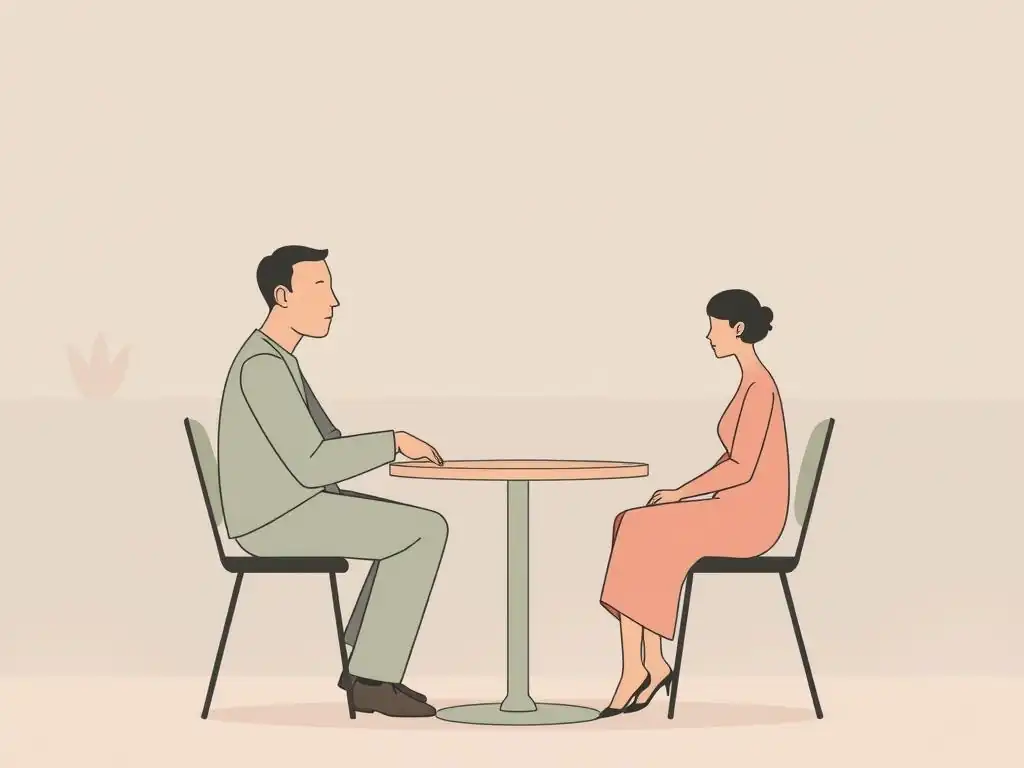
Navigating the world of online dating vulnerability on a first date requires a keen awareness of potential red flags. These aren't always dramatic; often, they're subtle inconsistencies or behaviors that signal a mismatch in values or a potential lack of respect. For example, a significant discrepancy between their online profile and their in-person demeanor should raise an eyebrow. Perhaps their photos are heavily filtered, or their conversation online was engaging and witty, but in person, they're quiet and withdrawn. This could indicate a lack of authenticity, a common red flag in online dating. Another warning sign is a controlling or overly possessive attitude, even early on.
Statements like "You shouldn't be talking to other people" or excessive questioning about your past relationships should be taken seriously. These actions demonstrate a potential for unhealthy relationship dynamics. Similarly, pay attention to how they treat service staff. Disrespectful behavior towards others reflects their character and how they might treat you in the future. Remember, online dating vulnerability involves calculated risk, but it shouldn't be reckless. Trust your intuition; if something feels off, it probably is.
Prioritizing your safety and well-being is paramount. If you notice several red flags, don't hesitate to end the date and prioritize your safety. Learning to recognize these subtle cues can significantly reduce the risk of encountering harmful or manipulative individuals. It's crucial to remember that building trust is a process, not a destination, and respecting your own boundaries is a key component of that process. Your safety and comfort should always come first.
Knowing When to End a Date Early
Knowing when to cut a date short is a crucial aspect of online dating vulnerability. It’s perfectly acceptable, and often advisable, to end a date early if you feel uncomfortable or unsafe. You don't owe anyone a lengthy interaction if your gut feeling is telling you something's wrong. This might manifest in several ways. Perhaps the conversation is consistently one-sided, or you're experiencing a feeling of being pressured or manipulated. Maybe their behavior is making you uneasy, even if you can't pinpoint a specific reason.
Trust your instincts; your intuition is a powerful tool. Having a pre-arranged exit strategy can help. Let a friend or family member know where you're going, who you're meeting, and when you expect to be home. Regularly check in with them during the date. Having a designated "check-in" time can also serve as a natural way to end the date if things aren't going well. If you feel genuinely unsafe, don't hesitate to leave immediately.
Prioritize your well-being above all else. You have the right to end a date at any point for any reason. Remember, a successful first date isn't measured by its length but by your safety and comfort level. It's better to end a date early and protect yourself than to prolong an uncomfortable or potentially dangerous situation. Online dating involves inherent risks, and learning to recognize when to prioritize your safety is a vital skill for navigating this landscape successfully. Ending a date early doesn't mean you've failed; it means you've prioritized your well-being, which is always the most important thing.
Building Long-Term Trust After a Vulnerable First Date
Sharing vulnerability on a first date, especially in the context of online dating, is a brave step. It requires immense trust and a willingness to be open and honest with someone you've only recently met. Building long-term trust after such a date isn't a one-time event; it's an ongoing process requiring consistent effort and mindful communication.
The success of this process hinges on several key factors, including consistent communication, respect for boundaries, and a continued understanding of each other's love languages. This section will delve into the practical steps you can take to cultivate a strong and lasting connection after a vulnerable first date. Remember, building trust takes time, patience, and a genuine commitment to the relationship.
Maintaining Open Communication Post-Date
Following a vulnerable first date, maintaining open communication is paramount. This isn't about constant messaging; it's about consistent, meaningful interaction. A simple text expressing your enjoyment of the date ("I had a wonderful time getting to know you last night!") goes a long way. However, genuine connection necessitates deeper conversations.
For example, you might follow up with a message referencing a shared experience or a topic discussed, showing you were truly listening and engaged. Consider questions like, "I was thinking about our conversation about [topic discussed]. What are your thoughts on [related question]?" This demonstrates genuine interest and encourages further dialogue.
Avoid bombarding your date with messages, but aim for a balanced exchange that demonstrates attentiveness and respect. Consistent, meaningful communication fosters a sense of security and strengthens the foundation of trust. The goal is to build a rhythm of communication that feels natural and comfortable for both individuals. This involves active listening and responding thoughtfully, rather than simply reacting.
Respecting Boundaries and Personal Space
Respecting boundaries is crucial in any relationship, especially when navigating the complexities of online dating vulnerability first date. After a vulnerable first date, it’s important to remember that everyone has different comfort levels and needs regarding personal space and contact. Some people might prefer frequent communication, while others might require more time and space to process their emotions. It's essential to be sensitive to these individual differences. Respecting someone's need for space doesn't mean a lack of interest; rather, it indicates emotional intelligence and consideration. Observe your date's communication style and adjust your approach accordingly. If they seem overwhelmed or distant, give them the space they need without overanalyzing. Avoid pressuring them to share more than they're comfortable with. Openly asking, "Is there anything I can do to make you feel more comfortable?" can show that you value their feelings and are committed to building trust in a healthy way.
The Ongoing Role of Love Languages in Relationship Building
Understanding and applying love languages continues to play a significant role in building a strong, trusting relationship beyond the first date. Remember, the way you express and receive love significantly impacts how you build trust. If your date's primary love language is words of affirmation, continue to express your appreciation and admiration through thoughtful messages and compliments.
If it's acts of service, show your care through small gestures and helpful actions. Consistent demonstration of love in their preferred language reinforces feelings of security and strengthens the bond between you. Regularly checking in to understand if your actions align with their love language shows ongoing commitment and strengthens the foundation of trust.
This continued effort to understand and meet their emotional needs fosters a deeper connection and strengthens the relationship's resilience. Remember, love languages aren't static; they can evolve over time. Maintaining open communication about your love language preferences ensures that your relationship continues to thrive and that trust remains a cornerstone of your connection.

Online dating vulnerability on a first date can feel daunting, but understanding your love language and your date's communication style can significantly increase your comfort level and build trust. This step-by-step guide will help you navigate this crucial aspect of online dating, fostering genuine connection and reducing anxiety. Remember, building trust takes time and mutual respect; this process focuses on creating a foundation for healthy, meaningful relationships.
Step 1: Self-Reflection and Identifying Your Love Language
Before even considering a first date, understanding your own love language is paramount. Knowing how you best receive and express love allows you to communicate your needs and boundaries effectively, setting the stage for a safe and vulnerable interaction. There are five primary love languages:
- Words of Affirmation: Do you feel most loved through compliments, praise, and verbal expressions of affection?
- Acts of Service: Are thoughtful gestures and helpful actions your primary way of receiving and expressing love?
- Receiving Gifts: Do gifts, both big and small, hold significant meaning for you?
- Quality Time: Do you value undivided attention and meaningful conversations above all else?
- Physical Touch: Do hugs, cuddles, and other forms of physical affection make you feel loved and secure?
Identifying your dominant love language helps you understand what makes you feel safe and valued. For example, if your love language is "Words of Affirmation," you might appreciate a date who is verbally expressive and readily shares compliments. Conversely, if your love language is "Acts of Service," you might feel more comfortable with someone who demonstrates care through helpful actions. Take some time for honest self-reflection; understanding your needs is the first step towards healthy relationships. Consider taking a free online love language quiz to help solidify your understanding.
Step 2: Assessing Potential Partners' Communication Styles
Once you've identified your love language, it's time to consider your potential partner's communication style. Online dating provides limited information, but pay close attention to their messages. Do they readily share personal details? Are they responsive and respectful in their communication? Do their messages reflect any of the five love languages? For instance, someone who frequently sends thoughtful messages expressing appreciation might have "Words of Affirmation" as their dominant love language. Someone who consistently offers to help or plan activities might prioritize "Acts of Service."
Analyzing their communication style can help you anticipate how they might approach vulnerability on a first date. This isn't about predicting their behavior perfectly; it's about gathering clues to help you manage your expectations and feel more prepared. Remember, inconsistencies between online communication and in-person behavior can occur, so remain open-minded yet cautious. Trust your instincts; if something feels off, don't hesitate to proceed with caution or end the conversation.
Step 3: Planning a Safe and Comfortable First Date
Planning a safe and comfortable first date is crucial for managing online dating vulnerability. Consider these factors:
| Factor | Considerations | Example |
|---|---|---|
| Location | Choose a public, well-lit place where you feel safe and in control. | Coffee shop, busy restaurant, museum |
| Duration | Keep the first date relatively short, allowing for an easy exit if needed. | 1-2 hours |
| Transportation | Arrange your own transportation to and from the date. | Drive yourself, take a taxi or rideshare, use public transit |
| Activity | Select an activity that allows for conversation but also provides a buffer. | Walking tour, casual game of bowling, coffee date |
| Communication | Communicate your boundaries and expectations clearly and respectfully beforehand. | "I'm looking forward to meeting you, and I feel most comfortable in public places." |
Remember, your comfort and safety are paramount. Don't feel pressured to do anything that makes you uncomfortable. A successful first date is about building a connection based on mutual respect and trust, not about meeting unrealistic expectations. If, at any point, you feel uneasy or unsafe, trust your instincts and leave. Your well-being is always the priority. Prioritize your safety and don't hesitate to inform a friend or family member of your plans. Having a safety net can ease anxiety and enhance the overall experience.
Step 4: Practicing Open and Honest Communication
Open and honest communication is the cornerstone of building trust, especially in the context of online dating vulnerability and first dates. It's about more than just exchanging pleasantries; it's about creating a safe space where both individuals feel comfortable expressing themselves authentically. This requires active listening, empathy, and a willingness to be vulnerable yourself. Before your date, consider what aspects of yourself you're comfortable sharing and which ones you'd prefer to keep private, at least initially. Remember, vulnerability is a gradual process, not a race.
For example, instead of simply stating, "I love hiking," you could share a specific anecdote: "I recently went hiking in Yosemite, and it was incredible. The views were breathtaking, but honestly, I almost slipped a few times! It made me realize how much I appreciate the challenge and beauty of nature." This personal touch reveals more about your personality and values than a simple statement.
During the date itself, pay close attention to your date's body language and verbal cues. If they seem hesitant to share, respect their boundaries. Conversely, if they are opening up to you, reciprocate by sharing your own experiences and feelings, ensuring the conversation remains balanced and reciprocal. Avoid dominating the conversation or steering it in directions that make your date uncomfortable.
The goal is to create a dialogue, not a monologue. Honest communication also includes expressing your needs and boundaries clearly and respectfully. If something makes you uncomfortable, don't hesitate to address it directly but calmly.
Remember, building trust takes time and effort. Don't expect complete transparency on a first date, and don't pressure your date to share more than they are comfortable with. Focus on creating a positive and respectful environment where genuine connection can flourish. This approach significantly reduces the risks associated with online dating vulnerability and fosters a healthier, more fulfilling dating experience.
Step 5: Evaluating the Date and Deciding Next Steps
After your first date, take some time for self-reflection. This isn't about immediately judging whether this person is "the one," but rather about honestly assessing how you felt during the date and whether you felt safe and respected. Did the conversation flow naturally? Did you feel comfortable being yourself? Did your date reciprocate your vulnerability? Consider not only the romantic aspects but also the practical ones. Did you feel physically safe throughout the date? Were there any red flags that you might have overlooked in the initial online interactions?
Analyzing your feelings and the date's dynamics is crucial to making informed decisions about next steps. If you felt comfortable, respected, and genuinely connected, consider suggesting a second date. If, however, you felt uncomfortable, unsafe, or manipulated at any point, it’s perfectly acceptable—even recommended—to not pursue a second date. Trust your instincts; they are often very accurate. Your safety and well-being are paramount. Remember that online dating involves inherent risks, and protecting yourself is always a priority.
Documenting your feelings and observations after each date can be beneficial in the long run. This process allows you to recognize patterns in your dating experiences and learn from both positive and negative encounters. This self-awareness is invaluable in navigating online dating vulnerability and building healthy relationships. Ultimately, evaluating your dates and making decisions based on your gut feeling and well-being is a crucial part of the online dating journey. Prioritizing your emotional and physical safety shouldn't be viewed as a negative; it's a vital aspect of creating a successful and fulfilling dating experience.
Frequently Asked Questions
How can I avoid vulnerability on a first date?
It's impossible to completely avoid vulnerability, but you can control the pace. Start with low-risk topics and share information gradually. Observe your date's reactions before disclosing deeply personal details.
Focus on positive experiences and accomplishments. Share your hobbies and interests, showcasing your personality without revealing overly personal or sensitive information. Remember, it's a first date; keep it light and fun.
How can understanding love languages help me feel safer on a first date?
Knowing your and your date's love languages can improve communication and build trust. If you know their primary love language, you can tailor your interactions to make them feel more comfortable and understood, reducing feelings of vulnerability.
This depends on your comfort level and the context. Listen actively and show empathy, but you are not obligated to reciprocate. Focus on creating a safe and balanced exchange of information. If it feels too much, you can gently redirect the conversation.
Pay attention to dismissive behavior, controlling tendencies, or pressure to share more than you're comfortable with. Trust your instincts; if something feels off, it probably is. Prioritize your safety and well-being above all else.
Final Reflection: Bridging the Gap: Vulnerability and Connection in Online Dating
The vulnerability required for genuine connection in online dating is often underestimated, yet it's the very key that unlocks meaningful relationships. Building trust, especially in the initial stages of meeting someone online, requires a delicate balance of self-disclosure and careful observation, understanding how your own love language intersects with your date's. Ignoring this crucial element can lead to frustrating experiences and missed opportunities for lasting connections.
The impact of understanding love languages extends far beyond the first date; it shapes the entire trajectory of a relationship. It's a framework for understanding how people express and receive affection, influencing communication styles and expectations of intimacy. As we navigate the increasingly digital landscape of dating, recognizing these nuances becomes even more critical. The most important thing in communication is hearing what isn't said.
- Peter Drucker. This quote highlights the importance of observing nonverbal cues and understanding unspoken needs, a crucial aspect of navigating the complexities of first date vulnerability.
Now, consider your own love language. How do you express and receive love? How might this influence your approach to online dating and your expectations of a first date?
Take the time to reflect on these questions, and actively work towards understanding your own needs and those of your potential partners. Embrace vulnerability as a strength, not a weakness; it's the pathway to authentic connection and lasting love. By understanding the power of love languages and the importance of thoughtful self-disclosure, you can transform your online dating experience from a series of superficial encounters into a journey towards meaningful relationships.
Unveil Your Dating Potential: Speak the Language of Love
Thanks for exploring the world of love languages and the importance of vulnerability on a first date! You've gained valuable tools to build stronger connections. Ready to put this knowledge into action? Let's elevate your dating experience.
- Understand your primary love language and those of potential partners: Use this insight to personalize your communication and approach on future dates. This will make initial conversations feel more genuine and meaningful.
- Discuss your experiences with a friend: Compare how you identify love languages and navigate vulnerability in dating. This could lead to insightful conversations and shared learning.
- Show appreciation for a potential partner using their preferred love language: Try expressing your appreciation in a way that resonates deeply with them. This simple act of intentional communication can significantly improve your interactions and foster trust and connection.
Ready to experiment with expressing love authentically and see your dating success flourish?