
Decoding Your Dates: Understanding Attachment Styles in Online Profiles


Ready to unlock the secrets to online dating success? At OnlineDatingSuccess.org, we help you navigate the complexities of finding meaningful connections. But what if your dating profile itself is hindering your chances? This article delves into the fascinating world of online dating attachment style profiles, revealing how your attachment style subtly (and sometimes not-so-subtly) impacts your online presence. Discover how understanding your own attachment style—and those of potential partners—can transform your online dating experience, leading you closer to the fulfilling relationship you deserve. Let's dive in!
- Understanding Attachment Styles and Their Impact on Online Dating Profiles
- Crafting a Profile that Reflects Your Healthy Attachment Style
- Attracting Compatible Partners Based on Attachment Style
- Recognizing Incompatible Attachment Styles and Avoiding Potential Issues
- Using Attachment Style Knowledge for Successful Online Dating
- Attachment Style and Online Dating Profile Optimization: A Practical Guide
-
Frequently Asked Questions
- How can I identify attachment styles in online dating profiles?
- What is the significance of understanding attachment styles in online dating?
- Are there specific keywords or phrases to look for in profiles indicating different attachment styles?
- Can I change my attachment style to improve my online dating experience?
- How does OnlineDatingSuccess.org help me with this?
- Final Reflection: Navigating Love's Digital Landscape
- Unlock Your Dating Potential: Find Your Perfect Match
Understanding Attachment Styles and Their Impact on Online Dating Profiles
Navigating the world of online dating can feel like deciphering a complex code. While attractive photos and witty bios are important, understanding the underlying attachment styles of potential partners can significantly improve your online dating experience and increase your chances of building a meaningful connection. This article delves into the fascinating intersection of attachment theory and online dating profiles, providing you with the tools to identify different attachment styles and ultimately, make more informed decisions about who you choose to connect with.
We'll explore how secure, anxious, and avoidant attachment styles manifest in online profiles, highlighting key characteristics and red flags to watch out for. By becoming more attuned to these subtle cues, you can navigate the complexities of online dating with greater self-awareness and confidence, ultimately increasing your chances of finding a compatible partner.
Learning to recognize these patterns will empower you to create healthier, more fulfilling relationships. This knowledge is invaluable for anyone seeking genuine connection in the digital age, helping you to avoid potential pitfalls and focus your energy on compatible matches.
Identifying Your Attachment Style: Secure, Anxious, Avoidant
Before we dive into how attachment styles appear in online profiles, it's crucial to understand the three main attachment styles: secure, anxious, and avoidant. These styles stem from our early childhood experiences and significantly shape our adult relationships.
- Secure Attachment: Individuals with a secure attachment style generally have a positive view of themselves and others. They feel comfortable with intimacy and independence, easily forming close relationships. They tend to be confident and trusting.
- Anxious Attachment: Those with an anxious attachment style often worry about abandonment and crave constant reassurance. They may have a negative view of themselves and fear rejection. They often seek excessive validation and can become clingy in relationships.
- Avoidant Attachment: People with an avoidant attachment style tend to value independence and avoid intimacy. They may fear closeness and commitment, prioritizing autonomy over connection. They often suppress their emotions and may struggle with expressing vulnerability.
Understanding your own attachment style is the first step towards navigating the complexities of online dating successfully. Recognizing your tendencies and potential blind spots can help you approach online interactions with greater self-awareness and avoid repeating past relationship patterns.
How Attachment Style Manifests in Online Dating Profiles: Examples and Red Flags
Now that we understand the three main attachment styles, let's explore how they manifest in online dating profiles. Remember, these are general tendencies, and individual profiles will vary. Look for clusters of behaviors rather than relying on single indicators.
Recognizing Secure Attachment in Online Dating Profiles
Profiles reflecting a secure attachment style often showcase:
- Authenticity and self-acceptance: Photos and bios portray a realistic and positive self-image, free from excessive self-promotion or negativity.
- Clear communication of desires and boundaries: They clearly state what they are looking for in a relationship and what their boundaries are.
- Balanced presentation of independence and desire for connection: They highlight their interests and hobbies while also expressing a desire for a meaningful relationship.
- Positive and optimistic language: The overall tone of the profile is optimistic and positive, reflecting a healthy self-esteem.
Spotting Anxious Attachment in Online Dating Profiles
Profiles exhibiting anxious attachment might include:
- Excessive need for validation: Bios may constantly seek reassurance or approval, using phrases like "looking for my soulmate" or "hoping to find 'the one'".
- Overly detailed profiles: They might overshare personal information or seem desperate for a connection.
- Negative self-talk or self-deprecating humor: They might express self-doubt or insecurity in their profile.
- Multiple photos showcasing different aspects of their personality: They might try too hard to impress, showcasing a wide range of activities and interests.
Identifying Avoidant Attachment in Online Dating Profiles
Profiles reflecting avoidant attachment might display:
- Minimal personal information: Bios may be short, vague, or lacking in detail about their personality or interests.
- Focus on independence and self-sufficiency: They might emphasize their independence and accomplishments without expressing a desire for close relationships.
- Limited or generic photos: They might use few photos or generic images, avoiding showing themselves in vulnerable situations.
- Avoidance of emotional expression: The profile conveys a lack of emotional depth or vulnerability.
Remember, identifying attachment styles from online profiles requires careful observation and an understanding that these are generalizations. Always prioritize getting to know someone beyond their profile before making assumptions. Using this knowledge as a tool for self-awareness and better decision-making in the online dating world can significantly enhance your experience and lead to more fulfilling connections.
Crafting a Profile that Reflects Your Healthy Attachment Style
Understanding your attachment style is crucial for navigating the online dating world successfully. A secure attachment style, characterized by trust, autonomy, and comfort with intimacy, generally leads to healthier relationships. However, even those with secure attachments can inadvertently project insecurity in their online profiles. This section focuses on how to craft a profile that authentically reflects a healthy, secure attachment, attracting compatible partners. We'll explore techniques to showcase your best self while avoiding common pitfalls. Mastering this will significantly improve your online dating experience and increase your chances of finding a meaningful connection.
Optimizing Your Online Dating Profile for Attraction Based on Attachment Style
Your online dating profile is your first impression – a digital handshake. For those with a secure attachment style, the goal is to present a balanced and authentic portrayal. Avoid overly boastful or self-deprecating language. Instead, focus on showcasing your interests and values in a genuine manner. Think about what makes you unique and interesting. What are your passions? What are you looking for in a partner? Answer these questions honestly and succinctly.
Consider using high-quality photos that reflect your personality and lifestyle. A diverse range of images showcasing your hobbies and social life paints a more complete picture than a single, posed headshot. Remember, authenticity is key; presenting a false image will ultimately lead to disappointment.
Here's a simple table to illustrate the difference between a profile reflecting insecure and secure attachment:
| Insecure Attachment Profile | Secure Attachment Profile |
|---|---|
| Uses generic phrases and clichés | Uses specific examples and details |
| Focuses heavily on seeking validation from potential partners | Focuses on sharing personal interests and values |
| Presents an idealized or unrealistic version of themselves | Presents a realistic and balanced self-portrait |
| Uses excessive negativity or self-deprecation | Maintains a positive and optimistic tone |
Successfully optimizing your profile for attraction means highlighting your positive qualities without appearing arrogant or needy. This is a subtle but crucial aspect of online dating success.
Using Language and Tone to Convey Secure Attachment in Your Profile
The words you choose and the tone you adopt significantly impact how others perceive you. A secure attachment style is reflected in confident, positive, and open communication. Avoid using language that is overly negative, desperate, or demanding. For example, phrases like "Looking for my soulmate" or "Tired of dating apps" can project insecurity and desperation. Instead, opt for positive and forward-looking statements.
Consider using active voice and descriptive language. Instead of writing "I like to travel," try "I recently explored the ancient ruins of Machu Picchu and am planning a trip to Japan next year." This paints a more vivid picture of your personality and interests. This detailed approach allows potential matches to connect with your genuine self and understand your values. The use of specific examples is a clear indicator of confidence and self-awareness.
Projecting Confidence and Self-Awareness in Your Online Dating Profile
Projecting confidence and self-awareness is paramount in online dating. This doesn't mean boasting or bragging; rather, it's about presenting yourself as someone who is comfortable in their own skin and knows what they want. A secure attachment style is characterized by a strong sense of self, and this should be evident in your profile.
You can project confidence by:
- Highlighting your achievements: Briefly mention professional successes or personal accomplishments that make you proud. Avoid excessive self-promotion, but don't be afraid to showcase your strengths.
- Expressing your values: Clearly articulate your values and beliefs. This helps attract individuals who share your worldview.
- Being assertive in your communication: When messaging potential matches, be direct and clear about your intentions. Avoid playing games or sending mixed signals.
- Maintaining healthy boundaries: Don't be afraid to say no to dates or interactions that don't feel right. This showcases your self-respect and maturity.
Remember, your online dating profile is a reflection of you. By presenting an authentic and confident image, you'll attract individuals who appreciate and value your genuine self, leading to more fulfilling and meaningful connections. Embrace your strengths, highlight your passions, and let your secure attachment shine through.
Attracting Compatible Partners Based on Attachment Style
Understanding your own attachment style is only half the battle. To truly thrive in online dating, you need to learn how to identify and attract partners with compatible attachment styles. This involves a nuanced understanding of how different styles interact and the potential for harmonious relationships. Successfully navigating the online dating world requires recognizing the subtle cues within profiles that hint at a person's attachment style. This section will explore how to spot potential compatibility based on profile information.
Identifying Compatible Attachment Styles in Potential Partners
Finding a compatible partner involves recognizing similar emotional needs and communication styles. For example, if you identify as securely attached, you're likely to thrive with other securely attached individuals. These relationships often feature open communication, mutual trust, and a balanced give-and-take.
Look for profiles that reflect these qualities: phrases like "I value open communication," "I'm looking for a genuine connection," or "I enjoy spending quality time with loved ones" can be indicators of secure attachment. Conversely, if you're an anxiously attached individual who thrives on reassurance and frequent communication, you might find a more stable partnership with someone who is securely attached and capable of offering that emotional support. However, be cautious of pairing with another anxiously attached person; this combination can lead to heightened anxieties and insecurity within the relationship.
Profiles exhibiting signs of secure attachment often showcase a balanced lifestyle, indicating a sense of self-sufficiency and independence. They might mention hobbies, interests, and a strong sense of self. Avoid profiles that appear overly dependent or clingy, particularly if you are not also anxiously attached. Remember, a successful online dating experience hinges on recognizing and appreciating the subtle differences in communication styles and emotional needs.
The key is to find a partner whose approach to relationships resonates with your own. Avoid focusing solely on superficial aspects; delve deeper into the nuances of their self-description to uncover their underlying attachment style. Matching attachment styles doesn't guarantee success, but it significantly increases the odds of a healthy, fulfilling relationship.
Recognizing Incompatible Attachment Styles and Avoiding Potential Issues
While compatibility is key, recognizing potential incompatibility is equally important to avoid unnecessary heartache and wasted time. Identifying red flags early on in the online dating process can save you from potentially damaging relationships. This section will highlight some common incompatibilities and strategies for recognizing them in online profiles.
Recognizing Incompatible Attachment Styles and Avoiding Potential Issues
Incompatible attachment styles can lead to significant challenges. For instance, a relationship between an anxiously attached individual and an avoidantly attached individual is often fraught with difficulties. The anxiously attached person's need for constant reassurance and frequent contact may be met with withdrawal and emotional unavailability from the avoidantly attached partner.
This can result in a cycle of anxiety and frustration for the anxiously attached individual and feelings of being overwhelmed or suffocated for the avoidantly attached person. Look for indicators of avoidant attachment in profiles: a lack of personal details, vague descriptions of relationships, or a focus on independence to the exclusion of intimacy. These individuals might highlight their self-sufficiency to a degree that feels defensive or emotionally distant.
Another challenging combination is between two anxiously attached individuals. While they might initially find common ground in their desire for intense connection, the relationship can quickly become overwhelming, filled with jealousy, insecurity, and constant need for validation. Profiles reflecting this might show a strong need for external validation, a history of relationship instability, or a tendency towards dramatic language. Understanding these potential pitfalls helps you make informed decisions about who to pursue and who to avoid.
Remember, recognizing these patterns doesn't mean judging individuals, but rather making conscious choices to increase your chances of finding a compatible and fulfilling relationship. The goal is to build healthy connections; recognizing incompatible attachment styles is a crucial step in achieving that goal. By understanding these dynamics, you can proactively navigate the complexities of online dating and increase your chances of finding lasting love.
Using Attachment Style Knowledge for Successful Online Dating
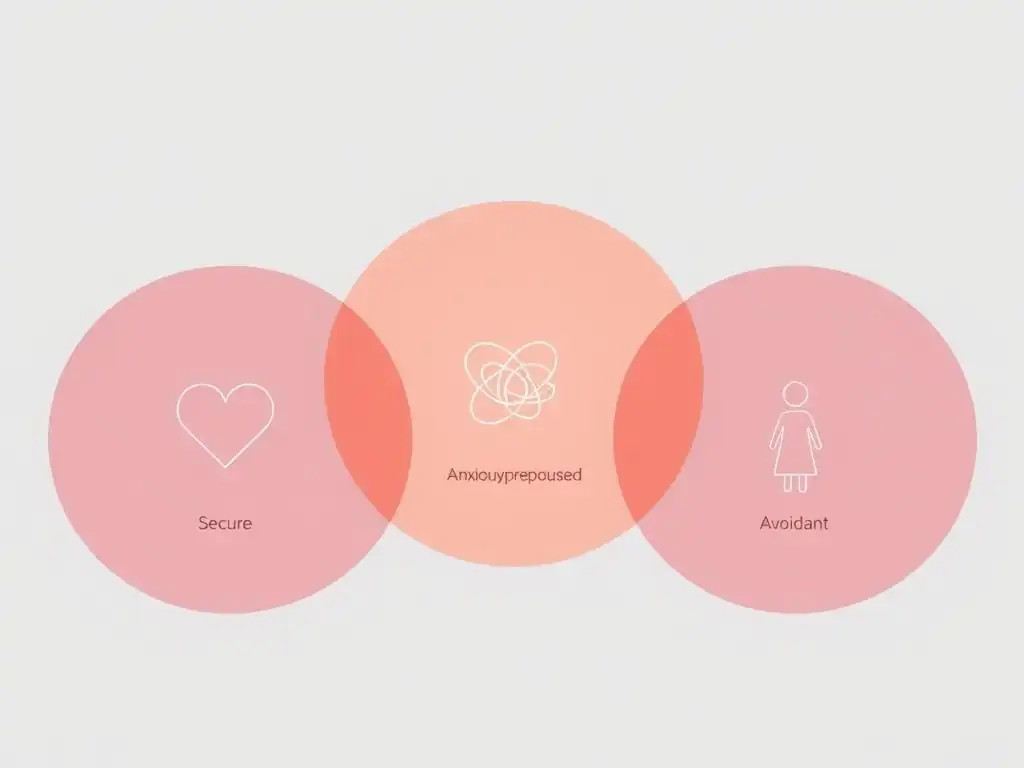
Understanding your own attachment style and recognizing those of potential partners is a powerful tool in online dating. This knowledge allows for more mindful interactions, leading to healthier relationships. By understanding the nuances of different attachment styles – secure, anxious-preoccupied, dismissive-avoidant, and fearful-avoidant – you can anticipate potential communication patterns and relationship dynamics, ultimately increasing your chances of finding a compatible partner. This isn't about labeling people; it's about self-awareness and proactive communication. Think of it as equipping yourself with a map to navigate the often-complex terrain of online dating.
Improving Communication Based on Attachment Styles in Online Interactions
Effective communication is paramount in online dating, and understanding attachment styles significantly enhances this process. For instance, individuals with an anxious-preoccupied attachment style often crave frequent communication and reassurance. Knowing this, you can adjust your communication style to provide appropriate levels of contact without overwhelming them or appearing overly distant. Conversely, someone with a dismissive-avoidant attachment style might prefer less frequent, more independent communication. Respecting these preferences is key to building rapport.
Consider this example: Let's say you're messaging someone, and they respond sporadically. If you recognize that this might stem from a dismissive-avoidant attachment style, you can avoid over-messaging, which could push them further away. Instead, you could focus on sending thoughtful, well-spaced messages, showing interest without being demanding. Conversely, if someone is constantly messaging you, seeking constant validation, recognizing an anxious-preoccupied attachment style can help you respond with reassuring but measured messages, avoiding the potential for feeling smothered or overwhelmed. This mindful approach fosters healthier interactions and reduces potential misunderstandings. Remember, empathy and understanding are crucial.
Recognizing attachment styles helps predict potential relationship dynamics. For example, a relationship between two individuals with anxious-preoccupied attachment styles might be characterized by intense emotional connection but also potential conflict arising from heightened insecurities and anxieties. On the other hand, a pairing of dismissive-avoidant individuals might experience a lack of emotional intimacy, potentially leading to feelings of emptiness or disconnect. Understanding these dynamics allows you to anticipate potential challenges and develop strategies to address them proactively.
It's important to note that these are general tendencies, and individual experiences vary greatly. However, understanding these broad patterns can offer valuable insights into potential relationship dynamics. For instance, a secure individual partnered with an anxiously attached individual might need to learn to offer reassurance without enabling codependency. Conversely, an anxiously attached individual might need to learn to manage their own anxieties and trust their partner’s commitment. This self-awareness and understanding are essential for navigating the complexities of online dating relationships.
Building Healthy Relationships Through Self-Awareness of Attachment Style in Online Dating
Self-awareness is the cornerstone of building healthy relationships in online dating. Understanding your own attachment style allows you to recognize your communication patterns, emotional needs, and potential relationship pitfalls. This self-knowledge is crucial for selecting partners who are compatible with your needs and for managing your expectations. It helps you to identify potential red flags and avoid relationships that are likely to be unhealthy or unsustainable.
For example, if you identify as having an anxious-preoccupied attachment style, you might be more prone to seeking validation and reassurance constantly. Understanding this tendency allows you to actively work on building self-esteem and managing your anxiety levels, leading to healthier relationship dynamics. This proactive approach increases the likelihood of forming a secure and fulfilling relationship.
Remember, online dating is about finding a compatible partner, but it's equally important to bring your best self to the table, and that starts with understanding yourself. The journey to healthier relationships begins with self-awareness – a powerful tool in the world of online dating. Knowing your attachment style is a significant step towards achieving online dating success.
Attachment Style and Online Dating Profile Optimization: A Practical Guide
This section delves into the practical application of understanding attachment styles to optimize your online dating profile. Knowing your attachment style—whether secure, anxious-preoccupied, dismissive-avoidant, or fearful-avoidant—allows you to craft a profile that accurately reflects your personality and attracts compatible partners. This isn't about deception; it's about presenting yourself authentically in a way that resonates with those who share similar attachment needs and relationship styles. Ignoring your attachment style can lead to mismatched connections and frustrating dating experiences. By understanding your tendencies, you can avoid common pitfalls and create a profile that genuinely attracts the right people.
Case Study: Analyzing Successful Profiles with Different Attachment Styles
Let's examine successful profiles showcasing various attachment styles. Remember, these are illustrative examples, and individual profiles will vary.
Secure Attachment Style Profile Example:
A secure individual might present a profile that is balanced and positive. Their photos might showcase genuine smiles and diverse activities, reflecting a well-rounded life. Their bio might mention hobbies, career aspirations, and a desire for a genuine connection, highlighting their emotional availability and self-confidence. They might use language that is direct, honest, and optimistic, such as: "Looking for a genuine connection with someone who values open communication and shared experiences." This reflects their comfort with intimacy and independence.
Anxious-Preoccupied Attachment Style Profile Example:
An anxious-preoccupied individual's profile might reveal a higher need for validation and reassurance. Their photos might portray them in various settings, potentially seeking to show off their attractiveness or social life. Their bio might express a strong desire for a relationship, possibly with slightly more intense or needy language. They might emphasize their loyalty and commitment, perhaps even hinting at a desire for quick intimacy. For example, "Hoping to find my soulmate and build a life together, someone who is ready for commitment." This showcases their yearning for closeness and fear of abandonment.
Dismissive-Avoidant Attachment Style Profile Example:
A dismissive-avoidant individual might present a profile that appears independent and self-sufficient, perhaps even aloof. Their photos might be limited, showcasing a more independent lifestyle. Their bio might focus on achievements and activities, minimizing emotional details or vulnerability. Their language might be more casual or even detached. For example, "Enjoying life, exploring new things. If you're cool, let's connect." This reflects their need for space and avoidance of vulnerability.
Fearful-Avoidant Attachment Style Profile Example:
A fearful-avoidant individual’s profile might be inconsistent, reflecting their internal conflict between wanting closeness and fearing intimacy. Their photos might be a mixed bag, and their bio could be contradictory, expressing both a desire for connection and a sense of hesitancy or self-doubt. They might use language that is cautious and ambivalent. For example, "Not sure what I'm looking for, but open to seeing what happens." This reflects their internal conflict and fear of both intimacy and rejection.
Case Study: Identifying Unhealthy Relationship Patterns Based on Attachment Style in Online Profiles
Analyzing profiles through the lens of attachment styles can help identify potential red flags indicative of unhealthy relationship patterns.
| Attachment Style | Potential Red Flags in Online Profiles | Example Phrases |
|---|---|---|
| Anxious-Preoccupied | Excessive neediness, desperation, overly-detailed descriptions of past trauma, focusing solely on finding “the one” immediately. | "I've been hurt before, but I know you're different," "I'm ready for a serious relationship NOW," "I'm looking for my soulmate." |
| Dismissive-Avoidant | Limited personal information, vague descriptions, lack of emotional vulnerability, focus on superficial achievements. | "Just looking for fun," "Busy person, keep it short and sweet," "Not into drama." |
| Fearful-Avoidant | Inconsistent messaging, contradictory statements, self-deprecating language, expressing both desire and fear of commitment. | "I want a relationship but I'm scared of getting hurt," "I'm not sure if I'm ready for this," "I'm a bit of a mess." |
Understanding these patterns can help you make more informed decisions about who to connect with and avoid potentially problematic relationships. Remember, these are potential indicators, and further interaction is necessary to accurately assess an individual's personality and relationship dynamics. However, paying attention to these subtle cues in online dating profiles can significantly improve your online dating experience and help you find a more compatible match.
Frequently Asked Questions
How can I identify attachment styles in online dating profiles?
Look for clues in their photos and writing style. Someone with an anxious attachment style might post many selfies or express a desperate need for a relationship. Avoidant profiles might be scarce on personal details or lack emotional expression.
What is the significance of understanding attachment styles in online dating?
Knowing your own and your potential date's attachment style can help you predict relationship dynamics and avoid potential incompatibilities. It allows for more informed choices and better communication.
Are there specific keywords or phrases to look for in profiles indicating different attachment styles?
While not foolproof, phrases like "needing space" (avoidant), "searching for my person" (anxious), or "committed to a healthy relationship" (secure) can be subtle indicators. Context is crucial, however.
Can I change my attachment style to improve my online dating experience?
While you can't fundamentally change your attachment style, you can become more self-aware and learn healthy coping mechanisms. This self-awareness will improve communication and relationship choices.
How does OnlineDatingSuccess.org help me with this?
OnlineDatingSuccess.org provides practical advice and tools to understand your attachment style and recognize it in others. This knowledge empowers you to create a successful online dating profile and navigate relationships more effectively.
Understanding attachment styles is no longer a niche psychological concept; it's a crucial tool for navigating the complexities of modern relationships, especially within the ever-expanding world of online dating. The ability to recognize your own attachment style and those reflected (often subtly) in online profiles can significantly impact your dating success and overall well-being. This knowledge empowers you to make more conscious choices, fostering healthier connections and avoiding potentially damaging patterns.
The impact of attachment theory on our understanding of relationships is profound, extending far beyond the confines of online dating. It sheds light on the recurring patterns we see in our romantic lives, helping us understand why certain dynamics repeat themselves. As the poet Rupi Kaur so eloquently stated, love yourself first and everything else falls into line. You unexpectedly become a magnet for the things—other people, opportunities, experiences—that are good for you.
Recognizing your attachment style is the first step in that self-love journey, allowing you to build relationships based on authenticity and mutual respect, rather than repeating past hurts.
Now, consider your own attachment style. How does this knowledge inform your approach to online dating? Are you consciously seeking partners who complement your style, or are you inadvertently drawn to those who trigger old patterns? Take the time to reflect on your experiences, and use the insights gained from this article to cultivate healthier, more fulfilling connections. The journey to understanding love is ongoing, but with self-awareness as your compass, you're well-equipped to navigate the digital landscape and find the love you deserve.
Unlock Your Dating Potential: Find Your Perfect Match
Thanks for exploring the world of attachment styles! You've gained valuable insights into understanding online dating profiles and building stronger connections. Ready to apply this knowledge?
- Craft a dating profile that authentically reflects you. Highlight your best qualities, express your values honestly, and clearly describe the kind of relationship you desire. This is crucial for attracting compatible partners.
- Share this article with a friend who's navigating the online dating scene. Help them interpret those sometimes confusing profiles and enhance their dating experience.
- Reflect on your attachment style and how it influences your dating life. Consider journaling about your insights and any surprising discoveries you've made.
Ready to transform your dating experience and attract a compatible partner using this newfound understanding?