
Stay Safe Online: How to Spot Fake Profiles and Avoid Catfishing Scams


Ready to unlock the secrets to a successful and safe online dating experience? At OnlineDatingSuccess.org, we empower you to navigate the world of online romance with confidence. But first, let's address a critical concern: avoiding online dating scams. Our expert guide on spotting fake profiles and avoiding catfishing will equip you with the knowledge you need to protect yourself and find genuine connections. Dive in and discover how to build a safer, more rewarding online dating journey.
- Understanding Online Dating Scams and Catfishing
- How to Spot Fake Profiles: A Step-by-Step Guide
- Protecting Yourself from Catfishing and Online Dating Scams
- Building Safe Online Dating Habits
- Frequently Asked Questions
- Final Reflection: Navigating the Digital Landscape of Love and Trust
- Unmask the Truth: Take Control of Your Online Safety
Understanding Online Dating Scams and Catfishing
Online dating offers incredible opportunities to connect with people, build relationships, and even find "the one." However, the anonymity afforded by the digital world also attracts individuals with malicious intent. This article focuses on equipping you with the knowledge and strategies to avoid online dating scams and catfishing, crucial aspects of navigating the online dating landscape safely and successfully.
We'll explore how to identify fake profiles, recognize common catfishing techniques, and understand the behavioral patterns of scammers, empowering you to protect yourself and build genuine connections. Learning to spot these red flags is the first step toward a safer and more rewarding online dating experience. Remember, your safety and well-being are paramount, and prioritizing these aspects will significantly enhance your chances of finding a genuine and fulfilling relationship.
This guide provides practical advice, empowering you to take control and avoid becoming a victim. Let's delve into the specifics to help you build confidence and navigate the world of online dating with increased security.
Recognizing Red Flags in Dating Profiles
Many fake profiles share common characteristics. Knowing these red flags can significantly reduce your risk. Pay close attention to the following:
- Photos that are too perfect: Highly professional, model-like photos, or an abundance of pictures with unrealistic angles or lighting can be a warning sign. Be wary of profiles with only selfies or photos that appear to be professionally edited.
- Inconsistent information: Discrepancies between the information provided in the profile (age, location, occupation) and other details found through simple online searches should raise suspicion. Look for contradictions or missing information.
- Vague or generic profiles: Profiles lacking detail, with generic descriptions, or those that avoid providing specific information about their life and interests may be hiding something.
- Requests for money or financial assistance: This is a major red flag. Legitimate daters will not ask for money, especially early in the relationship.
- Overly enthusiastic or romantic language: Beware of profiles that use overly flowery or romantic language, particularly within a short period of interaction. This can be a tactic to quickly gain your trust.
- Lack of personal details: A profile that avoids sharing personal information or avoids answering direct questions about their life could be hiding their true identity.
- Limited or no social media presence: If the profile claims to be active on social media, yet you cannot find any trace of them, this could be a sign of a fake profile. However, remember that some people prefer to keep their online presence private.
Remember, a combination of these red flags is a stronger indicator of a potential scam than a single one. Trust your instincts; if something feels off, it's always better to err on the side of caution. 🕵️♀️
Common Catfishing Techniques
Catfishing involves creating a fake online persona to deceive others. Here are common techniques used by catfishers:
- Stolen photos: Catfishers often steal photos from other social media profiles or modeling websites to create a more appealing profile. Reverse image searches can help you identify if a photo has been stolen.
- Fake identities: They might create entirely fabricated identities, including names, ages, and occupations.
- Manipulative communication: Catfishers often use manipulative communication tactics to build trust and intimacy quickly. They might shower you with compliments, express strong feelings early on, or mirror your interests and values.
- Slow reveal of "truth": They may gradually reveal inconsistencies or contradictions in their story over time, hoping you'll be too invested to question them.
- Creating false urgency: They might create a false sense of urgency, pressuring you to make quick decisions or provide personal information.
It's important to note that catfishing is a form of emotional manipulation and can have significant emotional consequences. Always proceed with caution and take your time getting to know someone online.
Identifying Scammer Behavior
Scammers often employ various tactics to exploit their victims. Be aware of these common behaviors:
- Pressure for quick commitment: They may pressure you into a relationship quickly, avoiding getting to know you properly.
- Consistent requests for personal information: Legitimate daters won't ask for sensitive personal information such as bank details, social security numbers, or passwords.
- Sudden emergencies requiring financial help: They might invent sudden emergencies, like a sick relative or a financial crisis, to manipulate you into sending money.
- Avoidance of video calls or in-person meetings: If someone consistently avoids video calls or in-person meetings, it's a major red flag.
- Inconsistency in their stories: Their stories may have inconsistencies, and they may struggle to provide details or answer specific questions.
By understanding these red flags, techniques, and behaviors, you can significantly reduce your risk of falling victim to online dating scams. Remember, building trust takes time, and if something feels wrong, it probably is. Prioritize your safety and well-being above all else. 💪
How to Spot Fake Profiles: A Step-by-Step Guide
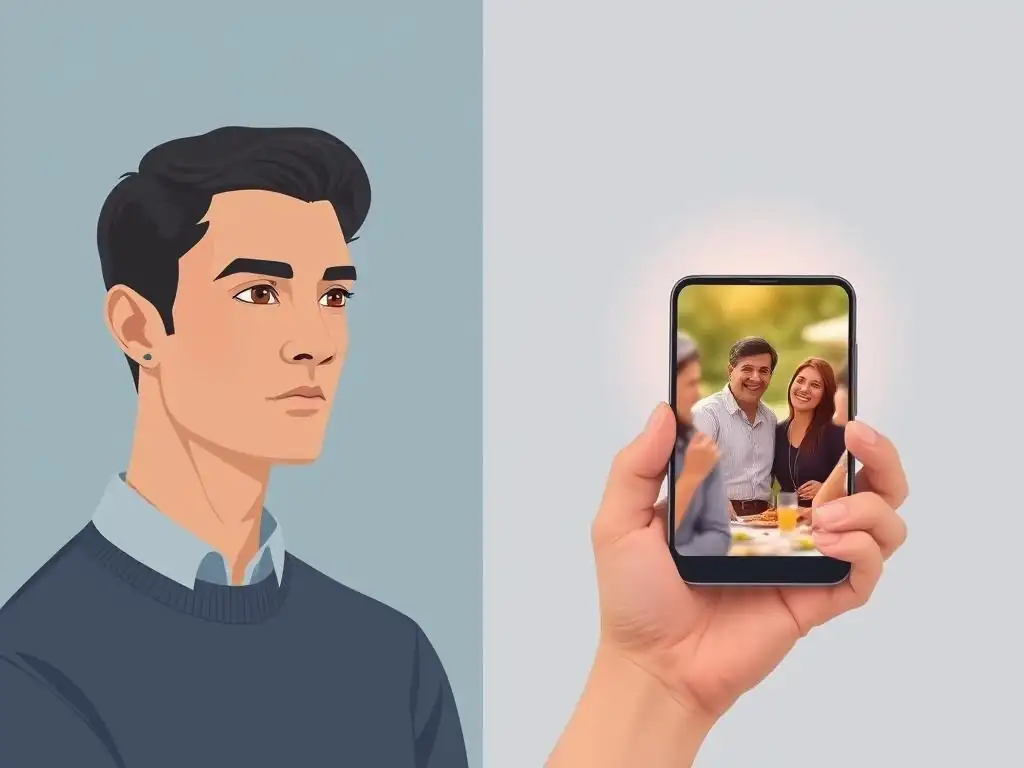
Avoiding online dating scams starts with recognizing fake profiles. Many scammers create profiles with the intention of defrauding or emotionally manipulating their victims. Learning to identify these fake profiles is crucial for your safety and well-being. This section provides a detailed guide to help you spot red flags and protect yourself. Remember, your safety is paramount in the online dating world.
Reverse Image Search for Profile Pictures
One of the most effective ways to detect fake profiles is by performing a reverse image search on the profile picture. This simple technique can reveal whether the image has been stolen from another source. Many scammers use photos lifted from stock image websites or even other people's social media profiles.
To conduct a reverse image search, you simply upload the image to a search engine like Google Images, TinEye, or Yandex Images. The search engine will then return similar images found online. If the image appears on multiple websites unrelated to the dating profile, or if you find the same image associated with a different name or identity, it's a strong indicator of a fake profile. Furthermore, if the search results primarily include stock photo websites, this is another major red flag.
Always be cautious of profiles featuring pictures that appear too perfect or professionally staged; these often signal a potential scam. Don't hesitate to perform this crucial check on every profile that catches your interest. It's a quick and easy step that can save you significant time and emotional distress.
Analyzing Profile Information for Inconsistencies
Beyond the photos, scrutinize the profile's written information for inconsistencies. Scammers often rush through profile creation, leading to errors and contradictions. Pay close attention to the following:
- Bio inconsistencies: Does the profile's description contradict itself or contain grammatical errors and inconsistencies in tone or style? A well-crafted, genuine profile will usually flow smoothly and consistently.
- Age discrepancies: Check for inconsistencies between the stated age and other information provided, such as mentioned work experience or education.
- Location inconsistencies: Carefully examine the stated location. Does it make sense given the other details presented? Are there any geographical inconsistencies that might suggest a fabricated location?
- Lack of detail: Vague or overly generic profiles can be a warning sign. Genuine profiles usually contain specific details, interests, and experiences. If the profile is extremely sparse, proceed with caution.
- Overly perfect profiles: Be wary of profiles that seem too good to be true. Everyone has flaws and imperfections; a flawless profile might be a fabrication.
| Inconsistencies to Watch For | Example | Red Flag? |
|---|---|---|
| Age & Work Experience | Claims to be 25 but mentions a 20-year career | Yes |
| Location & Interests | States living in New York but lists surfing as a hobby | Yes |
| Bio & Photo | Bio describes a love of travel but photo is a generic stock image | Yes |
| Grammar & Spelling | Numerous grammatical errors throughout the profile | Yes |
Remember, inconsistencies don't always indicate a fake profile, but they should raise your awareness and encourage further investigation. Trust your instincts; if something feels off, it's best to err on the side of caution.
Identifying Stock or Generic Photos
Many fake profiles utilize stock photos or generic images readily available online. These images often lack the natural imperfections and candid qualities of genuine photographs. Look for these common characteristics:
- Unnaturally perfect lighting and posing: Professional-looking photos with flawless lighting and unrealistic poses are common in fake profiles. Real people rarely have photos this perfect.
- Background inconsistencies: Check the background of the profile picture. Does it look staged or generic? A blurred or indistinct background can be a sign of a stock photo.
- Repetitive images: If you've seen the same image on multiple dating profiles, it's highly likely that it's a stock photo or a stolen image.
- Lack of variety: A profile with only one or two photos, especially if those photos are highly polished, might indicate a fake profile. Genuine profiles typically feature a variety of pictures showcasing different aspects of the person's life.
By carefully examining profile pictures and information for inconsistencies, you can significantly reduce your risk of encountering fake profiles and avoid online dating scams. Remember, taking the time to verify information is a crucial step in protecting yourself. Your safety and well-being should always be your top priority.
Assessing the Completeness of Profile Information
A crucial step in avoiding online dating scams is carefully evaluating the completeness of a profile. A profile lacking detail should raise a red flag. Legitimate users generally want to present themselves authentically and will include sufficient information to give potential matches a clear picture of who they are. Look for profiles with detailed descriptions, rather than just a few generic sentences.
Consider the amount of detail provided in the "About Me" section; a thoughtful, well-written self-description speaks volumes. Pay attention to the number of photos; a single, blurry picture should raise suspicion, whereas several high-quality, varied images suggest a more genuine profile. The inclusion of hobbies, interests, and career information further enhances the credibility of a profile. Lack of this information may indicate an attempt to conceal their identity.
Remember, someone genuinely looking for a connection will invest time in crafting a comprehensive and revealing profile. Conversely, a sparsely populated profile could be a sign of deception, designed to avoid scrutiny. Don't hesitate to move on if a profile feels incomplete or lacks substance.
While you shouldn't immediately trust everything you see online, investigating a potential match's social media presence can provide valuable insights into their authenticity. If the profile includes links to social media accounts, take the time to investigate them. Do their accounts align with the information provided on their dating profile? Inconsistencies should be viewed with caution.
For example, a profile claiming to be a successful entrepreneur might lack any evidence of professional activity on LinkedIn or other relevant platforms. Similarly, a profile boasting a love of travel might not have any travel photos or posts on their social media. Such discrepancies can be a major red flag suggesting a fabricated persona.
Remember to approach this investigation with discretion; don't contact them through their social media unless you've already established some level of trust and communication within the dating app. The goal here isn't to invade someone's privacy but to cross-reference information and assess the consistency of their online presence as a crucial part of avoiding online dating scams. This cross-referencing adds another layer of verification to your due diligence.
Recognizing Overly Perfect Profiles
Be wary of profiles that seem too good to be true. While everyone wants to present their best self, a profile that is flawlessly perfect can be a sign of deception. Think about it: Are there any flaws or imperfections? Does the person seem almost unrealistically attractive, successful, and kind?
These are often hallmarks of fake profiles designed to lure in unsuspecting users. A profile that boasts an impressive career, extensive travel history, and a seemingly perfect life, without any hint of vulnerability or imperfection, should trigger your skepticism. Authentic people have flaws and imperfections; embracing those imperfections is part of what makes them genuine. Overly polished profiles often lack the nuance and complexity of real individuals.
Pay attention to the language used; is it too formal, too perfect, or does it lack any informality or personal quirks? Remember, genuine connection involves revealing vulnerabilities; a profile devoid of any imperfection may be a carefully crafted illusion designed to deceive. Trust your instincts; if something feels off, it probably is. Prioritizing authenticity over perfection is crucial when navigating the world of online dating to avoid online dating scams.
Protecting Yourself from Catfishing and Online Dating Scams

This section focuses on proactive measures to minimize your risk of encountering fake profiles and catfishing scams while navigating the world of online dating. Remember, your safety and well-being are paramount. Learning to identify red flags and practicing caution are crucial steps in avoiding online dating scams. The goal is to build trust gradually and verify information independently before sharing personal details or engaging in financial transactions. This empowers you to make informed decisions and protects you from potential harm.
Safe Practices for Sharing Personal Information
Sharing personal information online requires careful consideration. Avoid revealing sensitive details like your full address, place of work, or Social Security number in early stages of online interactions. Even seemingly innocuous information can be pieced together to create a complete picture of your life, making you vulnerable. Instead, opt for gradual disclosure of information as trust develops. For instance, you might share your city or state initially, later revealing your neighborhood if the relationship progresses.
Remember, legitimate individuals will understand the need for caution and respect your boundaries. Anyone pressuring you to share sensitive information prematurely should raise a red flag. Consider these additional safe practices:
- Use a separate email address: Create a dedicated email address specifically for online dating to maintain privacy and avoid unwanted spam.
- Reverse image search: Before investing too much time and energy, use a reverse image search to verify the authenticity of profile pictures. Inconsistencies or a lack of results can indicate a fake profile.
- Check social media: If you're comfortable, try searching for your potential date on various social media platforms to corroborate information provided on their dating profile. Be mindful of privacy settings and avoid intruding.
- Don't overshare: Avoid posting too much personal information on your own profile. Keep your details concise and avoid revealing excessively specific details about your daily routines or habits.
Avoiding Financial Transactions with Online Contacts
Never send money or engage in financial transactions with someone you've only met online, regardless of how convincing they seem. This is a common tactic used by scammers to exploit their victims. Legitimate relationships don't involve unsolicited financial requests. If someone asks for money, gifts, or financial assistance, it's a major red flag. Report such instances immediately to the dating platform.
Here are some examples of common financial scams:
| Scam Type | Description | Red Flags |
|---|---|---|
| Emergency requests for money | Claims of sudden emergencies requiring immediate financial assistance (e.g., medical bills, travel expenses) | Urgent requests, lack of prior discussion, inconsistent stories |
| Investment opportunities | Promises of high returns on investments with minimal risk | Unrealistic promises, pressure to invest quickly, lack of verifiable information |
| Gift card scams | Requests for gift cards or prepaid debit cards for various reasons | Unusual requests, lack of transparency, pressure to act quickly |
| Inheritance or lottery scams | Claims of inheriting a large sum of money or winning a lottery, requiring upfront fees for processing | Unbelievable claims, requests for fees upfront, lack of official documentation |
Remember, genuine connections don't revolve around money. Protect your finances by exercising caution and avoiding any financial entanglements with online contacts until you've met in person and built substantial trust.
Utilizing Video Calls for Verification
Video calls offer a powerful tool to verify the identity of your online contacts and mitigate the risk of catfishing. While not foolproof, a video call allows you to see the person in real-time, observe their mannerisms, and compare their appearance to their profile pictures. This significantly reduces the chances of interacting with a fake profile.
Before initiating a video call, ensure your safety by:
- Choosing a secure platform: Opt for established video calling platforms with robust security features.
- Informing a friend: Let a trusted friend or family member know about the video call and its details.
- Keeping the call brief initially: Start with a short call to assess the situation before committing to a longer conversation.
- Observing inconsistencies: Pay attention to discrepancies between the person on the video call and their online profile. Discrepancies in appearance, voice, or background could be indicators of a fake profile.
By incorporating video calls into your online dating interactions, you add an extra layer of security and greatly reduce the likelihood of falling victim to online dating scams. Remember, building trust takes time, and caution is always advisable. 🕵️♀️
Reporting Suspicious Profiles and Activities
Most reputable online dating platforms provide mechanisms to report suspicious profiles or activities. Don't hesitate to use them! This is a crucial step in helping platforms maintain a safer environment for everyone. When you report a profile, you're not just protecting yourself; you're contributing to the overall safety of the community. Detailed reports are more effective.
When reporting, clearly articulate why you suspect the profile is fake. For example, if the profile pictures seem inconsistent or stolen, mention it specifically. If the communication style is erratic or the individual is pressuring you for money or personal information, highlight those red flags. The more information you provide, the better equipped the platform is to investigate and take appropriate action. Remember, even if you're unsure, reporting a profile that gives you an uneasy feeling is better than risking your safety.
Many platforms have dedicated teams reviewing reports, and your vigilance can make a significant difference in avoiding online dating scams. Think of it as a collective effort to create a safer online dating experience. Your report might prevent others from falling victim to the same scam. Furthermore, consistently reporting suspicious behavior helps the platforms refine their algorithms and improve their detection of fraudulent accounts. This proactive approach is vital in the ongoing battle against online scams.
Leveraging Dating Site Safety Features
Reputable online dating sites offer a range of safety features designed to protect their users. Familiarize yourself with these features – they're not just there for show! Many platforms offer features like profile verification, which often involve confirming a phone number or email address. Utilize these features whenever possible; a verified profile indicates a higher level of legitimacy, reducing the risk of encountering fake profiles.
Additionally, some sites allow you to block users you find suspicious or harassing. Don't hesitate to use this tool – blocking someone removes their ability to contact you and can significantly improve your online dating experience. Many also offer in-app communication systems that are safer than exchanging personal contact information too early in the relationship. These internal messaging systems often provide additional layers of security and monitoring, making it harder for scammers to operate.
Pay close attention to the privacy settings on your profile. Adjust these settings to control what information is publicly visible and what information is only shared with your matches. Take the time to understand how these features work and how to use them effectively. This proactive approach significantly contributes to your online safety and reduces your exposure to potential scams.
Trusting Your Intuition
This might sound cliché, but trusting your gut feeling is incredibly important when navigating the world of online dating. If something feels off, it probably is. Don't dismiss your intuition just because someone seems charming or persuasive online. Online predators are often masters of manipulation, and they can be very convincing. If a profile seems too good to be true, or if their communication style raises red flags, don't ignore those warning signs.
Maybe their photos are too perfect, their story is incredibly unbelievable, or their requests for money or personal information seem too urgent. These are all classic indicators of a potential scam. Remember, you are not obligated to respond to anyone or continue communication with anyone who makes you feel uncomfortable. It's perfectly acceptable to end a conversation abruptly if something feels wrong.
Prioritize your safety and well-being above all else. Your intuition is your first line of defense against potential scams and harmful interactions. Learning to recognize and trust your instincts is a crucial skill in protecting yourself in the online dating world. Don't be afraid to walk away; your safety and peace of mind are far more valuable than a potentially fraudulent connection.
Building Safe Online Dating Habits
This section focuses on cultivating healthy online dating practices to minimize the risk of encountering fraudulent profiles and falling victim to catfishing scams. Remember, your safety is paramount, and proactive measures are key to a positive online dating experience. Avoiding online dating scams requires vigilance and a cautious approach.
The Importance of Gradual Communication
Avoid rushing into deep conversations or sharing personal details too early in the online dating process. Catfishers often try to establish a strong emotional connection quickly, creating a sense of urgency and intimacy that can cloud your judgment. Instead, adopt a gradual communication strategy. Start with light, general conversations to gauge their personality and authenticity. Look for inconsistencies in their responses or a reluctance to answer straightforward questions.
Think of it like this: you wouldn't reveal your entire life story to a stranger you just met on the street, so why do it online? Take your time, and let the relationship develop organically. This phased approach helps you assess their genuine interest and identify any red flags before revealing sensitive information. Remember, a genuine connection will develop naturally without pressure. Patience is key to avoiding online dating scams and building genuine relationships.
For example, instead of immediately revealing your address, start by discussing your hobbies, interests, and career aspirations. Do they seem genuinely interested in you, or are they more focused on extracting personal information? Pay attention to the quality of their communication, not just the quantity. A thoughtful response is far more valuable than a flurry of superficial messages.
A Phased Approach to Information Sharing
Sharing personal information should be a carefully considered process, not a spontaneous act. Avoid sharing sensitive details like your full address, workplace, or financial information until you've met the person in person and feel comfortable with them. Even then, proceed with caution and share this information incrementally.
Here's a suggested phased approach:
- Phase 1 (Initial Contact): Keep conversations on the dating platform itself. Avoid giving out phone numbers or social media handles until you've had several positive interactions.
- Phase 2 (Building Trust): Once you've established a level of trust and comfort, you can exchange phone numbers. Pay attention to their communication style – are they responsive, consistent, and respectful?
- Phase 3 (Video Call): Before meeting in person, consider a video call to verify their identity and appearance. This is a crucial step in avoiding online dating scams. Inconsistencies between their profile picture and their appearance on video call are a major red flag.
- Phase 4 (In-Person Meeting): Only meet in a public place for your first date. Let a friend or family member know where you're going and when you expect to be back. Always have a backup plan for getting home safely.
Remember, rushing this process increases your vulnerability. Take your time, and trust your instincts. If something feels off, it probably is. Prioritizing your safety is paramount when navigating the online dating world.
Choosing Safe Locations for First Dates
The location of your first date is crucial for your safety. Always choose well-lit, public places where you feel comfortable and secure. Avoid secluded areas or private residences for initial meetings. This is a critical aspect of avoiding online dating scams.
Consider these options for your first date:
| Location Type | Pros | Cons | Safety Considerations |
|---|---|---|---|
| Busy Coffee Shop | Public, well-lit, easy to leave quickly | Can be noisy, limited privacy | Choose a location with easy access to exits. |
| Popular Restaurant | Public, many people around, varied options | Can be expensive, reservations may be needed | Sit where you can easily see the entrance/exit. |
| Museum or Gallery | Interesting conversation starters, public | Can be crowded, might be difficult to talk | Meet in a well-lit and populated area of the venue. |
| Park (during the day) | Outdoor, fresh air, relaxed atmosphere | Weather dependent, potential for isolation | Choose a busy, well-traveled part of the park. |
Never allow your date to pick you up from your home or work. Meet them directly at the chosen location. If you feel uncomfortable at any point during the date, leave immediately and contact a trusted friend or family member. Your safety and well-being should always be your top priority. Remember, a genuine date will understand and respect your need for safety and comfort.
Informing Friends and Family About Dates
Sharing your dating plans with trusted friends and family is a crucial step in protecting yourself while navigating the world of online dating. This isn't about seeking permission; it's about building a safety net. Inform them about the person you're meeting—their name, where you plan to meet, and the time you expect to be back. Providing a link to their dating profile (if comfortable) can also be helpful.
Consider sharing your real-time location with a trusted friend using a location-sharing app during your date. This simple act allows someone to check in on you and potentially intervene if needed. Remember, even seemingly harmless dates can unexpectedly turn sour. Having someone aware of your whereabouts and the person you're meeting can provide significant peace of mind and potentially a crucial safety measure.
Furthermore, keeping a detailed record of your dates, including names, dates, times, and locations, can be beneficial should any concerns arise later. This proactive approach demonstrates responsible online dating behavior and significantly reduces the risks associated with meeting strangers. Think of it as a digital buddy system, adding an extra layer of protection to your online dating journey. Don't feel embarrassed or overcautious; prioritize your safety.
Optimizing Privacy Settings on Dating Platforms
Many online dating platforms offer robust privacy settings that can significantly reduce your exposure to potential scams and unwanted attention. Take the time to explore and fully utilize these features. This includes carefully reviewing who can see your profile, what information is publicly visible (like your photos or location), and who can contact you. Restricting access to your profile to only those you’ve matched with is highly recommended.
Avoid sharing personal identifying information such as your full address, workplace, or exact location in your profile or initial messages. Remember, less is more when it comes to sharing personal details online. Regularly review and update your privacy settings, as platforms often update their policies and features. Consider using a separate email address specifically for online dating to protect your primary inbox from spam and unwanted communications.
By diligently managing your privacy settings, you create a safer online environment and minimize your vulnerability to unwanted attention and potential scams. This proactive approach to online safety is essential for a positive and secure online dating experience. Remember, being cautious about your personal information online is a key strategy to avoid online dating scams.
Maintaining Vigilance
Staying vigilant is paramount when navigating online dating. Trust your instincts; if something feels off or makes you uncomfortable, don't hesitate to disengage. Be wary of individuals who are excessively complimentary, overly persistent, or ask for personal financial information early in the communication process. Avoid sharing sensitive information such as your bank details, social security number, or passport information with anyone you meet online, regardless of how well you think you know them.
Always meet in a public place for your first date, ideally somewhere with other people around. Let someone know where you are going and when you expect to be back, and check in regularly to let them know you are safe. If you sense any red flags, don't feel pressured to continue the interaction. It's always better to err on the side of caution.
Remember, building a safe and positive online dating experience requires continuous awareness and a commitment to prioritizing your well-being. Maintaining vigilance is a critical component in avoiding online dating scams and ensuring a positive and secure online dating experience. By staying alert and practicing caution, you can significantly reduce your risk and focus on building genuine connections.
Frequently Asked Questions
How can I spot a fake profile on an online dating site?
Look for inconsistencies in photos, red flags in their profile information (e.g., overly generic descriptions, lack of personal details), and be wary of profiles with limited or no photos. Reverse image search their pictures to check for duplicates.
What are some common red flags of online dating scams?
High-pressure tactics to move the relationship quickly offline, requests for financial assistance, inconsistent stories, and an unwillingness to video chat are major red flags. Be cautious of anyone asking for money.
How can I protect my personal information while online dating?
Never share your full name, address, workplace, or financial information early on. Use a separate email address and phone number for online dating, and be careful about what you share on your profile.
What should I do if I suspect I'm being scammed?
Stop all communication immediately. Report the profile to the dating site and block the user. Consider reporting the incident to the authorities if you've suffered financial loss.
How can I build trust with someone I meet online before meeting in person?
Take your time getting to know them. Engage in video chats to verify their identity and build rapport. Don't rush into a relationship, and always meet in a public place for your first date.
The rise of online dating has fundamentally altered how we connect, but with this convenience comes a crucial need for vigilance. The ease of creating fake profiles and perpetrating catfishing scams presents a significant threat to individuals seeking genuine relationships online. This vulnerability underscores the importance of digital literacy and proactive safety measures in the modern dating world.
The impact of online deception extends far beyond individual heartbreak; it erodes trust in online interactions and creates a climate of fear and suspicion. The internet is a powerful tool, but like any tool, it can be used for good or ill. It's our responsibility to learn how to use it safely and wisely.
This quote highlights the need for continuous education and awareness, not just for ourselves, but for those around us who may be more vulnerable to online scams. We must actively foster a culture of online safety, sharing knowledge and resources to protect others from falling victim to these manipulative tactics.
You now possess the knowledge to navigate the digital dating world with greater confidence and awareness. Take the time to review the strategies discussed – from verifying profiles to practicing cautious communication – and integrate them into your online interactions. Remember, your safety and well-being are paramount. Don't hesitate to report suspicious activity and to support others who may be experiencing similar challenges. By actively engaging in safe online practices, we can collectively create a more trustworthy and positive online dating experience for everyone.
Unmask the Truth: Take Control of Your Online Safety
Thank you for learning about protecting yourself from fake profiles and catfishing scams. You now have valuable knowledge to navigate online dating with greater confidence! Let's put that knowledge to work.
- Review your online dating profiles immediately: Remove any information that could be misused or that makes you easily identifiable. Consider blurring or removing photos that reveal too much about your location or daily routine. For example, avoid images showing your house number or workplace.
- Share this advice with a friend or family member: Online safety is a team effort. Discussing online safety with loved ones helps everyone stay vigilant.
- Learn more about online safety: Explore additional resources to build genuine connections and have positive online dating experiences.
What concrete step will you take today to improve your online safety?