
Dating App Safety: Your Guide to Avoiding Scams and Fake Profiles

Ready to ditch the dating app disappointments and finally find meaningful connections? At OnlineDatingSuccess.org, we empower you to navigate the world of online dating with confidence. This isn't just about swiping right—it's about building genuine relationships. Learn how to create a profile that shines, communicate effectively, and most importantly, stay safe. Our expert guide on online dating safety tips will equip you with the knowledge to avoid scams and fake profiles, ensuring your online dating journey is secure and rewarding. Let's unlock your potential for lasting love – read on to discover more!
- Understanding Online Dating Safety Risks
- Online Dating Safety Tips: Protecting Yourself from Harm
- How to Report Suspicious Activity on Dating Apps
- Staying Safe on Dating App Dates: In-Person Safety
- Building Healthy Online Relationships: Fostering Trust and Safety
- Frequently Asked Questions
- Final Reflection: Navigating the Digital Dating Landscape Safely
- Take Control: Secure Your Dating Journey Today!
Understanding Online Dating Safety Risks
Navigating the world of online dating can be exciting, offering the potential to connect with like-minded individuals and build meaningful relationships. However, it's crucial to approach online dating with caution and awareness, as it also presents unique safety risks. This guide focuses on providing practical online dating safety tips to help you identify and avoid scams and fake profiles, ultimately protecting your personal information and emotional well-being.
The prevalence of online scams and deceptive profiles is a significant concern, making it essential for users to be vigilant and informed. We'll explore common scammer tactics, techniques used to create fake profiles, and best practices for safeguarding your personal data while enjoying the benefits of online dating.
Remember, prioritizing your safety shouldn't diminish the joy of connecting with potential partners; rather, it enhances your experience by creating a safer and more positive environment. This guide empowers you to navigate the online dating world with confidence and discernment.
Recognizing Common Online Dating Scams
Online dating scams are unfortunately prevalent, employing various tactics to deceive and exploit users. Understanding these common scams is the first step towards protecting yourself. Scammers often create compelling personas, weaving elaborate stories to gain your trust. Here are some red flags to watch out for:
- Financial requests: Be extremely wary of anyone who asks for money, gifts, or financial assistance, especially early in the "relationship." This is a classic sign of a scam. Legitimate relationships don't involve such transactions. 💔
- Sudden declarations of love: Overly intense professions of love and affection within a short period are a major warning sign. Genuine connections develop gradually.
- Inconsistencies in their profile or story: Pay close attention to details. Do their photos seem too perfect? Are their stories vague or contradictory? These inconsistencies often signal a fake profile. 🤔
- Pressure to move the relationship offline quickly: Scammers often pressure victims to move the conversation off the dating app quickly, making it harder to track them down.
- Requests for personal information: Never share sensitive information such as your full address, social security number, bank details, or passport information with someone you've only met online. Legitimate dating sites will never ask for this information. 🔒
Remember, if something feels off or too good to be true, it probably is. Trust your instincts and err on the side of caution.
Identifying Fake Profiles and Catfishing Techniques
Fake profiles and catfishing are serious concerns in the online dating world. Catfishing involves creating a fake online persona using stolen photos and fabricated information to deceive others. Identifying these fake profiles requires careful observation and critical thinking. Here are some key indicators:
- Stock photos or overly perfect images: Beware of profiles using professional-looking photos that seem too good to be true. A reverse image search can help determine if the photos are being used elsewhere.
- Limited personal information: A profile with vague or missing information is a red flag. Genuine profiles tend to provide more details about their lives and interests.
- Lack of social media presence: If someone claims to be active on social media but refuses to share their profiles, it could be a sign of deception.
- Inconsistent information: Check for inconsistencies between their profile information and their conversations. Do their stories match up?
- Avoidance of video calls: A consistent refusal to engage in video calls should raise concerns. Legitimate users are generally open to video chats to build trust and verify their identity. 📹
Protecting Your Personal Information Online: Best Practices
Protecting your personal information is paramount when using online dating platforms. Here's a comprehensive guide to best practices:
| Practice | Description | Importance |
|---|---|---|
| Strong Password | Use a unique, strong password for each online dating account. | Prevents unauthorized access to your account. |
| Two-Factor Authentication | Enable two-factor authentication (2FA) whenever possible. | Adds an extra layer of security, making it harder for hackers to access your account. |
| Privacy Settings | Carefully review and adjust your privacy settings on dating apps. | Controls who can see your profile and information. |
| Avoid Sharing Sensitive Info | Never share sensitive personal information such as your address, financial details, or social security number. | Protects you from identity theft and other potential harms. |
| Verify Profiles | Before meeting someone in person, try to verify their identity through social media or mutual connections. | Helps confirm the authenticity of their profile and reduces the risk of meeting a scammer or fake profile. |
| Trust Your Gut | If something feels off, trust your intuition and don't hesitate to end contact. | Your instincts are valuable tools for detecting potential danger. |
By following these safety tips, you can significantly reduce your risk of encountering scams and fake profiles while enjoying a safer and more rewarding online dating experience. Remember, your safety and well-being are priorities. Stay vigilant, be cautious, and have fun connecting! 🎉
Online Dating Safety Tips: Protecting Yourself from Harm

This section delves into practical strategies to enhance your online dating safety, focusing on proactive measures to minimize risks and maximize your chances of positive experiences. Remember, prioritizing your well-being is paramount in the world of online dating. These tips are designed to empower you to navigate this space with confidence and awareness.
Secure Profile Creation: Privacy Settings and Information Sharing
Creating a secure profile is the first line of defense against scams and unwanted attention. Avoid oversharing personal information, especially in your initial profile. Think of your profile as a carefully curated introduction, not a comprehensive biography. Many dating apps offer robust privacy settings; utilize them to your advantage.
Here's a breakdown of crucial steps:
- Limit Personal Information: Refrain from including your full address, workplace, exact age, or other easily identifiable details. Vague descriptions are preferable in initial interactions. For example, instead of "I work at Acme Corp, downtown," try "I work in the tech industry."
- Strategic Photo Selection: Choose photos that don't reveal too much about your daily life or surroundings. Avoid images that show your house number, license plates, or workplace. Focus on clear, well-lit photos that show your personality.
- Privacy Setting Mastery: Familiarize yourself with the privacy options on your chosen dating app. Understand how to control who can see your profile, message you, and access your information. Many apps allow you to block users, report suspicious activity, and manage your visibility settings granularly. Take the time to explore these features!
- Information Verification: Be cautious about providing personally identifiable information (PII) before establishing trust. Never share sensitive details like bank account numbers, social security numbers, or passwords. Remember, a legitimate connection will understand the need for gradual information sharing.
Safe Communication Strategies: Avoiding Risky Conversations
Once you start communicating with potential matches, maintaining safe communication practices is critical. Be wary of overly enthusiastic individuals who pressure you to move conversations off the app quickly. Remember, building trust takes time.
Here's how to navigate conversations safely:
- Slow and Steady Wins the Race: Don't rush into deep personal conversations or sharing intimate details too early in the process. Get to know someone gradually and pay attention to red flags.
- Video Calls Early On: Suggest a video call relatively early in the process. This helps verify the person's identity and assess their authenticity. Inconsistencies between their profile and their appearance on video should raise a red flag.
- Avoid Financial Discussions: Never send money or engage in financial transactions with someone you've met online, regardless of their story. Legitimate connections won't pressure you into financial assistance.
- Report Suspicious Behavior: If someone makes you feel uncomfortable or unsafe, report them immediately to the dating app. Many platforms have robust reporting mechanisms to address inappropriate behavior. Your safety is their priority.
- Trust Your Gut: If something feels off, it probably is. Don't ignore your intuition. If a conversation makes you uneasy, disengage politely but firmly.
Verifying Profiles: Tools and Techniques for Identifying Authenticity
While dating apps employ measures to prevent fake profiles, it's crucial to be proactive in verifying the authenticity of potential matches. This involves a combination of observation, research, and healthy skepticism.
Here are some strategies to help you:
- Reverse Image Search: Use a reverse image search (available on Google, TinEye, etc.) to check if the profile pictures are genuine. This can help identify if the photos have been stolen from another source.
- Social Media Verification: If someone provides social media handles, check their profiles for consistency with their dating profile information. Look for clues that might suggest an inconsistency or a fake profile.
- Check for inconsistencies: Pay close attention to inconsistencies in their profile. Are their claims believable? Do their photos and descriptions align? Discrepancies can be a warning sign.
- Use caution with overly perfect profiles: Be suspicious of profiles that are too good to be true. Perfection is often a red flag.
- Remember – No one is perfect! Be wary of profiles that present an unrealistic image of perfection. Authenticity often involves imperfections and genuine human flaws.
By employing these online dating safety tips, you can significantly reduce your risk of encountering scammers and fake profiles. Remember, your safety and well-being are paramount. Enjoy the process of meeting new people, but always prioritize your security.
Recognizing Red Flags: Warning Signs of Potential Scammers
Identifying potential scammers early on is crucial for your online dating safety. Scammers often employ deceptive tactics to gain your trust and ultimately exploit you. Learning to recognize red flags can significantly reduce your risk. Pay close attention to inconsistencies in their profiles and communication style.
A seemingly perfect profile with unrealistic claims should raise immediate suspicion. For example, a profile boasting incredible wealth but lacking specific details about their life or career is a major red flag. Similarly, be wary of profiles with very few or no photos, or photos that appear professionally staged or stolen from stock image sites. This lack of transparency often indicates an attempt to conceal their true identity.
Another significant warning sign is overly rapid progression in the relationship. Scammers often rush the process, expressing intense feelings and making grand promises very quickly. They may profess undying love or propose marriage within a short period, even before a first in-person meeting. This accelerated timeline should be a major cause for concern, as genuine connections typically develop gradually over time. Be wary of anyone who avoids video calls or in-person meetings, citing various excuses, especially if they've been communicating for an extended period. Legitimate daters are usually eager to meet in person to build a genuine connection.
Furthermore, watch out for requests for financial assistance. This is a classic hallmark of online dating scams. Scammers often fabricate emergencies or sob stories to manipulate you into sending them money. They might claim to be stranded abroad, facing a medical emergency, or experiencing financial hardship.
Never send money to someone you've only met online, regardless of how convincing their story might seem. Remember, genuine relationships don't involve financial transactions, especially in the early stages. Finally, be cautious of overly flattering or excessively complimentary language. While compliments are nice, excessive praise without genuine interaction or getting to know you can be a sign they are trying to manipulate you.
Always trust your intuition; if something feels off, it probably is. Prioritizing your safety and well-being is paramount in the world of online dating. Learning to identify these red flags can significantly enhance your online dating experience and help you avoid potentially harmful situations.
How to Report Suspicious Activity on Dating Apps
Navigating the world of online dating requires vigilance. While the goal is connection and romance, it's crucial to be aware of potential threats and know how to protect yourself. This section focuses on reporting suspicious activity, a vital step in ensuring your online dating safety. Proactive reporting not only protects you but also helps maintain a safer environment for other users. Remember, reporting suspicious profiles is a collective responsibility that contributes to a more trustworthy online dating experience. This is a critical aspect of online dating safety tips.
Reporting Scammers and Fake Profiles on Popular Dating Platforms
Many popular dating platforms offer robust reporting mechanisms to deal with suspicious activity. These mechanisms vary slightly depending on the platform, but generally involve flagging a profile or message for review by the platform's moderators. The process often includes selecting options from a dropdown menu detailing the reason for the report (e.g., “suspicious profile,” “scamming attempts,” “inappropriate behavior,” “fake profile”). Providing detailed information, such as screenshots of suspicious messages or profile inconsistencies, significantly aids the investigation process.
The speed and effectiveness of the response can vary depending on the platform and the volume of reports they receive. However, consistent reporting is key to keeping these platforms safer. Remember, even if you don't receive immediate feedback, your report contributes to a larger effort to combat fraudulent activity. This is a key element of online dating safety tips.
| Platform | Reporting Method | Typical Response Time (Estimate) | Additional Information |
|---|---|---|---|
| Tinder | In-app reporting feature (usually accessible via the profile's three-dot menu) | 24-72 hours | Often requires detailed description and supporting evidence. |
| Bumble | In-app reporting feature (similar to Tinder) | 24-72 hours | Similar to Tinder, detailed information is crucial. |
| [Platform Name 3] | [Reporting Method Description Pending] | [Response Time Pending] | [Additional Information Pending] |
| [Platform Name 4] | [Reporting Method Description Pending] | [Response Time Pending] | [Additional Information Pending] |
Reporting Procedures for Tinder
Tinder's reporting system is generally user-friendly. Once you identify a suspicious profile, navigate to the profile's options menu (usually represented by three vertical dots). Select "Report" and you'll be presented with a series of options to choose from that best describes the issue. Options often include "Spam," "Fake Profile," "Inappropriate Behavior," or "Harassment." Tinder encourages users to provide as much detail as possible, including screenshots of messages or profile inconsistencies. The more detailed the report, the more likely the platform is to take effective action.
After submitting your report, you may or may not receive a confirmation message. Tinder's response time, while aiming for swift action, can vary depending on the volume of reports they receive. Remember to block the user after reporting, to prevent further contact. This is crucial for your online dating safety. Remember to always prioritize your safety and well-being.
Reporting Procedures for Bumble
Bumble's reporting process mirrors Tinder's in many ways. Locate the three-dot menu on the profile you wish to report. Selecting "Report" will present a list of reasons for your report, allowing you to choose the most appropriate option. Providing detailed information, including screenshots, strengthens your report. Similar to Tinder, Bumble aims for a quick response but the actual response time may vary.
It's important to remember that even if you don't immediately see action taken, your report is valuable in Bumble’s efforts to create a safer environment. Blocking the reported user post-report is highly recommended to ensure no further communication. This is a vital online dating safety tip. Prioritizing your safety is paramount in the online dating world. Remember, your safety is your responsibility and proactive reporting is a key part of that.
Contacting Law Enforcement: When to Seek Further Assistance
Knowing when to involve law enforcement is crucial for your safety and well-being. While many suspicious activities can be handled through app reporting mechanisms, some situations demand immediate police intervention. This is especially true if you believe you've been a victim of a crime, such as financial fraud, identity theft, or harassment that extends beyond the app. Don't hesitate to contact your local law enforcement if you've experienced:
- Financial loss: If someone has defrauded you of money, whether through a fake investment scheme, a request for emergency funds, or any other financial manipulation, report it immediately. Gather all evidence—screenshots of conversations, transaction records, and any other relevant documents—to support your claim. Remember to note the date and time of the interactions.
- Threats of violence or harassment: Online harassment that escalates to threats of physical harm requires immediate action. Document all interactions, including screenshots and timestamps. If you feel your safety is at risk, contact the police without delay. Your safety is paramount.
- Identity theft: If you suspect someone has used your personal information—like your social security number, driver's license number, or banking details—obtained through the dating app to commit identity theft, file a police report. This is a serious crime with long-lasting consequences. Contact the appropriate credit bureaus and take steps to protect your identity as soon as possible.
- Sharing of intimate images without consent: Non-consensual sharing of intimate images or videos is a crime, often referred to as revenge porn. Contacting law enforcement is vital in these circumstances. Preserve all evidence and immediately report it to the authorities.
- Extortion or blackmail: If someone is attempting to extort money or other favors from you by threatening to reveal personal information or compromising images, report it to the police immediately. Do not engage with the perpetrator; instead, preserve evidence and contact the authorities.
Remember, reporting suspicious activity is not just about protecting yourself; it's about preventing others from becoming victims. Even if you're unsure whether a situation warrants police involvement, contacting your local precinct or a specialized cybercrime unit is always an option. They can assess the situation and advise you on the best course of action. Your safety and the safety of others is the top priority when dealing with potentially harmful online interactions. Don't underestimate the power of reporting; it can make a significant difference.
Staying Safe on Dating App Dates: In-Person Safety
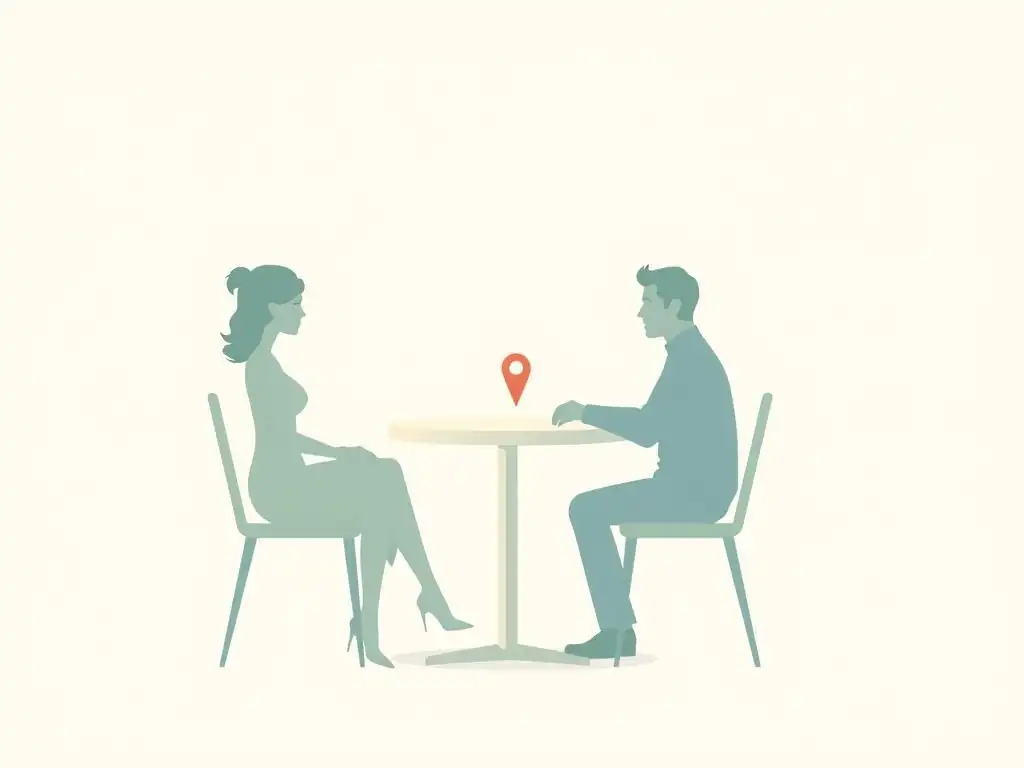
Meeting someone from a dating app for the first time can be exciting, but it's crucial to prioritize your safety. This section focuses on practical steps to minimize risks when transitioning from online interactions to in-person encounters. Remember, online dating safety tips extend beyond the digital realm. Your well-being is paramount.
Planning Safe First Dates: Location and Transportation
Choosing the right location for your first date is a critical aspect of online dating safety. Avoid secluded or private places. Instead, opt for well-lit, public spaces where other people are present. Restaurants, cafes, or even busy parks during daylight hours are generally safer choices. Consider the ease of access to transportation for both parties. Having a clear plan for getting to and from the date is essential, especially if you're using ride-sharing services or public transport.
It's wise to avoid dates that involve extensive travel, especially to unfamiliar areas. A date that's too far from your home or regular haunts could potentially put you in a vulnerable situation if things go wrong. Always have a backup plan – a friend or family member who knows your whereabouts and can check in on you.
Consider sharing your live location with a trusted contact using a location-sharing app. This simple step can make a significant difference in ensuring your safety. Remember, online dating safety tips aren't just about avoiding scams; they're about protecting yourself in every aspect of the dating process.
Many dating apps now incorporate safety features that allow you to share your real-time location with a trusted contact. Leverage these features! This provides an extra layer of security, allowing someone to monitor your whereabouts during the date. If you are uncomfortable with sharing your exact location, consider sharing the location of the meeting place. If the date goes south, your trusted contact can easily locate you and offer assistance.
Beyond app-specific features, consider using independent location-sharing apps. These apps often offer additional features, such as the ability to set check-in times and send automatic alerts if you deviate from a pre-planned route. Familiarize yourself with the features and capabilities of these apps before relying on them during a date. Remember, proactive steps are key to online dating safety. Never hesitate to utilize available technology to protect yourself.
Trusting Your Instincts: Recognizing Dangerous Situations
Your intuition is your most powerful tool when it comes to personal safety. If something feels off, even slightly, trust your gut. Don't feel pressured to continue a date if you're uncomfortable or feel unsafe. This is crucial for online dating safety. A date should be enjoyable and respectful; if it's not, it's okay to end it early.
Here are some red flags to watch out for:
| Red Flag | Description | Action |
|---|---|---|
| Controlling Behavior | Attempts to dictate your choices, actions, or conversations. | Politely excuse yourself and leave. |
| Excessive Drinking/Drug Use | Noticeable intoxication or substance abuse by your date. | End the date immediately. |
| Disrespectful Language/Actions | Rude, aggressive, or inappropriate comments or behaviors. | Leave immediately. Consider contacting the authorities if necessary. |
| Pressure for Physical Intimacy | Unwanted advances or pressure to engage in physical intimacy beyond your comfort level. | Firmly decline and leave. |
| Ignoring Boundaries | Disregarding your stated preferences or limits. | Assert your boundaries and leave if they're not respected. |
Remember, a successful online dating experience prioritizes your safety and well-being above all else. By implementing these online dating safety tips, you can significantly reduce risks and enjoy the experience with greater peace of mind. Your safety is your responsibility; never compromise it.
Emergency Contacts and Safety Plans
Before embarking on any in-person date arranged through an online dating app, meticulous preparation is crucial for your safety. This involves establishing a robust safety net, starting with your emergency contacts. Don't just rely on your phone's contacts list; proactively identify at least three individuals you can reach out to in an emergency.
These should be trusted friends or family members who are readily available and aware of your dating plans. Share your date's name, profile picture (if comfortable), the location of your planned meeting, and the estimated time of your return. Regular check-ins during the date are also recommended; perhaps a simple text message every hour.
Developing a detailed safety plan extends beyond simply informing others. Consider the location of your date. Choose well-lit, public places for your first meeting – avoid secluded areas or private residences. Let your emergency contacts know the specific venue and have a backup plan in case things don't go as expected. This might involve a pre-arranged signal to alert your contacts, like a specific text message or a call at a particular time.
Think about transportation too. Arrange your own transportation to and from the date, ensuring you have a reliable method of getting home, regardless of how the date progresses. Avoid relying entirely on your date for transportation, especially on a first meeting. Having control over your own movement greatly enhances your safety and provides an escape route if needed.
Remember, a proactive and well-thought-out safety plan isn't just about avoiding danger; it's about fostering a sense of confidence and control, allowing you to enjoy your date without unnecessary worry. Online dating safety tips extend far beyond the digital realm; responsible planning for in-person encounters is paramount. Prioritizing safety doesn't diminish the excitement of dating; rather, it enhances your overall experience by minimizing risks and maximizing peace of mind.
A little preparation can go a long way in ensuring a positive and secure dating experience. Don't underestimate the value of a well-defined safety net; it's your first line of defense against unforeseen circumstances.
Building Healthy Online Relationships: Fostering Trust and Safety
Building healthy online relationships requires a proactive approach to safety and a mindful cultivation of trust. It's crucial to remember that online interactions, while convenient, lack the immediate feedback and nuanced cues of in-person communication. This necessitates a more deliberate and cautious approach to building connections. Successfully navigating the online dating world means prioritizing your well-being and establishing clear boundaries from the outset. Ignoring these crucial online dating safety tips can lead to disappointment, emotional distress, or even dangerous situations. Let's explore key strategies for fostering trust and ensuring safety in your online dating journey.
Communicating Boundaries and Expectations: Setting Healthy Limits
Establishing clear boundaries is paramount for online dating safety. This involves openly communicating your comfort levels and expectations from the beginning. Don't hesitate to express your need for respectful communication, and firmly decline any advances that make you uncomfortable. For example, if someone pressures you to share personal information prematurely, or insists on meeting in person before you feel ready, politely but firmly decline.
Remember, you are in control of your interactions. Setting these boundaries early on prevents potential problems and helps cultivate a respectful relationship dynamic. Consider creating a personal "safety checklist" for your online interactions, including aspects like only exchanging contact information after a certain number of conversations and never sharing sensitive financial data. This proactive approach to online dating safety tips contributes significantly to a positive and safe experience.
Building Trust Gradually: Strategies for Safe Online Interactions
Trust should never be assumed; it must be earned. In the online dating realm, this means taking things slowly and verifying information as much as possible. Don't rush into sharing personal details or meeting in person. Engage in meaningful conversations to get to know the person, observing their communication style, consistency, and responsiveness. Be wary of those who seem overly eager to move quickly to a more intimate level of interaction.
Consider using video calls to verify their identity and assess their genuineness before meeting in person. Remember, a real person will be happy to engage in video communication to enhance trust. This process of gradual trust-building is crucial in minimizing risks associated with online dating scams and fake profiles. Employing these online dating safety tips significantly reduces the chances of encountering malicious actors.
Recognizing Emotional Manipulation: Warning Signs and Protective Measures
Emotional manipulation is a common tactic used by scammers and individuals with malicious intent. Learning to recognize warning signs is crucial for your safety and well-being. Red flags might include excessive flattery, pressure to make quick decisions, isolating you from friends and family, or consistently making you feel guilty or inadequate. They may also exhibit controlling behavior, trying to dictate your actions or decisions. If you notice these patterns, take a step back and reassess the relationship.
Prioritize your emotional health and well-being above all else. Trust your instincts – if something feels wrong, it probably is. Remember, healthy relationships are built on mutual respect, trust, and open communication, not manipulation and control. These online dating safety tips are crucial in protecting yourself from potentially harmful situations. Learning to identify these warning signs is a vital aspect of online dating safety.
Frequently Asked Questions
How can I spot a fake profile on a dating app?
Be wary of profiles with limited photos, inconsistent information, or overly perfect pictures. Look for red flags like a lack of personal details or requests for money early in the "relationship". Reverse image search photos to verify authenticity.
What are some common online dating scams?
Common scams include catfishing, where someone uses fake photos and a fabricated identity; romance scams, involving requests for money or financial assistance; and advance-fee scams, promising unrealistic rewards in exchange for upfront payments. Always be skeptical of requests for money.
How can I protect my personal information while online dating?
Never share your full name, address, workplace, or other sensitive personal information until you've met someone in person and feel comfortable. Avoid sharing your social media profiles immediately. Use a separate email address for online dating.
What should I do if I think I'm being scammed?
Immediately stop all communication with the suspicious person. Report the profile to the dating app's support team. Consider reporting the scam to the relevant authorities, such as the police or the Federal Trade Commission (FTC).
Where can I find more information about online dating safety?
Visit reputable websites like the FTC's website or resources dedicated to online safety. OnlineDatingSuccess.org also offers practical tips and advice to help you navigate online dating safely and effectively. Remember to trust your instincts; if something feels wrong, it probably is.
The rise of online dating has fundamentally reshaped modern romance, yet this convenience comes with a crucial caveat: the ever-present threat of scams and fake profiles. This digital frontier, while offering exciting possibilities for connection, demands a heightened awareness of personal safety. Ignoring this reality leaves individuals vulnerable to emotional and financial exploitation, undermining the very potential for genuine relationships the apps promise.
The impact of online dating safety concerns extends far beyond individual experiences; it shapes the collective cultural narrative surrounding online interactions. The prevalence of scams and fake profiles erodes trust, fostering a climate of suspicion and caution. This constant vigilance, while necessary, can unfortunately diminish the joy and spontaneity often associated with new relationships. The internet is a powerful tool, but it's also a wild west. We need to be responsible citizens of this digital frontier.
This quote highlights the importance of proactive safety measures, not as a barrier to connection, but as a crucial component of navigating this new landscape responsibly.
You, the reader, now hold the knowledge to navigate the digital dating world with greater confidence and awareness. Don't let fear dictate your choices, but let informed caution guide your journey. Take the time to verify profiles, trust your instincts, and prioritize your safety above all else. By applying the tips outlined in this guide, you can embrace the opportunities of online dating while protecting yourself from potential harm, ultimately increasing your chances of finding genuine connection and happiness.
Take Control: Secure Your Dating Journey Today!
Thank you for learning about online dating safety. You now have the knowledge to confidently navigate the digital dating world. Ready to apply what you've learned?
- Craft a compelling and secure dating profile: Showcase your best self while protecting your personal information. This is the first step toward building genuine connections.
- Share this article: Help others stay safe online by spreading awareness about responsible dating practices. A safer online dating community benefits everyone.
- Consider exploring additional resources at OnlineDatingSuccess.org for more tips and advice.
What's your next step toward a safer and more rewarding online dating experience?