
How to Recognize and Avoid Online Dating Scams That Impact Your Mental State


Dive into the world of online dating with OnlineDatingSuccess.org, your guide to navigating the complexities of finding love in the digital age. We're dedicated to helping you build meaningful connections, but first, it's crucial to understand the potential pitfalls. Are you prepared for the emotional toll of online dating scams?
This article on Online dating scam mental health will equip you with the knowledge to protect yourself and safeguard your well-being as you embark on your dating journey. Learn how to spot red flags and build resilience against manipulative tactics—your emotional health is our priority. Let's explore how to create a safer and more fulfilling online dating experience together.
- Understanding the Link Between Online Dating Scams and Mental Health
- Common Tactics Used in Online Dating Scams Targeting Mental Well-being
-
Protecting Yourself from Online Dating Scams: Practical Steps for Mental Safety
- Vetting Online Dating Profiles: Identifying Fake Profiles and Inconsistencies
- Safe Communication Practices: Avoiding Sharing Personal Information Too Soon
- Setting Boundaries and Protecting Your Financial Information: Preventing Financial Exploitation
- Utilizing Online Dating Platforms' Safety Features: Leveraging Built-in Protection Mechanisms
- Seeking Support: When to Reach Out to Friends, Family, or Professionals
- Building Resilience After an Online Dating Scam: Recovering Your Mental Well-being
- Resources and Further Support: Finding Help and Information
-
Frequently Asked Questions
- How can online dating scams affect my mental health?
- What are some common red flags indicating a potential online dating scam?
- How can I protect myself from becoming a victim of an online dating scam?
- What should I do if I think I'm being scammed on an online dating site?
- Where can I find support if I've been a victim of an online dating scam?
- Final Reflection: The Silent Scars of Online Deception
- Take Charge: Protect Your Heart & Mind in the Online Dating World
Understanding the Link Between Online Dating Scams and Mental Health
Online dating, while offering exciting possibilities for connection and romance, unfortunately presents a significant risk: scams. These scams aren't just about financial loss; they inflict a profound emotional toll, impacting mental well-being in ways often overlooked. This article delves into the crucial connection between online dating scams and mental health, exploring the emotional and financial consequences, and providing practical strategies to recognize and avoid these harmful situations.
Understanding the psychological impact of these scams is the first step towards protecting yourself and fostering healthier online dating experiences. We’ll examine how these experiences can manifest as anxiety, depression, and feelings of self-doubt, and how to navigate the aftermath to rebuild confidence and emotional security. This guide aims to equip you with the knowledge and tools to navigate the world of online dating safely and confidently, safeguarding your mental and emotional well-being.
The rising prevalence of online dating scams necessitates a comprehensive understanding of their impact on mental health, enabling individuals to protect themselves and seek support when needed. This is crucial for fostering a safer and more positive online dating environment for everyone.
The Emotional Toll of Dating Scams: Anxiety, Depression, and Self-Doubt
Falling victim to an online dating scam can trigger a cascade of negative emotions. The betrayal of trust, the manipulation, and the subsequent feelings of foolishness can lead to significant anxiety. Victims often experience intense worry, fear of future interactions, and difficulty trusting others, even outside the context of online dating. This anxiety can manifest physically, leading to sleep disturbances, appetite changes, and increased irritability.
Furthermore, the emotional fallout frequently contributes to depression. Feelings of helplessness, hopelessness, and low self-worth are common. The scam may lead to self-blame and self-doubt, questioning one's judgment and ability to discern genuine connections from fraudulent ones. The impact on self-esteem can be particularly devastating, leaving individuals feeling vulnerable and ashamed.
It's important to remember that these feelings are normal reactions to a traumatic experience and seeking professional support is a sign of strength, not weakness. Many individuals find solace and healing through therapy or support groups designed to address the emotional aftermath of online dating scams. The path to recovery involves acknowledging the hurt, practicing self-compassion, and gradually rebuilding trust in oneself and others.
Financial Losses and Their Psychological Impact: Shame and Vulnerability
While the emotional distress caused by online dating scams is significant, the financial losses can exacerbate the psychological impact. The financial consequences can range from relatively small amounts to substantial sums of money, depending on the nature and duration of the scam. Regardless of the amount, the loss of money can trigger feelings of shame, guilt, and vulnerability.
Victims may struggle with self-blame, believing they should have been more cautious or astute. This self-criticism can intensify feelings of inadequacy and lower self-esteem. The financial burden can also create additional stress, impacting other areas of life, such as relationships with family and friends, and impacting financial stability.
The financial hardship can lead to feelings of powerlessness and a sense of being out of control, further compounding the emotional distress. It is crucial to remember that falling victim to a scam is not a reflection of one's intelligence or character. Seeking help from financial advisors or consumer protection agencies can be instrumental in mitigating the financial consequences and regaining a sense of control.
Recognizing the Signs of a Potential Scam: Red Flags in Online Dating Profiles and Communication
Protecting yourself from online dating scams requires vigilance and awareness. Learning to identify red flags is crucial in preventing emotional and financial harm. Many scammers employ similar tactics, providing clues to their deceptive nature. 🚩 Inconsistencies in profiles are a major warning sign. Check for discrepancies between photos and descriptions, or inconsistencies in their stated location or occupation. 🚩 Overly fast progression of the relationship is another common red flag.
Be wary of individuals who express intense feelings very quickly or who pressure you into making significant financial commitments early in the relationship. 🚩 Requests for money or financial assistance should always raise suspicion. Legitimate relationships do not involve financial transactions, especially in the early stages. 🚩 Avoidance of video calls or in-person meetings is another significant warning sign. Scammers often avoid direct interaction, relying on text-based communication to maintain their anonymity.
🚩 Vague or evasive answers to your questions should also be considered a red flag. Legitimate individuals are generally open and forthcoming in their communication. By paying close attention to these warning signs and trusting your instincts, you can significantly reduce your risk of becoming a victim of an online dating scam. Remember, if something feels off, it probably is. Prioritizing your safety and well-being is paramount.
Common Tactics Used in Online Dating Scams Targeting Mental Well-being
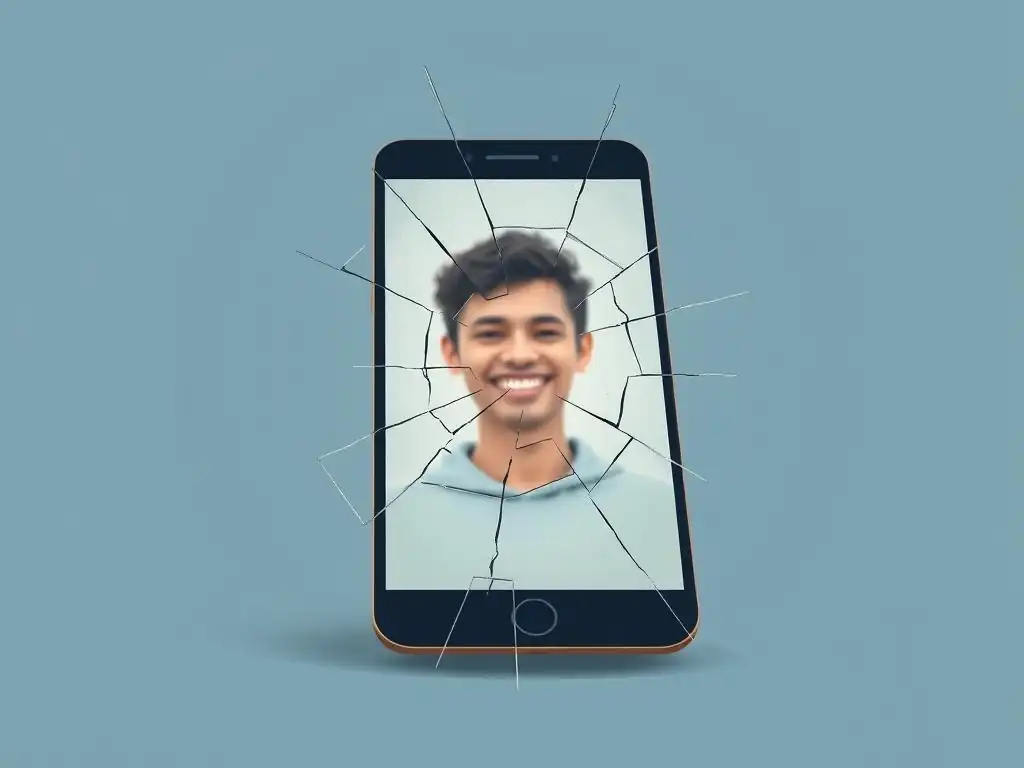
Online dating scams are not just about financial loss; they inflict significant emotional distress and negatively impact mental health. Understanding the tactics employed by scammers is crucial for safeguarding your well-being. These scams often prey on vulnerabilities, exploiting loneliness, a desire for connection, and the inherent trust we place in others during the search for companionship. The psychological damage can be substantial, leading to anxiety, depression, and even post-traumatic stress disorder (PTSD). Recognizing these tactics is the first step towards protecting yourself.
The "Catfishing" Technique: Manipulative Deception and Emotional Manipulation
Catfishing, the act of creating a false online persona to deceive someone into a relationship, is a particularly insidious form of online dating scam. Scammers meticulously craft fake profiles, often using stolen photos and fabricated biographies to present an idealized version of themselves. The goal isn't just to build a relationship; it's to manipulate emotions and gain control.
They may shower their victims with excessive attention, compliments, and declarations of love early in the "relationship," creating a false sense of intimacy and connection that quickly becomes deeply entwined with the victim's emotional well-being. This rapid emotional escalation is designed to make the victim more susceptible to further manipulation and less likely to question inconsistencies or red flags.
The emotional manipulation continues as the scammer gradually reveals fabricated personal problems, requiring financial or emotional support. They might claim to be facing a medical emergency, a family crisis, or financial hardship, subtly guiding the victim towards providing money, gifts, or personal information. The impact on the victim's mental health can be devastating, leading to feelings of betrayal, shame, and self-doubt.
The loss isn't just financial; it's the erosion of trust, the damage to self-esteem, and the lingering emotional scars of being manipulated. The experience can trigger anxiety, depression, and feelings of isolation. Many victims struggle to process the betrayal and rebuild their trust in others.
The Romance Scam: Exploiting Emotional Needs for Financial Gain
Romance scams are a particularly cruel form of online dating scam that preys on the victim's emotional vulnerability and desire for love and companionship. These scams often involve elaborate narratives and long-term interactions, designed to build a strong emotional bond before the financial requests begin. The scammer will carefully cultivate a relationship, building trust and intimacy over weeks or even months. They may engage in frequent communication, sharing personal details and expressing deep affection. This carefully constructed emotional connection makes the victim more susceptible to their requests for financial assistance.
The requests themselves can range from small amounts of money for seemingly urgent needs to large sums for fabricated investments or business ventures. The scammer might claim to be in a difficult financial situation, needing help with medical bills, travel expenses, or business investments. They might even create elaborate stories involving family emergencies or legal troubles. The emotional manipulation is key; the scammer plays on the victim's empathy and desire to help their loved one.
The psychological impact of this type of scam is profound. Victims often experience feelings of guilt, shame, and betrayal, alongside the financial loss. The damage to self-esteem and trust can be long-lasting, requiring significant time and effort to overcome. The emotional toll can manifest as depression, anxiety, and difficulty forming new relationships.
The "Fake Profile" Scam: Creating False Identities to Exploit Trust
The "fake profile" scam is a broad category encompassing various deceptive tactics using fabricated online identities. Scammers create profiles with stolen photos and false information, often portraying themselves as successful, attractive, and charming individuals. The goal is to lure victims into a relationship, often with the intention of eventually exploiting them financially or emotionally. These profiles can be remarkably convincing, featuring carefully crafted details and engaging personalities.
The scammer might use a fake profile to initiate contact, engaging in conversations that seem genuine and personal. They might express romantic interest quickly, showering the victim with compliments and attention. The aim is to build trust and intimacy before requesting money, gifts, or personal information. Unlike catfishing, which focuses on emotional manipulation, the fake profile scam often relies on creating a sense of false security and trust. The victim believes they are interacting with a real person, making them more likely to fall prey to the scammer's requests.
The psychological impact can be significant, leaving the victim feeling confused, betrayed, and embarrassed. The experience can lead to feelings of distrust, self-doubt, and difficulty forming new relationships. The emotional distress can manifest as anxiety, depression, and even PTSD. The consequences extend beyond the financial loss, impacting the victim's mental and emotional well-being for a considerable period.
Protecting Yourself from Online Dating Scams: Practical Steps for Mental Safety
This section focuses on proactive measures you can take to safeguard your mental well-being while navigating the world of online dating. Experiencing an online dating scam can significantly impact your mental health, leading to feelings of betrayal, embarrassment, anger, and even depression. By implementing these practical steps, you can mitigate your risk and protect yourself from emotional distress. Remember, your mental health is paramount.
Vetting Online Dating Profiles: Identifying Fake Profiles and Inconsistencies
Identifying fake profiles is the first line of defense against online dating scams. Scammers often create profiles with inconsistencies and unrealistic information. Pay close attention to detail. Do their photos look professionally edited or too perfect? Do they have very few photos, or none at all? Are their stories vague and lack specifics? Look for red flags such as:
- Stock photos: Many scammers use readily available stock photos. A reverse image search can quickly reveal if a photo is being used across multiple profiles.
- Inconsistent information: Discrepancies in age, location, or profession should raise suspicion. Check for inconsistencies between their profile and their communication style.
- Grammatical errors and poor writing: Scammers often use poorly written or translated profiles.
- Lack of personal details: A profile that lacks personal details or is overly generic could be a sign of a fake account.
- Overly flattering or unbelievable descriptions: Be wary of profiles that boast unrealistic accomplishments or perfection.
Remember, your intuition is a powerful tool. If something feels off, it's likely best to err on the side of caution and move on. Thorough profile vetting is crucial for protecting your emotional investment and preventing potential heartache. Taking the time to carefully examine profiles can significantly reduce your chances of encountering a scammer.
Safe Communication Practices: Avoiding Sharing Personal Information Too Soon
Sharing personal information too early in the online dating process is a significant risk factor for online dating scams. Scammers often use this information to manipulate and exploit their victims. It's essential to establish trust gradually and avoid revealing sensitive information until you've met in person and established a strong connection. Here's a breakdown of what to avoid:
- Full name and address: Never share your full name and address until you've met in person and feel confident in the other person's identity.
- Financial information: Avoid discussing your financial situation, bank details, or credit card numbers at any stage of online dating.
- Social Security number and other identifying information: This information should be protected at all costs.
- Place of work: While sharing your occupation is generally acceptable, avoid revealing specific details about your workplace or work schedule.
- Detailed personal information: Avoid sharing overly personal details about your family, friends, or past relationships until you've built a strong level of trust.
Instead of revealing personal information directly, engage in lighthearted conversations, getting to know each other's hobbies and interests. Focus on building a genuine connection before disclosing sensitive information. Remember, a genuine connection takes time, and rushing the process can be dangerous.
Setting Boundaries and Protecting Your Financial Information: Preventing Financial Exploitation
Financial exploitation is a common tactic used by online dating scammers. They often create elaborate schemes to trick their victims into sending money. Setting clear boundaries and protecting your financial information is crucial to preventing this type of exploitation. Here are some key strategies:
- Never send money: No matter how convincing the request, never send money to someone you've only met online. Legitimate relationships do not involve financial transactions at the early stages.
- Be wary of urgent requests: Scammers often create urgent situations to pressure their victims into acting quickly. Take your time and think critically before making any financial decisions.
- Verify requests: If someone asks for money, try to verify their story through independent sources.
- Monitor your accounts: Regularly check your bank accounts and credit reports for any suspicious activity.
- Report suspicious activity: If you suspect you're being scammed, report it to the dating platform and the appropriate authorities immediately.
Protecting your financial well-being is inextricably linked to your mental health. Financial scams can lead to significant stress, anxiety, and depression. By being vigilant and setting clear boundaries, you can protect yourself from financial exploitation and maintain your mental well-being. Remember, a healthy relationship should never involve financial coercion or manipulation.
Utilizing Online Dating Platforms' Safety Features: Leveraging Built-in Protection Mechanisms
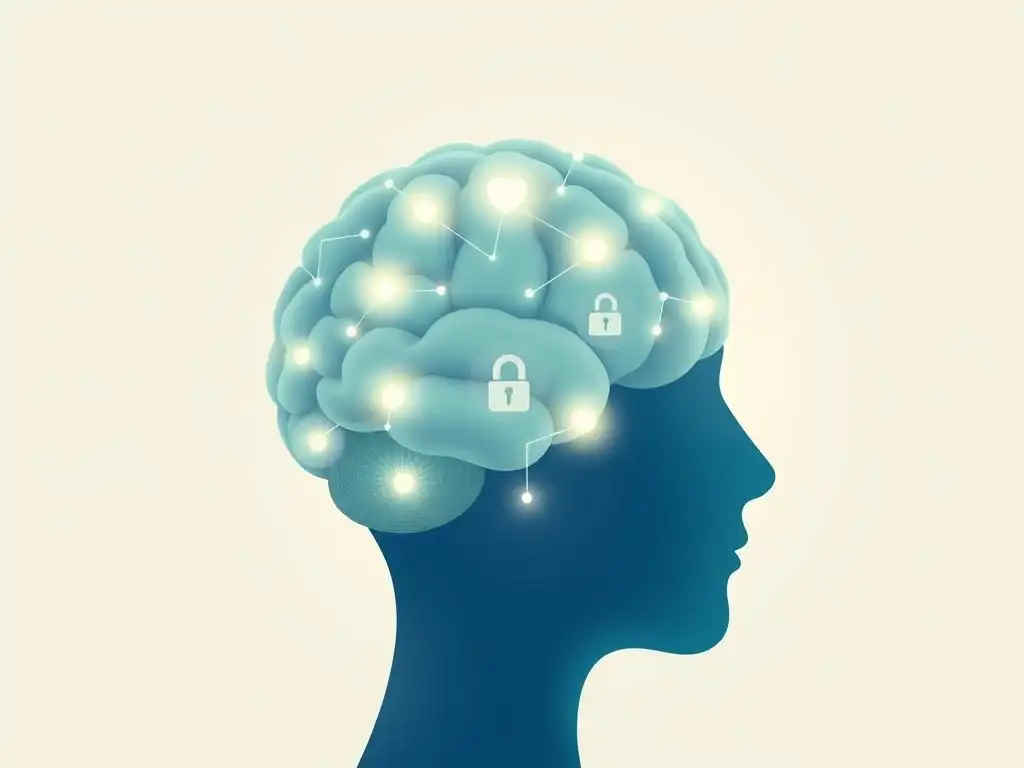
Online dating platforms, while presenting opportunities for connection, also harbor risks. Understanding and utilizing the safety features built into these platforms is crucial for protecting your mental well-being. Many platforms offer robust tools designed to mitigate the threat of scams and harassment. These features often go beyond simple reporting mechanisms.
For example, some platforms employ sophisticated algorithms to detect suspicious behavior, flagging profiles exhibiting characteristics consistent with known scams. These algorithms analyze things like account creation patterns, communication styles, and the frequency of requests for personal information or money. Being aware of these algorithms and how they work can help you better understand why certain profiles might be flagged or why you might receive warnings from the platform itself. Don't dismiss these warnings; they are there for your protection.
Furthermore, many platforms offer features that allow you to control your privacy settings meticulously. You can choose who can see your profile, what information is visible, and how you are contacted. Taking the time to configure these settings properly can significantly reduce your exposure to unwanted advances or potentially harmful interactions. Remember, it's better to err on the side of caution.
Restricting access to your profile information can help prevent scammers from gathering data they might use to manipulate or exploit you. This proactive approach not only protects your personal information but also shields your emotional well-being from potential future distress. Regularly review and update your privacy settings, especially if you're using multiple dating platforms or if your comfort levels change.
Seeking Support: When to Reach Out to Friends, Family, or Professionals
Experiencing a dating scam can be emotionally devastating, leading to feelings of betrayal, embarrassment, anger, and even financial hardship. These feelings are entirely valid, and it’s crucial to remember you are not alone. One of the most effective ways to protect your mental health after encountering an online dating scam is to seek support from your network. Talking to trusted friends or family members can provide emotional validation and a sense of security.
Sharing your experience can help to process your emotions and prevent feelings of isolation, which can worsen the impact of the scam. They can offer a listening ear, practical advice, and emotional support, helping you navigate the aftermath of the experience. Remember, there is no shame in seeking help; it's a sign of strength, not weakness.
However, if the emotional impact of the scam is overwhelming or if you are struggling to cope, reaching out to a mental health professional is essential. Therapists and counselors specializing in trauma or relationship issues can provide professional guidance and support to help you process your emotions, develop coping mechanisms, and rebuild your confidence. They can offer strategies for managing anxiety, depression, or any other mental health challenges that may arise as a result of the scam.
Remember, professional help is readily available, and seeking it demonstrates self-care and a commitment to your well-being. Don't hesitate to reach out; your mental health is paramount. Many online resources and helplines also offer support and information about dealing with online scams and their impact on mental health.
Utilizing these resources can provide additional support and guidance during this challenging time. Prioritizing your mental well-being is a crucial step in recovering from the emotional distress caused by an online dating scam.
Building Resilience After an Online Dating Scam: Recovering Your Mental Well-being
Experiencing an online dating scam can be incredibly jarring, leaving victims feeling betrayed, embarrassed, and financially drained. The emotional fallout extends beyond the immediate impact, often affecting self-esteem and trust in others. Recovering your mental well-being after such an ordeal requires a conscious effort towards self-care and healing. This isn't a quick fix; it's a journey that demands patience and self-compassion.
Remember, you are not alone, and recovery is possible. Many people experience similar situations, and seeking support is a sign of strength, not weakness. The road to recovery begins with acknowledging the impact of the scam on your mental health.
Processing Your Emotions: Acknowledging and Addressing the Trauma
The first step in rebuilding your mental well-being is acknowledging and processing the complex emotions you're experiencing. This might include anger, sadness, shame, guilt, or even a sense of disbelief. Allow yourself to feel these emotions without judgment. Suppressing them will only prolong the healing process. Consider journaling your thoughts and feelings. Writing can be a powerful tool for processing trauma and gaining perspective.
It provides a safe space to explore your emotions without fear of judgment. You might find it helpful to identify specific triggers that bring back painful memories and develop coping mechanisms to manage those triggers. For example, if seeing certain social media posts reminds you of the scam, consider temporarily limiting your social media use. Remember, self-care is crucial during this period. Prioritize activities that bring you joy and relaxation, such as spending time in nature, listening to music, or engaging in hobbies.
Seeking Professional Help: Therapy and Counseling for Emotional Recovery
While self-care strategies are beneficial, professional help can significantly accelerate your recovery. A therapist or counselor can provide a safe and supportive space to process your trauma, develop healthy coping mechanisms, and address any underlying mental health concerns that may have been exacerbated by the scam. They can help you understand the psychological impact of the scam, challenge negative self-beliefs, and work towards rebuilding your self-esteem. Cognitive Behavioral Therapy (CBT) is particularly effective in addressing the cognitive distortions and negative thought patterns that often accompany trauma.
Seeking professional help is not a sign of weakness; it's a proactive step towards reclaiming your mental well-being. Many therapists specialize in trauma recovery and can offer tailored support to meet your specific needs. Don't hesitate to reach out – your mental health is a priority. Remember that online resources can help you find qualified professionals in your area.
Rebuilding Trust: Gradually Re-engaging in Online Dating with Increased Caution
Rebuilding trust after an online dating scam takes time and deliberate effort. Jumping back into online dating immediately after a traumatic experience is often counterproductive. Take your time to heal and regain your confidence. When you feel ready to re-engage, approach online dating with increased caution. Verify profiles, be wary of overly flattering or unrealistic profiles, and avoid sharing personal or financial information prematurely.
Communicate with potential partners slowly and cautiously, getting to know them gradually through video calls and other methods before meeting in person. Remember that online dating should be enjoyable and safe. Prioritize your safety and well-being above all else. Building trust is a gradual process, and it's okay to take things slowly.
Focus on building genuine connections based on mutual respect and transparency. If you encounter any red flags or suspicious behavior, don't hesitate to report it and disengage. Your safety and emotional well-being are paramount. Remember, a healthy relationship is built on trust, respect, and open communication – not deception and manipulation.
Learning from the Experience: Developing Stronger Boundaries and Self-Awareness
Experiencing an online dating scam can be incredibly jarring, leaving you feeling vulnerable and betrayed. However, it's crucial to remember that this experience, while painful, presents a valuable opportunity for growth and self-improvement. Instead of dwelling on the negativity, focus on extracting lessons that will strengthen your future online interactions and overall well-being. This involves developing stronger boundaries and cultivating a deeper understanding of yourself and your needs.
One of the most important aspects of moving forward is identifying the red flags you may have missed. Were there inconsistencies in the scammer's story? Did their communication style feel off? Analyzing these details allows you to develop a sharper eye for potential scams in the future. This process isn't about blaming yourself; it's about recognizing patterns and learning to trust your intuition. Many victims feel a sense of shame or self-blame, but remember that scammers are highly skilled manipulators who prey on vulnerabilities. Their success hinges on exploiting human empathy and trust.
Building stronger boundaries is paramount. This means being more discerning about the information you share online. Avoid divulging personal details, financial information, or sensitive data too early in the online dating process. Take your time getting to know someone, and don't feel pressured to rush into anything. Establish clear boundaries around what you're comfortable sharing and what you're not. This might involve setting limits on the frequency and duration of communication, or refusing requests for financial assistance. Learning to say "no" assertively is a crucial self-protection skill.
Developing self-awareness is also key to preventing future scams. Reflect on your own vulnerabilities and emotional needs. Were you particularly susceptible to the scammer's charm because you were feeling lonely or insecure? Understanding these underlying factors can help you address them proactively, making you less vulnerable to manipulation. Consider seeking support from a therapist or counselor who specializes in trauma and relationship issues.
They can provide a safe space to process your emotions, develop coping mechanisms, and build resilience. Remember, healing is a process, and seeking professional help is a sign of strength, not weakness. Prioritizing your mental health is essential in rebuilding your confidence and navigating online dating with greater safety and awareness. The journey to recovery might be challenging, but with self-compassion and proactive steps, you can emerge stronger and more self-assured.
Resources and Further Support: Finding Help and Information
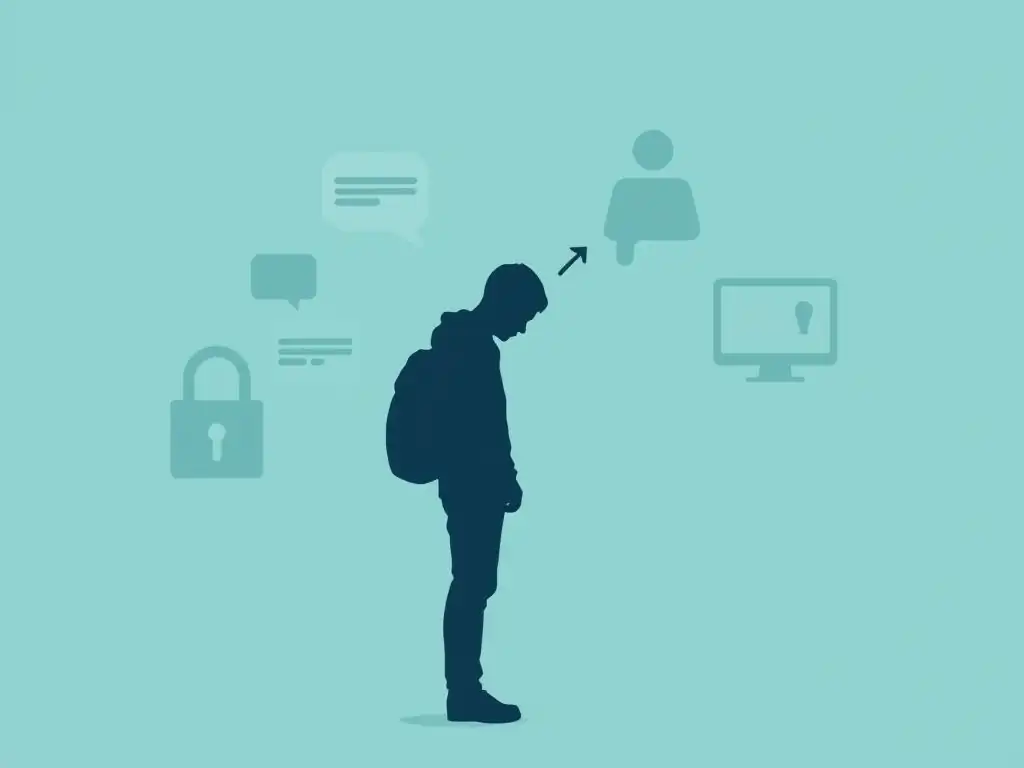
Navigating the emotional fallout from an online dating scam can be incredibly challenging. Remember, you are not alone, and seeking help is a sign of strength, not weakness. This section provides resources to aid in your recovery and to help you take steps to protect yourself and others. Understanding the impact of these scams on your mental health is crucial for healing and moving forward. The emotional distress caused by these scams is real and deserves acknowledgement and support.
Online Resources for Victims of Online Dating Scams
Several online resources offer support and information to victims of online dating scams. These resources can provide valuable guidance on navigating the legal and emotional aftermath of such experiences. They offer a safe space to share your experiences and learn from others who have faced similar situations. It's vital to find a community where you feel understood and supported. Remember, seeking help doesn't diminish your experience; it empowers you to reclaim your emotional well-being.
Finding trustworthy information is key. Look for organizations with established reputations and a clear commitment to helping victims. Many websites provide detailed information on identifying scams, protecting yourself online, and reporting fraudulent activity. They often offer advice on recovering lost funds and dealing with the emotional toll.
Here are some areas of focus these resources typically cover:
- Understanding the Scam: These resources often provide detailed explanations of common online dating scams, helping you understand how these scams operate and identify potential red flags.
- Legal Advice: Many resources provide links or information on seeking legal counsel to pursue legal action against scammers.
- Financial Recovery: They may offer advice on how to report the scam to financial institutions and potentially recover lost funds.
- Emotional Support: These resources usually provide a safe space to share your experience and connect with others who have been through similar situations.
Mental Health Support Organizations and Hotlines
The emotional impact of an online dating scam can extend beyond financial loss. Many victims experience feelings of betrayal, shame, embarrassment, and even depression or anxiety. It's crucial to prioritize your mental health and seek professional help if needed. Don't hesitate to reach out to mental health professionals or support organizations. They are trained to provide empathetic and effective support to help you cope with the emotional distress.
Remember, seeking professional help is a sign of strength. It allows you to process your emotions in a healthy and safe environment. Several organizations offer confidential support services and hotlines, providing immediate assistance and long-term guidance.
Here's what you can expect from these organizations:
- Confidential Support: These organizations prioritize confidentiality, ensuring your privacy and safety.
- Professional Guidance: You'll receive support from trained professionals who understand the impact of online dating scams on mental health.
- Personalized Strategies: They’ll work with you to develop personalized coping mechanisms and strategies for managing your emotions.
- Crisis Intervention: If you're experiencing a mental health crisis, these organizations can provide immediate support and intervention.
Reporting online dating scams is crucial for several reasons. It helps protect other potential victims from falling prey to the same scam, and it contributes to the investigation and prosecution of scammers. While it might feel overwhelming, reporting the scam can be a powerful step towards regaining control and preventing future harm. Even if you haven't lost significant funds, reporting the incident is still valuable. Your report can help authorities build a bigger picture of the scammer's activities.
Here's what you should consider when reporting:
- Gather Evidence: Collect all relevant information, including communication logs, transaction records, and the scammer's profile details. The more details you can provide, the more effective your report will be.
- Identify the Platform: Note the online dating platform where you encountered the scammer. This will help authorities track down the perpetrator and potentially improve platform security.
- Report to Multiple Agencies: Consider reporting the scam to both the online dating platform itself and to law enforcement agencies. Each agency may have a different process for handling these reports.
Remember, reporting a scam is a powerful act that can help protect others and contribute to a safer online dating environment. Taking this step can also be an important part of your healing process, allowing you to reclaim your sense of agency and contribute to preventing future harm. The impact of online dating scams on mental health is significant, and reporting helps to address this issue at a broader level.
Frequently Asked Questions
How can online dating scams affect my mental health?
Online dating scams can significantly impact your mental health, leading to feelings of betrayal, embarrassment, anxiety, depression, and even post-traumatic stress. The emotional manipulation and financial loss can be devastating.
What are some common red flags indicating a potential online dating scam?
Be wary of profiles with limited personal information, inconsistent stories, requests for money or financial assistance, overly romantic language early on, and pressure to move the relationship offline quickly. These are key indicators of potential scams.
How can I protect myself from becoming a victim of an online dating scam?
Verify information provided by potential matches, never send money or personal financial information, communicate cautiously, and report suspicious activity to the dating platform. Trust your instincts – if something feels off, it probably is.
What should I do if I think I'm being scammed on an online dating site?
Immediately stop all communication with the suspicious individual. Document all interactions, including messages and financial transactions. Consider reporting the incident to both the dating platform and the authorities.
Where can I find support if I've been a victim of an online dating scam?
Reach out to friends, family, or a mental health professional. Many organizations offer support and resources for victims of online scams. Remember, you are not alone.
Final Reflection: The Silent Scars of Online Deception
The emotional toll of online dating scams extends far beyond financial loss; it's a pervasive wound on mental well-being that demands our urgent attention. These scams, often meticulously crafted to exploit vulnerabilities, leave victims grappling with feelings of shame, betrayal, and profound self-doubt, impacting their trust in others and their self-perception. The insidious nature of these crimes necessitates a proactive approach, not just to protect our wallets, but to safeguard our mental health.
The pervasive nature of online dating scams highlights a critical gap in our understanding of digital safety and its impact on mental health. We often focus on the immediate financial consequences, overlooking the long-term psychological damage. The feeling of being manipulated, the erosion of trust, and the subsequent isolation can be devastating. The wounds inflicted by deception are often invisible, but their impact is profound and lasting.
This quote encapsulates the silent suffering experienced by many victims, a suffering that deserves recognition and support. The normalization of online interactions necessitates a parallel normalization of discussions surrounding the mental health implications of online deception.
You, the reader, are now equipped with the knowledge to navigate the complexities of online dating more safely. But more than that, I urge you to take this opportunity to reflect on your own digital interactions. Are you prioritizing your emotional well-being in the online world? Are you fostering healthy boundaries and practicing critical thinking when engaging with strangers online? Take the steps necessary to protect yourself, not just from financial loss, but from the insidious damage to your mental health. Your well-being is paramount, and your digital safety is an integral part of it.
Take Charge: Protect Your Heart & Mind in the Online Dating World
Thank you for learning how to navigate the sometimes challenging world of online dating! We hope you found valuable advice on protecting your mental well-being. Now let's put that knowledge into practice.
- Review your online dating profiles: Carefully examine your photos and profile information. Ensure nothing inadvertently reveals personal details that could attract unwanted attention or scams. Make necessary changes to prioritize your safety and privacy.
- Share this article: Help protect others from falling victim to dating scams by sharing this information with friends and family. A little prevention can make a big difference!
- Join our community forum: Connect with others and share your experiences—both positive and negative—to create a safer and more supportive online dating environment. We're here to help each other!
Ready to take control of your online dating experience and build a healthier, safer journey?