
The Smart Way to Date Online: Reverse Image Search for Profile Checks


Ready to transform your online dating experience? At OnlineDatingSuccess.org, we're dedicated to helping you navigate the world of online romance with confidence. This isn't just about finding a match; it's about building meaningful connections. But first, safety is paramount. Learn how a simple reverse image search can be your secret weapon against scams and fake profiles—discover the crucial role it plays in ensuring your online dating journey is both successful and safe. Dive in and unlock the secrets to a smarter, safer online dating experience.
- Reverse Image Search Dating Safety: Protecting Yourself from Online Dating Scams
- How to Perform a Reverse Image Search: A Step-by-Step Guide
- Beyond Reverse Image Search: Additional Verification Methods for Online Dating Safety
- Reverse Image Search Dating Safety: Best Practices and Tips
-
Frequently Asked Questions
- What is a reverse image search, and how does it relate to online dating safety?
- Why should I use a reverse image search on dating profiles?
- How do I perform a reverse image search?
- Are there any limitations to using reverse image search for dating safety?
- What other safety measures should I take when online dating, besides reverse image searches?
- Final Reflection: Navigating the Digital Dating Landscape with Confidence
- Unlock Safer, Smarter Online Dating Today
Reverse Image Search Dating Safety: Protecting Yourself from Online Dating Scams
Navigating the world of online dating can be exciting, offering the potential to connect with like-minded individuals and build meaningful relationships. However, it's crucial to acknowledge the inherent risks involved, particularly the prevalence of online dating scams. This article delves into a powerful tool that can significantly enhance your online dating safety: the reverse image search.
We'll explore how understanding and utilizing this technique can help you identify potential red flags and protect yourself from fraud, ultimately empowering you to build genuine connections with confidence. The rise of sophisticated online scams necessitates proactive measures, and mastering the art of reverse image searching is a crucial step in ensuring a safe and positive online dating experience.
We’ll cover practical strategies to implement this technique, providing you with the knowledge and tools to navigate the online dating world with increased security and peace of mind. This isn’t just about avoiding heartbreak; it's about protecting your personal information and financial security.
Understanding the Risks of Online Dating Fraud
Online dating fraud encompasses a wide range of deceptive practices aimed at exploiting unsuspecting individuals. These scams can range from relatively minor instances of catfishing (using fake profiles and photos) to elaborate schemes involving significant financial losses and emotional distress. The emotional manipulation employed by scammers can be incredibly effective, making victims vulnerable to their deceitful tactics.
Consider the following statistics (data pending): [specific information pending] regarding the number of reported online dating scams and the average financial losses incurred by victims. This highlights the importance of due diligence and the adoption of preventative measures such as reverse image searching. Understanding the various tactics employed by scammers, from the use of stolen photos to fabricated backstories, is the first step in protecting yourself.
The emotional toll of falling victim to such scams can be substantial, further emphasizing the need for a proactive approach to online dating safety. Remember, your safety and well-being are paramount.
Identifying Potential Red Flags in Online Dating Profiles
Before you even consider a reverse image search, there are several tell-tale signs that might indicate a potentially fraudulent profile. These red flags can often be identified through careful observation and critical thinking. Some common red flags include:
- Inconsistencies in profile information: Discrepancies between the information provided in the profile and other readily available information (e.g., social media profiles) should raise suspicion.
- Vague or overly generic profiles: Profiles lacking detail or containing overly generic language can be a sign of a fake account.
- Photos that look too good to be true: Professionally-taken photos or an unusually large number of high-quality images might suggest the use of stock photos or images stolen from elsewhere. This is where a reverse image search becomes invaluable.
- Requests for money or personal information too early in the relationship: Any request for financial assistance or sensitive personal information, especially before a proper in-person meeting, should be considered a major red flag.
- Avoidance of video calls or in-person meetings: A persistent unwillingness to engage in video calls or meet in person should raise immediate concerns. This is a common tactic used by scammers to maintain anonymity.
Why Reverse Image Search is Crucial for Online Dating Safety
A reverse image search is a powerful tool that allows you to check if a profile picture has been used elsewhere online. By uploading a picture to a reverse image search engine, you can quickly determine if the image appears on other websites, social media platforms, or dating profiles. This can help you identify instances of catfishing or other fraudulent activities.
The process is simple and straightforward, making it an accessible tool for anyone using online dating platforms. Using a reverse image search is not a foolproof method, but it significantly increases your chances of identifying potentially fake profiles. It adds a layer of verification to your online dating experience, empowering you to make informed decisions and protect yourself from potential harm.
Remember, your safety is paramount, and utilizing every available tool to enhance your online dating safety is essential. Combining reverse image searching with other safety precautions creates a multi-layered defense against online dating scams. 🕵️♀️
How to Perform a Reverse Image Search: A Step-by-Step Guide

This section provides a practical, step-by-step guide on how to conduct a reverse image search, a crucial tool for enhancing your online dating safety. Remember, proactive safety measures are key to a positive online dating experience. Let's explore how to effectively utilize this powerful tool to verify profiles and avoid potential scams. This process is vital for "reverse image search dating safety".
Using Google Images for Reverse Image Search
Google Images offers a straightforward and widely accessible method for reverse image searching. Here's how to use it:
- Navigate to Google Images: Open your preferred web browser and go to images.google.com.
- Click the Camera Icon: In the search bar, you'll see a camera icon. Click on it.
- Upload the Image: You now have two options: You can either paste the URL of the image directly into the search bar or upload the image from your computer by clicking "Upload an image". Choose the method that best suits your needs.
- Analyze the Results: Google will display a series of images visually similar to the one you uploaded. Carefully examine these results. Do they show the same person in different contexts? Are there any inconsistencies? Look for multiple instances of the same photo used on different profiles, a strong indicator of potential deception. Pay close attention to the websites where the image appears. Is it linked to multiple dating profiles or other suspicious online activity?
Utilizing Other Reverse Image Search Engines (e.g., TinEye, Yandex)
While Google Images is a popular choice, utilizing other reverse image search engines can provide a more comprehensive analysis. Diversifying your search strategy increases the chances of uncovering inconsistencies or red flags.
TinEye, for example, boasts a vast image database and often yields results that Google Images might miss. Its interface is similarly user-friendly; simply upload or paste the image URL. Yandex, another powerful search engine (particularly strong in certain regions), offers another perspective on the image's online presence.
Consider using a combination of these engines. Each engine indexes different parts of the web, meaning you'll get a broader view of where the image has appeared online. This layered approach is vital for thorough "reverse image search dating safety". Think of it as cross-referencing your findings – the more sources corroborating your findings, the stronger your evidence.
Interpreting the Results of Your Reverse Image Search
Interpreting the results requires careful consideration and critical thinking. Here's a breakdown of what to look for:
- Multiple Instances of the Same Image: If the same image appears on multiple dating profiles, social media accounts, or unrelated websites, it's a significant red flag. This suggests the individual may be using a fake profile or attempting to deceive you.
- Inconsistencies in Appearance: Discrepancies between the profile picture and other images found during the reverse image search should raise concerns. For instance, if the profile shows a heavily edited or filtered image, while the reverse search reveals a different, less polished version, be cautious.
- Low-Quality or Stock Images: If the reverse image search reveals the image is a stock photo or a low-resolution image from an unrelated source, it strongly suggests the profile picture is not authentic.
- Websites Associated with the Image: Pay close attention to the websites where the image appears. Connections to known scam websites or sites with a history of fraudulent activity are major warning signs.
Remember, a single search might not reveal everything. A thorough analysis, using multiple search engines and carefully interpreting the results, significantly increases your chances of identifying potentially problematic profiles. Prioritizing "reverse image search dating safety" is a proactive step towards a safer and more rewarding online dating experience.
Beyond Reverse Image Search: Additional Verification Methods for Online Dating Safety
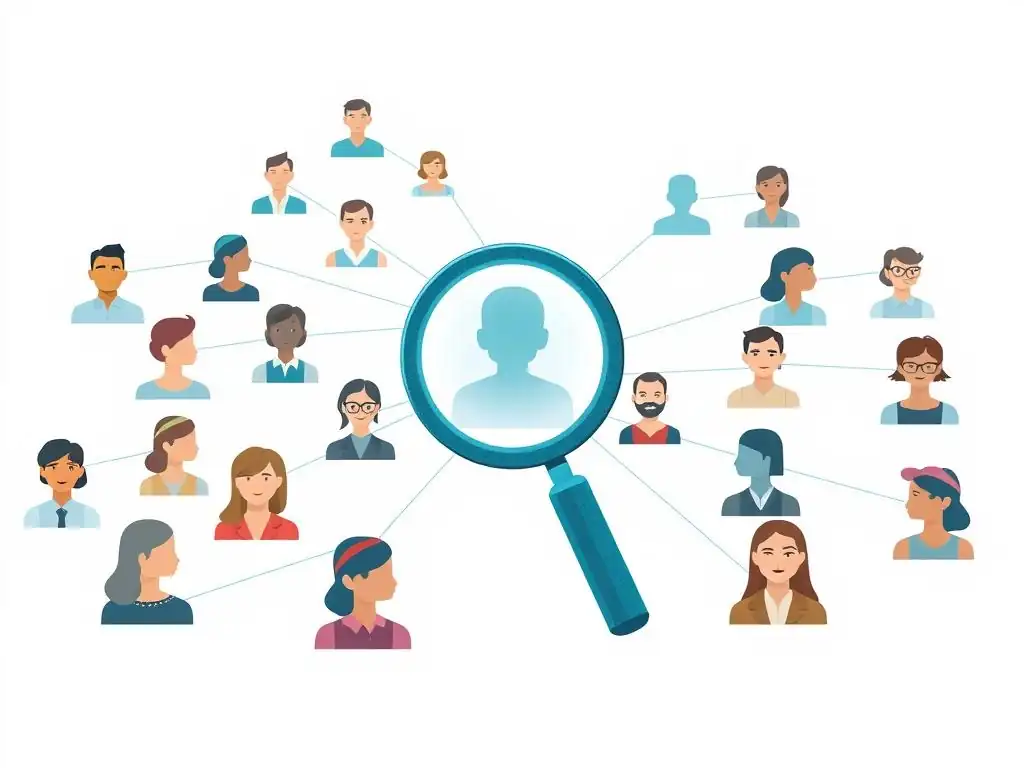
Reverse image searching is a powerful first step in verifying online dating profiles, but it shouldn't be your only line of defense. A multifaceted approach, combining several verification methods, significantly enhances your online dating safety. Think of reverse image search as a crucial initial screening – a filter – before proceeding to more in-depth verification. This section explores supplementary methods to bolster your safety and help you identify potential red flags. Remember, your safety and peace of mind are paramount.
Social media platforms can provide additional context and corroboration for information presented on a dating profile. However, proceed with caution; fake profiles exist on social media too. The goal is not to confirm every detail, but to look for inconsistencies or red flags. For example:
- Cross-referencing details: Does the profile picture on the dating site appear on their Facebook, Instagram, or LinkedIn? Are the claimed profession, education, and interests consistent across platforms? Discrepancies could indicate a deceptive profile.
- Checking friend lists: While you shouldn't stalk, a cursory look at their friend list can offer clues. A completely empty or suspiciously small list might raise concerns. A highly active profile with numerous friends and engagement could suggest authenticity, but this is not a guarantee.
- Analyzing photo albums: Authentic profiles often have a range of photos showcasing different aspects of their life, from casual snapshots to professional headshots. A profile with only highly-polished, professional-looking photos might be suspect. Look for inconsistencies in the photos' background, style, or overall aesthetic.
Background Checks and Their Role in Online Dating Safety
While not always necessary, background checks offer a more comprehensive layer of verification, particularly if you're considering a serious relationship. These checks can reveal criminal records, bankruptcies, or other information that might not be readily apparent otherwise. Several reputable background check services exist, but it's crucial to choose one that complies with privacy laws and ethical guidelines. Remember to only use such services with explicit consent from the individual, respecting their privacy rights. The information revealed should be considered alongside other verification methods and not used in isolation to make judgments.
Using a background check service might seem extreme for early stages of online dating, but for those contemplating a deeper connection, it can provide a significant degree of reassurance. This is especially important when considering meeting offline.
The Importance of Communication and Building Trust Online
Building trust takes time and careful observation. Don't rush into a relationship. Engage in meaningful conversations, ask open-ended questions, and listen attentively to their responses. Be wary of individuals who are overly eager to meet offline quickly, avoid discussing personal details early on, or are evasive about their personal background.
- Consistent communication: Does their communication style align with their profile? Are they responsive, or do they frequently disappear and reappear? Inconsistencies in communication patterns can be a warning sign.
- Video calls: Initiate a video call early in the process. This helps verify their identity and observe their demeanor. Be wary of individuals who consistently refuse video calls, offering excuses.
- Gradual disclosure: Share personal information gradually as trust develops. Don't reveal sensitive details too early in the relationship.
Remember, online dating safety is an ongoing process. By combining reverse image search with these additional verification methods, you significantly reduce your risk and increase your chances of building meaningful connections online. Trust your instincts – if something feels off, it probably is. Prioritize your safety and well-being above all else. 🕵️♀️
Reverse Image Search Dating Safety: Best Practices and Tips
This section delves into the practical application of reverse image searches to enhance your online dating safety. We'll explore how this powerful tool can help you verify profiles, identify potential scams, and ultimately, protect yourself from harm. Remember, your safety is paramount in the world of online dating, and proactive measures like these are crucial.
Protecting Your Personal Information During Online Dating
Protecting your personal information is crucial when using reverse image searches in online dating. Never share sensitive data like your full address, place of work, or financial information with anyone you meet online, regardless of how much you trust them. Even if a profile seems legitimate, a reverse image search only verifies the image; it doesn't verify the person behind the screen.
A reverse image search can reveal if a profile picture is stolen from another source, but it won't tell you if the person is who they claim to be. Therefore, proceed with caution even after a successful reverse image search. Consider these additional safety measures:
- Use a dedicated email address: Create a separate email account specifically for online dating to avoid exposing your primary inbox.
- Be wary of overly personal information: Avoid sharing details that could be used to identify your location or personal routines.
- Meet in public places: When you decide to meet someone offline, always choose a well-lit, public location. Let a friend or family member know where you're going and when you expect to be back.
- Never send money: Legitimate dating profiles will never ask for money. If someone asks for financial assistance, it's a major red flag. Report them immediately.
Knowing When to Walk Away from a Suspicious Profile
Even with the help of reverse image searches, some profiles will still display warning signs. Learning to recognize these red flags is essential for protecting yourself. Here are some key indicators that should prompt you to walk away:
- Inconsistent information: Discrepancies between the profile information and the results of a reverse image search are a significant red flag.
- Generic or stock photos: If the reverse image search reveals the photo is widely used, it suggests a lack of authenticity.
- Pressure for quick meetings: Be cautious of profiles that pressure you into meeting offline quickly without sufficient online interaction.
- Requests for personal information: Legitimate daters won't demand your full name, address, or other sensitive information early in the communication process.
- Vague or contradictory statements: Inconsistencies in their stories or a lack of detail should raise concerns.
- Grammar and spelling errors: While not always indicative of malicious intent, excessive errors can suggest a lack of effort or a hidden agenda.
Here's a table summarizing these red flags:
| Red Flag | Description | Action |
|---|---|---|
| Inconsistent Information | Discrepancies between profile and reverse image search results. | Walk away. |
| Generic/Stock Photos | Photo widely used online, revealed by reverse image search. | Walk away. |
| Pressure for Quick Meetings | Urgent requests for offline meetings with minimal online interaction. | Walk away. |
| Requests for Personal Info | Demands for sensitive information early in communication. | Walk away. |
| Vague/Contradictory Statements | Inconsistent stories or lack of detail. | Walk away. Investigate further if possible. |
| Grammar and Spelling Errors | Excessive errors in communication. | Proceed with caution. Investigate further. |
Remember, your intuition is a powerful tool. If something feels off, trust your gut feeling and move on. It's always better to be safe than sorry.
Reporting Suspicious Activity to Online Dating Platforms
If you encounter a profile that you suspect is fraudulent or engaged in harmful behavior, reporting it to the online dating platform is crucial. Most platforms have reporting mechanisms in place to help combat scams and protect their users.
When reporting suspicious activity, provide as much detail as possible, including:
- The user's profile URL or username
- Screenshots of the suspicious profile and communication
- A detailed explanation of why you suspect the profile is fraudulent or harmful, including the results of your reverse image search.
- Any other relevant information, such as links to external sources confirming the suspicious activity.
By reporting suspicious profiles, you contribute to a safer online dating environment for everyone. Your action can help prevent others from falling victim to scams and ensure a more positive experience for all users. Don't hesitate to use the reporting tools available; it's a vital step in promoting "Reverse Image Search Dating Safety."
Frequently Asked Questions
What is a reverse image search, and how does it relate to online dating safety?
A reverse image search allows you to find the source of an image by uploading it to a search engine like Google Images. In online dating, this helps verify the authenticity of a profile picture and detect potential catfishing or fake profiles. It's a crucial safety precaution.
Why should I use a reverse image search on dating profiles?
Many online dating profiles use stolen or manipulated images. A reverse image search can reveal if a profile picture has been taken from another website or social media account, exposing potential fraudulent activity and protecting you from scams.
How do I perform a reverse image search?
Most major search engines offer this functionality. Simply upload the image to Google Images, TinEye, or a similar service. The results will show you where else the image appears online, revealing its true origin and usage.
Are there any limitations to using reverse image search for dating safety?
While effective, reverse image searches aren't foolproof. Sophisticated scammers might use slightly altered images or images from less accessible sources. It's one tool among many for thorough profile verification.
What other safety measures should I take when online dating, besides reverse image searches?
Reverse image searches are just one part of a comprehensive safety strategy. Always verify information independently, be cautious about sharing personal details, and meet in public places for first dates. Trust your instincts and report suspicious activity.
The rise of online dating has fundamentally reshaped modern romance, but with this convenience comes a crucial need for safety and awareness. The ease of connection also presents an increased risk of encountering deceptive profiles and potentially harmful individuals. This necessitates a proactive approach to online dating, one that prioritizes personal safety and informed decision-making.
The impact of readily available tools like reverse image searches on the dating landscape is profound. It empowers individuals to take control of their online safety, moving beyond passive acceptance of profile information. This shift towards proactive verification is not just about avoiding scams; it's about fostering a more trustworthy and respectful online dating environment. Trust, but verify,
a maxim often attributed to Ronald Reagan, perfectly encapsulates the spirit of this approach. By utilizing readily available technology, we can cultivate a more discerning and safer online dating experience for everyone.
Consider how you approach online interactions. Are you actively verifying the information presented to you? Are you comfortable asking questions and setting boundaries? Take the time to learn about the tools available to you, like reverse image searches, and integrate them into your online dating routine. Your safety and well-being are paramount, and by embracing a proactive and informed approach, you can navigate the digital dating world with confidence and create meaningful connections in a secure environment.
Unlock Safer, Smarter Online Dating Today
Thanks for learning about the power of reverse image searches in online dating! You've gained a valuable tool to enhance your safety and build trust. Let's put this knowledge to work:
- Always perform a reverse image search on potential matches. This simple step helps verify authenticity and avoid scams. Make it a regular practice!
- Share this article with your friends and family. Help them navigate the online dating world more safely and confidently.
- Join the conversation! What other safety measures do you find helpful in online dating? Share your tips in the comments below.
Ready to make your online dating experience safer and more successful?