
Adapting Your Profile to Different Dating App Cultures

Ready to transform your online dating experience? At OnlineDatingSuccess.org, we understand the complexities of navigating the digital dating world. This is where you'll discover actionable strategies to not only attract the right matches but also build genuine connections. Our focus today is on dating app profile optimization, a crucial step in mastering the unique cultures of different dating apps. Dive in to learn how adapting your profile can unlock a world of possibilities and dramatically increase your success rate!
- Understanding Dating App Cultures: A Key to Profile Optimization
- Optimizing Your Dating App Profile for Maximum Impact
- Adapting Your Communication Style to Different Platforms
- Avoiding Common Mistakes in Cross-Platform Dating
- Measuring Success and Iterating Your Approach
-
Frequently Asked Questions
- How can I adapt my profile to different dating apps?
- What kind of photos should I use for dating app profile optimization?
- How important is my dating app bio for profile optimization?
- What are some common mistakes to avoid in dating app profile optimization?
- How do I measure the success of my dating app profile optimization?
- Final Reflection: Navigating the Digital Dating Landscape
- Unlock Your Dating App Potential: Craft Your Perfect Profile
Understanding Dating App Cultures: A Key to Profile Optimization
Navigating the world of online dating requires more than just a great photo; it demands a strategic understanding of the unique cultures inherent to each platform. This isn't about creating a generic profile and hoping for the best. Instead, successful online dating hinges on adapting your profile to resonate with the specific user base and expectations of each app.
This article will delve into the nuances of different dating apps, guiding you through the process of optimizing your profile for maximum impact and helping you achieve your dating goals. Mastering this skill is crucial for anyone serious about finding meaningful connections through online dating, and significantly improves your chances of finding a compatible partner.
We'll explore how to analyze user demographics, understand the preferred communication styles, and tailor your profile content and tone to effectively attract the right people on each platform. This approach to "Dating app profile optimization" will drastically increase your visibility and engagement, leading to more meaningful interactions.
Identifying Your Target App: Tinder vs. Bumble vs. Hinge
The first step in optimizing your dating app profile is identifying which platforms best align with your dating goals and preferences. Each app attracts a distinct user base with unique expectations and communication styles. Let's examine three popular examples:
- Tinder: Often perceived as more casual and focused on quick connections, Tinder prioritizes visual appeal. Users tend to browse quickly, making strong photos and a concise, engaging bio crucial. The emphasis is on immediate attraction.
- Bumble: Bumble places women in control, requiring them to initiate contact. This fosters a more deliberate and potentially less superficial approach. Profiles on Bumble benefit from showcasing personality and interests, encouraging more thoughtful interactions. A well-crafted bio highlighting your values and aspirations is highly effective.
- Hinge: Hinge positions itself as a relationship-oriented app. Users on Hinge are often looking for something more serious than a casual fling. Profiles should reflect this by highlighting personal values, interests, and long-term goals. Detailed and thoughtful responses to prompts are highly valued.
Analyzing User Demographics and Preferences on Each Platform
Understanding the typical user demographics on each app is vital for tailoring your profile. For example:
| App | Age Range (approx.) | Relationship Goals (predominantly) | Communication Style (typical) |
|---|---|---|---|
| Tinder | 18-45 | Casual dating, short-term relationships | Brief, playful, visually driven |
| Bumble | 20-40 | Casual to serious relationships | More conversational, less superficial |
| Hinge | 25-50 | Serious relationships, long-term commitment | Thoughtful, detailed, value-oriented |
This data, while approximate, illustrates the significant differences between platforms. Failing to adapt your profile to the specific user base will likely result in limited success. Remember, a profile that works wonders on Hinge might fall flat on Tinder, and vice-versa. Further research into specific app demographics can refine this information for even greater optimization.
Matching Your Profile to App-Specific Expectations: Tone and Content
Once you've identified your target app and analyzed its user base, it's time to tailor your profile's tone and content accordingly. This involves:
- Photos: Choose high-quality, diverse photos showcasing your personality and lifestyle. On Tinder, focus on visually striking images. On Hinge, showcase your interests and hobbies through photos. Bumble allows for a middle ground, balancing both aesthetics and personality.
- Bio: Keep your bio concise and engaging on Tinder. On Bumble and Hinge, allow more space for storytelling and detailing your personality and interests. Use humor judiciously, ensuring it aligns with the app's overall tone.
- Prompts (where applicable): Answer prompts thoughtfully and authentically, providing insightful responses that spark conversation. This is particularly important on Hinge, where prompts are a central element of the profile.
By understanding and adapting to the unique cultures of each dating app, you significantly increase your chances of attracting compatible matches and building meaningful connections. Remember, consistent adaptation and experimentation are key to optimizing your online dating experience. This detailed approach to "Dating app profile optimization" will lead to a more rewarding and successful dating journey.
Optimizing Your Dating App Profile for Maximum Impact
This section dives deep into the nuances of crafting a dating app profile that resonates with the unique culture of each platform. Remember, a profile that works wonders on Tinder might fall flat on Hinge, and vice-versa. Successful dating app profile optimization requires a tailored approach, understanding the subtle differences in user demographics and expectations across various apps. We'll explore how to adapt your profile to maximize your chances of connecting with compatible individuals.
Crafting Compelling Headlines and Biographies for Each App
Your headline and bio are your first impression – make it count! Each app attracts a different user base, demanding a unique approach to crafting your profile's narrative.
For example, Tinder, known for its fast-paced swiping culture, benefits from short, punchy headlines that highlight your most attractive qualities. Think "Adventurous foodie seeking spontaneous connections" or "Dog lover with a killer sense of humor." Your bio should be equally concise, focusing on a few key personality traits and interests.
Hinge, on the other hand, encourages more in-depth engagement. Its prompt-based format allows for more nuanced self-expression. Here, you can showcase your personality through thoughtful answers, revealing your values and aspirations. Instead of a simple list of hobbies, use Hinge prompts to tell compelling stories about your life experiences. For example, a prompt like "My most embarrassing moment" could lead to a humorous and relatable anecdote that sparks conversation.
Bumble, with its female-forward approach, benefits from a bio that projects confidence and kindness. Highlight your achievements subtly, focusing on your positive qualities and what you bring to a relationship. A headline like "Kindred spirit seeking genuine connection" or "Ambitious and compassionate, looking for my partner in crime" can be very effective.
Consider this table summarizing ideal headline and bio strategies:
| App | Headline Style | Bio Style | Key Focus |
|---|---|---|---|
| Tinder | Short, punchy, attention-grabbing | Concise, highlighting key traits & interests | First impressions, quick connection |
| Hinge | Intriguing, thought-provoking | Detailed, story-driven, showcasing values | Deeper engagement, personality revelation |
| Bumble | Positive, confident, approachable | Kind, genuine, highlighting positive qualities | Building trust, showing compatibility |
Remember, emojis can add personality and visual appeal! Use them sparingly and appropriately to enhance your message, not overwhelm it. 😉
Choosing the Right Photos for Different Dating App Audiences
Your photos are arguably the most crucial element of your profile. Different apps attract different audiences with varying preferences. What works on one app may not work on another.
On Tinder, high-quality, visually appealing photos are key. Focus on showcasing your best features – a clear smile, a captivating pose, and a variety of settings. Avoid blurry or poorly lit pictures.
Hinge, being more relationship-oriented, benefits from photos that reflect your personality and lifestyle. Include photos that show you engaging in hobbies, spending time with friends, or traveling. These photos provide potential matches with a glimpse into your daily life and values.
Bumble users appreciate authenticity and genuineness. While high-quality photos are still important, focus on photos that showcase your natural self. Include a variety of shots, showcasing different aspects of your personality and interests. Consider including a photo with your pets if you have them! 🐶
Pro-Tip: Photo Selection Best Practices
Always use recent, well-lit photos. Avoid group shots where you're difficult to identify. Consider using a professional photographer for a polished look. And above all, let your photos reflect your true self – don't try to be someone you're not!
Highlighting Relevant Interests and Activities Based on App Culture
Tailoring your interests section to the specific app is crucial. On Tinder, a simple list of hobbies might suffice. However, on Hinge, you should elaborate on those interests, using the prompts to tell stories and showcase your personality.
Consider these examples:
- Tinder: "Travel, hiking, cooking, live music"
- Hinge: "I love to travel – my recent trip to Japan completely changed my perspective. I'm currently learning to make sourdough bread, and nothing beats a live concert to unwind."
The level of detail should reflect the app's culture. Apps like Hinge and Bumble reward depth and authenticity, while Tinder values brevity and impact. Remember to choose interests that genuinely reflect your passions and are likely to resonate with your target audience. This approach makes dating app profile optimization more effective and personal. By understanding the nuances of each platform, you can significantly increase your chances of finding meaningful connections.
Utilizing App-Specific Features for Profile Enhancement
Dating app profile optimization isn't just about crafting the perfect bio; it's about leveraging the unique features each platform offers. Different apps cater to different audiences and have distinct functionalities that can significantly boost your visibility and attract compatible matches. Failing to utilize these features is like leaving money on the table – you're missing out on a crucial aspect of dating app success.
For instance, consider apps like Tinder, known for its swipe-based interface. Tinder prioritizes visual appeal. Therefore, high-quality photos are paramount. Beyond the number of photos, consider the order of your photos. Place your most captivating image first to grab attention immediately.
Use a variety of photos showcasing different aspects of your personality and lifestyle—a candid shot laughing with friends, a photo showcasing a hobby, and a picture highlighting your physical attributes. Don't neglect the Tinder bio; even with a focus on visuals, a concise, witty bio can set you apart. Consider using emojis strategically to enhance readability and add personality. Remember, on Tinder, it's often a quick judgment, so make every element count.
In contrast, apps like Bumble emphasize female agency. Women initiate contact, so your profile needs to be even more compelling. On Bumble, carefully curating your photos remains vital, but the bio takes on even greater importance. Highlight your ambitions, values, and interests clearly and concisely.
Bumble also offers prompts, which are short, engaging questions designed to spark conversation. Answer these thoughtfully and authentically, revealing aspects of your personality that might not be evident in your photos or bio. This allows potential matches to quickly connect with you on a deeper level. Using Bumble's prompts effectively is a key element of dating app profile optimization on this platform.
Apps like Hinge focus on building meaningful connections through detailed prompts and shared interests. Hinge encourages more in-depth self-expression, so your profile should reflect this. Craft thoughtful answers to their prompts, going beyond surface-level responses. Showcase your personality, values, and aspirations.
High-quality, diverse photos are still important, but the emphasis shifts towards demonstrating genuine personality and interests. The goal is to spark engaging conversations based on shared values and common ground. This requires a more substantial time investment in profile creation, but the payoff is increased chances of finding compatible matches. Don't underestimate the power of a well-crafted Hinge profile in attracting high-quality matches.
Finally, remember that each app has its own algorithm. Understanding how each app's algorithm works and tailoring your profile accordingly is crucial for maximizing your visibility and attracting the right people. Experiment with different photos, bios, and prompt answers to see what resonates best with the app's user base. Pay attention to who's liking your profile and analyze what commonalities exist. This iterative approach, combined with utilizing app-specific features, is the key to effective dating app profile optimization. The more you understand the nuances of each platform, the better equipped you'll be to attract the ideal partner.
Adapting Your Communication Style to Different Platforms
Dating app profile optimization extends beyond just a visually appealing profile picture and a witty bio. Your communication style is equally crucial, and it needs to adapt to the unique cultures of different dating apps. Understanding the nuances of each platform allows for more effective interaction and increases your chances of finding a compatible match. This section focuses on tailoring your messaging approach to maximize your success. Remember, even the best dating app profile optimization strategy won't work if your communication falls flat.
Responding to Messages: Tone and Approach Variations
Responding to messages effectively is a critical aspect of dating app profile optimization. The tone and approach you take should vary depending on the platform and the message received. For example, a quick, witty response might work well on a fast-paced app like Tinder, where brevity is key. On apps like Bumble, where women initiate, a thoughtful and engaging response is more appropriate, showing you've taken the time to read their profile and understand their interests.
Consider these examples:
| App | Message Received | Appropriate Response | Inappropriate Response |
|---|---|---|---|
| Tinder | "Hey! How's your day going?" | "Hey! It's going great, thanks! Yours? What are you up to?" | "Hey." |
| Bumble | "I saw you're a fan of [shared interest]. Me too!" | "That's awesome! I love [shared interest], especially [specific detail]. What's your favorite aspect of it?" | "Cool." |
| Hinge | "Your profile is really interesting. Tell me more about [specific detail from profile]" | "Thanks! I'm glad you noticed. [Detailed response about the specific detail, showing genuine interest]" | "Oh, thanks." |
Remember to always maintain a respectful and genuine tone. Avoid overly casual or overly formal language, depending on the app's overall vibe. The goal is to spark engaging conversations, showcasing your personality while respecting the platform's culture. Successful dating app profile optimization involves consistent effort and attention to detail, even in your messaging.
Initiating Conversations: Strategies for Different App Cultures
Initiating conversations requires a different strategy depending on the dating app's culture and your target audience. On apps like Bumble, where women initiate, your profile needs to be strong enough to encourage messages. However, on apps where men typically initiate, a well-crafted opening message is crucial for dating app profile optimization.
- Tinder: Keep it short, sweet, and engaging. Focus on something specific from their profile to demonstrate you've actually looked at it. Avoid generic pick-up lines.
- Bumble: While you might not be initiating the conversation, your profile must stand out. Use high-quality photos, a captivating bio, and prompts that spark interest.
- Hinge: Hinge encourages more in-depth conversations. Use the prompts to start meaningful discussions and show your personality.
- OkCupid: OkCupid utilizes detailed questionnaires to match users. Use this to your advantage, crafting opening messages based on shared interests and values revealed through these answers.
Remember, initiating a conversation isn't about being overly charming or clever; it's about showing genuine interest. Research the app's user base to understand their preferences and tailor your approach accordingly. A well-crafted opening message, combined with an optimized profile, significantly increases your chances of initiating meaningful connections. This is a key element of successful dating app profile optimization.
Avoiding Common Mistakes in Cross-Platform Dating
Dating app profile optimization is crucial for success, but many users make mistakes when trying to manage profiles across multiple platforms. This section focuses on common pitfalls and how to avoid them to maximize your chances of finding meaningful connections. Understanding the nuances of each app's user base and culture is key to crafting effective profiles that resonate. Failing to do so can lead to wasted time and missed opportunities.
Profile Inconsistencies Across Apps: Why it Matters
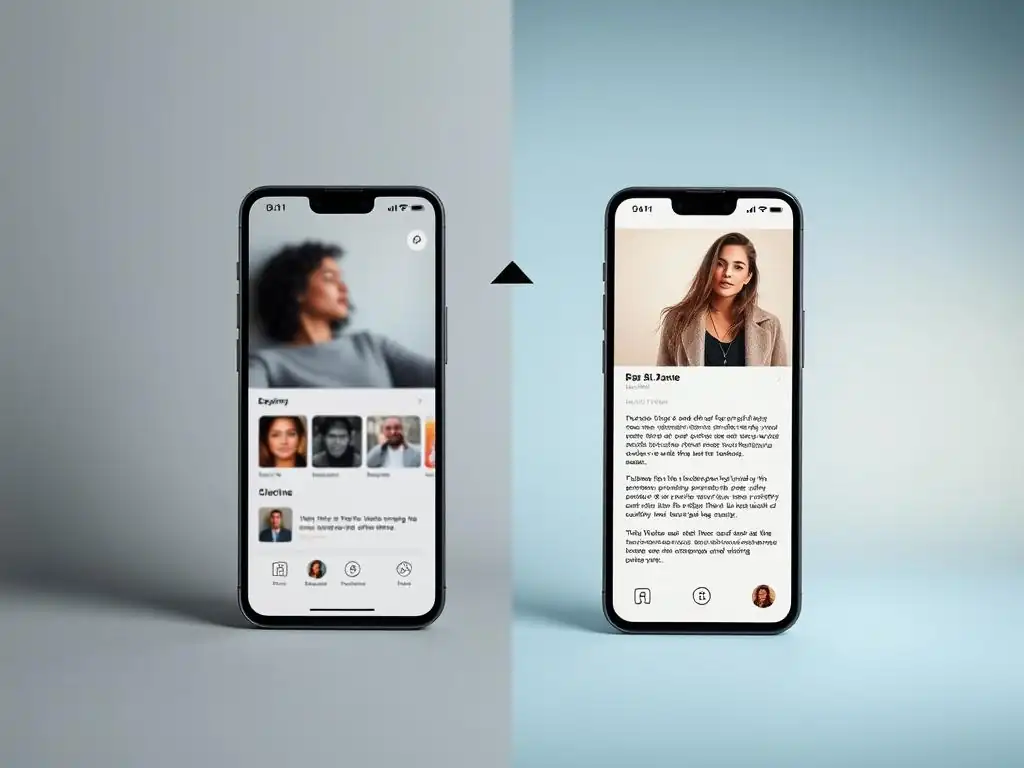
Maintaining consistent branding across your dating app profiles might seem trivial, but it's a significant factor in attracting genuine interest. Inconsistencies – different photos, drastically varying bios, or conflicting information – can create confusion and even raise red flags. Imagine presenting yourself as a serious, bookish individual on one app, only to appear as a party animal on another. This discrepancy can damage your credibility and deter potential matches who might be interested in one aspect of your personality but not the other.
Consider the following scenario: On App A, you showcase your love for hiking and outdoor activities with photos reflecting this. On App B, your profile pictures are all selfies in nightclubs. A potential match who appreciates your adventurous side on App A might be completely turned off by your App B profile. This inconsistency creates a fragmented image, making it harder for people to get a clear sense of who you are.
The key to successful cross-platform dating is to maintain a cohesive narrative. While you can certainly tailor your profile to highlight different aspects of your personality on each app (e.g., emphasizing your professional side on one, and your playful side on another), avoid blatant contradictions. Think of it like building a personal brand; you want to maintain consistency while showcasing different facets. This approach builds trust and authenticity, making it easier to attract genuine connections.
Ignoring App-Specific Etiquette: Negative Consequences
Each dating app fosters a unique culture and has its own unspoken rules of engagement. Ignoring these app-specific nuances can significantly hinder your success. For instance, what's considered acceptable behavior on one platform might be a major turn-off on another. This extends beyond simple profile optimization to encompass communication style, photo selection, and even the frequency of messaging.
For example, App X might be known for its fast-paced, hookup-oriented culture, while App Y prioritizes long-term relationships. Using the same approach on both platforms is a recipe for disappointment. On App X, a direct and playful approach might be effective, while on App Y, a more thoughtful and considerate style is necessary.
Failing to adapt your communication style can lead to missed connections or even negative experiences. Similarly, photo selection should align with the app's overall vibe. Photos showcasing your adventurous side might work well on an app focused on outdoor enthusiasts, but they might not be as effective on an app where users primarily seek intellectual connection.
Moreover, the frequency of messaging and the type of content you share also need to be tailored. Overly aggressive messaging might be well-received on one app but considered pushy on another. The same goes for the type of information you reveal.
Sharing personal details too early on might be seen as forward on some platforms but perfectly acceptable on others. Understanding and respecting these unspoken rules is essential for navigating the diverse landscape of online dating successfully. By adapting your profile and communication style to each platform, you increase your chances of creating meaningful connections and achieving your dating goals.
Measuring Success and Iterating Your Approach
Optimizing your dating app profile isn't a one-time task; it's an ongoing process of refinement. Understanding how your profile performs across different platforms is crucial for achieving your dating goals. This involves actively tracking key metrics and making data-driven adjustments to maximize your visibility and attract compatible matches. Successful dating app profile optimization hinges on consistent monitoring and iterative improvement. Think of it like A/B testing – you're constantly experimenting to find the best version of your online persona for each specific app's user base.
Tracking Engagement Metrics on Each App
Different dating apps provide varying levels of engagement data. Some offer detailed analytics, while others provide less granular insights. Regardless, you should strive to track the following key metrics whenever possible:
- Likes/Matches: The most basic metric, this shows how many users find your profile appealing enough to express interest. A low number might indicate a need for profile picture or bio improvements.
- Messages Received: This reveals how many users are engaging with you beyond a simple like. A low message rate might suggest your profile isn't conveying your personality effectively or targeting the right audience.
- Message Response Rate: This metric shows how often you respond to messages and how often you receive replies. A low response rate might suggest your messaging style needs work or that your profile is attracting incompatible matches.
- Conversation Length: This shows the average duration of your conversations. Short conversations might indicate a mismatch in expectations or communication styles.
- Date Invitations: The ultimate metric, this reflects your success in converting interactions into real-life dates. A low number might signal a disconnect between your online persona and your in-person self.
Consider creating a simple spreadsheet or using a notebook to track these metrics for each app you use. This allows you to compare performance across platforms and identify areas for improvement. For example, you might discover that your profile performs exceptionally well on app A in terms of likes, but poorly on app B in terms of messages received. This data-driven approach to dating app profile optimization will help you understand what’s working and what’s not. Remember, consistency is key—track these metrics regularly to observe trends and make informed decisions.
Analyzing Profile Performance and Making Adjustments
Once you've gathered sufficient data, analyze your results to identify areas for improvement. Let's say you notice a consistently low message rate on App X. This doesn't automatically mean your profile is bad; it suggests a need for a strategic review. Ask yourself:
- Are my photos high-quality and engaging? Do they accurately reflect my personality and lifestyle? Consider A/B testing different photos to see which ones perform best.
- Is my bio compelling and informative? Does it clearly communicate my interests and what I'm looking for in a partner? Experiment with different tones and styles to see what resonates best with the app's user base.
- Am I targeting the right audience? Are my profile settings and preferences aligned with the type of people I want to meet? Adjusting your filters might help attract more compatible matches.
- Is my messaging style effective? Are you initiating engaging conversations? Are you responding promptly and thoughtfully to messages?
Remember that different apps attract different demographics and have different cultures. A profile that works well on one app might not perform as well on another. This is why continuous adaptation is essential. For instance, a humorous profile might be well-received on Tinder, but less so on a more serious app like Hinge. Analyzing your performance on each platform separately allows you to tailor your approach accordingly.
Continuously Refining Your Profile for Optimal Results
Dating app profile optimization is an iterative process. It's not about finding the "perfect" profile; it's about continually refining your approach based on data and feedback. Think of your profile as a living document that evolves as you learn more about what works and what doesn't.
Consider implementing these strategies for continuous improvement:
- Regularly review and update your photos. Fresh photos can keep your profile feeling current and engaging.
- Experiment with different bio styles. Try different tones, lengths, and formats to see what resonates best.
- Pay attention to user feedback. If you receive constructive criticism, consider incorporating it into your profile.
- Stay updated on app trends. Dating app algorithms and user preferences are constantly evolving, so staying informed is key.
- Don't be afraid to start over. If your profile isn't performing well after significant adjustments, consider starting fresh with new photos and a completely rewritten bio.
By embracing a data-driven approach and continuously refining your profile, you can significantly increase your chances of finding success in the world of online dating. Remember, patience and persistence are crucial; your perfect match is out there, and a well-optimized profile is your key to connecting.
Frequently Asked Questions
How can I adapt my profile to different dating apps?
Different apps attract different users. Research the app's user base and tailor your photos and bio to reflect their interests and values. For example, Hinge emphasizes authenticity, while Tinder prioritizes quick visual attraction.
What kind of photos should I use for dating app profile optimization?
Use high-quality, diverse photos that showcase your personality and interests. Include a variety of shots – solo shots, group photos with friends, and photos showing your hobbies. Avoid overly filtered or misleading images.
How important is my dating app bio for profile optimization?
Your bio is crucial! It's your chance to show your personality and attract compatible matches. Keep it concise, engaging, and reflective of your ideal partner. Highlight your passions and values.
What are some common mistakes to avoid in dating app profile optimization?
Avoid generic bios, low-quality photos, and overly aggressive or negative language. Be authentic and genuine in your profile. Don't misrepresent yourself or your intentions.
How do I measure the success of my dating app profile optimization?
Track your match rate and message response rate. Experiment with different photos and bio variations to see what resonates best with potential matches. Pay attention to the feedback you receive.
The art of crafting a compelling dating app profile isn't just about showcasing your best self; it's about understanding the unique ecosystems of each platform. In today's hyper-connected world, mastering this skill is crucial for anyone seeking meaningful connections online. The subtle nuances between apps, from the preferred photo styles to the tone of your bio, can significantly impact your success.
The evolution of online dating has profoundly shaped how we approach relationships, shifting from a novelty to a mainstream method of connection. This shift necessitates a deeper understanding of digital etiquette and self-presentation. The pressure to curate a perfect online persona is undeniable, but as the saying goes, Authenticity is the new perfection.
Finding the balance between showcasing your best self and remaining true to your values is the key to navigating this complex landscape successfully. This journey of self-discovery and strategic profile building is not just about finding a partner; it's about understanding yourself better in the context of modern relationships.
Now, consider your own online presence. What aspects of your profile resonate most authentically with your personality? What adjustments could you make to better reflect your values and attract compatible partners? Take the time to analyze your current approach, experiment with different strategies, and most importantly, be patient and kind to yourself throughout the process. The right connections are out there, waiting to be discovered – but finding them requires a thoughtful and adaptable approach to the digital dating game.
Unlock Your Dating App Potential: Craft Your Perfect Profile
Thank you for taking the time to learn how to optimize your dating app profile! You've gained valuable insights into the nuances of different platforms. Ready to put this knowledge to use?
- Craft a compelling profile tailored to your chosen dating app. Consider the app's unique user base and overall tone. Your profile is your first impression—make it count!
- Experiment with various photos and descriptions. Analyze the responses you receive and adjust your profile accordingly. Don't be afraid to try new approaches.
- Get feedback from a friend on your revised profile; a fresh perspective can be incredibly helpful.
What unique detail will you incorporate into your profile to make a memorable impression on your chosen app?