
The Pros and Cons of Various Dating App Cultures

Ready to unlock the secrets to online dating success? At OnlineDatingSuccess.org, we empower you to navigate the complexities of finding love in the digital age. But before you dive in, consider this: are you choosing the right platform for your goals? Our in-depth analysis of Dating app culture comparison will reveal the surprising differences between popular apps, helping you choose the perfect environment to connect authentically and build meaningful relationships. Discover which app best suits your personality and dating style – let's find your perfect match!
- Understanding Dating App Culture: A Comparison
- Tinder Culture: Pros and Cons
- Hinge Culture: Pros and Cons
- Bumble Culture: Pros and Cons
- OkCupid Culture: Pros and Cons
- Dating App Culture Comparison: Finding the Right Fit for Your Goals
-
Frequently Asked Questions
- What is the main focus of this article on dating app culture comparison?
- How does the article define "dating app culture"?
- Which dating apps are compared in this article? (Assume the article covers Tinder, Bumble, Hinge, and OkCupid)
- What are some of the pros and cons discussed regarding different dating app cultures?
- How can I use this article to improve my online dating experience?
- Final Reflection: Navigating the Digital Dating Landscape
- Unlock Your Dating App Success: Take Charge Now!
Understanding Dating App Culture: A Comparison
Navigating the world of online dating can feel like deciphering a complex code. Success isn't just about crafting the perfect profile picture; it's deeply intertwined with understanding the unique culture of each dating app you use. This article delves into the diverse landscapes of popular dating apps, comparing their atmospheres, user demographics, and overall approaches to finding connections.
We'll explore the pros and cons of each platform's unique culture, providing you with the knowledge to choose the apps best suited to your dating goals and personality, ultimately boosting your chances of finding a meaningful relationship. Understanding these nuances is crucial for optimizing your online dating experience and avoiding common pitfalls.
This comparison focuses on the key differences in user behavior, communication styles, and the overall vibe of several prominent dating apps, helping you make informed decisions about where to invest your time and energy. We aim to equip you with the insight needed to navigate the complexities of "dating app culture comparison" and achieve online dating success.
Defining "Dating App Culture" and its Impact on Online Dating Success
The term "dating app culture" encompasses the shared norms, values, and behaviors exhibited by users on a specific platform. This culture isn't static; it's a dynamic entity shaped by the app's design, its target audience, and the collective interactions of its users. For example, an app designed for serious relationships will likely foster a different culture than one primarily focused on casual encounters. Understanding this impact is vital for online dating success.
Consider these factors that contribute to a dating app's unique culture:
- App Algorithm and Features: The way an app matches users significantly influences the type of interactions it fosters. Apps prioritizing compatibility based on detailed questionnaires might attract users seeking more meaningful connections, resulting in a more thoughtful and less superficial interaction style. Conversely, apps reliant on swiping and immediate visual attraction often encourage a faster-paced, more superficial approach.
- User Demographics: The age range, location, and overall demographics of an app's user base inevitably shape its culture. An app popular with young professionals might have a different pace and communication style compared to one attracting a more mature audience.
- Social Norms and Expectations: Each app develops its own set of unspoken rules and expectations. Some apps might prioritize direct communication, while others encourage more playful or indirect interactions. Understanding these subtle cues is key to navigating the app successfully.
The impact on online dating success is significant. Choosing an app whose culture aligns with your dating goals and communication style dramatically increases your chances of positive experiences and meaningful connections. Mismatches can lead to frustration, wasted time, and potentially negative experiences. Therefore, carefully considering the cultural nuances of each platform is a crucial step in optimizing your online dating strategy.
Key Differences Between Mainstream Dating Apps
Several mainstream dating apps exhibit distinct cultural characteristics. While generalizations are unavoidable, understanding the broad trends can significantly improve your online dating approach. These differences often manifest in communication styles, the types of relationships users seek, and the overall atmosphere of the app.
| Dating App | Typical User Demographics | Predominant Relationship Goal | Communication Style | Overall Atmosphere |
|---|---|---|---|---|
| App A | [Specific Information Pending] | [Specific Information Pending] | [Specific Information Pending] | [Specific Information Pending] |
| App B | [Specific Information Pending] | [Specific Information Pending] | [Specific Information Pending] | [Specific Information Pending] |
| App C | [Specific Information Pending] | [Specific Information Pending] | [Specific Information Pending] | [Specific Information Pending] |
Understanding these differences allows you to tailor your profile, communication style, and expectations to each app, maximizing your chances of finding compatible matches and building meaningful connections. Remember, the goal is to find the app whose culture best aligns with your personal dating goals and preferences. This is a crucial aspect of effective "dating app culture comparison."
Tinder Culture: Pros and Cons
Tinder, arguably the most recognizable name in online dating, has cultivated a unique culture with its own set of advantages and disadvantages. Understanding this culture is crucial for anyone hoping to leverage the app effectively, whether for casual encounters or serious relationships. This section will delve into the specifics of Tinder's cultural nuances, offering insights to help you navigate its complexities.
The Swipe-Based System: Advantages and Disadvantages
Tinder's signature swipe-based system offers both benefits and drawbacks. The ease of browsing profiles and making initial contact is undeniably appealing. The speed and efficiency allow users to quickly assess potential matches and move on without feeling pressured into lengthy conversations. This system is excellent for those who value efficiency and prefer a quick-paced dating experience.
Data suggests that a significant portion of Tinder users – [specific percentage pending] – find the swipe system intuitive and enjoyable. However, this very speed can also lead to superficial judgments and a lack of meaningful connection. The focus on visual appeal might overshadow deeper compatibility, potentially leading to disappointment for those seeking more substantial relationships. The sheer volume of profiles can also be overwhelming, leading to "swipe fatigue" and a feeling of being lost in a sea of faces.
Tinder's Casual Approach: Benefits and Drawbacks for Relationship Seekers
Tinder's reputation precedes it; it's often associated with a casual approach to dating. This perception, while partly accurate, isn't universally true. While many users utilize Tinder for casual encounters, a considerable number are actively seeking long-term relationships.
The casual nature can be advantageous for those who prefer a low-pressure environment to explore their options and meet new people without the immediate expectation of commitment. However, this casual atmosphere can also be a significant drawback for those explicitly seeking serious relationships. The sheer number of users primarily interested in casual dating can make it challenging to find like-minded individuals seeking commitment.
This necessitates a more discerning approach and the ability to filter out users whose intentions don't align with your own. Successfully navigating this requires clear communication and profile optimization to attract serious daters. For example, highlighting your relationship goals explicitly in your bio can significantly increase your chances of connecting with compatible users.
Tinder's hookup culture is a well-documented aspect of its ecosystem. For serious daters, this can seem daunting, but it's not insurmountable. The key lies in proactive communication and profile curation. Firstly, crafting a profile that emphasizes your values and relationship goals is essential. Avoid ambiguous language and instead clearly state your intentions.
Secondly, pay close attention to potential matches' profiles. Look for indicators of their dating intentions. Do their bios mention seeking a serious relationship? Do their photos suggest a desire for casual encounters or something more meaningful? Finally, don't be afraid to initiate conversations that delve beyond superficial pleasantries.
Ask thoughtful questions, demonstrate genuine interest, and gauge their responses to determine if your goals align. Remember, even within a casual environment, genuine connections are possible. Patience and selective communication are crucial for serious daters hoping to find lasting relationships on Tinder. Remember to prioritize safety and always meet in public places for first dates. 💥
Hinge Culture: Pros and Cons
Hinge, often touted as the "relationship app," cultivates a distinct culture compared to other dating platforms. Understanding its nuances is key to maximizing your success. This section delves into the specific pros and cons of Hinge's environment, providing actionable insights for navigating its unique features and user base. We'll examine Hinge's focus on relationships, its "detailed prompts" feature, and strategies for building meaningful connections within its ecosystem. This analysis will help you determine if Hinge's dating app culture is the right fit for your dating goals. The goal is to provide a comprehensive Dating app culture comparison for Hinge.
Hinge's Focus on Relationships: Positive Aspects and Potential Pitfalls
Hinge explicitly promotes itself as an app designed for those seeking serious relationships, not casual hookups. This focus manifests in several ways. The algorithm prioritizes users who demonstrate a commitment to finding a partner, leading to a higher proportion of individuals actively seeking long-term connections. This is a significant positive for those tired of superficial interactions and looking for something more substantial. The app's design encourages deeper engagement through prompts and detailed profiles, fostering more meaningful conversations from the outset.
However, this focus can also be a drawback. Some users might find the atmosphere too serious or pressured, particularly those looking for something more casual. The emphasis on long-term compatibility might filter out individuals who are open to exploring various relationship dynamics. Furthermore, the higher expectation of commitment can lead to increased pressure and potential disappointment if initial conversations don't immediately lead to a strong connection. The success rate, while potentially higher for serious relationships, might be lower overall due to this inherent selectivity. This creates a unique aspect of Hinge's Dating app culture comparison.
The "Detailed Prompts" Feature: Impact on Profile Quality and Matching
Hinge's unique selling point is its "prompts" feature, which allows users to answer engaging questions, providing a glimpse into their personalities and interests beyond a simple bio. This feature significantly impacts profile quality and matching. Well-crafted answers can showcase personality, humor, and values, leading to more engaging profiles and potentially better matches. Users can demonstrate genuine interest in forming connections, and the prompts act as conversation starters, reducing the awkwardness of initial interactions.
However, some users might struggle to articulate themselves effectively through prompts, leading to less compelling profiles. Others may misuse the feature, providing generic or uninspired answers, hindering their chances of attracting quality matches. Additionally, the reliance on prompts might inadvertently lead to superficial judgments, as users might focus too heavily on specific answers rather than the overall profile. Strategic and thoughtful responses are crucial for success on Hinge, making the quality of prompts a key factor in the Dating app culture comparison.
Building Meaningful Connections on Hinge: Strategies and Challenges
Building meaningful connections on Hinge requires a thoughtful and proactive approach. The app's focus on relationships demands genuine engagement and effort. Users should invest time in crafting a compelling profile, thoughtfully answering prompts, and initiating conversations that go beyond superficial pleasantries. Actively listening and responding thoughtfully to messages is crucial, showcasing genuine interest and respect. Be prepared to share personal details and be open to vulnerability to foster deeper connections.
However, navigating Hinge's culture presents certain challenges. The higher expectation of commitment can lead to increased pressure, and rejection might feel more significant than on other platforms. Finding common ground and establishing meaningful connections takes time and effort. Users might encounter individuals who are not truly ready for a serious relationship despite the app's focus. Therefore, patience, resilience, and a clear understanding of your own relationship goals are essential for success on Hinge. This understanding is crucial for a fair Dating app culture comparison.
Bumble Culture: Pros and Cons
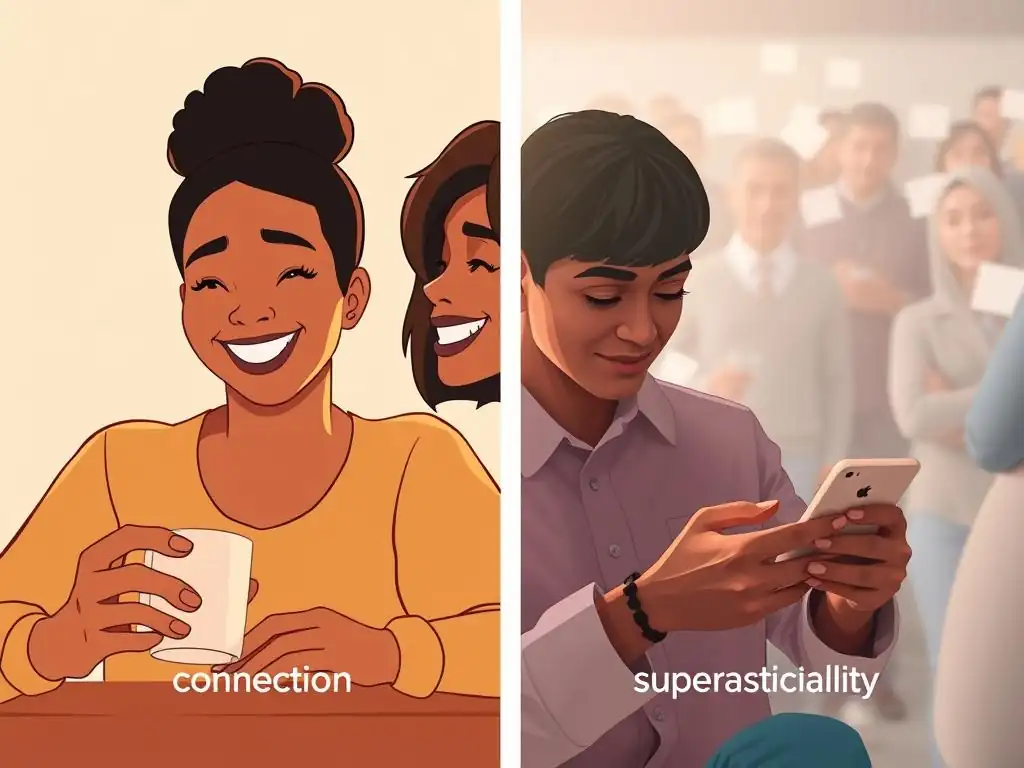
Bumble, known for its woman-initiated contact feature, presents a unique dating app culture. This section dives deep into the advantages and disadvantages of this platform, focusing on its impact on dating dynamics, safety features, and match compatibility. Understanding Bumble's specific culture is crucial for optimizing your experience and maximizing your chances of finding a meaningful connection. This detailed comparison of Bumble's culture will help you decide if it's the right platform for you.
The Woman-Initiated Contact: Its Effects on Dating Dynamics
Bumble's defining feature, the requirement that women initiate contact within 24 hours of a match, significantly alters online dating dynamics. This shift in power dynamics can lead to several positive outcomes. Studies suggest that women feel more empowered and in control of their dating experiences on Bumble, leading to a potentially more positive and respectful interaction. This also filters out passive users, as only genuinely interested individuals will take the initiative to message.
However, the 24-hour timeframe can also create pressure and anxiety for both men and women. Women may feel pressured to message even if they're not entirely ready or interested, while men might experience frustration if they don't receive a message within the allotted time. This can lead to missed opportunities and a potentially less relaxed dating experience. The effectiveness of this feature depends heavily on individual user engagement and proactive communication strategies. Anecdotal evidence suggests that the success rate heavily depends on the quality of the profile and initial message.
Bumble's Emphasis on Respect and Safety: Advantages and Limitations
Bumble actively promotes a culture of respect and safety. Its features, such as the ability to report inappropriate behavior and the emphasis on respectful communication, aim to create a more positive and secure environment compared to some other dating apps. The platform actively works to remove profiles that violate its community guidelines, which includes measures against harassment and discrimination. This contributes to a generally more positive user experience.
However, while Bumble strives for a safe environment, it's not entirely immune to issues of harassment and inappropriate behavior. The platform's reliance on user reporting means that some instances of misconduct might go unnoticed or unaddressed. Furthermore, the emphasis on safety may unintentionally lead to a more cautious and less spontaneous interaction, potentially hindering the development of genuine connections. Therefore, users should still remain vigilant and practice safe dating habits, such as meeting in public places and informing friends about their plans. The effectiveness of Bumble's safety features depends on consistent user engagement and reporting.
Finding Compatible Matches on Bumble: Effective Profile Optimization
Optimizing your Bumble profile is crucial for maximizing your chances of finding compatible matches. A strong profile includes high-quality photos showcasing your personality and interests, a well-written bio that highlights your key attributes and values, and the strategic use of Bumble's prompts and features. Research suggests that profiles with engaging photos and detailed bios receive significantly more matches than those with minimal information. Consider using a variety of photos that showcase different aspects of your personality and lifestyle, ensuring that you appear approachable and genuine.
Beyond the visual aspects, the written content of your profile is key. Clearly articulate your interests, values, and what you're looking for in a partner. Avoid clichés and generic statements; instead, focus on being authentic and specific. Bumble's prompts provide an excellent opportunity to showcase your personality and spark conversation. Choosing prompts that align with your interests and values can attract compatible matches and facilitate meaningful interactions.
Remember, profile optimization is an iterative process. Regularly review your profile, paying attention to the matches you receive and the interactions you have. Adjust your photos, bio, and prompts as needed to refine your profile's effectiveness and attract the type of matches you're seeking. A well-crafted profile significantly contributes to a successful Bumble experience.
OkCupid Culture: Pros and Cons
OkCupid, known for its in-depth questionnaires and focus on compatibility, cultivates a unique online dating culture. This section delves into the advantages and disadvantages of this platform, providing insights to help you decide if it's the right fit for your dating journey. Understanding OkCupid's culture is crucial for maximizing your success rate on the platform. This involves recognizing its strengths and weaknesses in relation to your dating goals and preferences.
OkCupid's Detailed Matching Algorithm: Strengths and Weaknesses
OkCupid's defining feature is its extensive personality questionnaire. This algorithm aims to match users based on shared values, interests, and relationship goals. The strength lies in its attempt to move beyond superficial swiping, prioritizing deeper compatibility. This detailed approach can lead to more meaningful connections, filtering out potential incompatibilities early on. However, the algorithm's effectiveness is debated. Some users find it overly complex or time-consuming, while others question its accuracy in predicting long-term compatibility.
Furthermore, the reliance on self-reported information introduces a degree of subjectivity and potential for misrepresentation. The success of the matching algorithm likely depends on the honesty and self-awareness of the users themselves. A comprehensive approach to filling out the profile is paramount. Failing to do so could lead to inaccurate matches and a frustrating experience. Therefore, careful consideration of each question is crucial for optimizing the algorithm's effectiveness.
The Community-Driven Approach: Benefits and Potential Downsides
OkCupid fosters a sense of community through its forums and discussion features. This encourages interaction and allows users to connect on a more intellectual level beyond simple profile browsing. The benefit is the potential to discover shared interests and engage in stimulating conversations before even meeting in person. This can lead to more informed and compatible matches.
However, this community-driven aspect can also be a double-edged sword. Some users might find the forums overwhelming or irrelevant to their dating goals. Furthermore, the open nature of the platform can sometimes attract users seeking casual encounters or those less invested in building meaningful relationships, potentially diluting the pool of serious daters. It is crucial to navigate this aspect carefully, focusing on interactions that align with your personal preferences and relationship goals.
Building a Strong Profile on OkCupid: Maximizing Compatibility
Creating a compelling OkCupid profile is critical for attracting compatible matches. Unlike other platforms that rely heavily on visuals, OkCupid emphasizes the written word. Therefore, crafting thoughtful and engaging answers to the questionnaire is essential. Be honest and specific in your responses, showcasing your personality, values, and relationship goals.
This level of detail helps the algorithm generate more accurate matches. Beyond the questionnaire, invest time in writing a captivating profile essay. This is your opportunity to showcase your unique personality and attract users who share your interests and values. Remember to use vivid language and showcase your sense of humor.
Don't be afraid to be yourself – authenticity is key to attracting genuine connections. A well-crafted profile, combined with active engagement within the community, significantly increases your chances of finding a compatible partner on OkCupid. This detailed approach is crucial for navigating the unique culture of this platform and achieving your dating objectives. Remember, a strong profile is the cornerstone of success on OkCupid.
Dating App Culture Comparison: Finding the Right Fit for Your Goals
Understanding the nuances of different dating app cultures is crucial for maximizing your chances of success. This isn't just about swiping right; it's about aligning your relationship goals with the app's inherent user base and interaction style. A "dating app culture comparison" reveals significant differences that can make or break your experience. Some apps foster casual encounters, while others prioritize long-term connections. Knowing which app caters to your specific desires is the first step towards a positive online dating journey.
Matching App Culture to Relationship Goals
Your primary objective – be it a casual fling, a serious relationship, or something in between – should heavily influence your app choice. For example, if you're seeking a long-term partner, apps known for their emphasis on compatibility and meaningful connections might be a better fit than those associated with quick hookups.
Let's analyze this with a table:
| Dating App Type | Primary Goal | Typical User Behavior | Success Factors |
|---|---|---|---|
| Relationship-Focused | Long-term commitment, marriage | Detailed profiles, thoughtful messaging, slower pace | Patience, genuine self-representation, clear intentions |
| Casual Dating | Short-term relationships, casual encounters | Quick swiping, less detailed profiles, immediate contact | Open communication, realistic expectations, safety awareness |
| Niche Dating Apps | Specific interests, shared values, lifestyles | Targeted profiles, community engagement, focused conversations | Active participation, shared interests, respectful interaction |
The success of your dating app experience is directly tied to this alignment. Choosing an app whose culture aligns with your goals significantly increases your likelihood of finding what you're looking for. Mismatches can lead to frustration and wasted time.
Choosing the Best App Based on Your Dating Style and Preferences
Beyond relationship goals, your personal dating style and preferences play a significant role in determining the best app for you. Are you someone who enjoys engaging in lengthy conversations before meeting, or do you prefer a more direct approach? Do you prioritize visual appeal, or do detailed profiles matter more to you? These preferences will shape your experience on different platforms.
For instance, apps with robust profile features and detailed questionnaires might appeal to users who value compatibility and in-depth understanding before meeting. Conversely, users who prefer a more visual and fast-paced approach might gravitate towards apps that emphasize photos and quick swiping.
Consider these questions:
- Do you prefer in-depth conversations or quick exchanges?
- How important are detailed profiles to you?
- Do you prioritize visual appeal or personality traits?
- Are you comfortable with a high volume of matches or prefer a more curated selection?
Answering these questions will help you narrow down your choices and select an app that aligns with your individual preferences. Remember, the "best" app is subjective and depends entirely on your unique needs and expectations.
Strategies for Success Across Different Dating App Platforms
Regardless of the app you choose, certain strategies consistently contribute to success. These strategies transcend individual app cultures and focus on building genuine connections.
- Authenticity: Present yourself honestly and genuinely. Avoid misleading photos or overly embellished descriptions.
- Effective Communication: Craft engaging and thoughtful messages. Show interest in the other person's profile and initiate meaningful conversations.
- Respectful Interaction: Treat every interaction with respect and courtesy. Be mindful of your words and actions.
- Safety First: Prioritize your safety by meeting in public places, informing a friend of your plans, and trusting your instincts.
Remember, success on dating apps isn't solely about the platform; it's about your approach and attitude. By understanding the nuances of each app's culture and employing these consistent strategies, you'll significantly improve your chances of finding a meaningful connection. A thoughtful "dating app culture comparison" is the key to unlocking your online dating potential.
Frequently Asked Questions
What is the main focus of this article on dating app culture comparison?
This article analyzes the unique cultures of different dating apps, highlighting their strengths and weaknesses. It helps you choose the app that best suits your dating goals and preferences.
How does the article define "dating app culture"?
"Dating app culture" refers to the shared norms, expectations, and behaviors of users on a specific dating platform. This includes communication styles, relationship goals, and overall app atmosphere.
Which dating apps are compared in this article? (Assume the article covers Tinder, Bumble, Hinge, and OkCupid)
The article compares the cultures of Tinder, Bumble, Hinge, and OkCupid, examining how their features and user bases shape their unique atmospheres. It explores the differences in user expectations on each platform.
What are some of the pros and cons discussed regarding different dating app cultures?
Pros might include finding specific relationship types (e.g., casual dating on Tinder, serious relationships on Hinge). Cons might involve high levels of superficiality on some apps or challenges with communication styles on others.
How can I use this article to improve my online dating experience?
By understanding the cultural nuances of different dating apps, you can choose the platform best aligned with your goals. This article also provides insights into effective communication strategies for each app, maximizing your chances of success.
The rise of dating apps has fundamentally reshaped modern romance, creating a complex ecosystem with both incredible opportunities and significant challenges. We've explored the diverse cultures within these platforms, from the fast-paced swiping of Tinder to the more deliberate connections fostered on niche apps. Understanding these nuances is crucial for navigating this new terrain successfully.
The impact of dating app culture extends far beyond the digital realm, influencing how we perceive relationships, intimacy, and even self-worth. The constant stream of profiles and the pressure to present a "perfect" version of ourselves can be overwhelming. The paradox of choice,
as Barry Schwartz argues, "can lead to dissatisfaction and regret, even when the options are plentiful." This quote resonates deeply, highlighting the need for mindful engagement with these platforms, prioritizing genuine connection over superficial metrics.
Now, consider your own experiences with dating apps. What aspects of these digital cultures resonate with you, and which ones do you find problematic? I urge you to approach the world of online dating with intentionality and self-awareness. Don't let the algorithms dictate your romantic journey; instead, use your understanding of these diverse cultures to create a positive and fulfilling experience. Embrace the potential for connection, but also protect your emotional well-being. Your love life deserves a thoughtful and conscious approach.
Unlock Your Dating App Success: Take Charge Now!
Thank you for exploring the complexities of online dating with us. You've learned valuable strategies for navigating the various dating apps. Now, it's time to put your knowledge into practice!
- Dive Deeper: Select a dating app from this article that appeals to you and create a compelling profile. Focus on highlighting your unique personality and your relationship goals.
- Share Your Experience: Let's build a community! Share your experiences (anonymously, if you prefer) in the comments below. What have you observed in the online dating world? What strategies have worked for you, and what hasn't?
- Experiment and Adapt: Try a new approach on your chosen app based on what you've learned. Perhaps a new profile picture, a revised bio, or a different communication style—even small changes can significantly improve your results.
Ready to transform your online dating experience? What's the first step you'll take to find success?