
Size Doesn't Matter? Confronting Body Image Discrimination in Online Dating

Ready to rewrite your online dating narrative? At OnlineDatingSuccess.org, we're dedicated to helping you find genuine connections. But the journey isn't always easy. This week, we delve into a crucial, often unspoken challenge: online dating body image issues. Discover how to navigate the complexities of self-perception and societal pressures, and learn how to build a profile that reflects your authentic self, regardless of size or shape. Let's explore how to overcome these hurdles and find the meaningful relationship you deserve.
- The Prevalence of Body Image Issues in Online Dating Profiles
- Recognizing and Addressing Body Image Discrimination
- Strategies for Building Positive Body Image in Online Dating
- Navigating Online Dating with Body Positivity
- Building a Healthier Online Dating Experience
- Advocating for Inclusivity in Online Dating
-
Frequently Asked Questions
- How common are body image issues in online dating?
- Does my body size really affect my success on dating apps?
- How can I overcome negative feelings about my body in online dating?
- What can I do if I experience body shaming on a dating app?
- Are there dating apps that are more body-positive than others?
- Final Reflection: Reclaiming Confidence in the Digital Dating Landscape
- Unleash Your Dating Confidence: Ditch the Sizeism!
The Prevalence of Body Image Issues in Online Dating Profiles
Online dating, while offering unprecedented opportunities to connect with potential partners, presents a unique set of challenges related to body image. The curated nature of online profiles, coupled with the often-anonymous and superficial interactions, creates a fertile ground for body image anxieties and discriminatory behaviors. This article delves into the multifaceted issue of body image discrimination in online dating, exploring its prevalence, impact, and underlying causes.
We will examine how societal beauty standards, dating app algorithms, and the pervasive nature of body shaming contribute to negative experiences for many users, ultimately hindering their ability to form genuine connections. Understanding these dynamics is crucial for fostering a more inclusive and respectful online dating environment, one where individuals feel empowered to present themselves authentically, regardless of their physical attributes. This is particularly relevant given the rising concern over "Online dating body image issues," a crucial area demanding attention and understanding.
Negative Impacts of Body Shaming on Online Dating Experiences
The impact of body shaming in online dating extends far beyond bruised egos. Experiences of rejection, ridicule, and hateful comments based on appearance can significantly affect mental health and self-esteem. Studies show a correlation between online body shaming and increased rates of anxiety, depression, and eating disorders among users. The constant pressure to conform to unrealistic beauty standards perpetuated by filtered photos and idealized profiles can lead to feelings of inadequacy and self-doubt. This negative self-perception can manifest in various ways, from avoiding online dating altogether to engaging in unhealthy behaviors in an attempt to meet perceived expectations. 1 For example, a user might spend excessive time editing their photos, constantly seeking validation through likes and messages, or even resorting to restrictive diets or extreme exercise routines. The emotional toll of these experiences can be substantial, hindering the ability to build healthy and fulfilling relationships. The anonymity afforded by many online platforms often emboldens negative behavior, creating a breeding ground for hurtful comments and harassment. This creates a vicious cycle where users are less likely to present themselves authentically, further perpetuating the problem.
How Dating App Algorithms Might Perpetuate Body Image Bias
While not explicitly designed to discriminate, dating app algorithms can inadvertently perpetuate body image bias. Factors such as photo quality, perceived attractiveness (often based on subjective and culturally influenced standards), and the frequency of likes and matches can influence the visibility and ranking of profiles. This means that users who conform to prevailing beauty ideals may receive disproportionately more exposure and opportunities for connection, while those who deviate from these norms might be less visible or receive fewer matches.
This algorithmic bias, though unintentional, can reinforce existing societal biases and create a self-fulfilling prophecy where certain body types are deemed more desirable and, consequently, more successful in the online dating sphere. Further research is needed to fully understand the extent of this algorithmic bias and to develop strategies for mitigating its effects.
For example, analyzing the data behind matching algorithms could reveal patterns of bias and inform the development of more equitable systems. Transparency around algorithm functionality is also crucial to ensure accountability and empower users to make informed decisions.
The Role of Societal Beauty Standards in Online Dating Profiles
The pervasive influence of societal beauty standards significantly shapes the landscape of online dating profiles. The pressure to conform to these often-unrealistic ideals leads to a homogenization of profiles, with users striving to present themselves in ways that align with perceived expectations. This can involve extensive photo editing, strategic clothing choices, and carefully crafted bios designed to project a specific image.
The prevalence of filters and editing tools further exacerbates the issue, creating a disconnect between the online persona and the individual's reality. The constant exposure to idealized representations of beauty on social media and in popular culture reinforces these standards and intensifies the pressure to conform. This can lead to feelings of inadequacy and self-consciousness among users who do not meet these standards, hindering their ability to feel comfortable and confident in presenting their authentic selves.
It's crucial to challenge and deconstruct these unrealistic standards to foster a more inclusive and accepting online dating environment. Promoting body positivity and self-acceptance is key to empowering users to embrace their individuality and build genuine connections based on authentic self-expression.
1 Further research is needed to provide specific data points and statistical evidence.
Recognizing and Addressing Body Image Discrimination
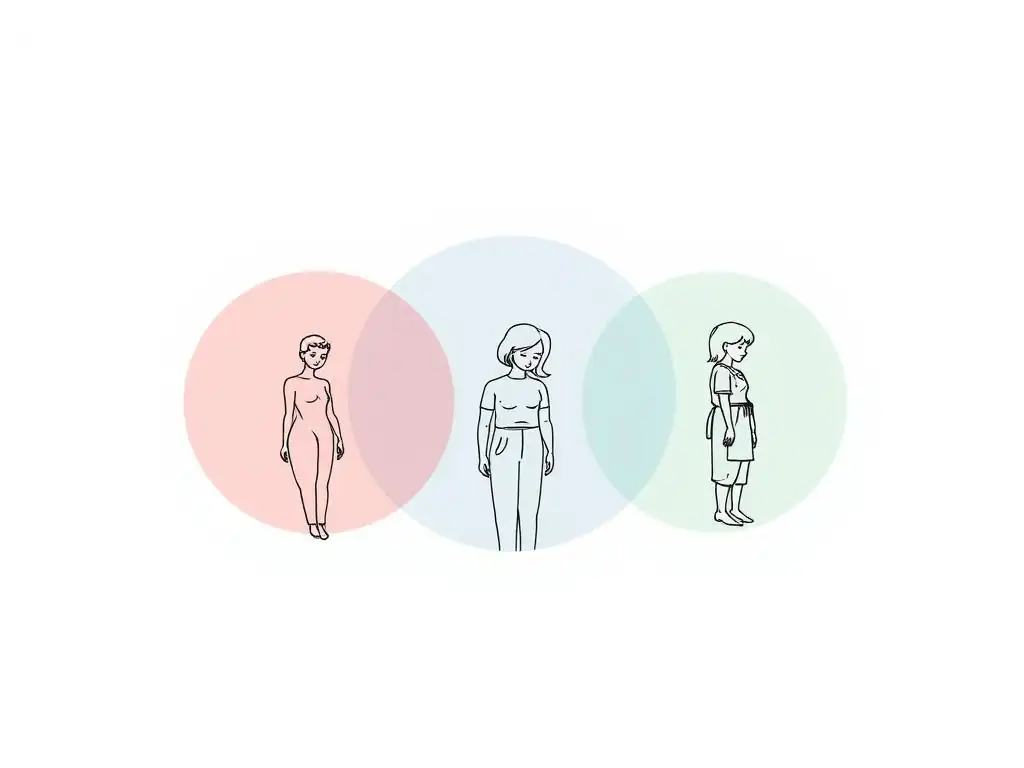
Online dating, while offering exciting possibilities for connection, unfortunately also presents a breeding ground for body image discrimination. This isn't always overt; it often manifests subtly, making it harder to identify and address. Understanding these nuances is crucial for navigating the online dating world with confidence and self-respect. This section delves into recognizing and tackling body image discrimination, empowering you to create a safer and more positive online dating experience. The pervasiveness of "online dating body image issues" highlights the urgent need to address these concerns directly. Let's explore how to identify and counteract this harmful trend.
Identifying Subtle and Overt Forms of Body Shaming in Online Dating
Body shaming in online dating can range from blatant insults to more insidious forms of negativity. Overt body shaming is easier to recognize; it involves direct, insulting comments about someone's weight, height, or physical features. For example, receiving messages like "You're too heavy for me" or "Your picture is misleading" are clear examples of body shaming. These are unacceptable and should be reported immediately.
However, subtle forms of body shaming are far more prevalent and often harder to detect. These might include:
- Ignoring profiles: Someone consistently ignoring your profile or messages without explanation, potentially due to your physical appearance. This can be particularly hurtful, as it leaves you wondering what went wrong.
- Prioritizing physical attributes: Profiles or messages that overwhelmingly focus on physical attributes, often implying that physical perfection is the primary criteria for attraction. This can create a pressure-cooker environment.
- Backhanded compliments: Comments that seem positive on the surface but subtly undermine self-esteem, such as "You're pretty for a bigger girl." These comments are patronizing and damaging.
- Ghosting based on perceived physical attributes: Suddenly ceasing communication without explanation, potentially because the person didn't find your physical appearance attractive enough.
Understanding these subtle yet damaging behaviors is crucial for protecting your mental wellbeing. Remember, your worth isn't determined by your physical appearance.
The Language of Body Image Discrimination: Recognizing Red Flags
The language used in online dating can be a significant indicator of body image discrimination. Pay close attention to the vocabulary used by potential matches. Certain phrases and questions consistently signal a preoccupation with appearance over substance. For example, phrases like "What's your weight?" or "Send me a full-body picture" immediately raise red flags. These questions are intrusive and inappropriate, and often reflect a superficial interest.
Furthermore, watch out for an excessive focus on specific physical attributes. While mentioning physical attraction is natural, an overemphasis on it, especially without showing any interest in personality or interests, suggests a potentially problematic mindset.
Consider these examples:
| Phrase | Red Flag Level | Explanation |
|---|---|---|
| "What's your BMI?" | High | Invasive and inappropriate; focuses solely on a numerical measurement of body composition. |
| "Do you work out?" (intrusive manner) | Medium | While fitness is a valid interest, asking aggressively or repeatedly can indicate a focus on physical appearance. |
| "You're cute, but..." | Medium | The "but" often precedes a comment that diminishes your worth based on physical attributes. |
| "Pics or it didn't happen" | High | Demanding photos before any meaningful interaction shows a preoccupation with physical appearance. |
Learning to recognize these verbal cues can help you identify and avoid potentially harmful interactions. Remember, genuine connections value personality and shared interests as much as physical attraction.
How to Spot Body-Focused Harassment and Cyberbullying
Body-focused harassment and cyberbullying can take many forms in online dating. It's essential to distinguish between constructive criticism and outright harassment. Constructive feedback might include suggestions about improving your profile photo composition, but harassment is malicious and intended to cause harm.
Harassment might manifest as:
- Unwanted explicit comments: Receiving sexually explicit or degrading messages focusing on your body.
- Unwanted attention: Persistent messaging despite clear indications of disinterest, often with a focus on your body.
- Public shaming: Sharing negative comments about your appearance on public platforms or within shared groups.
- Doxing: Revealing your personal information online to humiliate you based on your appearance.
- Image manipulation: Distorting or altering your photos to make you appear negatively.
If you encounter any of these behaviors, report them immediately to the dating platform and block the user. Remember, you have the right to a safe and respectful online dating experience. Don't hesitate to seek support from friends, family, or mental health professionals if you're struggling with the effects of online body shaming or harassment. The impact of "online dating body image issues" can be profound, so prioritize your mental health and wellbeing.
Strategies for Building Positive Body Image in Online Dating
Online dating body image issues are prevalent, impacting both self-esteem and the dating experience. Many feel pressure to conform to unrealistic beauty standards perpetuated by social media and dating app algorithms. However, genuine connection thrives on authenticity, not adherence to narrow ideals. This section provides strategies to foster a positive body image and present yourself confidently in the online dating world. Remember, your worth isn't defined by your appearance; it's inherent and valuable.
Creating a Profile that Celebrates Your Authentic Self
Authenticity is key to attracting compatible partners. Instead of focusing on hiding perceived flaws, showcase your unique qualities. Your profile should reflect who you are, not who you think you should be. This means choosing photos and writing a bio that highlight your personality, interests, and values.
Consider these points:
- Avoid filters and excessive editing: While minor adjustments are acceptable, heavy photo editing can create unrealistic expectations and lead to disappointment when meeting in person. Embrace your natural beauty! ✨
- Show your personality: Include photos that depict you engaging in activities you enjoy. Are you a passionate hiker? Include a picture of yourself on a scenic trail. Do you love cooking? Showcase your culinary skills (safely, of course! ).
- Highlight your achievements: Don't be afraid to share your accomplishments, both big and small. This demonstrates confidence and self-respect. Did you recently finish a marathon? Graduate from college? Master a new skill? Celebrate your successes! 🎉
- Use diverse photos: Showcasing a variety of pictures that capture different aspects of your life provides a more complete and compelling picture of who you are. Include close-ups, full-body shots, and photos that show you in various settings.
Choosing Photos that Reflect Your Confidence and Well-being
The photos you choose significantly impact your online dating profile's success. They are often the first impression, influencing whether someone decides to engage further. While physical attractiveness plays a role, the feeling your photos convey is equally important. Aim for pictures that radiate confidence, happiness, and genuine self-acceptance.
Here's a helpful checklist:
| Criteria | Description | Example |
|---|---|---|
| High-Quality Images | Well-lit, clear, and in focus. Avoid blurry or poorly lit pictures. | A recent photo taken outdoors in natural light. |
| Authentic Expression | Show genuine smiles, laughter, or expressions that reflect your personality. | A picture of you laughing with friends or engaged in a hobby you love. |
| Positive Body Language | Maintain good posture, make eye contact with the camera, and avoid awkward poses. | A photo where you are standing tall and looking directly at the camera. |
| Variety of Shots | Include a mix of close-ups, full-body shots, and photos showing you in different settings. | Close-up headshot, full-body shot while hiking, photo with friends at a social event. |
| Appropriate Attire | Dress in clothing that makes you feel comfortable and confident. | Clothes that reflect your style and personality, not something you feel forced to wear. |
Writing a Bio that Focuses on Personality and Interests, not Appearance
Your bio is your opportunity to connect with potential partners on a deeper level. Instead of focusing on physical attributes, emphasize your personality, values, and interests. Let your unique qualities shine through! Avoid generic statements; instead, write something engaging and memorable.
Consider these tips:
- Write in the first person: Use "I" statements to personalize your bio and make it more relatable.
- Highlight your passions: What are you passionate about? What makes you excited to get out of bed in the morning? Share your enthusiasm!
- Be specific: Instead of saying "I like to travel," say "I recently backpacked through Southeast Asia and am planning a trip to Patagonia next year."
- Use humor: A touch of humor can make your bio more engaging and memorable. But keep it appropriate and avoid offensive jokes.
- Proofread carefully: Typos and grammatical errors can create a negative impression. Take the time to review your bio before posting it.
Remember, building a positive body image is a journey, not a destination. Be kind to yourself, celebrate your strengths, and focus on connecting with others on a genuine level. Your authentic self is attractive and worthy of love. ❤️
Responding to Body-Shaming Comments with Confidence and Assertiveness
Online dating, while offering exciting possibilities for connection, unfortunately also exposes users to negativity, including body shaming. Learning to respond effectively is crucial for maintaining your well-being and setting healthy boundaries. Ignoring such comments often fuels the behavior, while aggressive responses can escalate the situation unproductively. The key is to respond with confidence and assertiveness, focusing on self-respect and establishing clear limits.
One effective approach is to use a simple, yet powerful, statement. For instance, a concise "I'm not comfortable with these comments" or "Your opinion doesn't affect my self-worth" can effectively shut down disrespectful behavior. These statements directly address the issue without engaging in a protracted argument. They clearly communicate your discomfort while avoiding the trap of justifying your appearance or engaging in a debate about subjective beauty standards. Remember, you are not obligated to justify your body to anyone.
Another strategy involves redirecting the conversation. If someone makes a body-shaming comment, you can steer the discussion towards a more positive and appropriate topic. For example, you could say, "I'd rather talk about our shared interests," or "Let's focus on getting to know each other better." This tactic shifts the focus away from your physical attributes and onto your personality and values, effectively minimizing the impact of the negative comment. It subtly communicates that you value respectful interactions and are not willing to tolerate body-shaming.
In some cases, a more assertive response might be necessary. If the body-shaming persists despite your attempts to redirect the conversation, you can firmly state, "I'm blocking you. I don't tolerate this kind of disrespect." This is a perfectly acceptable response, and it protects your mental health. Remember, you have the right to curate your online interactions and remove anyone who creates a negative or uncomfortable environment. Prioritizing your well-being is paramount. Blocking a user is not an act of aggression but a healthy boundary-setting mechanism.
Finally, consider reporting the user. Many dating apps have mechanisms for reporting inappropriate behavior, including body shaming. Using these reporting features can help create a safer online environment for everyone. Reporting not only protects you but also contributes to a more positive and respectful online dating experience for others.
This proactive step showcases your commitment to maintaining a healthy and respectful online community. Remember, you are not alone in facing this challenge; many dating app users experience similar issues. By responding assertively and utilizing reporting mechanisms, you are actively contributing to a more positive and inclusive online dating landscape. This also demonstrates self-respect and sends a clear message that body shaming will not be tolerated.
Online dating body image issues are prevalent, impacting both self-esteem and the dating experience. Many feel pressured to conform to unrealistic beauty standards perpetuated by curated online profiles. This section focuses on strategies to navigate the online dating world with body positivity and self-acceptance. Remember, your worth is not determined by your appearance.
Prioritizing Self-Love and Acceptance in Your Dating Journey
Embracing self-love is crucial for a positive online dating experience. This involves actively challenging negative self-talk and focusing on your strengths and qualities beyond physical attributes. Start by identifying your personal values and celebrating your unique characteristics. Instead of focusing on flaws, appreciate your body's capabilities and its role in your life.
Consider practicing mindfulness exercises, journaling about positive self-perceptions, or engaging in activities that boost your self-esteem – anything from pursuing a hobby to spending time in nature. Remember, self-compassion is key; treat yourself with the same kindness and understanding you'd offer a friend struggling with similar insecurities. The journey to self-love is ongoing, and setbacks are normal. The important thing is to keep practicing self-compassion and celebrating your progress.
Finding Support Communities for Body Positivity Online
Fortunately, there are numerous online communities dedicated to body positivity and self-acceptance. These spaces offer a safe and supportive environment to share experiences, receive encouragement, and learn from others navigating similar challenges. Connecting with like-minded individuals can significantly improve your mental wellbeing and resilience when facing body image pressures in online dating. Look for forums, social media groups, or online support networks focused on body positivity, self-esteem, and healthy relationships.
Engaging in these communities can help you to reframe negative thoughts, challenge societal beauty standards, and develop a more positive body image. The shared experiences and mutual support within these communities can provide invaluable strength and perspective. Remember to choose groups that align with your values and provide a genuinely supportive environment.
Setting Boundaries and Protecting Your Mental Well-being
Protecting your mental health is paramount while navigating online dating. Setting healthy boundaries is crucial in managing exposure to potentially negative influences. This involves limiting time spent on dating apps if they negatively impact your self-esteem. It's also important to unfollow or mute accounts that trigger feelings of inadequacy or insecurity.
Prioritize self-care activities that help you manage stress and maintain a healthy mindset. This could include exercise, meditation, spending time with loved ones, or engaging in creative pursuits. If you find yourself consistently struggling with negative body image or feelings of inadequacy, don't hesitate to seek professional support.
A therapist or counselor can provide guidance and tools to help you navigate these challenges and build a healthier relationship with your body and yourself. Remember, your mental wellbeing is a priority, and seeking help is a sign of strength, not weakness. Prioritizing your mental health will not only improve your overall well-being but also enhance your online dating experience.
Reporting Body Shaming and Harassment on Dating Apps
Online dating body image issues often manifest as direct body shaming and harassment. It's crucial to understand that you are not alone and that platforms have mechanisms in place to address this unacceptable behavior. Many dating apps prioritize user safety and have clear reporting procedures to deal with body shaming and harassment. These procedures usually involve flagging profiles or messages containing offensive content. The severity of the consequences for violators can vary depending on the app's policies and the nature of the offense. Some apps may issue warnings, while others might suspend or permanently ban accounts.
The process of reporting usually begins with identifying the offensive content. This could be a direct insult about someone's weight, appearance, or body type, or it could be more subtle, like persistent negative comments about a person's physique. Once you've identified the offensive material, locate the reporting option within the app.
This is often found within the profile settings, message options, or a dedicated safety center. The reporting process typically involves selecting the relevant category (e.g., harassment, body shaming, hate speech) and providing a brief description of the incident, including screenshots or other evidence whenever possible. Remember to remain calm and factual in your report, focusing on the specific instances of offensive behavior.
It's important to remember that reporting isn't always a quick fix. While apps strive to respond promptly, the review process may take some time. However, by reporting, you contribute to a safer online dating environment for yourself and other users. You are actively working to challenge the normalization of body shaming and to promote a culture of respect and acceptance.
Reporting not only protects you but also sends a message that this kind of behavior is unacceptable and will not be tolerated. Furthermore, reporting patterns can help dating apps identify problematic users and improve their safety protocols. Consider keeping records of your reports, including screenshots and timestamps, as this information may be helpful if the issue persists or escalates.
Remember, your well-being is paramount, and seeking support from friends, family, or mental health professionals is always an option. Don't hesitate to reach out if you need additional help coping with online harassment. Your safety and mental health are priorities in navigating the complexities of online dating.
Building a Healthier Online Dating Experience

This section explores practical strategies to mitigate the impact of body image discrimination and foster a more positive online dating experience. Remember, your worth is not determined by your physical appearance. Focusing on building a healthy self-image and prioritizing genuine connection will significantly improve your online dating journey and help you navigate the challenges related to "online dating body image issues."
Many individuals struggle with the pressure to conform to unrealistic beauty standards perpetuated by online dating platforms. This often leads to a focus on superficial aspects, neglecting the importance of genuine connection. Shifting your perspective is crucial. Instead of prioritizing physical attributes, concentrate on finding common ground and shared values. Consider these points:
- Value-based profile creation: Instead of solely focusing on physical descriptions, highlight your passions, interests, and life goals. What are you passionate about? What kind of future are you building? These aspects resonate far more deeply than a simple physical description. Showcase your personality, your humor, your unique qualities. This will attract individuals who appreciate you for who you are, rather than just how you look.
- Meaningful conversations: Initiate conversations that go beyond superficial pleasantries. Ask thoughtful questions that reveal personality and values. Discuss your hobbies, your dreams, your experiences. This creates a deeper connection and helps you assess compatibility beyond physical attractiveness. For example, instead of commenting on someone's appearance, you could ask, "What's the most interesting thing you've learned recently?" or "What's a skill you're hoping to develop?"
- Prioritize shared interests: Engage with profiles that highlight activities and interests you genuinely share. This increases the likelihood of finding someone with whom you connect on a deeper level, minimizing the influence of physical appearance in the initial stages. Think of it this way: shared hobbies, interests, and values provide a stronger foundation for a lasting relationship than physical attraction alone. This approach naturally filters out potential matches based on incompatibility, rather than superficial judgments.
Choosing Dating Apps with Strong Community Guidelines and Moderation
Not all dating platforms are created equal when it comes to addressing body image discrimination. Some platforms have stronger community guidelines and moderation policies than others, actively working to create safer and more inclusive environments. Researching different apps and understanding their approaches to user safety and content moderation is a crucial step in protecting yourself from negative experiences related to "online dating body image issues."
- Review app policies: Carefully examine the terms of service and community guidelines of each dating app you consider. Look for explicit statements addressing body shaming, harassment, and discrimination. Apps with clear policies and active moderation are more likely to remove offensive content and users who violate those policies.
- Look for user reviews: Read reviews from other users to gauge their experiences with the platform's moderation efforts. Pay attention to comments regarding the handling of inappropriate behavior and the overall atmosphere of the app. A community that actively supports respectful interaction is more likely to foster a positive experience for everyone.
- Consider niche apps: Some dating apps cater to specific interests or demographics, fostering a more inclusive and supportive community. These niche apps may have a stronger sense of community and shared values, reducing the likelihood of encountering body-shaming or discrimination.
Developing Self-Compassion and Resilience in the Face of Rejection
Rejection is a common experience in online dating, and it can be particularly challenging when it feels connected to body image concerns. Developing self-compassion and resilience is crucial for navigating these difficulties and maintaining a positive self-image. Remember that rejection doesn't reflect your worth as a person.
- Practice self-care: Engage in activities that nourish your mind, body, and spirit. This could involve exercise, meditation, spending time in nature, pursuing hobbies, or connecting with supportive friends and family. Prioritizing self-care strengthens your resilience and helps you maintain a positive self-image, regardless of online dating experiences.
- Challenge negative self-talk: Become aware of negative thoughts and beliefs about your body. Challenge these thoughts by asking yourself if they are based on facts or feelings. Replace negative self-talk with positive affirmations and self-compassionate statements. For example, instead of thinking "I'm not attractive enough," try "I am worthy of love and connection, and I am confident in who I am."
- Seek support: If you're struggling with body image issues, don't hesitate to seek support from a therapist, counselor, or support group. Professional guidance can provide valuable tools and strategies for building self-esteem and coping with rejection. Remember, you are not alone in this journey, and seeking help is a sign of strength.
Advocating for Inclusivity in Online Dating
Online dating body image issues are a significant hurdle for many seeking meaningful connections. The pressure to conform to unrealistic beauty standards, often amplified by curated profiles and filtered photographs, creates a hostile environment for individuals who don't fit the narrow definition of "ideal." Advocating for inclusivity requires a multi-pronged approach, focusing on individual actions, community building, and platform accountability. We must actively challenge the pervasive bias against diverse body types and promote a culture of acceptance and respect.
This isn't merely about aesthetics; it's about fostering a space where everyone feels safe, valued, and seen for who they are, regardless of their physical attributes. The impact on mental health is undeniable; combating body image issues in online dating is crucial for creating a healthier and more equitable dating landscape. We'll explore concrete steps to achieve this in the following sections.
Reporting Body Shaming and Discrimination to Dating App Platforms
Dating platforms have a responsibility to create safe and inclusive spaces for their users. When encountering body shaming or discrimination, reporting mechanisms are crucial. Most platforms offer reporting options within user profiles or messaging interfaces. These usually involve flagging inappropriate behavior, such as derogatory comments about weight or appearance, unsolicited body-focused criticism, or outright harassment.
Effective reporting requires detailed accounts: include screenshots of offensive messages, the date and time of the incident, and the user's profile information (username, if possible). Remember, consistent reporting sends a clear message to the platform that this behavior is unacceptable. While the effectiveness of these reports varies across platforms, the collective action of reporting such instances can pressure dating apps to improve their moderation policies and better protect vulnerable users.
It's a crucial step in tackling online dating body image issues and fostering a more respectful community. Consider keeping a record of your reports for future reference, especially if you experience persistent issues. 💪
Encouraging Positive Body Image Representation in Online Dating Communities
Challenging negative body image stereotypes requires a proactive approach to fostering positive representation. This involves actively promoting and celebrating diverse body types within online dating spaces. This can be achieved through several avenues.
For example, individuals can consciously curate their profiles to showcase their authentic selves, embracing their unique features without conforming to unrealistic standards. Sharing positive and empowering messages about body acceptance in online forums and communities can also inspire others to embrace their bodies. Furthermore, supporting and engaging with content creators and influencers who promote body positivity and self-love can help amplify these messages and create a ripple effect.
This includes following accounts that feature diverse body types, celebrating realistic depictions of beauty, and actively engaging with content that challenges harmful stereotypes. The goal is to shift the narrative from one of negativity and judgment to one of acceptance, self-love, and celebration of individuality. This collective effort can gradually reshape the online dating landscape, making it a more welcoming place for people of all shapes and sizes.
Promoting Body Neutrality and Size Acceptance in Online Dating Discourse
Moving beyond simply "positive body image," body neutrality offers a powerful alternative. Instead of focusing solely on positive self-perception, body neutrality encourages acceptance of one's body without judgment, regardless of its shape or size. This approach is particularly useful in navigating the often-critical environment of online dating. Promoting body neutrality in online dating discourse involves shifting the focus from appearance-based judgments to personality, values, and shared interests.
This means actively challenging comments that prioritize physical appearance over other qualities. It also involves engaging in conversations that celebrate the diversity of human bodies and promote respect for individual preferences. One effective strategy is to consciously choose language that avoids value judgments about bodies. Instead of describing someone as "attractive" or "unattractive," focus on describing their personality and character.
Remember, online dating body image issues are often rooted in societal pressures and unrealistic expectations. By promoting body neutrality and size acceptance, we contribute to creating a healthier and more inclusive online dating experience for everyone. This fosters a space where individuals can connect authentically and build meaningful relationships based on genuine connection, rather than superficial judgments.
Frequently Asked Questions
How common are body image issues in online dating?
Body image issues are extremely common in online dating. Many feel pressure to present a perfect image, leading to anxiety and dissatisfaction. This affects both men and women.
Does my body size really affect my success on dating apps?
While some profiles may favor certain body types, success isn't solely determined by size. Authenticity and a positive, confident presentation are far more crucial for attracting compatible partners.
How can I overcome negative feelings about my body in online dating?
Focus on self-acceptance and positive self-talk. Highlight your best qualities, both physical and personal. Remember that true connection is based on shared values and personality.
What can I do if I experience body shaming on a dating app?
Report and block the user immediately. Remember that their behavior reflects their insecurities, not your worth. Prioritize your mental wellbeing and seek support if needed.
Are there dating apps that are more body-positive than others?
While no app is entirely free from body image issues, some actively promote body positivity and inclusivity in their marketing and community guidelines. Look for apps that emphasize diversity and respect.
Final Reflection: Reclaiming Confidence in the Digital Dating Landscape
The pervasive nature of body image issues in online dating is not merely a cosmetic concern; it's a systemic barrier to genuine connection and self-acceptance. The pressure to conform to unrealistic beauty standards, amplified by curated profiles and filtered photos, creates a toxic environment that undermines mental health and perpetuates harmful stereotypes. This isn't just about finding a partner; it's about fostering a healthier relationship with ourselves and challenging the very foundations of how we perceive beauty and worth.
The impact of this pressure extends far beyond the confines of dating apps, influencing our self-perception in all aspects of life. The constant bombardment of idealized images creates a skewed reality, making it difficult to appreciate our own unique beauty and worth. As the writer and activist, Lindy West, so eloquently stated: The problem isn't that women are objectified; the problem is that we're objectified into believing we're nothing more than objects.
This quote perfectly encapsulates the insidious nature of body image issues in online dating, highlighting the need for a radical shift in perspective.
You, the reader, hold the power to change this narrative. I urge you to critically examine your own relationship with your body image, challenge the unrealistic standards perpetuated by online dating platforms, and actively promote body positivity in your interactions. Let's collectively create a digital dating space where authenticity and self-love are celebrated, not condemned. Let's redefine beauty, not as a fleeting ideal, but as a multifaceted and deeply personal expression of self.
Unleash Your Dating Confidence: Ditch the Sizeism!
Thank you for exploring the complexities of body image in online dating. You've gained valuable insights into navigating this challenging landscape and focusing on genuine connection. Now, let's put that knowledge into action.
- Craft a profile that celebrates your unique beauty: Highlight your personality, passions, and what makes you truly special. Avoid overly filtered or posed photos. Focus on showcasing the real you.
- Report any sizeist comments or profiles you encounter. Let's work together to create a more inclusive online dating community.
- Share this article with others who might find these tips helpful. Let's spread awareness and promote body positivity.
Ready to redefine your online dating experience and embrace your authentic self? What small step will you take today to foster a more positive and body-positive online dating journey for yourself and others?