
Don't Be Fooled: Use Reverse Image Search to Confirm Your Match's Identity


Ready to transform your online dating experience? At OnlineDatingSuccess.org, we empower you to navigate the world of digital romance with confidence. But before you dive in, learn a crucial safety tip that could save you heartache: discover the power of a reverse image search. Our article on "Reverse image search dating safety" reveals how this simple technique can help you verify your matches' identities and avoid potential scams. Let's unlock the secrets to building genuine connections – read on!
- Reverse Image Search Dating Safety: Why It's Crucial
- How to Perform a Reverse Image Search for Dating Safety
- Interpreting Reverse Image Search Results for Dating Safety
- Beyond Reverse Image Search: Additional Safety Measures for Online Dating
- Case Study: A Successful Reverse Image Search in Online Dating
- Conclusion: Prioritize Safety in Your Online Dating Journey
-
Frequently Asked Questions
- What is a reverse image search, and how does it relate to online dating safety?
- Why should I use a reverse image search on my online dating matches?
- Are there any limitations to using a reverse image search for dating safety?
- How do I perform a reverse image search?
- What other safety measures should I combine with reverse image searches in online dating?
- Final Reflection: The Power of a Click: Protecting Yourself in the Digital Dating World
- Unlock Safer Dating: Verify Profiles Now!
Reverse Image Search Dating Safety: Why It's Crucial
Online dating offers incredible opportunities to connect with like-minded individuals and build meaningful relationships. However, the anonymity afforded by the digital world also presents significant risks. Navigating the complexities of online dating requires vigilance and a proactive approach to safety. This article focuses on a crucial tool in your online dating safety arsenal: the reverse image search.
We'll explore how this simple yet powerful technique can help you verify your match's identity, protect yourself from scams, and ultimately increase your chances of a positive and safe online dating experience. Understanding the potential dangers and learning how to utilize reverse image search effectively is paramount to ensuring a secure and fulfilling journey in the world of online dating. By the end of this guide, you'll be equipped with the knowledge and tools to confidently navigate the digital landscape of romance and avoid falling victim to deceptive profiles.
Protecting Yourself from Online Dating Scams
Online dating scams are depressingly common. Perpetrators often create fake profiles using stolen photos and fabricated identities to lure unsuspecting individuals into romantic relationships, ultimately aiming to exploit them financially or emotionally. The financial losses associated with these scams can be substantial, ranging from hundreds to thousands of dollars. Furthermore, the emotional toll of betrayal and deception can be significant, leaving victims feeling vulnerable and heartbroken. The use of reverse image search is a critical first step in mitigating these risks. By verifying the authenticity of your match's photos, you significantly reduce your vulnerability to these harmful scams. A simple reverse image search can quickly reveal if a profile picture is being used on multiple dating platforms or across various websites, a clear indication of potential deception. Remember, protecting yourself starts with awareness and proactive measures.
Don't let your guard down – always prioritize your safety and well-being. 🕵️♀️
The Dangers of Catfishing and Fake Profiles
Catfishing, the act of creating a fake online persona to deceive someone into a relationship, is a pervasive issue in the online dating world. Catfishers often employ stolen photographs, fabricated backgrounds, and misleading information to create an alluring yet entirely false representation of themselves. The consequences of engaging with a catfish can be devastating, leading to emotional distress, financial loss, and a significant erosion of trust. Many catfishers are skilled manipulators, expertly weaving intricate lies and building rapport to gain their victims' confidence. The emotional manipulation involved can be particularly damaging, leaving victims feeling confused, betrayed, and questioning their own judgment.
Reverse image searching is a valuable tool in identifying potential catfishing attempts. By verifying the authenticity of profile photos, you can significantly reduce the chances of falling victim to this manipulative behavior. Remember, if something feels too good to be true, it probably is. 🤔
Identifying Red Flags in Online Dating Profiles
Even without employing a reverse image search, certain red flags can signal potential problems with an online dating profile. These include inconsistencies in information, an overly perfect profile, a reluctance to video chat, and overly aggressive or demanding behavior. However, reverse image searching adds another layer of verification, allowing you to independently confirm the authenticity of the visual information presented. This proactive approach complements other safety measures, such as careful communication, slow relationship progression, and meeting in public places. A combination of these strategies provides a robust defense against potential scams and deceptive profiles.
Always trust your instincts; if something feels off, don't hesitate to investigate further. A simple reverse image search can be the difference between a positive online dating experience and a potentially harmful encounter. Remember, your safety is paramount. 🛡️
How to Perform a Reverse Image Search for Dating Safety

This section details the practical steps involved in conducting a reverse image search to verify the identity of someone you've met online. Remember, your safety is paramount in the world of online dating, and proactive verification is crucial. This process helps mitigate the risk of encountering fake profiles or scams. The techniques described here apply broadly to "reverse image search dating safety," helping you confirm the authenticity of images used in dating profiles. Let's delve into the specifics of how to effectively utilize this powerful tool. Proactive safety measures are key to a positive online dating experience.
Using Google Images for Reverse Image Search Verification
Google Images offers a straightforward and readily accessible method for reverse image searching. To begin, navigate to images.google.com. You'll see a camera icon in the search bar; click on it. You then have two options: you can either paste the URL of the image directly into the search bar or upload the image from your computer. Once you've uploaded or pasted the URL, Google will process the image and present you with visually similar images, websites where the image appears, and potentially related information. This can reveal if the image has been used in multiple contexts, potentially indicating a fake profile if the image appears unrelated to the person's dating profile information.
For example, if you find the same image used on a stock photo website or associated with a completely different name, this is a significant red flag. Pay close attention to the websites where the image appears; reputable sites are less likely to be linked to fraudulent activity. Remember, a single instance of an image appearing elsewhere doesn't necessarily indicate a scam, but multiple instances or incongruent information associated with the image should raise concerns. Thoroughly examine the results to draw informed conclusions. Always prioritize your safety and trust your instincts.
Utilizing TinEye for Comprehensive Image Analysis
While Google Images is a convenient starting point, TinEye provides a more comprehensive reverse image search experience. TinEye boasts a vast image index and is known for its ability to identify even slightly modified versions of an image. This is particularly helpful in online dating, where scammers may subtly alter images to avoid detection. The process is similar to Google Images: you either paste the image URL or upload the image file directly to the TinEye website.
TinEye's results often provide more detailed information, including the image's history, its size variations, and the websites where it has appeared. This granular level of detail allows for a more thorough investigation. TinEye also excels at identifying images that have been compressed or otherwise altered, making it a valuable tool for detecting manipulated images commonly used in dating profile scams.
Its superior image recognition capabilities offer a higher chance of uncovering inconsistencies and potential red flags that might be missed by other search engines. Consider TinEye as a secondary verification method, complementing your initial search on Google Images for a more comprehensive analysis.
Exploring Other Reverse Image Search Engines for Dating Safety
While Google Images and TinEye are popular choices, several other reverse image search engines can enhance your verification efforts. These engines may specialize in different aspects of image analysis or possess unique indexing capabilities. Exploring alternative options can provide a more holistic view and potentially uncover information missed by other search engines. Some lesser-known options offer similar functionalities, potentially providing unique insights.
However, the reliability and comprehensiveness of these engines can vary, so it's recommended to always verify findings across multiple sources. Remember to always prioritize confirmed information and utilize multiple verification methods to ensure accuracy. Diversifying your approach to reverse image searching is a proactive safety measure in online dating, improving your ability to identify and avoid potential scams.
Interpreting Reverse Image Search Results for Dating Safety
This section delves into the crucial skill of interpreting the results you get from a reverse image search when vetting potential matches on online dating platforms. Understanding what the search reveals—and what it doesn't reveal—is paramount to your online dating safety. Remember, even a seemingly perfect match can harbor hidden risks, and a thorough image check is a proactive step towards protecting yourself. This isn't about paranoia; it's about informed decision-making in the digital dating world. Let's explore how to effectively analyze the information presented.
Understanding the Significance of Matching Images
When you perform a reverse image search on a dating profile picture, several scenarios can unfold. The most straightforward and reassuring outcome is finding the exact same image on multiple legitimate sources. This could include social media profiles (Facebook, Instagram, LinkedIn) bearing the same name as your match, their personal website, or even news articles (though this is less common). This consistency across platforms significantly increases the likelihood that the image is authentic and belongs to the person claiming it.
However, finding similar images, rather than exact matches, requires a more cautious approach. A similar image might indicate the use of a stock photo, a heavily edited image, or even a picture stolen from another individual. This doesn't automatically mean it's a scam, but it certainly necessitates further investigation. Consider these examples:
- Stock Photos: Many websites offer royalty-free images. If the reverse image search reveals the picture on a stock photo site, it's a strong indicator that your match is using a generic image, possibly concealing their true identity.
- Edited Images: Subtle alterations, like changing hair color or adding filters, can make an image appear different from the original. The search might reveal a close, but not perfect, match, highlighting potential manipulation.
- Stolen Images: The most concerning scenario is finding the image associated with a completely different person. This is a clear red flag suggesting a potential catfishing attempt.
Analyzing Image Sources and Context
The source of a matching image is just as important as the image itself. A picture appearing on a reputable news site, a verified social media account, or a professional website carries far more weight than an image found on a random forum or a less-known platform. Always examine the context in which the image appears. Does the surrounding information corroborate the individual's dating profile? Inconsistencies in age, location, occupation, or interests should raise immediate concerns.
For example, if your match claims to be a successful entrepreneur but the image appears on a site dedicated to amateur photography, that discrepancy warrants further scrutiny. Pay attention to details; are there other pictures on the same source? Do they match what the dating profile displays? Analyzing the overall digital footprint surrounding the image is crucial for effective verification. Cross-referencing information across multiple sources is a powerful tool in your dating safety arsenal.
Evaluating Image Age and Potential Manipulation
The age of an image can also be a critical factor in your assessment. Older images might indicate that the person's appearance has changed significantly, or that the profile is outdated and may not accurately reflect their current life. Some reverse image search engines provide information about when an image first appeared online. This information, while not always precise, can be helpful in assessing the image's authenticity and relevance.
Furthermore, be aware of the potential for image manipulation. Advanced photo editing software can alter images subtly, making it difficult to detect changes even with a reverse image search. While you might find a similar image, it may have been significantly altered to create a false impression. Look for telltale signs of manipulation, such as unnatural lighting, inconsistencies in skin tone, or blurring around the edges of objects in the photo. Remember, even a small discrepancy can be a sign of something more significant. Trust your instincts; if something feels off, it likely is.
Beyond Reverse Image Search: Additional Safety Measures for Online Dating
Reverse image searching is a powerful tool, but it's only one piece of the puzzle when it comes to online dating safety. While confirming a profile picture's authenticity is crucial, it's vital to implement a multi-layered approach to protect yourself from potential scams and harmful interactions. Think of reverse image search as your first line of defense; the following strategies strengthen your protective barrier. Remember, your safety is paramount.
Verifying Information Provided by Your Match
Don't solely rely on what your match tells you. Active verification is key. Inconsistencies or evasiveness are major red flags. For example, if your match claims to be a doctor, try subtly verifying this. A simple Google search for "[claimed profession] [city/state]" might reveal their professional profile or online presence. However, be mindful of privacy and avoid intrusive methods. The goal is verification, not stalking.
Consider the information they don't provide. A lack of detail, especially in areas where you'd expect more (work history, hobbies, etc. ), could indicate deception. Pay attention to inconsistencies in their narrative. Do their stories align over time? Are details easily verifiable?
Here's a table summarizing verification strategies:
| Information Type | Verification Method | Red Flags |
|---|---|---|
| Profession/Occupation | Online searches, LinkedIn (if they mention it) | Vague descriptions, inability to provide details |
| Location | Checking for consistency across different interactions | Frequent location changes, vague addresses |
| Hobbies and Interests | Cross-referencing with social media (with caution!) | Lack of detail, generic statements |
| Age | Look for subtle clues in their photos and writing style | Significant discrepancies in stated age |
Remember, consistency and transparency are crucial. If something feels off, trust your instincts. It's better to err on the side of caution. The safety of your personal information is more important than a potential connection.
Social media can offer additional insights, but proceed with extreme caution. Never directly contact your match through their social media accounts before establishing a level of trust. Instead, use publicly available information to corroborate their claims. For example, if they mention a specific university, check their alumni page. If they boast about a particular achievement, see if it's mentioned anywhere else online.
However, remember that social media profiles can be faked or manipulated. Don't rely on this as your sole method of verification. Consider it a supplementary tool to use only after you've already completed a reverse image search and other verification steps. This approach minimizes the risk of falling victim to sophisticated scams. Always prioritize your own safety and privacy above all else. The information you gather should be used for verification, not harassment or invasion of privacy. Never share personal information with someone you haven't thoroughly vetted.
Reporting Suspicious Profiles and Activities
If you encounter a profile that seems suspicious, or if you experience any concerning behavior during your interactions, report it immediately to the dating platform. Most online dating sites have robust reporting mechanisms in place. Providing detailed information about the suspicious profile or activity will help the platform investigate and potentially prevent other users from falling victim to the same scam.
Remember that reporting suspicious activity is not just about protecting yourself; it's about contributing to a safer online dating environment for everyone. Your vigilance can help prevent others from experiencing similar negative experiences. Don't hesitate to report anything that makes you uncomfortable or raises red flags. Your safety and the safety of others are priorities. This proactive approach to online safety is crucial in navigating the digital dating landscape.
Case Study: A Successful Reverse Image Search in Online Dating
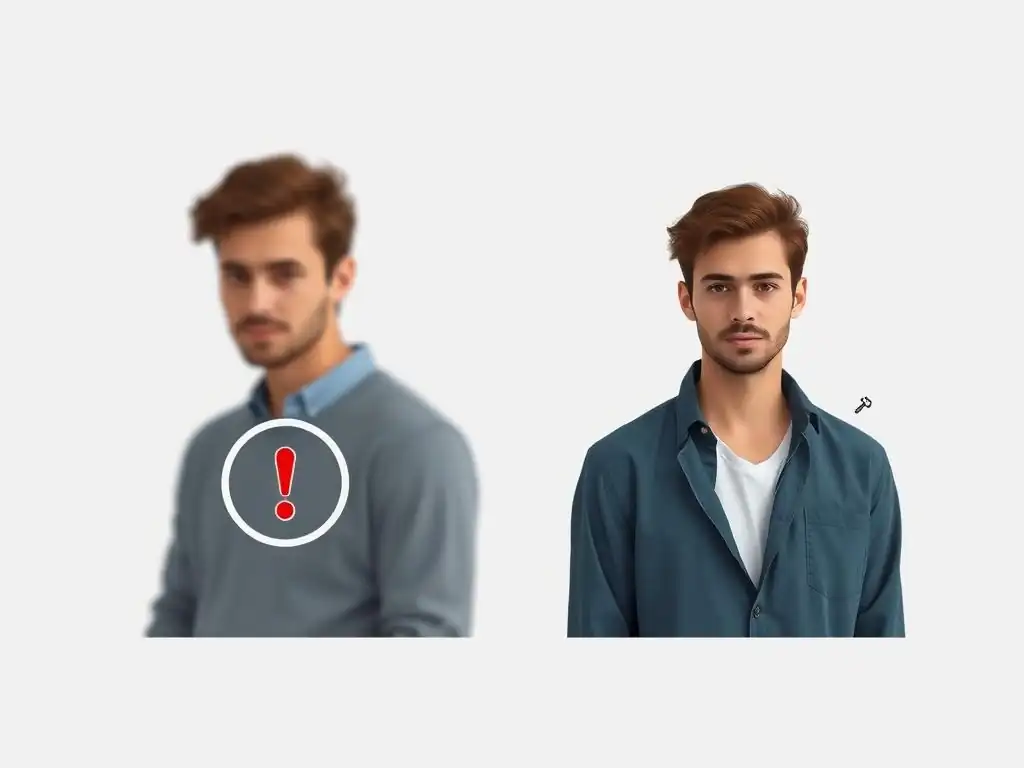
This section details a real-world example illustrating the power of reverse image searches in enhancing online dating safety. We'll examine a specific instance where a reverse image search prevented potential harm and helped verify a profile's authenticity. Remember, prioritizing your safety online is paramount, and utilizing tools like reverse image searches is a crucial step in responsible online dating.
Description of a successful case study
Sarah, a 32-year-old professional, met "Mark" on a popular dating app. His profile picture showcased a charming, athletic man with a captivating smile. They chatted for several days, and Mark seemed genuinely interested, sharing details about his life, work, and hobbies. However, something felt slightly off.
His responses were sometimes vague, and he consistently avoided video calls, citing various technical issues. This raised a red flag for Sarah, prompting her to take proactive measures. Instead of proceeding further based solely on the profile information, Sarah decided to perform a reverse image search on Mark's profile picture. This seemingly simple action proved to be incredibly effective in protecting her.
Specific steps taken in the case study
Sarah utilized a popular reverse image search engine. She uploaded Mark's profile picture and waited for the results. The process was quick and straightforward. The results revealed that Mark's picture appeared on multiple stock photo websites and several unrelated online profiles. Crucially, the image wasn't associated with any social media accounts that corroborated the information he'd provided.
Furthermore, the image's metadata indicated it was quite old, suggesting potential profile deception. Sarah also noticed inconsistencies between the description of Mark's purported profession and the information available through the reverse image search. This discrepancy further solidified her suspicions. By carefully analyzing the search results, Sarah was able to piece together a clearer – and far less reassuring – picture of her online match. She meticulously documented her findings, including screenshots of the search results and the discrepancies she'd identified.
Positive outcome of the reverse image search
Thanks to her proactive use of a reverse image search, Sarah avoided a potentially dangerous situation. The results clearly indicated that Mark's profile was likely fake, or at the very least, significantly misrepresented. By uncovering this deception early on, Sarah prevented herself from investing more time and emotional energy into a fabricated relationship.
Moreover, she avoided the risk of sharing personal information with someone who may have had malicious intentions. This experience underscored the importance of verifying online profiles before engaging deeply with potential matches. Sarah's case exemplifies how a simple reverse image search can be a powerful tool for enhancing safety and security in the online dating world, significantly reducing the risk of encountering scams and fraudulent profiles.
The proactive approach she took serves as a valuable lesson for all online daters: trust your instincts, and utilize readily available tools like reverse image searches to protect yourself. Remember, your safety and well-being are paramount.
Conclusion: Prioritize Safety in Your Online Dating Journey
Online dating offers incredible opportunities to connect with others and build meaningful relationships. However, it's crucial to remember that safety should always be your top priority. Navigating the digital world of romance requires vigilance and a proactive approach to protecting yourself. Don't let the excitement of a potential connection overshadow the importance of verifying identities and ensuring you're interacting with genuine individuals.
Remember, a little extra caution can go a long way in safeguarding your well-being and emotional security. By incorporating simple yet effective safety measures, you can significantly reduce your risk and enjoy a more positive and secure online dating experience. Prioritizing safety doesn't diminish the romance; it enhances it.
The Importance of Proactive Safety Measures in Online Dating
Proactive safety measures are not just about avoiding scams; they're about fostering a healthy and respectful online dating environment. Think of it as building a strong foundation for potential relationships. This involves more than just a reverse image search; it encompasses a holistic approach to online interactions. Consider these vital steps:
- Slow and Steady: Avoid rushing into deep conversations or sharing personal information too early. Take your time to get to know someone before revealing sensitive details.
- Verify Information: Don't rely solely on profile information. Use reverse image searches, cross-check details on social media (if available and comfortable doing so), and be wary of inconsistencies.
- Video Calls: Suggest a video call after a few text-based conversations. This allows you to see and hear your match, adding another layer of verification.
- Public Meetups: For initial in-person meetings, choose well-lit and public places. Let a friend or family member know your plans, including the time, location, and your date's contact information.
- Trust Your Instincts: If something feels off, it probably is. Don't hesitate to end communication if you feel uncomfortable or unsafe for any reason. Your safety and well-being are paramount.
The statistics on online dating scams are alarming. While precise figures vary depending on the source and reporting methods, reports consistently highlight the significant number of individuals who fall victim to fraud and emotional manipulation. Taking proactive steps drastically reduces your vulnerability and helps you navigate the online dating world with confidence. Remember, a safe and secure experience enhances the chances of finding a genuine connection.
Combining Reverse Image Search with Other Verification Methods for Enhanced Safety
Reverse image searching is a powerful tool, but it shouldn't be your only line of defense. Combining it with other verification methods creates a robust safety net. Think of it as a layered approach: one method reinforces another.
| Verification Method | Description | Effectiveness with Reverse Image Search |
|---|---|---|
| Reverse Image Search | Checks if a profile picture appears elsewhere online, potentially revealing inconsistencies. | High |
| Social Media Cross-Checking | Verify details mentioned in their profile against their social media presence. | Medium to High |
| Video Call | Allows for visual confirmation of identity and helps assess authenticity. | High |
| Public Meetups | Initial meetings in public places minimize risk. | Low (Indirectly enhances overall safety) |
| Background Checks (optional) | For serious relationships, consider background checks for additional assurance. | Low (Indirectly enhances overall safety) |
Using multiple methods significantly reduces the chances of encountering fraudulent profiles. For example, a reverse image search might reveal the profile picture is stock photography, but a video call can confirm the person's identity and build trust. This multi-faceted approach provides a more comprehensive assessment, protecting you from potential risks.
Building Trust and Healthy Relationships Online
Building trust online takes time and careful consideration. While reverse image searching helps verify identity, it's only one piece of the puzzle. Focus on developing a genuine connection based on open communication, shared values, and mutual respect. Remember:
- Transparency and Honesty: Encourage open and honest communication from the outset. This helps build a foundation of trust.
- Gradual Disclosure: Share personal information gradually, only when you feel comfortable and secure.
- Respect Boundaries: Respect each other's boundaries and limits. Healthy relationships are built on mutual respect.
- Red Flags: Be aware of red flags, such as inconsistencies in their story, pressure to move quickly, or requests for financial assistance.
Remember, building healthy relationships online requires patience and caution. Prioritize your safety and well-being while fostering genuine connections. The combination of careful verification and open communication will significantly increase your chances of finding a meaningful and safe relationship. Don't let fear prevent you from finding love, but do approach online dating with a healthy dose of caution and proactive safety measures. This approach will help you navigate the digital dating world with confidence and security.
Frequently Asked Questions
What is a reverse image search, and how does it relate to online dating safety?
A reverse image search allows you to find the origin of an image by uploading it to a search engine like Google Images or TinEye. In online dating, this helps verify your match's identity by checking if their profile pictures appear elsewhere online, potentially revealing inconsistencies or fraudulent activity.
Why should I use a reverse image search on my online dating matches?
Using a reverse image search is a crucial step in online dating safety. It helps you detect fake profiles, catfishing, and potential scams by confirming if the photos used are genuine and belong to the person you're communicating with. This proactive measure can protect you from harm.
Are there any limitations to using a reverse image search for dating safety?
While effective, reverse image searches aren't foolproof. Sophisticated scammers may use altered images or images from less easily searchable sources. It's one tool among many for verifying identity, not a guarantee of safety.
How do I perform a reverse image search?
Most major search engines offer this functionality. Simply upload the image to Google Images, TinEye, or a similar service. The results will show where else that image appears online, helping you assess its authenticity and the potential credibility of your match.
What other safety measures should I combine with reverse image searches in online dating?
Reverse image searches are part of a broader safety strategy. Always verify information provided by your match through other means, meet in public places for initial dates, and trust your instincts. Never share sensitive personal information prematurely.
Final Reflection: The Power of a Click: Protecting Yourself in the Digital Dating World
The ease of online connection has simultaneously amplified the risks of online dating; verifying a match's identity is no longer a luxury, but a crucial step in ensuring your safety. Failing to do so can have devastating consequences, highlighting the urgent need for digital literacy and proactive safety measures in the modern dating landscape.
The pervasiveness of catfishing and online deception underscores the importance of utilizing readily available tools like reverse image searches. This simple act can be the difference between a genuine connection and a potentially harmful encounter. Trust, but verify
– a maxim often attributed to Ronald Reagan, perfectly encapsulates the cautious optimism needed when navigating the complexities of online relationships. This isn't about fostering paranoia, but about empowering ourselves with the knowledge and tools to protect our well-being in a digital age where appearances can be easily manipulated.
You now possess a powerful tool – the reverse image search. Don't let the convenience of online dating overshadow the importance of your safety. Take a moment, before you invest your time and emotions, to verify your match's identity. This simple act of due diligence can prevent heartache and, in some cases, far more serious consequences. Take control of your online safety; your well-being is worth the extra click.
Unlock Safer Dating: Verify Profiles Now!
Thank you for learning about the importance of reverse image searching when meeting people online. You've gained a powerful tool to protect yourself and build trust. Let's put this knowledge to use!
- Reverse image search your next match's profile picture. This simple step can uncover inconsistencies and potential red flags before an in-person meeting. This is crucial for your safety.
- Share this information with friends and family who also use online dating. Help spread awareness of this vital safety precaution.
- Consider joining our online community forum—a safe space to discuss online dating experiences and share safety tips. It's an opportunity to learn from others and contribute your own insights.
Ready to take control of your online dating safety? Which profile picture will you verify first?