
How to Use Your Attachment Style to Your Advantage Online


Ready to transform your online dating experience? At OnlineDatingSuccess.org, we help you navigate the complexities of finding love online. Discover how understanding your online dating attachment style advantage can unlock your potential for genuine connection. Learn the secrets to crafting irresistible profiles, mastering communication, and building meaningful relationships – all while staying safe. Dive in and uncover the strategies that will change your online dating game!
- Understanding Your Attachment Style in Online Dating
- Leveraging Your Attachment Style for Effective Online Communication
- Using Your Attachment Style to Build Meaningful Connections Online
- Online Dating Success and Attachment Style: A Holistic Approach
-
Frequently Asked Questions
- How can my attachment style affect my online dating experience?
- What if I'm anxiously attached? How can I use online dating successfully?
- I'm avoidantly attached. What strategies can help me on dating sites?
- Can I change my attachment style to improve my online dating success?
- How does knowing my attachment style help me choose the right partner online?
- Final Reflection: Harnessing Attachment for Authentic Online Connections
- Unlock Your Online Dating Potential!
Understanding Your Attachment Style in Online Dating
Navigating the world of online dating can feel like traversing a minefield, especially when your attachment style is not fully understood. This article delves into how your attachment style – whether secure, anxious, avoidant, or fearful-avoidant – significantly impacts your online dating experience. We'll explore how understanding your attachment style can be a powerful tool, transforming your online dating journey from frustrating to fulfilling. By learning to leverage your inherent tendencies, you can create a more authentic and successful online dating profile, communicate more effectively, and ultimately, build healthier relationships.
This isn't about changing who you are, but rather about understanding your natural inclinations and using that self-awareness to build stronger connections. Mastering this understanding is key to unlocking your online dating potential and finding a compatible partner. Let's dive in!
Identifying Your Attachment Style: Secure, Anxious, Avoidant, and Fearful
Understanding your attachment style is the first step towards harnessing its power in online dating. Attachment theory suggests four main styles: secure, anxious, avoidant, and fearful-avoidant. Each style manifests differently in online interactions, influencing how you present yourself, communicate, and react to potential partners.
- Secure Attachment: Securely attached individuals generally feel comfortable with intimacy and independence. They tend to have healthy relationships and are confident in their ability to connect with others. In online dating, they often present themselves authentically and are open to forming genuine connections.
- Anxious Attachment: Those with an anxious attachment style often crave intimacy and validation but fear abandonment. They might overthink messages, constantly check for replies, and become overly invested quickly. Online dating can be particularly challenging for them, leading to anxiety and potential relationship insecurity.
- Avoidant Attachment: Avoidantly attached individuals prioritize independence and often struggle with intimacy. They may avoid vulnerability and commitment, potentially appearing distant or unresponsive in online interactions. They might limit communication or seem less engaged than their counterparts.
- Fearful-Avoidant Attachment: This style combines elements of both anxious and avoidant attachment. Individuals with this style desire intimacy but simultaneously fear it. This can lead to inconsistent behavior online, swinging between engagement and withdrawal, creating confusion for potential partners.
How Attachment Style Impacts Online Dating Profiles
Your attachment style subtly, yet significantly, influences the way you craft your online dating profile. The words you choose, the images you select, and even the level of detail you provide all reflect your underlying attachment needs and anxieties. Let's explore how each style manifests in profile creation:
Crafting a Profile that Reflects Your Secure Attachment Style
Securely attached individuals tend to create profiles that are honest, genuine, and reflect their true selves. Their profiles are likely to be well-written, featuring clear and concise information about their interests and goals. They may use positive language and focus on what they bring to a relationship, rather than dwelling on past experiences or relationship anxieties. They often include photos that showcase their personality and interests. Think of it as a confident "this is me!" presentation.
Creating an Appealing Profile if You're Anxiously Attached
For those with an anxious attachment style, profile creation can be fraught with self-doubt. They might overthink every detail, trying to create a profile that will attract as many matches as possible. This can lead to profiles that are overly detailed, perhaps even desperate in tone. They might include numerous photos showcasing their best angles, in an attempt to impress. It's crucial for anxiously attached individuals to focus on creating an authentic profile that highlights their positive qualities, rather than attempting to project an idealized version of themselves.
Presenting Yourself Authentically with an Avoidant Attachment Style
Avoidantly attached individuals may struggle with creating a profile that feels genuine and inviting. They might keep their profiles brief, lacking detail, or use vague language to avoid revealing too much personal information. They might choose photos that are less personal and reveal less about their personality. The key here is to find a balance between presenting enough information to attract potential partners and maintaining a sense of personal space and autonomy.
Navigating Online Dating with a Fearful-Avoidant Attachment Style
Individuals with a fearful-avoidant attachment style face a unique challenge. Their profiles might reflect this internal conflict, oscillating between showcasing vulnerability and maintaining emotional distance. They may present themselves as both approachable and aloof, creating confusion for potential partners. They might write detailed yet contradictory descriptions of themselves, reflecting their internal uncertainty. It’s important for them to focus on small, manageable steps, and to prioritize self-compassion throughout the process. A therapist can be very helpful here.
Leveraging Your Attachment Style for Effective Online Communication

Understanding your attachment style is crucial for navigating the complexities of online dating. Your attachment style—whether secure, anxious, avoidant, or fearful-avoidant—significantly impacts how you communicate, interpret signals, and ultimately, build connections. By recognizing your tendencies and adjusting your approach accordingly, you can leverage your attachment style to your advantage, fostering healthier and more fulfilling online dating experiences. This section explores strategies for effective online communication tailored to different attachment styles, empowering you to find success in the digital dating world. Mastering online communication, informed by your attachment style, is a key component of achieving your online dating goals.
Setting Healthy Boundaries Based on Your Attachment Style
Establishing healthy boundaries is paramount, regardless of your attachment style. However, the way you set and maintain those boundaries will differ depending on your predispositions. Effective boundary setting is crucial for preventing burnout and maintaining your well-being throughout the online dating process. This section will outline strategies tailored to each attachment style.
Communicating Your Needs as a Securely Attached Individual
Securely attached individuals generally have a healthy sense of self and are comfortable communicating their needs directly and assertively. However, even secure individuals can benefit from refining their communication. For instance, while directly stating your preferences is a strength, ensure you're also receptive to your date's needs and preferences, fostering mutual respect and understanding. Avoid coming across as demanding or inflexible.
Practice active listening and show genuine interest in getting to know your date beyond superficial aspects. This approach builds trust and strengthens connections. Remember to communicate your availability honestly; this prevents mismatched expectations and ensures mutual respect for everyone's time.
Managing Anxiety in Online Communication (Anxiously Attached)
Anxiously attached individuals often experience heightened anxiety in online interactions. They might overthink messages, constantly check for responses, and interpret silence negatively. Managing this anxiety requires conscious effort. Practice mindfulness techniques to stay grounded. Schedule specific times to check messages, rather than constantly refreshing your inbox. Challenge negative thoughts by asking yourself if there's evidence to support them. Focus on self-soothing activities to manage anxiety when waiting for responses. Remember that not receiving an immediate reply doesn't necessarily indicate rejection. Give your dates space and time to respond.
Avoiding Over-Communication or Under-Communication (Avoidant Attached)
Avoidant individuals may struggle with intimacy and emotional expression. They might under-communicate, leading to misunderstandings and missed connections. On the other hand, they might sometimes overcompensate, appearing overly enthusiastic in an attempt to avoid vulnerability. The key is finding a balance. Practice mindful communication, focusing on expressing yourself authentically, but without excessive messaging or emotional intensity. Set realistic expectations regarding the frequency of communication and stick to them. Gradually increase the depth and frequency of communication as trust develops, rather than overwhelming your date early on. Remember that healthy relationships involve both connection and independence.
Balancing Vulnerability and Independence (Fearful-Avoidant)
Individuals with a fearful-avoidant attachment style experience a complex interplay of fear of intimacy and a desire for connection. This can lead to inconsistent communication patterns, alternating between intense engagement and withdrawal. The goal is to find a middle ground. Start by practicing self-compassion and recognizing your own emotional needs.
Gradually increase vulnerability in small steps, testing the waters and observing your date's response. If you feel overwhelmed, take a break from communication, but communicate this clearly instead of disappearing without explanation. Seek professional support if you find it difficult to manage these conflicting emotions independently. Remember that building trust takes time and consistent effort.
Interpreting Online Signals Through the Lens of Attachment
Attachment style significantly influences how we perceive and interpret online signals. Understanding these biases is critical for accurate assessment of potential partners and healthy relationship building. Misinterpretations due to attachment insecurities can easily lead to unnecessary conflict or missed opportunities.
Recognizing Secure Signals in Online Interactions
Secure individuals tend to exhibit consistent, responsive communication. They are comfortable expressing their feelings and thoughts openly and honestly. They are also good listeners and show genuine interest in getting to know their dates. Look for prompt and thoughtful responses, a willingness to share personal information (without oversharing), and consistent engagement in conversations. They also respect boundaries and value mutual understanding. These are strong indicators of a secure attachment style.
Identifying Anxious Behaviors in Online Dating
Anxiously attached individuals often exhibit clingy or needy behaviors online. They might send multiple messages without receiving a reply, constantly seek reassurance, and overanalyze every interaction. They may also be overly sensitive to perceived slights or rejection. While some enthusiasm is positive, excessive messaging or constant need for validation can be indicators of anxiety. Observe patterns of behavior rather than individual instances to make an accurate assessment.
Spotting Avoidant Behaviors in Online Communication
Avoidant individuals may appear distant, unresponsive, or inconsistent in their communication. They might take a long time to reply, give short answers, or avoid deeper conversations. They may also be reluctant to share personal information or discuss their feelings. While some independence is healthy, a consistent pattern of disengagement or lack of responsiveness can suggest an avoidant attachment style. Pay attention to the overall communication pattern, not just individual messages.
Understanding the Mixed Signals of Fearful-Avoidant Individuals
Fearful-avoidant individuals present the most complex communication patterns. They might alternate between intense engagement and sudden withdrawal, leading to confusion and inconsistency. They may express a strong desire for connection but then pull back due to fear of intimacy. Interpreting their signals requires patience and careful observation. Look for patterns of push-and-pull behavior. Avoid making assumptions and instead focus on consistent communication and clear boundaries. Remember that their inconsistent behavior stems from internal conflict, not necessarily a lack of interest.
Using Your Attachment Style to Build Meaningful Connections Online
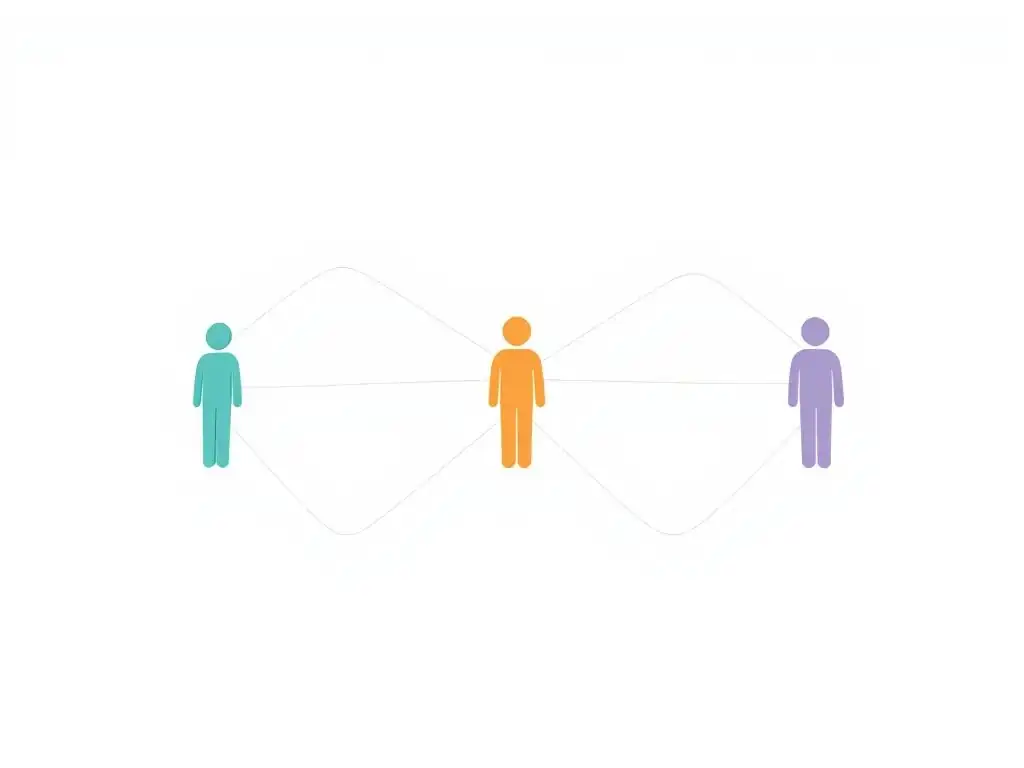
Understanding your attachment style is crucial for navigating the complexities of online dating. By recognizing your own patterns and tendencies, you can leverage your strengths and mitigate potential weaknesses, ultimately leading to more fulfilling and successful relationships. This section will explore how to use your attachment style—whether secure, anxious, avoidant, or fearful-avoidant—to your advantage in the online dating world. Successfully using your attachment style in online dating requires self-awareness and a proactive approach to building healthy connections.
Building Trust and Intimacy Based on Your Attachment Style
Trust and intimacy are cornerstones of any successful relationship, but the path to achieving them differs depending on your attachment style. Learning to navigate these crucial aspects based on your individual style is key to finding lasting connection online.
Fostering Trust as a Securely Attached Person
Securely attached individuals generally find it easier to build trust. You likely communicate openly and honestly, readily share your feelings, and are comfortable with vulnerability. In online dating, this translates to authentic profile creation, clear communication, and a willingness to engage in meaningful conversations. However, even securely attached individuals can benefit from mindful self-reflection. Avoid appearing overly eager or coming across as needing constant reassurance. Maintain your independence and self-respect while still being open and approachable. Remember, healthy relationships are built on mutual respect and a balance of independence and interdependence.
Overcoming Insecurity and Building Trust (Anxiously Attached)
Anxiously attached individuals often struggle with trust issues stemming from past experiences. Online dating can exacerbate these anxieties, leading to clinginess, constant checking of messages, and overthinking. To counteract this, focus on self-soothing techniques, such as mindfulness and journaling, before engaging in online interactions. Practice setting realistic expectations and avoid idealizing potential partners. Communicate your needs clearly but avoid being demanding or accusatory. Slowly build trust by focusing on consistent, positive interactions. Gradual disclosures of personal information can help build a sense of safety and mutual understanding. Remember, healthy relationships require time and effort; don't rush the process.
Developing Intimacy at Your Own Pace (Avoidant Attached)
Avoidantly attached individuals often struggle with intimacy and may resist vulnerability. Online dating might feel overwhelming, leading to avoidance or superficial interactions. To overcome this, start by engaging in lower-stakes interactions, such as casual messaging, before committing to more intimate conversations or meetings. Gradually increase your level of self-disclosure as you feel comfortable and trust develops. Prioritize self-reflection to understand your reluctance to intimacy and identify any underlying fears or insecurities. Embrace the process, allowing yourself to connect with others at a pace that feels safe and manageable. Remember that intimacy is a gradual process, not a destination.
Building Healthy Relationships Despite Past Experiences (Fearful-Avoidant)
Individuals with a fearful-avoidant attachment style experience a complex interplay of desire for intimacy and fear of rejection or abandonment. Online dating presents unique challenges, as the potential for both connection and hurt is amplified. Prioritize self-care and therapy to address underlying trauma and insecurities. Practice setting healthy boundaries and communicating your needs assertively, yet respectfully. Start with short, low-pressure interactions, gradually increasing engagement as trust builds. Recognize that vulnerability is a strength, not a weakness, and that healthy relationships involve both intimacy and independence. Remember, healing takes time, and it's okay to seek professional help.
Identifying unhealthy attachment patterns in potential partners is crucial for protecting yourself and building healthy relationships. Recognizing these red flags online can prevent you from investing time and energy in potentially harmful relationships.
Identifying Insecure Attachment Patterns in Potential Partners
Insecure attachment styles manifest differently in online interactions. Look for signs of clinginess, jealousy, controlling behavior, or a need for constant reassurance in anxious attachment. In avoidant attachment, you might observe superficial interactions, reluctance to commit, or emotional unavailability. Fearful-avoidant individuals may exhibit a pattern of hot-and-cold behavior, alternating between intense connection and withdrawal. Pay attention to communication styles, responsiveness, and overall behavior patterns. Trust your intuition; if something feels off, it probably is.
Setting Boundaries with Individuals Exhibiting Unhealthy Attachment Behaviors
Setting boundaries is essential when interacting with individuals exhibiting unhealthy attachment behaviors online. This might involve limiting communication frequency, refusing to engage in emotionally manipulative conversations, or ending contact altogether. Be assertive and clear in your communication, stating your needs and expectations without apology. Remember that you are not responsible for changing someone else's behavior; your primary responsibility is to protect your own well-being.
Protecting Yourself from Manipulation and Emotional Abuse
Online dating, unfortunately, increases vulnerability to manipulation and emotional abuse. Be aware of red flags such as controlling behavior, gaslighting, threats, or attempts to isolate you from friends and family. If you experience any of these behaviors, immediately end contact and seek support from trusted friends, family, or professionals. Remember, your safety and well-being are paramount. Trust your instincts; if a relationship feels unsafe or unhealthy, it's vital to prioritize your own emotional and physical security.
Online Dating Success and Attachment Style: A Holistic Approach
Understanding your attachment style is crucial for navigating the complexities of online dating. This isn't about fixing yourself; it's about leveraging self-knowledge to create a more fulfilling and successful online dating experience. Many people unknowingly sabotage their online dating efforts due to ingrained patterns stemming from their attachment style.
By understanding these patterns, you can proactively address potential pitfalls and cultivate healthier relationship dynamics. This section explores how to harness your unique attachment style to achieve your online dating goals, focusing on building authentic connections and fostering lasting relationships. The goal isn't to change your attachment style, but to use it as a tool for self-understanding and improved online dating success.
Utilizing Self-Awareness to Improve Online Dating Outcomes
Self-awareness is the cornerstone of successful online dating, particularly when considering your attachment style. Recognizing your tendencies—whether you're anxiously seeking validation, avoidantly pushing people away, or somewhere in between—allows you to proactively manage your behavior.
For example, individuals with an anxious attachment style might over-message potential partners or become overly invested too quickly. Understanding this tendency allows them to consciously regulate their communication, avoiding overwhelming potential matches. Instead of sending multiple messages without a response, they can practice patience and self-soothing techniques.
Conversely, those with an avoidant attachment style might struggle with intimacy and commitment. Recognizing this, they can consciously challenge their avoidance behaviors by engaging in more vulnerable communication, sharing personal information gradually, and allowing themselves to be seen.
Regular self-reflection through journaling or mindfulness practices can significantly enhance self-awareness. Ask yourself: How do I typically react to rejection? Do I tend to overthink messages? Do I withdraw when things get too close? Honest answers will illuminate your patterns, empowering you to make conscious choices that align with your dating goals. This process of self-discovery is key to using your attachment style to your advantage in the online dating world. The more self-aware you are, the better equipped you'll be to navigate the complexities of online interactions.
Integrating Therapy or Coaching to Address Attachment Issues
While self-awareness is incredibly helpful, some individuals benefit from professional guidance in addressing deeply rooted attachment insecurities. Therapy or coaching provides a safe and supportive environment to explore the origins of your attachment style and develop healthier coping mechanisms. A therapist or coach can offer tailored strategies to manage anxiety, improve communication skills, and build healthier relationship patterns.
The benefits of professional help extend beyond individual growth. By addressing underlying issues, you can improve your overall well-being and increase your chances of forming meaningful connections online. Therapy isn't a quick fix, but a journey of self-discovery and growth that can significantly enhance your online dating experience. It's an investment in your emotional health and, ultimately, your success in finding a fulfilling relationship.
Consider seeking professional support if you find yourself consistently struggling with relationship patterns despite self-awareness efforts. This proactive approach can lead to profound improvements in your online dating success and overall relationship satisfaction. Many therapists specialize in attachment theory and can provide valuable insights and tools.
Long-Term Relationship Building and Attachment Security
The ultimate goal for many online daters is to build a secure and lasting relationship. Your attachment style significantly influences your ability to form and maintain such relationships. Understanding your attachment style allows you to anticipate potential challenges and develop strategies for building security within the relationship.
For instance, individuals with an anxious attachment style might need reassurance and validation more frequently. Open communication about these needs is crucial for fostering trust and stability. Similarly, those with an avoidant attachment style might need to consciously work on building intimacy and emotional connection. This may involve gradually increasing vulnerability and expressing affection.
Building a secure attachment in a long-term relationship requires consistent effort and open communication from both partners. It's a process of mutual understanding, respect, and commitment. By consciously addressing your attachment-related tendencies, you can create a more secure and fulfilling relationship, even if navigating the initial stages online. Remember, building a secure attachment is a continuous process, requiring ongoing self-reflection and communication with your partner. It's a journey towards emotional intimacy and lasting connection, which starts with self-awareness and a willingness to grow.
Frequently Asked Questions
How can my attachment style affect my online dating experience?
Your attachment style significantly impacts how you approach online dating. Securely attached individuals tend to have healthier relationships, while anxious or avoidant styles can lead to challenges in communication and forming connections. Understanding your style is key.
What if I'm anxiously attached? How can I use online dating successfully?
If you're anxiously attached, focus on self-soothing techniques before engaging. Practice mindfulness and avoid over-analyzing messages. Prioritize building genuine connections over immediate gratification.
I'm avoidantly attached. What strategies can help me on dating sites?
Avoidantly attached individuals should work on building trust slowly. Start with shorter, less intense interactions. Focus on clear communication of your boundaries and needs to manage expectations.
Can I change my attachment style to improve my online dating success?
While you can't completely change your attachment style, you can learn to manage its influence. Therapy or self-help resources can provide tools to develop healthier relationship patterns and improve communication skills.
How does knowing my attachment style help me choose the right partner online?
Understanding your attachment style helps you identify compatible partners. For example, securely attached individuals often thrive with other secure individuals, while those with other styles may find compatibility with others who share similar tendencies or have complementary styles. Self-awareness is crucial.
Final Reflection: Harnessing Attachment for Authentic Online Connections
Understanding your attachment style is no longer a niche concept; it's a crucial key to navigating the complexities of online dating and building genuine connections in the digital age. The rise of online interactions has amplified both the potential for rewarding relationships and the pitfalls of miscommunication, making self-awareness more vital than ever. Ignoring your attachment style in this context is akin to driving without a map – you might reach your destination, but the journey will likely be far bumpier and less efficient.
The impact of attachment styles on our online interactions is profound, shaping how we present ourselves, interpret messages, and ultimately, form bonds. It's not just about finding a match; it's about fostering healthy, sustainable relationships built on mutual understanding and respect. The most important thing in communication is hearing what isn't said.
– Peter Drucker. This quote rings especially true online, where nonverbal cues are limited, and understanding unspoken anxieties or desires, rooted in our attachment styles, becomes paramount. Learning to recognize these patterns in ourselves and others allows us to build more fulfilling connections, both romantically and platonically.
Now, consider your own attachment style. How has it influenced your online dating experiences? What adjustments can you make to communicate your needs more effectively and foster healthier relationships? Take the time to reflect on your patterns, and actively work towards building a more authentic and fulfilling online presence. Embrace the opportunity to use your understanding of attachment to create meaningful connections, not just matches. The journey towards healthier relationships starts with self-awareness, and the rewards are well worth the effort.
Unlock Your Online Dating Potential!
Thank you for learning how your attachment style affects your online dating experience! You now have the tools to understand your patterns and create a more fulfilling dating life. Ready to put this knowledge into practice?
- Craft a compelling dating profile: Use your newfound self-awareness to highlight your best qualities and address any insecurities, presenting your authentic self. This is the most important step—it's where real progress begins!
- Share your insights with a trusted friend. Discuss your attachment style and how you plan to use this information to improve your online interactions. A fresh perspective can be invaluable.
- Explore our other articles on OnlineDatingSuccess.org for more tips on navigating the world of online dating with confidence and success.
What's one small change you can make to your dating profile today based on what you've learned?