
The Art of Reading Profiles: Spotting Dismissive Attachment Styles Online


Tired of wasting time on dating apps? You're not alone. At OnlineDatingSuccess.org, we're dedicated to helping you navigate the complexities of online dating and find genuine connections. This week, we delve into the crucial skill of spotting dismissive dating profiles, a key to avoiding frustrating experiences and attracting compatible partners. Learn how to identify these profiles and unlock the secrets to building meaningful relationships online—read on to discover how!
- Understanding Dismissive Attachment in Online Dating
- Spotting Dismissive Dating Profiles: Common Red Flags
- How to Identify Dismissive Avoidant Attachment in Online Dating Profiles
- Beyond the Words: Subtle Signs of Dismissive Attachment Online
- Dating Someone with a Dismissive Attachment Style: Challenges and Strategies
- Resources and Further Reading: Learning More About Attachment Styles
-
Frequently Asked Questions
- How can I spot a dismissive-avoidant attachment style in an online dating profile?
- What kind of language indicates a dismissive profile on dating apps?
- Are there specific photo cues that might suggest a dismissive attachment style?
- How should I approach someone I suspect has a dismissive attachment style?
- What if I'm already dating someone who seems dismissive? Should I leave?
- Final Reflection: Unmasking the Dismissive: Navigating Love in the Digital Age
- Unlock Deeper Dating Insights: Spotting Dismissive Attachment in Profiles
Understanding Dismissive Attachment in Online Dating
Navigating the world of online dating can feel like deciphering a complex code. While many focus on crafting the perfect profile picture or writing a witty bio, understanding the underlying attachment styles of potential partners can significantly improve your success rate and help you avoid frustrating experiences. This article delves into the subtle yet revealing signs of a dismissive attachment style in online dating profiles, equipping you with the knowledge to identify these patterns and make informed decisions about who you choose to connect with.
Successfully spotting dismissive dating profiles can save you time and heartache, allowing you to focus your energy on building genuine connections with individuals who are emotionally available and ready for a healthy relationship. We'll explore the key characteristics of this attachment style and provide practical examples to help you identify them in online profiles, ultimately empowering you to create more fulfilling dating experiences.
Defining Dismissive Attachment Style: Key Characteristics
Individuals with a dismissive attachment style often present a seemingly confident and independent exterior. However, beneath the surface lies a deep-seated fear of intimacy and commitment. This fear stems from past experiences, often involving emotional neglect or unavailability from primary caregivers. Consequently, they tend to prioritize self-reliance and avoid emotional vulnerability. Let's examine some key characteristics that often manifest in their online personas:
- Emotional Detachment: They might appear aloof or distant in their profile descriptions, rarely expressing deep emotions or vulnerabilities. Their language might be overly casual or even dismissive of romantic relationships. Look for a lack of heartfelt expression or a tendency to downplay the importance of emotional connection.
- Self-Reliance Emphasis: Their profiles often highlight their independence and self-sufficiency. They might boast about their accomplishments, career success, or solo adventures, potentially minimizing the role of relationships in their lives. This isn't inherently negative, but in excess, it can signal a dismissive attachment.
- Avoidance of Commitment: Subtle clues hinting at a reluctance to commit can be found in their profiles. They might avoid explicitly mentioning their dating intentions or use vague language about relationships. Look for phrases like "keeping my options open" or a lack of clear statements about what they're looking for in a partner.
- Superficial Interactions: Even if they engage in conversations, their interactions might feel superficial or lacking in depth. They may avoid discussing personal feelings or sharing intimate details about their lives. This can manifest as short, abrupt responses, a lack of follow-up, or a reluctance to initiate deeper conversations.
- High Value on Independence: They might portray themselves as someone who doesn't "need" a relationship, emphasizing their self-sufficiency and independence to a degree that feels almost defensive.
Recognizing Dismissive Attachment Behaviors in Dating Profiles
Identifying dismissive attachment in online profiles requires careful observation and an understanding of the subtle nuances in their communication style. Here are some specific examples to look for:
- Profile Picture Analysis: While not definitive, a profile primarily featuring solo shots, often in adventurous or independent settings, could indicate a preference for self-reliance over close relationships. The absence of pictures with others, especially close friends or family, could be a subtle red flag.
- Bio Scrutiny: Examine their self-description carefully. Does it prioritize accomplishments over emotional depth? Do they boast about their independence to an excessive degree? Is there a lack of vulnerability or openness about their desires and needs in a relationship?
- Messaging Patterns: Pay close attention to their communication style. Do they respond briefly and superficially? Do they avoid deeper conversations about feelings or personal experiences? Do they frequently change the subject when conversations get too personal?
- Relationship History (if mentioned): If they discuss past relationships, do they tend to blame their exes or portray themselves as the victim without acknowledging their own role in the relationship's demise? This can indicate a lack of self-awareness and a reluctance to take responsibility for their actions.
Remember, these are indicators, not guarantees. It's crucial to consider the entire profile and communication style before drawing conclusions. However, by understanding these characteristics, you can better navigate the complexities of online dating and increase your chances of finding a compatible partner who is emotionally available and ready for a meaningful connection. Learning to spot these subtle signals empowers you to protect your emotional well-being and prioritize relationships built on mutual respect and emotional intimacy.
Spotting Dismissive Dating Profiles: Common Red Flags
This section delves into the subtle yet significant signs that can help you identify dismissive attachment styles in online dating profiles. Understanding these red flags can save you time and emotional energy, allowing you to focus on potential partners who are more compatible with your relationship goals. Successfully spotting dismissive dating profiles requires a keen eye for detail and an understanding of the characteristic behaviors of individuals with this attachment style. Remember, these are indicators, not definitive diagnoses.
Language and Tone: Identifying Dismissive Communication
Dismissive individuals often communicate in ways that subtly (or not so subtly) convey a lack of emotional availability. Their online persona might reflect a detached, self-reliant attitude, even bordering on arrogance. Pay close attention to the language used in their profile descriptions and messages.
Look for phrases like:
- "Independent and self-sufficient" (overused or emphasized excessively).
- "Not looking for anything serious" (stated without further explanation or nuance).
- "Busy professional" (used as a justification for limited availability, without showing any interest in making time).
- "I'm not good at relationships" (presented as a self-deprecating statement, but often masking a deeper avoidance of intimacy).
- A general lack of vulnerability or self-disclosure.
Their tone is often casual, even nonchalant, lacking warmth or genuine enthusiasm. They may prioritize brevity over depth, focusing on superficial details rather than sharing personal experiences or aspirations. Avoid profiles that feel generic or impersonal, lacking a unique voice or personality. Consider the overall vibe: does it feel genuine and approachable, or distant and aloof? 🤔
For example, a profile stating simply "I like hiking and craft beer" offers little insight into the person's personality or values. Compare that to a profile that says, "I love exploring new hiking trails, especially those with stunning views. Recently discovered a fantastic local brewery with amazing IPAs – happy to share my finds!" – this second example shows more engagement and willingness to connect.
Profile Content: What Dismissive Individuals Avoid Sharing
Dismissive attachment styles are characterized by a reluctance to delve into personal matters, particularly those related to emotions or vulnerability. Their profiles often lack depth and substantive information. Consider these key areas:
- Limited personal details: Avoid profiles that are vague or contain little specific information about their life, hobbies, or interests. A lack of detail might suggest a fear of intimacy or a desire to maintain distance.
- Absence of emotional expression: Their writing style may be devoid of emotional nuance or expressions of feelings. They might avoid discussing personal experiences that reveal vulnerability or require emotional engagement.
- Focus on achievements: They might heavily emphasize professional accomplishments or material possessions, potentially overshadowing personal qualities and values. This can be a way of projecting an image of self-sufficiency and avoiding emotional vulnerability.
- Avoidance of future plans: Rarely mention future goals, long-term aspirations, or desires for a committed relationship. This lack of forward-looking thinking might indicate a fear of commitment or a lack of interest in building a lasting connection.
For instance, a profile that lists only career details and favorite sports, without mentioning any personal values, close relationships, or passions, could be a red flag. Conversely, a profile rich in details about personal goals, family life (if applicable), and meaningful experiences suggests a greater willingness to connect on an emotional level.
Even seemingly innocuous details in photos can offer insights into attachment styles. Pay attention to:
- Solo shots: A preponderance of solo photos might indicate a preference for independence and a reluctance to share intimate moments with others. While not always a negative, it's worth considering in conjunction with other indicators.
- Photos with groups of friends: The presence of photos with large groups of friends can sometimes mask a lack of close, intimate relationships. Consider the expressions and dynamics within the group photos.
- Lack of variety: A profile with a limited number of photos or photos that all look very similar might suggest a reluctance to present a multi-faceted self or a lack of effort in crafting an appealing profile.
- Distance and body language: Photos where the subject is positioned far away from the camera or displays closed-off body language (arms crossed, averted gaze) might reflect a subconscious desire for emotional distance.
Remember, photo analysis should be used in conjunction with other profile cues. A single photo doesn't define someone's attachment style, but patterns across multiple aspects of their profile can provide a clearer picture. Consider the overall impression the photos create: do they convey warmth and approachability, or distance and detachment? The subtle cues in photos can offer valuable insights when combined with other observations.
How to Identify Dismissive Avoidant Attachment in Online Dating Profiles
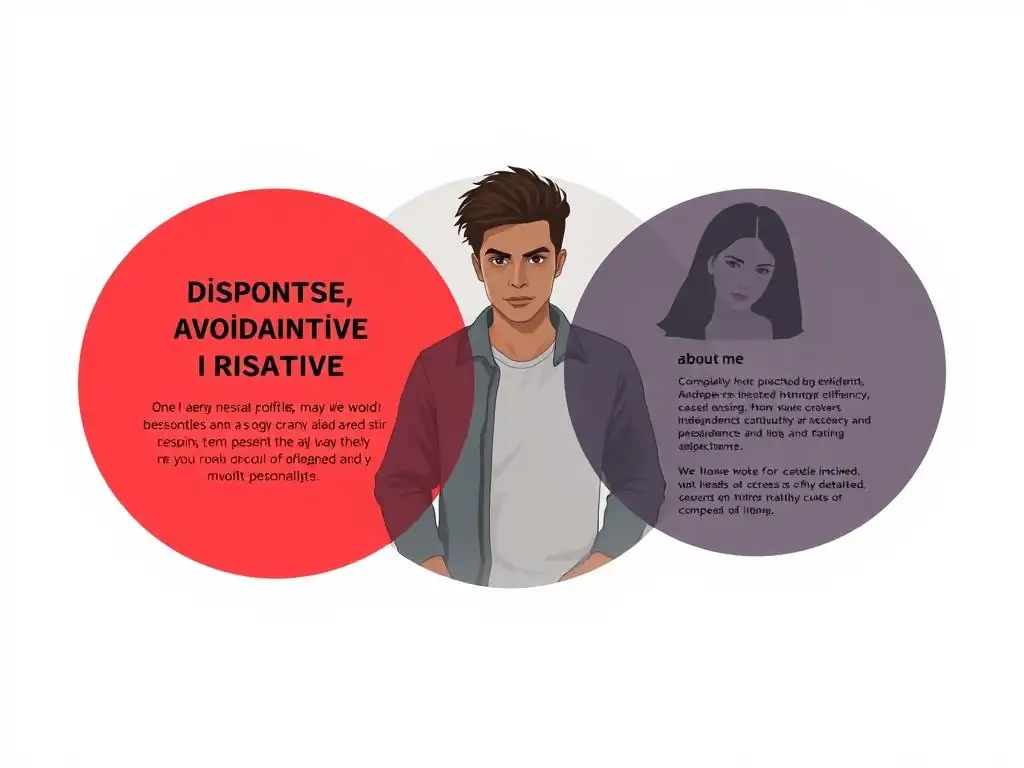
This section delves into the practical application of recognizing dismissive-avoidant attachment styles in online dating profiles. Understanding these subtle cues can significantly improve your online dating experience, helping you avoid potentially frustrating relationships and focus your energy on compatible partners. Remember, identifying these traits isn't about judgment; it's about self-awareness and making informed choices about who you engage with. The goal is to spotting dismissive dating profiles effectively.
Analyzing Profile Completeness: Missing Information as a Clue
Dismissive-avoidant individuals often exhibit a lack of investment in relationships, and this can manifest as incomplete or sparsely populated online dating profiles. They may avoid self-disclosure, leaving many sections blank or offering only minimal information. This isn't necessarily about laziness; it's a reflection of their emotional detachment and discomfort with vulnerability.
For example, consider a profile with only one or two photos, a brief, generic bio, and no listed interests or hobbies. This sparseness can indicate a reluctance to share personal details, a key characteristic of the dismissive-avoidant attachment style. Conversely, a profile that's overly vague, using terms like "easygoing" or "chill" without specifics, can also be a red flag. These are often catch-all terms used to avoid genuine self-expression.
Think about it: a profile that lacks detail makes it difficult to discern compatibility. Are they truly "easygoing," or are they simply avoiding deeper connection? The lack of specificity can be a significant indicator of a dismissive-avoidant attachment style. Pay attention to missing information — it often speaks volumes. Look for missing details in crucial sections like:
- Work/Education: A complete absence of information here could suggest a reluctance to discuss their professional life, possibly due to fear of commitment or vulnerability.
- Hobbies and Interests: A lack of hobbies or interests listed can hint at a limited capacity for emotional investment and engagement.
- Relationship Goals: The absence of clearly stated relationship goals might suggest a fear of intimacy or long-term commitment.
This lack of detail isn't always definitive, but when combined with other indicators, it contributes to a more comprehensive picture.
Assessing Profile Quality: Low Effort and Lack of Detail
Beyond mere completeness, the quality of information provided in a dating profile can also reveal dismissive-avoidant tendencies. A low-effort profile, characterized by poor grammar, spelling errors, or generic stock photos, suggests a lack of investment and a disinterest in presenting themselves authentically to potential partners. This isn't just about aesthetics; it reflects an underlying attitude of detachment and a reluctance to put in the effort required for meaningful connection.
Consider these examples:
- A profile filled with selfies taken in dimly lit rooms with no context.
- A profile bio consisting of only a single sentence or a string of emojis.
- A profile with outdated or low-resolution photos.
These superficial presentations often indicate a lack of genuine interest in forming connections. It's as if the individual is going through the motions without truly engaging in the process of online dating. This superficiality can be a significant clue in spotting dismissive dating profiles. Remember, while everyone makes mistakes, a pattern of low-effort presentation often points to a deeper issue. It's about the overall impression the profile gives. Does it suggest genuine connection, or a casual fling?
Examining Profile Interactions: Limited Engagement or Responsiveness
Finally, consider how the individual interacts within the dating platform. Dismissive-avoidant individuals may exhibit inconsistent communication, taking days or even weeks to respond to messages, or offering brief, unengaged replies. They may also initiate contact infrequently or seem generally uninterested in getting to know potential partners beyond a superficial level.
Here's what to watch for:
| Behavior | Interpretation |
|---|---|
| Infrequent messaging | Suggests a lack of interest in building a connection or engaging in meaningful conversation. |
| Brief, one-word responses | Indicates a reluctance to invest emotional energy or share personal details. |
| Delayed responses | May reflect a prioritization of their own needs and a reluctance to commit to consistent communication. |
| Avoiding deeper conversations | Suggests a fear of intimacy or a lack of desire for emotional closeness. |
This pattern of limited engagement isn't always intentional; sometimes it's simply a sign of poor communication skills. However, when combined with other indicators—like a poorly-crafted profile—it can strongly suggest a dismissive-avoidant attachment style. Learning to recognize these subtle cues is key to navigating the complexities of online dating and finding compatible partners. Remember, the goal is to spotting dismissive dating profiles so you can focus your time and energy on those individuals who are genuinely ready for a meaningful connection.
Beyond the Words: Subtle Signs of Dismissive Attachment Online
This section delves into the nuances of identifying dismissive attachment styles in online dating profiles, moving beyond the explicitly stated text to uncover subtle behavioral cues. Remember, recognizing these patterns isn't about judgment; it's about self-awareness and protecting your emotional well-being. Successfully spotting dismissive dating profiles requires keen observation and understanding of the underlying anxieties driving this attachment style.
Inconsistencies in Profiles: Contradictory Information
Dismissive individuals often present a carefully curated image online, but cracks can appear in the façade. Look for inconsistencies within their profile. Do their photos project a carefree, independent spirit, while their written description emphasizes a desire for a serious, committed relationship? This contradiction signals potential internal conflict—a desire for connection juxtaposed with a fear of intimacy. For example, a profile might boast of an adventurous lifestyle filled with solo travels, yet simultaneously express a longing for a "soul mate" who will "complete" them.
This discrepancy points towards a potential dismissive attachment style, where the individual simultaneously craves connection while subconsciously sabotaging opportunities for deeper intimacy. Analyzing these inconsistencies carefully can help you identify potential red flags. Consider also the quality of their photos. Do they feature mainly group shots, suggesting a reluctance to showcase themselves individually? This could indicate a desire to maintain distance and avoid vulnerability.
Lack of Emotional Expression: Absence of Vulnerability
Dismissive profiles often lack emotional depth. While some profiles might be lighthearted and fun, a truly dismissive profile will avoid expressing vulnerability or sharing personal insecurities. They may use generic phrases like "looking for someone fun" or "enjoying life to the fullest," avoiding any mention of deeper emotional needs or desires. The absence of personal details beyond superficial hobbies and interests is a significant indicator.
Look for a lack of self-reflection or any discussion of past relationships. A complete absence of emotional expression, even in a lighthearted context, could signify an attempt to maintain emotional distance and avoid potential hurt. This guarded approach is a classic characteristic of a dismissive attachment style in online dating. Remember, genuine connection requires a degree of vulnerability; its absence can be a critical warning sign.
Overly Positive or Idealized Self-Portrayal: A Defense Mechanism
An overly positive and idealized self-portrayal is a common defense mechanism employed by individuals with a dismissive attachment style. Their profiles might be brimming with superlatives and accomplishments, painting a picture of near-perfection. This polished presentation often masks a deep-seated fear of rejection.
Instead of presenting a realistic and relatable image, they create an unattainable ideal, subconsciously protecting themselves from potential vulnerability. This idealized image can be identified by a lack of self-deprecating humor or any acknowledgement of flaws. They might avoid mentioning any personal struggles or challenges, creating a façade of effortless perfection.
For instance, a profile might boast about numerous successful business ventures and exciting hobbies, without ever mentioning any setbacks or periods of self-doubt. This lack of realistic self-representation can be a strong indicator of a dismissive attachment style, where the individual avoids showing their true self to maintain emotional control. Pay close attention to the overall tone and messaging; hyper-positivity without any counterbalance can be a red flag.
Dating Someone with a Dismissive Attachment Style: Challenges and Strategies

Dating someone with a dismissive attachment style presents unique challenges. Understanding their behavior is the first step towards navigating these complexities. Individuals with this attachment style often prioritize independence and self-reliance to the point of emotional detachment. They may appear aloof, avoidant of intimacy, and struggle with vulnerability.
Spotting these traits in online dating profiles requires keen observation and an understanding of the subtle cues they might exhibit. This isn't about labeling someone, but about recognizing potential incompatibility and setting healthy boundaries. Remember, recognizing these patterns doesn't mean judging the individual; it's about self-preservation and choosing relationships that align with your needs. The goal is to identify potential red flags early on, minimizing emotional investment in potentially unfulfilling connections.
Setting Boundaries with Dismissive Individuals
Setting boundaries is crucial when dating someone with a dismissive attachment style. Their tendency to avoid emotional closeness can lead to unmet needs and feelings of frustration. Clear communication is key. This means explicitly stating your needs and expectations without being accusatory. For example, instead of saying, "You're always so distant," try, "I value open communication and emotional connection in a relationship. Could we work on improving our communication?"
It's important to remember that pushing for intimacy too aggressively might trigger their avoidance behaviors. A gradual, respectful approach is often more effective. Consistent boundary-setting, even if met with resistance, shows self-respect and protects your emotional well-being. Remember, you deserve a partner who respects your emotional needs. Don't be afraid to enforce your boundaries; your emotional health is paramount.
Managing Expectations in Relationships with Dismissive Partners
Managing expectations is another critical aspect of dating someone with a dismissive attachment style. It's essential to accept that their emotional expression may differ significantly from yours. They might not readily express affection, initiate deep conversations, or readily share their feelings. This isn't necessarily a reflection of their feelings for you; it's a manifestation of their attachment style. Learning to appreciate their expressions of love, however subtle they may be, is crucial.
For example, acts of service or thoughtful gestures might be their way of showing affection. Focusing on their actions and appreciating their unique ways of showing care can help manage unrealistic expectations. Adjusting your expectations doesn't mean settling for less; it means understanding and accepting their unique communication style. This understanding fosters a healthier and more realistic perspective on the relationship.
When to Walk Away: Recognizing Unhealthy Dynamics
Recognizing unhealthy dynamics is crucial in any relationship, but especially so when dating someone with a dismissive attachment style. While some level of independence is healthy, consistent emotional unavailability, dismissiveness of your feelings, and a pattern of stonewalling are significant red flags. If your attempts at communication are consistently met with indifference or defensiveness, it might be time to reconsider the relationship. Continuously feeling invalidated or unheard is damaging to your self-esteem. Similarly, if their actions consistently contradict their words (e.g., saying they care but never showing it), it's indicative of a deeper issue. Trust your intuition. If the relationship consistently leaves you feeling emotionally depleted and unsupported, it's a clear sign that it's not a healthy fit. Prioritizing your own well-being and seeking a relationship that nurtures your emotional needs is essential. Remember, a healthy relationship is built on mutual respect, understanding, and emotional support. Don't settle for less.
Resources and Further Reading: Learning More About Attachment Styles

This section provides additional resources to deepen your understanding of attachment theory and its relevance to online dating. Understanding attachment styles is crucial for navigating the complexities of relationships, both online and offline. Learning to identify these patterns can empower you to make more informed choices and build healthier connections. Remember, recognizing these patterns in yourself and others is a journey of self-discovery and growth.
Recommended Books on Attachment Theory
Several excellent books delve into the intricacies of attachment theory, providing a comprehensive understanding of its various styles and their impact on relationships. These resources offer valuable insights beyond the scope of this article, allowing for a more nuanced comprehension of the subject.
- Attached: The New Science of Adult Attachment and How It Can Help You Find—and Keep—Love: This book provides a clear and accessible explanation of attachment theory and its practical applications in romantic relationships. It uses real-life examples to illustrate the different attachment styles and their influence on relationship dynamics. The authors present a hopeful and empowering perspective, guiding readers towards building secure attachments.
- Attached: The New Science of Adult Attachment and How It Can Help You Find—and Keep—Love: This book provides a clear and accessible explanation of attachment theory and its practical applications in romantic relationships. It uses real-life examples to illustrate the different attachment styles and their influence on relationship dynamics. The authors present a hopeful and empowering perspective, guiding readers towards building secure attachments.
- The Defining Decade: Why Your Twenties Matter—And How to Make the Most of Them Now: While not solely focused on attachment, this book provides valuable context on the developmental aspects of relationships and self-discovery during the crucial years of young adulthood. It helps understand how past experiences and choices can shape adult relationships and attachment patterns.
- Hold Me Tight: Seven Conversations for a Lifetime of Love: This book focuses on practical strategies for improving communication and strengthening relationships, particularly beneficial for couples struggling with attachment insecurities. It offers a roadmap for navigating difficult conversations and fostering deeper connection.
Helpful Websites and Articles on Online Dating and Relationships
Beyond books, numerous online resources offer valuable insights into online dating and relationship dynamics. These resources often provide practical advice, support communities, and updated perspectives on navigating the complexities of modern relationships. Remember to critically evaluate the information you find online and prioritize credible sources.
The internet offers a wealth of information on attachment styles in online dating, including articles, blog posts, and even quizzes designed to help you better understand your own attachment style and those of potential partners. However, remember that online assessments should not be viewed as definitive diagnoses. If you have concerns about your attachment style or its impact on your relationships, seeking professional guidance from a therapist or counselor is always recommended.
They can offer personalized support and insights based on your individual circumstances. Many websites offer articles and resources on relationship building and healthy communication, which can complement your understanding of attachment theory. These resources often provide practical tips and strategies for improving your dating life and building more fulfilling relationships.
This careful approach to online resources will help you avoid misinformation and focus on building healthy, secure relationships. Remember, building healthy relationships takes time and effort, but the rewards are well worth it. 💖
Frequently Asked Questions
How can I spot a dismissive-avoidant attachment style in an online dating profile?
Look for profiles that are vague about their relationship goals, boast about their independence to an excessive degree, and lack emotional depth or vulnerability. They might prioritize activities over relationships.
What kind of language indicates a dismissive profile on dating apps?
Watch out for language that is superficial, boastful, or self-absorbed. They might use phrases like "I'm too busy for drama" or "I'm independent and don't need anyone." Avoid profiles lacking any mention of emotional needs or desires.
Are there specific photo cues that might suggest a dismissive attachment style?
While not definitive, an abundance of solo photos showcasing activities rather than interacting with others could hint at a dismissive style. Lack of smiling or genuine connection in photos might also be a subtle clue.
How should I approach someone I suspect has a dismissive attachment style?
Proceed with caution and low expectations. Don't invest heavily emotionally early on. Focus on clear communication and setting healthy boundaries. Be prepared for potential emotional unavailability.
What if I'm already dating someone who seems dismissive? Should I leave?
Consider your own needs and boundaries. If their behavior consistently clashes with your expectations for a relationship, prioritizing your well-being and ending the relationship may be necessary. Don't hesitate to seek support from friends or a therapist.
The ability to identify dismissive attachment styles online is no longer a niche skill; it's a crucial tool for navigating the complexities of modern dating. Understanding these patterns can save you heartache and empower you to build healthier, more fulfilling relationships. The prevalence of online dating means we're all, to some degree, amateur relationship detectives, and recognizing the subtle cues of dismissive attachment is key to finding genuine connection.
The impact of dismissive attachment extends far beyond the initial stages of dating; it shapes communication patterns, conflict resolution, and the overall dynamic of a relationship. It's a pervasive issue, influencing how we connect (or fail to connect) with others on a deeply personal level. The greatest love story is the one you never saw coming.
This quote holds true, but only if we're equipped to recognize the red flags that might otherwise blind us to a potentially unhealthy dynamic. This article has aimed to equip you with that very tool: the ability to see beyond the surface and understand the underlying attachment style.
Now, consider your own dating experiences. Have you encountered profiles or individuals exhibiting the traits of dismissive attachment? Take a moment to reflect on how this knowledge might shift your approach to online dating and your expectations in relationships. Don't just passively scroll; actively engage with the information presented here, and use it to build a more conscious and fulfilling love life. The power to shape your romantic future lies in your hands.
Unlock Deeper Dating Insights: Spotting Dismissive Attachment in Profiles
Thank you for exploring the world of online dating profiles and learning how to identify dismissive attachment styles! You've gained valuable tools to navigate the complexities of online relationships. Ready to apply this new knowledge?
- Analyze three new profiles today: Use the insights from this article to examine profiles with a fresh perspective. See how many indicators of a dismissive attachment style you can find. This is a crucial step in improving your online dating experience.
- Share this article with a friend: Discuss your findings and help them develop their ability to discern different attachment styles in online dating. A second opinion can often provide valuable clarity.
- Reflect on your insights in a journal: Analyzing profiles and journaling about your observations can lead to deeper self-awareness and help you improve your own online dating profile.
What fascinating discoveries await you as you begin analyzing profiles with a more discerning eye?