
Privacy Settings: Understanding and Utilizing Your App's Security Features

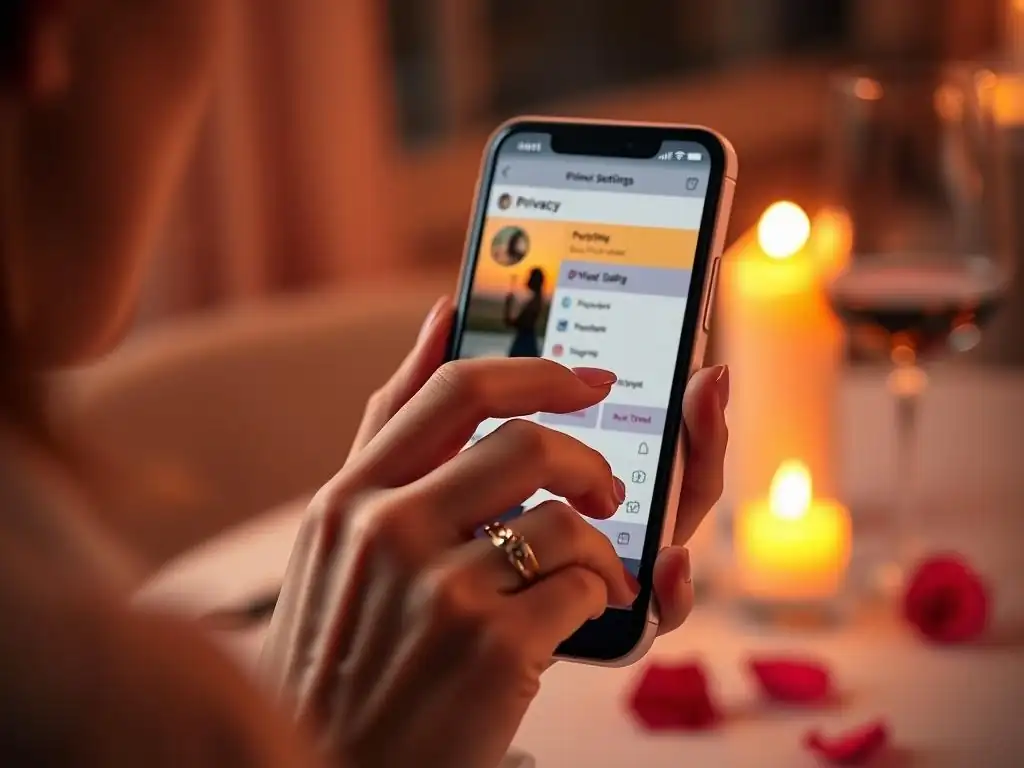
Ready to unlock the secrets to a safer and more successful online dating experience? At OnlineDatingSuccess.org, we empower you to navigate the world of online romance with confidence. But before you dive in, consider this: are you truly maximizing your privacy? Our latest article on online dating app privacy settings reveals crucial insights into protecting your personal information and building healthy connections. Discover how to take control of your digital footprint and create a safer dating journey. Learn more and transform your online dating experience today!
- Mastering Online Dating App Privacy Settings: A Comprehensive Guide
- Optimizing Your Profile for Privacy While Maintaining Attractiveness
- Managing Location Data and Sharing Preferences
- Protecting Your Personal Information Beyond App Settings
- Staying Safe Online: Best Practices for Online Dating Privacy
- Frequently Asked Questions
- Final Reflection: Reclaiming Control in the Digital Dating World
- Take Control: Secure Your Online Dating Experience
Mastering Online Dating App Privacy Settings: A Comprehensive Guide
Navigating the world of online dating requires a delicate balance: presenting your best self to potential partners while safeguarding your personal information and maintaining your privacy. This comprehensive guide focuses on understanding and effectively utilizing the privacy settings offered by various online dating apps. We'll explore the crucial importance of privacy in online dating, delve into the potential risks of oversharing, and provide practical steps to secure your online presence and protect yourself from potential harm.
Mastering these settings isn't just about protecting your personal data; it's about fostering a safe and positive online dating experience, increasing your chances of building genuine connections, and ultimately finding a meaningful relationship. This guide is essential reading for anyone who values their safety and privacy while searching for love online. Remember, responsible use of online dating apps is key to a successful and secure journey.
Understanding the Importance of Privacy in Online Dating
The digital age has revolutionized how we meet people, but with this convenience comes new challenges. Online dating, while offering exciting possibilities, exposes users to various risks if privacy isn't prioritized. Understanding the importance of privacy isn't just about avoiding embarrassing situations; it's about protecting your personal safety and well-being. Consider these points:
- Safety from stalkers and harassers: Limiting the information available about you online significantly reduces the risk of attracting unwanted attention from individuals who might use your data for harmful purposes.
- Preventing identity theft: Oversharing personal details can make you vulnerable to identity theft. Protecting your information is crucial for your financial security.
- Maintaining control over your personal narrative: You have the right to decide what information you share and with whom. Privacy settings allow you to maintain this control, presenting only the aspects of your life you feel comfortable revealing.
- Building trust and fostering healthy relationships: When you establish boundaries early on by carefully managing your privacy, you foster a sense of respect and trust in your interactions with potential partners. This approach helps ensure that connections are built on genuine interest rather than solely on readily accessible personal details.
- Avoiding misinformation and catfishing: Strict privacy settings can help reduce the likelihood of encountering fake profiles or inaccurate information, ensuring you interact with individuals who are genuinely who they claim to be.
Risks of Sharing Too Much Personal Information Online
Sharing excessive personal information on online dating apps can expose you to a range of risks, some more severe than others. The seemingly harmless act of posting your full address, workplace, or even your daily routine can have serious consequences. Consider the following scenarios:
- Stalking and harassment: Providing detailed information about your location or daily activities makes you a significantly easier target for stalkers and harassers. This can lead to anxiety, fear, and even physical danger.
- Unwanted contact: Sharing your phone number or email address too readily can result in an overwhelming influx of unwanted messages and calls, disrupting your daily life and causing significant stress.
- Scams and fraud: Sharing sensitive financial information or personal details can make you vulnerable to scams and fraudulent activities.
- Reputation damage: Information shared online can be difficult to remove, and even seemingly innocuous details can be misused to damage your reputation.
- Privacy violations: Apps with lax security measures might not adequately protect your data, leading to privacy violations and the potential misuse of your personal information. Even seemingly secure apps can be compromised.
The following sections will guide you through the specific privacy settings available on popular dating apps and provide practical tips to maximize your online safety. Remember, your safety and privacy are paramount.
Identifying Key Privacy Settings in Popular Dating Apps
Understanding your online dating app's privacy settings is crucial for maintaining control over your personal information and online safety. Different apps offer varying levels of customization, but common settings you should always explore include:
- Profile Visibility: This controls who can see your profile. Options often range from "everyone" to "only people you've liked" or even a completely private profile. Carefully consider your comfort level with visibility; a more private setting reduces the risk of unwanted attention but might limit potential matches. Remember, striking a balance between privacy and accessibility is key to successful online dating. The level of privacy you choose will directly impact your experience.
- Photo Approval: Some apps allow you to approve each photo before it's added to your profile, ensuring only the pictures you want to showcase are visible. This is a powerful tool for managing your online image and enhancing your safety.
- Location Sharing: Many dating apps use location services to suggest nearby matches. However, you can often adjust the precision of your location sharing, or even turn it off completely. This significantly impacts your anonymity and safety, particularly for those concerned about their physical security. Consider the trade-off between finding local matches and protecting your privacy.
- Blocking and Reporting: All reputable dating apps provide mechanisms to block users who make you uncomfortable or violate the app's terms of service. Utilize these features promptly and without hesitation. Learning how to report inappropriate behavior is essential for maintaining a safe online dating experience.
- Data Sharing Preferences: Review the app's privacy policy to understand what data it collects, how it's used, and who it's shared with (if anyone). Be vigilant about any permissions granted to the app; excessive data collection can compromise your privacy. Understanding the app's data handling practices is a crucial component of responsible online dating.
Remember, regularly reviewing and adjusting these settings is essential. App policies and features can change, so staying informed is crucial for maintaining your privacy and security. Consider exploring the help section or FAQs for your chosen app for detailed instructions.
Privacy Settings on Hinge: A Step-by-Step Guide
Hinge, known for its detailed profiles and emphasis on meaningful connections, offers robust privacy controls. Here's a general guide – always check the app itself for the most up-to-date information:
- Open the Hinge app and navigate to your profile settings (usually accessible via a gear icon or a profile menu).
- Privacy: Locate the section dedicated to privacy. This is often clearly labeled.
- Who can see my profile? Adjust this setting to control visibility. Options might include "Everyone," "People I've liked," or a more restrictive option.
- Location Settings: Hinge typically allows you to control location sharing. You might be able to choose a broader radius or disable location sharing altogether.
- Notification Settings: Manage notification preferences to control how frequently you receive updates from Hinge. This can help to reduce unwanted interruptions and maintain your privacy by limiting visibility.
- Blocking: Learn how to block users; this is a critical safety feature. Hinge's blocking function typically removes the blocked user from your feed and prevents them from contacting you.
- Reporting: Familiarize yourself with the process for reporting inappropriate behavior or users who violate Hinge’s terms of service.
Privacy Settings on Bumble: Protecting Your Information
Bumble, with its female-first approach, also prioritizes user safety. Here's a general overview of its privacy settings:
- Profile Visibility: Similar to Hinge, Bumble allows you to control who can see your profile. You can choose between public visibility or more restricted options, limiting visibility to those you've already interacted with.
- Match Visibility: You can customize how long your matches remain visible on your profile.
- Location Services: Manage the precision of your location data shared with Bumble. Consider turning this off if you are concerned about revealing your precise location.
- Blocking and Reporting: Bumble provides robust blocking and reporting tools to help maintain a safe environment. Report any inappropriate behavior promptly.
- Travel Mode: Bumble's travel mode allows you to temporarily change your location, useful for those traveling and wanting to connect with people in their new location without impacting their home profile. However, remember to be cautious when utilizing this feature.
Privacy Settings on Tinder: Customizing Your Visibility
Tinder, one of the most popular dating apps, provides several options for controlling your visibility and privacy:
- Discovery Settings: This is where you control who can see your profile. You can limit your visibility based on distance, age range, and gender. Adjusting these settings allows you to control who you interact with.
- Smart Photos: Tinder's Smart Photos feature uses an algorithm to determine which of your photos performs best and prioritizes them for visibility.
- Show Me on Tinder: This allows you to completely disable your profile from appearing in the app, essentially making you invisible. This is a useful option for taking a break from online dating or for users who are prioritizing their privacy.
- Location Settings: Similar to other apps, Tinder allows you to adjust the accuracy of your location sharing. Be mindful of the implications of sharing your exact location.
- Blocking and Reporting: Tinder has a robust reporting system to deal with inappropriate behavior. Utilize this feature whenever necessary to maintain a safe online dating experience. Remember that reporting inappropriate behavior helps make the platform safer for everyone.
Remember, these are general guidelines. Always consult the specific app for the most up-to-date information on its privacy settings. Regularly reviewing and adjusting these settings is crucial for maintaining control over your personal information and ensuring a safe and positive online dating experience.
Optimizing Your Profile for Privacy While Maintaining Attractiveness

This section focuses on the delicate balance between protecting your personal information and creating a compelling online dating profile. Many fear that revealing too much will compromise their safety, while others worry that being too secretive will deter potential matches. The key lies in strategic disclosure, showcasing your personality and interests without oversharing sensitive details.
This involves carefully curating the information you present, understanding what information is truly necessary to attract compatible partners, and what can be omitted to maintain your privacy. The goal is to present a captivating profile that encourages connection while safeguarding your personal data. Remember, your online dating app privacy settings are your first line of defense.
Balancing Privacy and Profile Completeness: A Practical Approach
Finding the sweet spot between a complete and an overly revealing profile is crucial. A profile lacking detail might appear unappealing or even suspicious, while one that's excessively detailed can expose you to unwanted attention or even stalking. Consider the following:
- What to Include: Focus on your hobbies, interests, and values. Describe your ideal date or weekend getaway. Share your aspirations and what you're looking for in a partner. Use positive and engaging language. Showcase your personality!
- What to Exclude: Avoid sharing your exact address, workplace, full name (if using a pseudonym isn't an option), phone number, or other personally identifiable information (PII) in your profile text. Never post photos that clearly reveal your home or workplace. Be mindful of the background of your profile pictures.
Think of it like this: you're crafting a captivating story about yourself, highlighting the most attractive aspects while keeping the less relevant, potentially risky details out of the narrative. This approach allows you to present a well-rounded picture without jeopardizing your safety. Remember, potential matches are interested in getting to know you, not your entire life story. Keep it concise, engaging, and focused on what matters most: building genuine connections.
Using Pseudonyms and Anonymous Profile Pictures Strategically
Many online dating platforms allow, or at least don't explicitly forbid, the use of pseudonyms. Using a pseudonym, while not a complete solution, adds a layer of protection. It helps prevent unwanted searches on your real name and limits the amount of information someone can find about you through online searches. However, remember that a pseudonym alone won't guarantee complete anonymity. It's crucial to use it in conjunction with other privacy settings and cautious online behavior.
Similarly, anonymous profile pictures offer a way to maintain a degree of privacy. While a completely anonymous picture might not attract as many matches (it is difficult to show your personality in such a way), a picture that doesn't reveal identifying features – such as a clear shot of your face or a recognizable landmark in the background – can still be engaging. Consider using a slightly blurry image, or one that focuses on a specific part of your body or a hobby.
Use your app's privacy settings to control who can see your photos. The goal is to create an intriguing image that sparks curiosity without compromising your safety.
Controlling Who Can See Your Profile and Photos
Most online dating apps offer robust privacy settings that allow you to control who can see your profile and photos. Take advantage of these features! Carefully review the options available and select the settings that best align with your comfort level.
Here's a breakdown of key settings to consider:
| Setting | Description | Privacy Level | Recommendation |
|---|---|---|---|
| Profile Visibility | Who can see your profile? (e.g., everyone, only matched users, etc.) | Low to High | Start with a higher level and adjust as you feel comfortable. |
| Photo Visibility | Who can see your photos? (e.g., everyone, only matched users, approved contacts) | Low to High | Match this to your comfort level and profile visibility. |
| Location Sharing | Do you share your exact location? Consider sharing a broader region instead. | Low to High | Avoid sharing precise location details. |
| Search Visibility | Can other users find you in search results? | Low to High | Limit this to those you've expressed interest in. |
| Blocking and Reporting | Ability to block users or report inappropriate behavior. | N/A | Use these features proactively and without hesitation. |
Remember, your online dating app privacy settings are dynamic. Review and adjust them regularly as your comfort level changes or as you gain more experience. Prioritizing your safety and well-being is paramount – never compromise your privacy for the sake of attracting more matches. Online dating should be a safe and enjoyable experience, and by using these features correctly, you can ensure it is.
Managing Location Data and Sharing Preferences
Online dating app privacy settings are crucial for maintaining your safety and security while searching for a partner. A significant aspect of this involves carefully managing your location data and sharing preferences. Many apps offer varying degrees of control over this information, and understanding these options is paramount to protecting your personal information.
Over-sharing your location can expose you to unwanted attention or even put your safety at risk. This section will guide you through the process of effectively managing your location data across various popular dating apps and your mobile device itself. Remember, your privacy is in your hands, and informed choices are key to a positive and secure online dating experience.
The Risks of Sharing Your Precise Location on Dating Apps
Sharing your precise location on dating apps presents several potential risks. While some users might find it convenient for planning dates or showing genuine interest, it significantly increases your vulnerability. Consider these scenarios:
- Stalking and Harassment: Sharing your precise location can make you a target for stalkers or harassers who might use this information to track your movements and even approach you in person. This risk is amplified if you're a woman using a dating app, as women are disproportionately affected by online harassment.
- Safety Concerns: Revealing your exact address or workplace could lead to unwanted visits or even burglaries. Even revealing your general vicinity can be enough information for someone determined to find you.
- Privacy Violation: Your location data is sensitive personal information. Unnecessary sharing can compromise your privacy and lead to unexpected consequences. Think about the potential for data breaches within the app itself – your precise location could fall into the wrong hands.
- Misrepresentation: Some users might misrepresent their intentions, using location data to manipulate or control you. Always prioritize your safety and trust your instincts.
The potential for misuse of location data is substantial; therefore, exercising caution and limiting the information you share is crucial. Remember, you are in control of your data and you have the right to limit its sharing.
Controlling Location Visibility Settings on Different Apps
Location visibility settings vary across dating apps. Some offer granular control, allowing you to share only your city or region, while others default to sharing your precise location. Understanding these nuances is essential. While specific settings differ, the general principles remain the same:
- Review App Settings: Each app has its own privacy settings menu. Take the time to carefully review these settings, paying close attention to location sharing options. Look for settings that allow you to:
- Turn off location sharing completely: This is the most secure option.
- Share only your city or region: This provides a balance between convenience and privacy.
- Share your location only with matched users: This limits access to your location to people you've already connected with.
- Be Aware of Default Settings: Many apps default to sharing your precise location. Always check these settings upon signup and regularly review them for any unintentional changes.
- App Permissions: Ensure that you only grant the app the necessary location permissions. If an app requests access to your location in the background, consider whether this is truly needed.
| App | Typical Location Sharing Options | Notes |
|---|---|---|
| App A | Precise location, City, Region, Off | Regularly updates its privacy policy; check frequently. |
| App B | Precise location (default), City, Off | Known for strong privacy features; however, always double-check settings. |
| App C | Precise location, Radius (customizable), Off | Allows for fine-grained control; explore radius options carefully. |
Remember to check for updates to these apps, as privacy policies and features can change. Proactive monitoring is key.
Managing Location Services on Your Mobile Device
Beyond the app-specific settings, managing your mobile device's location services is crucial. This provides an overarching control over which apps can access your location data.
- Device Settings: Access your device's settings menu (usually found under "Settings" or "System Settings"). Look for the "Location" or "Privacy" section.
- Location Access: You should find options to completely turn off location services, or to allow access only to specific apps. Carefully review which apps have permission to access your location and revoke permission for any apps you no longer trust or use.
- Background Location Access: Pay close attention to apps requesting access to your location even when the app is closed or not in use. This is often unnecessary and can significantly compromise your privacy. Restrict this access whenever possible.
- Location History: Many devices keep a history of your location data. Review and clear this history periodically to further enhance your privacy.
By diligently managing your location settings both within the apps and on your mobile device, you significantly reduce the risk associated with sharing your location on online dating platforms. Prioritizing your safety and privacy is always paramount.
Protecting Your Personal Information Beyond App Settings
This section focuses on proactive steps you can take to enhance your online dating safety, even after optimizing your app's privacy settings. Remember, while apps offer crucial built-in protections, your personal vigilance remains your strongest defense against potential risks. Understanding and implementing these additional measures significantly reduces your vulnerability and contributes to a more positive and secure online dating experience. We'll explore practical strategies to safeguard your personal information, protect yourself from scams, and ensure the integrity of your online dating profile. Effective management of your online dating app privacy settings is only one piece of a larger puzzle.
Safeguarding Your Email Address and Phone Number
Your email and phone number are often the gateways to your personal life. Sharing this information too early in online dating can expose you to unwanted contact or even more serious threats. Consider using a dedicated email address and phone number solely for online dating. This creates a layer of separation, limiting the potential damage if a breach occurs. Many email providers offer free secondary accounts, while apps like Google Voice allow you to create a virtual phone number.
Think of it like this: you wouldn't give your home address to a stranger on the street; similarly, avoid readily sharing personal contact details until you've established trust and verified the other person's identity. Even then, proceed with caution. Never share sensitive information like your full home address or workplace details through these channels.
Using a separate email and phone number for online dating allows you to carefully control the information you share and maintain a clear boundary between your personal and online dating life. This simple precaution significantly reduces your risk of unwanted attention or harassment. Remember to regularly check the privacy settings of both your email and phone provider to further enhance your protection.
Avoiding Phishing Scams and Impersonation Attempts
Online dating apps are unfortunately fertile ground for phishing scams and impersonation attempts. Scammers often create fake profiles to lure unsuspecting individuals into sharing personal information or sending money. Being aware of common tactics is your first line of defense.
- Beware of unsolicited links: Never click links from unknown senders, even if they appear to be from your dating app. Legitimate apps rarely send links via email or text message.
- Verify profiles carefully: Look for inconsistencies in profiles. Reverse image search profile pictures to ensure they aren't stolen from elsewhere. Be wary of profiles that lack personal details or seem too good to be true.
- Never share financial information: Legitimate dating apps will never ask for your banking details or credit card information. Any request for financial information should be treated as a red flag.
- Trust your instincts: If something feels off, it probably is. Don't hesitate to report suspicious activity or block the user.
Remember, online dating should be fun and exciting, but maintaining a healthy dose of skepticism is crucial. By carefully scrutinizing profiles, avoiding suspicious links, and refusing to share sensitive information, you significantly reduce your chances of falling victim to a scam.
Reporting Suspicious Activity and Protecting Your Account
If you encounter suspicious activity on a dating app, reporting it is crucial. Most apps have robust reporting mechanisms to help identify and remove problematic users. Utilize these features promptly and provide as much detail as possible, including screenshots and specific examples of the concerning behavior. This helps the app's administrators take action and protects other users from similar experiences.
Furthermore, regularly review your app's security settings. Enable two-factor authentication (2FA) whenever possible. This adds an extra layer of security by requiring a code from your phone or email in addition to your password. Keep your password strong and unique, and avoid reusing it across different platforms. Consider using a password manager to help generate and securely store complex passwords.
By actively reporting suspicious activity and regularly reviewing your account security, you contribute to a safer online dating environment for everyone. Proactive account management is a critical component of protecting your personal information and maintaining a positive online dating experience. Remember, your safety is paramount.
Staying Safe Online: Best Practices for Online Dating Privacy
This section focuses on proactive measures you can take to enhance your online dating safety and privacy. Remember, your safety is paramount, and understanding your app's features is the first step towards a positive and secure online dating experience. Effective management of your online dating app privacy settings is crucial for protecting your personal information and maintaining control over your digital footprint. Neglecting these settings can expose you to unwanted attention, scams, or even harassment. Let's explore some key strategies.
Regularly Reviewing and Updating Your Privacy Settings
Regularly checking and adjusting your privacy settings isn't a one-time task; it's an ongoing process. Think of it as a digital spring cleaning for your online dating profile. Dating apps frequently update their features and security protocols, meaning your previously secure settings might become outdated. This makes consistent review vital. Consider this a monthly task, or even more frequently if you notice significant changes in your app's interface or functionality.
Here's a checklist to guide your review:
- Profile Visibility: Who can see your profile? Restrict visibility to only those you've matched with or expressed interest in. Avoid making your profile publicly searchable unless you're comfortable with a broader audience.
- Photo Settings: Control who can view your photos. Some apps allow you to set different privacy levels for different photo albums or individual images. This granular control gives you more power over what information you share.
- Location Settings: Be mindful of your location sharing. Many apps allow you to share your general location, but avoid sharing your exact address or revealing highly specific details that could compromise your safety. Consider turning off precise location sharing altogether.
- Messaging Settings: Review who can message you. Restrict access to only matches or users you've approved. Report and block anyone sending inappropriate messages immediately. Utilize blocking features effectively.
- Notification Settings: Manage your app notifications carefully. While some notifications are helpful, excessive alerts can be intrusive and even reveal information about your activity to unintended parties.
- Data Sharing: Review what data the app collects and how it is used. Many apps have detailed privacy policies outlining their data practices. Familiarize yourself with these policies to understand how your information is handled.
Remember, even small changes in your privacy settings can significantly improve your online dating safety. Don't underestimate the power of proactive privacy management.
Staying Informed About Dating App Security Updates
Staying informed about app updates is as important as regularly reviewing your privacy settings. Dating apps are constantly evolving, implementing new security features and addressing vulnerabilities. These updates often include improvements to privacy controls, enhanced security protocols, and better reporting mechanisms for inappropriate behavior.
Here's how to stay informed:
- Check App Stores Regularly: Frequently check your app store (Google Play or Apple App Store) for updates. Apps often include release notes detailing changes and improvements, including security enhancements. Pay attention to these notes.
- Follow Official App Channels: Follow the dating app's official social media accounts or subscribe to their newsletters. They often announce security updates and share important safety information directly with users.
- Read Privacy Policy Updates: Whenever there's a major app update, review the updated privacy policy. This will highlight any significant changes in how the app handles your data and might indicate new security measures.
- Engage with the App's Support: Don't hesitate to contact the app's support team if you have any questions about security or privacy. They are a valuable resource for staying informed.
By staying informed and actively engaging with app updates, you demonstrate a commitment to your online safety, minimizing potential risks and maximizing your control over your personal information in the online dating realm.
Building Healthy Online Dating Habits for Enhanced Safety
Beyond app settings, fostering healthy online dating habits is crucial for maintaining your privacy and safety. These habits complement your technical security measures, creating a robust defense against potential risks.
Consider these habits:
- Never Share Personally Identifiable Information (PII) Prematurely: Avoid sharing sensitive information like your full address, workplace, or financial details until you've established trust and met in person.
- Video Calls Before In-Person Meetings: Consider a video call before arranging an in-person meeting to verify the person's identity and build a better sense of their authenticity. This adds another layer of security.
- Meet in Public Places: When meeting in person, always choose a public and well-lit location. Let a friend or family member know where you are going and when you expect to return.
- Trust Your Instincts: If something feels off or makes you uncomfortable, don't hesitate to end the conversation or interaction. Your safety and comfort are paramount.
- Report Inappropriate Behavior: If you encounter any harassment or inappropriate behavior, report it to the dating app immediately. Most apps have robust reporting mechanisms to deal with such situations.
By combining diligent management of your online dating app privacy settings with these proactive habits, you significantly reduce your vulnerability and enhance your overall online dating experience. Remember, online dating safety is a shared responsibility – both the app and the user play a crucial role.
Frequently Asked Questions
How important are privacy settings on dating apps?
Privacy settings are crucial for your safety and well-being while online dating. They control who sees your profile and personal information, minimizing risks. Prioritize strong privacy settings from the start.
What information should I keep private on a dating app?
Avoid sharing sensitive personal details like your full address, workplace, or children's names initially. Keep your location settings as broad as possible. Protect your financial information completely.
How can I adjust my privacy settings on popular dating apps?
Each app has a different interface, but generally look for a "privacy," "settings," or "profile" section. There you'll find options to control visibility, messaging, and location sharing. Consult each app's help section if needed.
What are the risks of having weak privacy settings?
Weak privacy settings increase your vulnerability to catfishing, stalking, and harassment. They also make you a target for scammers and fraudulent activities. Strong privacy is a preventative measure.
Can I completely anonymize my profile on a dating app?
While complete anonymity is rarely possible, you can significantly reduce your visibility through careful use of privacy settings, avoiding overly revealing photos, and limiting the information you share. Focus on balancing privacy and visibility.
Final Reflection: Reclaiming Control in the Digital Dating World
The fight for online privacy isn't just a technical challenge; it's a fundamental assertion of self-determination in the digital age. Our increasing reliance on dating apps for connection necessitates a proactive approach to safeguarding personal information. The careless sharing of data can have far-reaching consequences, impacting not only our romantic prospects but also our overall digital security.
The pervasive nature of data collection by dating apps underscores the urgent need for informed consent and robust privacy controls. We are constantly negotiating our identities within these digital spaces, and understanding the intricacies of app settings is crucial to maintaining a sense of agency. Privacy is not a luxury; it is a necessity.
This simple statement encapsulates the power we hold in shaping our online experiences and protecting ourselves from potential harm. The ongoing evolution of dating app features and the increasing sophistication of data harvesting techniques demand continuous vigilance and adaptation on our part.
You, the reader, now possess the knowledge to navigate the complexities of online dating app privacy settings. Take control of your digital footprint. Don't passively accept default settings; actively engage with your privacy options, understanding the implications of each choice. By making informed decisions, you are not only protecting your personal information but also reclaiming your autonomy in the digital world. This is your journey; shape it wisely.
Take Control: Secure Your Online Dating Experience
Thank you for learning how to protect your privacy on dating apps! You're now equipped to navigate the digital world confidently. Let's put that knowledge into practice.
- Prioritize your app's privacy settings: Carefully review each setting and adjust them to your comfort level. This is crucial for safeguarding your personal information. For example, consider limiting who can see your photos or location data.
- Share this article with your friends: Help them stay safe online too! Understanding privacy settings can significantly reduce risks.
- Join the conversation: What's your biggest online dating safety concern? Let's discuss!
What privacy setting are you most eager to adjust today?