
Decoding Deception: How to Spot Misleading Profiles on Dating Apps


Welcome to OnlineDatingSuccess.org, your guide to navigating the exciting yet sometimes treacherous world of online dating. Are you ready to ditch the disappointment and find genuine connections? Then you've come to the right place. We'll equip you with the knowledge and strategies to build a successful online dating experience, starting with our crucial article on how to spot fake dating profiles. Learn to decipher deception and protect yourself – discover the secrets to building meaningful relationships, starting now!
- Identifying Red Flags: Recognizing Fake Dating Profiles
- Advanced Techniques: Deeper Dive into Profile Verification
- Protecting Yourself: Strategies for Safe Online Dating
- Building Authentic Connections: Fostering Genuine Relationships
- Frequently Asked Questions
- Final Reflection: The Enduring Fight Against Online Deception
- Unlock Safer Dating: Take Control of Your Online Safety
Identifying Red Flags: Recognizing Fake Dating Profiles

Navigating the world of online dating requires a keen eye and a healthy dose of skepticism. While genuine connections are certainly possible, the digital landscape is unfortunately also populated by misleading profiles, sometimes intentionally deceptive, sometimes simply lacking in authenticity. This article serves as your guide to identifying red flags and spotting fake dating profiles, empowering you to protect yourself and focus your energy on building meaningful relationships.
We’ll explore common tactics used to create deceptive profiles and provide practical strategies to help you distinguish between genuine intentions and potential pitfalls. Understanding the subtle (and not-so-subtle) signs of deception is crucial for a safe and successful online dating experience.
Learning to spot fake dating profiles is not about cynicism; it's about informed participation in the online dating world. This is particularly important within the broader context of ethical considerations in online dating, where honesty and transparency are key to fostering trust and healthy relationships.
Suspicious Photos: Clues to Spotting Fake Images
One of the first things you'll notice on a dating profile is the photos. Fake profiles often exhibit tell-tale signs in their imagery. These can range from the obvious—heavily photoshopped images with unrealistic features—to the more subtle, like a lack of variety in photos or a consistent, unnatural background. Look for:
- Overly polished or airbrushed photos: While some editing is common, excessive retouching can be a red flag. Imperfections are natural, and a complete absence of them might indicate a fake image.
- Photos that look professionally taken (without context): Professional-quality photos aren't inherently suspicious, but if they lack any context or personal touch (like candid shots with friends or family), it could be a warning sign.
- A lack of variety in photos: If all the photos are similar poses or settings, it may suggest the person is using stock photos or limited images.
- Photos that appear to be from a photoshoot or modeling portfolio: This is especially suspicious if the person's profile doesn't reflect a life consistent with professional modeling.
- Reverse image searches: Utilize reverse image search tools to check if the photos appear elsewhere online, potentially on other dating sites or stock photo websites. This can quickly reveal if the images are being used fraudulently.
Inconsistencies in Profile Information: Uncovering Contradictions
Beyond the photos, inconsistencies in the written profile are another major indicator of potential deception. Pay close attention to details that don't quite add up. For example:
- Conflicting information: Look for discrepancies between the profile information and what they say in messages. This could involve age, profession, location, or interests.
- Vague or generic descriptions: A profile lacking specific details about their life, hobbies, or interests could be a sign they're trying to hide something or are creating a generic persona.
- Unrealistic claims: Be wary of profiles that boast extravagant achievements or possessions without any supporting evidence.
- Grammar and spelling errors: While not always a definitive indicator, consistent grammatical errors or poor spelling could suggest a hastily created, potentially fake profile. However, be mindful of language barriers, as this is not always indicative of deception.
- Lack of social media links (when expected): While some people prefer privacy, a complete absence of social media links (when most people their age are active online) could be a cause for concern.
Lack of Personal Details: The Absence of Authenticity
Authentic profiles often reveal personality and individuality through specific details. Conversely, fake profiles often lack this depth and personalization:
- Generic interests: Interests listed are overly common or cliché, lacking specific details or examples.
- Absence of personal anecdotes: The profile lacks any personal stories, experiences, or details that reveal their personality.
- Avoidance of specific questions: They seem to avoid answering direct questions, often responding with vague or generic answers.
- Overly positive self-description: The profile is filled with only positive attributes without any mention of flaws or imperfections—a trait rarely seen in genuine self-representation.
- Unusual or unrealistic expectations: They may have unrealistic or overly demanding expectations of a potential partner, suggesting a lack of genuine connection-seeking intent.
Remember, spotting fake profiles is a skill honed through observation and critical thinking. By paying attention to these red flags, you can significantly reduce your risk of encountering deceptive profiles and increase your chances of finding authentic connections. Prioritize safety and trust your instincts. If something feels off, it probably is.
Overly Perfect Profiles: Unrealistic Expectations and Red Flags
Perfection, in the realm of online dating profiles, is often a glaring red flag. While everyone wants to present their best self, a profile that seems too good to be true usually is. Think about it: a stunning model-esque individual with a prestigious job, a passion for world travel, and a heartwarming dedication to rescuing stray animals – all packed into a concise, flawlessly written bio. This level of perfection often points to a fabricated persona. Real people have flaws, inconsistencies, and less-than-perfect aspects to their lives. A profile lacking any hint of imperfection should raise immediate suspicion.
Furthermore, these "perfect" profiles often lack specific details. Instead of concrete examples of their travels or volunteer work, they might use vague generalizations. They might mention "extensive travel" without naming specific destinations or "a love for animals" without detailing their involvement with any particular shelter or rescue organization. This vagueness is a tactic to avoid scrutiny and maintain the illusion of perfection.
Remember, genuine profiles often contain a mix of strengths and weaknesses, showcasing a relatable and authentic personality. The absence of any vulnerability or imperfection is a major warning sign when trying to spot fake dating profiles. Pay close attention to the level of detail – a lack of specificity is often a sign of fabrication. Look for inconsistencies between the profile picture and the written description; for example, a photo showing someone in a casual setting might contradict a description emphasizing a highly demanding career.
Grammar and Spelling Errors: A Sign of Impersonation?
While grammatical errors don't automatically disqualify a profile, a significant number of mistakes, especially in a profile that otherwise appears highly polished, can be a warning sign. Many fake profiles are created by individuals whose first language is not the language used on the dating app. Consequently, a high concentration of grammatical errors or misspelled words, particularly in the biographical section, might indicate the profile is not authentic.
This is especially true if the profile otherwise suggests a high level of education or professional success. A successful professional, for example, would generally be expected to possess a higher level of written communication skills.
However, it's crucial to avoid jumping to conclusions based solely on minor grammatical imperfections. Everyone makes mistakes, and a single typo shouldn't be cause for immediate suspicion. The key is to look for a pattern of errors, a consistent lack of grammatical accuracy that seems incongruent with the rest of the profile's presentation.
Consider the overall context: a profile with stunning photos and a claim of being a highly educated professional, but riddled with grammatical errors, should trigger a more thorough examination. Remember, the goal is not to judge someone's writing ability, but to identify discrepancies that could indicate a fake profile designed to deceive. Pay attention to the context and the overall impression the profile creates to effectively spot fake dating profiles using this method.
Advanced Techniques: Deeper Dive into Profile Verification
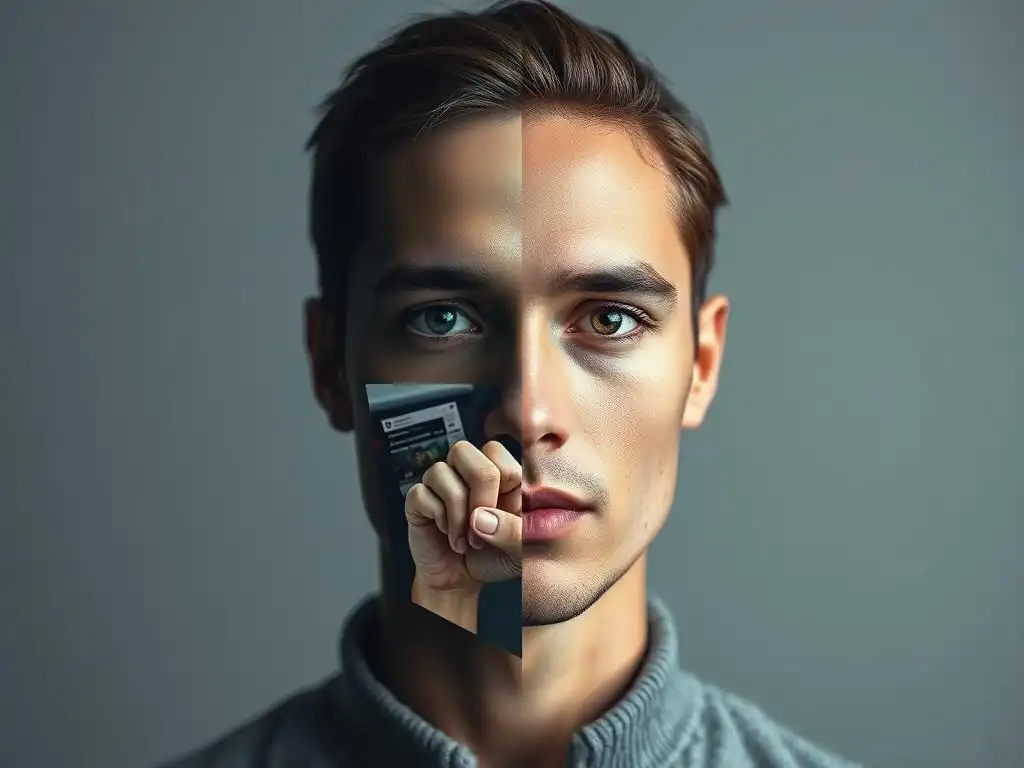
This section delves into more advanced techniques to help you effectively spot fake dating profiles. While basic checks are crucial, these methods offer a more thorough investigation, allowing you to significantly reduce the risk of encountering deceptive profiles. Remember, your safety and well-being are paramount in the online dating world. Successfully navigating this landscape requires vigilance and a proactive approach to verifying the authenticity of potential matches.
Reverse Image Search: Unmasking Stolen Photos
One of the most effective ways to spot fake dating profiles is by performing a reverse image search. Many deceptive profiles use stolen photos, often from models or other online sources. By using a reverse image search engine (like Google Images, TinEye, or Yandex Images), you can quickly determine if the profile picture is being used elsewhere on the internet. This simple step can save you from investing time and emotional energy in a potentially fake profile.
For example, let's say you encounter a profile with a stunningly attractive photo. Instead of immediately messaging, upload that image to a reverse image search engine. The results might reveal that the same photo appears on multiple stock photo websites, modeling portfolios, or even other dating profiles—a clear red flag indicating potential deception.
The more widely the image appears, the higher the likelihood it's stolen. Even if the image only appears on a few other profiles, it warrants further investigation. Remember to look for inconsistencies – a photo that appears on a male model's portfolio is unlikely to belong to a woman claiming to be a teacher.
The results aren't always straightforward. Sometimes, the image might appear on a legitimate social media profile, but with significant differences in the surrounding context or other photos. This discrepancy might indicate that the profile picture was taken from a public social media account without the person's permission or knowledge. Always analyze the entire context, not just the image itself.
Beyond image verification, cross-referencing profile information with social media is another powerful tool. Many people link their dating profiles to their social media accounts, either directly or indirectly. If a profile claims to have a specific job, hobbies, or interests, search for that individual on platforms like LinkedIn, Facebook, Instagram, or Twitter. Look for consistency in their claims. If the information provided on the dating app differs significantly from their social media presence, it could be a sign of fabrication.
For instance, if a profile states they're a successful lawyer with a penchant for traveling, verify this information on LinkedIn. Does their LinkedIn profile show a consistent career path in law? Are there any travel photos or posts that corroborate their claims? Discrepancies between the dating profile and their public social media presence raise serious concerns about authenticity. Remember, this isn't about invading privacy; it's about protecting yourself from potential harm. Only look at publicly available information.
Location Checks: Confirming Geographic Consistency
Inconsistencies in location details can be another indicator of a fake profile. Carefully examine the profile's stated location and any other location-related information. Does the profile picture seem to be taken in a location different from the one specified? Do their posts or descriptions mention places that don't align with their stated location? This subtle detail can often reveal inconsistencies in a profile's claims.
For example, a profile claiming to live in a specific city might feature background elements in a photo that suggest a different location entirely. Similarly, descriptions of local events or landmarks might reveal a mismatch between the stated location and the actual context. While not foolproof, this check, combined with other verification methods, adds another layer of security to your online dating experience. Remember, a consistently truthful profile is more likely to be genuine. 🕵️♀️ Be observant, and don't hesitate to question anything that seems off.
Communication Patterns: Analyzing Interactions for Deception
Identifying a fake profile often goes beyond just scrutinizing the photos and written information. Analyzing communication patterns can reveal inconsistencies and red flags that a carefully crafted profile might mask. Pay close attention to the flow of the conversation. Does the person respond promptly and consistently, or are there unexplained gaps in communication? A scammer might be juggling multiple conversations, leading to delays or inconsistent responses. Genuine connections usually involve a more natural rhythm of back-and-forth communication.
Furthermore, consider the content of the messages. Do their responses seem generic and impersonal, or do they show a genuine interest in getting to know you? Fake profiles often rely on canned responses or copied text, leading to repetitive and unoriginal conversations. Watch out for an excessive focus on personal details from you, without reciprocating equally. This could be a sign they're gathering information for other purposes. A genuine person will want to share about themselves as well, building a mutual understanding.
Another crucial aspect is the language used. Inconsistencies in writing style, grammar, and vocabulary can be telling. If their profile boasts a high level of education or sophistication, yet their messages contain numerous grammatical errors or slang inappropriate for their purported background, this is a significant red flag. Similarly, be wary of overly formal or overly informal language that doesn't match their profile's presentation. Authenticity shines through in consistent and congruent communication.
Finally, be cautious of conversations that abruptly shift focus or become overly demanding. For example, a sudden request for money, personal information, or to move the conversation off the dating app platform should raise immediate concerns. Legitimate interactions typically progress gradually, building trust over time. Spotting these subtle shifts in communication patterns is essential to identifying potentially deceptive profiles and protecting yourself. Remember, your safety and well-being are paramount. Trust your instincts; if something feels off, it likely is.
Protecting Yourself: Strategies for Safe Online Dating
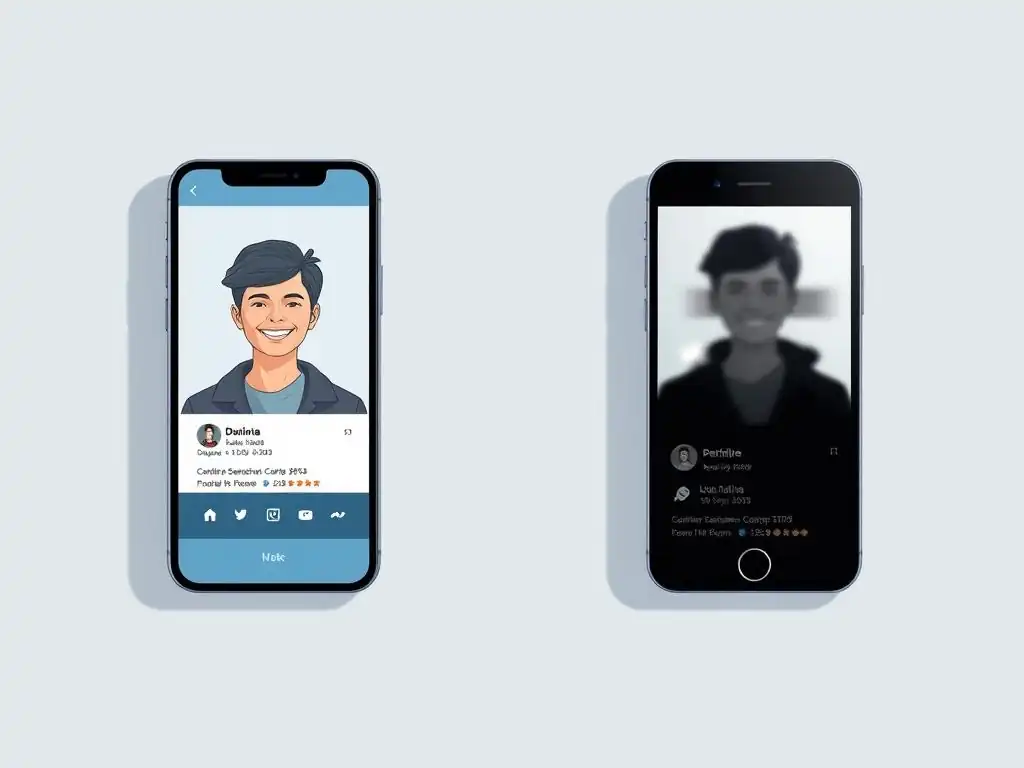
This section focuses on proactive measures you can take to minimize your risk of encountering fake profiles and engaging with deceptive individuals on dating apps. Remember, while identifying deceptive profiles is crucial, prioritizing your safety is paramount. Learning to spot fake dating profiles is only one part of the equation; actively protecting yourself is equally important.
Report Suspicious Profiles: Contributing to a Safer Online Environment
Reporting suspicious profiles is a crucial step in combating the spread of deception on dating apps. Most platforms provide reporting mechanisms; utilize them! Don't hesitate to report profiles that exhibit any of the red flags discussed earlier in this article. Your report, combined with others, helps the platform's moderators identify and remove fake accounts, contributing to a safer online environment for everyone. Think of it as community policing for the digital dating world.
The more users actively report suspicious activity, the more effective these platforms become at identifying and removing problematic profiles. By reporting, you're not just protecting yourself; you're actively contributing to a safer online dating experience for others. Even seemingly minor inconsistencies or suspicious behavior warrants a report. The cumulative effect of multiple reports significantly increases the likelihood that a fake profile will be identified and removed.
Trust Your Instincts: Recognizing Warning Signs
Beyond the specific indicators of fake profiles, trust your gut feeling. If something feels off, it probably is. This is especially important when engaging in communication. Does their messaging style seem inconsistent or overly enthusiastic? Do they avoid answering direct questions or provide vague responses? Do they pressure you for personal information too early in the interaction?
These are all warning signs that could indicate deception. Your intuition is a powerful tool; don't ignore it. A consistent feeling of unease or suspicion is often a valid indicator that something isn't right. Prioritize your safety and well-being over the potential for a connection. Remember, a genuine connection will develop organically, without undue pressure or suspicion. Learning to trust your instincts is a vital skill in navigating the complexities of online dating and avoiding potentially harmful interactions.
Prioritize Safety: Protecting Your Personal Information
Never share sensitive personal information, such as your full address, workplace details, or financial information, with someone you've only met online. This is crucial for spotting fake dating profiles as well as protecting yourself from other online risks. Even if you believe you've built a strong connection, exercise caution. Scammers often use emotional manipulation to gain your trust and extract information.
Be wary of requests for financial assistance or overly personal questions early in the interaction. Consider using a separate email address and phone number specifically for online dating, further enhancing your privacy and security. Remember, building trust takes time; don't rush the process.
Protect your personal information diligently, and always prioritize your safety and security. This proactive approach not only helps you identify potential scams but also safeguards you from a range of online threats. Taking these precautions demonstrates a responsible approach to online dating and helps foster a safer environment for yourself and others.
This section provides detailed information on how to protect yourself while using online dating apps. Remember, being vigilant and aware of potential risks is key to a safe and positive online dating experience. Staying informed and employing these strategies will significantly improve your ability to spot fake dating profiles and avoid potential harm.
Verification Tools: Utilizing Dating App Features
Many dating apps are increasingly incorporating verification tools to help users identify genuine profiles. These features vary from app to app, but understanding and utilizing them is crucial in your quest to spot fake dating profiles. Some apps offer photo verification, where users submit a selfie that's compared to other photos on their profile to confirm authenticity. This helps to weed out profiles using stolen or heavily edited images.
Others employ identity verification, requiring users to provide a government-issued ID for confirmation. This step adds an extra layer of security, making it harder for scammers to create convincing fake profiles. While not foolproof, these features significantly increase your chances of interacting with real individuals.
Always check if your preferred dating app offers verification options and actively encourage other users to utilize them as well. This collective effort contributes to a safer online dating environment for everyone. The more users who verify their profiles, the less attractive the platform becomes for those looking to create fake profiles to deceive others.
Remember, even with verification tools, vigilance is key. While these features offer a valuable layer of protection, they aren't a guarantee of authenticity. Criminals are constantly adapting their methods, and some may still find ways to circumvent these systems.
Therefore, it's crucial to combine verification tool usage with other strategies for spotting fake profiles, such as carefully examining profile photos, looking for inconsistencies in information, and engaging in cautious communication before sharing personal details. Using verification features alongside other safety measures is a holistic approach to online dating safety. Think of verification as one piece of a much larger puzzle in ensuring your safety and building trust.
Building Authentic Connections: Fostering Genuine Relationships
This section focuses on building genuine connections in online dating, contrasting the allure of deceptive profiles with the rewards of authenticity. Successfully navigating the online dating landscape hinges on establishing trust and fostering genuine relationships. This requires a commitment to honesty and respect, not only in your profile but also in your interactions with potential partners. Spotting fake dating profiles is only half the battle; building authentic connections is the ultimate goal.
Honest Profile Creation: Presenting Your True Self
Creating an honest dating profile is the cornerstone of building authentic connections. Avoid the temptation to exaggerate or misrepresent yourself. While presenting your best self is encouraged, outright fabrication undermines trust from the outset. Think of your profile as your first impression – a chance to showcase who you truly are. A misleading profile, even with seemingly minor embellishments, can create a foundation of deception that will eventually crumble. Authenticity attracts genuine interest. Consider the following:
- Photos: Use current, unfiltered photos that accurately reflect your appearance. Avoid using heavily edited images or photos that are years old. Remember, first impressions matter, and a mismatch between your online persona and reality can lead to disappointment and wasted time. The goal is to attract individuals who appreciate you for who you are, not for a manufactured image.
- Bio: Write a concise and honest bio that accurately reflects your personality, interests, and values. Avoid clichés and generic statements. Instead, showcase your unique qualities and what makes you interesting. Show, don't just tell. For example, instead of saying "I love to travel," describe a memorable travel experience and what it taught you.
- Interests: List your genuine interests. Avoid listing interests you don't actually have just to impress potential matches. This dishonesty will quickly become apparent during conversations, potentially damaging any budding connection. Authenticity breeds sincerity, and sincerity fosters genuine relationships.
Meaningful Communication: Building Trust and Rapport
Once you've created an honest profile, maintaining authenticity in your communication is crucial to spot fake dating profiles and cultivate genuine relationships. Meaningful communication involves more than just exchanging pleasantries; it's about actively listening, sharing your thoughts and feelings honestly, and building a genuine connection with the other person. Avoid generic opening lines and instead, personalize your messages based on the other person's profile. Ask thoughtful questions that show you've taken the time to get to know them. Look for inconsistencies in their responses that might signal a fake profile.
- Consistency Check: Pay close attention to the consistency of their responses. Do their answers align with what's in their profile? Are they evasive when asked specific questions? Discrepancies can be a red flag.
- Depth of Conversation: Avoid superficial conversations. Engage in meaningful discussions that explore shared interests, values, and life experiences. This helps you assess compatibility and build trust. A fake profile often struggles to maintain a consistent and detailed conversation.
- Emotional Intelligence: Show empathy and understanding in your communication. Respond thoughtfully to their messages, and be mindful of their feelings. This helps create a safe and comfortable space for both of you to connect. Genuine emotional engagement is a key component of building rapport and trust.
Respectful Interactions: Creating a Positive Online Experience
Respect is paramount in online dating, whether you're interacting with genuine profiles or attempting to spot fake dating profiles. Treat every individual with courtesy and kindness, regardless of whether you find them romantically interesting. Remember that everyone deserves to be treated with respect, and creating a positive online experience for everyone benefits the entire community. Avoid aggressive or inappropriate behavior, and report any instances of harassment or abuse. Promoting a respectful environment is crucial for fostering genuine connections and building a safe online dating community.
- Clear Boundaries: Communicate your boundaries clearly and respectfully. This includes setting limits on how much personal information you share early on and establishing expectations for communication. This not only protects your personal safety but also helps ensure a healthy and respectful dynamic.
- Responsible Reporting: If you encounter a profile you suspect is fake or if you experience any form of harassment or abuse, report it to the dating app's administrators. This helps protect other users and contributes to a safer online dating environment for everyone. Reporting suspicious activity is crucial for maintaining the integrity of the platform and protecting its users.
- Positive Attitude: Maintaining a positive and respectful attitude, even when faced with negativity, contributes to a more pleasant online dating experience for everyone. Remember that online dating is a journey, and a positive outlook can significantly enhance your chances of finding a genuine connection.
Frequently Asked Questions
How can I spot fake profiles on dating apps?
Look for inconsistencies in photos, red flags in bios, and suspiciously generic profiles. Be wary of profiles lacking personal details or those who avoid video calls.
What are some common signs of a catfish profile?
Reverse image search photos to check for duplicates. Look for profiles with limited or stolen photos, unusual language, or requests for money early in communication.
How important are profile pictures in spotting fake profiles?
Profile pictures are crucial. Reverse image searching is key, and look for inconsistencies – photos that are too perfect, or lack of variety in pictures.
What should I do if I suspect someone's profile is fake?
Report the profile to the dating app immediately. Do not share personal information or send money. Block the user and move on.
Can I completely avoid fake profiles on dating apps?
While you can't eliminate all risk, being vigilant, using reverse image search, and trusting your intuition significantly reduces your chances of encountering fake profiles.
Final Reflection: The Enduring Fight Against Online Deception
The ease with which deceptive profiles proliferate on dating apps highlights a crucial vulnerability in our increasingly digital world. This isn't just about avoiding a bad date; it's about protecting ourselves from potential scams, emotional manipulation, and even physical danger. The lines between authenticity and artifice are blurring, demanding a heightened awareness and proactive approach to online interactions.
The impact of misleading profiles extends far beyond individual experiences; it erodes trust in online platforms and fosters a climate of suspicion. This constant need to be vigilant can be exhausting, creating a sense of cynicism that permeates the online dating landscape. The internet is a powerful tool, but it's also a mirror reflecting the best and worst of humanity.
This quote perfectly encapsulates the duality of online dating – the potential for connection juxtaposed with the ever-present threat of deception. We must navigate this carefully, remembering that genuine connection is still possible, but only with careful discernment.
You, the reader, now possess the tools to decode deception. Don't let the fear of encountering fake profiles deter you from seeking genuine connections. Instead, use the knowledge gained here to empower yourself. Become a discerning user, actively verifying information, and prioritizing safety and authenticity. Embrace the challenge of navigating the digital dating world with wisdom and courage, knowing that your vigilance is a testament to your self-respect and a crucial step towards finding meaningful connections online.
Unlock Safer Dating: Take Control of Your Online Safety
Thank you for taking the time to learn how to identify deceptive online dating profiles. You've now equipped yourself with valuable skills to navigate the online dating world more confidently and safely. Ready to put this knowledge into practice?
- Prioritize profile verification: Carefully scrutinize each profile for inconsistencies and warning signs. Don't rush into conversations—take your time to assess the information presented.
- Report suspicious profiles: If you encounter anything suspicious or concerning, report it to the dating app immediately. Your actions can help protect other users from potential harm.
- Share your knowledge: Discuss online dating safety with your friends who use dating apps. Help them stay safe too!
What concrete step will you take today to improve your online dating safety?