
Privacy Precautions: Safeguarding Your Data and Personal Life

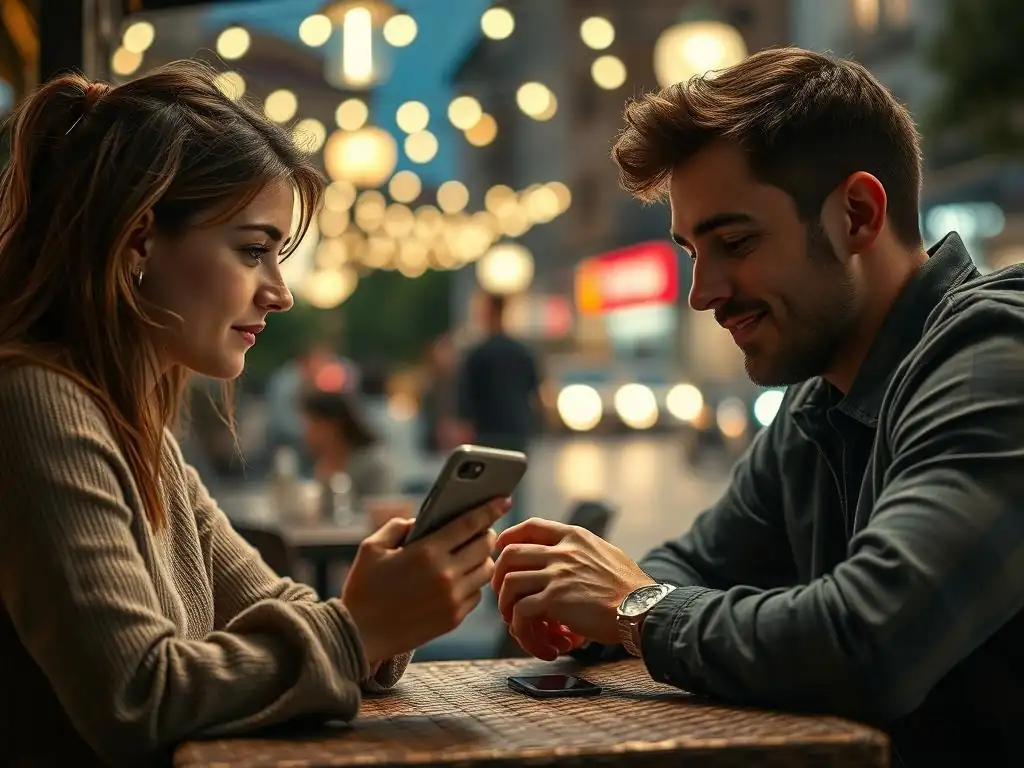
Welcome to OnlineDatingSuccess.org, your guide to navigating the exciting yet complex world of online dating. Are you ready to find meaningful connections but concerned about your safety? Then you've come to the right place. This site is dedicated to helping you build a successful online dating experience. Dive in and learn about crucial online dating safety precautions – your journey to finding love starts with protecting yourself. Discover practical tips and advice to ensure a safe and rewarding online dating journey, starting with our in-depth article on Privacy Precautions: Safeguarding Your Data and Personal Life.
- Understanding Online Dating Safety Precautions: Protecting Your Personal Information
- Online Dating Safety Precautions: Safe Communication Practices
- Online Dating Safety Precautions: Managing Your Online Presence
- Online Dating Safety Precautions: Meeting in Person Safely
- Online Dating Safety Precautions: Reporting Abuse and Harassment
- Building Trust and Maintaining Privacy: A Balanced Approach to Online Dating
-
Frequently Asked Questions
- How can I protect my personal information on online dating sites?
- What should I do if I encounter suspicious behavior from a match?
- Are there any tips for safe online dating communication?
- How can I ensure my photos are safe from misuse on dating apps?
- What should I do if I feel unsafe after meeting someone from an online dating site?
- Final Reflection: Protecting Our Digital Selves in a Connected World
- Unlock Your Digital Fortress: Take Control of Your Online Privacy Now!
Understanding Online Dating Safety Precautions: Protecting Your Personal Information
Navigating the world of online dating presents exciting opportunities to connect with others, but it also introduces unique challenges to personal safety and data privacy. This article delves into crucial online dating safety precautions, empowering you to protect your personal information and build meaningful connections without compromising your security. We'll explore the potential risks, strategies for safeguarding your data, and best practices for securing your online accounts.
Remember, prioritizing your safety and privacy is paramount to a positive and secure online dating experience. Taking proactive steps to protect yourself is not just about avoiding scams; it's about maintaining your personal well-being and building trust in your online interactions. The goal is to find genuine connections while maintaining a healthy sense of caution and control over your personal information.
This is especially crucial in the context of honesty versus privacy, a delicate balance we'll touch upon throughout this article. Let's dive into the specifics of how you can navigate this landscape safely and confidently.
Identifying Potential Online Dating Risks: Scams, Phishing, and Identity Theft
The online dating world, while offering numerous opportunities for connection, unfortunately also attracts individuals with malicious intent. Understanding the potential risks is the first step towards effective protection. One of the most prevalent dangers is encountering scams. These can range from subtle manipulations designed to extract money to elaborate schemes involving fabricated identities and emotional manipulation.
Phishing attempts, where scammers try to obtain your personal information by posing as legitimate dating sites or individuals, are also common. They might send emails or messages containing links to fake websites that look authentic, aiming to steal your login credentials or credit card details. Finally, identity theft is a serious concern. Sharing too much personal information on your profile or in your communications can make you vulnerable to identity theft, where criminals use your data for fraudulent activities.
Examples of scams include:
- Financial scams: Requests for money, often under the guise of an emergency or unexpected expense.
- Romance scams: Building a false sense of intimacy to gain your trust and then exploit you financially or emotionally.
- Catfishing: Using fake profiles and stolen pictures to create a false identity.
Remember, legitimate dating platforms will never ask for your financial information directly through the platform. Always be wary of requests for money or personal financial details. Be vigilant in verifying the authenticity of any profiles and communications. Report suspicious activity to the dating platform immediately. The emotional investment in a new relationship can cloud judgment, so it's crucial to take a step back and assess any unusual requests critically.
Protecting Your Personal Data: Avoiding Over-Sharing on Dating Profiles
Protecting your personal data begins with mindful profile creation. Avoid oversharing information that could easily be used to identify you or locate you offline. This includes your full name, precise address, workplace, children's names and ages, and other sensitive details. Instead, opt for a pen name or a username that doesn't reveal your true identity. Be cautious about the photos you share – avoid including images that reveal your home address, workplace, or other identifiable locations. When describing yourself, focus on your personality, interests, and values without revealing overly specific details that could compromise your safety.
Consider these tips:
- Use a profile picture that doesn't reveal too much information about your surroundings or lifestyle.
- Avoid posting photos with identifiable landmarks or location tags.
- Be vague about your workplace and profession, using general terms rather than specific details.
- Never share your phone number or email address directly on your profile.
Securing Your Online Accounts: Strong Passwords and Two-Factor Authentication
Securing your online accounts is crucial for protecting your personal information and preventing unauthorized access. Start by creating strong, unique passwords for each of your online dating accounts and other online accounts. Avoid using easily guessable passwords, and consider using a password manager to generate and store complex passwords securely. Enable two-factor authentication (2FA) whenever possible.
This adds an extra layer of security by requiring a second form of verification, such as a code sent to your phone or email, in addition to your password. Regularly review your account activity and privacy settings, and report any suspicious activity immediately to the dating platform. Remember, your online security is an ongoing process, not a one-time fix.
Regularly updating your passwords and reviewing your security settings is crucial in maintaining a secure online experience. Staying informed about the latest online threats and best practices is also essential to protect yourself from evolving scams and phishing techniques. Staying proactive in this area is crucial for a safe and positive online dating experience.
Online Dating Safety Precautions: Safe Communication Practices
This section focuses on the crucial aspect of safe communication within the context of online dating. Protecting your personal information while connecting with potential partners is paramount for a positive and secure online dating experience. Neglecting these precautions can lead to unwanted attention, identity theft, or even more serious consequences. Remember, your safety and well-being are the top priority. Let's delve into specific strategies to enhance your online dating safety.
Secure Messaging: Utilizing In-App Communication Features
Many reputable online dating platforms offer secure, in-app messaging systems. These systems are designed to protect your privacy by encrypting your messages, preventing unauthorized access. Prioritizing these built-in features is a crucial first step in online dating safety precautions. Using in-app messaging helps prevent the sharing of your personal email address or phone number prematurely, reducing the risk of unwanted contact or harassment.
Consider this a fundamental online dating safety precaution. For example, if a platform offers end-to-end encryption, it significantly reduces the chances of your conversations being intercepted. Always check the platform's privacy policy to understand the level of security they provide. Choosing to use their integrated messaging systems over external platforms is a simple, yet highly effective, online dating safety precaution.
Avoiding Sharing Personally Identifiable Information (PII) Online
Sharing Personally Identifiable Information (PII) too early in the online dating process is a major online dating safety precaution often overlooked. PII includes, but is not limited to, your full name, home address, workplace address, phone number, email address, social media profiles, and even your children's names or school information. Resist the urge to disclose this information until you've established a high level of trust and have met in person. Remember, even seemingly harmless information can be pieced together to reveal your identity and location, potentially putting you at risk.
Instead of providing direct PII, consider using creative alternatives. For instance, instead of giving your exact location, you might mention a general area, or suggest meeting in a public place. This proactive approach is a vital component of online dating safety precautions. The initial stages of online dating should focus on building rapport through conversation, not revealing sensitive details.
Verifying Profiles: Cross-Checking Information from Dating Profiles
While many dating platforms implement verification processes, it's still prudent to take additional steps to verify the information provided in profiles. This is a crucial element of your overall online dating safety precautions. Reverse image searches on profile pictures can help determine if the images are genuine and haven't been lifted from other sources.
A simple Google search of the person's name might also uncover additional information, such as social media profiles or news articles, helping you cross-reference the details provided on the dating platform. Inconsistencies or a lack of information should raise red flags. Remember, thorough due diligence is a vital aspect of online dating safety precautions and contributes significantly to a safer online dating experience.
Being cautious and verifying information can help you avoid potential scams or interactions with individuals who may not be who they claim to be. This proactive approach significantly enhances your online dating safety precautions. Always prioritize your safety and well-being.
Online Dating Safety Precautions: Managing Your Online Presence
This section focuses on proactive steps you can take to manage your online presence and minimize risks associated with online dating. Remember, even seemingly innocuous information can be pieced together to compromise your privacy. Taking control of your digital footprint is crucial for online dating safety. Effective online dating safety precautions are not just about reacting to threats; they're about proactively minimizing vulnerabilities.
Google Yourself: Understanding Your Digital Footprint
Before even creating a dating profile, it's vital to understand what information about you is already publicly available. Perform a Google search using your full name, variations of your name, your username(s), and any email addresses you might use. This will reveal your digital footprint – the trail of information left behind by your online activity. This might include social media profiles, articles mentioning you, professional websites, or even old forum posts.
Understanding your digital footprint allows you to identify and address potentially compromising information before it's seen by potential dates. For instance, you might uncover an old blog post with sensitive personal details or a social media photo that projects an image inconsistent with how you present yourself on dating sites. Addressing these issues proactively demonstrates responsible online dating safety precautions and enhances your overall online safety. Remember, your online dating safety precautions should be a continuous process, not a one-time fix.
Consider using different search terms to get a more comprehensive view. Try adding your city, state, or profession to your search queries. The more complete your understanding of your online presence, the better equipped you are to manage it effectively. This is a critical step in implementing thorough online dating safety precautions.
Your social media profiles are often the first place potential dates will look to learn more about you. Therefore, reviewing and adjusting your privacy settings on platforms like Facebook, Instagram, Twitter, and LinkedIn is paramount for online dating safety precautions. Many platforms offer granular control over who can see your posts, photos, and personal information.
Take the time to carefully review each setting. Consider limiting your post visibility to "friends only" or creating separate, private accounts for personal use. Be particularly cautious about information that reveals your location, workplace, or daily routines – details that could be exploited by malicious individuals. Regularly review and update your privacy settings as platforms update their features and as your personal circumstances change. Proactive management of your social media privacy is a cornerstone of effective online dating safety precautions. This helps to maintain a balance between sharing aspects of your life and safeguarding your personal information.
Protecting Your Location: Avoiding Geo-Tagging and Precise Location Sharing
Sharing your precise location online, even seemingly innocuously, can pose significant risks. Avoid geo-tagging your photos on social media, as this reveals your exact location to anyone who views your profile. Similarly, be cautious about apps that constantly track your location, and disable this feature whenever possible. When using dating apps, be mindful of the information you share in your profile and in your conversations. Avoid providing specific details about your address or workplace.
Remember, even seemingly harmless information can be used to infer your location or daily routines. While connecting with people online is a key part of online dating, prioritizing your safety is paramount. Adopting these online dating safety precautions can help you maintain a secure and positive online dating experience. Prioritize your personal safety, and trust your instincts. If a situation or interaction feels unsafe, remove yourself from it immediately. Your safety is always the top priority.
Online Dating Safety Precautions: Meeting in Person Safely

Meeting someone you've connected with online for the first time can be exciting, but it's crucial to prioritize your safety. Taking precautions doesn't diminish the romance; it enhances it by ensuring you feel comfortable and secure throughout the process. Remember, your well-being is paramount. This section focuses on practical steps to mitigate risks when transitioning from digital interactions to in-person encounters. Effective online dating safety precautions are key to a positive experience.
Planning Safe First Dates: Choosing Public and Well-Lit Locations
The location of your first date significantly impacts your safety. Avoid secluded or poorly lit areas. Opt for well-populated, public places where you're likely to encounter other people. Consider these options:
- Coffee shops: A bustling coffee shop offers a casual, public setting, allowing for easy exit if needed.
- Restaurants: Similar to coffee shops, restaurants provide a safe, observed environment.
- Museums or art galleries: These locations offer a structured environment with plenty of people around.
- Parks during the day: While parks can be lovely, stick to well-traveled areas during daylight hours. Avoid secluded trails or areas with limited visibility.
Remember to choose a location that's easily accessible to you and allows for a quick departure if necessary. Avoid dates that involve extensive travel or isolation, especially in early stages of meeting someone. Always have a backup plan – a friend or family member who knows your location and can check in. Prioritizing your safety is a crucial aspect of online dating safety precautions.
Informing Friends and Family: Sharing Your Plans and Location
Transparency with your support network is a vital online dating safety precaution. Before meeting anyone you've met online, share your plans with a trusted friend or family member. Provide them with:
- The person's name and profile information: This allows them to quickly identify the individual.
- The date, time, and location of your meeting: This helps them track your whereabouts.
- A method to check in: Agree on a system for you to check in regularly, like a text message or phone call.
- A pre-arranged safety signal: Establish a code word or phrase you can use to discreetly signal if you're feeling uncomfortable or unsafe. This silent communication can be a lifesaver.
Sharing this information doesn't imply distrust; it's a proactive measure to ensure your safety. It allows your loved ones to offer support and intervene if necessary. This is a critical component of comprehensive online dating safety precautions. Remember, safety in numbers—both virtually and in person—is a powerful tool.
Trusting Your Instincts: Recognizing Warning Signs and Red Flags
Your intuition is a powerful tool. Pay close attention to any feelings of unease or discomfort. If something feels off, trust your gut. Some red flags to watch out for include:
| Red Flag | Description | Action |
|---|---|---|
| Pressure to meet quickly | The person pushes for an in-person meeting before you feel comfortable. | Delay the meeting until you feel more secure. |
| Inconsistent information | Details in their profile or conversations don't match up. | Investigate further; inconsistencies can indicate deception. |
| Controlling or possessive behavior | They exhibit controlling behavior online or try to dictate your actions. | Distance yourself immediately; this is a major red flag. |
| Avoids video calls | They consistently refuse video calls or provide excuses for not having one. | This could be a sign they are hiding their identity. |
| Unrealistic expectations | They have unrealistic expectations or pressure you into actions you're not comfortable with. | Set firm boundaries and don't be afraid to say no. |
| Overly secretive | They are unusually secretive about their personal life or avoid answering simple questions. | This lack of transparency warrants caution. |
Ignoring these warning signs can be dangerous. Remember, your safety is more important than politeness or avoiding a confrontation. Prioritizing your well-being is a core tenet of responsible online dating and forms a significant part of effective online dating safety precautions. Always err on the side of caution.
Online Dating Safety Precautions: Reporting Abuse and Harassment

Navigating the world of online dating requires a proactive approach to safety. While building connections is the primary goal, prioritizing your well-being and protecting your personal information is paramount. This section focuses on crucial steps to take when encountering abusive or harassing behavior, emphasizing the importance of reporting and seeking support. Remember, your safety and comfort are non-negotiable.
Reporting Suspicious Activity: Utilizing Dating App Reporting Mechanisms
Most reputable online dating platforms provide robust reporting mechanisms to address suspicious or harmful behavior. These mechanisms vary slightly depending on the platform, but generally involve flagging profiles or messages that violate the app's terms of service. This could include anything from offensive language and unsolicited explicit content to attempts at scamming or phishing. Don't hesitate to use these tools; they are designed to protect users and improve the overall safety of the online dating environment.
Understanding how to effectively utilize these reporting mechanisms is key. When reporting suspicious activity, provide as much detail as possible. This includes:
- Screenshots: Capture screenshots of the offending messages, profile details, or any other relevant evidence.
- Dates and Times: Note the specific dates and times when the incidents occurred.
- Specific Examples: Clearly describe the nature of the inappropriate behavior. Avoid generalizations; instead, provide concrete examples.
- Usernames and IDs: Include the usernames and user IDs of the individuals involved.
Failing to report suspicious activity not only puts you at risk but also allows harmful users to continue their behavior, potentially harming other users. Think of reporting as a crucial step in maintaining a safer online dating experience for everyone. Active participation in reporting contributes to a more secure environment for all users. Remember, your report can make a difference.
Blocking and Removing Users: Protecting Yourself from Unwanted Contact
Blocking and removing users is a straightforward yet highly effective way to manage unwanted contact and maintain your personal safety. These features are typically easily accessible within the app's settings or user profile options. Don't feel obligated to engage with someone who makes you uncomfortable; utilize these tools proactively to protect your boundaries.
Consider blocking a user if you experience any of the following:
- Persistent unwanted messages: Repeated messages despite your clear disinterest.
- Harassing or threatening behavior: Messages or actions that make you feel intimidated or unsafe.
- Violation of personal boundaries: Attempts to obtain your personal information or pressure you into uncomfortable situations.
- Suspicious activity: Profiles or messages that seem fake or designed to scam you.
Removing a user from your contact list doesn't necessarily report their behavior, so it's important to use both blocking and reporting features for comprehensive protection. Removing a user simply prevents them from contacting you directly, while reporting alerts the platform to potentially harmful behavior. This two-pronged approach enhances your safety and contributes to a more secure environment for other users.
Seeking Support: Resources for Victims of Online Dating Abuse
Experiencing online dating abuse can be incredibly distressing. It’s crucial to remember that you are not alone and there are resources available to help. If you've experienced harassment, threats, stalking, or any other form of abuse, seeking support is vital for your well-being and safety.
Several organizations offer support and guidance to victims of online dating abuse. These resources provide confidential support, legal advice, and emotional guidance. Don't hesitate to reach out; these professionals are trained to offer assistance and help you navigate this difficult situation. Remember, seeking help is a sign of strength, not weakness. Prioritizing your safety and well-being is paramount. Take the necessary steps to ensure your safety and begin the process of healing. Remember, you deserve to feel safe and respected.
Building Trust and Maintaining Privacy: A Balanced Approach to Online Dating
Finding love online requires a delicate balance: openness to connect with others and the wisdom to protect your personal information and safety. This isn't about hiding who you are; it's about strategically revealing information to build trust and avoid potential risks. Successfully navigating online dating involves understanding that genuine connection thrives on honesty, but rushing into complete transparency can be dangerous. This section explores techniques for maintaining privacy while fostering meaningful relationships, addressing key aspects of online dating safety precautions.
Open Communication: Establishing Boundaries and Expectations
Open communication is crucial from the very first interaction. Don't be afraid to set boundaries early. For example, you can explicitly state your comfort level with sharing personal information. A simple phrase like, "I'm happy to chat and get to know you, but I prefer to share more personal details as we build trust," sets a healthy precedent.
This proactive approach demonstrates respect for your own privacy and encourages your date to respect your boundaries. It also helps to avoid misunderstandings and potential disappointment later on. Remember, healthy relationships are built on mutual respect and clear communication—this includes respecting each other's need for privacy. This is a crucial aspect of online dating safety precautions.
Gradual Information Sharing: Building Trust Over Time
Avoid overwhelming a new connection with excessive personal details upfront. Instead, consider a phased approach. Initial conversations should focus on common interests and shared values. As trust develops, you can gradually reveal more personal information, ensuring you feel comfortable and safe at each step.
For example, you might share your general location (city) initially, then perhaps your neighborhood after several positive interactions. Similarly, avoid revealing sensitive information like your full address, workplace, or financial details until you've met in person and established a strong level of trust. This measured approach is a key component of effective online dating safety precautions. Think of it like peeling back the layers of an onion—slowly revealing more as the relationship deepens.
Respecting Personal Boundaries: Maintaining Privacy While Building Connection
Respecting personal boundaries is paramount in building a healthy relationship, both online and offline. This includes respecting your own boundaries as well as those of your date. If someone pressures you to share information you're not comfortable with, it's a red flag. Similarly, be mindful of the information you share about others. Avoid posting personal details of friends or family members without their consent.
Remember, the goal is to connect authentically, not to expose yourself or others to unnecessary risk. This mindful approach is a vital aspect of your overall online dating safety precautions strategy. Prioritizing your privacy doesn't mean you're being secretive; it means you're being smart and responsible. This protects your well-being and fosters a respectful and healthy online dating experience.
Frequently Asked Questions
How can I protect my personal information on online dating sites?
Never share sensitive personal data like your full address, workplace, or financial details. Use a unique username and strong password, and be wary of requests for such information early in communication. Verify the platform's security measures.
What should I do if I encounter suspicious behavior from a match?
Report suspicious activity immediately to the dating site and block the user. Do not share personal details or engage further. Consider saving screenshots as evidence.
Are there any tips for safe online dating communication?
Avoid sharing too much personal information too quickly. Video call before meeting in person to verify identity and build trust. Always meet in a public place for your first date.
How can I ensure my photos are safe from misuse on dating apps?
Use photos that don't reveal too much about your surroundings or daily routine. Avoid using pictures that show your home address or workplace. Consider using reverse image search to check if your photos are being used elsewhere without your consent.
What should I do if I feel unsafe after meeting someone from an online dating site?
Trust your instincts. Leave the situation immediately and contact a trusted friend or family member. Consider reporting the incident to the dating site and/or the police if necessary.
Final Reflection: Protecting Our Digital Selves in a Connected World
The erosion of privacy in the digital age is not a future threat; it's a present reality. The ease with which our personal data is collected, shared, and potentially misused demands constant vigilance, especially in the increasingly prevalent online dating sphere. This article highlighted the crucial need for proactive measures to safeguard our information and protect our personal safety.
The impact of online dating on our social landscape is undeniable, blurring the lines between the public and private spheres. We've become accustomed to sharing intimate details of our lives with relative strangers, often with little understanding of the potential consequences. This vulnerability underscores the importance of the precautions discussed. The price of liberty is eternal vigilance,
a quote often attributed to Benjamin Franklin, rings truer than ever in the context of online safety. It's not just about avoiding scams; it's about maintaining control over our digital identities and protecting our emotional well-being.
Now, consider your own online presence. What steps are you taking to protect your privacy and safety in the digital world? Are you actively reviewing your privacy settings on dating apps and social media? Do you critically evaluate the information you share online? Take this opportunity to reassess your digital footprint and implement the strategies outlined in this article. Your peace of mind and personal safety are worth the effort. Let's build a more secure and responsible online environment, one conscious choice at a time.
Unlock Your Digital Fortress: Take Control of Your Online Privacy Now!
Thank you for learning about online privacy—a crucial step in creating a safe and successful online experience. You've gained valuable insights into protecting your personal information; now let's put that knowledge into practice!
- Enhance your privacy settings: Begin by making one significant change, such as adjusting your social media privacy settings, enabling two-factor authentication, or reviewing and limiting app permissions. This single step will significantly improve your online security.
- Share this advice: Help your friends and family strengthen their online security and build a safer digital world together. This simple act can make a huge difference.
- Explore advanced privacy tools: Numerous resources are available online to help you further protect your digital footprint. Take advantage of this wealth of information to discover even more ways to enhance your privacy.
Ready to take the next step towards a more secure online life? What's one practical change you can implement today to boost your privacy?