
The Truth About Dating Algorithms: Debunking Common Myths and Misconceptions


Tired of feeling like online dating is a rigged game? You're not alone. At OnlineDatingSuccess.org, we empower you to take control of your dating journey. We'll cut through the noise and reveal the truth behind those persistent dating algorithm myths, helping you build authentic connections and find lasting love. Ready to discover how to actually optimize your online dating experience? Dive into our article, " Dating Algorithm Myths Debunked," and unlock the secrets to success.
- Understanding How Dating Algorithms Really Work: Unveiling the Mechanics
-
Debunking Common Myths About Dating Algorithms: Separating Fact from Fiction
- Myth 1: Dating Algorithms Guarantee Perfect Matches: The Reality of Algorithmic Limitations
- Myth 2: Algorithms Are Completely Objective and Bias-Free: Addressing Algorithmic Bias and Fairness
- Myth 3: Changing Your Profile Completely Resets the Algorithm: Understanding Algorithm Persistence
- Myth 4: More Swipes Equal More Matches: The Illusion of Quantity Over Quality
- Myth 5: You Can "Game" the System: The Ethics of Manipulation and Authenticity
- Improving Your Online Dating Experience Despite Algorithmic Limitations
- The Future of Dating Algorithms: Trends and Ethical Considerations
-
Frequently Asked Questions
- How much do dating algorithms really affect who I see?
- Is it true that the "best" profiles always appear first?
- Can I "game" the algorithm to get more matches?
- Do dating apps use my personal data to influence matches beyond my stated preferences?
- Are my chances of finding a match determined solely by the algorithm?
- Final Reflection: Reclaiming Control in the Digital Dating Landscape
- Unlock Your Dating Potential: Take Control of Your Love Life
Understanding How Dating Algorithms Really Work: Unveiling the Mechanics
Online dating has revolutionized how we meet potential partners, but the technology behind these platforms often remains shrouded in mystery. Many users believe dating apps operate on simple matching criteria, like age and location. However, the reality is far more complex.
This article delves into the intricacies of dating algorithms, debunking common myths and misconceptions surrounding how these systems work, and ultimately, how they influence our dating experiences. We will explore the role of machine learning, the various factors influencing match suggestions, and the proprietary methods employed by different dating apps. Understanding these mechanics empowers you to navigate the online dating landscape more effectively and make informed choices about your profile and interactions.
By demystifying the algorithms, we aim to help you build meaningful connections, fostering a more authentic and successful online dating journey. Let's dive into the truth about dating algorithms and uncover the mechanics behind those seemingly magical matches.
The Role of Machine Learning in Matching Profiles: Beyond Simple Keyword Searches
Forget the simplistic notion that dating apps merely compare ages and locations. Modern dating algorithms leverage sophisticated machine learning techniques to analyze vast datasets of user information. This goes far beyond simple keyword searches in profiles.
Machine learning models analyze a multitude of data points, including: profile text, photos, user behavior (likes, swipes, messages sent), and even the time of day you're most active. These algorithms identify patterns and correlations between user characteristics and successful matches, constantly refining their predictions based on new data. For example, the algorithm might learn that users who share similar interests in hiking and photography tend to have longer conversations and more successful dates.
This allows for more nuanced and personalized match suggestions, moving beyond superficial similarities to identify deeper compatibility. The constant learning and adaptation of these algorithms means the matching process is continuously evolving and improving its accuracy over time. This dynamic nature is a key aspect often overlooked in discussions about dating app mechanics.
Factors Influencing Algorithm Outcomes: More Than Just Age and Location
While age and location remain relevant factors, they are only a small part of the equation. Numerous other factors significantly influence the algorithm's recommendations. These can include:
- Personality Traits: Some algorithms incorporate personality tests or analyze language patterns in profiles to infer personality traits and suggest matches with compatible personalities.
- Lifestyle Preferences: Information about hobbies, interests, career, and lifestyle choices heavily influences match suggestions, aiming to connect users with similar lifestyles and values.
- Relationship Goals: The algorithm might consider stated relationship goals (e.g., casual dating, long-term relationship, marriage) to prioritize matches aligned with individual aspirations.
- Communication Style: Analysis of messaging patterns and interaction frequency can help the algorithm assess communication compatibility and suggest users with similar interaction styles.
- Social Connections: Some algorithms consider mutual friends or connections on other social media platforms to enhance the matching process.
The weighting of these factors varies across different dating apps and is often kept proprietary. Understanding this multifaceted approach helps to explain why seemingly similar users might receive vastly different match suggestions.
The "Secret Sauce" of Dating App Algorithms: Proprietary Methods and Data Points
Many dating apps guard the specifics of their algorithms closely – this is their competitive advantage, their "secret sauce". They often use proprietary algorithms and data points that are not publicly disclosed. This lack of transparency can lead to speculation and misconceptions.
However, it's safe to assume that these proprietary methods likely involve sophisticated data analysis techniques, incorporating factors beyond those publicly discussed. These could include: advanced natural language processing to interpret profile text, image recognition to analyze attractiveness and style, and potentially even the use of behavioral economics principles to optimize user engagement and match success.
The continuous refinement and improvement of these algorithms are central to the ongoing evolution of online dating platforms and their ability to connect compatible individuals. The complexity and proprietary nature of these algorithms highlight the limitations of simplistic explanations and emphasize the need for a more nuanced understanding of their impact on our dating experiences.
Debunking Common Myths About Dating Algorithms: Separating Fact from Fiction
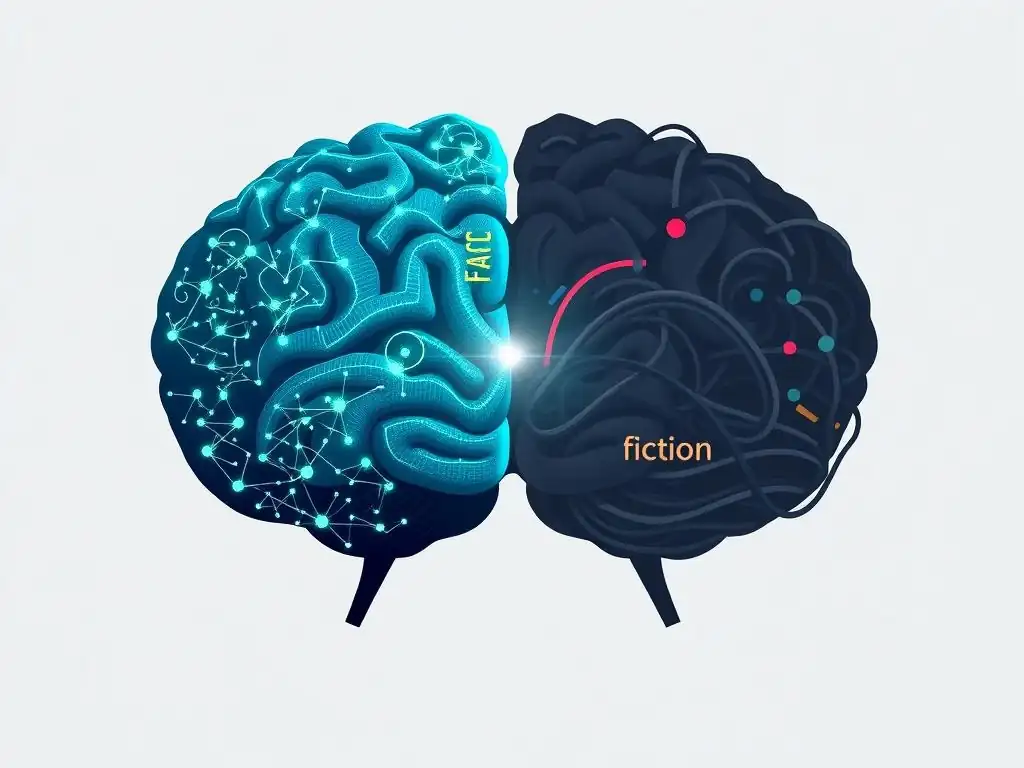
This section dives deep into the prevalent misconceptions surrounding dating algorithms, separating truth from fiction to empower you with a realistic understanding of how these systems operate and influence your online dating experience. Understanding these myths is crucial for navigating the complexities of online dating and maximizing your chances of finding a meaningful connection. Let's tackle some of the most common misunderstandings head-on.
Myth 1: Dating Algorithms Guarantee Perfect Matches: The Reality of Algorithmic Limitations
Many believe that dating algorithms magically produce perfect matches. This is a significant misconception. While algorithms can suggest potential partners based on shared preferences and characteristics, they don't possess the capacity for true "perfect match" prediction. Think of it like this: an algorithm can identify users who like hiking and Italian food, but it can't predict the complex chemistry or compatibility that goes beyond surface-level preferences. The "perfect match" is ultimately subjective and determined by individual experiences and personal connection, not solely by an algorithm's calculations.
Several factors contribute to this limitation:
- Data limitations: Algorithms rely on the data provided by users. Inaccurate or incomplete profiles can lead to inaccurate matching suggestions. Furthermore, self-reported data can be subjective and may not always reflect a person's true personality or preferences.
- Complexity of human relationships: Human connection is multifaceted and involves emotional intelligence, shared values, communication styles, and life goals, which are difficult to quantify and incorporate into an algorithm.
- Evolving preferences: People's preferences can change over time. An algorithm might initially suggest someone compatible, but this compatibility might not hold true weeks or months later as individual preferences evolve.
The reality is that dating algorithms are tools to broaden your dating pool and increase efficiency. They are not fortune tellers guaranteeing a perfect match. Successful online dating still requires active participation, thoughtful profile creation, and genuine connection-building.
Myth 2: Algorithms Are Completely Objective and Bias-Free: Addressing Algorithmic Bias and Fairness
Another common myth is that dating algorithms are entirely objective and impartial. However, this is far from the truth. Algorithms are developed by humans, and human biases inevitably seep into the design and implementation. These biases can manifest in various ways, leading to unfair or discriminatory outcomes.
For instance:
- Implicit bias in data: If the data used to train the algorithm is biased (e.g., overrepresenting certain demographics), the algorithm will likely perpetuate and amplify those biases in its suggestions.
- Design choices: The features prioritized in the algorithm (e.g., age, physical appearance) can inadvertently favor certain user groups over others.
- Reinforcement of existing societal biases: Algorithms can inadvertently reinforce existing societal biases related to gender, race, or other characteristics by prioritizing certain traits deemed desirable within those biased frameworks.
The consequences of algorithmic bias can be significant, leading to unequal opportunities for some users and perpetuating harmful stereotypes. It's crucial for dating platforms to actively address algorithmic bias through rigorous testing, diverse development teams, and transparent processes. Users should also be aware of the potential for bias and critically evaluate the suggestions they receive.
Myth 3: Changing Your Profile Completely Resets the Algorithm: Understanding Algorithm Persistence
Many users believe that a complete profile overhaul will completely reset the algorithm and provide entirely new matching suggestions. While significant changes to your profile will influence the algorithm's suggestions, it's not a complete reset. The algorithm retains some memory of your previous profile and activity.
Think of it as a learning process. The algorithm continuously refines its understanding of your preferences based on your past interactions and profile information. Therefore, even a complete profile makeover won't erase the algorithm's accumulated knowledge of your past behavior. While a revamped profile will lead to different suggestions, the algorithm will still consider your history to some extent, influencing the types of matches it suggests.
This "persistence" is not necessarily negative. It can help the algorithm learn and adapt over time, providing increasingly relevant suggestions. However, it also highlights the importance of carefully considering profile modifications and understanding that the algorithm's learning process is ongoing and influential. A complete profile overhaul should be a strategic move, not a magical reset button. Consider what aspects of your previous profile might have been unsuccessful and refine those areas strategically. A thoughtful approach will yield more effective results than a complete overhaul done without careful consideration.
Myth 4: More Swipes Equal More Matches: The Illusion of Quantity Over Quality
The pervasive belief that relentless swiping guarantees a surge in matches is a common misconception fueled by the very design of many dating apps. While increasing your visibility might seem logical, the reality is far more nuanced. The sheer number of profiles you encounter daily can lead to swipe fatigue, resulting in less thoughtful decisions and ultimately, fewer meaningful connections. Think of it like this: would you rather spend an hour superficially reviewing dozens of resumes, or meticulously examine a few that truly align with your requirements?
The latter approach, while requiring more effort upfront, yields far better results in the long run. Similarly, focusing on quality over quantity in your dating app usage will likely lead to more compatible matches and less wasted time. Furthermore, constantly swiping without careful consideration can lead to a decrease in your app's algorithm's ability to accurately predict your preferences, resulting in even less relevant profile suggestions. Prioritize selecting profiles that genuinely spark your interest, focusing on compatibility indicators rather than simply aiming for a high match count.
This approach fosters a more authentic and rewarding online dating experience. Remember, building a meaningful connection requires genuine engagement, not simply racking up numbers. The focus should always be on creating meaningful connections, not just accumulating matches.
Myth 5: You Can "Game" the System: The Ethics of Manipulation and Authenticity
Many believe that cleverly manipulating their profiles or exploiting app features guarantees success. This "gaming" mentality often involves crafting misleading profiles, using overly edited photos, or employing manipulative communication tactics. While some might see short-term gains, this approach ultimately undermines the foundation of genuine connection. Authenticity is key to building lasting relationships.
Presenting a false persona not only attracts the wrong kind of attention but also creates a foundation of deceit that will likely crumble once the facade is dropped. Moreover, resorting to manipulative tactics, such as ghosting or sending generic messages, erodes trust and discourages genuine interaction. A truly successful online dating experience hinges on honesty and transparency. While optimizing your profile with appealing photos and a well-written bio is recommended, remember that the goal is to attract individuals who appreciate the real you.
Consider the long-term implications: building a relationship on a foundation of deception is unsustainable. Authenticity not only increases your chances of finding a compatible partner but also fosters a more fulfilling and ethical dating experience. Focus on presenting your true self, both in your profile and your interactions; this genuine approach is far more effective and ethical than trying to "game" the system. Long-term success in online dating is built on honesty and genuine connection, not manipulation and deception.
Improving Your Online Dating Experience Despite Algorithmic Limitations
Dating algorithms are powerful tools shaping the online dating landscape, but they're not magic wands. Understanding their limitations is crucial to maximizing your success. This section will equip you with strategies to navigate these limitations and improve your online dating experience, debunking common myths about dating algorithms and their supposed infallibility. Remember, the algorithm is a tool, and you are the architect of your dating journey.
Optimizing Your Profile for Algorithm Compatibility: Strategies for Increased Visibility
Many believe that simply creating a profile is enough. However, optimizing your profile for algorithm compatibility is essential for increasing visibility. Dating algorithms use various factors to determine who sees your profile and who you see. These factors can include:
- Photo Quality: High-quality, well-lit photos showcasing your personality are paramount. Avoid blurry, poorly lit, or group photos where you're hard to identify. A diverse selection showing different aspects of your life is ideal. Think: smiling candid shots, active shots showing hobbies, and a professional-looking headshot.
- Profile Completeness: A fully completed profile sends a signal of authenticity and seriousness. Fill out all sections, providing detailed and engaging information about your interests, hobbies, and values. Vague descriptions are less likely to attract algorithm-driven matches.
- Keyword Optimization: While you shouldn't stuff keywords, strategically incorporating relevant terms that reflect your interests and preferences can improve your profile's searchability. Think about what you'd search for if you were looking for someone like you.
- Prompt Responses: Promptly responding to messages boosts your profile's visibility. Algorithms often prioritize active users, rewarding those who actively engage with the platform.
The algorithm isn't clairvoyant; it needs clear signals. By carefully crafting your profile, you significantly increase the chances of being seen by compatible individuals. Consider A/B testing different profile versions to see what resonates best.
Understanding Algorithm-Driven Recommendations: Using Insights to Enhance Your Strategy
Algorithm-driven recommendations are designed to connect you with potentially compatible individuals. However, these recommendations are not always perfect. Understanding how they work allows you to refine your strategy:
- Analyze Recommendations: Pay attention to the types of profiles the algorithm suggests. This provides valuable insights into how the algorithm perceives you and what it considers compatible. Are there common threads? Are you being shown people with similar interests, lifestyles, or values?
- Adjust Your Preferences: If the recommendations aren't aligning with your ideal partner, adjust your search preferences. Experiment with different filters and settings to fine-tune the algorithm's output.
- Don't Rely Solely on Recommendations: While recommendations are helpful, don't limit yourself. Actively search for profiles that catch your eye, even if they fall outside the algorithm's suggestions. Sometimes, the best connections come from unexpected places.
- Embrace the Imperfect Match: Remember, algorithms are based on data and patterns; they don't account for the nuances of human connection. Be open to exploring matches that might seem slightly outside your initial preferences.
The Importance of Human Connection Beyond the Algorithm: The Role of Authentic Communication
The algorithm can introduce you to potential partners, but building a meaningful connection requires genuine human interaction. Authentic communication is paramount:
- Be Yourself: Don't try to be someone you're not to impress the algorithm or potential matches. Authenticity is attractive and fosters genuine connections.
- Engage Meaningfully: Ask thoughtful questions, listen actively, and share your genuine thoughts and feelings. Avoid generic or superficial conversations.
- Go Beyond the App: Once you've established a connection, suggest moving the conversation offline. A phone call or video chat can deepen the connection before meeting in person.
- Prioritize Safety: Always prioritize your safety and well-being when meeting someone you've met online. Meet in public places, let a friend know your plans, and trust your instincts.
While dating algorithms play a significant role in online dating, they are just one piece of the puzzle. By understanding their limitations and focusing on authentic communication and profile optimization, you can significantly improve your chances of finding a meaningful connection. The algorithm is a guide, but the journey of finding love is ultimately yours to navigate.
The Future of Dating Algorithms: Trends and Ethical Considerations

The future of dating algorithms hinges on addressing current limitations and embracing ethical development. While algorithms currently focus on matching based on stated preferences and past behavior, advancements in AI and machine learning promise more nuanced approaches. This includes moving beyond simple matching to predicting relationship compatibility based on deeper personality analysis and communication styles. The challenge lies in balancing predictive accuracy with user privacy and the potential for bias. Successfully navigating this will require robust ethical frameworks and transparent data handling practices.
The Evolution of Dating Algorithms: Predictive Modeling and Personalized Experiences
Dating algorithms have evolved significantly from simple keyword matching to sophisticated predictive models. Early algorithms relied heavily on user-provided data like age, location, and interests. However, modern algorithms leverage machine learning to analyze vast datasets, including communication patterns, profile photo engagement, and even swiping behavior. This allows for more personalized experiences, tailoring matches based on subtle indicators of compatibility that users might not even consciously recognize.
For example, an algorithm might identify a strong match based on shared communication styles, even if stated preferences appear dissimilar. This shift towards predictive modeling necessitates a greater understanding of the psychological factors influencing attraction and relationship success. The accuracy of these predictions hinges on the quality and diversity of the data used to train the algorithms, highlighting the need for continuous improvement and refinement.
Addressing Algorithmic Bias and Promoting Inclusivity in Online Dating
A significant concern surrounding dating algorithms is the potential for algorithmic bias. These biases can manifest in several ways, potentially excluding or disadvantaging certain groups based on factors like race, gender, age, or sexual orientation. For instance, if an algorithm is trained primarily on data from a specific demographic, it might inadvertently favor users from that group in its matching process. Addressing this requires careful attention to data collection and algorithm design.
This includes actively working to create more diverse and representative datasets, employing fairness-aware algorithms, and implementing rigorous testing to identify and mitigate biases. Promoting inclusivity in online dating requires a multi-pronged approach, involving both technological solutions and changes in societal attitudes and expectations. Transparency in algorithmic processes is crucial to fostering user trust and accountability.
The Human Element in the Age of Algorithms: Maintaining Authenticity and Connection
Despite the increasing sophistication of dating algorithms, the human element remains paramount. The goal of online dating is ultimately to foster genuine connections, and relying solely on algorithmic predictions risks sacrificing authenticity. Over-reliance on algorithms can lead to a superficial approach to dating, prioritizing quantifiable metrics over genuine compatibility. Therefore, maintaining a balance between algorithmic assistance and human interaction is crucial.
This involves encouraging users to engage in thoughtful self-reflection, crafting authentic profiles, and prioritizing meaningful communication over superficial swiping. Ultimately, the success of online dating hinges on the ability of individuals to connect on a human level, regardless of algorithmic suggestions. The algorithms should serve as a tool to facilitate connections, not replace the human element entirely. The emphasis should remain on fostering genuine interaction and fostering meaningful relationships.
Frequently Asked Questions
How much do dating algorithms really affect who I see?
Dating algorithms play a role, but they're not the sole determinant of who you see. Your search preferences, location, and activity on the platform also significantly impact your matches. It's not a completely random process.
Is it true that the "best" profiles always appear first?
No, this is a myth. While algorithms prioritize profiles they deem most likely to result in engagement, this is based on a complex calculation involving multiple factors, not just profile quality. Visibility is dynamic.
Can I "game" the algorithm to get more matches?
Trying to manipulate the algorithm is generally ineffective and can even be counterproductive. Focus on creating an authentic profile and engaging genuinely with potential matches. Authenticity is key.
Do dating apps use my personal data to influence matches beyond my stated preferences?
Dating apps collect data to improve their service, but the extent to which this data influences matching beyond your stated preferences is often unclear and varies between platforms. Review each app's privacy policy.
Are my chances of finding a match determined solely by the algorithm?
No, the algorithm is only one piece of the puzzle. Your profile quality, communication skills, and active participation on the app are all crucial for success. The algorithm is a tool, not the ultimate decider.
Final Reflection: Reclaiming Control in the Digital Dating Landscape
The pervasive influence of dating algorithms on modern relationships is undeniable, yet our understanding of how they truly function remains surprisingly limited. This lack of transparency fuels a cycle of misinformation, leading to unrealistic expectations and potentially hindering genuine connections. We've explored several common myths surrounding these algorithms, revealing the complex interplay of data, biases, and user behavior that shapes our online dating experiences.
The impact of these algorithms extends far beyond the individual level, shaping our cultural understanding of relationships and intimacy. They subtly influence our perceptions of desirability, reinforcing existing societal biases and potentially limiting our options based on factors beyond our control. The medium is the message,
Marshall McLuhan famously stated, and in the digital dating world, the algorithm itself becomes a powerful mediator of human connection, often shaping the narrative more than the individuals involved. This realization underscores the importance of critical thinking and media literacy in navigating the complexities of online dating.
Now, consider your own experiences with dating apps. Have you felt frustrated by seemingly arbitrary matches or limited options? Take a moment to reflect on how your understanding of dating algorithms might shift your approach to online dating. Challenge the assumptions you hold, question the narratives presented, and actively seek out authentic connections beyond the confines of algorithmic suggestions. By reclaiming control over your online dating journey, you can create a more meaningful and fulfilling experience, one that prioritizes genuine human connection over the limitations of code.
Unlock Your Dating Potential: Take Control of Your Love Life
Thanks for exploring the world of online dating with us! You now have a clearer understanding of what works and what doesn't in the online dating world. Ready to put this knowledge to use?
- Craft a compelling profile: Use what you've learned to revise your profile, showcasing your best qualities and attracting compatible matches. This is the most important step – it's time to shine!
- Share your knowledge: Discuss this article with friends who are also navigating the online dating world. Help them avoid common pitfalls and find success.
- Refine your search: Use your newfound knowledge to fine-tune your search filters and discover compatible matches you might have missed before.
So, how will you improve your dating profile today, and which common dating misconception are you most eager to debunk in your own dating journey?