
How Online Dating Impacts Your SelfEsteem: Recognizing the Signs


Ready to unlock the secrets to a fulfilling online dating experience? At OnlineDatingSuccess.org, we empower you to navigate the world of digital romance with confidence. But have you considered the often-overlooked impact online dating can have on your self-esteem? Our latest article, "How Online Dating Impacts Your SelfEsteem: Recognizing the Signs," delves into the sociological aspects of this phenomenon, revealing surprising insights and practical strategies to protect and nurture your well-being. Discover how to harness the power of online dating without compromising your self-worth – read on to learn more!
- Understanding the Link Between Online Dating and Self-Esteem
- Recognizing the Signs of Negative Self-Esteem from Online Dating
-
Strategies for Protecting Your Self-Esteem While Online Dating
- Setting Realistic Expectations and Goals in Online Dating
- Building a Positive Online Dating Profile That Reflects Your True Self
- Developing Healthy Coping Mechanisms for Rejection in Online Dating
- Focusing on Self-Care and Prioritizing Mental Wellbeing During Online Dating
- Seeking Support: When to Reach Out for Professional Help Regarding Online Dating Self-Esteem
- Maintaining a Healthy Perspective on Online Dating Success
-
Frequently Asked Questions
- How can online dating negatively impact self-esteem?
- What are the signs of online dating impacting my self-esteem?
- Can online dating actually boost self-esteem?
- How can I protect my self-esteem while online dating?
- Where can I find more information on protecting my mental health while online dating?
- Final Reflection: Navigating the Digital Landscape of Self-Worth
- Uncover Your Dating Confidence: Take Control Now!
Understanding the Link Between Online Dating and Self-Esteem
Online dating, while offering exciting possibilities for connection and romance, can significantly impact your self-esteem. The curated nature of profiles, the potential for rejection, and the constant exposure to others' seemingly perfect lives can create a breeding ground for self-doubt and insecurity. This article delves into the nuanced relationship between online dating and self-esteem, exploring the common challenges faced by users and offering strategies for navigating this digital landscape with greater confidence and self-compassion.
We will examine how the pressure to present a flawless online persona, the sting of rejection, and the pervasive culture of comparison contribute to fluctuations in self-worth, ultimately impacting your mental well-being and success in finding meaningful connections. Understanding these impacts is the first step toward building resilience and fostering a healthy relationship with yourself and the online dating world. Remember, your worth is inherent and independent of online interactions.
The Pressure of Presentation: How Profiles Affect Self-Worth
Creating an online dating profile feels like crafting a meticulously curated version of yourself – a highlight reel designed to attract attention. This process, however, can be surprisingly detrimental to self-esteem. The pressure to choose the "perfect" photos, write the most captivating bio, and meticulously select details to present a desirable image can lead to feelings of inadequacy and self-criticism. Many individuals spend hours agonizing over every detail, constantly second-guessing their choices and comparing themselves to others.
This relentless self-evaluation can trigger negative self-talk and erode self-confidence, even before receiving any feedback from potential matches. The constant need for validation through likes and messages further intensifies this pressure, creating a cycle of seeking external approval to boost self-worth. Remember that your profile is a snapshot, not a complete representation of your multifaceted self. Embrace authenticity and focus on showcasing your genuine personality rather than striving for an unattainable ideal.
Rejection and its Impact on Online Dating Self-Esteem
Rejection is an inherent part of online dating. While it's a common experience, the impersonal nature of online interactions can amplify its sting. Unlike face-to-face rejection, which often provides some context or explanation, online rejections are frequently abrupt and devoid of personal interaction. This lack of clarity can leave individuals feeling confused, undervalued, and questioning their worthiness.
The ease with which people can swipe left or unmatch contributes to a sense of disposability and can significantly impact self-esteem, particularly for those already struggling with insecurity. Repeated rejections can lead to feelings of hopelessness and a diminished sense of self-worth. It's crucial to remember that rejection in online dating rarely reflects on your inherent value as a person. It often signifies a mismatch in preferences or personalities, not a personal failing.
The pervasive nature of social media exacerbates the challenges to self-esteem in online dating. Constant exposure to carefully curated profiles and seemingly perfect relationships can fuel feelings of inadequacy and envy. Users are bombarded with images of attractive individuals, successful dates, and idyllic relationships, creating an unrealistic and often unattainable standard of comparison. This constant exposure to idealized versions of reality can distort one's perception of self and lead to negative self-comparison, impacting self-esteem and potentially hindering the search for meaningful connections.
It's crucial to remember that social media presents a highly filtered and often inaccurate portrayal of reality. Focus on cultivating a healthy relationship with social media by limiting your exposure to content that triggers negative self-comparison and prioritizing your own well-being and self-acceptance. Remember that true connection thrives on authenticity, not perfection.
Recognizing the Signs of Negative Self-Esteem from Online Dating
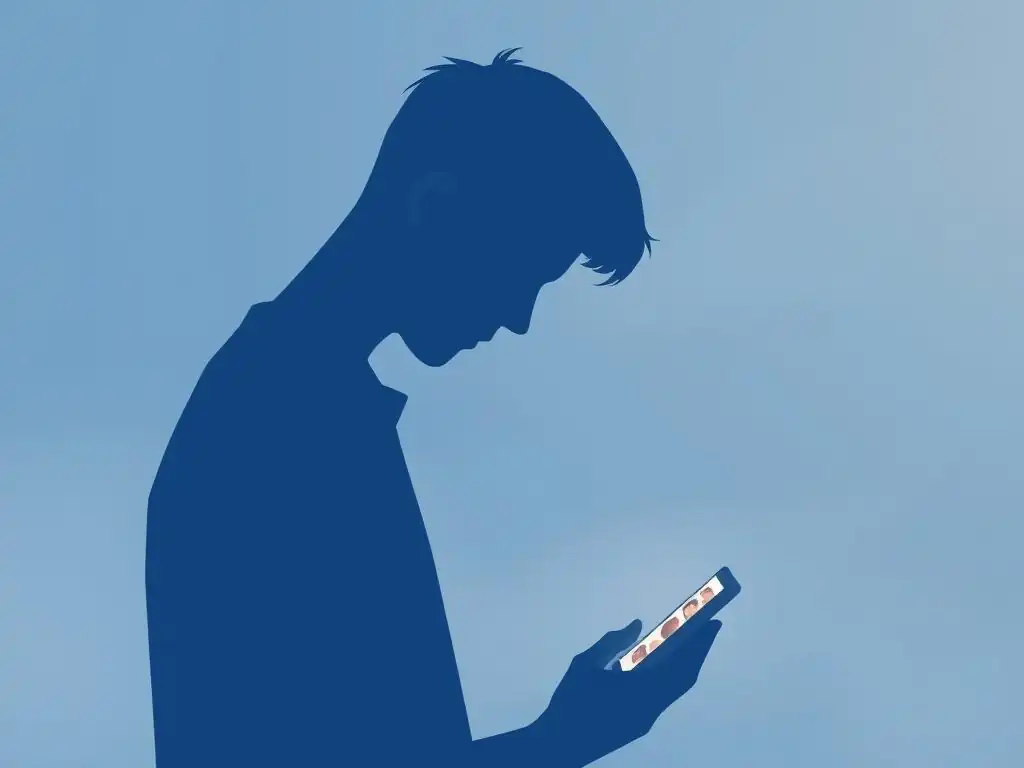
Online dating, while offering exciting possibilities for connection, can significantly impact self-esteem. The constant evaluation inherent in the process—judgments based on photos, profiles, and initial messages—creates a fertile ground for self-doubt. Understanding the subtle and overt signs of this impact is crucial for navigating the online dating world healthily and maintaining a positive self-image. This section explores key indicators that your online dating experience might be negatively affecting your self-worth. Remember, recognizing these signs is the first step towards taking proactive steps to protect your mental wellbeing.
Many users report increased self-doubt and anxiety stemming directly from their online dating experiences. This isn't simply the normal nervousness associated with meeting new people; it's a deeper, more persistent feeling of inadequacy. This can manifest in several ways:
- Excessive Profile Editing: Constantly tweaking your profile, agonizing over every word and picture, reflects an underlying insecurity about how you're perceived. You might find yourself spending hours perfecting your profile, only to feel dissatisfied with the results. This cycle of editing and dissatisfaction can be incredibly draining and harmful to your self-esteem.
- Overthinking Messages: Analyzing every message received, searching for hidden meanings or perceived rejections, is another common sign. This constant hyper-vigilance can lead to anxiety and a heightened sense of vulnerability. For example, a simple "hey" might be interpreted as disinterest, leading to feelings of worthlessness.
- Fear of Rejection: The fear of rejection becomes amplified in online dating. The sheer volume of potential partners and the ease of moving on to the next profile can intensify the sting of a lack of response or a negative interaction. This fear can lead to avoidance behaviors and a reluctance to engage fully with the process.
- Comparing Yourself to Others: Online dating platforms often present a curated version of reality. Scrolling through numerous profiles showcasing seemingly "perfect" individuals can trigger feelings of inadequacy and lead to unhealthy comparisons. This constant comparison can erode your self-confidence and make it difficult to appreciate your own unique qualities.
Withdrawal and Avoidance of Online Dating Platforms
If online dating is consistently causing you distress, you might find yourself withdrawing from the platforms entirely. This avoidance is a clear sign that your self-esteem is suffering. Instead of viewing online dating as a tool for connection, it becomes associated with negative emotions, leading to a desire to escape the experience altogether.
This withdrawal can manifest in different ways:
- Deleting Dating Apps: The simplest form of avoidance is deleting the apps altogether. This provides temporary relief from the constant pressure of maintaining a profile and engaging with potential partners. However, it doesn't address the underlying issues contributing to the negative self-esteem.
- Reduced Engagement: Even if you keep the apps, you might find yourself logging in less frequently, responding to messages less enthusiastically, or neglecting to update your profile. This passive avoidance reflects a growing disinterest and a desire to distance yourself from the source of negativity.
- Procrastination: You might constantly tell yourself you'll get back to the app "later," but never actually do so. This procrastination acts as a way to avoid confronting the anxiety and self-doubt associated with online dating. The act of logging in becomes associated with a feeling of dread.
Negative Self-Talk and Body Image Issues Triggered by Online Dating Experiences
Online dating often exacerbates existing body image issues and fuels negative self-talk. The emphasis on physical appearance in profile pictures and the potential for superficial judgments can significantly impact how you view yourself.
This can manifest as:
- Increased Self-Criticism: You might find yourself scrutinizing your appearance relentlessly, focusing on perceived flaws and imperfections. This self-criticism can spiral into negative self-talk, leading to a diminished sense of self-worth.
- Body Dysmorphia: For some individuals, online dating can trigger or worsen body dysmorphia, a mental health condition characterized by an obsessive preoccupation with perceived flaws in one's appearance. The constant exposure to idealized images can amplify these feelings of inadequacy.
- Unrealistic Expectations: The curated nature of online dating profiles can lead to unrealistic expectations about physical appearance and personality. This can result in self-criticism and a feeling of not measuring up to the standards set by others. Remember, online profiles are often carefully constructed presentations, not necessarily reflective of reality.
- Negative Comparisons: Comparing yourself to others based solely on their profiles can lead to feelings of inadequacy and low self-esteem. It's important to remember that what you see online is often a carefully crafted representation, not a complete picture of a person's life or character. Focus on your own strengths and unique qualities.
Remember, seeking support from friends, family, or a mental health professional can be incredibly beneficial in navigating these challenges. Online dating should enhance your life, not detract from your self-worth. Prioritizing your mental health is crucial for a positive and fulfilling online dating experience.
Impacts on Offline Relationships Due to Online Dating Self-Esteem Issues
Online dating's impact on self-esteem can significantly ripple into offline relationships. A negative self-image cultivated through repeated rejection or negative experiences on dating apps can lead to insecurity and anxiety in existing relationships. Individuals might become overly critical of themselves, constantly seeking validation from their partners, mirroring the validation-seeking behavior often exhibited online.
This can manifest as excessive neediness, jealousy, or a fear of abandonment, even in healthy relationships. The constant comparison to others, a common pitfall of online dating, can also seep into offline interactions, leading to feelings of inadequacy and dissatisfaction with one's partner or even oneself. For example, someone might constantly compare their partner to idealized profiles seen online, leading to unrealistic expectations and dissatisfaction.
This comparison can be particularly damaging if the individual already struggles with low self-esteem. The resulting emotional turmoil can strain or even damage existing relationships, highlighting the far-reaching consequences of online dating's impact on self-worth.
The fear of rejection experienced online often translates to a reluctance to initiate or maintain close relationships offline. Individuals might withdraw socially, fearing similar negative experiences in real-life interactions. This avoidance can lead to isolation and loneliness, further exacerbating existing self-esteem issues. The cycle perpetuates: low self-esteem fuels negative online dating experiences, which then reinforces low self-esteem and impacts offline relationships, creating a detrimental feedback loop.
It's crucial to recognize this interconnectedness and address the root cause—the negative self-perception—to foster healthier relationships both online and offline. Seeking support from therapists or counselors specializing in online dating and mental health can provide invaluable tools and strategies to break free from this cycle. Remember, healthy relationships thrive on self-acceptance and mutual respect, qualities that are often challenged but ultimately strengthened by confronting the negative impacts of online dating on self-esteem.
Strategies for Protecting Your Self-Esteem While Online Dating
Navigating the world of online dating can be a rollercoaster of emotions. While it offers exciting possibilities for connection, it can also significantly impact your self-esteem if not approached strategically. Understanding how to protect your self-worth is crucial for a positive and healthy online dating experience. This section focuses on practical strategies to help you maintain and even boost your self-esteem throughout your online dating journey. Remember, your self-worth is inherent and not dependent on online validation.
Setting Realistic Expectations and Goals in Online Dating
Many individuals enter online dating with unrealistic expectations, often fueled by idealized portrayals in media. This can lead to disappointment and negatively impact self-esteem when reality doesn't match the fantasy. Setting realistic goals is key. Instead of aiming for a "perfect" partner immediately, focus on smaller, achievable goals.
For example, instead of expecting to find "the one" within a month, aim to:
- Have engaging conversations with 5 different people.
- Go on at least 2 first dates.
- Identify 3 qualities you're looking for in a partner and actively seek them.
- Improve your online dating profile based on feedback.
Remember, online dating is a process, not a race. Each interaction, even if it doesn't lead to a long-term relationship, provides valuable learning experiences and opportunities for growth. Celebrate your progress, no matter how small, and focus on self-improvement rather than solely on finding a partner. This approach fosters a healthier mindset and protects your self-esteem. Avoid comparing yourself to others' apparent successes; everyone's journey is unique.
Building a Positive Online Dating Profile That Reflects Your True Self
Your online dating profile is your first impression. It's crucial to create a profile that accurately represents your true self, showcasing your strengths and personality authentically. Avoid presenting a filtered or unrealistic version of yourself, as this can lead to disappointment and a negative self-image later on.
Here are some tips for building a positive profile that boosts your self-esteem:
- Use high-quality photos: Choose photos that reflect your current appearance and showcase your personality. Avoid overly edited or misleading images.
- Write a compelling bio: Be honest and authentic in your bio. Highlight your interests, values, and what you're looking for in a partner.
- Be specific: Instead of generic statements, provide specific examples. Instead of "I love traveling," say "I recently backpacked through Southeast Asia and am planning a trip to Patagonia next year."
- Proofread carefully: Typos and grammatical errors can create a negative impression. Ask a friend to review your profile before publishing it.
A well-crafted profile that accurately reflects who you are will attract individuals who appreciate you for who you are, boosting your confidence and self-esteem.
Developing Healthy Coping Mechanisms for Rejection in Online Dating
Rejection is an inevitable part of online dating. It's important to develop healthy coping mechanisms to navigate rejection without letting it negatively impact your self-esteem. Remember that rejection doesn't reflect your worth as a person; it simply means that particular person wasn't the right match.
Here are some strategies to help you cope with rejection:
- Practice self-compassion: Treat yourself with the same kindness and understanding you would offer a friend.
- Challenge negative self-talk: Identify and challenge negative thoughts and beliefs about yourself. Replace them with positive affirmations.
- Focus on your strengths: Remind yourself of your positive qualities and accomplishments.
- Engage in self-care activities: Prioritize activities that bring you joy and relaxation, such as exercise, spending time in nature, or pursuing hobbies.
- Seek support: Talk to trusted friends, family, or a therapist about your experiences.
Developing resilience in the face of rejection is crucial for maintaining a healthy self-esteem in online dating. Remember that every "no" brings you closer to a "yes." The right person will appreciate you for who you are. The journey of self-discovery and connection is valuable in itself, regardless of immediate romantic success.
Focusing on Self-Care and Prioritizing Mental Wellbeing During Online Dating
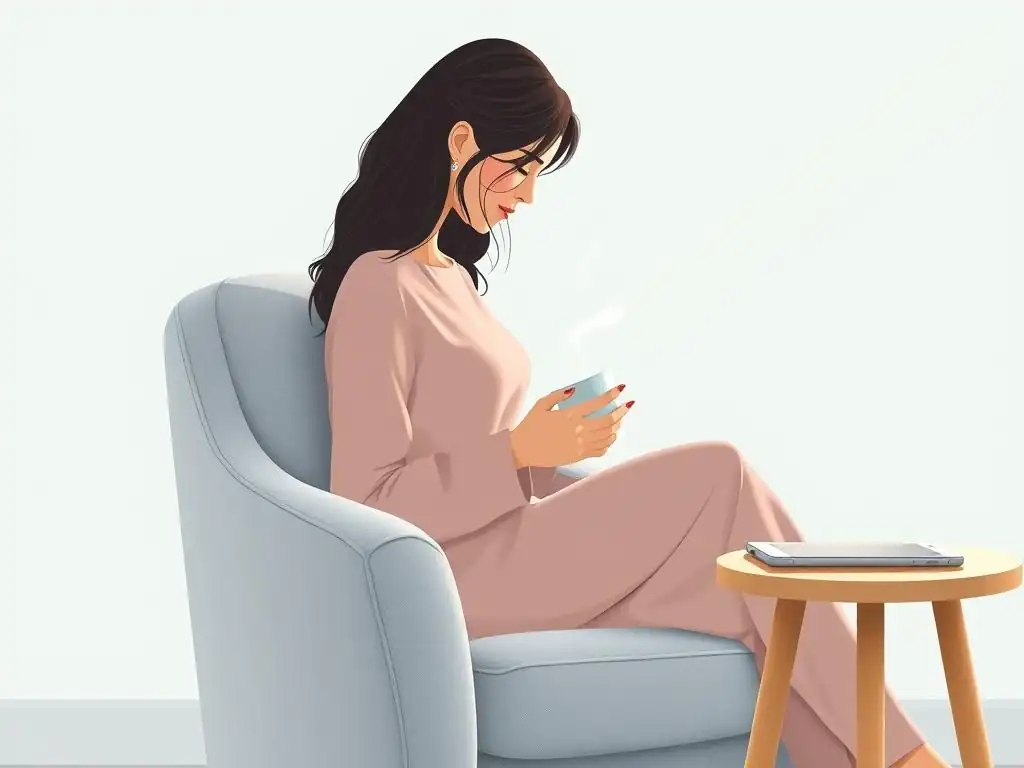
Online dating can be emotionally taxing. Rejection, ghosting, and the constant pressure to present a perfect online persona can significantly impact self-esteem. Therefore, prioritizing self-care is paramount. This isn't about indulging in luxury; it's about consciously making time for activities that nourish your mind, body, and spirit. Think about incorporating regular exercise – even a short daily walk can make a difference. Exercise releases endorphins, which have mood-boosting effects, counteracting the negativity that can sometimes accompany online dating.
Equally crucial is maintaining a healthy sleep schedule. Sleep deprivation exacerbates stress and negatively impacts emotional regulation, making you more vulnerable to the emotional ups and downs of online dating. Aim for 7-9 hours of quality sleep each night. Furthermore, mindful practices like meditation or yoga can help manage stress and anxiety, promoting a sense of calm and self-awareness. These practices can help you to better process setbacks and maintain a healthy perspective.
Nutrition also plays a significant role. A balanced diet provides the energy and nutrients your body needs to cope with stress. Avoid excessive caffeine and alcohol, as these can exacerbate anxiety and negatively impact sleep quality. Remember, fueling your body with wholesome foods directly contributes to your mental and emotional wellbeing.
Finally, dedicate time to hobbies and activities you enjoy – things that bring you joy and a sense of accomplishment, separate from the pressures of online dating. This could be anything from reading and painting to playing sports or spending time in nature. These activities are crucial for maintaining a positive self-image and boosting your overall mood. Remember, you are more than your dating profile.
Seeking Support: When to Reach Out for Professional Help Regarding Online Dating Self-Esteem
While self-care strategies are incredibly helpful, sometimes the impact of online dating on self-esteem requires more substantial support. Recognizing when to seek professional help is a sign of strength, not weakness. If you find yourself consistently experiencing low self-esteem, struggling to manage negative emotions related to online dating, or noticing a significant impact on your daily life and relationships, it's time to reach out.
The symptoms can manifest in various ways: persistent feelings of sadness, hopelessness, or worthlessness; significant changes in appetite or sleep patterns; withdrawal from social activities; difficulty concentrating; or even thoughts of self-harm. These are serious indicators and warrant professional attention. A therapist specializing in relationship issues or anxiety can provide a safe and supportive space to process your experiences, develop coping mechanisms, and build resilience. They can help you identify negative thought patterns, challenge unrealistic expectations, and develop healthier strategies for navigating the online dating world.
Remember, seeking professional help doesn't mean you've failed; it means you're prioritizing your mental wellbeing and taking proactive steps towards a healthier, happier you. There is no shame in seeking support; in fact, it demonstrates self-awareness and a commitment to your emotional health. Online dating should enhance your life, not detract from it. If it's causing significant distress, don't hesitate to reach out for professional guidance. Your mental wellbeing is invaluable.
Maintaining a Healthy Perspective on Online Dating Success
Navigating the world of online dating can be a rollercoaster of emotions, significantly impacting self-esteem. Understanding how to maintain a healthy perspective is crucial for a positive experience and avoiding the pitfalls of disappointment and self-doubt. The key lies in redefining success and focusing on personal growth rather than solely on finding a romantic partner. This section explores strategies to cultivate a resilient mindset, allowing you to approach online dating with confidence and self-compassion, regardless of the immediate outcome. The impact of online dating on self-esteem is complex, but with the right approach, you can navigate it successfully.
Defining Success Beyond Romantic Relationships Found Online
Many associate online dating success solely with finding a romantic partner. This narrow definition can be incredibly detrimental to self-esteem. A more holistic approach involves recognizing a broader range of achievements. Success can encompass:
- Improved communication skills: Engaging in meaningful conversations with diverse individuals hones your communication abilities, boosting your confidence in social interactions.
- Enhanced self-awareness: The process of creating a dating profile and interacting with others forces you to confront your own desires, needs, and values, leading to greater self-understanding.
- Expanded social circle: Even if you don't find a romantic partner, you might make new friends or connect with people who share your interests. This broadens your social network and combats feelings of isolation.
- Increased confidence in self-presentation: Learning to present yourself effectively online translates to improved confidence in real-life social situations.
Consider this example: Sarah spent several weeks carefully crafting her profile and engaging in thoughtful conversations. While she didn't find a romantic match, she gained valuable insights into her communication style and improved her ability to articulate her needs. This personal growth is a significant success, irrespective of romantic outcomes. Shifting your definition of success from solely finding a partner to including these broader achievements fosters resilience and protects your self-esteem.
Focusing on Personal Growth and Self-Discovery Through Online Dating Experiences
Online dating provides a unique opportunity for self-discovery and personal growth. Each interaction, whether positive or negative, offers valuable lessons. Instead of viewing rejections as personal failures, frame them as opportunities to learn and refine your approach. Analyzing your experiences objectively can help identify patterns in your interactions and refine your communication style.
For instance, if you consistently receive lukewarm responses, consider reviewing your profile for areas of improvement. Are your photos engaging? Does your bio accurately reflect your personality and interests? Are you sending messages that are genuine and engaging? Using online dating as a tool for self-reflection and improvement is a powerful way to boost self-esteem. The process of learning and adapting is itself a testament to your strength and resilience. It's about continuous improvement, not immediate perfection.
Celebrating Small Victories and Recognizing Progress in Online Dating
The journey of online dating is rarely linear. There will be ups and downs. Instead of fixating on the ultimate goal of finding a partner, celebrate the smaller milestones along the way. These small victories, however insignificant they might seem, contribute to a sense of accomplishment and boost your self-esteem. These could include:
- Successfully completing your dating profile.
- Receiving a positive response to a message.
- Having a pleasant and engaging conversation.
- Going on a first date.
- Learning something new about yourself through the process.
Maintaining a journal to document your experiences can help you track your progress and recognize your achievements. This practice reinforces positive self-perception and helps counter negative self-talk. Remember, online dating is a marathon, not a sprint. Focus on consistency, self-compassion, and celebrating your progress, regardless of the immediate romantic outcome. This approach will significantly contribute to a positive impact on your self-esteem and overall well-being. The effect of online dating on your self-esteem is directly correlated to your perspective. Choose to focus on growth and self-discovery, and you'll cultivate resilience and build confidence.
Shifting Focus from External Validation to Internal Self-Worth in Online Dating
Online dating, by its very nature, can be a rollercoaster of emotions. The constant influx of messages (or lack thereof), the pressure to present a perfect online persona, and the potential for rejection can significantly impact our self-esteem. It's crucial to remember that the validation you seek shouldn't solely depend on the number of matches, likes, or messages you receive. These external factors are fleeting and unreliable indicators of your worth. True self-esteem stems from within.
Building a strong sense of self-worth before even venturing into the world of online dating is invaluable. This involves self-reflection, identifying your strengths and values, and acknowledging your accomplishments independent of romantic relationships. Practice self-compassion; treat yourself with the same kindness and understanding you would offer a close friend. Engage in activities that bring you joy and fulfillment, whether it's pursuing a hobby, spending time in nature, or connecting with loved ones. These activities reinforce your self-worth and help you feel confident and secure, regardless of your online dating experiences.
Remember that online dating is a numbers game. Rejection is a part of the process, and it doesn't reflect your inherent value as a person. Each "no" doesn't diminish your worth; it simply means that person wasn't the right match for you. Focus on your positive attributes and the qualities you bring to a relationship.
Instead of dwelling on negative feedback or perceived shortcomings, celebrate your individuality and uniqueness. This positive self-talk and self-acceptance are crucial for navigating the ups and downs of online dating without compromising your self-esteem. The goal isn't to become someone else to attract others; it's to attract someone who appreciates the authentic you.
One effective technique is to maintain a journal dedicated to your online dating journey. Document not only the positive interactions but also the challenges you face. Analyzing these experiences can help you identify patterns and learn from both successes and setbacks. This process fosters self-awareness and allows you to develop coping mechanisms for dealing with rejection and maintaining a healthy perspective.
Moreover, regularly reviewing your journal can serve as a powerful reminder of your personal growth and resilience. It helps shift the focus from external validation to the internal progress you're making in your self-discovery. This internal validation is far more sustainable and rewarding than any fleeting online affirmation.
Frequently Asked Questions
How can online dating negatively impact self-esteem?
Online dating can negatively impact self-esteem through constant rejection, comparison to others, and the pressure to present a perfect image. This can lead to feelings of inadequacy and low self-worth.
What are the signs of online dating impacting my self-esteem?
Signs include increased self-criticism, feeling anxious or depressed after using dating apps, avoiding social interaction, and negative self-talk. You might also find yourself constantly checking your profile for messages.
Can online dating actually boost self-esteem?
Yes! Successfully connecting with others can boost confidence and provide a sense of validation and accomplishment. Focusing on positive self-perception and healthy communication strategies can also improve self-esteem.
How can I protect my self-esteem while online dating?
Focus on self-care, set realistic expectations, and remember that rejection is a normal part of the process. Limit your time on dating apps if it's negatively impacting you, and prioritize your well-being.
Where can I find more information on protecting my mental health while online dating?
OnlineDatingSuccess.org provides practical tips and advice for navigating online dating safely and effectively. Consider seeking support from a mental health professional if you're struggling.
The pervasive nature of online dating means its impact on self-esteem is no longer a niche concern; it's a widespread phenomenon demanding our attention. The ease of access and the often-harsh realities of rejection in the digital realm create a unique pressure cooker for self-worth, affecting millions navigating the search for connection. We must acknowledge this impact and actively work towards healthier online dating experiences.
The constant stream of profiles, the subtle (and sometimes not-so-subtle) judgments, and the potential for rejection can significantly erode one's self-esteem if not approached mindfully. This isn't just about fleeting feelings; the cumulative effect of these experiences can shape our self-perception for years to come. As the poet Mary Oliver wisely wrote, Tell me, what is it you plan to do with your one wild and precious life?
We must ensure that our pursuit of connection doesn't come at the cost of our self-respect and mental well-being. The pressure to conform to unrealistic ideals presented online can be particularly damaging.
You hold the power to redefine your online dating experience. Choose to prioritize self-compassion and self-acceptance above the fleeting validation of likes and matches. Remember that your worth is inherent and independent of the approval of others. Take a moment to reflect on your own relationship with online dating – what aspects nurture your self-esteem, and which ones detract from it? By consciously cultivating a healthier approach, you can transform the digital dating landscape from a potential source of self-doubt into a platform for genuine connection and self-discovery.
Uncover Your Dating Confidence: Take Control Now!
Thank you for exploring the impact of online dating on self-esteem. You've gained valuable insights into recognizing red flags and protecting your confidence. Now, let's put that knowledge into action!
- Prioritize self-care: Make time each day for activities you enjoy, whether it's reading, exercising, or simply enjoying nature – anything that boosts your mood and self-worth. Building a strong foundation starts with you.
- Reframe your online dating experience: Discuss your experiences and insights with a supportive friend or family member. Talking about your journey can offer fresh perspectives and build resilience.
- Challenge negative self-talk: Identify three positive qualities you possess. Write these down as affirmations and read them daily, replacing negative thoughts with these positive statements.
Ready to confidently navigate the world of online dating, knowing your worth? What's one self-care activity you'll prioritize today?