
Guarding Your Heart: LGBTQ+ Online Dating Safety Tips for a WorryFree Experience


Welcome to OnlineDatingSuccess.org, where we empower you to find love online! Are you ready to navigate the exciting world of online dating with confidence? We understand the unique challenges and opportunities, especially within the LGBTQ+ community. That's why we're diving deep into LGBTQ+ dating safety tips, providing practical advice to help you build meaningful connections while prioritizing your well-being. Discover how to create a profile that shines, communicate effectively, and stay safe – all while pursuing the fulfilling relationship you deserve. Let's begin your journey to online dating success!
- Understanding LGBTQ+ Specific Online Dating Risks
- Protecting Your Personal Information: Essential Safety Measures
- Building Trust and Avoiding Dangerous Encounters
- Responding to Harassment and Reporting Abuse
- Resources and Further Support for LGBTQ+ Online Daters
-
Frequently Asked Questions
- How can I verify the authenticity of a profile on an LGBTQ+ dating app?
- What are some red flags to watch out for during online interactions?
- How can I protect my personal information while online dating?
- What are some safe meeting practices for first dates?
- What should I do if I experience harassment or abuse on a dating app?
- Final Reflection: Cultivating Connection, Prioritizing Safety
- Unleash Your Dating Confidence: Take Control of Your Online Safety
Understanding LGBTQ+ Specific Online Dating Risks
Navigating the world of online dating can be exciting, but it's crucial to be aware of the unique challenges and safety concerns faced by LGBTQ+ individuals. This article provides practical and empathetic advice to help you create a safer and more positive online dating experience. We'll explore specific vulnerabilities within the LGBTQ+ community, discuss the prevalence of catfishing and misrepresentation, and address the heightened risks of doxing and online harassment. Understanding these risks is the first step towards protecting yourself and building healthy, meaningful connections.
Remember, your safety and well-being are paramount, and taking proactive measures can significantly reduce your vulnerability. This guide empowers you to take control of your online dating journey and enjoy it with confidence, knowing you're equipped to handle potential challenges. 💖
Unique Vulnerabilities in LGBTQ+ Online Dating
LGBTQ+ individuals often face unique vulnerabilities in online dating due to societal prejudices and discrimination. Many LGBTQ+ people live in areas where they may not feel safe publicly disclosing their sexual orientation or gender identity. This can lead to increased reliance on online dating platforms for connection, but also exposes them to higher risks. For example, individuals may be more likely to share personal information prematurely due to a perceived lack of other options for finding community and connection.
Moreover, the lack of legal protections in some areas against discrimination based on sexual orientation and gender identity can leave LGBTQ+ individuals more vulnerable to exploitation and harassment. These vulnerabilities underscore the importance of heightened caution and awareness when using online dating apps and websites. It's crucial to prioritize safety and proceed with discernment in every interaction. Remember, your safety is paramount.
Catfishing and Misrepresentation within the LGBTQ+ Community
Catfishing, the act of creating a fake online profile to deceive others, is a significant concern across all dating platforms, but it can be particularly harmful within the LGBTQ+ community. Perpetrators may exploit the desire for connection and belonging that's often heightened among LGBTQ+ individuals who may face limited opportunities for meeting others in their communities. The emotional impact of discovering a catfishing scheme can be devastating. The consequences can range from emotional distress and financial loss to safety risks if the catfish attempts to meet in person.
Therefore, it's essential to approach new connections with skepticism and to verify information provided by potential partners. This might involve reverse image searching profile pictures, checking social media presence (with caution), and engaging in slow, gradual disclosures of personal information. Trust your intuition; if something feels wrong, it likely is. Remember, genuine connections are built on trust and transparency.
The Dangers of Doxing and Online Harassment for LGBTQ+ Individuals
Doxing, the act of publicly revealing private information about someone online, poses a severe threat to LGBTQ+ individuals, particularly those who are not openly out in their daily lives. The release of personal information, such as address, workplace, or family details, can lead to serious consequences, including harassment, stalking, violence, and even job loss. The combination of doxing with online harassment, which can involve hateful messages, threats, and public shaming, can create a toxic and dangerous environment. This is exacerbated for LGBTQ+ individuals who may already face discrimination and marginalization.
Protecting your privacy online is crucial. Avoid sharing sensitive information on dating profiles, and be mindful of what you share on social media. Report any instances of doxing or online harassment to the platform immediately and consider seeking support from LGBTQ+ organizations or law enforcement if necessary. Your safety and well-being are of utmost importance.
Protecting Your Personal Information: Essential Safety Measures
This section focuses on the crucial steps you can take to protect your personal information while navigating the world of LGBTQ+ online dating. Remember, sharing too much too soon can compromise your safety and security. Protecting your data is paramount to a positive and worry-free online dating experience. We'll explore specific strategies to minimize risks and maximize your privacy.
Choosing Secure Dating Apps and Websites for LGBTQ+ Singles
Selecting the right platform is your first line of defense. Not all dating apps and websites are created equal when it comes to security. Look for platforms with robust privacy policies and strong reputations for user safety. Consider these factors:
- Two-factor authentication (2FA): This adds an extra layer of security, requiring a code from your phone or email in addition to your password. It significantly reduces the risk of unauthorized access to your account. Many reputable LGBTQ+ dating apps now offer this as a standard feature.
- Privacy settings: Carefully review and adjust the privacy settings offered by the platform. Control what information is publicly visible, limiting details like your full name, address, or workplace. Only share information you're comfortable with being publicly accessible.
- Reporting mechanisms: A reliable platform will have clear and accessible mechanisms for reporting inappropriate behavior or suspicious activity. Look for apps that actively moderate content and take swift action against violations of their terms of service.
- Data encryption: Look for mentions of data encryption in the app's privacy policy. This means your personal data is protected and unreadable by unauthorized users, even if a breach occurs. This is a crucial aspect of online dating security.
Safe Profile Creation: Protecting Your Privacy on LGBTQ+ Dating Platforms
Your profile is your digital introduction to the world of online dating. While you want to present yourself authentically, avoid revealing overly personal information that could compromise your safety. Consider these guidelines:
- Photo selection: Use photos that show you in a positive light, but avoid images that reveal too much about your surroundings or daily routine. Avoid pictures that clearly show your home address, workplace, or even the neighborhood where you live.
- Bio details: Keep your bio concise and engaging, but avoid sharing sensitive personal details such as your exact location, workplace, or full name. Use creative language to describe your interests without revealing too much personal information.
- Information sharing: Be cautious about sharing contact information directly on your profile. Many platforms provide built-in messaging systems; utilize those to communicate with potential matches. Avoid providing your personal phone number or email address until you've established trust.
- Background checks (where available): Some dating apps offer background check options. While not always foolproof, they can provide an added layer of security, especially if you feel uneasy about a potential match.
Managing Your Online Presence: Privacy Settings and Data Security
Protecting your online presence extends beyond your dating profile. Your overall digital footprint can impact your safety. Consider these steps:
- Social media connections: Be mindful of the information you share on social media platforms. Avoid linking your dating profile directly to your social media accounts. Limit the amount of personal information you share publicly.
- Regular password updates: Change your dating app passwords regularly and use strong, unique passwords for each platform. Avoid reusing passwords across different accounts.
- Beware of phishing scams: Be vigilant against phishing attempts – emails or messages disguised as legitimate communication from the dating app or a potential match, attempting to steal your login credentials or personal information. Never click on suspicious links or provide personal information in response to unsolicited requests.
- Device security: Ensure your devices (phones, laptops, tablets) are protected with strong passwords, up-to-date security software, and regular security scans. This helps protect against malware and other security threats.
Remember, your safety is your responsibility. By being proactive and informed, you can significantly reduce risks and enjoy a more positive and secure LGBTQ+ online dating experience. Always trust your instincts; if something feels off, it probably is.
Avoiding Oversharing: Protecting Your Location and Personal Details
Oversharing personal information is a significant risk in online dating, especially within the LGBTQ+ community where vulnerability might be heightened. Protecting your location is paramount. Avoid posting photos that clearly show your home, workplace, or even the neighborhood you frequent. Geotagging—the automatic embedding of location data in photos—should be disabled on all your social media and dating profiles. Remember, even seemingly innocuous details can be pieced together by someone intent on harm. A photo of you at a local coffee shop, for instance, could inadvertently reveal your regular haunts.
Think carefully about the information you share in your profile. While being open and authentic is important, avoid including highly specific details like your exact address, workplace name and address, or the name of your school. Even seemingly harmless details, such as your pet's name or your favorite local bar, can be used to identify you and your location. Instead of stating your exact location, consider using broader terms like "city and state" or "nearby area". This level of detail provides context without compromising your safety.
Consider using a separate email address and phone number specifically for online dating. This adds an extra layer of protection, preventing the unwanted intrusion of dating-related communications into your personal life. This also limits the amount of personal information you're revealing to potential matches. If you choose to share your phone number, consider waiting until you've had several positive interactions and feel comfortable with the person.
Remember, building trust takes time. Don't rush into sharing sensitive information with someone you've just met online. Err on the side of caution, and prioritize your safety and privacy above all else. Your personal information is valuable, and protecting it is a crucial step towards a safer and more positive online dating experience. The LGBTQ+ community often faces unique challenges, and taking extra precautions is vital for navigating this space safely and confidently.
Building Trust and Avoiding Dangerous Encounters
This section focuses on practical strategies to help LGBTQ+ individuals build trust and avoid potentially dangerous encounters while online dating. Navigating the online dating world requires vigilance, and understanding how to identify red flags is crucial for a safe and positive experience. Remember, your safety and well-being are paramount.
Verifying Profiles and Identifying Red Flags in LGBTQ+ Online Dating
Verifying profiles is the first line of defense against scams and potentially harmful individuals. While complete verification is impossible, you can significantly reduce your risk by looking for inconsistencies and red flags. Many dating apps offer verification features; utilize them!
Look for profiles with multiple photos showing the person in different settings, and be wary of profiles with only one picture, especially a professionally-taken photo or a picture that seems too good to be true. Inconsistencies in their profile information (e.g., age, location, profession) should raise a red flag. Pay close attention to their writing style; overly-perfect grammar or overly-aggressive communication can be indicators of a fake profile or someone with malicious intent.
Do a quick reverse image search on their photos to see if the same image appears on multiple profiles or other websites. Remember, your intuition is a powerful tool; if something feels off, trust your gut and move on.
A significant challenge in LGBTQ+ online dating is the prevalence of “catfishing,” where individuals misrepresent their identity, appearance, or intentions. This is especially true for those who may not feel comfortable expressing their true identities publicly. Therefore, be extra cautious when communicating with individuals who appear hesitant to share personal details or video chat. Furthermore, be aware of individuals who pressure you to move quickly from online communication to in-person meetings. Safe and healthy relationships develop gradually, and rushing into a meeting can put you at risk. Remember, building trust takes time.
Safe Communication Strategies: Avoiding Personal Information Disclosure
Once you've established initial contact, it's vital to maintain safe communication practices. Avoid sharing sensitive personal information, such as your full name, address, workplace, and phone number, until you've met in person and feel comfortable. Even then, proceed with caution. Sharing too much information early on can make you vulnerable to stalking, harassment, or other forms of abuse.
Instead of directly sharing your personal details, consider using a virtual number or a separate email address specifically for online dating. This adds an extra layer of protection to your privacy. Limit the amount of personal information you reveal in your profile. Consider carefully what details you are comfortable making public.
It's also crucial to be mindful of the information you share online in general. Avoid posting your location on social media platforms, particularly when you’re actively using online dating apps. This can make it easier for someone to locate you. Remember, even seemingly innocuous details can be pieced together to reveal more than you intend. Prioritizing your digital privacy is a critical component of LGBTQ+ dating safety. This includes regularly reviewing your privacy settings on all your social media and dating app accounts. Consider using privacy-focused browsers and apps.
Meeting in Public Places: Prioritizing Safety During First Dates
When you decide to meet someone in person, always prioritize safety by choosing a public place for your first date. A well-lit, populated area with easy access to transportation is ideal. Inform a friend or family member about your plans, including the person's name, where you'll be meeting, and when you expect to be back. Share your location with them in real-time using a location-sharing app. Never allow your date to pick you up; arrange to meet them at the chosen location. Have a backup plan in case you need to leave quickly and discreetly.
During the date itself, remain aware of your surroundings. Avoid excessive alcohol consumption, as this can impair your judgment and make you more vulnerable. Trust your instincts; if something feels wrong or unsafe, leave immediately. Don't feel obligated to continue a date if you're uncomfortable. Your safety and well-being are always the top priority. Remember, a successful date is one where you feel safe, respected, and comfortable. Prioritizing your safety doesn't diminish the potential for a meaningful connection; rather, it enhances it by fostering a foundation of mutual respect and trust.
Using a Buddy System: Ensuring Safety During In-Person Meetings
Meeting someone you've connected with online for the first time can be exciting, but it's crucial to prioritize your safety, especially within the LGBTQ+ community where unique vulnerabilities exist. A simple yet effective strategy is employing a "buddy system." This doesn't mean bringing a friend along on every date – although that's certainly an option – but rather keeping a trusted friend or family member informed.
Before your date, share your plans with your buddy: who you're meeting, where you're going, and what time you expect to be back. Provide them with the person's contact information and a photo. Regularly check in with your buddy during the date, perhaps sending quick text updates about your location and how things are going. A pre-arranged check-in time is highly recommended.
If you feel uncomfortable at any point, your buddy can provide immediate support, contacting you or the authorities if necessary. This simple act of transparency significantly reduces potential risks and provides a safety net. Remember, a supportive buddy system isn't about being paranoid; it's about being proactive and responsible for your well-being.
Consider using location-sharing apps to allow your buddy to track your whereabouts in real-time. Many apps offer this functionality, allowing for discreet monitoring without constant communication. This feature is especially useful for dates in unfamiliar locations or if you're meeting someone for the first time. While technology can offer a layer of protection, it's important to remember that it's not foolproof. Always trust your instincts – if something feels wrong, it probably is.
Don't hesitate to end the date early or to reach out to your buddy for assistance. Your safety is paramount. Prioritizing your safety in this way demonstrates self-respect and empowers you to navigate the world of LGBTQ+ dating with confidence. Using a buddy system is a powerful tool in your arsenal for a worry-free dating experience.
Responding to Harassment and Reporting Abuse

Navigating the world of LGBTQ+ online dating requires a proactive approach to safety. While many platforms strive to create inclusive and respectful environments, instances of harassment and abuse can unfortunately still occur. Understanding how to recognize, respond to, and report such behavior is crucial for a positive and worry-free online dating experience. This section provides practical steps to help you safeguard your well-being. Remember, you deserve to feel safe and respected in your online interactions.
Recognizing and Responding to Online Harassment and Bullying
Online harassment can manifest in various forms, from subtle digs and exclusion to overt threats and hateful messages. It's important to differentiate between harmless disagreements and actual harassment. Harassment is persistent, targeted, and intended to cause distress. Examples include:
- Verbal abuse: Insults, slurs, derogatory comments targeting sexual orientation, gender identity, or other aspects of your identity. This can include homophobic or transphobic language.
- Cyberstalking: Repeated unwanted contact, messages, or attempts to track your online activity. This can range from persistent messaging to tracking your location using social media.
- Doxing: The malicious sharing of your private personal information online without your consent. This can put your safety at risk both online and offline.
- Impersonation: Someone creating a fake profile pretending to be you to harm your reputation or relationships.
- Non-consensual sharing of intimate images or videos (revenge porn): The distribution of private photos or videos without your consent. This is a serious crime with serious consequences.
When faced with online harassment, your immediate priority is your safety and well-being. Consider these steps:
- Block and report: Immediately block the harasser on all platforms where you interact. Report their behavior using the platform's reporting mechanisms.
- Save evidence: Document all instances of harassment, including screenshots of messages, profiles, and timestamps. This evidence will be crucial if you decide to pursue further action.
- Limit exposure: Temporarily limit your online activity or deactivate your profile if necessary. Prioritize your mental health and well-being.
- Seek support: Talk to a trusted friend, family member, or therapist about your experience. Sharing your feelings can help you process the situation and prevent isolation.
Reporting Abusive Behavior on LGBTQ+ Dating Platforms
Most LGBTQ+ dating platforms have robust reporting mechanisms in place to address abusive behavior. However, the process may vary slightly depending on the platform. Generally, reporting involves:
- Identifying the abusive content: Clearly identify the specific messages, profiles, or actions that constitute harassment or abuse.
- Following platform guidelines: Carefully review the platform's terms of service and reporting guidelines. These usually provide detailed instructions on how to report inappropriate behavior.
- Providing sufficient evidence: Include screenshots, timestamps, and any other relevant information that supports your report. The more evidence you provide, the more likely the platform is to take action.
- Being patient: The review process may take some time. While you wait, focus on your well-being and remember that you're not alone.
Remember, reporting abusive behavior is not just about protecting yourself; it's about contributing to a safer online environment for all LGBTQ+ individuals. Your report can help prevent others from experiencing similar harassment.
Seeking Support and Resources for Online Abuse Victims
Experiencing online harassment can be deeply distressing. It's crucial to remember that you are not alone and that there are resources available to help you cope and recover.
- LGBTQ+ helplines and support organizations: Many organizations offer confidential support and guidance to LGBTQ+ individuals who have experienced online abuse. These organizations often provide specialized support tailored to the unique challenges faced by the LGBTQ+ community.
- Mental health professionals: A therapist or counselor can provide professional support to help you process your emotions, develop coping mechanisms, and build resilience. They can offer strategies to manage anxiety and trauma related to online harassment.
- Legal assistance: If you've experienced serious harassment or abuse, consider consulting with a lawyer to explore legal options. This may involve pursuing civil action against the harasser or reporting the crime to the authorities.
Remember, seeking help is a sign of strength, not weakness. Prioritize your well-being and reach out for support when you need it. Your safety and mental health are paramount. There are people who care and want to help you navigate this difficult experience. 🌈
Resources and Further Support for LGBTQ+ Online Daters
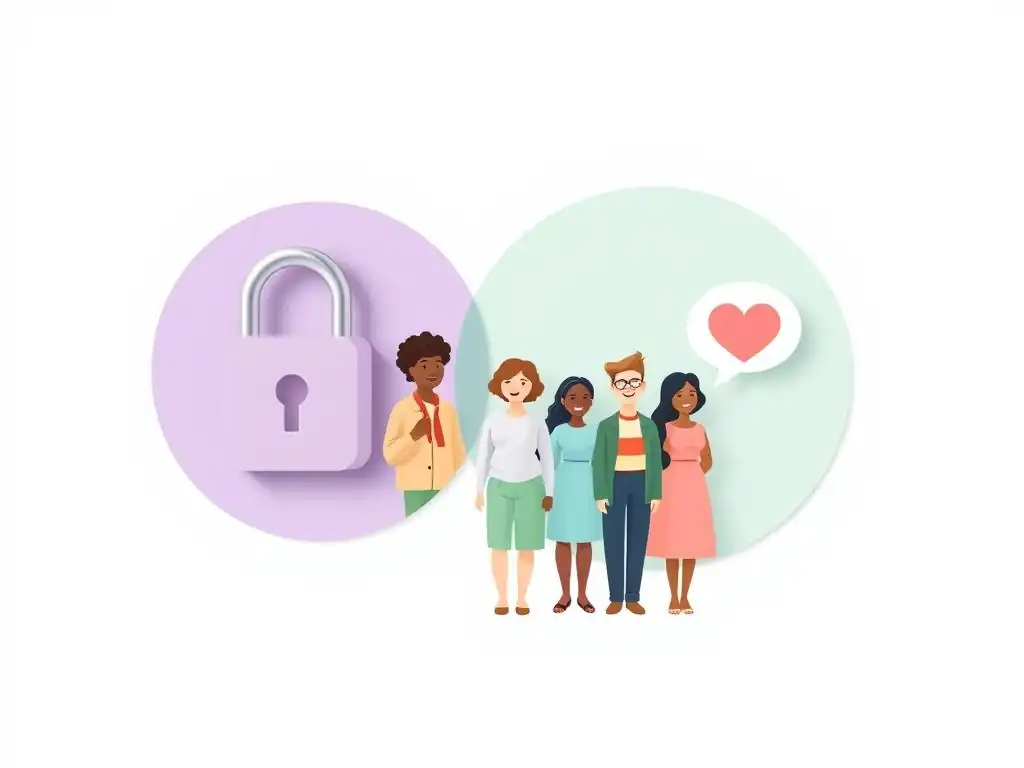
Finding reliable support and resources is crucial for navigating the complexities of online dating, particularly within the LGBTQ+ community. This section provides a comprehensive overview of organizations, online guides, and community-building strategies designed to enhance your safety and well-being while exploring romantic connections. Remember, your safety and comfort are paramount.
LGBTQ+ Dating Safety Organizations and Hotlines
Numerous organizations are dedicated to supporting LGBTQ+ individuals and providing resources related to online safety and dating. These organizations often offer hotlines, support groups, and educational materials designed to empower you to make informed decisions and navigate potentially challenging situations. Knowing where to turn for help can make a significant difference in your online dating experience.
Many organizations provide confidential support, allowing you to share your experiences and concerns without fear of judgment. This confidential support is essential, especially when dealing with harassment, discrimination, or other forms of online abuse. It's vital to remember that you're not alone and that help is available.
Below is a sample of the types of assistance you can expect from these organizations. Remember to research organizations in your specific region for the most relevant and accessible services. Specific organization names and contact information are pending [specific information pending]. This information will be updated regularly to ensure accuracy and relevance.
| Organization Type | Services Offered | Potential Benefits |
|---|---|---|
| LGBTQ+ Crisis Hotline | Immediate support, crisis intervention, emotional support, referrals to resources. | Immediate assistance in emergencies, reduced feelings of isolation, access to resources. |
| Online Safety Workshops | Education on safe online practices, risk mitigation strategies, identifying red flags. | Increased awareness, improved online safety practices, ability to avoid dangerous situations. |
| Support Groups & Forums | Peer support, shared experiences, community building, emotional validation. | Reduced feelings of isolation, increased sense of belonging, emotional support from peers. |
| Legal Advocacy Organizations | Legal advice, assistance with reporting crimes, support with legal proceedings. | Protection of legal rights, assistance in navigating legal processes, accountability for perpetrators. |
Online Resources and Safety Guides for LGBTQ+ Individuals
The internet offers a wealth of information regarding online dating safety, specifically tailored to the LGBTQ+ community. These resources often provide practical tips, strategies for identifying potential risks, and advice on how to react in various scenarios. Accessing these resources proactively can significantly improve your safety and confidence while navigating online dating platforms.
Many reputable websites and blogs offer in-depth articles and guides on topics such as profile creation, communication strategies, and red flag identification. These resources often include real-life examples and case studies, helping you to better understand the potential risks and how to mitigate them. They cover a wide range of topics, including:
- Profile Privacy: Understanding privacy settings and protecting your personal information.
- Safe Communication: Strategies for communicating online without revealing too much personal information.
- Identifying Red Flags: Recognizing warning signs of potential scams or abusive behavior.
- Reporting Abuse: Understanding the process for reporting harassment or abuse on online dating platforms.
- Cybersecurity Best Practices: Protecting your devices and accounts from hacking and malware.
Regularly reviewing and updating your knowledge of these safety measures is essential, as online threats and scams are constantly evolving.
Building a Supportive Community: Finding Safe Spaces Online and Offline
Building a supportive network of friends, family, and community members is crucial for navigating online dating safely and confidently. Sharing your experiences with trusted individuals can provide emotional support, accountability, and a sense of community. This can significantly reduce feelings of isolation and increase your overall well-being.
Finding safe spaces, both online and offline, is also vital. Online forums and groups specifically for LGBTQ+ individuals can provide a sense of community and shared experiences, offering a platform to discuss concerns and celebrate successes. Offline, joining LGBTQ+ organizations, attending community events, or connecting with local support groups can help you build a strong support system.
Remember, building a strong support network requires proactive engagement. It's about actively seeking out connections with like-minded individuals and fostering meaningful relationships. This network can provide invaluable support, especially during challenging times. The sense of belonging and shared experience can significantly impact your overall well-being and confidence in navigating online dating.
Frequently Asked Questions
How can I verify the authenticity of a profile on an LGBTQ+ dating app?
While no method is foolproof, look for profiles with multiple photos, detailed bios, and connections to social media (if the app allows). Be wary of profiles lacking personal information or those containing overly generic descriptions. Trust your gut; if something seems off, it probably is.
What are some red flags to watch out for during online interactions?
Be cautious of individuals who are excessively complimentary, pressuring you to meet quickly, or avoiding video calls. Inconsistencies in their stories or a reluctance to share personal information should raise concerns. Report suspicious behavior to the platform immediately.
How can I protect my personal information while online dating?
Avoid sharing sensitive details like your full address, workplace, or financial information early on. Use a separate email address specifically for online dating. Be mindful of the information you share on your profile and consider using a nickname instead of your legal name.
What are some safe meeting practices for first dates?
Always meet in a public place for your first date, and let a friend or family member know where you're going and when you expect to return. Meet during daylight hours if possible, and have a plan for transportation. Trust your instincts – if you feel uncomfortable at any point, leave.
What should I do if I experience harassment or abuse on a dating app?
Report the incident to the dating app's support team immediately. Block the user and save any evidence of harassment, such as screenshots or messages. Consider contacting the authorities if the harassment is severe or threatening. Remember, you are not alone and help is available.
Final Reflection: Cultivating Connection, Prioritizing Safety
The digital landscape offers unprecedented opportunities for connection, but for LGBTQ+ individuals navigating online dating, safety remains a paramount concern. The rise of dating apps has revolutionized romance, yet it also presents unique vulnerabilities. This necessitates a proactive approach, blending cautious optimism with informed strategies to ensure a positive and secure experience.
The ongoing struggle for visibility and acceptance within the LGBTQ+ community underscores the importance of creating safe spaces, both online and offline. The need for these precautions is sadly highlighted by the persistent prevalence of discrimination and harassment. The most common way people give up their power is by thinking they don't have any.
– Alice Walker. This quote reminds us that awareness and self-advocacy are crucial tools in protecting ourselves and fostering a more inclusive online environment. We must actively challenge harmful norms and create a culture of respect and understanding.
Now, consider your own approach to online dating. What steps can you take to prioritize your safety and well-being? Are you actively practicing the strategies discussed in this article? Remember, building meaningful connections begins with safeguarding your heart and mind. Take control of your online experience, and let your journey be one of authentic connection and joyful discovery, not fear and uncertainty. Embrace the power you have to create a safer and more supportive online community for yourself and others.
Unleash Your Dating Confidence: Take Control of Your Online Safety
Thank you for learning about safer LGBTQ+ online dating! We hope you gained valuable insights to help you navigate the world of online romance with more confidence. Let's put that knowledge into action.
- Prioritize your safety profile: Regularly review and update your online dating profiles, sharing only the information you're comfortable disclosing. Consider adding a clear statement about your online safety preferences directly to your profile.
- Connect with our community: Share this article with your friends and family—openly discussing online safety is a powerful way to protect everyone.
- Create your personal safety checklist: Take a few minutes to develop a simple list of personal safety rules for all your dating apps and websites, and commit to following them.
Ready to build a more secure and fulfilling online dating experience? What concrete step will you take today to improve your online safety?