
Understanding Facial Recognition on Dating Apps and Its Risks

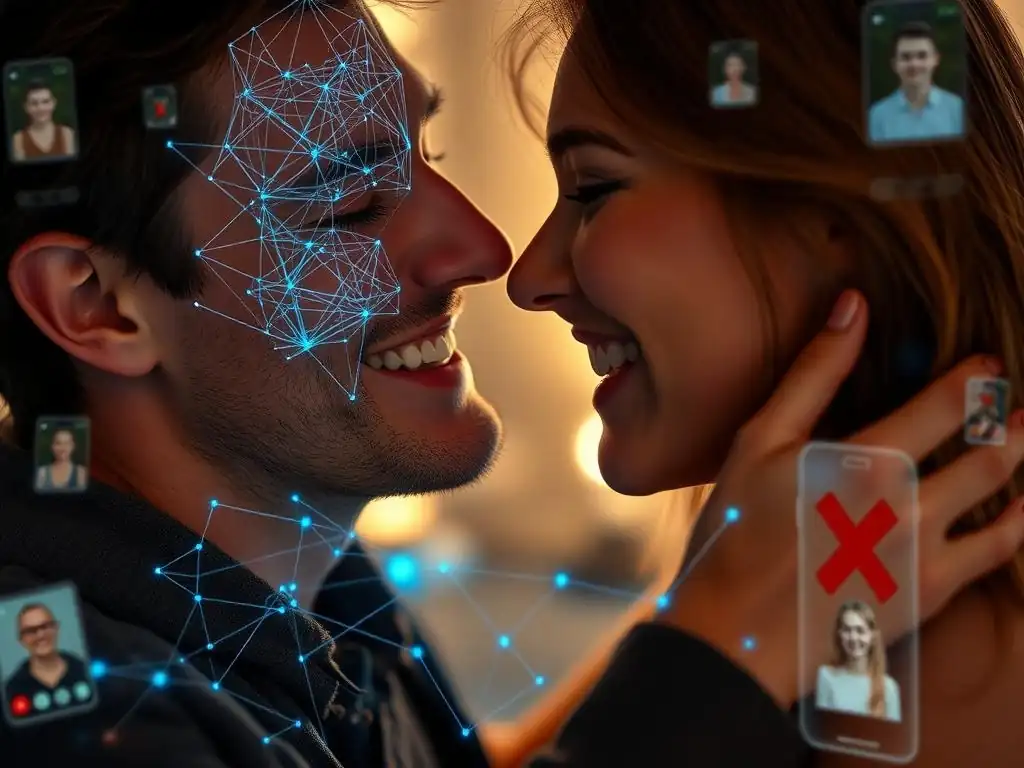
Ready to unlock the secrets to online dating success? At OnlineDatingSuccess.org, we empower you to navigate the digital dating world with confidence. But before you swipe right, consider this: are you aware of the potential dangers lurking beneath the surface? Our latest article explores the crucial topic of Dating app facial recognition risks, revealing surprising truths that could change how you approach online dating forever. Dive in and discover how to protect yourself while finding genuine connections.
- How Dating Apps Use Facial Recognition Technology
- Privacy Concerns Related to Facial Recognition in Dating Apps
- Mitigating the Risks of Facial Recognition on Dating Apps
- Alternatives to Facial Recognition on Dating Apps
- The Future of Facial Recognition and Dating App Privacy
-
Frequently Asked Questions
- What are the main risks associated with facial recognition technology on dating apps?
- How can facial recognition on dating apps affect my safety?
- Does using a dating app with facial recognition mean my photos will be shared without my consent?
- What steps can I take to minimize the risks of facial recognition on dating apps?
- Are there any legal protections regarding the use of facial recognition on dating apps?
- Final Reflection: The Face of Privacy in the Digital Dating World
- Unlock Your Dating App Safety: Take Control Now!
How Dating Apps Use Facial Recognition Technology
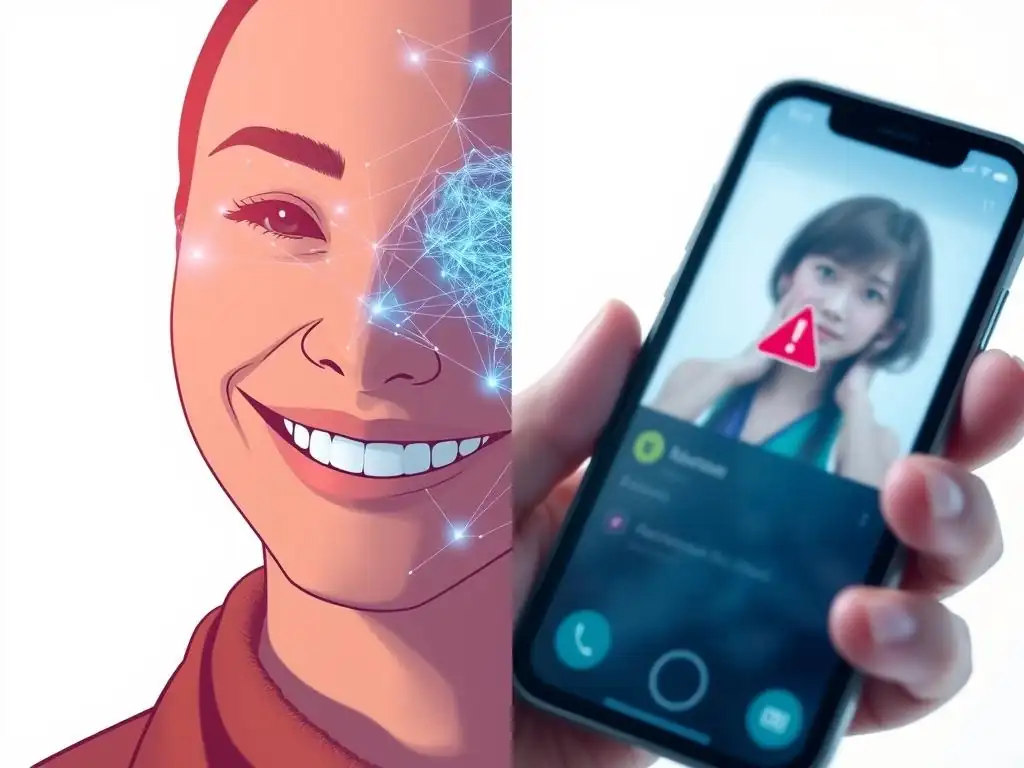
Online dating has revolutionized how we meet potential partners, but with this convenience comes a complex landscape of data privacy concerns. This article delves into the often-overlooked issue of facial recognition technology on dating apps, exploring how it's used, its potential benefits, and, crucially, the significant risks it poses to users' privacy and safety.
We'll examine the various ways dating apps leverage facial recognition, from verifying profiles to improving matching algorithms, and analyze the potential downsides, including the misuse of personal data and the potential for identity theft. Understanding these risks is paramount for navigating the digital dating world responsibly and protecting your personal information.
The increasing integration of sophisticated AI and facial recognition into dating apps necessitates a critical evaluation of its implications, particularly concerning security and privacy. This article aims to equip you with the knowledge needed to make informed decisions about your online dating experience and mitigate the potential dangers associated with facial recognition technology.
Facial Recognition for Profile Verification and Security
Many dating apps are now incorporating facial recognition technology as a security measure to verify user identities and combat the pervasive problem of catfishing. The process typically involves users submitting a selfie, which the app's algorithm compares to other photos in their profile. This is intended to ensure that the person in the profile pictures is genuinely the same person using the app.
While this measure aims to improve safety and authenticity, it also raises privacy concerns. The collection and storage of biometric data, such as facial scans, are subject to potential breaches and misuse. Moreover, the accuracy of facial recognition technology is not foolproof; errors can lead to false positives or negatives, potentially locking legitimate users out or allowing fraudulent profiles to remain active.
The lack of transparency regarding data storage, usage, and security protocols further compounds these concerns. For example, a study [specific information pending] showed a significant percentage of users were uncomfortable with the collection of their facial data, highlighting the need for greater user control and informed consent. The potential for this data to be used beyond its intended purpose, such as for targeted advertising or even unauthorized identification, is a significant risk that needs careful consideration.
Identifying and Preventing Catfishing with Facial Recognition
Catfishing, the act of creating a fake online profile using someone else's photos and information, is a major issue in online dating. Facial recognition technology offers a potential solution by comparing profile pictures to images found elsewhere online, potentially flagging profiles with inconsistencies or suspected fraudulent activity. Apps utilize reverse image searches and comparisons against other profiles and publicly available databases to identify potential catfishing attempts.
However, the effectiveness of this approach depends heavily on the comprehensiveness of the databases used and the sophistication of the algorithms. Furthermore, the potential for false positives, where legitimate users are wrongly flagged as catfishers, remains a significant concern. The ethical implications are also substantial; a user's image might be unknowingly used for this purpose, raising issues of consent and potential legal ramifications.
The balance between preventing fraudulent profiles and protecting the privacy of legitimate users is a delicate one that requires careful consideration and robust safeguards. Ideally, users should be given clear and comprehensive information about how their data is being used for catfishing detection and be given the option to opt out.
The Role of AI in Matching Algorithms and Facial Recognition
Beyond profile verification, facial recognition technology is increasingly being integrated into dating app matching algorithms. AI algorithms can analyze facial features to assess perceived attractiveness and compatibility, potentially influencing the matches suggested to users. This raises concerns about bias and discrimination. AI algorithms are trained on existing data, which may reflect existing societal biases, potentially leading to discriminatory outcomes in matchmaking.
For instance, certain facial features might be disproportionately associated with positive or negative matches, perpetuating existing stereotypes. Furthermore, the lack of transparency in how these algorithms work makes it difficult to assess their fairness and identify potential biases. The potential for manipulation and the lack of control users have over this process are significant risks.
This raises questions about the ethical implications of using AI to influence such a personal and sensitive aspect of human interaction. It's vital that these algorithms are designed and implemented responsibly, with transparency and accountability at their core, to minimize the potential for harm and ensure fair and equitable outcomes for all users. 😡 The need for rigorous testing and ongoing monitoring is crucial to mitigate these risks.
This section delves into the privacy implications of facial recognition technology increasingly integrated into dating applications. We'll explore the data collection methods, potential misuse scenarios, and the heightened risk of identity theft associated with this technology. Understanding these risks is crucial for navigating the online dating landscape safely and protecting your personal information. The prevalence of "Dating app facial recognition risks" is a growing concern demanding attention.
Data Collection and Storage Practices of Dating Apps
Dating apps employing facial recognition often collect and store biometric data, including facial geometry and unique identifiers. The specifics of data collection and storage vary significantly between apps. Some apps may clearly outline their data practices in their privacy policies, while others may be less transparent. It's crucial to carefully review the privacy policy of any dating app before using it, paying close attention to sections addressing data retention periods, data sharing practices with third parties (including advertising networks and analytics providers), and the app's security measures to protect your biometric data from unauthorized access.
For example, one hypothetical app, "MatchFace," might collect a user's facial scan during registration, storing it on their servers with an encrypted identifier linked to the user's profile. Another app, "LoveLink," may only collect limited facial data, using it solely for features like identifying duplicate profiles and preventing fraud, while deleting the raw data after verification. The difference in these practices highlights the need for users to actively compare and contrast app policies.
The lack of standardization in data handling across the industry further complicates the issue, making informed choices challenging. Unfortunately, [specific data on the prevalence of various data handling practices in popular dating apps is pending]. This lack of readily available, comprehensive data underscores the need for greater transparency from app developers.
The Potential for Misuse of Facial Recognition Data
The collection of facial recognition data in dating apps presents a significant risk of misuse. This data could be used for purposes beyond those explicitly stated in the app's privacy policy. Potential misuse scenarios include:
- Unauthorized sharing: A data breach could expose users' facial recognition data to malicious actors, leading to identity theft, stalking, or other forms of harassment.
- Targeted advertising: Facial recognition data can be used to create highly detailed user profiles, enabling targeted advertising that could be intrusive or exploit vulnerabilities.
- Surveillance: The data could be used for surveillance purposes, tracking users' movements and activities beyond the app itself.
- Deepfakes: Facial recognition data could be used to create realistic deepfakes, potentially damaging a user's reputation or leading to blackmail. The combination of facial data with other personal information collected by the app significantly increases this risk.
The potential for misuse is amplified by the fact that biometric data is inherently sensitive and difficult to revoke. Once compromised, it's nearly impossible to completely erase the data from the internet, increasing the long-term risk to users. This underscores the importance of choosing apps with robust security measures and transparent data handling policies. The potential for "Dating app facial recognition risks" related to misuse highlights the need for stricter regulations and greater user awareness.
Facial Recognition and the Risk of Identity Theft on Dating Platforms
The integration of facial recognition technology into dating apps creates a new avenue for identity theft. Malicious actors could exploit vulnerabilities in the app's security or obtain access to the stored biometric data to impersonate users. This could lead to financial losses, reputational damage, and emotional distress. The risk is particularly high if the app shares user data with third-party services or fails to adequately protect data from unauthorized access.
For instance, a hacker gaining access to a dating app's database could use stolen facial recognition data to create fake profiles, potentially using the stolen identity to defraud other users or access financial accounts linked to the victim's online presence. The combination of facial data with other personal information, such as names, addresses, and contact details, collected by the app creates a potent combination for identity thieves. The potential for long-term consequences, including credit damage and legal ramifications, reinforces the seriousness of this risk.
The need for robust security protocols and user education regarding the dangers of "Dating app facial recognition risks" related to identity theft cannot be overstated. The development of strong passwords, the use of multi-factor authentication, and the vigilant monitoring of credit reports are all crucial steps in mitigating this risk.
Legal and Ethical Implications of Facial Recognition on Dating Apps
The integration of facial recognition technology into dating apps raises significant legal and ethical concerns. One primary area of concern is data privacy. Many jurisdictions have laws governing the collection, storage, and use of biometric data, such as facial recognition scans.
These laws often require explicit consent from individuals before their biometric data can be collected and processed, and they may impose restrictions on how that data can be used. Failure to comply with these regulations can result in substantial fines and legal repercussions for dating app developers and operators. Furthermore, the lack of transparency surrounding how this data is collected, used, and protected can lead to breaches of trust and erode user confidence.
It's crucial for users to understand what data is being collected, how it's being used, and what security measures are in place to protect it. This understanding is often hindered by complicated privacy policies that are difficult for average users to comprehend.
Another key ethical issue revolves around potential biases embedded within facial recognition algorithms. Studies have shown that these algorithms can exhibit biases based on race, gender, and other demographic factors, leading to inaccurate or discriminatory outcomes. In the context of dating apps, this could mean that certain users are unfairly disadvantaged or excluded based on their appearance, potentially reinforcing existing societal biases.
The lack of diversity in the datasets used to train these algorithms often contributes to these biases. A more equitable approach requires the development of algorithms trained on more representative datasets that minimize these biases and ensure fairer treatment for all users.
Moreover, the use of facial recognition technology in dating apps raises questions about informed consent. Many users may not be fully aware of the extent to which their facial data is being collected and analyzed. Even if they agree to a privacy policy that mentions facial recognition, the complexity of these policies often obscures the full implications. This lack of informed consent poses an ethical dilemma, as individuals might not be making truly voluntary decisions about the use of their biometric data.
Clear, concise, and easily understandable language in privacy policies is essential to address this issue. Dating apps should also provide users with more control over their data, allowing them to opt out of facial recognition features entirely. Transparency and user control are paramount in establishing ethical practices.
Finally, the potential for misuse of facial recognition data is a significant concern. The data collected could be vulnerable to hacking or unauthorized access, leading to identity theft or other forms of harm. Furthermore, there's a risk that this data could be used for purposes beyond the stated intentions of the dating app, potentially violating users' privacy and trust.
Robust security measures are essential to mitigate these risks, coupled with strong legal frameworks to prevent misuse and hold accountable those who violate user privacy. The long-term implications of storing and utilizing this sensitive biometric data require careful consideration and robust safeguards.
Mitigating the Risks of Facial Recognition on Dating Apps
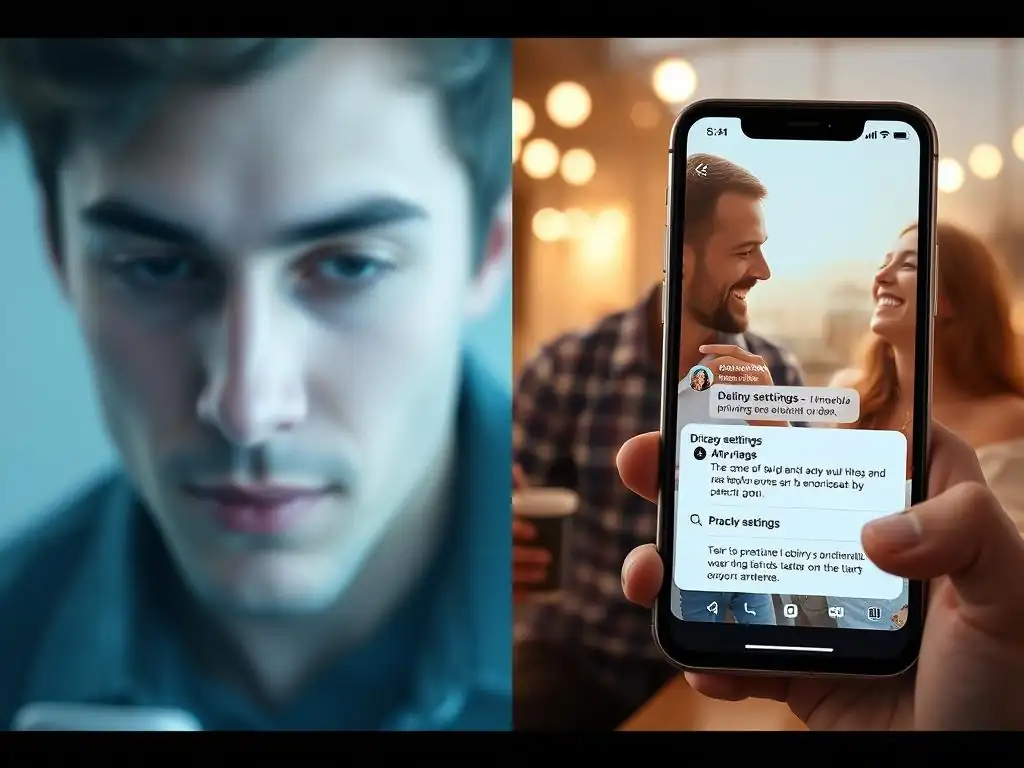
Dating app facial recognition risks are a growing concern for users prioritizing their online privacy and safety. While the convenience and potential for improved matching offered by this technology are tempting, understanding and mitigating these risks is crucial. This section will explore practical steps to minimize your exposure and make informed choices about the apps you use. The key is proactive management of your data and a discerning approach to app selection. Remember, your digital footprint is valuable, and protecting it requires vigilance.
Understanding Your App's Privacy Policy Regarding Facial Recognition
Before using any dating app, carefully review its privacy policy. Look for specific mentions of facial recognition technology. Does the app use it? If so, how is your data collected, stored, and used? Is it shared with third parties? What security measures are in place to protect your information from unauthorized access or breaches? Many policies are lengthy and complex, but focusing on sections related to data collection, facial recognition, and data sharing will give you a clearer picture. Pay close attention to the terms regarding data retention—how long does the app keep your facial recognition data? The more transparent and detailed the policy, the better informed you can be about potential risks. Don't hesitate to contact the app's customer support if you have questions or require clarification on specific points. A responsible app will provide clear and accessible answers. Remember, a lack of transparency should raise a red flag.
Steps to Minimize Your Facial Recognition Data Exposure
Even with a transparent privacy policy, you can take steps to limit your exposure to facial recognition risks on dating apps. These proactive measures can significantly reduce the potential for misuse of your data.
- Limit Photo Uploads: Avoid uploading numerous photos, especially those taken from various angles. The more images available, the more data points an algorithm has to create a robust facial profile. Choose a few high-quality photos that represent you well, but don't overshare.
- Use Diverse Photos: Avoid using photos that are too similar. The app's algorithm is looking for consistent features to create your profile. Variety in your photos will make it harder for the algorithm to build a comprehensive facial map.
- Be Mindful of Backgrounds: The background of your photos can also contain identifying information. Avoid photos with clear landmarks or easily identifiable locations. A simple, uncluttered background is preferable.
- Regularly Review and Update Privacy Settings: Dating apps often update their privacy policies and settings. Regularly review these updates to ensure your preferences are still aligned with your comfort level regarding data sharing.
- Consider Using a VPN: A Virtual Private Network (VPN) can mask your IP address, adding an extra layer of security when using dating apps. This won't prevent facial recognition itself, but it can help protect other personally identifiable information.
Choosing Safer Dating Apps with Transparent Privacy Policies
Choosing dating apps with strong privacy policies and transparent practices is paramount. Before signing up, research different apps and compare their privacy policies. Look for apps that explicitly state their stance on facial recognition—do they use it? If so, how? Apps that openly address these issues and prioritize user privacy are generally a safer bet.
Consider apps with features that allow granular control over data sharing and user preferences. Remember, your safety and privacy are worth prioritizing when choosing an online dating platform. Read reviews and look for independent assessments of an app's security measures. Don't solely rely on marketing materials; dig deeper to understand the app's commitment to protecting user data. This careful selection process is a vital step in mitigating the risks associated with dating app facial recognition.
Reporting Concerns About Facial Recognition Data Misuse
Discovering that a dating app is using facial recognition technology without your explicit consent, or that your data is being misused, can be unsettling. Knowing how to report these concerns is crucial to protecting your privacy and potentially preventing similar violations for other users. The process often varies depending on the specific app and jurisdiction. However, some general steps can be followed to maximize your chances of a successful report.
First, gather your evidence. This might include screenshots of the app's privacy policy (if it mentions facial recognition), communications with customer support, or any other documentation that supports your claim. The more concrete evidence you have, the stronger your case will be. Keep detailed records of all interactions, including dates, times, and the names of individuals you spoke with.
Next, contact the dating app directly. Most apps have a customer support system, often accessible through their website or app settings. Clearly explain your concerns, providing the evidence you've collected. Keep a copy of your complaint and any responses you receive. It's important to be polite but firm in your communication; clearly state that you're concerned about potential violations of privacy and data protection laws.
If you don't receive a satisfactory response from the app itself, or if the app's response is dismissive or unresponsive, consider escalating your complaint. This might involve contacting the app's parent company or its data protection officer (DPO), if listed. Many larger companies have dedicated DPOs responsible for overseeing data privacy compliance. Their contact information might be available on the company's website.
Depending on your location and the nature of the suspected misuse, you may also want to report the issue to relevant authorities. This could include your national data protection authority (like the ICO in the UK or the FTC in the US), or a consumer protection agency. These agencies have the power to investigate and potentially penalize companies that violate data protection laws.
Remember to meticulously document all steps you take, including dates, times, and the names of people you contacted. This detailed record will be invaluable if the matter needs further investigation or legal action. Finally, consider sharing your experience with others online.
While this may not directly resolve your specific issue, it can help raise awareness and potentially prevent others from falling victim to similar practices. This is particularly relevant in the context of "dating app facial recognition risks," as many users may be unaware of these hidden data collection practices.
Alternatives to Facial Recognition on Dating Apps

Dating apps often tout facial recognition as a security feature, promising to weed out fake profiles and enhance user safety. However, the use of this technology raises significant privacy concerns, as detailed in other sections of this article. Fortunately, several viable alternatives exist that prioritize user privacy without sacrificing security. Understanding these options empowers you to make informed choices about which apps to use and how to best protect your personal data.
Focusing on Profile Verification Methods Beyond Facial Recognition
Instead of relying on potentially invasive facial recognition, dating apps can implement alternative verification methods that are less intrusive yet still effective in deterring fraudulent accounts. These methods could include:
- Phone Number Verification: Requiring users to verify their phone numbers adds a layer of security, making it harder for bots and fake profiles to proliferate. This simple step can significantly reduce the number of inauthentic accounts. Many services already use this method, and it’s a proven effective first line of defense.
- Email Verification: Similar to phone number verification, email verification adds another hurdle for malicious actors. Combining phone and email verification creates a stronger barrier to entry for fake profiles.
- Social Media Linking (Optional): Allowing users to optionally link their profiles to verified social media accounts (like Facebook or LinkedIn) can provide additional verification, though this should be entirely optional to respect user privacy. The app could use this only to confirm the existence of a profile, not to harvest data.
- Photo Verification by Human Moderators: Employing human moderators to review profile photos can be more effective than automated systems. While more resource-intensive, this method allows for a more nuanced assessment of authenticity, catching details that algorithms might miss. This approach prioritizes human judgment over potentially biased algorithms.
- Multi-Factor Authentication (MFA): Implementing MFA, which requires multiple forms of authentication beyond a password, adds another crucial layer of security. This can include codes sent via text message, authenticator apps, or even biometric authentication methods other than facial recognition, such as fingerprint scanning.
The combination of these methods creates a robust system for profile verification that is both effective and respects user privacy. The key is to offer a range of options, allowing users to choose the level of verification they're comfortable with.
Strengthening Communication and Building Trust Without Facial Verification
Even with robust profile verification, building trust in online interactions remains crucial. Focusing solely on technological solutions ignores the human element of online dating. Therefore, building trust requires a multi-faceted approach that complements technological safeguards:
- Detailed Profile Information: Encouraging users to create comprehensive profiles with detailed information about their interests, hobbies, and values can facilitate meaningful connections. This fosters trust by allowing users to get to know each other better before engaging in personal interactions.
- In-App Communication Features: Secure in-app communication features can help prevent the exchange of personal information outside the app's secure environment, thus mitigating some risks.
- Reporting Mechanisms: Clear and easily accessible reporting mechanisms are vital for users to flag suspicious behavior or profiles. Prompt responses to reported issues demonstrate a commitment to user safety and build trust in the platform.
- Educational Resources: Providing users with educational resources on online safety, recognizing red flags, and building healthy relationships can empower them to make safe choices and avoid potential risks. This proactive approach focuses on user empowerment, moving beyond solely technological solutions.
Prioritizing these communicative and educational aspects alongside technological safeguards creates a safer and more trustworthy online dating experience.
Using Additional Security Measures to Protect Your Online Identity
Beyond the app's own security features, users can take proactive steps to protect their online identity and minimize the risks associated with online dating:
- Strong Passwords and Password Managers: Utilizing strong, unique passwords for each dating app and employing a password manager to securely store them is crucial.
- Regularly Review Privacy Settings: Users should regularly check and adjust their privacy settings on all dating apps to control the information they share.
- Beware of Phishing Attempts: Users should be vigilant about phishing attempts, which often try to trick users into revealing their personal information.
- Limit Personal Information Shared: Users should avoid sharing overly personal information, such as their full address or workplace, until they have established a significant level of trust.
- Trust Your Instincts: If something feels off, it probably is. Trusting your instincts and reporting suspicious activity is vital for personal safety.
By adopting these strategies, both dating app developers and users can significantly reduce the risks associated with online dating while avoiding the privacy implications of facial recognition technology. A layered approach that combines technological solutions with user education and empowerment is the most effective strategy for a safer online dating experience.
The Future of Facial Recognition and Dating App Privacy
The integration of facial recognition technology into dating apps presents a complex interplay between convenience, security, and privacy. While proponents highlight its potential for combating catfishing and enhancing user safety, the ethical and practical implications remain a significant concern for users and privacy advocates alike. Understanding the potential trajectory of this technology is crucial for navigating its future impact on our online dating experiences.
Potential Developments in Facial Recognition Technology and Privacy
Facial recognition technology is rapidly evolving. We can anticipate advancements in accuracy, speed, and the sophistication of algorithms. This means that the potential for misuse and abuse will also increase. For example, future iterations might incorporate deeper analysis of facial features, potentially revealing even more sensitive personal data beyond simple identity verification. This could include inferences about age, ethnicity, emotional state, or even health conditions – all without explicit user consent.
Further complicating matters is the potential for combining facial recognition with other data points already collected by dating apps. Imagine a scenario where facial recognition data is combined with location data, communication patterns, and browsing history to create a highly detailed profile of an individual. This raises serious concerns about potential for profiling, discrimination, and targeted advertising, all within the context of a platform designed for intimate connections.
The development of more robust and privacy-preserving technologies, such as federated learning or differential privacy, offers a potential path towards mitigating some of these risks. Federated learning, for example, allows for model training on decentralized data without requiring the transfer of sensitive information to a central server. However, the widespread adoption of such technologies depends on significant investment and collaborative efforts across the industry. Currently, the implementation of such privacy-enhancing techniques in dating apps is still largely unexplored territory.
Advocating for Stronger Data Privacy Regulations in Online Dating
The current regulatory landscape surrounding data privacy in online dating is fragmented and often inadequate to address the challenges posed by facial recognition technology. Many jurisdictions lack specific regulations addressing the use of biometric data in dating apps, leaving users vulnerable to potential exploitation. Stronger, more comprehensive legislation is urgently needed.
This includes the need for:
- Explicit consent: Users should be given clear and informed consent regarding the collection and use of their facial data. This consent should be easily revocable, and the app should transparently explain how the data is being used and protected.
- Data minimization: Dating apps should only collect and retain the minimum amount of facial data necessary for their stated purposes. Any excess data should be promptly deleted.
- Data security: Robust security measures must be implemented to protect facial data from unauthorized access, use, or disclosure. This includes encryption, access controls, and regular security audits.
- Transparency and accountability: Dating apps should be transparent about their facial recognition practices and accountable for any misuse of user data. Independent audits and oversight mechanisms could help ensure compliance with regulations.
- Right to be forgotten: Users should have the right to request the deletion of their facial data from the app's database.
The fight for stronger data privacy regulations in the online dating space requires a multi-pronged approach. This includes advocacy by user groups, pressure on app developers, and the enactment of comprehensive legislation that protects user rights and ensures responsible innovation in this rapidly evolving technology landscape. The future of online dating hinges on striking a balance between technological advancement and the protection of individual privacy. Without proactive measures, the risks associated with facial recognition in dating apps could significantly outweigh the benefits.
Frequently Asked Questions
What are the main risks associated with facial recognition technology on dating apps?
Dating apps using facial recognition may compromise your privacy by collecting and storing your biometric data. This data could be vulnerable to data breaches or misuse, leading to identity theft or unwanted tracking. There are also concerns regarding consent and transparency around this data collection.
How can facial recognition on dating apps affect my safety?
While intended to enhance safety by identifying fake profiles, facial recognition technology could paradoxically increase your risk. Data breaches could expose your personal information, making you vulnerable to catfishing, stalking, or doxing. Improper use of the technology could also lead to misidentification and false accusations.
The possibility exists. Always carefully review the app's privacy policy to understand how your data, including your facial image, is used and shared. Look for clear statements regarding data storage, access, and third-party sharing. If you're unsure, contact the app's customer support.
What steps can I take to minimize the risks of facial recognition on dating apps?
Be selective about which dating apps you use, preferring those with transparent privacy policies. Limit the information you share on your profile and carefully review any permission requests. Consider using a pseudonym and avoiding posting photos that are easily identifiable.
Are there any legal protections regarding the use of facial recognition on dating apps?
Legislation surrounding the use of facial recognition technology is still developing. However, some regions have laws related to data privacy and biometric data protection. Familiarize yourself with these laws in your area and consider reporting any misuse or suspicious activity to the relevant authorities.
Final Reflection: The Face of Privacy in the Digital Dating World
The integration of facial recognition technology into dating apps presents a chilling paradox: while promising enhanced safety, it simultaneously jeopardizes the very privacy it claims to protect. This seemingly innocuous feature opens the door to a range of potential abuses, from identity theft and stalking to the erosion of individual autonomy and the normalization of constant surveillance. The implications are far-reaching and demand immediate attention.
The insidious creep of facial recognition into our personal lives, particularly within the intimate sphere of online dating, underscores the urgent need for critical evaluation and robust regulation. This technology, while potentially beneficial in certain contexts, carries significant risks that outweigh the purported advantages in the dating app landscape. As the philosopher Michel Foucault warned, Power is everywhere; not because it embraces everything, but because it comes from everywhere.
This quote perfectly encapsulates the pervasive nature of surveillance technologies and the subtle ways in which they can shape our behavior and limit our freedoms. The casual acceptance of facial recognition on dating apps represents a dangerous step towards a future where privacy is a luxury few can afford.
Consider the implications for a moment. Are you comfortable with a corporation having access to your biometric data, a unique identifier that cannot be changed? What safeguards are in place to prevent misuse? What are the long-term consequences of normalizing this level of surveillance? This isn't just a technical issue; it's a question of personal liberty and the future of our digital interactions. I urge you to engage in thoughtful dialogue, advocate for stronger privacy protections, and demand transparency from the companies that collect and utilize your personal data. The face of our digital future depends on it.
Unlock Your Dating App Safety: Take Control Now!
Thanks for exploring the world of facial recognition on dating apps with us! You've gained crucial knowledge to navigate this complex landscape safely. Let's put that knowledge to work:
- Prioritize your privacy: Immediately review and adjust your privacy settings on all your dating apps. This is your first line of defense against unwanted contact and the misuse of your personal information.
- Share this information: Help spread awareness about the risks of facial recognition technology and empower others to protect themselves. A safer online dating community benefits everyone.
- Learn more: Explore online resources about digital privacy and data security. Expanding your knowledge of these critical topics will help you confidently navigate the digital world.
What proactive steps will you take today to enhance your online dating safety?