
Is Your Dating App Use Toxic? Signs & Strategies for a Healthier Experience

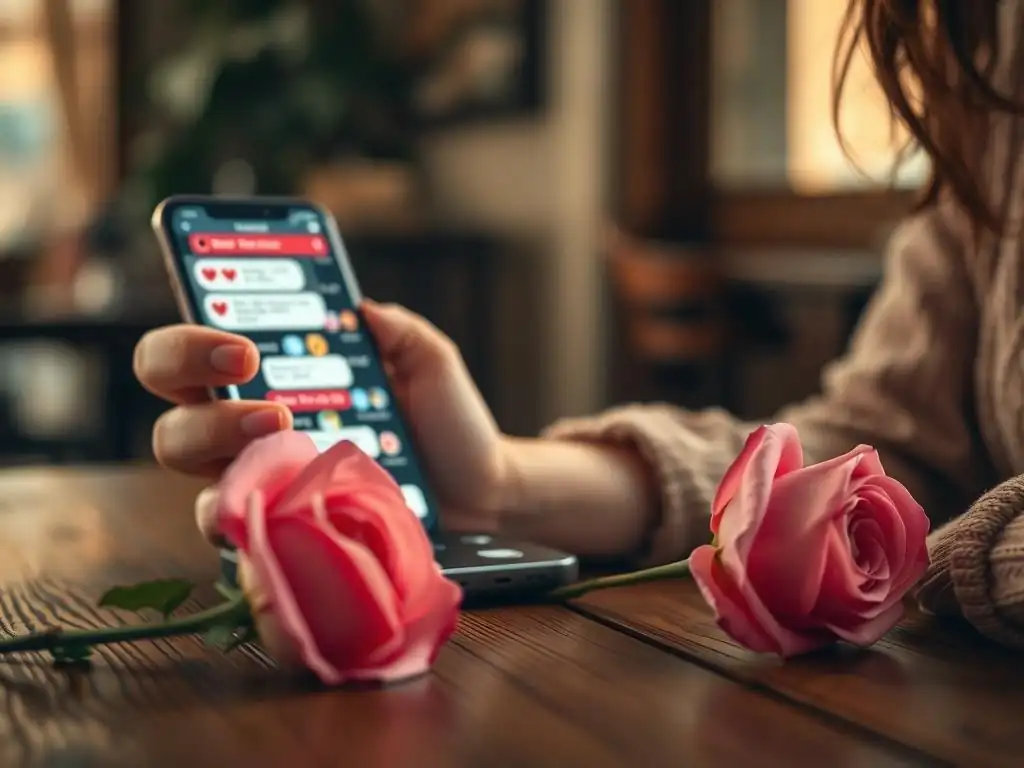
Dive into the world of OnlineDatingSuccess.org and unlock the secrets to a more fulfilling online dating experience. Are you unknowingly engaging in toxic dating app habits that sabotage your chances of finding meaningful connections? We'll reveal the surprising signs and equip you with practical strategies to transform your approach, ensuring a healthier and more successful journey towards finding love. Discover how to navigate the online dating landscape with confidence and build genuine relationships—let's get started!
-
Recognizing Toxic Dating App Habits: Identifying Unhealthy Patterns
- The Constant Swipe: Is Endless Searching Hurting Your Wellbeing?
- The Comparison Game: Measuring Yourself Against Others Online
- The Rejection Rollercoaster: Managing Emotional Ups and Downs
- Chasing Ghosts: Dealing with Unresponsive Matches and Avoiding Obsession
- The Validation Trap: Seeking Self-Worth Through Likes and Matches
- Neglecting Real-Life Connections: Prioritizing Apps Over In-Person Interactions
-
Negative Impacts of Toxic Dating App Habits: Understanding the Consequences
- Mental Health Effects: Anxiety, Depression, and Low Self-Esteem
- Relationship Difficulties: Impact on Forming Meaningful Connections
- Time Management Issues: Balancing App Use with Other Priorities
- Social Isolation: Withdrawal from Real-Life Social Interactions
- Mental Health Strain: Anxiety, Depression, and Low Self-Esteem
- Erosion of Authentic Self: Presenting a False Persona
-
Strategies for a Healthier Approach: Breaking Unhealthy Cycles
- Setting Boundaries: Limiting App Usage and Defining Your Goals
- Mindful Swiping: Focusing on Quality over Quantity
- Prioritizing Self-Care: Maintaining Emotional Well-being
- Developing Realistic Expectations: Understanding the Dating App Landscape
- Cultivating Real-Life Connections: Balancing Online and Offline Interactions
- Seeking Support: Reaching Out to Friends, Family, or Professionals
-
Building Healthy Dating App Habits: Tips for a Positive Experience
- Creating a Positive Profile: Authenticity and Self-Expression
- Effective Communication: Engaging in Meaningful Conversations
- Safety First: Protecting Your Personal Information
- Respectful Interactions: Treating Others with Kindness and Consideration
- Knowing When to Take a Break: Recognizing Signs of Burnout
- Focusing on Compatibility: Identifying Shared Values and Interests
- Overcoming Toxic Dating App Habits Fix: A Step-by-Step Guide to Change
- Moving Forward: Cultivating a Positive and Sustainable Dating App Experience
-
Frequently Asked Questions
- How can I identify toxic dating app habits?
- What are some strategies to break free from toxic dating app behaviors?
- How can I avoid getting caught in a cycle of negative comparisons on dating apps?
- Is it possible to use dating apps healthily?
- What are some tips for creating a safer online dating experience?
- Final Reflection: Reclaiming Your Dating App Journey
- Rediscover Dating: Create Your Happiest Online Experience
Recognizing Toxic Dating App Habits: Identifying Unhealthy Patterns
Navigating the world of online dating can be exhilarating, offering a vast pool of potential connections. However, the ease of access and the often-superficial nature of app-based interactions can also lead to unhealthy habits and negative impacts on mental wellbeing. This article delves into common toxic dating app behaviors, exploring how these patterns can affect your emotional health and offering practical strategies to cultivate a healthier, more fulfilling online dating experience.
We'll explore how to identify these toxic tendencies and implement positive changes to transform your dating app journey from a source of stress into a tool for genuine connection. Understanding the signs of toxic dating app use is the first crucial step towards building a more positive and productive online dating experience, ultimately leading to healthier relationships.
Remember, the goal is to use dating apps to enhance your life, not detract from it. Let's dive into some common pitfalls and how to avoid them.
The Constant Swipe: Is Endless Searching Hurting Your Wellbeing?
The seemingly endless stream of profiles on dating apps can be both exciting and overwhelming. The constant swipe, the never-ending search for "the one," can quickly become a mindless activity that consumes significant time and energy. This relentless pursuit can lead to feelings of inadequacy, anxiety, and even depression. Many users find themselves trapped in a cycle of disappointment, constantly comparing themselves to others and feeling increasingly dissatisfied with their own progress. This behavior can be detrimental to self-esteem and overall mental wellbeing.
Consider this: how much time are you spending swiping each day? Is it a healthy amount, or is it interfering with other aspects of your life, like work, hobbies, or social connections? A healthy approach involves setting realistic limits on your app usage, focusing on quality over quantity, and prioritizing self-care. Remember, genuine connections rarely blossom from a frantic, endless search.
The Comparison Game: Measuring Yourself Against Others Online
Social media and dating apps often present a curated, often unrealistic, version of reality. Seeing seemingly perfect profiles showcasing enviable lifestyles and relationships can trigger feelings of inadequacy and self-doubt. This constant comparison breeds negativity and can distort your perception of yourself and others. You might find yourself focusing on perceived flaws, neglecting your own unique strengths and qualities.
It's important to remember that what you see online is often a carefully constructed highlight reel, not a complete and accurate representation of someone's life. Instead of comparing yourself to others, focus on cultivating self-compassion and appreciating your own unique worth. Remember that everyone is on their own journey, and there's no single standard of "perfection" to strive for. Prioritize self-acceptance and celebrate your individuality; it's what makes you unique and attractive.
The Rejection Rollercoaster: Managing Emotional Ups and Downs
Rejection is an inevitable part of dating, both online and offline. However, the immediacy and often impersonal nature of dating apps can amplify the sting of rejection. The constant stream of "matches" and "non-matches" can create an emotional rollercoaster, leading to feelings of anxiety, frustration, and even self-worth issues.
This is exacerbated by the often-anonymous nature of online interactions, leading to feelings of disconnect and a lack of emotional closure after a rejection. Developing healthy coping mechanisms is crucial. This includes setting realistic expectations, practicing self-compassion, focusing on your own self-improvement, and seeking support from friends and family.
Remember that rejection doesn't reflect your inherent worth; it simply means that a particular connection wasn't meant to be. Learning to manage these emotional ups and downs is key to maintaining a healthy mental state while using dating apps. Consider journaling or engaging in activities that bring you joy to help manage these emotions effectively.
Chasing Ghosts: Dealing with Unresponsive Matches and Avoiding Obsession
Many online daters find themselves stuck in the frustrating cycle of "ghosting"—sending messages that go unanswered, leaving them feeling ignored and rejected. This can quickly spiral into obsession, where you constantly check your app, replay conversations in your head, and even start to personalize their lack of response. It's crucial to recognize this pattern as a toxic habit. The constant anticipation and uncertainty can significantly impact your mental wellbeing, leading to anxiety, low self-esteem, and even depression.
A healthy approach involves setting boundaries. If you haven't received a response after a reasonable number of messages (usually 2-3, depending on the platform and your initial interaction), accept that this person may not be interested and move on. Unfollowing or even deleting the app for a while can be surprisingly effective in breaking the cycle. Focus on self-care activities that boost your mood and confidence, such as exercising, spending time with loved ones, or pursuing hobbies.
Remember, someone's lack of response is their issue, not a reflection of your worth. Concentrating on building your own life and happiness is the best way to overcome the obsession with unresponsive matches and cultivate a healthy approach to online dating. This proactive strategy shifts your focus from external validation to internal self-worth.
The Validation Trap: Seeking Self-Worth Through Likes and Matches
The constant stream of notifications on dating apps can be addictive. The dopamine rush from a new match or a flurry of likes can become a crutch, feeding a cycle of seeking external validation. This dependence on the app for self-esteem is a dangerous path. You may find yourself constantly tweaking your profile, chasing more matches, and feeling inadequate if the numbers aren't as high as you'd like. This constant need for external validation can overshadow your own sense of self-worth and lead to feelings of insecurity and inadequacy.
Instead of relying on likes and matches to feel good about yourself, cultivate a strong sense of self-esteem from within. Focus on your accomplishments, your positive qualities, and your personal goals. Identify what truly makes you happy and fulfilled, independent of online validation. Remember that the number of matches doesn't define your worth.
A more fulfilling approach involves engaging in self-reflection and identifying what you truly value in a partner, beyond superficial metrics. Prioritize genuine connection over superficial validation. The pursuit of genuine connection will lead to more meaningful interactions and lasting relationships. This shift in perspective is key to breaking free from the toxic validation trap.
Neglecting Real-Life Connections: Prioritizing Apps Over In-Person Interactions
The allure of online dating can sometimes overshadow the importance of real-life connections. Spending excessive time scrolling through profiles and messaging potential matches can lead to neglecting existing relationships and opportunities for in-person interactions. This imbalance can lead to feelings of isolation and loneliness, despite being actively engaged in online dating. It's essential to maintain a healthy balance between online and offline interactions.
It's crucial to prioritize your existing relationships and make time for in-person interactions with friends and family. Engaging in social activities and hobbies outside of the app can enrich your life and provide alternative avenues for meeting people. Remember that strong relationships are built on genuine connection, trust, and shared experiences, which are difficult to replicate through a screen.
Schedule regular time for offline activities and prioritize nurturing your existing relationships. This balanced approach prevents feelings of isolation and promotes a healthier overall well-being, ultimately making you a more well-rounded and attractive individual in both online and offline settings. This strategy helps you avoid the toxic habit of letting your online life overshadow your offline life.
Negative Impacts of Toxic Dating App Habits: Understanding the Consequences
This section delves into the detrimental effects of unhealthy online dating app usage, exploring how excessive or negative engagement can significantly impact various aspects of your life. Understanding these consequences is the first step towards cultivating healthier online dating habits and fostering a more positive experience. We'll examine the impact on mental health, relationships, and time management, providing a clearer picture of the potential risks involved in toxic dating app use.
Identifying these negative patterns is crucial for implementing effective strategies for a healthier online dating journey, ultimately leading to a more fulfilling and less stressful experience. This is key to achieving a "Toxic dating app habits fix".
Mental Health Effects: Anxiety, Depression, and Low Self-Esteem
Excessive use of dating apps can lead to a range of negative mental health consequences. The constant pursuit of validation through likes, matches, and messages can create a cycle of dependence and anxiety. Feeling rejected after numerous unsuccessful attempts can trigger feelings of depression and low self-esteem. The curated, often unrealistic, portrayals of others on dating apps can fuel social comparison, leading to feelings of inadequacy and dissatisfaction with one's own life.
For example, a study conducted by [specific information pending] showed a correlation between heavy dating app usage and increased levels of anxiety and depression among young adults. Participants who spent more than two hours daily on dating apps reported significantly higher scores on anxiety and depression scales compared to those who used apps less frequently. This highlights the importance of mindful and balanced app usage to protect mental wellbeing.
The pressure to maintain a perfect online persona and the fear of missing out (FOMO) can contribute to chronic stress and negatively impact self-image. Remember, prioritizing your mental health is paramount; a “Toxic dating app habits fix” starts with self-care and setting healthy boundaries.
Relationship Difficulties: Impact on Forming Meaningful Connections
Ironically, excessive or unhealthy engagement with dating apps can hinder the formation of genuine, meaningful relationships. The constant swiping and superficial interactions can lead to a lack of emotional depth and connection. Individuals may become desensitized to genuine human interaction, prioritizing quantity over quality in their online interactions. This can manifest in difficulty forming meaningful connections offline, as individuals may struggle to translate their online experiences into real-life relationships.
Furthermore, the “always-on” nature of dating apps can distract from existing relationships. Spending excessive time on the apps can lead to neglect of current partners or friends, straining those relationships and potentially creating resentment. Focusing solely on finding a partner online can overshadow the importance of nurturing existing connections and building a strong support network. A balanced approach that prioritizes quality interactions over superficial connections is essential to avoid this pitfall. A “Toxic dating app habits fix” involves consciously shifting focus to building authentic relationships, both online and offline.
Time Management Issues: Balancing App Use with Other Priorities
Toxic dating app habits often lead to significant time management issues. The addictive nature of these apps can consume hours each day, distracting individuals from important responsibilities, hobbies, and other aspects of their lives. This can lead to feelings of guilt, stress, and decreased productivity in other areas. Procrastination and avoidance of tasks can become common, as the immediate gratification offered by the apps takes precedence over long-term goals.
Consider this scenario: someone spends three hours each evening on a dating app, neglecting their studies, work responsibilities, or personal fitness goals. Over time, this can lead to academic failure, job loss, or deterioration of physical and mental health. Effective time management strategies, such as setting limits on app usage and scheduling specific times for online dating, are crucial for a “Toxic dating app habits fix”.
Prioritizing other essential aspects of life and integrating balanced app use into a healthy lifestyle is vital for overall well-being. Remember, achieving a healthy balance is key to a fulfilling life, both online and offline.
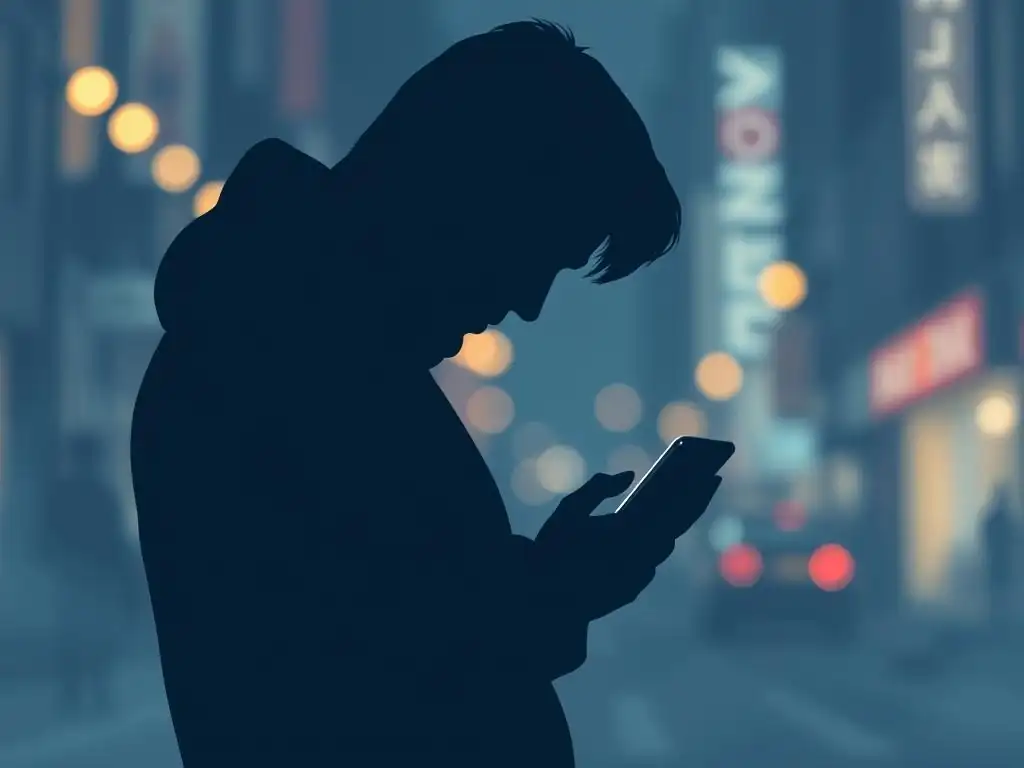
Spending excessive time on dating apps can lead to a significant decrease in real-life social interactions. The constant pursuit of online connections can subtly replace genuine, in-person relationships. This isn't simply about spending less time with friends; it's about a shift in priorities and a potential erosion of crucial social skills. Instead of engaging in spontaneous conversations, attending social events, or nurturing existing friendships, individuals might find themselves prioritizing swiping and messaging, leading to a sense of isolation despite being "connected" online.
The curated nature of online profiles can also create unrealistic expectations, making real-life interactions feel less fulfilling or even daunting in comparison. This constant comparison can lead to feelings of inadequacy and further withdrawal from the outside world. The dopamine rush associated with matches and messages can be addictive, reinforcing the cycle of prioritizing the app over real-world connections. Recognizing this pattern is crucial for breaking free from this isolating behavior and reclaiming a balanced social life.
Consider scheduling specific times for social activities and sticking to them, even if the urge to check your dating app is strong. Prioritize activities that genuinely nourish your soul and foster real connections. Remember, a fulfilling life encompasses more than just romantic relationships; strong friendships and family bonds are equally important for overall well-being.
Mental Health Strain: Anxiety, Depression, and Low Self-Esteem
The relentless pursuit of validation through dating apps can significantly impact mental health. The constant cycle of swiping, messaging, and potential rejection can trigger anxiety and contribute to low self-esteem. The curated nature of online profiles often presents an unrealistic portrayal of others, leading to feelings of inadequacy and self-doubt. Rejection, a common aspect of online dating, can be particularly disheartening, especially when it's delivered through a simple unmatch or lack of response.
This constant exposure to potential rejection can fuel negative self-perception and contribute to feelings of depression. Furthermore, the addictive nature of dating apps, fueled by intermittent reinforcement, can lead to compulsive checking and an unhealthy reliance on external validation. This can exacerbate existing mental health conditions or even trigger new ones. It's crucial to recognize the potential negative impact of excessive app use and to prioritize self-care.
This includes setting healthy boundaries, limiting screen time, engaging in self-compassion, and seeking professional help if needed. Remember, your self-worth is not determined by the number of matches or messages you receive. Focus on building a strong sense of self-esteem through activities and relationships that bring you joy and fulfillment outside of the dating app world. Prioritizing mental well-being is essential for a healthy and balanced life.
Erosion of Authentic Self: Presenting a False Persona
Many individuals present a somewhat idealized or even entirely false version of themselves on dating apps. This can stem from a desire to attract more matches or from a fear of rejection. However, this practice can lead to a disconnect between one's online persona and their authentic self. The pressure to maintain this carefully crafted image can be exhausting and ultimately unsustainable.
The constant need to curate the perfect profile, choose flattering photos, and craft witty messages can lead to a sense of inauthenticity and self-consciousness. This can have a detrimental impact on self-esteem and overall mental well-being. Authenticity is key to building genuine connections. When individuals are constantly trying to portray a false persona, they may miss out on opportunities to connect with others who appreciate them for who they truly are.
It's important to strike a balance between presenting oneself in a positive light and maintaining authenticity. Focus on highlighting your genuine qualities and interests, rather than trying to be someone you're not. Remember, genuine connections are built on mutual respect and understanding, not on fabricated images or superficial presentations. Embracing your true self will attract people who appreciate you for who you are.
Strategies for a Healthier Approach: Breaking Unhealthy Cycles
This section focuses on actionable steps to transform your dating app experience from a source of stress and disappointment into a positive and productive tool for connection. Many find themselves trapped in negative patterns, but recognizing and changing these "toxic dating app habits" is key to finding a healthier approach. We'll explore practical strategies to regain control and cultivate a more fulfilling online dating journey. Remember, the goal isn't to eliminate dating apps entirely, but to use them mindfully and responsibly, prioritizing your mental well-being.
Setting Boundaries: Limiting App Usage and Defining Your Goals
One of the most effective ways to combat toxic dating app habits is to establish clear boundaries around your usage. Unfettered access often leads to compulsive checking, endless swiping, and unrealistic expectations. Instead, consciously limit your daily or weekly app usage. Consider setting specific times for checking messages and swiping, and stick to them. For example, dedicate 30 minutes in the evening, rather than sporadically checking throughout the day.
Think of it like a healthy diet: moderation is key. Setting a timer can be incredibly helpful. Many find success using app blockers or scheduling features on their phones to enforce these limits.
Furthermore, define your goals. What are you hoping to achieve through online dating? Are you looking for casual dates, a serious relationship, or simply to expand your social circle? Having clear goals will help you focus your efforts and avoid wasting time on profiles that don't align with your intentions. This clarity will also improve your self-awareness, making it easier to identify and avoid potentially toxic interactions. For instance, if your goal is a long-term relationship, you'll likely prioritize meaningful conversations over superficial swipes.
Mindful Swiping: Focusing on Quality over Quantity
The relentless pursuit of matches can become a form of validation-seeking behavior, contributing to a sense of inadequacy if results aren't immediate. Instead of focusing on the number of matches, shift your attention to the quality of your interactions. Take time to read profiles carefully, looking for genuine connections rather than just superficial attractiveness.
Consider creating a checklist of qualities you value in a partner. This will help you filter through profiles more effectively and avoid wasting time on incompatible matches. This mindful approach reduces the feeling of overwhelm and increases the likelihood of finding someone who truly aligns with your values and desires. It's about finding compatibility, not just accumulating matches. This shift in mindset drastically reduces the potential for negative feelings associated with the endless cycle of swiping.
Remember, a few meaningful conversations are far more valuable than hundreds of superficial interactions. Prioritize quality over quantity to alleviate the pressure and frustration often associated with excessive app usage. This "toxic dating app habits fix" is subtle but powerful.
Prioritizing Self-Care: Maintaining Emotional Well-being
Online dating can be emotionally taxing. Rejection, ghosting, and mismatched expectations are all common experiences that can significantly impact your mental well-being. Therefore, prioritizing self-care is crucial for navigating this process healthily. This involves engaging in activities that nourish your mind, body, and spirit.
This could include regular exercise, spending time in nature, pursuing hobbies, connecting with supportive friends and family, or practicing mindfulness techniques like meditation or yoga. Make time for activities that bring you joy and help you de-stress. Remember that your emotional well-being is paramount, and neglecting self-care can amplify negative feelings associated with online dating.
The more you prioritize your well-being, the better equipped you'll be to handle the challenges and disappointments that may arise. Consider journaling to process your emotions and gain perspective, or seeking support from a therapist if needed. This proactive approach is a vital component of successfully managing your online dating experience and avoiding toxic habits.
Developing Realistic Expectations: Understanding the Dating App Landscape
Online dating, while offering exciting possibilities, can also foster unrealistic expectations. Many profiles present idealized versions of reality, leading to disappointment when the reality of in-person interactions doesn't quite match the curated online persona. It's crucial to remember that dating apps are a tool, not a magic solution. They're a starting point for connection, but building genuine relationships requires effort, patience, and a realistic understanding of the process.
The curated nature of profiles often means people only share their best selves, leading to a skewed perception of the average person on the app. This can be particularly damaging to self-esteem if you compare yourself to others too much. Instead, focus on presenting an authentic version of yourself and appreciate the diversity of individuals on these platforms. Remember that rejection is a normal part of dating, both online and offline, and it doesn't reflect your worth.
Embrace the journey and manage your expectations to enjoy the experience more. Avoid focusing solely on numbers – the quantity of matches or messages – and instead prioritize quality interactions that lead to meaningful connections. A healthy approach involves understanding that building a relationship takes time and effort, and not every match will lead to a romantic partnership. Set achievable goals, celebrate small wins, and view the app as a tool to meet interesting people, not to instantly find "the one."
Cultivating Real-Life Connections: Balancing Online and Offline Interactions
While online dating platforms are valuable tools, relying solely on them can be detrimental to your overall well-being. Spending excessive time swiping, messaging, and chasing online interactions can lead to social isolation and a neglect of real-life relationships. It's essential to strike a balance between your online dating activities and your offline social life. Prioritize spending quality time with friends and family, engaging in hobbies you enjoy, and nurturing existing relationships.
These real-life connections offer valuable support, perspective, and a sense of belonging, which are crucial for maintaining a healthy mental state. Consider setting boundaries for your online dating activity – for example, dedicating a specific amount of time each day or week to apps and sticking to it. This prevents the apps from consuming your entire life. Actively seek out social events, join clubs, or participate in activities that align with your interests to meet people organically.
This approach allows for more authentic connections and reduces the pressure associated with online dating. Remember that real-life interactions provide a richer context for understanding individuals and building genuine connections, which are harder to gauge solely through digital interactions. By nurturing a well-rounded social life, you’ll be better equipped to approach online dating with a healthier perspective and a stronger sense of self. This balance is key to avoiding the potential pitfalls of becoming overly reliant on dating apps for validation or social interaction.
Seeking Support: Reaching Out to Friends, Family, or Professionals
Navigating the complexities of online dating can be emotionally taxing. It's important to remember that you don't have to go through this journey alone. Leaning on your support network can provide invaluable perspective, encouragement, and emotional support. Talk to trusted friends and family members about your experiences, both positive and negative. They can offer a different perspective, help you process challenging situations, and remind you of your worth.
If you're struggling with negative emotions, such as anxiety, low self-esteem, or feelings of rejection, consider seeking professional help. A therapist or counselor can provide guidance, coping mechanisms, and support to help you manage these emotions effectively. They can help you identify unhealthy patterns and develop strategies for a healthier approach to online dating and relationships in general. Don't hesitate to reach out for support; it's a sign of strength, not weakness.
Many resources are available to help you navigate the challenges of online dating and maintain your mental well-being. Remember that seeking professional help is a proactive step towards self-care and building a healthier relationship with yourself and others. Your mental health is paramount, and having a support system in place can significantly improve your overall experience with online dating and relationships. Prioritize your emotional well-being throughout this journey.
Building Healthy Dating App Habits: Tips for a Positive Experience
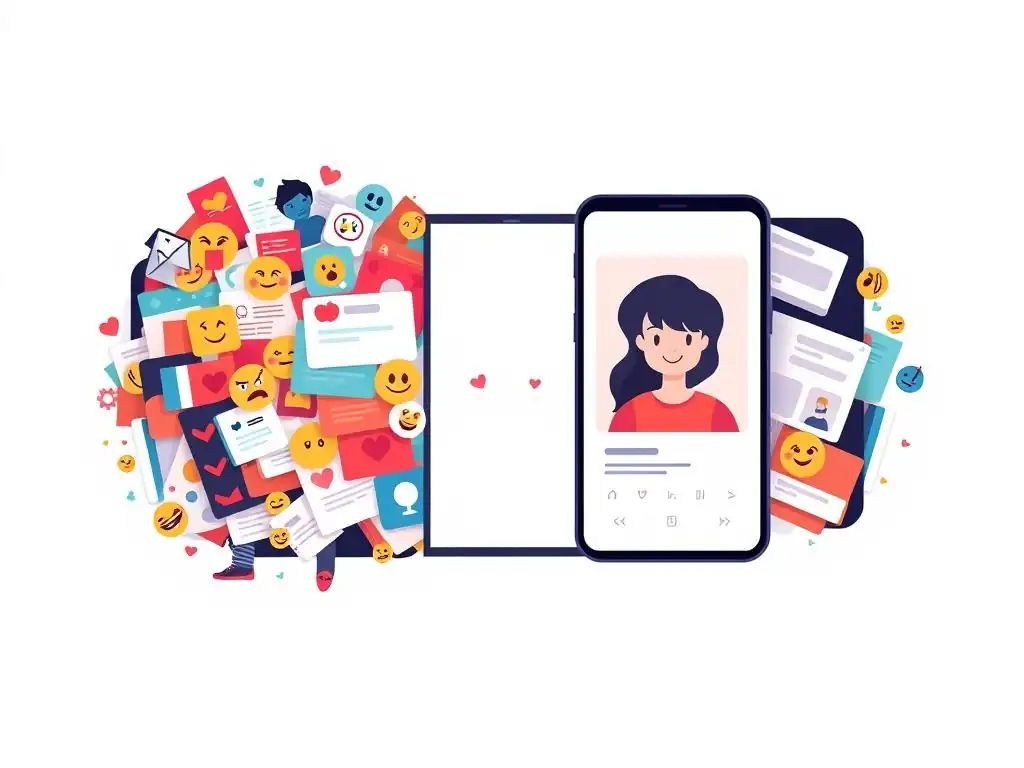
This section focuses on identifying and rectifying toxic dating app habits, offering practical strategies for a healthier and more fulfilling online dating experience. Many users unknowingly engage in behaviors that hinder their success and well-being. Let's explore how to transform those habits into positive, productive ones, ultimately leading to a more enjoyable and successful journey in the world of online dating. This guide offers a path towards a healthier relationship with dating apps themselves, a crucial step towards finding meaningful connections.
Creating a Positive Profile: Authenticity and Self-Expression
Crafting an authentic profile is paramount for attracting compatible partners. Avoid overly filtered photos or misleading descriptions. Instead, showcase your genuine self. Think of your profile as a first impression – you want it to reflect who you are, not who you wish to be.
Authenticity fosters genuine connections. Present yourself honestly, highlighting your interests, values, and personality. Use descriptive language that evokes your unique qualities. For example, instead of saying "I like to travel," try "I'm passionate about exploring new cultures, and my last adventure took me to the vibrant streets of Marrakech!" Such details make your profile more engaging and memorable.
Consider the photos you choose. Aim for a variety of images that showcase your personality and lifestyle. Include pictures that show you engaging in your hobbies, spending time with friends, or simply relaxing and being yourself. Avoid overly posed or overly edited photos. Remember, natural is better! The goal is to attract people who appreciate the real you. This approach directly tackles the toxic habit of presenting a false image, paving the way for more meaningful interactions.
Effective Communication: Engaging in Meaningful Conversations
Effective communication is crucial for building connections. Avoid generic opening messages; instead, personalize your approach. Read the other person's profile carefully and find common ground to spark conversation. Demonstrate genuine interest in learning about them.
Toxic communication patterns include ghosting, sending unsolicited explicit content, or engaging in aggressive or disrespectful conversations. Prioritize respectful and considerate interactions. Respond promptly to messages, and be mindful of the other person's feelings. If a conversation isn't going well, politely excuse yourself.
Here's a table illustrating positive vs. negative communication styles:
| Positive Communication Style | Negative Communication Style |
|---|---|
| Personalized opening message referencing profile details | Generic "Hey" or "Hi" |
| Engaging in thoughtful conversation | One-word responses or ignoring messages |
| Respectful and considerate language | Aggressive or disrespectful language |
| Prompt responses | Ignoring messages or responding days later |
| Clearly stating your intentions | Leading someone on or being unclear about your desires |
Remember, healthy communication is a two-way street. If you encounter disrespectful behavior, don't hesitate to block or report the user. This proactive approach protects your mental wellbeing and ensures a safer online dating experience. This combats the toxic habit of tolerating poor communication.
Safety First: Protecting Your Personal Information
Protecting your personal information is paramount. Avoid sharing sensitive details like your full address, workplace, or financial information with someone you haven't met in person and thoroughly vetted. Never share compromising photos or videos.
Before meeting someone offline, do your research. Check their profile for inconsistencies or red flags. Consider video chatting before a face-to-face meeting to confirm their identity and ensure they are who they say they are. Always meet in a public place for your first date, and inform a friend or family member of your plans.
Here's a checklist for safe online dating practices:
- [x] Verify profiles for inconsistencies.
- [x] Avoid sharing sensitive personal information.
- [x] Video chat before meeting in person.
- [x] Meet in a public place for the first date.
- [x] Inform a friend or family member of your plans.
- [x] Trust your instincts; if something feels wrong, it probably is.
By prioritizing safety, you combat the toxic habit of neglecting your personal security. Remember, your safety and well-being are your top priorities. A cautious and informed approach ensures a positive and secure experience. This proactive approach helps avoid potentially dangerous situations and promotes a healthier overall experience with online dating apps.
Respectful Interactions: Treating Others with Kindness and Consideration
Kindness and respect are cornerstones of healthy online interactions. Toxic dating app habits often stem from a lack of consideration for others' feelings and time. Remember, everyone you encounter on a dating app is a real person with their own emotions and experiences. Avoid sending unsolicited or inappropriate photos or messages.
Respect their boundaries if they choose not to respond or continue a conversation. A simple "Have a great day!" or a thoughtful message acknowledging their profile information demonstrates respect and genuine interest, significantly improving your interactions. Conversely, ignoring messages, ghosting (disappearing without explanation), or engaging in aggressive or insulting communication are prime examples of toxic behaviors that should be avoided at all costs.
Cultivating empathy and understanding will transform your online dating experience from frustrating to fulfilling. Consider how you'd want to be treated and extend that same courtesy to others. This approach not only fosters positive relationships but also enhances your reputation within the online dating community. Remember, negativity breeds negativity—choose kindness instead.
Knowing When to Take a Break: Recognizing Signs of Burnout
Online dating can be emotionally taxing. Constantly swiping, messaging, and navigating the complexities of building connections can lead to burnout. Recognizing the signs is crucial for maintaining your mental wellbeing. Do you find yourself feeling increasingly frustrated, anxious, or even depressed after using dating apps?
Are you spending an excessive amount of time on these platforms, neglecting other important aspects of your life, such as work, hobbies, or relationships with friends and family? A significant drop in your overall mood or a decrease in your self-esteem could also be indicators of burnout. If you identify with any of these signs, it's time to take a break. Stepping away from dating apps for a while, even just a few days or a week, can provide the mental space you need to recharge and regain perspective.
Use this time to focus on self-care activities that bring you joy and help you relax. Engage in hobbies, spend time with loved ones, or simply enjoy some quiet time for reflection. Prioritizing your mental health will ultimately lead to a more positive and fulfilling dating experience when you return. Remember, there's no shame in taking a break; it's a sign of self-awareness and self-respect.
Instead of focusing solely on superficial aspects like physical appearance, prioritize genuine compatibility. Toxic dating app habits often involve prioritizing fleeting attraction over long-term potential. Take the time to read profiles carefully, looking for shared interests, values, and life goals. Engage in meaningful conversations that delve deeper than simple pleasantries.
Ask open-ended questions that encourage them to share their thoughts and feelings. Listen actively and respond thoughtfully, showing genuine interest in getting to know them as a person. Remember, a successful relationship is built on a solid foundation of shared values and mutual respect. Identifying these commonalities early on can save you time and emotional energy in the long run.
Consider what's truly important to you in a partner—whether it's a desire for adventure, a commitment to family, or a shared passion for a particular hobby—and look for those qualities in potential matches. Don't be afraid to be upfront about your own values and preferences; it will attract individuals who are genuinely compatible with you. This approach reduces the likelihood of encountering incompatibility later on, fostering more positive and meaningful connections. Authenticity and transparency are key to building healthy relationships, both online and offline.
Overcoming Toxic Dating App Habits Fix: A Step-by-Step Guide to Change

This section provides a practical, step-by-step guide to help you identify and overcome unhealthy dating app behaviors. Many users unknowingly develop toxic habits that hinder their online dating success and negatively impact their mental well-being. This guide offers actionable strategies for a healthier and more fulfilling online dating experience. Let's start with the crucial first step.
Step 1: Acknowledging the Problem
The first, and arguably most important, step in fixing toxic dating app habits is acknowledging their existence. Many people continue harmful patterns because they're unaware of their negative impact. Are you constantly checking your apps, even when it's causing anxiety? Do you find yourself endlessly swiping, feeling increasingly frustrated and disappointed? Do you engage in excessive messaging with people who aren't showing reciprocal interest? These are all potential signs of unhealthy usage.
Honest self-reflection is key. Ask yourself:
- How much time do I spend on dating apps daily/weekly?
- How do I feel after using dating apps? Energized, frustrated, hopeful, or down?
- Do I use dating apps as a means of escaping other aspects of my life?
- Do my dating app habits interfere with my work, social life, or other commitments?
Be brutally honest with yourself. Ignoring the problem will only prolong the cycle of unhealthy behavior. Recognizing the issue is the first step towards positive change, paving the way for a healthier approach to online dating. This initial self-awareness is crucial for developing effective strategies to improve your online dating experience. Remember, there's no shame in admitting you need to make adjustments – it's a sign of strength and self-awareness.
Step 2: Identifying Triggers
Once you've acknowledged the problem, the next step is to pinpoint the specific triggers that lead to toxic dating app behavior. Understanding why you engage in these habits is crucial for developing effective coping mechanisms. Common triggers include:
- Boredom or loneliness: Reaching for your dating app to fill a void in your life.
- Low self-esteem: Constantly seeking validation through likes and matches.
- Fear of missing out (FOMO): The compulsive need to constantly check for new messages or matches.
- Rejection sensitivity: Over-analyzing messages and interactions, leading to increased anxiety.
- Negative experiences: Using the app as a way to seek revenge or validation after a bad date.
Keep a journal for a week, noting down:
| Date | Time | Activity on Dating App | Emotional State Before | Emotional State After | Trigger Identified |
|---|---|---|---|---|---|
| Oct 26, 2023 | 8:00 PM | Endless swiping | Bored, lonely | Frustrated | Boredom |
| Oct 27, 2023 | 12:00 PM | Checking for messages | Anxious | Relieved (briefly) | Fear of missing out |
By tracking your usage and emotional responses, you'll gain valuable insights into your personal triggers. This information will be invaluable in developing personalized strategies to manage your app usage and mitigate negative feelings.
Step 3: Setting Realistic Goals
Now that you've identified your triggers, it's time to establish achievable goals for healthier dating app usage. Avoid setting overly ambitious targets, as this can lead to discouragement and relapse. Start small and gradually increase your goals as you gain confidence and momentum. Examples of realistic goals include:
- Limiting daily usage: Instead of spending hours on the app, aim for 30 minutes or less per day.
- Scheduling specific times: Dedicate only certain times of the day for checking messages and swiping, avoiding impulsive usage.
- Focusing on quality over quantity: Prioritize engaging in meaningful conversations with a few individuals rather than superficially messaging many.
- Taking breaks: Schedule regular breaks from the app to engage in other activities and maintain a balanced lifestyle.
- Developing alternative coping mechanisms: Identify healthy ways to manage boredom, loneliness, or anxiety, such as exercising, spending time with friends, or pursuing hobbies.
Remember, progress takes time. Be patient with yourself, celebrate your successes, and don't be discouraged by occasional setbacks. By implementing these strategies consistently, you can transform your online dating experience from a source of stress and anxiety into a positive and fulfilling journey. This mindful approach will contribute significantly to improving your overall mental well-being and increasing your chances of finding a meaningful connection.
Step 4: Developing Coping Mechanisms
Developing healthy coping mechanisms is crucial for breaking free from toxic dating app habits. When faced with rejection, ghosting, or negative interactions, it's easy to fall back into unhealthy patterns like endlessly swiping, messaging multiple people at once, or engaging in self-deprecating behavior. Instead, cultivate strategies that promote self-care and emotional resilience.
This might involve activities like mindfulness meditation – even just 5-10 minutes a day can make a significant difference in managing stress and anxiety related to online dating. Regular exercise releases endorphins, naturally improving your mood and boosting self-esteem, making you less susceptible to the emotional rollercoaster of app-based dating. Connecting with supportive friends and family provides a crucial emotional buffer; sharing your experiences and receiving encouragement can help you maintain perspective and avoid isolating yourself.
Finally, engaging in hobbies and activities you enjoy helps shift your focus away from the dating app and towards positive self-development. Remember, your worth isn't determined by your success (or lack thereof) on a dating app.
Step 5: Seeking Support and Accountability
Recognizing and addressing toxic dating app habits often requires external support. Consider seeking professional help from a therapist or counselor specializing in relationship issues or technology addiction. They can provide personalized guidance, help you identify underlying emotional patterns contributing to your unhealthy app usage, and develop strategies for managing your behavior. Joining a support group, either online or in person, can also be incredibly beneficial. Sharing your experiences with others facing similar challenges creates a sense of community and reduces feelings of isolation. The shared understanding and advice can be invaluable in navigating the complexities of online dating. Furthermore, consider enlisting the support of a trusted friend or family member. Sharing your goals and progress with someone you trust can provide valuable accountability and encouragement, helping you stay committed to your healthier dating app habits. This person can offer support during challenging times and celebrate your successes along the way.
Step 6: Celebrating Successes and Learning from Setbacks
Breaking free from toxic dating app habits is a journey, not a destination. There will be ups and downs, successes and setbacks. It's crucial to acknowledge and celebrate your achievements, no matter how small. Did you resist the urge to check the app for an entire day? Did you have a positive and respectful interaction with someone?
Did you successfully set boundaries with someone who was behaving inappropriately? Celebrate these wins! Acknowledge your progress and reinforce positive behaviors. Equally important is learning from setbacks. If you find yourself slipping back into old habits, don't beat yourself up.
Instead, reflect on what triggered the relapse and develop strategies to avoid similar situations in the future. Perhaps you need to adjust your coping mechanisms, seek additional support, or re-evaluate your goals. Viewing setbacks as learning opportunities fosters self-compassion and resilience, essential components of long-term success in changing your online dating habits. Remember, progress, not perfection, is the key. 🎉
Moving Forward: Cultivating a Positive and Sustainable Dating App Experience
This section focuses on transitioning from recognizing toxic dating app habits to actively building a healthier and more fulfilling online dating experience. It's about shifting your mindset and implementing sustainable strategies for long-term success. Remember, building meaningful connections takes time and effort, and a positive approach is key to achieving your goals. Let's explore practical steps to cultivate a healthier relationship with dating apps.
Maintaining Healthy Habits: Long-Term Strategies for Success
Once you've identified and addressed your toxic dating app habits, maintaining a healthy approach requires consistent effort. Think of it like a fitness regime – you wouldn't expect to see results from a single workout. Here are some long-term strategies to consider:
- Scheduled App Time: Instead of passively scrolling for hours, dedicate specific times for using dating apps. This prevents them from consuming your entire day and allows for better focus and intentionality. Try setting a timer for 30 minutes, twice a day, for example.
- Mindful Matching: Focus on quality over quantity. Instead of swiping through hundreds of profiles, take your time to read profiles carefully and only match with people who genuinely pique your interest. This reduces the likelihood of superficial interactions and improves the overall quality of your matches.
- Balanced Offline Life: Don't let dating apps become your entire social life. Prioritize real-life connections and activities. Engage in hobbies, spend time with friends and family, and pursue personal interests. This helps maintain a sense of balance and prevents dependence on validation from online interactions.
- Regular Self-Reflection: Periodically review your dating app experience. Ask yourself: What’s working well? What needs improvement? This self-awareness is crucial for continuous growth and adjustment. Consider keeping a journal to track your progress and emotions.
- Realistic Expectations: Online dating isn't a guaranteed path to finding "the one." Embrace the process as a journey of self-discovery and connection. Manage expectations to avoid disappointment and maintain a positive outlook.
Recognizing Progress: Celebrating Milestones and Achievements
Celebrating your progress is crucial for maintaining motivation and a positive outlook. Acknowledge your efforts and successes, no matter how small they seem. This positive reinforcement helps solidify healthy habits and keeps you moving forward.
Here are some ways to celebrate your milestones:
- Acknowledge Effort: Simply acknowledging the effort you've put into changing your dating app habits is a significant achievement. Give yourself credit for the conscious choices you've made.
- Celebrate Matches: Each meaningful match is a step forward. Acknowledge the effort it took to find compatible connections.
- Enjoy Dates (even if they don't lead to a relationship): Every date, whether it leads to a lasting connection or not, provides an opportunity for learning and growth. Celebrate the experience and the opportunity to meet new people.
- Track Your Successes: Use a journal or spreadsheet to record your progress, noting positive changes and successful interactions. Reviewing your successes can be a powerful motivator.
- Reward Yourself: Treat yourself to something you enjoy after reaching a significant milestone. This reinforces positive behavior and maintains motivation. It could be as simple as a relaxing bath or a favorite meal.
Seeking Professional Help: When to Consider Therapy or Counseling
While self-help strategies are often effective, sometimes professional support is necessary. If you're struggling to overcome toxic dating app habits or experiencing significant emotional distress related to online dating, seeking professional help is a sign of strength, not weakness.
Consider seeking professional help if:
- You're experiencing persistent feelings of anxiety, depression, or low self-esteem related to dating apps. A therapist can help you address these underlying issues and develop coping mechanisms.
- You're struggling to control your usage of dating apps despite negative consequences. A therapist can help you develop healthier habits and strategies for managing your app usage.
- You're experiencing significant emotional distress after a negative interaction on a dating app. Talking to a therapist can help you process your emotions and develop healthy coping strategies.
- You find yourself repeatedly engaging in self-sabotaging behaviors on dating apps. A therapist can help you identify and address the root causes of these behaviors.
- You're feeling overwhelmed and unable to manage your emotions related to online dating. A therapist can provide support and guidance during this challenging period.
Remember, seeking professional help is a sign of self-care and a proactive step towards a healthier relationship with dating apps and yourself. There's no shame in seeking support when needed. A therapist can provide a safe and supportive space to explore your feelings and develop strategies for a more positive and fulfilling dating experience.
Frequently Asked Questions
How can I identify toxic dating app habits?
Constantly checking your phone for messages, neglecting real-life relationships for online interactions, or engaging in negative self-talk after rejections are all signs of toxic app use. Prioritize your well-being and limit excessive app usage.
What are some strategies to break free from toxic dating app behaviors?
Set realistic expectations, take breaks from the apps, and focus on self-improvement instead of solely pursuing matches. Consider deleting the apps temporarily to regain perspective.
How can I avoid getting caught in a cycle of negative comparisons on dating apps?
Remember that profiles often present idealized versions of people. Focus on your own strengths and goals, and avoid comparing yourself to others. Practice self-compassion.
Is it possible to use dating apps healthily?
Absolutely! Healthy app usage involves setting boundaries, maintaining a balanced lifestyle, and using the apps as a tool rather than a source of constant validation or anxiety.
What are some tips for creating a safer online dating experience?
Always meet in public places for first dates, share your location with a friend, and verify the profiles of potential matches. Trust your instincts and don't feel pressured to meet someone you're not comfortable with.
Final Reflection: Reclaiming Your Dating App Journey
The pervasive nature of dating apps in modern romance means understanding their potential pitfalls is no longer optional; it's essential for cultivating healthy relationships. We've explored the insidious ways dating apps can become toxic, from the endless swiping to the pressure of instant gratification and the potential for emotional manipulation. This isn't about demonizing technology, but about reclaiming our agency within it.
The impact of these apps on our self-esteem and expectations of relationships is profound and far-reaching. The constant comparison, the fleeting nature of connections, and the pressure to present a curated version of ourselves can leave us feeling depleted and disillusioned. As the writer Alain de Botton eloquently stated, To fall in love is to see the world through rose-tinted glasses. To stay in love is to keep cleaning those glasses.
This sentiment holds true whether we meet someone online or in person, highlighting the importance of mindful engagement, regardless of the platform.
You now possess the knowledge to identify toxic patterns and implement healthier strategies. Consider this a roadmap, not a destination. Reflect on your own dating app habits. Are you prioritizing genuine connection over superficial validation? Are you setting healthy boundaries and protecting your emotional well-being? Take control of your experience; choose intentionality over impulsivity. Your journey to finding meaningful connections deserves a healthy and fulfilling approach.
Rediscover Dating: Create Your Happiest Online Experience
Thanks for exploring healthier dating app habits! You now have the tools to create a more positive and fulfilling online dating journey. Let's put that knowledge into action.
- Prioritize self-care: Start by spending at least 15 minutes doing something you enjoy—this sets the tone for mindful dating. Taking this time for yourself will improve your overall well-being and help you approach dating with a more positive and balanced perspective.
- Refresh your online profiles: Review your dating app profiles and update your photos and descriptions to accurately reflect who you are and what you're looking for. Ensure your profile presents a genuine and current image of yourself.
- Share the wisdom: Share this article with a friend who might also benefit from these tips. A supportive conversation can significantly improve your dating experience.
What's one small step you can take today to make your online dating experience more enjoyable?