
Don't Let Scammers Win: Report Them Immediately on Dating Sites

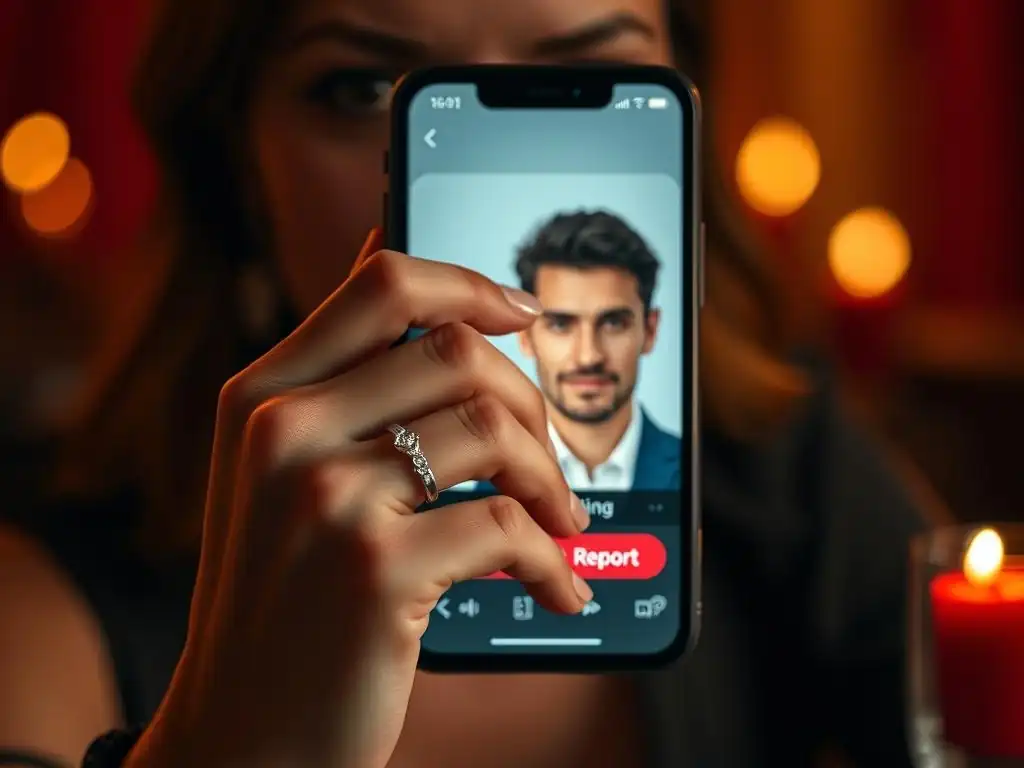
Ready to transform your online dating experience? At OnlineDatingSuccess.org, we empower you to navigate the world of online romance with confidence. But be warned: not everyone online is who they seem. Our latest article, a crucial Dating Site Scammer Report, reveals how to identify and report suspicious activity, protecting yourself and building genuine connections. Discover the strategies you need to stay safe and find lasting love – explore now!
- Recognizing Dating Site Scammers: Red Flags & Warning Signs
- How to Report a Dating Site Scammer Effectively
- Preventing Future Scams: Protecting Yourself Online
- The Importance of Reporting: Helping Others Avoid Scams
- Resources & Further Assistance: Where to Find Help
- Frequently Asked Questions
- Final Reflection: The Enduring Fight Against Online Deception
- Take Action: Protect Yourself & Others from Dating Scammers
Recognizing Dating Site Scammers: Red Flags & Warning Signs
Online dating offers incredible opportunities to connect with others, but unfortunately, it also attracts scammers seeking to exploit vulnerable individuals. This guide provides crucial information on identifying and reporting dating site scammers, helping you protect yourself and build genuine connections. Understanding the common tactics employed by these individuals is the first step towards ensuring your online dating experience remains safe and positive. Learning to recognize red flags and reporting suspicious activity promptly are vital for maintaining a secure online dating environment and preventing others from falling victim to these deceptive schemes.
Remember, reporting suspected scammers is not just about protecting yourself; it's about contributing to a safer online community for everyone. The more we report, the better dating platforms can become at identifying and removing these malicious actors. Let's delve into the specific tactics used by dating site scammers and how to effectively report them.
Identifying Common Scam Tactics on Dating Platforms
Dating site scammers employ a variety of deceptive tactics to gain your trust and ultimately extract money or personal information. Some common methods include:
- Love bombing: This involves showering you with excessive affection and compliments early in the relationship, creating a false sense of intimacy and urgency. They may profess their love very quickly and make grand promises. Be wary of anyone who moves incredibly fast emotionally.
- Catfishing: This involves creating a fake online persona using stolen photos and fabricated information. They may present themselves as someone they are not, often with a seemingly perfect life and impressive achievements.
- Emergency requests: Scammers often concoct fabricated emergencies, such as a medical crisis or a family emergency, to pressure you into sending them money quickly. These requests are usually urgent and emotionally manipulative.
- Investment scams: They might lure you into investing in fake businesses or opportunities, promising high returns with minimal risk. These schemes are often elaborate and designed to seem legitimate.
- Romance scams: These are long-term schemes designed to build a relationship over time, gradually extracting money or personal information throughout the course of the "relationship."
It's crucial to be cautious and to verify information provided by potential matches. Never send money or share sensitive personal details with someone you've only met online, regardless of how trustworthy they may seem. Remember that genuine connections develop gradually and organically.
Spotting Fake Profiles: Suspicious Photos & Inconsistencies
Fake profiles are a hallmark of dating site scams. Spotting these fraudulent profiles requires careful observation and attention to detail. Look out for:
- Stock photos or photos that appear professionally edited: Scammers often use easily accessible images found online, rather than genuine personal photos. Look for inconsistencies in lighting, background, or the quality of the images. Reverse image searches can be helpful in identifying stolen photos.
- Limited personal information: Fake profiles often lack detail or contain inconsistent information. Inconsistencies in their story or background should raise a red flag.
- Lack of social media presence or links to other profiles: Legitimate users often have links to their social media profiles, allowing you to verify their identity and information.
- Profiles with grammatical errors or poor writing quality: This could indicate that the profile was created hastily or by someone who isn't a native English speaker.
- Profiles that are overly perfect or boast unrealistic achievements: Be wary of profiles that present an idealized version of reality, with flawless photos and exaggerated claims.
By carefully examining profiles and looking for these inconsistencies, you can significantly reduce your risk of interacting with a scammer.
Recognizing Financial Scams: Requests for Money & Gift Cards
The ultimate goal of most dating site scammers is financial gain. Be extremely wary of any requests for money or gift cards, no matter how compelling the reason may seem. Remember:
- Legitimate relationships don't involve financial transactions early on. A genuine connection shouldn't require you to send money or gift cards.
- Never send money to someone you've only met online. This is a major red flag and a clear indicator of a potential scam.
- Be cautious of requests for unusual payment methods. Scammers often prefer untraceable methods, such as gift cards or wire transfers.
- Report suspicious activity immediately. If you suspect you're being scammed, report the profile to the dating site and to the appropriate authorities.
Remember, your safety and well-being are paramount. Trust your instincts and prioritize your security when navigating the world of online dating. By being aware of these common scams and taking proactive steps to protect yourself, you can significantly increase your chances of having a positive and safe online dating experience.
Beware of Emotional Manipulation: Love Bombing and Pressure Tactics
Love bombing is a common tactic used by dating site scammers to quickly establish a strong emotional connection and gain your trust. They shower you with excessive affection, compliments, and promises early in the "relationship," often professing deep love within days or even hours of first contact. This intense emotional outpouring is designed to overwhelm you and make you feel special and wanted, lowering your defenses and making you more susceptible to their manipulations. Remember, genuine connections take time to develop; rushing into intense emotions should raise a red flag.
These scammers often pair love bombing with pressure tactics. They might pressure you to share personal information prematurely, send money, or make significant life changes based on their promises. This pressure can range from subtle hints and suggestive language to outright demands and threats. They might create a sense of urgency, claiming to be in a difficult situation or facing an imminent crisis that requires your immediate financial assistance.
For example, a scammer might claim their child is sick and needs urgent medical care, or that they're stranded abroad and need money for a flight home. Always be wary of requests for money or financial assistance, especially from someone you've only recently met online. Legitimate relationships don't involve such immediate and significant financial demands.
Another form of pressure involves isolating you from your support network. Scammers might try to convince you to limit contact with friends and family, claiming that they don't understand your relationship or are jealous of your newfound happiness. This isolation makes you more dependent on the scammer and less likely to seek help or advice from others who might recognize the red flags. Maintaining open communication with your loved ones is crucial in protecting yourself from manipulative tactics.
If someone you're interacting with online tries to isolate you, consider it a serious warning sign. Trust your instincts – if something feels off, it probably is. Don't be afraid to seek a second opinion from someone you trust. Your safety and well-being are paramount.
How to Report a Dating Site Scammer Effectively
Dating site scammer report processes vary, but the core principle remains consistent: act swiftly and provide comprehensive information. Don't assume the platform will automatically detect suspicious behavior. Your proactive report significantly aids in protecting other users and potentially preventing further victimization. The effectiveness of your report hinges on the detail and clarity you provide.
Remember, you're not just protecting yourself; you're contributing to a safer online dating environment for everyone. The more users who report suspicious activity, the better the platforms can identify and address the issue of online dating scams. This proactive approach is crucial in combating the persistent problem of scammers targeting vulnerable individuals seeking connection and companionship.
Reporting Scams on Popular Dating Sites: Tinder, Bumble, OkCupid
Each dating platform has its own reporting mechanism. While the exact steps differ, the core elements remain similar. Let's examine the general process for three popular platforms:
Tinder: Tinder's reporting system is generally accessible through the profile of the suspect. Look for a three-dot menu or a "Report" button. You'll typically be presented with options to specify the nature of the violation (e.g., scam, harassment, inappropriate behavior). Be prepared to provide a description of the interaction, including any messages or financial requests. Tinder often prioritizes reports that include concrete evidence like screenshots.
Bumble: Bumble's reporting system is similarly integrated into the user profile. Look for a flag icon or a "Report" button. Similar to Tinder, Bumble encourages users to provide detailed information about the suspicious activity, including screenshots of messages or other evidence. They also often ask for the reason behind the report, allowing for a more precise categorization of the violation.
OkCupid: OkCupid's reporting process might be slightly different, but the fundamental principle remains the same. You'll likely find a reporting option within the user's profile or messaging interface. Provide as much detail as you can, including timestamps, specific messages, and any other relevant information. Remember to be clear and concise in your description of the scam.
Step-by-Step Guide to Reporting Suspicious Activity
Follow these steps to maximize the effectiveness of your report:
- Gather Evidence: Before initiating the report, collect all relevant evidence. This includes screenshots of messages, profile information, and any financial transaction details (if applicable). Time stamps are crucial.
- Access the Reporting Feature: Locate the reporting mechanism on the dating site or app. This is usually found within the user's profile or messaging interface. The exact location may vary depending on the platform.
- Choose the Appropriate Category: Select the category that best describes the scammer's behavior. Options often include "Scam," "Harassment," "Impersonation," or "Inappropriate Behavior." Choose the option that most accurately reflects the situation.
- Provide Detailed Information: Write a clear and concise description of the interaction. Include the following:
- Dates and times of communication
- Specific examples of suspicious behavior (e.g., requests for money, inconsistent stories, overly-personal questions too early in the interaction)
- Any links or URLs shared by the scammer
- The scammer's profile information (username, profile picture, etc.)
- Submit Your Report: Once you've completed all the necessary fields, submit your report. Many platforms provide a confirmation message.
- Consider Further Action: After submitting your report, consider blocking the user to prevent further contact. You may also want to report the incident to the authorities if you've suffered financial loss or experienced significant emotional distress.
Providing Crucial Information for Your Report: Screenshots & Details
The success of your "dating site scammer report" relies heavily on the quality of information provided. Vague reports are less likely to result in action. Therefore, providing concrete evidence is paramount.
- Screenshots: Screenshots are invaluable. They provide irrefutable proof of the scammer's communication and behavior. Capture screenshots of all relevant messages, including requests for money, inconsistent statements, and any other suspicious activity. Ensure the screenshots clearly show the date and time stamps.
- Detailed Descriptions: Don't rely solely on screenshots. Provide a detailed written account of your interaction. Include specific details about the scammer's requests, their promises, and any inconsistencies you observed. The more detail you provide, the better the platform can understand the situation and take appropriate action.
- Financial Transaction Details: If the scammer attempted to solicit money, document all financial transactions. Include transaction IDs, dates, amounts, and any other relevant information. This information is crucial for investigating potential fraud.
- Profile Information: Record the scammer's profile information, including their username, profile picture, and any other identifying details. This allows the platform to quickly locate and remove the offending account. Note any inconsistencies between their profile and their actions.
Remember, reporting scams is a collective effort. Your detailed report contributes to a safer online dating experience for everyone. By following these steps and providing comprehensive information, you significantly increase the likelihood of a successful outcome and help protect others from falling victim to similar scams.
What to Do After Reporting: Protecting Yourself & Your Information
After submitting your report, don't assume the problem is solved. Scammers are persistent, and protecting yourself is crucial. Take proactive steps to minimize further risk and safeguard your personal information. This involves a multi-pronged approach encompassing immediate actions and long-term preventative measures.
First, change your passwords. This includes not only your dating site password but also any other accounts that might share similar login details. Using a strong, unique password for each account is the best practice. Consider using a password manager to help generate and securely store complex passwords. This seemingly small step can significantly reduce the chance of a scammer accessing other aspects of your digital life.
Next, review your privacy settings on all your online accounts, including social media and email. Limit the information publicly visible, especially details that could be used to identify you or your location. Be cautious about sharing personal information like your address, workplace, or even your daily routine in your profile or communications. Remember, less is more when it comes to online safety.
Beyond immediate actions, consider implementing long-term strategies for online safety. Learn to recognize common scammer tactics. They often use similar approaches, such as creating fake profiles with stolen photos, requesting money or personal information under false pretenses, or pressuring you into quick relationships. Familiarizing yourself with these tactics empowers you to identify and avoid potential scams in the future. Many online resources offer information on identifying and avoiding dating scams; utilize these resources to improve your awareness.
Finally, don't hesitate to reach out to friends, family, or a support network for emotional support. Experiencing online harassment or a scam can be distressing. Talking to someone you trust can provide comfort and help you process the situation. Remember, you're not alone, and seeking help is a sign of strength, not weakness. Reporting a scammer is a brave step, and taking further steps to protect yourself is equally important. Your safety and well-being are paramount.
Preventing Future Scams: Protecting Yourself Online
This section focuses on proactive measures you can take to minimize your risk of encountering dating site scammers. Remember, prevention is the best defense. By implementing these strategies, you significantly reduce your vulnerability and create a safer online dating experience. The goal is to make your profile less appealing to scammers and to build a stronger foundation for genuine connections. Reporting scammers is crucial, but equally important is preventing future encounters.
Strengthening Your Online Dating Profile Security
A robust profile isn't just about attractive photos; it's about minimizing information that could be used against you. Scammers often target profiles with vague or easily exploitable details. Strengthening your profile's security involves a multi-pronged approach.
First, avoid overly personal information. Don't list your exact address, workplace, or the names of your children. Vague locations like "near the city center" are preferable to "123 Main Street." Secondly, carefully select your profile pictures. Avoid photos that reveal too much personal information, like license plates, house numbers, or even easily identifiable landmarks in the background. Thirdly, use strong passwords.
Choose unique, complex passwords that are difficult to guess and use a password manager to keep track of them. This prevents unauthorized access to your account. Finally, enable two-factor authentication wherever it is available. This adds an extra layer of security, making it much harder for someone to gain access to your account, even if they know your password. Consider this a critical step in your online safety strategy.
Safe Communication Practices: Avoiding Sharing Personal Information
Once you start communicating with potential matches, maintaining safe communication practices is paramount. Never rush into sharing personal information with someone you haven't met in person and thoroughly vetted. Remember, scammers are masters of manipulation and will try to build trust quickly to gain your confidence.
Here are some crucial communication safety tips:
- Avoid sharing financial information: Never send money or gift cards to anyone you meet online, regardless of their story. Legitimate relationships don't require financial transactions.
- Be wary of overly personal requests: If someone asks for sensitive information early in the conversation, such as your social security number, bank details, or passport information, it's a major red flag. 🚩
- Limit personal details shared in early conversations: Keep your initial conversations light and avoid revealing too much personal information until you've built trust and met in person. This helps you avoid becoming a target.
- Be cautious of high-pressure situations: Scammers often create a sense of urgency to pressure you into making decisions quickly. Take your time and carefully consider any requests.
- Report suspicious behavior immediately: If someone is acting suspiciously or making you feel uncomfortable, report them to the dating site immediately. Don't hesitate; your safety is paramount.
Before meeting anyone from an online dating site in person, take steps to verify their identity. While you can't guarantee someone's authenticity completely online, conducting basic checks can help you identify potential red flags.
- Reverse Image Search: Use a reverse image search engine (like Google Images or TinEye) to check if the profile pictures are genuine. This can help detect if the images have been stolen from other sources. Look for inconsistencies between the profile photos and other online information.
- Social Media Checks: If the person provides social media links, check their profiles for consistency with the information they've shared on the dating site. Look for inconsistencies or red flags. Are their social media profiles active and do they have a reasonable number of friends and connections? Missing or suspiciously empty profiles can be a red flag.
- Look for inconsistencies: Pay close attention to any inconsistencies in their profile information or stories. Are there discrepancies between what they say and what you can find online? This could indicate a fraudulent profile.
- Don't rely solely on online verification: Remember that even with these checks, there's no foolproof method for completely verifying someone's identity online. Use these tools as supplementary measures to help you make informed decisions. Your intuition is also a valuable tool; trust your gut feeling.
Remember, being cautious and proactive is key to staying safe while using online dating sites. By implementing these preventative measures and reporting suspicious activity, you can significantly reduce your risk and create a more positive and secure online dating experience.
Building Healthy Online Relationships: Recognizing Genuine Connections
Building healthy online relationships requires a discerning eye and a proactive approach. It's crucial to differentiate between genuine connections and potentially harmful interactions. Remember, a healthy relationship is built on mutual respect, trust, and open communication. Don't rush into anything; take your time to get to know someone before sharing personal information or meeting in person.
One key indicator of a genuine connection is consistent and meaningful communication. Are your conversations engaging and reciprocal? Does the person show genuine interest in your life and thoughts, asking thoughtful questions and actively listening to your responses? Or do they primarily focus on themselves, asking for favors or money without reciprocating? A genuine connection involves a give-and-take, a balance of sharing and listening.
Another important aspect is transparency and honesty. Does the person present themselves authentically? Do their online profiles and communication style align? Be wary of inconsistencies or overly vague information. Genuine connections are built on trust, and trust requires openness and honesty from both parties. If someone is evasive or avoids answering direct questions, it could be a red flag.
Furthermore, pay attention to the pace of the relationship. Genuine connections develop gradually, allowing time for trust and understanding to build. Be cautious of anyone who moves too quickly, pressuring you into sharing personal information or meeting in person before you feel comfortable. Healthy relationships respect personal boundaries and allow for a natural progression.
Finally, trust your instincts. If something feels off or doesn't quite sit right, it's okay to step back and reassess the situation. Your intuition is a powerful tool in recognizing potential dangers. Prioritizing your safety and well-being is paramount in navigating the online dating world.
Remember, a genuine connection will never pressure you or make you feel uncomfortable. Building a healthy online relationship takes time, patience, and a commitment to prioritizing your safety and well-being. Don't hesitate to end contact with anyone who makes you feel uneasy, regardless of how charming they may seem. Your safety is always the top priority.
The Importance of Reporting: Helping Others Avoid Scams
Reporting suspected scammers on dating sites isn't just about protecting yourself; it's a crucial step in safeguarding the wider online dating community. By reporting suspicious activity, you contribute to a safer environment for everyone. Think of it as a form of digital community policing. Your report can prevent others from falling victim to the same manipulative tactics.
A single report might seem insignificant, but collectively, these reports create a powerful dataset that dating platforms use to identify and ban fraudulent accounts. This proactive approach significantly reduces the prevalence of scams and helps maintain the integrity of the online dating experience. The more reports received, the more effective the platforms become at identifying and removing these malicious actors. This ultimately leads to a more trustworthy and enjoyable online dating experience for all users.
Collective Action Against Online Dating Fraud
The fight against online dating fraud requires a collective effort. Think of it like this: each report is a single drop of water, but together, these drops form a powerful stream that washes away the perpetrators. Dating sites rely heavily on user reports to identify and address fraudulent behavior. Many platforms have sophisticated algorithms that analyze reported profiles and messages to detect patterns and trends indicative of scams. The more data these algorithms receive, the better they become at identifying and preventing future scams.
This collaborative approach, where users actively participate in reporting suspicious activity, is essential in creating a safer online dating ecosystem. Ignoring suspicious behavior allows scammers to continue their activities, potentially harming many more people. Your active participation in reporting makes a real difference. Consider the potential positive impact: preventing financial losses, emotional distress, and the erosion of trust in online dating.
The Impact of Reporting on Dating Site Safety and Security
Reporting suspected scammers directly impacts the safety and security measures employed by online dating platforms. The volume and quality of reports help these platforms refine their detection algorithms and improve their security protocols. This, in turn, leads to a safer environment for all users. For example, if many reports highlight a particular type of scam—say, a request for money disguised as an emergency—the platform can develop specific filters or alerts to flag similar requests in the future.
This proactive approach reduces the likelihood of other users encountering the same scam. Furthermore, platforms often use reported information to improve their user education materials, providing better resources and guidance on recognizing and avoiding scams. Essentially, your report helps the site enhance its security features, strengthening its defenses against fraudulent activity. This benefits not only you but the entire community of users.
Supporting Law Enforcement in Combating Online Scams
While dating sites play a crucial role in identifying and removing scammers, reporting suspicious activity also aids law enforcement agencies in their investigations. Many platforms cooperate with law enforcement by providing data on reported accounts, including user information and communication logs. This collaborative effort is critical in tracking down and prosecuting perpetrators of online dating fraud.
While dating sites themselves may not have the legal authority to prosecute, the data they provide to law enforcement can be invaluable in building cases and bringing scammers to justice. By reporting suspicious activity, you are not only protecting yourself and other users but also contributing vital information to the larger effort of combating online crime.
Your contribution, however small it may seem, can be a crucial piece of the puzzle in bringing these criminals to account. This collaborative approach underscores the importance of reporting: it's a vital link in the chain that ultimately leads to a safer online environment for everyone.
Resources & Further Assistance: Where to Find Help
Finding yourself the target of a dating site scammer can be a distressing experience. Knowing where to turn for help is crucial, not only to protect yourself further but also to assist in bringing these individuals to justice. This section outlines various resources available to support you through this challenging time and empowers you to take action against online fraud. Remember, reporting is a vital step in combating dating site scams and preventing others from falling victim. Your experience matters, and your report can make a difference.
Reporting a dating site scammer to law enforcement is a critical step in the process. While dating site platforms have their own reporting mechanisms (as discussed elsewhere in this article), involving local authorities can lead to more comprehensive investigations and potential legal action against perpetrators. The information you provide can be instrumental in building a case and preventing future scams.
To effectively report to law enforcement, gather as much information as possible. This includes:
- The scammer's profile information: Username, profile pictures, any other identifying details visible on their profile.
- Communication logs: Screenshots of messages, emails, or any other form of communication you had with the scammer. Preserve the original communication, if possible, to ensure its authenticity.
- Financial details: If you've lost money, document all transactions, including dates, amounts, and methods of payment (e.g., bank transfers, gift cards).
- Details of the scam: Describe the nature of the scam in detail. Was it a romance scam? A phishing attempt? An extortion attempt? Be specific and provide as much context as possible.
Remember to remain calm and factual when providing information to law enforcement. They will guide you through the reporting process and may ask for additional information. Don't hesitate to contact them even if you're unsure if you have enough evidence; their expertise will help determine the next steps. Your local police department is your primary point of contact, but you can also contact the FBI's Internet Crime Complaint Center (IC3) for online fraud reports.
Online Resources for Scam Victims: Support & Advice
Experiencing a dating site scam can leave you feeling vulnerable and isolated. Fortunately, several online resources provide support and advice to victims of online fraud. These organizations offer a safe space to share your experience, receive guidance, and connect with others who understand what you're going through.
Many organizations specializing in victim support offer confidential counseling and emotional support. They provide a non-judgmental environment where you can process your emotions and develop coping mechanisms. These resources can also help you understand the psychological impact of scams and guide you towards healing and recovery.
Beyond emotional support, these resources often provide practical advice on navigating the aftermath of a scam, including steps to take to protect your financial information and your online safety. You may find helpful information on securing your accounts, preventing future scams, and reporting the incident to relevant authorities. The goal is to empower you to regain control and move forward.
Organizations Dedicated to Combating Online Fraud
Numerous organizations are actively dedicated to combating online fraud, including scams targeting online dating users. These organizations often work to raise awareness, educate the public, and provide resources to victims. Their efforts contribute to a safer online environment for everyone.
These organizations frequently publish reports on emerging scams, providing valuable insights into the tactics used by perpetrators and offering preventative measures. Staying informed about these trends can help you identify potential scams and protect yourself more effectively. They may also lobby for stronger legislation and work with tech companies to improve security measures on online platforms. Supporting these organizations, even through awareness and sharing of their resources, contributes directly to the fight against online fraud. By actively participating in this effort, we can collectively create a safer online dating landscape.
Frequently Asked Questions
How do I know if someone is a scammer on a dating site?
Scammers often exhibit red flags like asking for money, inconsistent stories, overly romantic messages early on, or pressure to move communication off the platform quickly. Be wary of anyone who seems too good to be true. Trust your instincts.
What information should I include when reporting a scammer?
When reporting, provide as much detail as possible, including their profile name, username, photos, any communication screenshots, and a detailed description of their suspicious behavior. The more information you give, the better.
Which dating site should I report the scammer to?
You should report the scammer directly to the dating site you encountered them on. Most sites have a clear reporting mechanism usually found in the user's profile settings or help section. Look for options like "Report Abuse" or "Report Profile."
What happens after I report a scammer?
After reporting, the dating site will typically review your report and take appropriate action, which may include suspending or banning the scammer's account. They may also contact you for further information. Be patient, as investigations take time.
Is reporting a scammer effective?
Reporting scammers is crucial to protect other users. While you might not see immediate results, your report helps dating sites identify and remove malicious users, making the platform safer for everyone. Your report matters.
Final Reflection: The Enduring Fight Against Online Deception
The insidious nature of online dating scams continues to plague vulnerable individuals, demanding our collective vigilance and proactive reporting. These aren't just isolated incidents; they represent a systemic problem requiring constant attention and a unified front against those who prey on the hopes and dreams of others seeking connection. The financial and emotional toll is immeasurable, and the consequences can be devastating.
The impact of these scams extends far beyond individual experiences; they erode trust in online communities and create a climate of fear that discourages genuine connection. The best way to find yourself is to lose yourself in the service of others,
– Mahatma Gandhi. Ironically, scammers exploit the very human desire for connection, twisting it into a tool for exploitation. This underscores the importance of fostering a culture of awareness and support, where victims feel empowered to speak out and report their experiences without shame or fear of judgment. We must remember that reporting is not just about individual justice; it's about protecting the larger online community.
You, the reader, hold the power to make a difference. Don't let the actions of a few malicious individuals overshadow the potential for genuine connection online. Take the time to educate yourself, your friends, and your family about the tactics used by scammers. Report suspicious activity immediately, and remember that your voice matters. By actively participating in the fight against online deception, you contribute to a safer and more trustworthy online dating environment for everyone. Let's work together to reclaim the positive potential of online dating and ensure that genuine connections thrive.
Take Action: Protect Yourself & Others from Dating Scammers
Thank you for learning about online dating scams! You've gained valuable knowledge to stay safe. Now, let's put that knowledge into action.
- Report suspicious profiles immediately: This is crucial. Report any suspicious activity to the dating site immediately. Your report could protect others.
- Share this article: Help protect your loved ones by sharing this information with friends and family. A quick social media share can make a big difference.
- Share your experiences: Consider sharing your experiences or tips for recognizing and avoiding scams in the comments below. Your insights could help others!
What will you do today to stay safe while online dating?