
Attachment Styles and the Importance of Patience in Online Dating


Ready to unlock the secrets to finding lasting love in the digital age? At OnlineDatingSuccess.org, we empower you to navigate the world of online dating with confidence. But are you letting your attachment style sabotage your chances of finding a meaningful connection? Discover how understanding online dating patience and your attachment style can transform your dating experience—and finally lead you to the relationship you deserve. Learn more about online dating patience attachment styles now and start your journey to lasting love.
- Understanding Your Attachment Style in Online Dating
- The Role of Patience in Navigating Online Dating
- Attachment Styles and Patience: A Powerful Combination
- Building Healthy Relationships with Patience and Self-Awareness
- Online Dating Patience: Long-Term Success Strategies
- Overcoming Challenges with Patience and Understanding of Attachment Styles in Online Dating
-
Frequently Asked Questions
- How does my attachment style affect my online dating experience?
- What is the connection between patience and finding a partner online?
- I'm feeling impatient. How can I manage my expectations in online dating?
- My attachment style is affecting my communication. What can I do?
- How can patience help me navigate potential rejection in online dating?
- Final Reflection: Cultivating Connection in the Digital Age
- Unlock Deeper Connections: Take the Next Step in Your Dating Journey
Understanding Your Attachment Style in Online Dating
Online dating can be a rollercoaster of emotions – from the thrill of a new match to the disappointment of unanswered messages. Navigating this landscape successfully often hinges on self-awareness, and understanding your attachment style is a crucial first step. This article explores the connection between attachment styles (secure, anxious, and avoidant) and patience in online dating, offering insights into how your attachment style might influence your online dating behavior and suggesting strategies for cultivating patience and building healthy relationships.
Learning to recognize your own attachment style and its impact on your online interactions can significantly improve your dating experience, leading to more fulfilling and meaningful connections. This is particularly relevant because online dating requires a unique level of patience, resilience, and self-awareness, all of which are deeply intertwined with our attachment styles. Mastering these aspects can transform your online dating journey from frustrating to fulfilling.
Identifying Your Attachment Style: Secure, Anxious, Avoidant
Understanding your attachment style is key to improving your online dating experience. Attachment theory suggests three main attachment styles: secure, anxious, and avoidant. Each style manifests differently in online interactions.
- Secure Attachment: Individuals with a secure attachment style generally feel comfortable with intimacy and independence. They tend to communicate openly and honestly, setting healthy boundaries while maintaining a positive outlook. Online, they are likely to express themselves authentically, manage expectations realistically, and respond to messages promptly without being overly demanding or clingy. They are patient because they trust the process and themselves.
- Anxious Attachment: Those with an anxious attachment style often crave intimacy and validation, sometimes exhibiting clinginess or excessive neediness. Online, this might manifest as frequently checking messages, overanalyzing interactions, and becoming easily discouraged by lack of immediate responses. Patience can be a challenge; they might rush into relationships or become overly invested too quickly. They may send multiple messages in quick succession and interpret silence negatively.
- Avoidant Attachment: Individuals with an avoidant attachment style tend to prioritize independence and avoid intimacy. Online, they might be less responsive, take longer to reply, or avoid deeper conversations. They may appear distant or detached. Patience is often not a strength; they might withdraw from interactions quickly if they feel overwhelmed or pressured. They prioritize independence and may appear less engaged online.
How Attachment Style Impacts Online Dating Behavior
Your attachment style significantly influences how you approach online dating. For example, someone with an anxious attachment style might send numerous messages to a potential match, fearing rejection if they don't maintain constant contact. Conversely, someone with an avoidant attachment style might limit communication, fearing closeness and commitment.
Understanding these tendencies allows you to proactively manage your behavior and improve your online dating success. This self-awareness is crucial for building healthy relationships, both online and offline. For instance, an anxious individual might benefit from practicing mindfulness and self-soothing techniques to manage their anxiety, while someone with an avoidant style might benefit from slowly increasing their engagement in online interactions.
Recognizing the Signs of Your Attachment Style in Online Interactions
Recognizing the signs of your attachment style in your online interactions is crucial for self-improvement. Do you find yourself constantly refreshing your dating app? This might indicate an anxious attachment style. Do you often leave messages unanswered or take days to respond? This could suggest an avoidant attachment style.
Do you communicate openly and honestly, feeling comfortable with both intimacy and independence? This likely points to a secure attachment style. By identifying these patterns, you can begin to understand your tendencies and develop strategies to navigate online dating with more patience and self-compassion. Remember that self-awareness is the first step towards positive change, and recognizing your attachment style is a powerful tool in achieving healthier relationships. Learning to manage your expectations and reactions based on your attachment style can dramatically improve your overall online dating experience.
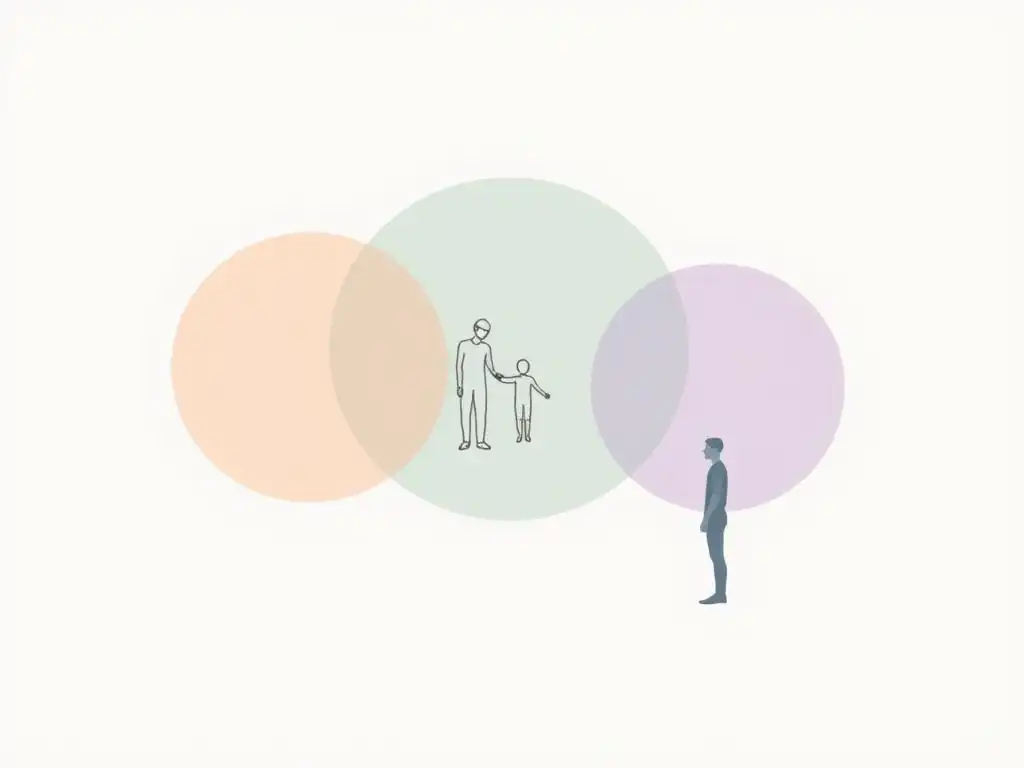
Patience is often overlooked in the fast-paced world of online dating. Many users expect immediate results, leading to disappointment and frustration. However, cultivating patience is crucial for building meaningful connections and fostering lasting relationships. This section will explore the vital role of patience in navigating the complexities of online dating, particularly in relation to different attachment styles.
Understanding your attachment style and how it influences your patience levels can significantly improve your online dating experience. The pressure to find "the one" quickly can exacerbate anxieties and insecurities, particularly for those with anxious-preoccupied or fearful-avoidant attachment styles. Conversely, a patient approach allows for genuine connection to develop organically, leading to more fulfilling outcomes.
Remember, building a strong relationship takes time; online dating is simply the first step in a much longer journey. The key is to approach the process with a mindful and patient attitude, recognizing that finding the right person rarely happens overnight. This mindful approach can significantly increase your chances of success in online dating.
Why Patience is Crucial for Lasting Connections
The immediacy of online dating can create an illusion of abundance. The constant stream of potential matches can lead to a "grass is always greener" mentality, hindering the development of genuine connections. Patience allows you to assess compatibility beyond superficial factors.
Instead of rushing into relationships based on initial attraction alone, patience encourages deeper conversations and a more thorough understanding of a potential partner's values, goals, and personality. This careful vetting process significantly increases your chances of forming a lasting connection. Consider this: a rushed decision might lead to a short-lived relationship based on fleeting attraction.
A patient approach, on the other hand, allows for the development of trust and emotional intimacy, the cornerstones of any strong relationship. Many people jump from one profile to another, failing to invest the time needed to genuinely connect with anyone. Patience, in this context, is not about passively waiting, but rather about actively engaging in meaningful interactions and giving relationships the time they deserve to flourish.
Avoiding Impatience Traps: Recognizing and Managing Frustration
Online dating can be frustrating. Rejection is inevitable, and the constant influx of messages and notifications can be overwhelming. These factors can trigger impatience, leading to impulsive decisions and potentially damaging behaviors. Recognizing these "impatience traps" is the first step towards managing frustration.
For instance, repeatedly messaging someone who doesn't respond can be a sign of impatience, potentially alienating the other person. Similarly, jumping from one match to another without giving any relationship a chance to develop suggests a lack of patience and a fear of commitment. Managing these feelings requires self-awareness and coping mechanisms. Practicing mindfulness, setting realistic expectations, and focusing on self-care can significantly reduce frustration and promote a more patient approach.
Taking breaks from the platform when feeling overwhelmed is equally important. Remember, your worth isn't determined by the number of matches or messages you receive. Self-compassion and patience are key to navigating the inevitable frustrations of online dating.
Cultivating Patience: Practical Strategies for Online Daters
Cultivating patience in online dating is an active process. It requires conscious effort and the implementation of specific strategies. One effective strategy is to limit the number of profiles you engage with simultaneously. Focusing on a few meaningful connections rather than superficially interacting with many potential partners allows for deeper engagement and a more patient approach.
Another helpful technique is to set realistic expectations. Online dating isn't a guaranteed path to finding a partner; it's a tool that requires time and effort. Accepting this reality can significantly reduce frustration and promote patience. Furthermore, practicing mindfulness techniques, such as meditation or deep breathing exercises, can help manage impatience and promote emotional regulation.
Finally, remember to celebrate small victories. Even a positive conversation or a meaningful connection is a step in the right direction. Acknowledging and appreciating these moments can reinforce a patient and positive approach to online dating. By actively implementing these strategies, you can cultivate patience, fostering a more fulfilling and successful online dating experience.
Attachment Styles and Patience: A Powerful Combination
Patience is a crucial ingredient for success in online dating, regardless of your attachment style. However, understanding your attachment style can significantly impact how you approach dating and, more importantly, how you cultivate patience within the process. Knowing your tendencies allows you to anticipate potential challenges and develop proactive strategies to navigate them effectively. This section will explore how different attachment styles interact with patience in the online dating world, offering tailored advice for each. Mastering patience, combined with self-awareness, dramatically increases your chances of finding a fulfilling and lasting connection.
Secure Attachment and Patient Online Dating Strategies
Individuals with a secure attachment style generally possess a healthy sense of self and strong interpersonal skills. They tend to approach online dating with a balanced perspective, understanding that finding the right match takes time and effort. This inherent patience allows them to navigate the inevitable ups and downs of online dating with grace and resilience.
However, even securely attached individuals can benefit from refining their online dating patience strategies. For example, they might set realistic expectations regarding response times. Not everyone will respond immediately, and that doesn't necessarily reflect disinterest. Securely attached daters can leverage their strengths by:
- Maintaining realistic expectations: Avoid idealizing potential partners and accept that the process takes time.
- Prioritizing quality over quantity: Focus on building meaningful connections rather than accumulating a large number of matches.
- Practicing self-compassion: Don't get discouraged by rejection; it's a normal part of the process.
- Communicating clearly and directly: Express your needs and boundaries respectfully.
- Enjoying the journey: Focus on the positive aspects of meeting new people and expanding your social circle.
Secure attachment provides a solid foundation for patience, but actively practicing these strategies can further enhance the online dating experience.
Anxious Attachment and the Importance of Self-Soothing
Those with an anxious attachment style often crave constant reassurance and may struggle with patience in online dating. The fear of rejection or abandonment can lead to impulsive actions, such as sending excessive messages or becoming overly invested too quickly. This impatience can inadvertently push potential partners away. For anxiously attached individuals, cultivating patience requires a significant focus on self-soothing techniques.
Developing patience for anxiously attached individuals involves:
- Practicing mindfulness: Pay attention to your thoughts and feelings without judgment. Recognize anxious thoughts and challenge their validity.
- Engaging in self-soothing activities: Develop healthy coping mechanisms, such as exercise, meditation, or spending time in nature, to manage anxiety.
- Setting boundaries: Avoid excessive contact in the early stages of dating. Allow space for the relationship to develop naturally.
- Challenging negative thought patterns: Replace catastrophic thinking with more realistic and balanced perspectives.
- Seeking professional support: Therapy can provide valuable tools and strategies for managing anxiety and improving relationships.
The key is to recognize the root of the impatience – the underlying anxiety – and address it directly through self-care and potentially professional help. This proactive approach fosters patience and healthier relationship dynamics.
Avoidant Attachment and Learning to Embrace Vulnerability
Individuals with an avoidant attachment style often struggle with intimacy and may resist vulnerability. In online dating, this can manifest as a reluctance to commit, a preference for superficial interactions, or a tendency to withdraw when things get too close. For avoidantly attached individuals, cultivating patience means confronting their fear of intimacy and learning to embrace vulnerability.
This requires a conscious effort to:
- Identify and challenge avoidance behaviors: Recognize patterns of withdrawing or shutting down and actively work to change them.
- Practice self-reflection: Explore the root causes of avoidance and develop a deeper understanding of your emotional needs.
- Gradually increase vulnerability: Start with small steps, like sharing personal information at a comfortable pace.
- Engage in activities that promote connection: Participate in social activities that encourage interaction and build relationships.
- Seek professional guidance: Therapy can help address underlying attachment issues and develop healthier relationship patterns.
Patience for avoidantly attached individuals isn't about suppressing their need for independence, but rather about creating space for healthy connection and intimacy to grow organically. This requires a willingness to step outside of their comfort zone and embrace the potential risks and rewards of vulnerability. The journey towards greater patience will be deeply rewarding.
Building Healthy Relationships with Patience and Self-Awareness

Finding lasting love in the online dating world requires a significant investment of time and emotional energy. Understanding your own attachment style is crucial for navigating this landscape successfully and cultivating patience. Many individuals enter online dating with unrealistic expectations, fueled by societal pressures and idealized portrayals of relationships.
This often leads to disappointment and frustration, hindering the development of genuine connections. Patience, in this context, isn't simply about waiting; it's about cultivating self-awareness, managing expectations, and fostering a mindful approach to the process. This section will explore how understanding your attachment style can help you manage expectations and build healthier relationships online.
Setting Realistic Expectations in the Online Dating World
The allure of instant gratification is potent in the fast-paced world of online dating. Many users scroll through profiles, expecting to find their perfect match immediately. This mindset often leads to disappointment and a sense of urgency that can sabotage potential connections. Understanding your attachment style helps you set realistic expectations. For example, individuals with an anxious attachment style might jump into relationships too quickly, while those with an avoidant style might shy away from commitment altogether. By recognizing your predispositions, you can consciously challenge these patterns.
Consider this: A recent study [specific information pending] indicated that users who set realistic goals—such as focusing on building genuine connections rather than immediate relationships—reported higher levels of satisfaction and success in online dating. Instead of searching for "the one," focus on building meaningful connections with individuals who share your values and interests. This shift in perspective requires patience and a willingness to invest time in getting to know someone before expecting a long-term commitment. Remember, building a strong foundation takes time. ⏳
Communication and Patience: Building Trust and Connection
Effective communication is the cornerstone of any successful relationship, and online dating is no exception. However, the absence of non-verbal cues and the potential for misinterpretations can make communication more challenging. Patience and understanding are key to navigating these complexities. Different attachment styles influence communication patterns. For instance, individuals with a secure attachment style tend to communicate openly and honestly, fostering trust and intimacy. Those with insecure attachment styles might struggle with expressing their needs or interpreting messages accurately.
Here's a practical tip: Practice active listening. Pay close attention to what the other person is saying, both verbally and non-verbally (through text and emojis). Ask clarifying questions to ensure understanding. Avoid jumping to conclusions or making assumptions based on limited information. This mindful approach to communication requires patience, especially when dealing with potential misunderstandings. The payoff, however, is a stronger, more authentic connection. The key is to foster open and honest dialogue, which takes time and effort, but ultimately strengthens your online dating experience.
Recognizing Red Flags and Maintaining Boundaries
Online dating presents unique challenges when it comes to safety and establishing healthy boundaries. Understanding your attachment style can help you recognize potential red flags and protect yourself from harmful relationships. Individuals with anxious attachment styles might overlook red flags in their eagerness for connection, while those with avoidant styles might struggle to establish clear boundaries. Patience is crucial in this process. Don't rush into anything. Take time to assess the situation and trust your instincts.
Consider these examples of red flags: 🚩 inconsistent communication, controlling behavior, excessive negativity, or a reluctance to meet in person. If you notice these patterns, don't ignore them. Trust your intuition and prioritize your well-being. Setting and maintaining healthy boundaries is crucial for protecting your emotional and physical safety.
This involves communicating your needs clearly, respecting your own limits, and being willing to walk away from unhealthy relationships. Patience in this context means not settling for less than you deserve. Prioritizing your mental health and well-being should always come first. Remember, building a healthy relationship requires respecting individual boundaries and prioritizing personal safety.
Online Dating Patience: Long-Term Success Strategies

Finding love online requires patience, a virtue often overlooked in the fast-paced world of online dating. Many users become discouraged by the seemingly endless stream of profiles, unanswered messages, and fleeting connections. However, cultivating patience, especially when viewed through the lens of attachment styles, is crucial for achieving long-term success. This section will explore strategies for fostering patience and resilience in your online dating journey, ultimately leading to more fulfilling and meaningful connections.
The key is to understand that building genuine relationships takes time and consistent effort. It's not a sprint, but a marathon. Remember, the right person is worth the wait!
The Importance of Persistence and Self-Compassion
Persistence is key in online dating. Don't be disheartened by initial setbacks. Rejection is a common experience, and it doesn't reflect your worth. Instead of viewing rejection as a personal failure, consider it a redirection. Each "no" brings you closer to a "yes."
A crucial element of persistence is self-compassion. Treat yourself with the same kindness and understanding you would offer a friend facing similar challenges. Acknowledge your feelings, validate your experiences, and remind yourself that you're worthy of love and connection. This self-compassionate approach will bolster your resilience and help you navigate the inevitable ups and downs of online dating.
For example, imagine you send out 20 messages and only receive 5 replies. Instead of feeling defeated, focus on the 5 positive interactions. Analyze what might have resonated in those successful messages and adjust your approach accordingly. Perhaps your profile needs a tweak, or you could experiment with different opening lines. This iterative process, fueled by self-compassion and persistence, is far more effective than giving up after a few unsuccessful attempts. Remember, small improvements over time yield significant results.
Managing Disappointment and Rejection in Online Dating
Disappointment and rejection are inherent parts of online dating. Learning to manage these emotions effectively is vital for maintaining a positive outlook and avoiding burnout. One effective technique is to practice mindfulness. When disappointment strikes, take a moment to acknowledge the feeling without judgment. Observe your thoughts and emotions without getting carried away by negative self-talk. Engage in activities that bring you joy and relaxation, such as spending time in nature, listening to music, or pursuing hobbies. These activities serve as healthy coping mechanisms, helping you regain perspective and emotional balance.
Another helpful strategy involves reframing your perspective. Instead of focusing on the negative aspects of rejection, try to see it as an opportunity for growth and self-discovery. Each rejection offers valuable feedback, helping you refine your approach and better understand your own needs and preferences. Remember, not every connection is meant to be, and that's perfectly okay.
The goal is to find a compatible partner, not to secure every match. This understanding will help you navigate the inevitable disappointments with greater grace and resilience. Consider keeping a journal to track your experiences, both positive and negative, to better understand your patterns and growth.
Celebrating Small Victories and Maintaining a Positive Mindset
Maintaining a positive mindset is crucial for navigating the challenges of online dating. It's easy to get caught up in the negative aspects, but focusing on even small victories can significantly boost your morale and motivation. Did you receive a thoughtful message? Did you have an engaging conversation? Did you match with someone who shares your interests? Celebrate these small wins! Acknowledge your progress and appreciate the positive interactions you encounter along the way.
This positive reinforcement helps counteract the potential for discouragement and reinforces the belief in your ability to find a meaningful connection. Try setting small, achievable goals, such as updating your profile, sending a certain number of messages, or engaging in a specific number of conversations each week. Celebrating the accomplishment of these goals, no matter how small, will help you build momentum and maintain a positive outlook. Remember, online dating is a journey, not a destination.
Enjoy the process, and celebrate every step of the way. A positive attitude is contagious and will attract positive interactions. Embrace the adventure! 🎉
Overcoming Challenges with Patience and Understanding of Attachment Styles in Online Dating
Online dating patience, when combined with an understanding of attachment styles, is crucial for navigating the complexities of finding a meaningful connection. Different attachment styles – secure, anxious-preoccupied, dismissive-avoidant, and fearful-avoidant – significantly impact how individuals approach relationships and, consequently, online dating. Recognizing your own attachment style and that of potential partners can drastically improve your dating experience. Patience becomes a vital tool in bridging the communication gaps and emotional differences that often arise.
For instance, someone with an anxious-preoccupied attachment style might need more reassurance and frequent communication, while someone with a dismissive-avoidant style might need more space and independence. Understanding these needs and responding with patience, rather than frustration, is key to fostering healthy interactions. This requires self-awareness and a commitment to empathy.
Communication is the cornerstone of any successful relationship, and online dating is no exception. However, differing attachment styles often create communication barriers. Anxious individuals might over-communicate, leading to overwhelm for avoidant partners. Conversely, avoidant individuals might under-communicate, leaving anxious partners feeling insecure and neglected. Patience involves recognizing these tendencies and adjusting your communication style accordingly.
For example, if you're dating someone with an anxious attachment style, regular, reassuring messages can ease their anxieties. Conversely, if you're dating someone with an avoidant style, giving them space and respecting their need for independence is crucial. Effective communication requires active listening and a willingness to understand the other person's perspective, even if it differs significantly from your own. Remember, patience is not passive; it's actively choosing to understand and respond thoughtfully to different communication styles. This requires mindful engagement and a willingness to adapt.
Disagreements are inevitable in any relationship, and online dating is no exception. However, the way we navigate conflict is heavily influenced by our attachment styles. Anxious individuals might react intensely to perceived slights, while avoidant individuals might withdraw or become defensive. Patience in conflict resolution is paramount. This means approaching disagreements with empathy, listening actively to your partner's perspective, and avoiding accusatory language.
Instead of focusing on assigning blame, strive to understand the underlying emotional needs driving the conflict. For example, a disagreement about communication frequency might stem from an anxious partner's need for reassurance and an avoidant partner's need for space. Addressing these underlying needs with patience and understanding is crucial for resolving the conflict constructively. Consider practicing techniques like taking breaks when emotions run high and focusing on finding mutually acceptable solutions. Remember, the goal isn't to "win" the argument but to strengthen the relationship.
Building Resilience and Emotional Intelligence in Online Dating
Online dating can be emotionally challenging. Rejection, ghosting, and the pressure to present a perfect online persona can take a toll. Building resilience and emotional intelligence is crucial for navigating these challenges with patience. Resilience involves bouncing back from setbacks, learning from negative experiences, and maintaining a positive outlook.
Emotional intelligence involves understanding and managing your own emotions, as well as empathizing with others. Practicing self-compassion is key – treat yourself with the same kindness and understanding you would offer a friend facing similar challenges. Developing emotional intelligence involves actively working on self-awareness, self-regulation, and empathy. This can involve seeking therapy or engaging in self-reflection practices like journaling.
Remember, patience with yourself and others is a crucial component of building resilience and navigating the emotional landscape of online dating successfully. The journey to finding a meaningful connection often requires perseverance and self-compassion. Patience, both with yourself and your potential partners, will significantly enhance your online dating experience and increase your chances of finding a compatible match.
Frequently Asked Questions
How does my attachment style affect my online dating experience?
Your attachment style significantly impacts your online dating success. Anxious attachment may lead to impatience and over-communication, while avoidant attachment might cause you to withdraw or be less responsive. Understanding your style is key to improving your approach.
What is the connection between patience and finding a partner online?
Online dating requires patience; finding the right person takes time. Avoid rushing into relationships. Patience allows you to assess potential partners more thoroughly and increases your chances of forming a meaningful connection.
I'm feeling impatient. How can I manage my expectations in online dating?
Practice self-compassion and remember that finding a partner is a process. Focus on self-improvement and enjoying the experience. Set realistic expectations and celebrate small victories along the way.
My attachment style is affecting my communication. What can I do?
Learn about healthy communication strategies for your attachment style. Consider therapy or counseling to address unhealthy patterns. Practice mindfulness and self-awareness to improve your interactions.
Patience helps you accept rejection as a normal part of the process. It allows you to process your emotions healthily and avoid impulsive decisions. Remember that rejection doesn't reflect your worth.
Final Reflection: Cultivating Connection in the Digital Age
The anxieties of online dating are real, but understanding our attachment styles offers a powerful tool for navigating this modern landscape of connection. The seemingly endless scroll, the ghosting, the fleeting matches – these experiences are amplified by our inherent attachment needs, shaping our expectations and behaviors in ways we may not even realize. By recognizing our own attachment style, we can begin to build healthier, more fulfilling relationships, both online and off.
The impact of attachment styles on our dating lives is profound, influencing everything from how we communicate to how we interpret the actions of others. It's a constant negotiation between our past experiences and our hopes for the future. This understanding isn't just about finding a partner; it's about fostering self-awareness and emotional intelligence, skills that are invaluable in all aspects of life. The greatest discovery of all time is that a person can change his future by merely changing his attitude.
– Oprah Winfrey. This quote resonates deeply because changing our approach to dating, informed by our attachment style, truly can transform our experience.
Now, consider your own attachment style. How does it influence your online dating journey? What patterns do you recognize in your behavior? Take a moment to reflect on these questions, and commit to practicing patience and self-compassion. Embrace the process, learn from each interaction, and remember that building meaningful connections takes time. The journey of finding love, whether online or offline, is a journey of self-discovery, and with conscious effort and understanding, you can cultivate the fulfilling relationships you deserve.
Unlock Deeper Connections: Take the Next Step in Your Dating Journey
Thank you for exploring the world of attachment styles and how understanding them can transform your online dating experience. You've gained valuable insights into yourself and others—a powerful tool for building meaningful connections. Now, let's put that knowledge into practice!
- Understand Your Attachment Style: Take time for self-reflection. Use what you've learned to identify your attachment style and understand how it impacts your dating life. This self-awareness is key to forming healthier relationships.
- Share Your Thoughts: What resonated most with you? What new approaches will you try? Join the conversation in the comments below—let's learn from each other!
- Refine Your Dating Approach: Consider making a small, conscious change based on what you've read. Even subtle shifts in your communication can create significant positive changes.
Ready to cultivate more fulfilling online dating experiences? What's one small step you'll take today to apply these ideas?