
Online Dating with Avoidant Tendencies: Finding Your Perfect Match


Ready to rewrite your online dating story? At OnlineDatingSuccess.org, we help you navigate the complexities of finding love online. This site is your guide to crafting a compelling profile, mastering the art of communication, and prioritizing your safety. But what if your attachment style is impacting your success? Discover crucial Avoidant dating profile tips in our latest article on Attachment Styles & Online Dating – and unlock the potential for a truly fulfilling relationship. Let's get started!
- Understanding Avoidant Attachment in Online Dating
- Creating an Effective Dating Profile for Avoidants
- Navigating Online Communication as an Avoidant
- Dating App Strategies for Avoidant Individuals
- Building Healthy Relationships Despite Avoidant Tendencies
- Long-Term Success: Maintaining Healthy Relationships
-
Frequently Asked Questions
- How can I create an online dating profile that attracts partners despite my avoidant tendencies?
- What kind of photos should I use to reflect my personality without seeming distant?
- How can I communicate effectively on dating apps while managing my avoidance?
- How can I avoid overwhelming myself while online dating with avoidant tendencies?
- What are some warning signs that I might be exhibiting avoidant behaviors online?
- Final Reflection: Navigating Love's Labyrinth with Avoidant Attachment
- Unlock Your Dating Potential: Take the Next Step
Understanding Avoidant Attachment in Online Dating
Navigating the world of online dating can be challenging for anyone, but individuals with avoidant attachment styles often face unique hurdles. This article delves into the specific challenges avoidant individuals encounter while searching for love online, offering practical tips and strategies to create successful dating profiles, communicate effectively, and ultimately build meaningful relationships.
We'll explore how to recognize avoidant behaviors in yourself and others, address the common pitfalls of online interactions for those with avoidant tendencies, and provide actionable advice to help you overcome the fear of intimacy and find your perfect match. Understanding your attachment style is the first step towards building healthy and fulfilling relationships, both online and offline.
This guide is designed to empower you with the knowledge and tools to navigate the complexities of online dating while respecting your emotional needs and boundaries. Let's explore how to leverage online dating to your advantage, even with an avoidant attachment style.
Recognizing Avoidant Attachment Behaviors Online
Identifying avoidant attachment behaviors in online dating requires keen observation and self-awareness. Avoidant individuals often exhibit specific patterns of communication and interaction. For example, they might be hesitant to share personal information, even seemingly innocuous details. Their profiles may lack emotional depth, focusing more on surface-level achievements or hobbies. They might respond inconsistently to messages, leaving long gaps between replies or disappearing altogether for extended periods. Furthermore, they may prioritize independence and self-reliance, potentially leading to reluctance to initiate conversations or engage in deeper discussions about feelings or relationship goals.
Consider these common online behaviors indicative of an avoidant attachment style:
- Limited profile information: Profiles might be sparse, lacking personal details or emotional expression.
- Inconsistent communication: Responding sporadically or disappearing without explanation is a common sign.
- Avoiding commitment: Reluctance to commit to plans or define the relationship status.
- Prioritizing independence: Strong emphasis on their individual pursuits and self-sufficiency.
- Fear of vulnerability: Hesitation to share personal feelings or discuss emotional matters.
It’s important to remember that these behaviors aren’t inherently negative; they are simply manifestations of an attachment style. Understanding these patterns can help both avoidant individuals and their potential partners navigate interactions more effectively. Recognizing these tendencies is crucial for both self-reflection and understanding potential partners.
The Challenges of Avoidant Attachment in Online Interactions
Online dating, with its emphasis on self-promotion and quick connections, can exacerbate the anxieties associated with avoidant attachment. The pressure to present a perfect image, coupled with the potential for rejection, can trigger avoidance behaviors. The ease of communication can also be overwhelming, leading to feelings of being overwhelmed or trapped. Furthermore, the impersonal nature of online interactions can make it difficult to build genuine trust and intimacy, which are already challenges for those with avoidant tendencies.
The following challenges are frequently encountered:
- Fear of rejection: The vulnerability inherent in online dating can amplify this fear.
- Difficulty expressing emotions: Avoidant individuals may struggle to convey their feelings online.
- Maintaining distance: They might unintentionally create distance through inconsistent communication.
- Overthinking: The asynchronous nature of online communication can amplify overthinking tendencies.
- Managing expectations: Balancing the desire for connection with the fear of commitment.
These challenges highlight the need for self-compassion and a strategic approach to online dating. By understanding these specific difficulties, avoidant individuals can proactively address them and improve their online dating experience. Remember, self-awareness is key to navigating these obstacles successfully.
Identifying Your Attachment Style: Are You Avoidant?
Determining your attachment style is a crucial first step toward improving your online dating experience. While a professional assessment is always recommended, several self-reflection exercises can offer valuable insights. Consider your past relationship patterns: did you tend to avoid intimacy or commitment? Did you feel uncomfortable with emotional closeness? Did you prioritize independence to the point of isolating yourself? Answering these questions honestly can help you better understand your tendencies.
Several questionnaires are available online that can help you assess your attachment style. These questionnaires typically involve answering a series of questions about your relationships and emotional responses. Remember, understanding your attachment style is not about labeling yourself; it's about gaining self-awareness to build healthier relationships. The goal is not to change your attachment style, but to understand it and use that knowledge to improve your relationships. Identifying your avoidant tendencies is crucial for setting realistic expectations and building a more positive online dating experience. Knowing yourself is the first step to success.
Creating an Effective Dating Profile for Avoidants
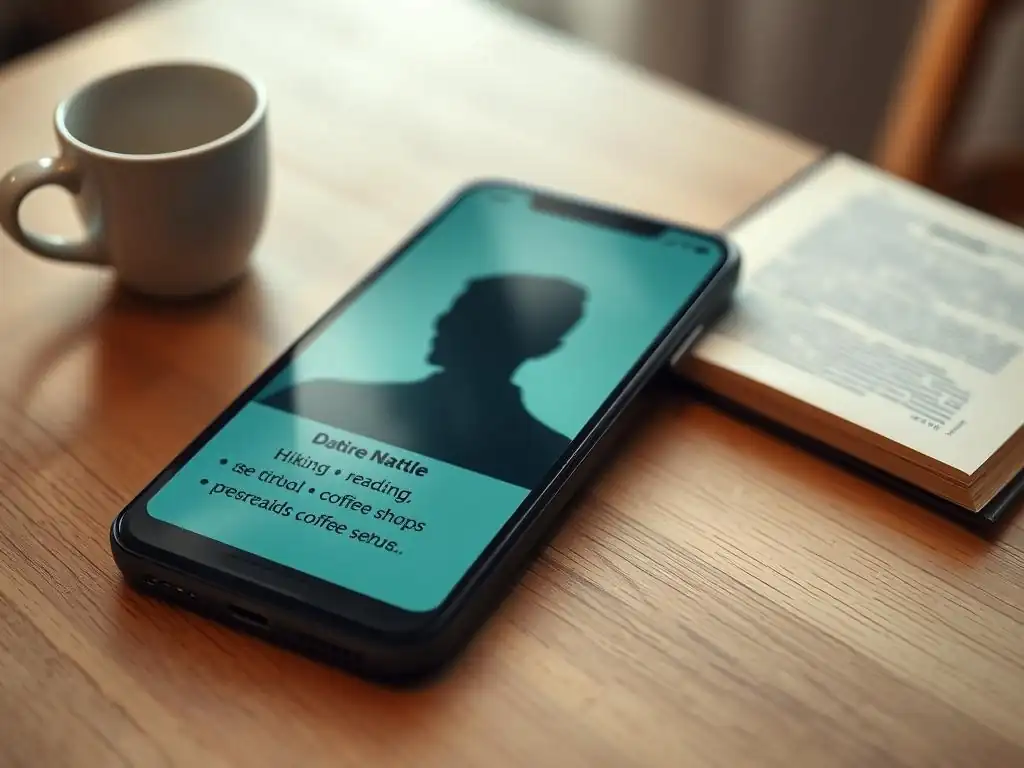
This section focuses on crafting a dating profile that attracts compatible partners while respecting the unique needs and tendencies of individuals with avoidant attachment styles. The goal isn't to "cure" avoidant tendencies, but to leverage them strategically to create a profile that reflects your authentic self and attracts those who appreciate your strengths. Remember, authenticity is key; attempting to portray someone you're not will ultimately lead to dissatisfaction. This is particularly true for those with avoidant tendencies, who may find inauthenticity deeply uncomfortable.
Avoidant Dating Profile Tips: Authenticity and Brevity
Avoidant individuals often struggle with vulnerability and self-disclosure. This can manifest in online dating profiles as either overly detailed profiles that attempt to compensate for a lack of direct connection, or extremely sparse profiles that offer little information. The key is to find a middle ground—authenticity and brevity. Instead of lengthy paragraphs about your life story, focus on concise, impactful statements that highlight your key personality traits and interests.
- Keep it concise: Aim for short, engaging sentences that pique interest without overwhelming the reader. Think of your profile as a captivating trailer, not a full-length movie.
- Focus on your passions: Highlight 2-3 activities or hobbies you're truly passionate about. This provides a natural conversation starter and showcases your personality without excessive self-disclosure. For example, instead of writing a lengthy description of your love for hiking, simply state: "Passionate hiker exploring nature's beauty."
- Avoid negative language: Steer clear of complaints or criticisms. Focus on the positive aspects of your life and what you seek in a partner. Negative phrasing can project insecurity and deter potential matches.
- Be specific: Instead of saying you "like to travel," mention a specific place you've visited or dream of visiting. Specificity adds personality and provides concrete talking points.
For example, an effective profile might look like this: "Software engineer with a passion for climbing and craft beer. Recently returned from a trip to Yosemite and always looking for new adventures. Seeking someone with a good sense of humor and a love for the outdoors." This profile is concise, authentic, and provides plenty of conversation starters.
Showcasing Your Strengths Without Over-Sharing
Avoidant individuals often fear intimacy and vulnerability. This can lead to a reluctance to share personal details online. However, a completely blank profile sends the wrong message. The challenge lies in showcasing your strengths and positive qualities without over-sharing personal information.
Consider this approach: Instead of directly stating your fears or insecurities, focus on your positive attributes and the qualities you value in a partner. This subtly communicates your preferences without requiring extensive self-disclosure.
For instance, instead of saying "I'm afraid of commitment," you could write: "I value independence and personal space, but am looking for a partner who appreciates those qualities as well." This subtly addresses a potential concern without revealing vulnerability.
Use bullet points or short sentences to highlight your achievements and interests. This allows you to showcase your strengths concisely and attractively. A short list of accomplishments or hobbies is far less intimidating than a lengthy narrative.
Remember, the goal is to attract compatible partners who appreciate your independence and need for space. By focusing on your strengths and values, you can create a profile that resonates with these individuals without compromising your comfort level.
Choosing the Right Photos: Projecting Confidence and Accessibility
Your profile photos are crucial in online dating. For avoidants, who might feel uncomfortable in the spotlight, choosing the right photos is particularly important. The goal is to project confidence and approachability without revealing too much.
- High-quality photos: Use clear, well-lit photos that showcase your best features. Avoid blurry or poorly lit images.
- Variety of photos: Include a mix of solo shots and photos with friends or in activities you enjoy. This provides a more holistic view of your personality and interests.
- Authentic smiles: Genuine smiles are attractive and approachable. Avoid overly posed or forced smiles.
- Appropriate attire: Dress appropriately for the context of the photos. Avoid overly revealing or unprofessional clothing.
- Positive body language: Project confidence through your posture and body language. Avoid slouching or other negative body language cues.
Avoid photos that are too revealing, overly staged, or that obscure your face. Remember, the goal is to present an authentic and accessible version of yourself. A well-curated selection of photos can significantly improve your chances of connecting with compatible partners. Consider seeking feedback from a trusted friend on your photo selection to ensure they accurately reflect your personality and preferences.
Crafting a Compelling Bio: Attracting Compatible Partners
Crafting your online dating profile bio when you have avoidant tendencies requires a delicate balance. You want to attract potential partners, but the very act of putting yourself out there can feel overwhelming. The key is to be authentic, concise, and subtly reveal your personality without oversharing. Avoid clichés like "looking for my soulmate" or overly generic descriptions. Instead, focus on showcasing your unique qualities and interests in a way that feels comfortable and genuine.
Think about what makes you you. What are your passions? What activities bring you joy? Do you enjoy hiking in the mountains, attending indie concerts, or volunteering at an animal shelter? Highlight these aspects, as they offer potential partners a glimpse into your lifestyle and values. For example, instead of writing "I like to have fun," you could say, "Weekends are usually spent exploring new coffee shops and hiking trails." This provides a much more vivid and engaging picture.
Remember, your bio is not a life story. Keep it brief and focused. Aim for 3-5 concise sentences that capture your essence. Avoid negativity or complaints; focus on the positive aspects of your life and what you're looking for in a partner. For instance, instead of saying "I hate drama," you might write, "I value honesty and open communication in a relationship." This subtly conveys your preferences without sounding overly critical or negative.
Consider incorporating a sense of humor. A well-placed joke or witty observation can make your profile stand out and showcase your personality. However, ensure the humor is appropriate and reflects your authentic self. Avoid anything that could be misinterpreted or offensive. A touch of self-deprecating humor can even be endearing, showing you're not afraid to laugh at yourself.
Finally, proofread carefully! Typos and grammatical errors can create a negative impression. Have a friend or family member review your bio before publishing it to ensure it's clear, concise, and accurately represents you. Remember, your bio is your first impression, so make it count. It's the first step in attracting compatible partners who appreciate your authentic self. This is crucial for avoidants who may be hesitant to reveal too much too soon. By crafting a compelling yet concise bio, you create a safe space to connect with others, paving the way for meaningful relationships.
Individuals with avoidant attachment styles often grapple with intimacy and commitment, making online dating a particularly challenging landscape. Successfully navigating this requires a mindful approach to communication, prioritizing self-awareness and healthy boundaries. This section provides practical strategies to manage interactions and foster positive connections without succumbing to anxieties around closeness. Remember, the goal is to build genuine connections at a pace that feels comfortable and safe for you.
This isn't about changing who you are, but about expressing your needs effectively. Many find that with the right tools and techniques, online dating can become a positive experience even with avoidant tendencies. Let's explore some key strategies for effective and healthy online communication.
Setting Healthy Boundaries in Online Dating
Setting boundaries is crucial for anyone navigating online dating, but particularly so for individuals with avoidant attachment. These boundaries protect your emotional well-being and allow you to engage in interactions that feel safe and manageable. This isn't about being unfriendly; it’s about being assertive about your needs and preferences.
For instance, you might establish a boundary around the frequency of communication. Instead of feeling pressured to respond instantly to every message, you can decide to check messages at specific times during the day. This prevents feeling overwhelmed and allows for more thoughtful responses. Another important boundary is limiting the amount of personal information you share early on.
Avoid oversharing details about your life until you feel a strong sense of trust and comfort with the other person. This protects your privacy and allows you to gauge compatibility before becoming overly invested. Finally, remember it’s perfectly acceptable to politely decline dates or further communication if it doesn't feel right, regardless of how much time you’ve invested. Prioritize your own emotional well-being above all else.
Responding to Messages Without Overwhelm
The influx of messages in online dating can be overwhelming, especially for someone with avoidant tendencies. The key is to develop a system that allows you to engage without feeling pressured or overwhelmed. This might involve setting aside specific times for checking and responding to messages, rather than constantly monitoring your inbox. Prioritize responding to messages that genuinely spark your interest, and don't feel obligated to reply to every message you receive. This doesn't mean ignoring people; it’s about managing your time and energy wisely.
Consider using brief, yet thoughtful responses. Short messages that show interest without being overly verbose can be a great way to manage communication without feeling overwhelmed. For example, instead of writing a lengthy paragraph, a simple "That sounds interesting! Tell me more about…" can be just as effective, while allowing you to maintain control over the pace of the conversation. Remember, quality over quantity is key. Focus on building meaningful connections rather than engaging in superficial conversations. Avoidance behaviors sometimes stem from a fear of vulnerability, so focus on keeping your responses authentic and concise, reflecting your comfort level.
Managing Expectations and Avoiding Overcommitment
One of the biggest challenges for avoidants in online dating is managing expectations and avoiding overcommitment. Avoidant individuals often fear intimacy and closeness, leading to a tendency to pull back when things get too serious, too quickly. Therefore, setting realistic expectations from the outset is crucial. This means being upfront about your dating goals and pace, and avoiding any pressure to move faster than you're comfortable with. This might involve clearly stating your preferences for casual dating versus something more serious.
Furthermore, avoid making grand promises or commitments early on. For example, instead of suggesting a week-long trip after only a few messages, focus on smaller, less intense dates. This allows you to get to know the other person gradually and assess compatibility without feeling overwhelmed or pressured. Remember, it's okay to take things slow.
Respect your own pace and prioritize your emotional well-being. By managing expectations and avoiding premature commitments, you can create a more positive and sustainable online dating experience. Honest communication, even about your need for space, is key to building healthy relationships. Being clear about your boundaries and expectations minimizes potential anxieties and fosters greater trust and understanding.
Gradual Progression: Building Trust and Connection
For those with avoidant attachment styles, the idea of diving headfirst into intense online communication can be incredibly daunting. The key here isn't to avoid communication altogether—which can hinder connection—but to approach it strategically, prioritizing a gradual progression of intimacy. Think of it as carefully building a bridge, one plank at a time, rather than attempting a daring leap across a chasm.
This means starting with shorter, less emotionally demanding interactions. Instead of long, rambling messages, begin with concise, friendly exchanges. A simple "How was your day?" or a comment on their profile picture can be a great starting point. Observe their response patterns; are they equally brief, or do they engage more readily? This will give you valuable insight into their communication style and comfort level.
Remember, reciprocity is crucial. If your potential match seems eager to engage in deeper conversations, that's a positive sign. However, if they consistently respond with short, superficial answers, it might be a signal to respect their boundaries and proceed cautiously. Don't pressure them into more than they're comfortable with.
Another important aspect of gradual progression is managing expectations. Avoidant individuals often fear commitment and engulfment. Therefore, avoid making grand declarations of love or planning far-off dates too early in the process. Focus on building a genuine connection through shared interests and consistent, low-pressure communication. This might involve sharing updates about your day, discussing hobbies, or engaging in lighthearted banter.
Consider the use of emojis strategically. A simple smiley face can convey warmth and approachability without feeling overly intense. Avoid overwhelming them with an excessive number of emojis or overly expressive messages early on. Allow the relationship to unfold naturally, mirroring their pace of communication. This thoughtful, measured approach fosters trust and allows both individuals to feel comfortable and secure. Building a strong foundation of trust is paramount for long-term success in any relationship, particularly for those navigating the complexities of avoidant attachment. Patience and understanding are key ingredients in this process.
Dating App Strategies for Avoidant Individuals

Avoidant attachment styles present unique challenges in online dating. Understanding these challenges and adapting your approach is key to finding success. This section focuses on practical strategies for using dating apps effectively while managing the anxieties often associated with avoidant attachment. The goal is to create a more controlled and comfortable online dating experience, fostering genuine connections without overwhelming feelings of vulnerability. Remember, finding the right app and managing its features can significantly impact your online dating journey.
Selecting the Right Dating Apps: Finding Your Niche
Choosing the right dating app is the first crucial step. Avoidant individuals often benefit from apps that offer more control and allow for gradual connection-building. Overwhelmed by the sheer volume of profiles on larger apps? Consider focusing on niche dating apps catering to specific interests or demographics. This allows for more targeted interactions, reducing the feeling of being bombarded with options.
For example, if you're passionate about hiking, joining a dating app specifically for outdoor enthusiasts might yield better results. The shared interest provides a natural conversation starter, reducing the pressure of initiating contact with strangers. Similarly, apps focusing on specific age ranges or professions can create a more homogenous user base, potentially leading to more compatible matches.
Avoid apps known for their fast-paced, hookup-oriented culture; these environments can exacerbate avoidant tendencies and lead to negative experiences. The key is to find an app that aligns with your personality and desired pace of relationship building. Careful consideration of the app's user base and features is paramount for success.
Optimizing App Settings for Controlled Interactions
Once you've selected an app, optimizing your settings is vital for managing communication flow and minimizing anxiety. This involves carefully considering the level of visibility you want and the kind of interactions you're prepared to handle. For instance, turning off notifications for messages or limiting the number of daily matches can help prevent feeling overwhelmed.
Many apps allow you to control who can message you. Leveraging these options can significantly reduce the number of unsolicited messages, giving you more control over your interactions. Start with a smaller pool of potential matches, focusing on profiles that genuinely resonate with you. This more selective approach reduces the pressure of responding to everyone, allowing you to engage with those who truly pique your interest. Remember, it's better to have fewer, more meaningful interactions than numerous superficial ones. This approach is particularly beneficial for individuals with avoidant tendencies, as it allows them to proceed at their own pace.
Using App Features Strategically: Managing Communication Flow
Dating apps offer various features designed to facilitate communication. For avoidant individuals, mastering these features strategically is crucial for building trust and fostering healthy connections. For example, using the "like" or "super like" feature can be a low-pressure way to signal interest without the immediate pressure of crafting a message. This allows you to gauge interest before committing to a more extensive conversation.
When engaging in conversations, prioritize brevity and clarity. Avoid overly lengthy messages that might feel overwhelming. Short, focused messages are less daunting and allow for a gradual exchange of information. Respect your need for space and don't feel pressured to respond immediately. Take your time to formulate thoughtful replies, ensuring you're genuinely present in the conversation. Remember, the goal isn't to rush into intimacy but to build a connection slowly and steadily. Being mindful of your communication style and managing the flow of interactions will enhance your online dating experience.
Recognizing and Addressing Red Flags Early On
Navigating the online dating world with avoidant tendencies can be particularly challenging. The fear of intimacy and commitment often leads to overlooking warning signs in potential partners. Learning to recognize and address these red flags early on is crucial for protecting your emotional well-being and fostering healthier relationships. This involves developing a heightened awareness of your own emotional responses and the behaviors of others.
One common red flag is inconsistent communication. If someone is enthusiastic and engaging one day, then distant and unresponsive the next, this inconsistency can be a sign of avoidance. They might be testing your boundaries or struggling with their own internal conflicts. Don't dismiss these fluctuations as mere quirks; they often indicate a deeper pattern of emotional unavailability. Instead of rationalizing their behavior, acknowledge your discomfort and consider whether this pattern is something you're willing to navigate long-term.
Another critical red flag is a lack of emotional vulnerability. Avoidant individuals often struggle to express their feelings openly and honestly. If your interactions feel superficial or lack genuine emotional depth, this could be a significant warning sign. Are they hesitant to discuss personal experiences or past relationships?
Do they avoid deeper conversations about feelings and emotions? While some individuals may simply be reserved, a persistent lack of emotional vulnerability often points to deeper issues that can impact the potential for a meaningful connection. Pay attention to the overall tone and substance of your conversations. A persistent lack of emotional depth, even after multiple interactions, should raise a cautionary flag.
Furthermore, be wary of partners who consistently push boundaries or disregard your needs. Avoidant individuals may struggle with empathy and respecting personal limits. If someone consistently ignores your requests for space or disregards your feelings, this is a clear indication that they are not respecting your emotional needs. This behavior can be damaging to your self-esteem and overall well-being. Remember, healthy relationships are built on mutual respect and understanding. Don't compromise your own needs to accommodate someone else's avoidance patterns.
Finally, consider the speed at which the relationship progresses. Avoidant individuals may initially seem intensely interested but then pull back as the relationship becomes more serious. This "hot and cold" behavior is a hallmark of avoidant attachment. While initial enthusiasm is exciting, pay close attention to whether this intensity is sustainable. Rapid escalation followed by sudden withdrawal is a classic red flag indicating potential issues with commitment and intimacy.
Trust your instincts: if something feels "off," it likely is. Prioritize your emotional safety and well-being. Learning to recognize and address these red flags early on is crucial for building healthy and fulfilling relationships, even with the challenges that avoidant attachment presents. Remember, you deserve a partner who respects your emotional needs and reciprocates your commitment.
Building Healthy Relationships Despite Avoidant Tendencies

Dating with an avoidant attachment style presents unique challenges, but building fulfilling relationships is absolutely achievable. Understanding your tendencies is the first step. Avoidant individuals often fear intimacy and commitment, leading to behaviors like emotional withdrawal, reluctance to share personal information, and inconsistent communication. This can manifest in online dating profiles that appear distant, vague, or even contradictory.
However, by consciously working on these patterns, you can create a more authentic and appealing online presence, attracting compatible partners who value your independence while also seeking connection. The key is to find a balance—honoring your need for space while still allowing for vulnerability and intimacy. This process requires self-awareness, patience, and a willingness to step outside your comfort zone. Remember, progress, not perfection, is the goal.
Communicating Your Needs and Boundaries Effectively
Effective communication is crucial in any relationship, especially when navigating the complexities of avoidant attachment. Learning to clearly articulate your needs and boundaries is essential for fostering healthy connections. This involves being upfront about your preferences regarding contact frequency, the pace of relationship progression, and your comfort levels with different types of intimacy. For example, instead of disappearing unexpectedly, you might say, "I value our connection, but I need some time to myself to recharge.
I'll be in touch later this week." This honest approach prevents misinterpretations and reduces the likelihood of misunderstandings that could lead to conflict or withdrawal. Practice using "I" statements to express your feelings without blaming your partner.
For instance, instead of saying "You're always texting me too much," try "I feel overwhelmed when I receive many messages throughout the day. Could we agree on a communication schedule that works for both of us?" Remember, setting boundaries isn't about pushing people away; it's about protecting your emotional well-being and creating a mutually respectful relationship.
Managing Fear of Intimacy in Online and Offline Interactions
Fear of intimacy is a hallmark of avoidant attachment, manifesting as anxiety around emotional closeness and commitment. In online dating, this can lead to reluctance to share personal information, choosing generic profile pictures, or avoiding deeper conversations. To manage this fear, gradually increase your vulnerability. Start with small steps, like sharing a few personal details in your profile or initiating lighthearted conversations.
As you feel more comfortable, gradually share more about yourself. Practice self-compassion; recognize that it's okay to feel anxious and that progress takes time. Remember, authentic connection requires vulnerability. Online dating platforms offer a space to practice these skills in a relatively low-stakes environment.
Consider using the platform's features to control the pace of interactions – for example, limiting the frequency of messages or taking breaks from the app when needed. The key is to find a balance between sharing and protecting your emotional space. Celebrate your successes, no matter how small they may seem.
Seeking Professional Support: Therapy and Relationship Coaching
For many with avoidant attachment, professional support can be invaluable in navigating the complexities of dating and relationships. Therapy, specifically attachment-based therapy, provides a safe space to explore the root causes of your avoidant tendencies and develop healthier coping mechanisms. A therapist can help you understand your patterns of behavior, identify triggers, and develop strategies for managing anxiety and promoting intimacy. Relationship coaching, on the other hand, focuses on practical skills and strategies for building and maintaining healthy relationships.
A coach can offer guidance on communication, conflict resolution, and boundary setting, all crucial aspects of successful dating and long-term partnerships. Considering professional guidance empowers you to approach dating with greater self-awareness and confidence, increasing your chances of finding a fulfilling and lasting connection. Remember, seeking help is a sign of strength, not weakness, and it can significantly improve your overall well-being and relationship satisfaction.
Celebrating Small Victories and Recognizing Progress
Online dating, even for those without avoidant tendencies, can feel like a marathon, not a sprint. For individuals with an avoidant attachment style, the process can feel particularly daunting. The fear of intimacy and commitment can lead to self-sabotaging behaviors, making it crucial to acknowledge and celebrate even the smallest wins. This isn't about minimizing the challenges; it's about reframing your perspective and building positive momentum. Instead of focusing solely on the ultimate goal – a long-term relationship – break it down into smaller, more manageable milestones.
For example, simply creating a dating profile can be a significant achievement. Many individuals with avoidant tendencies struggle with vulnerability, so putting yourself out there, showcasing your personality and interests, is a substantial step. Acknowledge this accomplishment! Did you write a compelling bio that accurately reflects who you are? Did you choose photos that you feel confident and comfortable sharing? These are all victories worthy of recognition.
Another small victory might be initiating contact with someone you find interesting. This can be incredibly challenging for those with avoidant tendencies, who often prefer to avoid emotional closeness. If you managed to send a message, even a simple "hello," congratulate yourself. You took a risk, stepped outside your comfort zone, and made a connection. This is progress.
Furthermore, going on a first date, even if it doesn't lead to a second, is a huge win. You successfully navigated the initial interaction, demonstrating your ability to engage with others on a personal level. Analyze what went well and what could be improved for future encounters. Focus on the positive aspects of the experience, such as the enjoyable conversation or shared laughter.
Remember, the journey towards building healthy relationships is not linear. There will be setbacks and disappointments. However, by celebrating each small victory – whether it's updating your profile, sending a message, or enjoying a date – you cultivate a sense of self-efficacy and build confidence. This positive reinforcement is crucial for overcoming the challenges associated with avoidant attachment in the context of online dating and fostering healthier relationship patterns. Keep a journal to track your progress and regularly review your accomplishments to reinforce positive self-perception. This consistent positive reinforcement is key to long-term success.
Long-Term Success: Maintaining Healthy Relationships
Once you've navigated the initial stages of online dating with your avoidant attachment style and found a compatible partner, the focus shifts to cultivating a healthy, long-lasting relationship. This requires conscious effort and a willingness to challenge ingrained patterns. Remember, building trust and intimacy takes time, and setbacks are normal. The key is to learn from them and keep moving forward. This section offers practical strategies to maintain a thriving relationship while honoring your need for independence.
Continuing Open Communication and Emotional Vulnerability
Open communication is the cornerstone of any successful relationship, but it can be particularly challenging for individuals with avoidant tendencies. The fear of intimacy often leads to emotional withdrawal or avoidance of difficult conversations. However, suppressing emotions only breeds resentment and distance. Instead, practice expressing your needs and feelings honestly, even if it feels uncomfortable.
Start small. Share your day, your thoughts, and your feelings gradually. Use "I" statements to express yourself without blaming your partner. For example, instead of saying "You never listen to me," try "I feel unheard when..." This approach fosters a safer space for open dialogue.
Remember, vulnerability is not weakness; it's a sign of strength and trust. It shows your partner that you're willing to risk emotional closeness, which can significantly deepen your bond. Consider keeping a journal to track your emotional progress and identify recurring patterns in communication. This self-reflection can significantly aid in improving your communication skills and emotional expression.
Balancing Independence and Intimacy
One of the key challenges for individuals with avoidant attachment in relationships is finding the balance between personal autonomy and meaningful connection. Avoidant individuals often prioritize independence to a degree that can hinder intimacy. The goal isn't to sacrifice your independence but to find a healthy equilibrium where both your individual needs and the needs of the relationship are met. This requires active negotiation and compromise.
Clearly communicate your need for alone time and personal space, while also making time for quality moments with your partner. Establish healthy boundaries that respect both your individual needs and the needs of the partnership. For example, schedule regular "me time" activities, but also plan regular date nights and activities you both enjoy.
This balance ensures that your relationship thrives while respecting your individual identities. Avoid using your need for independence as a shield against intimacy. Instead, view it as a valuable aspect of your personality that can enrich the relationship.
Avoiding Relationship Sabotage and Self-Doubt
Self-doubt and fear of commitment are common struggles for those with avoidant attachment styles. These feelings can lead to relationship sabotage, where you unconsciously create obstacles to prevent intimacy. Recognizing these patterns is crucial for building lasting relationships. Pay close attention to your behaviors and reactions within the relationship. Are you consistently pushing your partner away? Do you find yourself minimizing the relationship's importance or downplaying your feelings?
If so, consider seeking professional guidance, such as therapy or counseling. A therapist can help you identify the root causes of your self-doubt and develop coping mechanisms to manage your anxieties. Remember, recognizing these behaviors is the first step towards change. Practice self-compassion. Be kind to yourself.
You’re working through a significant challenge, and it’s okay to make mistakes. Focus on progress, not perfection. Celebrate small victories and acknowledge your efforts in building a healthy, fulfilling relationship. Learning to trust your partner and yourself is a journey, not a destination. With patience and self-awareness, you can overcome these challenges and build a lasting, loving connection.
Sustaining Connection and Growth Over Time
Maintaining a healthy, long-term relationship after meeting someone online, especially with avoidant attachment tendencies, requires conscious effort and a willingness to adapt. The initial excitement of a new connection can fade, and the natural anxieties associated with intimacy may resurface. Successfully navigating this transition demands open communication and a commitment to personal growth. Avoidant individuals often struggle with vulnerability, so creating a safe space for sharing feelings is crucial. This doesn't mean oversharing immediately, but rather gradually building trust through consistent, reliable interactions. Remember, building trust is a marathon, not a sprint.
One effective strategy is to schedule regular "check-in" times. These dedicated moments, free from distractions, allow for open discussion about feelings, needs, and concerns. This proactive approach prevents misunderstandings from escalating into larger conflicts. It's important to focus on active listening, truly hearing your partner's perspective without immediately jumping to defense mechanisms. This can be particularly challenging for those with avoidant tendencies, who may instinctively withdraw from emotional conversations. However, practicing empathy and validating your partner's feelings will foster a deeper connection.
Another key element is nurturing shared interests and activities. Engaging in hobbies and experiences together strengthens the bond beyond the initial attraction. This shared engagement helps to create positive memories and strengthens the foundation of the relationship. It also provides opportunities for lighthearted interaction, reducing the pressure associated with intense emotional conversations. Think about activities that promote both individual and shared growth, such as learning a new skill together, volunteering for a cause you both care about, or simply enjoying quiet time together pursuing individual hobbies. The goal is to build a life together, not just a relationship.
Finally, remember that personal growth is ongoing. Self-awareness and the willingness to seek professional support are crucial. Therapy, especially attachment-based therapy, can be invaluable in addressing underlying anxieties and developing healthier coping mechanisms. Learning to manage your avoidant tendencies will not only improve your current relationship but also your future relationships. This continuous self-improvement fosters a sense of security and stability within the partnership, ultimately leading to a more fulfilling and lasting connection. The journey to a healthy, long-term relationship is a process, and embracing this process with patience and self-compassion is key.
Frequently Asked Questions
How can I create an online dating profile that attracts partners despite my avoidant tendencies?
Focus on showcasing your positive qualities and interests without oversharing. Keep your profile concise and engaging, highlighting what you genuinely enjoy and seek in a relationship. Avoid overly negative or self-deprecating language.
What kind of photos should I use to reflect my personality without seeming distant?
Choose photos that show you engaged in activities you enjoy, smiling genuinely, and looking approachable. Avoid overly posed or filtered pictures. Show your authentic self in a positive light.
How can I communicate effectively on dating apps while managing my avoidance?
Respond to messages promptly but don't feel pressured to constantly chat. Be honest about your needs and boundaries, and communicate your intentions clearly. Prioritize quality over quantity in your interactions.
How can I avoid overwhelming myself while online dating with avoidant tendencies?
Set realistic expectations and take breaks when needed. Don't feel obligated to respond to every message or go on every date. Focus on self-care and prioritize your mental well-being.
What are some warning signs that I might be exhibiting avoidant behaviors online?
Watch out for inconsistent communication, sudden disappearances, or a tendency to reject potential partners before giving them a fair chance. Be honest with yourself about your dating patterns and seek professional help if needed.
Understanding avoidant attachment in online dating is not just a niche topic; it's a crucial key to unlocking healthier relationships in the digital age. The prevalence of online dating, coupled with the often-unaddressed complexities of attachment styles, means that many individuals are unknowingly sabotaging their chances of finding lasting connection. This article aimed to shed light on these often-hidden patterns, offering practical strategies for those navigating the online dating world with avoidant tendencies.
The impact of attachment styles on our relationships is profound and far-reaching. It shapes our communication, our expectations, and ultimately, our capacity for intimacy. The greatest impediment to being loved is our fear of being unworthy of love.
This quote rings true for many with avoidant tendencies, highlighting the internal struggle between the desire for connection and the fear of vulnerability. Understanding this internal conflict is the first step towards creating more fulfilling relationships, both online and offline. The journey towards self-awareness and healthier relationship patterns is ongoing, and this article serves as a small but hopefully significant step in that journey.
You are the architect of your own love story. Take the insights from this article and use them to build a stronger foundation for your relationships. Examine your own patterns, identify your triggers, and consciously choose to challenge the limiting beliefs that may be holding you back. Remember, self-compassion and self-awareness are your greatest allies in this process. Embrace vulnerability, not as a weakness, but as a strength that allows for deeper, more meaningful connections. The path to finding your perfect match may be winding, but with self-understanding and intentional action, you can navigate it with confidence and grace.
Unlock Your Dating Potential: Take the Next Step
Thank you for exploring the world of online dating, particularly the challenges faced by those with avoidant tendencies. We hope you found valuable insights to help you find love. Now it's time to put that knowledge into practice.
Here are some steps to build healthier, more fulfilling relationships:
- Identify and challenge avoidant behaviors: Start by journaling about your reactions in dating situations. Notice recurring patterns and actively challenge negative self-talk. This is crucial for lasting change.
- Focus your dating app strategy: Instead of juggling multiple apps, dedicate a month to one, creating a strong profile to attract compatible matches.
- Share your thoughts! What resonated most with you? Let's discuss in the comments!
What small step will you take today to enhance your dating life?