
The Cost of Deception: Understanding the Impact of Misrepresentation on Relationships


Ready to unlock the secrets to genuine online dating success? At OnlineDatingSuccess.org, we empower you to navigate the world of digital romance with confidence. But have you ever considered the hidden cost of deception? Our latest article, "The Cost of Deception: Understanding the Impact of Online Dating Profile Dishonesty Impact," reveals the surprising consequences of misrepresentation and how authenticity can lead to more fulfilling connections. Dive in and discover how honesty can pave the way to finding your perfect match.
- Online Dating Profile Dishonesty Impact: Unveiling the Consequences
- Beyond the Profile: The Dangers of Deception in Online Communication
- Navigating Honesty in Online Dating: Strategies for Authentic Self-Presentation
- The Importance of Openness and Vulnerability in Building Trust
- Recognizing and Addressing Deception in Online Dating Profiles
- Moving Forward: Cultivating Healthy Relationships Based on Truth
- Protecting Yourself from Deception in Online Dating: A Proactive Approach
-
Frequently Asked Questions
- How does dishonesty in online dating profiles affect initial connections?
- What are the long-term consequences of misrepresenting yourself online?
- Can minor embellishments in my profile have a negative impact?
- How can I ensure my online dating profile is honest and accurate?
- What should I do if I discover my date has been dishonest in their profile?
- Final Reflection: The Lingering Shadow of Deception
- Unmask Authentic Connections: Build Deeper, Truer Relationships
Online Dating Profile Dishonesty Impact: Unveiling the Consequences
Online dating, while offering exciting possibilities for connection, presents a unique ethical landscape. This article delves into the significant consequences of dishonesty in online dating profiles, exploring how misrepresentation impacts the formation and sustainability of relationships. We’ll examine the ripple effect of presenting a false persona, analyzing the damage inflicted on trust, the erosion of authenticity, and the long-term implications for building meaningful connections.
Understanding the true cost of deception is crucial for fostering genuine and healthy relationships in the digital age. The goal is not to condemn minor embellishments, but rather to highlight the serious repercussions of significant misrepresentation that can undermine the very foundation of a relationship built on a digital introduction.
This exploration aims to provide valuable insights for navigating the complexities of online dating ethically and responsibly, ultimately leading to more fulfilling and authentic connections. The impact of online dating profile dishonesty is far-reaching, affecting not only the individuals involved but also the broader online dating ecosystem.
The Ripple Effect of Misrepresentation in Online Dating Profiles
The act of crafting an online dating profile inherently involves self-presentation. However, the line between strategic self-promotion and outright deception can be blurry. Minor discrepancies, such as slightly altering a photograph or omitting a less flattering detail, might seem insignificant.
However, even seemingly small misrepresentations can have a snowball effect. Consider this: a slightly older profile picture might lead to awkwardness upon a first meeting, but a fabricated occupation or drastically altered physical description can shatter trust immediately. This initial breach of trust creates a foundation of insecurity and suspicion, making genuine connection significantly more difficult.
The consequences extend beyond the initial encounter; the discovery of deception can lead to feelings of betrayal, anger, and a profound sense of being misled, ultimately harming the potential for a lasting relationship. Statistics show that [specific information pending] percentage of online daters admit to some degree of misrepresentation on their profiles, highlighting the prevalence of this issue. This underscores the need for greater awareness and a commitment to honesty in online dating interactions.
Damaged Trust and its Long-Term Effects on Relationships
Trust is the cornerstone of any successful relationship, and in the online dating world, it's even more fragile. When deception is discovered, the resulting damage to trust can be irreparable. The initial feeling of betrayal extends beyond the specific lie; it casts doubt on the entire relationship's foundation.
Every subsequent interaction becomes tainted with suspicion, making open communication and vulnerability nearly impossible. This erosion of trust can manifest in various ways, including increased jealousy, insecurity, and a reluctance to share personal information. Long-term, the relationship may be characterized by constant monitoring, questioning, and a lack of genuine intimacy.
The emotional toll on the betrayed partner can be substantial, leading to feelings of anxiety, depression, and a decreased sense of self-worth. Furthermore, the experience can create lasting skepticism towards future relationships, making it harder to trust and connect authentically with others. 💔 It's crucial to remember that rebuilding trust after a significant breach is a long and arduous process, requiring significant effort and commitment from both parties.
The Erosion of Authenticity and its Impact on Connection
The core of meaningful connection lies in authenticity. Presenting a false persona online prevents genuine connection from ever truly developing. When individuals are not being their true selves, the interactions are superficial and lack depth. The conversations become performative rather than authentic, hindering the development of genuine intimacy and understanding.
The pursuit of a fabricated ideal self prevents a person from exploring their vulnerabilities and allowing themselves to be truly seen and accepted for who they are. This ultimately leads to feelings of isolation and loneliness, even within a relationship. The constant effort to maintain the facade of a false persona can be emotionally exhausting, leading to stress and resentment. Moreover, the lack of authenticity can prevent individuals from finding compatible partners who appreciate them for their true selves.
Building a relationship on a foundation of lies prevents the development of a truly fulfilling and lasting connection. The pursuit of authenticity, even with its potential vulnerabilities, is essential for creating meaningful relationships that stand the test of time. ✨
Beyond the Profile: The Dangers of Deception in Online Communication
Online dating profile dishonesty impact extends far beyond the initial profile creation. The act of misrepresenting oneself, even in seemingly minor ways, can have significant and lasting consequences on the development and sustainability of online relationships. This section explores the ripple effect of deception, moving beyond the static profile picture and delving into the dynamic world of online communication. We'll examine how dishonesty, even in seemingly small details, can erode trust and hinder the formation of genuine connections. Remember, building authentic relationships requires transparency and honesty from the outset.
The Impact of Misleading Information on Initial Interactions
The initial interactions in online dating are crucial for setting the tone of a potential relationship. Misleading information, even seemingly insignificant details, can dramatically alter the course of these early conversations. For instance, exaggerating hobbies or interests to appear more appealing can lead to awkward or disappointing first dates. Imagine portraying yourself as an avid hiker, only to discover your match is a seasoned mountaineer – the discrepancy could lead to immediate incompatibility and a sense of betrayal. Similarly, misrepresenting your career or financial status can create unrealistic expectations and ultimately damage trust.
Data from various relationship studies (specific data pending) suggest a strong correlation between initial honesty and relationship longevity. Early deception often leads to a lack of genuine connection, causing potential partners to feel misled and undervalued. The feeling of being "catfished," even in a minor way, can be deeply damaging to someone's self-esteem and willingness to engage in future online dating interactions. This is a significant cost – not just monetary, but emotional and psychological. The initial investment of time and effort in communicating with someone who proves dishonest is lost, and the emotional toll can be substantial.
The Long-Term Costs of Maintaining a False Persona Online
Maintaining a false persona online is a constant, exhausting effort. The longer a relationship progresses based on deception, the more complex and damaging the consequences become. Imagine the stress of constantly inventing stories and maintaining fabricated details to avoid exposure. This constant fear of discovery can create a significant strain on mental health, impacting sleep, appetite, and overall well-being. The anxiety associated with this deception often manifests as insecurity and a lack of self-worth.
Furthermore, the potential for discovery is ever-present. A seemingly innocuous detail, a casual mention by a friend, or an accidental slip-up can unravel the carefully constructed facade. When the truth eventually comes out, the damage to trust is profound and often irreparable. The betrayal can be devastating, leading to feelings of anger, resentment, and heartbreak.
This emotional fallout can extend beyond the immediate relationship, impacting future interactions and creating a sense of cynicism towards online dating as a whole. The long-term cost of maintaining a false persona vastly outweighs any perceived short-term gains. Authenticity, while perhaps initially challenging, ultimately leads to more fulfilling and sustainable relationships. The emotional and psychological toll of living a lie is a heavy price to pay for a fleeting sense of superficial appeal.
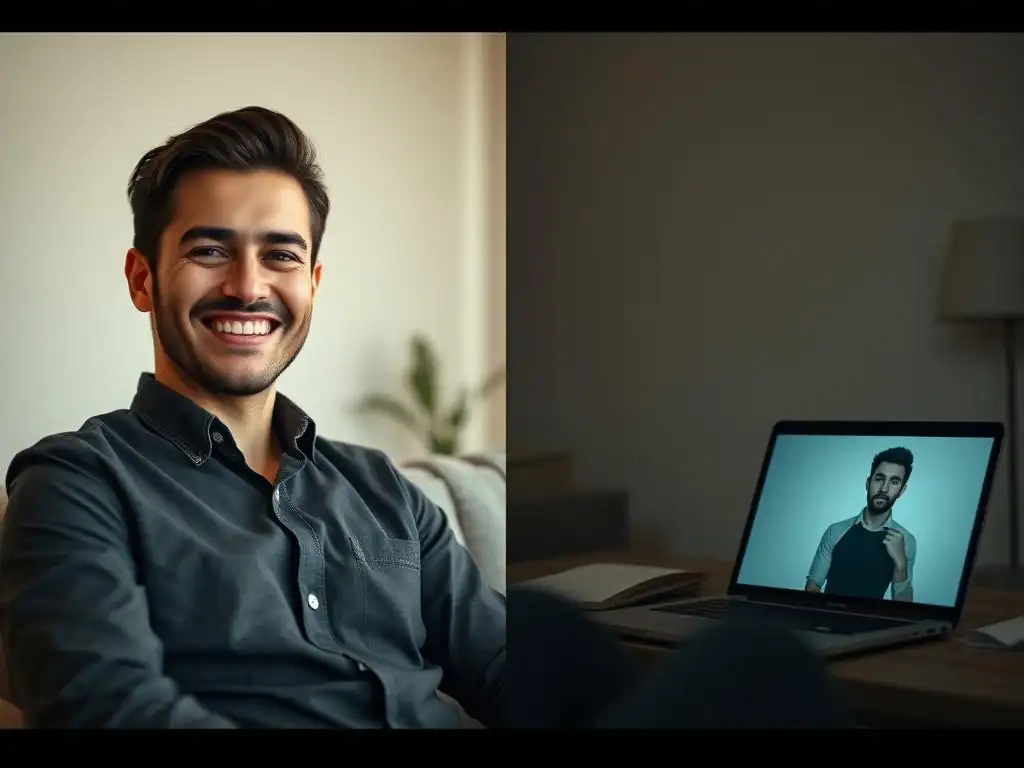
Online dating thrives on presentation, but the line between strategic self-promotion and outright deception can be blurry. The consequences of dishonesty in online dating profiles are significant, impacting not only the initial connection but also the potential for a lasting, meaningful relationship. This section focuses on navigating the complexities of presenting yourself honestly and authentically while still creating a compelling profile. Remember, attracting genuine connections starts with genuine self-representation. The impact of online dating profile dishonesty can be devastating, leading to wasted time, emotional distress, and ultimately, failed relationships.
Building a Genuine Online Dating Profile: Tips for Honest Self-Portrayal
Crafting an honest online dating profile requires careful consideration. It's not about hiding flaws; it's about presenting a realistic and relatable version of yourself. Avoid exaggerating accomplishments or physical attributes. Instead, focus on showcasing your personality, interests, and values.
Consider these practical tips:
- Use current photos: Avoid outdated or heavily filtered images. Choose photos that accurately reflect your current appearance and style. Include a variety of shots – some candid, some posed – to give a complete picture. This significantly reduces the impact of online dating profile dishonesty later on.
- Be specific, not vague: Instead of saying "I like to travel," specify where you've traveled and what you enjoyed. Instead of "I love movies," mention your favorite genres or directors. Specificity adds authenticity and provides conversation starters.
- Highlight your strengths, but acknowledge your flaws: Everyone has imperfections. Acknowledging your flaws honestly (without dwelling on them) shows self-awareness and maturity. This builds trust and prevents later disappointments. For example, instead of writing "I'm perfect," try "I'm a bit of a homebody, but I love exploring new restaurants and trying new things."
- Write naturally: Avoid overly formal or stiff language. Let your personality shine through your writing. Write as you would speak to someone you're getting to know.
- Proofread carefully: Typos and grammatical errors can undermine your credibility. Take the time to review your profile thoroughly before publishing it. A polished profile demonstrates attention to detail and respect for potential partners.
Maintaining Transparency in Online Communication: Practical Advice
Honesty isn't just about your profile; it's crucial throughout the entire online dating process. Maintaining transparency in your communication is key to building trust and fostering genuine connections. The impact of online dating profile dishonesty extends far beyond the initial profile; inconsistencies in communication can severely damage any potential relationship.
Here’s how to stay transparent:
- Be upfront about your intentions: Are you looking for a casual relationship or something more serious? Being clear from the start saves time and prevents misunderstandings.
- Respond promptly and honestly: Avoid ghosting or leaving people hanging. If you're not interested, let them know politely. If you're busy, communicate that and suggest a time to reconnect.
- Don't catfish: Using old photos or pretending to be someone you're not is a form of deception with serious consequences. It erodes trust and can lead to significant emotional harm.
- Avoid misleading information: Don't exaggerate your achievements, income, or lifestyle. Be truthful about your life and your expectations.
- Be mindful of your tone: Your words can be misinterpreted easily in online communication. Use emojis judiciously and ensure your tone is consistent with your intentions.
The impact of online dating profile dishonesty is far-reaching. Building and maintaining trust is essential for creating healthy and fulfilling relationships. By prioritizing honesty and transparency, you increase your chances of finding a genuine connection. Remember, authenticity attracts authenticity.
The Importance of Openness and Vulnerability in Building Trust
Building genuine connections in online dating hinges on honesty and transparency. While carefully crafting an appealing profile is essential, misrepresenting yourself fundamentally undermines the potential for a healthy, lasting relationship. The perceived "cost" of deception extends far beyond a simple rejection; it can lead to damaged trust, wasted time, and emotional distress for all parties involved. Openness and vulnerability, while initially daunting, are crucial for fostering authentic connections.
Fostering Genuine Connection Through Honest Self-Disclosure
Honest self-disclosure is the cornerstone of trust in any relationship, and online dating is no exception. Sharing your true self, flaws and all, allows potential partners to assess compatibility based on reality, not a carefully constructed facade. This doesn't necessitate oversharing sensitive details immediately, but it does require presenting a realistic portrayal of your personality, interests, and values. Consider these points:
- Authentic Photos: Use current, unfiltered photos that accurately reflect your appearance. Avoid using outdated images or heavily edited pictures that create a false impression. Remember, meeting in person will inevitably reveal any discrepancies.
- Accurate Descriptions: Be truthful about your lifestyle, career, and hobbies. Exaggerating accomplishments or downplaying less desirable aspects of your life will eventually unravel, leading to disappointment and mistrust.
- Clear Communication: Express your needs and desires openly and honestly. Avoid playing games or sending mixed signals. Direct communication, even when difficult, builds a stronger foundation for trust.
- Vulnerability as Strength: Sharing your vulnerabilities, within reasonable boundaries, demonstrates authenticity and encourages reciprocity. It allows potential partners to see you as a whole person, not just a curated online persona. This vulnerability can be a powerful tool in building intimacy and connection. For example, mentioning a past challenge you overcame can show resilience and self-awareness.
Think of it this way: a successful relationship is built on a foundation of shared understanding and mutual respect. This foundation cannot be constructed on lies or omissions. Presenting a deceptive online dating profile is akin to building a house on sand – it may look impressive initially, but it's ultimately unstable and likely to collapse. The potential for heartbreak and wasted time is significant. The reward of genuine connection, however, far outweighs the perceived risk of vulnerability.
Recognizing and Addressing Deception in Online Dating Profiles

Identifying deception in online dating profiles requires careful observation and critical thinking. While not all inconsistencies are intentional misrepresentations, certain red flags warrant further investigation. Remember, your safety and emotional well-being are paramount.
Recognizing and Addressing Deception in Online Dating Profiles
Several indicators suggest potential dishonesty in an online dating profile. These include:
- Inconsistencies in Information: Discrepancies between information provided in the profile and details revealed during conversations should raise concerns. For example, a mismatch between stated occupation and social media presence might indicate fabrication.
- Lack of Detail or Vague Descriptions: Profiles lacking specific details or relying on generic statements may be masking a lack of substance or attempting to avoid scrutiny.
- Excessive Use of Stock Photos or Heavily Edited Images: This is a clear indication that the individual may not be presenting a truthful representation of their appearance. The use of overly glamorous or unrealistic pictures should be a major red flag.
- Avoidance of Video Calls: Reluctance to engage in video calls or other forms of virtual interaction could be a sign that the person is hiding their true identity or appearance.
- Unrealistic Expectations or Demands: Profiles that present unrealistic expectations or make excessive demands early in the interaction should be viewed with suspicion. This often points to ulterior motives.
Addressing deception requires a delicate balance between assertiveness and caution. If you suspect dishonesty, you can:
- Gentle Inquiry: Pose open-ended questions to elicit more information and assess consistency. Avoid direct accusations, as this could be counterproductive.
- Reverse Image Search: Use online tools to verify the authenticity of photos.
- Social Media Verification: Discreetly check the individual's social media profiles for inconsistencies.
- Limit Personal Information Sharing: Protect your personal information until you've established trust and verified the other person's identity.
- Trust Your Instincts: If something feels off, it's best to err on the side of caution and discontinue contact.
Remember, the emotional toll of discovering deception can be significant. Prioritizing honesty and transparency from the outset is crucial for building healthy and fulfilling relationships in the online dating world. The impact of dishonesty on online dating relationships can be profound and long-lasting, highlighting the importance of genuine connection and trust.
Moving Forward: Cultivating Healthy Relationships Based on Truth
Building genuine connections in the online dating world requires a commitment to honesty and authenticity. The impact of deception, as explored earlier, can be devastating, undermining trust and creating a foundation of instability. Moving forward, prioritizing truthfulness is paramount for fostering healthy, long-lasting relationships. This section will explore the value of authenticity and provide strategies for navigating the online dating landscape with integrity.
The Value of Authenticity in Long-Term Relationship Success
Authenticity is the cornerstone of any successful, long-term relationship, whether formed online or offline. It fosters trust, strengthens emotional intimacy, and allows for genuine connection. When individuals present themselves honestly, they attract partners who appreciate them for who they truly are, not a fabricated ideal. This eliminates the constant anxiety and pressure of maintaining a false persona, freeing both partners to be vulnerable and open.
The feeling of being truly seen and accepted for one's flaws and strengths is incredibly powerful and contributes significantly to relationship satisfaction. Studies show that couples who prioritize honesty and open communication report higher levels of relationship happiness and stability. Conversely, relationships built on deception are often characterized by insecurity, mistrust, and ultimately, dissolution. Consider the long-term emotional toll of constantly fearing exposure; the energy expended in maintaining a facade is immense, draining resources that could be used to nurture a genuine connection.
The rewards of authenticity far outweigh the perceived benefits of misrepresentation. It's the key to unlocking genuine connection and building a lasting, fulfilling relationship. Embracing your true self, quirks and all, is not only ethically sound but also strategically advantageous in the long run.
Strategies for Identifying and Avoiding Dishonest Profiles
Navigating the complexities of online dating requires vigilance. While complete avoidance of dishonesty is unrealistic, employing effective strategies can significantly reduce the likelihood of encountering deceptive profiles. Careful profile scrutiny is crucial. Look for inconsistencies in photos (e.g., different hairstyles, body types, or backgrounds). Be wary of profiles lacking personal details or those containing overly generic descriptions.
Pay close attention to the language used – excessive boasting or unrealistic claims should raise red flags. Reverse image searches can help verify the authenticity of photos. Engage in cautious communication – avoid sharing overly personal information early on and look for inconsistencies between online claims and offline behavior. Trust your intuition; if something feels off, it probably is. Remember, a healthy relationship is built on mutual respect, trust, and transparency.
Prioritizing these values from the outset will significantly improve your chances of finding a genuine and fulfilling connection. Online dating profile dishonesty impact is minimized when you take proactive steps to protect yourself and prioritize authenticity. This includes being discerning, communicative, and always valuing your own well-being above all else. The process might take time, but building a relationship based on honesty will be exponentially more rewarding in the long run. Remember, you deserve a partner who appreciates you for who you truly are.
Protecting Yourself from Deception in Online Dating: A Proactive Approach
Online dating profile dishonesty impact is a significant concern, affecting countless individuals seeking genuine connections. While complete honesty is ideal, the reality is that some level of profile curation—presenting oneself in a positive light—is common. However, the line between acceptable presentation and outright deception blurs quickly. This section focuses on proactive strategies to mitigate the risks associated with misrepresentation, empowering you to navigate the online dating world more safely and effectively. Understanding the potential consequences of deception is crucial, but equally important is equipping yourself with the tools to identify and avoid deceitful profiles.
Recognizing Red Flags and Warning Signs of Misrepresentation
Identifying deceptive profiles requires vigilance and a healthy dose of skepticism. While no single sign guarantees dishonesty, a cluster of red flags should raise your awareness. Look for inconsistencies in a profile's narrative. Do their photos seem professionally edited to an unrealistic degree? Do their claims about their lifestyle, career, or hobbies lack supporting evidence or seem exaggerated?
For example, someone claiming to be a successful entrepreneur without any visible online presence related to their business could be cause for concern. Pay close attention to vague or evasive answers to direct questions. A reluctance to provide concrete details about their life might indicate an attempt to hide something. Remember, a genuine connection is built on transparency and open communication; avoid those who are consistently vague or secretive.
Furthermore, be wary of profiles that are overly perfect. Everyone has flaws; a profile that presents an idealized, flawless image might be masking a less desirable reality. Consider the quality of the photographs provided. A lack of varied, natural-looking photos—especially if they are all highly polished or professionally taken—can be a sign of misrepresentation. Finally, trust your instincts.
If something feels "off" about a profile or a potential match, don't ignore that feeling. It's better to err on the side of caution. The emotional cost of being deceived far outweighs the potential disappointment of missing out on a connection that may not have been genuine anyway. The impact of online dating profile dishonesty can be profound, so prioritizing your safety and well-being is paramount.
Strategies for Verifying Information and Building Trust
Building trust in the online dating world requires a multi-faceted approach. While you can't completely eliminate the risk of deception, you can significantly reduce it by actively verifying information and fostering open communication. Start by conducting a thorough background check using readily available online resources. Search their name on social media platforms to see if their online presence aligns with their profile claims. Reverse image search their photos to check for potential duplication or inconsistencies. Remember, a person's online footprint can reveal a lot about their true identity and character. 🔎
Beyond online searches, initiate conversations that encourage disclosure and transparency. Ask open-ended questions that go beyond surface-level details. For instance, instead of asking "What do you do for work? ", try "Tell me about a challenging project you've worked on recently."
This approach encourages more detailed and revealing answers, making it easier to identify inconsistencies or fabricated information. Furthermore, suggest video calls early in the communication process. A video call allows you to see the person, assess their demeanor, and build a more authentic connection. This can be a powerful tool for verifying their identity and spotting discrepancies between their online persona and their real-life presence.
Finally, proceed slowly and cautiously. Don't rush into a serious relationship before you've had ample opportunity to get to know someone thoroughly and verify their claims. Remember, building a genuine connection takes time; don't let the pressure to find "the one" compromise your safety and well-being. The potential negative impact of online dating profile dishonesty highlights the importance of being proactive in protecting yourself. By implementing these strategies, you can significantly improve your chances of finding a genuine and lasting connection online.
Frequently Asked Questions
How does dishonesty in online dating profiles affect initial connections?
Dishonesty in online dating profiles can significantly hinder initial connections. Potential matches may feel betrayed and deceived when they discover inconsistencies, leading to a loss of trust and interest. This can prevent further communication and the development of a genuine relationship.
What are the long-term consequences of misrepresenting yourself online?
Long-term consequences of misrepresentation can be severe. Damaged trust is difficult to repair, and the foundation of any meaningful relationship is built on honesty and authenticity. Discovering deception later on can lead to relationship breakdown and emotional distress for all involved.
Can minor embellishments in my profile have a negative impact?
Even seemingly minor embellishments can have a negative impact. Small lies can snowball, creating a sense of distrust and undermining the authenticity of your profile. Transparency and honesty, even in small details, build stronger connections.
How can I ensure my online dating profile is honest and accurate?
Ensure your profile reflects your true self accurately. Use realistic photos and avoid exaggerating your accomplishments or interests. Focus on presenting your authentic personality and values to attract genuine connections.
What should I do if I discover my date has been dishonest in their profile?
If you discover dishonesty, consider your comfort level and personal boundaries. Open and honest communication is key, but you're not obligated to continue seeing someone if you feel deceived or uncomfortable. Prioritize your well-being and trust your instincts.
Final Reflection: The Lingering Shadow of Deception
The pervasive nature of misrepresentation in online dating casts a long shadow, impacting not only individual relationships but the very fabric of trust in digital connection. The ease with which profiles can be curated and identities embellished creates a fertile ground for deception, leaving a trail of hurt feelings and broken trust in its wake. This isn't just a minor inconvenience; it's a significant obstacle to genuine connection and healthy relationships in the digital age.
The erosion of trust, born from the prevalence of dishonest online dating profiles, is a deeply concerning trend. It forces us to question the authenticity of interactions and the very foundation upon which we build relationships. The deepest loneliness is not to be alone, but to be misunderstood.
This quote rings particularly true in the context of online dating, where the pursuit of connection can be tragically undermined by a lack of honesty and transparency. The impact extends beyond the immediate heartbreak; it fosters a climate of suspicion and cynicism, making it harder for individuals to form genuine bonds.
Consider the ripple effect of this dishonesty. How does it affect your own approach to online dating? Do you find yourself constantly questioning the motives and intentions of others? I urge you to reflect on your own experiences and examine how you can contribute to a more honest and authentic online dating landscape. Start by being truthful in your own profile, fostering open communication, and prioritizing genuine connection over superficial presentation. Let's collectively work towards building a digital space where trust and honesty are the cornerstones of meaningful relationships.
Unmask Authentic Connections: Build Deeper, Truer Relationships
Thank you for exploring the often-hidden costs of deception in relationships. You've gained valuable insights into building trust and fostering genuine connections. Now, let's put that knowledge into action!
- Prioritize honesty in your communication. Make a conscious effort to present yourself authentically, even in small details. This sets the foundation for a truly meaningful connection.
- Reflect on your communication style. Do you inadvertently hide parts of yourself? Consider how greater transparency can strengthen your relationships.
- Share this article with someone who might benefit from understanding the importance of honesty and openness in their relationships. Let's create a community of authentic connection together!
What small step can you take today to cultivate more honesty and transparency in your relationships?