
Protect Your Heart: How to Use Dating App Security to Your Advantage

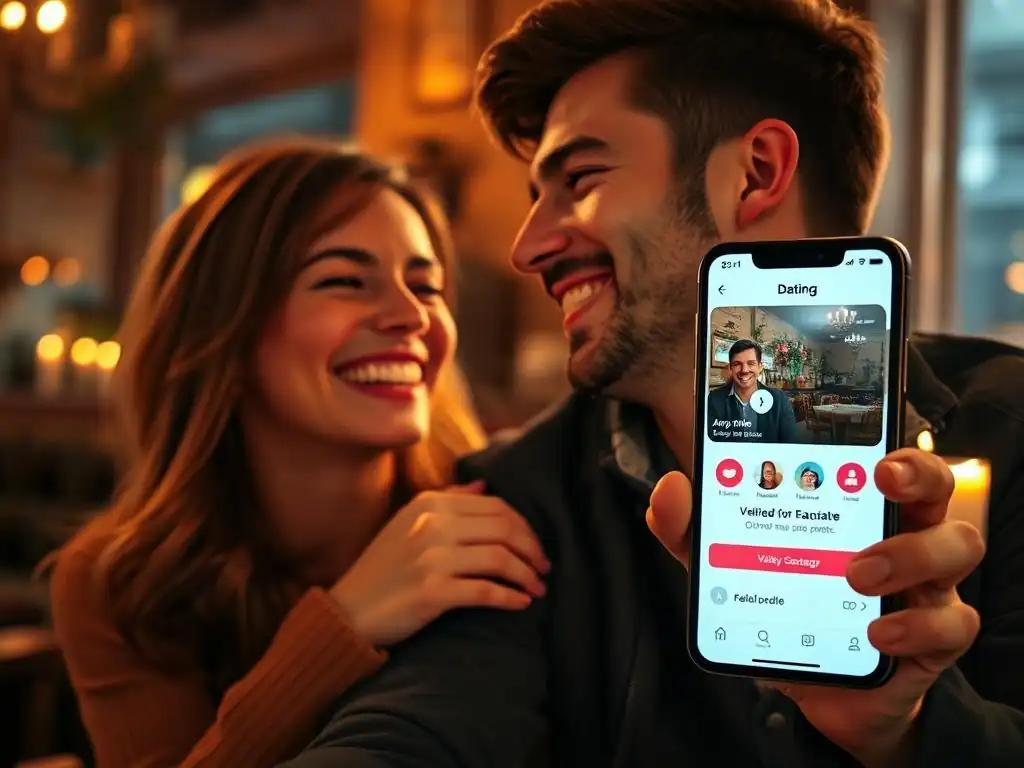
Ready to transform your online dating experience? At OnlineDatingSuccess.org, we empower you to navigate the world of digital romance with confidence. This isn't just about finding a match; it's about building meaningful connections while prioritizing your safety. Discover crucial dating app safety tips in our latest article, "Protect Your Heart: How to Use Dating App Security to Your Advantage," and unlock the secrets to a safer and more rewarding online dating journey. Let's get started!
- Understanding Dating App Safety Features
- Securing Your Online Interactions
- Advanced Safety Techniques
- First Date Safety
- Tinder Safety Features
- Additional Resources
-
Frequently Asked Questions
- How can I verify the profiles I see on dating apps?
- What information should I avoid sharing on dating apps?
- What are some red flags to watch out for in online dating?
- How can I stay safe when meeting someone from a dating app in person?
- What should I do if I feel uncomfortable or unsafe during a date?
- Final Reflection: Securing Connections, Protecting Your Heart
- Unlock Your Dating App Safety: Take Control Now!
Understanding Dating App Safety Features
Online dating offers incredible opportunities to connect with others and build meaningful relationships. However, navigating the digital dating world requires awareness and proactive measures to ensure your safety and well-being. This article focuses on leveraging the security features built into many dating apps to protect yourself from scams, harassment, and other potential dangers. We'll explore essential security settings, strategies for protecting your personal information, and methods for identifying potential scammers.
Understanding and utilizing these tools is crucial for a positive and secure online dating experience, ultimately allowing you to focus on building genuine connections rather than worrying about your safety. Remember, prioritizing your safety doesn't mean being overly cautious; it means being informed and empowered to make smart choices. Let's delve into the practical steps you can take to protect your heart and your personal information while exploring the exciting world of online dating.
Essential Dating App Security Features
Most reputable dating apps offer a range of security features designed to protect their users. Knowing how to utilize these features effectively is the first step toward a safer online dating experience. These features often include:
- Privacy Settings: These allow you to control who can see your profile, message you, and access your information. Take the time to carefully review and adjust these settings to your comfort level. Consider limiting visibility to only those you've matched with or approved.
- Blocking and Reporting Features: These are vital tools for dealing with unwanted advances or inappropriate behavior. Use the block function to prevent someone from contacting you, and the report function to alert the app's administrators to potentially harmful users. Don't hesitate to use these features; they are there to protect you.
- Two-Factor Authentication (2FA): Enabling 2FA adds an extra layer of security to your account, making it significantly harder for unauthorized individuals to access your profile. This simple step can greatly reduce the risk of account hacking.
- Profile Verification: Many apps offer profile verification options, often involving photo verification or other methods to confirm a user's identity. While not foolproof, verified profiles generally indicate a greater level of accountability.
- Location Services: Carefully manage your location settings. Sharing your precise location can be risky, especially in the early stages of connecting with someone online. Consider limiting location sharing or disabling it entirely until you feel comfortable.
Protecting Your Personal Information
Sharing personal information too readily online can make you vulnerable to scams and harassment. Remember that you shouldn't feel pressured to share more than you're comfortable with, and it's always better to err on the side of caution. Here are some key points to consider:
- Avoid Sharing Sensitive Information: Never share your full address, place of work, financial details, or other sensitive personal information with someone you've only met online. This information should be kept private until you've met in person and established trust.
- Be Wary of Requests for Money: Legitimate relationships don't involve financial transactions in the early stages. If someone asks for money, gifts, or financial assistance, it's a major red flag and you should immediately cease all contact and report the user. This is a common tactic used by scammers.
- Verify Information: Before meeting someone in person, try to independently verify information they've shared, such as checking their social media profiles or searching their name online. This can help you assess their authenticity.
Recognizing Potential Scammers
Scammers are unfortunately prevalent in the online dating world. Learning to recognize their tactics is crucial to avoiding becoming a victim. Here are some common red flags to watch out for:
- Inconsistencies in their Profile or Story: Pay attention to inconsistencies in their profile information or the stories they tell. Do their photos seem too perfect? Do their stories lack detail or seem fabricated?
- Pressure to Move Quickly: Scammers often try to rush the relationship, pushing for quick meetings or sharing intimate details before trust has been established. Be wary of anyone who seems overly eager or pushy.
- Requests for Personal Information Too Early: As mentioned earlier, sharing personal details too early is a significant risk. Be wary of anyone who asks for sensitive information before you feel comfortable.
- Unusual or Vague Profile Details: Profiles lacking detail or those with unusually generic information can be cause for concern. A profile that seems too good to be true often is.
Remember, your safety and well-being are paramount. By understanding and utilizing the security features available, protecting your personal information, and recognizing potential scammers, you can significantly enhance your online dating experience and increase your chances of finding a genuine connection. Trust your instincts; if something feels off, it probably is.
Securing Your Online Interactions

This section focuses on proactive measures you can take to secure your online interactions on dating apps, bolstering your overall dating app safety. Remember, while apps offer features to enhance safety, personal responsibility remains paramount. Proactive engagement with these features is key to maximizing your protection.
Safe Communication Strategies
Effective communication is crucial, not just for building connections, but also for mitigating risks. Avoid sharing Personally Identifiable Information (PII) prematurely. This includes your full name, address, workplace, phone number, and social security number. Instead, focus on building rapport through engaging conversations before revealing such details.
Consider using the app's in-app messaging system initially. This often provides an added layer of security compared to exchanging contact information directly. Many dating apps offer tools to report suspicious behavior; familiarize yourself with these features and don't hesitate to use them if needed.
Remember, if someone pressures you to share PII too quickly or seems evasive about their own information, it's a significant red flag. Trust your instincts; prioritizing your safety is always the right choice. Healthy communication involves mutual respect and a gradual exchange of information, building trust organically over time. This approach is a cornerstone of dating app safety tips.
Verifying Profiles
Dating app profiles are often the first point of contact, and verifying their authenticity is a critical part of dating app safety. While no system is foolproof, many apps offer verification features. Take advantage of these! Look for features like photo verification, which often involve submitting a selfie that matches a provided photo. Apps may also offer background checks or identity verification services (though these often come at an additional cost).
Pay close attention to profile details. Inconsistencies or vague information can be warning signs. Be wary of profiles with limited photos or those lacking personal details. Scrutinize the language used; overly generic or overly flattering profiles may be fabricated. Cross-referencing information, if possible, can help verify authenticity. For instance, if someone mentions working for a specific company, a quick online search can confirm their employment. While this additional step requires effort, it’s a vital component in enhancing your dating app safety tips strategy.
Managing Location Services
Your location data is sensitive information, and managing its sharing is essential for dating app safety. Understand the location services your dating app uses. Many apps allow you to control the precision of location sharing. Instead of sharing your exact location, consider using the app's radius-based location features, which show you're within a certain area without pinpointing your exact address.
Review your app's privacy settings regularly. Ensure that location sharing is only enabled when actively using the app, and disable it when not needed. This simple step significantly reduces the risk of unwanted tracking or exposure of your location. Consider using a VPN for additional privacy if you have concerns about your IP address being linked to your location. Responsible management of your location data is a crucial aspect of comprehensive dating app safety tips. Remember, being mindful of your digital footprint contributes significantly to your overall safety and security.
Advanced Safety Techniques
This section delves into proactive strategies beyond basic app features, empowering you to take control of your online dating safety. We'll explore techniques to verify the authenticity of potential matches and effectively report concerning behavior, ultimately enhancing your chances of a positive and secure dating experience. Remember, your safety is paramount. These advanced techniques, when used effectively, significantly reduce your risk of encountering scams or harmful individuals.
Background Checks and Reverse Image Searches
Before meeting someone in person, consider utilizing readily available tools to perform a basic background check. While comprehensive background checks require professional services, free online resources can offer valuable insights. A simple Google search using their name and location can reveal public information like previous arrests or news articles. Remember to treat any information found with caution and corroborate it with other sources.
Furthermore, reverse image searches are invaluable for verifying profile pictures. Many dating apps allow you to upload images to search engines like Google Images or TinEye. This helps determine if the photos are authentic and haven't been stolen from another source, a common tactic used by scammers. A mismatch between the profile image and search results should raise a red flag.
Consider this example: You're chatting with someone who claims to be a successful entrepreneur. Their profile picture looks professionally taken, but a reverse image search reveals the same photo used on several different dating profiles under various names. This is a clear warning sign, indicating potential deception. Always prioritize verifying information before proceeding with any offline interactions.
Reporting Suspicious Activity
Dating apps provide robust reporting mechanisms. Don't hesitate to use them! If someone's behavior makes you uncomfortable, immediately report them to the app's support team. This includes instances of harassment, inappropriate requests, or any activity that violates the platform's terms of service. Providing detailed information, such as screenshots of conversations and specific instances of concerning behavior, significantly assists in the investigation.
Remember, reporting suspicious activity not only protects you but also helps to create a safer environment for other users. Many dating apps employ sophisticated algorithms and human moderators to review reports and take appropriate action, including account suspension or permanent bans. Don't feel embarrassed or hesitant to report; it’s a crucial step in maintaining your safety and well-being. The more users report suspicious activities, the more effective these platforms become at identifying and removing harmful individuals.
Creating a Safe Dating Profile
While seemingly simple, crafting a secure dating profile is crucial for "Dating app safety tips." Avoid sharing excessive personal information, such as your exact address, workplace, or children's names. Limit the details you provide in your profile to those that are relevant to finding a compatible partner. Use caution when sharing photos; avoid pictures that reveal identifying information, such as license plates or house numbers.
Think carefully about the information you share in your profile descriptions. Avoid being overly specific about your routines or daily activities. Vague statements are often better than revealing too much information. For example, instead of saying "I work at Acme Corp downtown," you could say, "I work in the corporate sector." This protects your privacy while still giving potential matches enough information to start a conversation.
Remember, a strong profile doesn't need to be overly detailed. Focus on showcasing your personality and interests while maintaining a level of privacy that prioritizes your safety. This approach reduces the risk of unwanted attention from individuals who might misuse your information. Prioritizing safety in your profile creation is an essential part of responsible online dating.
First Date Safety
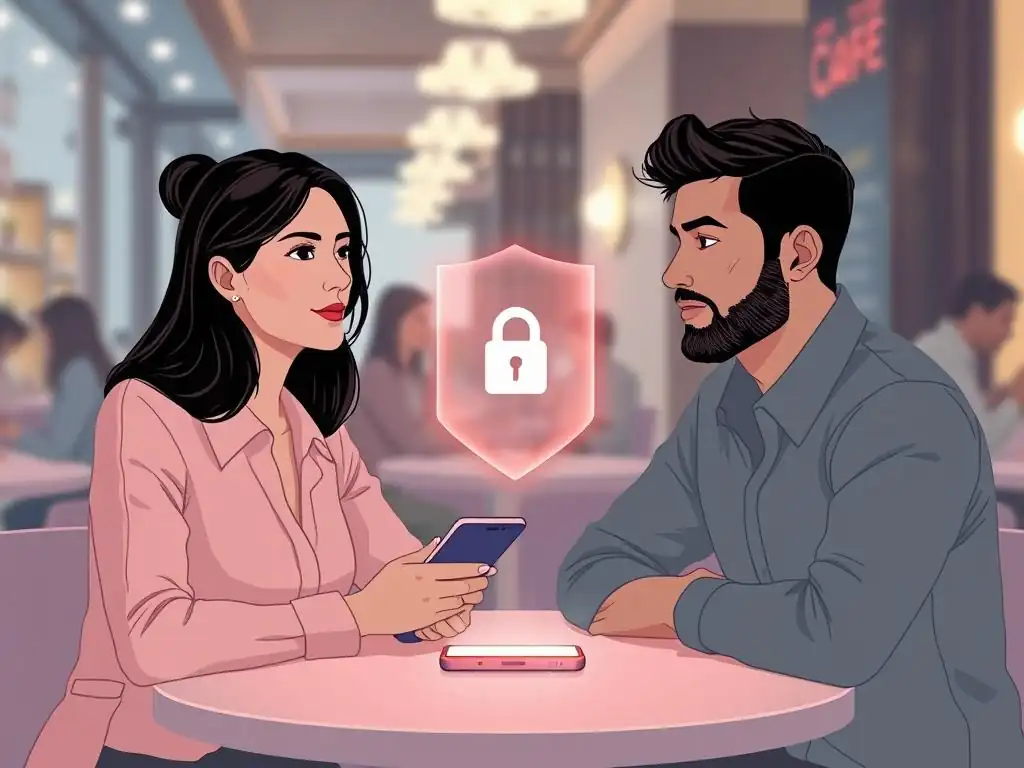
Meeting someone for the first time after connecting online can be exciting, but it's crucial to prioritize your safety. This section focuses on practical strategies to mitigate risks and ensure a positive first date experience. Remember, your safety is paramount, and taking precautions is a sign of self-respect, not distrust. These dating app safety tips will help you navigate the transition from digital interaction to a real-world encounter.
Choosing Safe Meeting Locations
The location of your first date significantly impacts your safety. Avoid secluded or poorly-lit areas. Instead, opt for well-populated, public places where you feel comfortable and visible. Consider these options:
- Busy Coffee Shops: The ambient noise and activity provide a natural buffer, allowing for easy escape if needed. Plus, the short duration of a coffee date makes it less daunting.
- Popular Restaurants: Similar to coffee shops, restaurants offer a public, well-lit environment with staff readily available. Choose places with a vibrant atmosphere and good visibility from the street.
- Museums or Art Galleries: These locations provide an engaging setting for conversation and offer opportunities to observe your date's behavior in a public environment.
- Daytime Activities: Consider a daytime activity like a walk in a park (during peak hours) or attending a community event. This reduces the potential for isolation and provides more opportunities for observation.
It's also important to avoid meeting at your home or your date's home on the first date. Always meet in a public space where you can easily leave if things feel uncomfortable. Remember, a safe environment contributes significantly to a successful and enjoyable first encounter. Trust your instincts; if a location feels unsafe, choose another.
Never compromise your safety for a date. A safe environment is the foundation of a positive experience.
Informing Friends and Family
Transparency and communication are key elements of online dating safety. Before your first date, share essential information with trusted friends or family members. This simple yet powerful step can significantly increase your safety. Consider these dating app safety tips:
- Share your date's profile: Provide details from your date's online profile – name, photo, and any relevant information – so your contacts know who you're meeting.
- Share your planned itinerary: Let your friends or family know where you're going, when you'll be there, and approximately when you expect to be back.
- Check in regularly: Use a pre-arranged method of communication – a text message, a phone call, or a pre-determined check-in time – to let them know you're safe.
- Pre-determined safety plan: Discuss a plan with your contacts in case of an emergency. For example, agree on a code word that indicates you need help.
This proactive approach is not about being overly cautious; it's about being prepared. By informing your support network, you create a safety net that allows you to relax and enjoy your date, knowing that help is readily available if needed. Remember, a little extra planning can go a long way in ensuring a safe and enjoyable first date experience. This proactive approach is an essential part of responsible dating app safety tips.
Tinder Safety Features
Tinder, one of the most popular dating apps, offers a range of features designed to enhance user safety and minimize the risks associated with online dating. Understanding and utilizing these features is crucial for maximizing your dating app safety. While no app can guarantee complete safety, proactive use of these tools significantly reduces potential threats. This section focuses on Tinder's built-in security mechanisms, offering actionable steps to improve your online dating experience. Remember, your personal safety is paramount.
Tinder Privacy Settings
Navigating Tinder's privacy settings allows you to control the visibility of your profile and limit unwanted interactions. Effective management of these settings is a cornerstone of dating app safety tips. Here's a breakdown of key areas to focus on:
- Who can see my profile? Tinder allows you to control who can see your profile. You can choose to limit visibility to only those who have already liked you, increasing your control over who contacts you. This reduces the chances of receiving unsolicited messages from individuals you may not be interested in. This is a crucial step in minimizing unwanted attention and prioritizing your safety.
- Location Sharing: Be extremely cautious about sharing your precise location. Tinder offers options for controlling location visibility, and it's generally recommended to keep this setting as restrictive as possible. Sharing your exact address or location details with someone you've only met online is extremely risky and should be avoided until you have established trust in the real world.
- Profile Visibility: Carefully consider what information you include in your profile. Avoid sharing overly personal details, such as your full address, workplace address, or detailed information about your daily routine. Remember, less is often more when it comes to online safety. Over-sharing can make you a target for scams or other unwanted attention.
- Photo Verification: Tinder's photo verification feature helps to ensure that the people you're interacting with are who they say they are. Verifying your photos adds a layer of security and can help to deter fake profiles. This is a simple but effective way to improve your online dating safety.
Tinder Reporting Mechanisms
Tinder provides robust reporting mechanisms to help users flag inappropriate behavior and protect themselves from harmful interactions. Knowing how to use these tools is essential for maintaining a safe online dating environment. Here's how to effectively utilize Tinder's reporting features:
- Reporting inappropriate messages: If you receive a message that is offensive, harassing, or otherwise makes you uncomfortable, use Tinder's built-in reporting feature to flag the message and the user. Tinder investigates these reports, and users who consistently violate the app's terms of service may have their accounts suspended or banned. This proactive approach is vital for your safety and contributes to a healthier online dating community.
- Blocking users: The block feature allows you to completely prevent a user from contacting you. If you feel threatened or uncomfortable with a specific user, don't hesitate to block them. This is a straightforward and effective way to protect yourself from unwanted interactions. Blocking is a simple but powerful tool in your dating app safety arsenal.
- Understanding Tinder's safety guidelines: Familiarizing yourself with Tinder's safety guidelines and community standards is crucial. Understanding their expectations for user behavior will allow you to better navigate the platform and report violations effectively. Regularly reviewing these guidelines ensures that you are up-to-date on best practices for online safety.
Remember, maintaining your safety while using dating apps requires vigilance and proactive use of the available features. These are just some of the dating app safety tips that can enhance your experience and help you build meaningful connections online. Prioritize your well-being and remember that you always have the power to control your interactions and report any concerning behavior.
Additional Resources
This section offers supplementary information to enhance your understanding of dating app safety and empower you to navigate the online dating world confidently. We'll explore resources that provide further insights into protecting your personal information and maintaining a safe online dating experience. Remember, proactive safety measures are key to a positive and secure online dating journey. These resources are designed to complement the advice already provided, offering a broader perspective on dating app safety tips.
Relevant Resource 1: Understanding Privacy Settings on Popular Dating Apps
Understanding and effectively utilizing the privacy settings available within each dating app is paramount to your safety. Different apps offer varying levels of control over your profile visibility and the information you share. For example, some apps allow you to control who can see your photos, your age, your location, and even your last active time. Others offer more granular controls, enabling you to restrict who can message you or even opt out of location-based features entirely. Let's examine a few examples:
- App A: This app allows users to choose between "Public," "Friends Only," and "Private" profile visibility. The "Private" setting significantly limits who can see your profile information. It also offers options to hide your age and distance from your profile.
- App B: This app provides a more detailed privacy settings menu. Users can individually control visibility for each piece of information on their profile, such as photos, work information, and educational background. It also has a feature to block specific users.
- App C: This app focuses on location-based matching. While it doesn't offer the same granular control over profile visibility as App B, it does allow users to set a radius for their location sharing, effectively limiting the geographic area where their profile is visible.
Regularly reviewing and adjusting your privacy settings is essential. As your comfort level and experience with online dating evolve, you may find it beneficial to modify these settings accordingly. Remember, it's better to err on the side of caution and restrict access to your personal information until you feel confident and comfortable. This proactive approach to privacy management is a crucial aspect of dating app safety tips.
Relevant Resource 2: Reporting Suspicious Activity and Utilizing App-Based Support
All reputable dating apps provide mechanisms for reporting suspicious behavior or profiles. This is a crucial safety net that should be utilized without hesitation. If you encounter a user who is behaving inappropriately, sending unsolicited messages, or exhibiting signs of fraudulent activity, reporting them immediately is vital. Most apps have a clear reporting process, typically involving a button or link within the user's profile or message thread. Don't hesitate to use this feature. Your report will help the app's moderators investigate and take appropriate action, potentially protecting other users from similar experiences.
Furthermore, many dating apps offer dedicated customer support channels. These channels can be invaluable if you encounter technical issues, account compromises, or other safety concerns. Familiarize yourself with the support options available within your chosen app. These often include email addresses, help centers, or even live chat support.
Proactive engagement with these support channels can be a significant component of maintaining your safety and security while using dating apps. Don't underestimate the importance of utilizing these resources; they are designed to assist you and ensure a safer online dating experience. This is an often-overlooked aspect of dating app safety tips.
Frequently Asked Questions
How can I verify the profiles I see on dating apps?
While you can't definitively verify every profile, look for profile pictures that appear genuine and multiple photos. Also, be wary of profiles lacking personal information or those with overly generic descriptions. Reverse image search photos to check for authenticity.
What information should I avoid sharing on dating apps?
Never share your full address, workplace address, or other personally identifiable information early on. Avoid revealing financial details or posting photos that clearly show your location. Keep your communication on the app until you're certain about someone.
What are some red flags to watch out for in online dating?
Be wary of profiles with poor grammar, inconsistent information, or excessive flattery. If someone presses you to move off the app quickly or asks for financial assistance, it's a major red flag. Trust your instincts – if something feels off, it probably is.
How can I stay safe when meeting someone from a dating app in person?
Always meet in a public place for your first date. Let a friend or family member know where you're going, who you're meeting, and when you expect to be back. Share your live location with someone trusted.
What should I do if I feel uncomfortable or unsafe during a date?
Trust your gut! Have an exit strategy planned, such as a friend who can call with a fake emergency. Don't hesitate to leave the date if you feel uneasy, regardless of the circumstances. Report any concerning behavior to the dating app.
Final Reflection: Securing Connections, Protecting Your Heart
The rise of dating apps has fundamentally altered how we connect, but this convenience comes with a crucial caveat: online safety. Ignoring the potential risks is not an option; navigating the digital dating world requires proactive measures to ensure both emotional and physical well-being. The potential for exploitation and harm is real, and understanding how to mitigate these threats is paramount for a positive and safe experience.
The impact of dating app misuse extends far beyond individual experiences; it shapes our collective understanding of online interactions and trust. The constant evolution of scams and predatory behavior necessitates ongoing vigilance and education. As we become more reliant on technology for connection, the responsibility to protect ourselves and others becomes increasingly vital. The only way to do great work is to love what you do.
While this quote from Steve Jobs might seem unrelated, it applies here: loving and respecting yourself means prioritizing your safety in all aspects of life, including online dating.
Now, consider your own digital footprint. What steps are you taking to protect yourself? Are you comfortable with the level of information you share online? This article has provided you with tools and knowledge; it's now your turn to implement them. Take control of your online safety, build healthy boundaries, and embrace the power of informed choices. Your well-being and the future of meaningful connections depend on it.
Unlock Your Dating App Safety: Take Control Now!
Thank you for learning about online dating safety. You've gained valuable insights into protecting your personal information and building safer connections. Let's put that knowledge into practice!
- Prioritize your privacy settings: Review and adjust your privacy preferences on your dating apps. This simple step significantly reduces your risk.
- Share this advice with friends: Help create a safer online dating community by sharing this information. Everyone benefits from increased safety.
- Download a safety app: Many apps offer location sharing, safety alerts, and other valuable security features. Consider adding one to your phone for extra protection.
Ready to make your online dating experience safer and more enjoyable? What's one small step you can take today to improve your digital safety?