
Anxious Attachment Style? Learn to Thrive in the World of Online Dating


Dive into the world of online dating with newfound confidence! At OnlineDatingSuccess.org, we're dedicated to helping you build meaningful connections. Are you struggling with anxious attachment and finding it challenging to navigate the online dating landscape? Discover practical strategies and expert advice designed to transform your experience, turning anxiety into authentic connection. Learn how to craft a profile that attracts the right people, master the art of online communication, and ultimately, find the relationship you deserve. Let's unlock your dating potential – explore our insights on online dating anxious attachment today!
- Understanding Anxious Attachment in Online Dating
- Strategies for Managing Anxious Attachment in Online Dating
- Practical Tips for Navigating Online Dating with Anxious Attachment
- Developing Secure Attachment Behaviors in Online Dating
- Long-Term Success with Anxious Attachment in Online Relationships
-
Frequently Asked Questions
- How does anxious attachment affect online dating?
- What are some signs of anxious attachment in online dating?
- Can I still find success in online dating with anxious attachment?
- What strategies can help manage anxious attachment during online dating?
- Where can I find more information about anxious attachment and online dating?
- Final Reflection: Navigating the Digital Landscape of Love with Anxious Attachment
- Unleash Your Dating Confidence: Take Charge of Your Connections!
Understanding Anxious Attachment in Online Dating
Navigating the world of online dating can be challenging for anyone, but individuals with an anxious attachment style often face unique hurdles. This article delves into the specific ways anxious attachment manifests in online dating, offering practical strategies to help you recognize your patterns, manage your anxieties, and ultimately build healthier, more fulfilling relationships. We'll explore how anxious attachment impacts your online profile, communication style, and overall dating success, providing actionable advice to foster a more secure and positive online dating experience.
Understanding your attachment style is the first step towards transforming your online dating journey from a source of stress and anxiety into a path towards meaningful connection. This is crucial because online dating, with its inherent uncertainties and potential for rejection, can significantly amplify the anxieties associated with anxious attachment. Let's unpack this complex interplay and empower you to thrive in the digital dating landscape.
Recognizing the Signs of Anxious Attachment in Your Online Dating Profile
Anxious attachment often subtly reveals itself in online dating profiles. Individuals with this style may unintentionally project insecurity or desperation in their profiles, potentially hindering their chances of attracting compatible partners. Let's examine some key indicators:
- Overly revealing profiles: Sharing excessively personal information or intimate details too early can signal a need for validation and reassurance, common traits of anxious attachment. This can make potential partners feel overwhelmed or uncomfortable.
- Needy or desperate language: Phrases like "looking for my soulmate," "hoping to find someone immediately," or constantly emphasizing a desire for a serious relationship might deter potential matches who prefer a more gradual approach.
- Negative self-talk: Subtly (or not-so-subtly) putting oneself down or expressing low self-esteem in the profile description can create an impression of insecurity and lower attractiveness.
- Inconsistent profile presentation: A profile that presents conflicting information or images (e.g., portraying oneself as both outgoing and shy) can suggest internal conflict and instability.
- Lack of self-awareness: Failing to highlight individual strengths and interests, or focusing solely on what one seeks in a partner, can project a sense of emptiness and dependence.
It's important to remember that these are tendencies, not definitive diagnoses. However, recognizing these patterns in your own profile can be the first step towards creating a more authentic and attractive online presence. Re-evaluating your profile with a critical eye and focusing on showcasing your strengths and positive attributes can significantly improve your online dating experience. Consider asking a trusted friend or therapist for feedback on your profile to gain an objective perspective.
How Anxious Attachment Impacts Online Communication and Interactions
The anxieties associated with anxious attachment significantly influence how individuals communicate and interact online. This often manifests in several ways:
- Constant messaging and checking for responses: The need for constant reassurance and validation leads to frequent messaging, even if it's just to check if the other person has seen the message. This can easily overwhelm potential partners.
- Overthinking every message: Analyzing every word, tone, and emoji in messages from potential matches, often leading to misinterpretations and unnecessary anxiety.
- Fear of rejection and abandonment: This fear can lead to avoidance of initiating contact, or conversely, to clingy and overly dependent behavior once contact is established.
- Difficulty setting boundaries: Anxious individuals may struggle to establish healthy boundaries in their online interactions, leading to potential exploitation or emotional distress.
- Rushing the relationship: The intense desire for connection and security can lead to prematurely escalating the relationship, pushing potential partners away.
These communication patterns, born from anxious attachment, often hinder the development of healthy online relationships. Practicing mindfulness, setting realistic expectations, and focusing on building genuine connections, rather than instant gratification, can significantly mitigate these challenges.
The Cycle of Anxious Attachment and its Effect on Online Dating Success
The cycle of anxious attachment, characterized by a fear of abandonment and a need for constant reassurance, can significantly impact success in online dating. This cycle typically involves:
- Idealization: Initially, individuals with anxious attachment tend to idealize potential partners, placing them on a pedestal and projecting unrealistic expectations onto them.
- Anxiety and insecurity: As the relationship progresses, anxieties surrounding rejection and abandonment surface, leading to increased neediness and clinginess.
- Push and pull: The anxious individual's behavior can push the potential partner away, leading to feelings of rejection and reinforcing the initial fears.
- Withdrawal and self-blame: This rejection often leads to withdrawal and self-blame, fueling the cycle further.
Breaking this cycle requires conscious effort and self-awareness. Therapy, self-help resources, and mindful practices can help individuals identify and challenge their negative thought patterns, build self-esteem, and develop healthier coping mechanisms. Focusing on self-compassion, setting realistic expectations, and prioritizing self-care can help individuals with anxious attachment navigate online dating with greater confidence and success. Remember, building secure relationships takes time, and prioritizing self-growth is crucial for attracting and maintaining healthy connections.
Strategies for Managing Anxious Attachment in Online Dating

This section offers practical strategies to help individuals with anxious attachment styles navigate the complexities of online dating. Remember, understanding your attachment style is the first step towards building healthier relationships, both online and offline. This isn't about "fixing" yourself, but about developing self-awareness and coping mechanisms to foster more fulfilling connections. The goal is to create a more positive and successful online dating experience.
Setting Realistic Expectations in the Online Dating World
Online dating often presents a skewed reality. The curated profiles, carefully chosen photos, and the pressure to present your "best self" can exacerbate anxieties. Setting realistic expectations is crucial for managing anxious attachment in this context. It's essential to remember that profiles are snapshots, not complete pictures of a person. People may present themselves in a slightly idealized light, and that doesn't mean they're being dishonest; it's simply part of the online dating landscape.
One key strategy is to avoid idealizing potential partners. Resist the urge to project your hopes and desires onto someone based on limited information. Instead, focus on getting to know them as individuals, flaws and all. Remember that "perfect" doesn't exist; healthy relationships are built on mutual respect, understanding, and shared values, not flawless presentations.
Consider this: A recent study [specific information pending] suggested that individuals with anxious attachment styles are more likely to idealize potential partners online, leading to disappointment and increased anxiety when reality doesn't match the idealized image. Therefore, actively challenge your own idealized perceptions and focus on factual information gathered during interactions.
Building Self-Esteem and Confidence for Secure Online Interactions
Low self-esteem often accompanies anxious attachment. This can manifest in excessive checking of messages, overthinking interactions, and fear of rejection. Building self-esteem is therefore paramount for navigating online dating successfully. This involves a multifaceted approach:
- Self-Compassion: Practice self-kindness and understanding. Treat yourself with the same compassion you would offer a friend struggling with similar anxieties. Acknowledge your feelings without judgment.
- Positive Self-Talk: Challenge negative thoughts and replace them with positive affirmations. Instead of focusing on your perceived flaws, highlight your strengths and accomplishments.
- Mindfulness: Practice mindfulness techniques, such as meditation or deep breathing, to manage anxiety in the moment. This can help you stay grounded and react more calmly to potential setbacks.
- Focus on Self-Care: Prioritize activities that nurture your well-being, such as exercise, hobbies, and spending time with loved ones. A strong sense of self will bolster your confidence in dating.
Remember, your worth is not determined by your dating success. Cultivating self-love and self-acceptance will make you more resilient and better equipped to handle the ups and downs of online dating.
Healthy Communication Techniques for Anxious Daters
Communication is key in any relationship, but it’s especially crucial for those with anxious attachment. Overthinking and misinterpreting messages are common challenges. Adopting healthy communication techniques can significantly improve your online dating experience.
- Clear and Direct Communication: Express your needs and feelings clearly and directly, avoiding ambiguity. Don't rely on subtle hints or expect others to read your mind.
- Manage Expectations: Avoid putting excessive pressure on your conversations. Remember that not every interaction will lead to a romantic connection, and that's okay.
- Respect Boundaries: Respect the boundaries of others and communicate your own clearly. This includes setting limits on how frequently you communicate or what topics you’re comfortable discussing.
- Avoid Over-Analyzing: Resist the urge to over-analyze every message or interaction. Give your potential partner the benefit of the doubt and focus on the present moment.
- Take Breaks: If you feel overwhelmed, take a break from the app or website. Stepping back can help you gain perspective and avoid impulsive reactions.
By implementing these strategies, you can create a more positive and rewarding online dating experience, even with an anxious attachment style. Remember, progress takes time and patience. Celebrate small victories and be kind to yourself throughout the process. The journey to healthier relationships is a marathon, not a sprint.
Identifying and Avoiding Red Flags in Online Dating Profiles
Online dating, while offering exciting possibilities, can also be a breeding ground for disappointment if you're not careful. Individuals with anxious attachment styles are particularly vulnerable to overlooking red flags or rationalizing concerning behaviors because of their inherent need for connection and validation. Learning to identify these red flags early on is crucial for protecting your emotional well-being and avoiding potentially damaging relationships.
One common red flag is a profile that lacks detail or seems too generic. A profile filled with vague statements like "I love to travel" or "I'm looking for someone fun" doesn't offer much insight into the person's personality or interests. This vagueness can be a sign of someone who isn't genuinely invested in forming meaningful connections or someone trying to appeal to a broad audience.
Look for profiles that provide specific examples – "I recently backpacked through Southeast Asia and fell in love with Thai cuisine," for example, reveals far more than the generic "I love to travel." This level of detail demonstrates a willingness to be authentic and open.
Another significant red flag is inconsistent information or outright contradictions within the profile itself. Discrepancies between the written description and the photos, or conflicting statements about lifestyle or values, should raise a cautionary flag. For instance, if a profile describes a person as a dedicated environmentalist but the photos show them consistently engaging in activities that contradict this claim, it's a clear indicator of potential dishonesty or lack of self-awareness. Trust your intuition; if something feels off, it probably is.
Furthermore, be wary of profiles that are overly boastful or seem to project an unrealistic image of perfection. While it's natural to want to present yourself in a positive light, a profile that's overly focused on achievements or material possessions may indicate insecurity or a need for external validation. Authenticity is key, and genuine connection is built on mutual respect and understanding, not on inflated egos or superficial displays of success. Remember, real people have flaws – and embracing those flaws is a sign of maturity and self-acceptance.
Finally, pay close attention to the language used in the profile. Avoid profiles that use overly aggressive, passive-aggressive, or manipulative language. Similarly, be cautious of profiles that exude an excessive need for approval or validation. These subtle cues can reveal deeper personality traits that might indicate incompatibility or potential for future conflict.
For example, phrases like "I need someone who can make me happy" or "I'm looking for someone to complete me" can be red flags, suggesting a dependence on others for emotional fulfillment. Healthy relationships are built on mutual support and independence, not on codependency. Remember, you are responsible for your own happiness. Choose profiles that reflect individuals who value self-sufficiency and mutual respect.
This section offers practical strategies to help individuals with anxious attachment styles find success in the world of online dating. Understanding your attachment style is the first step; now let's explore actionable steps to manage anxieties and build healthy relationships. Remember, online dating for those with anxious attachment can feel particularly challenging, but with conscious effort and self-compassion, it's entirely possible to thrive.
Managing Fear of Rejection and Uncertainty in Online Dating
The fear of rejection is often amplified for individuals with anxious attachment in online dating. The impersonal nature of initial interactions, coupled with the potential for ghosting or unanswered messages, can trigger intense anxiety. Let's explore techniques to mitigate this:
- Practice self-compassion: Treat yourself with the same kindness and understanding you would offer a friend facing similar challenges. Acknowledge your feelings without judgment. Negative self-talk only exacerbates anxiety. Remember that rejection is a part of dating, and it doesn't reflect your worth.
- Challenge negative thoughts: Identify and challenge negative thought patterns. If you find yourself thinking, "No one will ever like me," counter it with evidence to the contrary. Focus on your positive qualities and past successes.
- Focus on self-improvement: Instead of fixating on potential rejection, concentrate on self-growth. Engage in activities that boost your self-esteem and confidence. This can include pursuing hobbies, spending time with loved ones, or practicing mindfulness. A stronger sense of self will make you less reliant on external validation.
- Manage expectations: Online dating is a numbers game. Not every match will lead to a relationship. Focus on building genuine connections, rather than chasing instant gratification or a "perfect" match. Enjoy the process of meeting new people, even if it doesn't always lead to romance.
- Diversify your dating strategy: Don't put all your eggs in one basket. Engage with multiple profiles, and avoid fixating on one person too early in the process. This reduces the emotional impact of potential rejection.
Developing Healthy Boundaries in Online and Offline Interactions
Establishing healthy boundaries is crucial for those with anxious attachment. This involves protecting your emotional well-being and preventing others from taking advantage of your vulnerability. Here's how:
- Limit early-stage communication: Avoid excessive texting or calling early on. Space out your interactions to avoid overwhelming yourself or the other person.
- Respect your need for space: Don't feel pressured to constantly be available. Take breaks from online dating if you feel overwhelmed. Prioritize your own well-being.
- Communicate your needs clearly: If you feel uncomfortable or anxious about something, communicate your feelings openly and honestly. Healthy relationships are built on mutual respect and understanding.
- Don't overshare personal information: Protect your privacy by avoiding sharing sensitive information too early in the process. This safeguards your emotional safety and reduces vulnerability.
- Offline interactions: When meeting in person, always prioritize safety. Let a friend or family member know where you're going and who you're meeting. Meet in a public place and trust your instincts. If something feels off, leave.
Utilizing Online Dating Apps Mindfully to Reduce Anxiety
Mindful use of online dating apps is key to managing anxiety. Avoid behaviors that trigger insecurity or fuel anxious thoughts.
- Set realistic goals: Don't expect immediate results. Online dating takes time and effort. Focus on building meaningful connections rather than solely on finding a partner quickly.
- Limit app usage: Avoid spending excessive time scrolling through profiles or constantly checking for messages. This can be overwhelming and fuel anxiety.
- Use the apps strategically: Use the features of the dating apps to your advantage. Utilize the messaging tools to filter out people who don't seem like a good match, saving yourself time and potential disappointment.
- Take breaks: Step away from the apps periodically to prevent burnout and maintain a healthy perspective. Engage in other activities to keep your life balanced and prevent online dating from becoming all-consuming.
- Remember your worth: Your worth is not determined by the number of matches or messages you receive. Focus on self-love and self-acceptance. Remember that you deserve a healthy and fulfilling relationship. Online dating is just one tool to help you find it.
Remember, navigating online dating with an anxious attachment style requires patience, self-awareness, and consistent effort. By practicing these strategies, you can build confidence, manage anxiety, and increase your chances of finding a fulfilling connection.
Seeking Support and Professional Guidance When Needed
Navigating online dating with an anxious attachment style can be emotionally challenging. The constant worry about rejection, the intense need for reassurance, and the fear of abandonment can significantly impact your experience. Remember, seeking help is a sign of strength, not weakness. If you find yourself struggling to manage these anxieties independently, don't hesitate to reach out for support.
There are various avenues you can explore. Consider joining a support group specifically designed for individuals with anxious attachment styles. Sharing your experiences with others who understand your struggles can be incredibly validating and empowering. The shared understanding and mutual support within these groups can provide a safe space to process your emotions and develop coping mechanisms. Many online communities and forums cater to this specific need, offering anonymity and accessibility.
Alternatively, seeking professional guidance from a therapist or counselor specializing in attachment theory can be immensely beneficial. A therapist can provide personalized strategies to manage your anxieties, understand the root causes of your attachment style, and develop healthier relationship patterns. Cognitive Behavioral Therapy (CBT) and other evidence-based therapies have proven effective in addressing anxious attachment and improving relationship dynamics. Therapy offers a structured environment for exploring your anxieties, developing self-awareness, and learning practical tools to navigate your emotions in online dating and beyond.
Remember, the goal isn't to eliminate anxiety entirely—that's often unrealistic. Instead, the aim is to develop healthy coping mechanisms to manage it effectively. Professional help can equip you with the tools and strategies to navigate the challenges of online dating with greater confidence and emotional resilience. Don't underestimate the power of professional support in your journey towards healthier relationships. It's an investment in your well-being and your success in finding fulfilling connections. Your mental health is paramount, and seeking assistance is a crucial step in building a more secure and positive online dating experience.
Developing Secure Attachment Behaviors in Online Dating
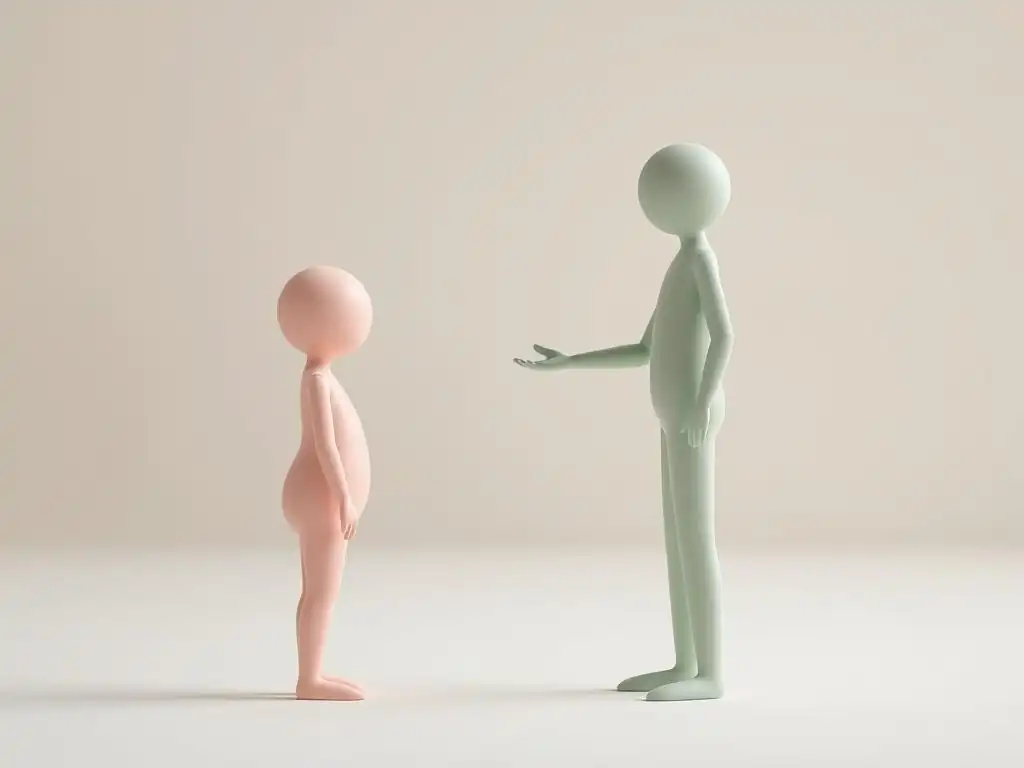
Online dating can be a minefield for those with an anxious attachment style. The constant need for reassurance, fear of rejection, and intense emotional responses can make the experience overwhelming and even detrimental. However, by consciously developing secure attachment behaviors, individuals can navigate the online dating world with greater confidence and success. This involves shifting from a reactive, anxious approach to a more proactive, self-assured one. This section will explore practical strategies to cultivate these behaviors.
Understanding your triggers and developing coping mechanisms is crucial for managing anxiety in online dating. Many individuals with anxious attachment find themselves overthinking messages, constantly checking for responses, and feeling intense disappointment if they don't receive immediate feedback. Learning to recognize and manage these anxious thoughts and feelings is key to fostering healthier online dating experiences. This involves actively challenging negative self-talk, practicing mindfulness, and developing healthy coping strategies.
Fostering Self-Compassion and Self-Acceptance
Self-compassion is the cornerstone of secure attachment. It involves treating yourself with the same kindness and understanding you would offer a close friend facing similar challenges. Individuals with anxious attachment often engage in harsh self-criticism, magnifying perceived flaws and failures. This self-criticism significantly impacts their online dating experience, leading to self-sabotaging behaviors and a fear of vulnerability. Cultivating self-compassion requires consistent effort. It starts with recognizing and challenging negative self-talk. For example, instead of thinking "I'm unlovable because he didn't reply," try reframing it as "He may not be the right person for me, and that's okay. It doesn't reflect my worth." Practicing mindfulness techniques, such as meditation or deep breathing exercises, can also help manage negative emotions and promote self-acceptance. Remember, self-love is not selfish; it's essential for healthy relationships, both online and offline. This is particularly relevant to the challenges of online dating for those with anxious attachment.
The development of self-compassion is a journey, not a destination. It takes time and consistent practice. Consider journaling your feelings, setting realistic expectations for online dating, and celebrating even small victories. Learning to accept imperfections, both in yourself and in others, is a vital component of secure attachment.
Remember, everyone makes mistakes, and it's okay to be imperfect. Embrace your vulnerabilities; they are not weaknesses, but rather opportunities for genuine connection. This self-acceptance will radiate in your online profile and interactions, attracting individuals who appreciate your authenticity. Consistent self-reflection and self-care practices will significantly contribute to a more positive and successful online dating journey.
Building a Strong Support System Outside of Online Dating
Relying solely on online dating for validation and connection can exacerbate anxious attachment tendencies. Building a strong support system outside the realm of online dating is crucial for emotional regulation and resilience. This support system can include close friends, family members, or a therapist.
These individuals can provide a safe space to process emotions, offer objective perspectives, and provide encouragement during challenging times. Leaning on this external support system helps reduce the pressure placed on online interactions, preventing the over-reliance on validation from potential romantic partners. This reduces the intensity of anxiety and fosters a healthier approach to online dating.
Furthermore, engaging in activities that nurture your well-being, independent of online dating, is vital. This might include hobbies, social groups, or volunteer work. These activities provide a sense of purpose and accomplishment, bolstering self-esteem and reducing dependence on external validation. A strong support network helps you maintain perspective and prevents you from placing excessive weight on the outcomes of online interactions. Remember, your worth is not defined by your dating success; it's intrinsic and independent of romantic relationships. Nurturing this independent sense of self is crucial for navigating the challenges of online dating with a secure and confident approach.
Focusing on Self-Care and Well-being
Prioritizing self-care is paramount for managing anxious attachment in the context of online dating. This encompasses various aspects of well-being, including physical health, mental health, and emotional health. Regular exercise, a balanced diet, sufficient sleep, and stress-reduction techniques are all crucial components of self-care. These practices directly impact emotional regulation, reducing anxiety and improving overall mood. For individuals with anxious attachment, self-care might involve setting boundaries, learning to say no, and prioritizing personal needs over the demands of online dating.
Prioritizing mental health is equally important. Consider therapy or counseling if you struggle to manage anxiety independently. A therapist can provide guidance, coping strategies, and support in navigating the emotional complexities of online dating and anxious attachment. Remember, seeking professional help is a sign of strength, not weakness.
It's an investment in your well-being and a crucial step towards fostering a healthier approach to relationships. By implementing these self-care strategies, you'll not only manage anxiety more effectively but also cultivate a stronger sense of self, leading to more fulfilling and authentic connections in the online dating world. The goal is to approach online dating from a place of self-assurance, rather than desperation or neediness. This shift in perspective will significantly improve your online dating experience and increase your chances of forming healthy, meaningful relationships.
Long-Term Success with Anxious Attachment in Online Relationships
Navigating long-term relationships with an anxious attachment style requires conscious effort and self-awareness. Online dating, with its unique challenges and opportunities, presents a particularly interesting context for this journey. Success hinges on understanding your triggers, managing anxieties, and fostering healthy communication. It's not about "fixing" your attachment style, but rather learning to work with it to build fulfilling partnerships.
Maintaining Healthy Communication and Boundaries in Committed Relationships
Open and honest communication is crucial. However, anxious attachment often leads to over-communication, constant reassurance-seeking, and fear of abandonment. Learning to regulate these impulses is vital. Instead of bombarding your partner with messages, practice mindful communication. This means pausing before responding, considering your partner's perspective, and expressing your needs clearly and respectfully. For example, instead of firing off a series of texts questioning their whereabouts, try saying something like, "I've been feeling a little insecure lately. Could we schedule a quick call to connect tonight?"
Setting healthy boundaries is equally important. This involves defining your limits and communicating them assertively. It's okay to say no, to need space, or to express discomfort with certain behaviors. Anxious attachment often manifests as people-pleasing, leading to neglecting your own needs. Learn to prioritize self-care and establish boundaries to maintain a healthy balance in the relationship. This might involve limiting the time you spend texting or setting aside specific times for individual activities. Remember, healthy relationships are built on mutual respect and individual autonomy. Prioritizing your well-being isn't selfish; it's essential for a thriving partnership.
Cultivating Secure Attachment in Long-Term Online and Offline Partnerships
While anxious attachment can feel deeply ingrained, it's not immutable. Cultivating a more secure attachment style takes time and consistent effort, but the rewards are immense. Therapy, particularly attachment-based therapy, can be incredibly beneficial. A therapist can provide a safe space to explore your anxieties, develop coping mechanisms, and build healthier relationship patterns. This is especially helpful in navigating the complexities of online dating where misinterpretations and lack of physical proximity can exacerbate anxious feelings.
Another crucial element is building self-esteem and self-compassion. Anxious attachment often stems from insecurities and a lack of self-worth. Focus on activities that boost your confidence and self-acceptance. This could involve pursuing hobbies, setting personal goals, or connecting with supportive friends and family. Remember to celebrate your accomplishments, both big and small, and to treat yourself with kindness and understanding. This increased self-worth will translate into healthier relationship dynamics, both online and offline. The journey towards secure attachment is a marathon, not a sprint; consistency and self-compassion are key.
Recognizing and Addressing Relapse of Anxious Attachment Behaviors
Even with consistent effort, relapses are possible. Recognizing these patterns is crucial for preventing them from derailing your progress. Common relapse signs include increased clinginess, excessive checking of your partner's social media, heightened jealousy, and heightened sensitivity to perceived slights. If you notice these behaviors resurfacing, don't beat yourself up. Acknowledge the relapse, analyze the triggers, and gently redirect your focus back to the healthy coping mechanisms you've developed.
This might involve practicing mindfulness techniques, journaling your feelings, or reaching out to your support system. Remember, setbacks are a normal part of the process. The key is to learn from them and use them as opportunities for growth. Self-compassion and a commitment to self-improvement are vital in navigating these challenges. Online dating can be particularly challenging, but learning to manage these relapses will lead to more fulfilling relationships.
Frequently Asked Questions
How does anxious attachment affect online dating?
Anxious attachment can lead to increased need for reassurance and constant checking of messages. This might manifest as over-messaging potential partners or feeling overly sensitive to perceived rejection. Learning to manage these tendencies is key.
What are some signs of anxious attachment in online dating?
Signs include frequent messaging, needing quick responses, ruminating over messages, and feeling jealous or insecure easily. It can also involve idealizing potential partners or fearing abandonment.
Can I still find success in online dating with anxious attachment?
Absolutely! Understanding your attachment style is the first step. By actively working on self-soothing techniques and setting healthy boundaries, you can navigate online dating successfully and build healthier relationships.
What strategies can help manage anxious attachment during online dating?
Focus on self-care, mindfulness, and setting realistic expectations. Practice patience, avoid over-analyzing messages, and try to focus on building genuine connections rather than seeking instant validation.
Where can I find more information about anxious attachment and online dating?
Explore resources like Psychology Today and relationship advice websites. Our website, OnlineDatingSuccess.org, also offers practical tips and advice to help you navigate online dating with greater confidence and self-awareness.
Understanding anxious attachment in the context of online dating is not just about overcoming challenges; it's about harnessing its unique strengths to build authentic connections. The rise of digital romance has amplified both the anxieties and the potential rewards for those with anxious attachment styles, making self-awareness and strategic navigation more crucial than ever.
The impact of online dating on individuals with anxious attachment is profound, shaping how we perceive ourselves and our relationships. The constant stream of notifications, the pressure to present a perfect online persona, and the inherent uncertainty of the digital world can exacerbate existing insecurities. Yet, paradoxically, the controlled environment of online dating can also offer a space for growth and self-discovery. The greatest discovery of all time is that a person can change his future by merely changing his attitude.
– Oprah Winfrey. This quote rings true for those with anxious attachment; by understanding their patterns and actively working to reshape their approach, they can transform their online dating experience.
You now possess the knowledge to navigate the complexities of online dating with a newfound understanding of your anxious attachment style. Don't let your anxieties define your journey; instead, use this knowledge as a tool to build healthier relationships, both online and offline. Embrace vulnerability, practice self-compassion, and remember that authentic connection is always worth the effort. Take the steps outlined in this article, and begin crafting your own unique love story, one mindful swipe at a time.
Unleash Your Dating Confidence: Take Charge of Your Connections!
Thank you for exploring the complexities of anxious attachment and online dating! We hope you've gained valuable insights into understanding yourself and navigating the digital dating world with greater confidence. Now, let's put your newfound knowledge into practice.
- Prioritize self-compassion and self-care: Make time this week for a relaxing activity – a long bath, a walk in nature, or anything that rejuvenates you. This is crucial for building healthy relationships.
- Explore new dating app features: Try a different communication style, such as sending a voice note instead of a text message, or experiment with a feature you haven't used before. You might find a more rewarding way to connect with others.
- Share your experiences: Discuss your learnings with a trusted friend or family member. Talking about your experiences can be incredibly beneficial and might even inspire them to learn more about anxious attachment and online dating.
What specific steps will you take this week to build more secure and fulfilling connections in your online dating journey?