
Finding Allies: Building Supportive Networks in LGBTQ+ Online Dating

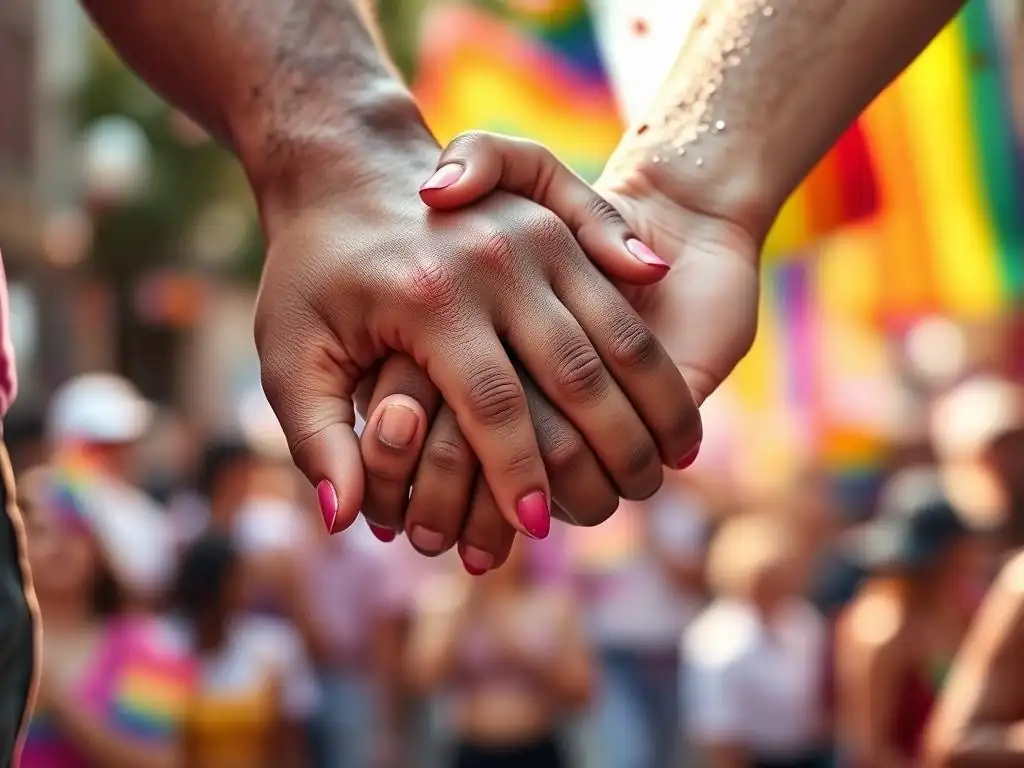
Ready to transform your online dating experience? At OnlineDatingSuccess.org, we're dedicated to helping you build meaningful connections. But navigating the world of online dating can be tricky, especially within the LGBTQ+ community. That's why we've compiled essential LGBTQ+ dating safety tips to empower you to find allies and build supportive networks. Discover how to create a profile that shines, communicate confidently, and prioritize your safety while seeking love online. Dive in and unlock the secrets to finding your perfect match!
- Navigating the Challenges of LGBTQ+ Online Dating
- Building Your Supportive Network: LGBTQ+ Dating Safety Tips
- Creating a Safe Online Dating Profile: LGBTQ+ Dating Safety Tips
- Communicating Safely and Effectively: LGBTQ+ Dating Safety Tips
- Leveraging Online Communities for Support: LGBTQ+ Dating Safety Tips
- Seeking Professional Help: LGBTQ+ Dating Safety Tips
- Maintaining Your Well-being While Online Dating: LGBTQ+ Dating Safety Tips
-
Frequently Asked Questions
- How can I ensure my safety while using online dating apps as an LGBTQ+ individual?
- What are some red flags to watch out for in LGBTQ+ online dating?
- How can I create a safe and inclusive online dating profile?
- What resources are available for LGBTQ+ individuals facing online harassment or abuse?
- How can I build a supportive network within the LGBTQ+ online dating community?
- Final Reflection: Weaving a Safer, More Supportive Online Dating Landscape
- Unleash Your Potential: Find Your Tribe in LGBTQ+ Dating
Finding love online can be exciting, but for members of the LGBTQ+ community, the experience often presents unique challenges. This article explores the specific safety concerns faced by LGBTQ+ individuals using online dating platforms and offers practical strategies for building supportive networks and mitigating risks. We’ll delve into the unique vulnerabilities within LGBTQ+ online spaces, how to identify and avoid predatory behavior, and how to effectively navigate potential harassment and discrimination.
Ultimately, our goal is to empower you to create a safer and more positive online dating experience, fostering genuine connections while prioritizing your well-being. This guide provides essential LGBTQ+ dating safety tips to help you build meaningful relationships while protecting yourself from harm. The journey to finding love should be empowering, and understanding these challenges is the first step towards a safer and more fulfilling online dating experience.
Understanding Unique Risks in LGBTQ+ Online Spaces
LGBTQ+ individuals face a disproportionate risk of online harassment, discrimination, and even violence compared to heterosexual individuals. This heightened vulnerability stems from several factors. Firstly, the visibility of one's sexual orientation or gender identity on dating apps can make individuals targets for prejudice. Secondly, a lack of legal protections in some areas leaves LGBTQ+ individuals with fewer avenues for redress in the case of online abuse.
Thirdly, the anonymity afforded by the internet can embolden hateful behavior. Many platforms, while striving for inclusivity, still struggle to effectively moderate hate speech and discriminatory actions targeting LGBTQ+ users. This necessitates a proactive approach to safety, requiring users to be aware of potential dangers and take steps to mitigate risks.
Understanding these unique risks is crucial for navigating the online dating landscape safely and effectively. For example, sharing too much personal information upfront can make you a more vulnerable target. This includes sharing your exact location, workplace, or even your full name before you've established a strong level of trust.
Identifying Potential Online Harassment and Discrimination
Online harassment can manifest in various forms, ranging from subtle microaggressions to overt threats and hate speech. This can include derogatory language targeting sexual orientation or gender identity, unsolicited sexually explicit messages, doxxing (sharing personal information without consent), and cyberstalking. Discrimination might involve being excluded from conversations or groups, being subjected to unfair treatment on dating apps (e.g., being unfairly reported or banned), or facing rejection based on sexual orientation or gender identity.
It’s crucial to learn to recognize these patterns. Keep a record of any harassing or discriminatory messages, screenshots if possible. Many platforms offer reporting mechanisms; utilize them! Remember, you are not alone in experiencing this. Building a support network of friends, family, or LGBTQ+ organizations can provide invaluable emotional support and practical advice. Knowing your rights and reporting mechanisms is key to navigating these difficult situations. Reporting harassment isn't just about protecting yourself; it also contributes to a safer online environment for others.
Recognizing and Avoiding Predatory Behavior Online
Predatory behavior online can be subtle and insidious. Red flags can include individuals who:
- Pressure you to meet in person quickly. Take your time, build trust slowly, and never feel pressured to meet someone before you are comfortable.
- Are overly secretive or evasive about their personal details. Inconsistencies in their stories or a reluctance to share basic information should raise concerns.
- Engage in manipulative or controlling behavior online. This could involve excessive messaging, demands for attention, or attempts to isolate you from your support network.
- Send sexually explicit or inappropriate messages without consent. This is a clear violation of boundaries and should be reported immediately.
- Attempt to solicit explicit images or videos. Always prioritize your safety and never feel pressured to share anything you are not comfortable with.
Remember, your safety is paramount. Trust your instincts; if something feels wrong, it probably is. Building a strong support network and educating yourself about online safety are crucial steps in mitigating the risks associated with online dating. Being aware of these predatory tactics empowers you to protect yourself and build healthy, respectful relationships. Prioritizing your safety shouldn't diminish your enjoyment of online dating; rather, it enhances it, allowing you to focus on building authentic connections.
Building Your Supportive Network: LGBTQ+ Dating Safety Tips
Finding love online can be exhilarating, but navigating the world of LGBTQ+ dating presents unique challenges. Building a strong support network is crucial for your safety and well-being. This isn't just about having someone to celebrate successes with; it's about having a safety net in place should things take an unexpected turn. This section focuses on practical strategies to build that network and prioritize your safety while exploring LGBTQ+ dating. Remember, prioritizing your well-being is key to a positive online dating experience.
Vetting Potential Matches: Safety First in LGBTQ+ Dating
Before embarking on any in-person meeting, thorough vetting is paramount. This isn't about being cynical, but about being proactive in protecting yourself. Start by carefully reviewing profiles. Look for inconsistencies or red flags. Does their profile picture seem genuine? Do their descriptions align with their photos? Be wary of profiles that lack detail or seem too good to be true. Consider the information they share – avoid those who are vague about their lives or refuse to answer direct questions.
Remember, online predators can be skilled manipulators. They might initially present themselves as charming and understanding, building trust before revealing their true intentions. Take your time; don't rush into communication or in-person meetings. Prioritize your safety by having a friend or family member aware of your dating activities. Sharing your plans, including the time, location, and contact information of your date, with a trusted person is a simple yet powerful safety precaution.
Additionally, utilize reverse image searches to verify profile pictures. Many online tools allow you to quickly check if an image has been used elsewhere, potentially indicating a fake profile or catfish. While not foolproof, this extra step adds a layer of protection to your online dating journey. Remember, your intuition is valuable; if something feels off, trust your gut and move on. Prioritizing your safety in LGBTQ+ dating is not being paranoid; it's being prepared.
Utilizing LGBTQ+-Friendly Dating Apps and Platforms
Choosing the right platform significantly impacts your safety and experience. Not all dating apps are created equal; some prioritize community safety and inclusivity more effectively than others. Research different apps and platforms, paying attention to their safety features and community guidelines. Look for apps that offer robust reporting mechanisms for harassment or abusive behavior and actively moderate their content.
Consider apps specifically designed for the LGBTQ+ community, as these often have built-in safeguards and a greater understanding of the specific challenges faced by LGBTQ+ individuals in online dating. These platforms may have stronger community guidelines and more effective moderation practices. Review user reviews and compare features before making a choice. Some apps may offer features like profile verification or background checks, adding an additional layer of security. Remember, a safe and supportive online environment is essential for a positive dating experience.
Open communication is crucial. Sharing your experiences—both positive and negative—with trusted friends and family can provide invaluable support and perspective. They can offer advice, help you process difficult encounters, and act as a sounding board. This isn't about seeking approval for every date; it's about having a network that understands your journey and can offer support when needed.
Regular check-ins with trusted individuals can also enhance your safety. Let them know when you're going on a date, where you're going, and when you expect to be back. This simple act provides an added layer of security and allows someone to check in if they haven't heard from you. Building this kind of support system isn't just about safety; it's about creating a space for vulnerability and shared experiences.
Remember, you don't have to navigate this alone. Sharing your experiences fosters a supportive environment and enhances your overall well-being. This is an integral part of practicing LGBTQ+ dating safety.
Creating a Safe Online Dating Profile: LGBTQ+ Dating Safety Tips
This section focuses on establishing a secure online presence to minimize risks and maximize positive interactions within the LGBTQ+ dating landscape. Navigating online dating as an LGBTQ+ individual requires a proactive approach to safety, blending digital literacy with self-awareness. Remember, your online profile is your first impression – make it a positive and safe one. This involves careful consideration of privacy, presentation, and communication strategies. Effective LGBTQ+ dating safety tips are crucial for a positive experience.
Protecting Your Personal Information: Privacy Settings and Best Practices
Protecting your personal information is paramount. Avoid explicitly stating your full name, address, workplace, or other easily identifiable details in your profile. Many dating apps offer privacy settings; utilize them to your advantage. For instance, consider limiting who can see your profile, photos, or location data. Only share information you're comfortable revealing to strangers, and always remember that information shared online is rarely truly private.
Consider using a nickname or a variation of your name to maintain anonymity until you've established trust. Regularly review and adjust your privacy settings as apps update their features and as your comfort level evolves. Think critically about the information you share in your profile and in your conversations – a small detail can sometimes be enough to compromise your safety. Remember, being cautious is a sign of strength, not weakness, in the world of online dating.
Crafting a Profile that Attracts Respectful Matches
Your profile acts as a filter, attracting individuals whose values align with yours. By crafting a profile that reflects your authentic self while prioritizing safety, you attract respectful matches and deter those with harmful intentions. Clearly communicate your relationship goals and boundaries. For example, stating your preference for monogamous relationships or expressing your expectations about communication frequency can help filter out incompatible matches.
Use positive and assertive language to describe yourself and your interests, avoiding overly revealing or vulnerable statements early on. Instead of saying "I'm looking for someone to complete me," try "I'm looking for a partner to share adventures and build a life with." The subtle shift in language projects confidence and attracts similarly respectful individuals. This approach significantly contributes to LGBTQ+ dating safety by proactively setting boundaries.
Using Profile Pictures that Reflect Your Authentic Self
Your profile pictures are crucial for making a positive first impression. Choose photos that accurately represent your appearance and personality. Avoid using images that are overly revealing or suggestive, as this can attract unwanted attention. Opt for well-lit, clear photos that showcase your genuine self. Consider including diverse photos that showcase your hobbies and interests, providing potential matches with a more comprehensive view of your personality.
Remember, the goal is to attract respectful matches who appreciate you for who you are. Using multiple photos that show you in various settings and with different expressions can help potential matches get a better sense of your personality and build a more accurate understanding of you. This contributes to safer, more authentic connections. Remember, presenting a truthful image of yourself increases the likelihood of attracting compatible and respectful individuals, reinforcing your LGBTQ+ dating safety strategy.
Communicating Safely and Effectively: LGBTQ+ Dating Safety Tips
This section focuses on practical strategies for safe and effective communication within the LGBTQ+ online dating sphere. Navigating this space requires heightened awareness and proactive measures to mitigate potential risks. Remember, your safety and well-being are paramount. These LGBTQ+ dating safety tips will empower you to build connections while protecting yourself.
Setting Boundaries and Expectations Early in Conversations
Open and honest communication is key to a positive online dating experience, especially within the LGBTQ+ community. Establishing clear boundaries and expectations from the outset helps prevent misunderstandings and potential harm. Don't be afraid to be upfront about your comfort levels and what you're looking for in a relationship.
For example, you might state your preferences regarding frequency of contact, types of communication (text, video call, etc. ), and expectations around sharing personal information. This can be as simple as saying, "I prefer to chat for a bit before exchanging phone numbers," or "I'm not comfortable sharing my full address until I've met in person." These straightforward statements protect your privacy and establish healthy communication patterns from the start.
Consider also setting boundaries around topics of conversation. If you're uncomfortable discussing certain personal details, politely steer the conversation in a different direction. Remember, you have the right to control the flow of information and choose what you share. Being assertive about your limits demonstrates self-respect and helps attract respectful partners. This proactive approach is crucial for LGBTQ+ dating safety.
It's also important to be mindful of the language you use. Avoid overly revealing information early on, and try not to share details that could be used to identify your location or other sensitive personal data. This mindful communication is a vital part of LGBTQ+ dating safety.
Identifying Red Flags in Online Communication
While online dating offers exciting possibilities, it's crucial to be aware of potential red flags. These indicators might signal a potentially unsafe or manipulative individual. Recognizing these signs early on can help you protect yourself from harm. Remember that your intuition is a powerful tool; trust your gut feeling.
Some red flags to watch out for include:
- Pressure to move quickly: If someone is pushing for an in-person meeting or sharing of personal information too soon, this is a significant warning sign. Healthy relationships develop gradually.
- Inconsistencies in their profile or story: Discrepancies between what they say and what's presented in their profile or previous messages should raise concerns.
- Excessive flattery or overly intense compliments: While positive feedback is nice, excessive or overly intense praise can be manipulative.
- Controlling or demanding behavior: If someone tries to control your conversations, dictate your actions, or become overly possessive early on, this is a major red flag.
- Avoidance of video calls: A reluctance to engage in video calls, despite expressing interest in a relationship, could indicate they are hiding something or are not who they claim to be. Video calls can provide an additional layer of verification and reassurance.
- Aggressive or threatening language: Any form of aggressive, threatening, or abusive language should be immediately reported and the contact blocked.
These red flags, while not exhaustive, highlight the importance of careful observation and critical thinking in online interactions. Remember, your safety is paramount, and it's always better to err on the side of caution. These LGBTQ+ dating safety tips are designed to empower you to make informed decisions.
Reporting Abusive or Harassing Behavior
Experiencing abuse or harassment online can be distressing, but it's crucial to remember that you're not alone. Many resources are available to support you and hold perpetrators accountable. If you encounter abusive or harassing behavior, take the following steps:
- Block and report the user: Most dating platforms have mechanisms for blocking and reporting users who violate their terms of service. Utilize these features immediately.
- Save evidence: Document instances of abuse or harassment by saving screenshots, messages, or other relevant evidence. This documentation will be vital if you decide to pursue further action.
- Seek support: Connect with friends, family, or support groups for emotional support and guidance. There are also numerous LGBTQ+ organizations that offer specialized support for individuals experiencing online harassment.
- Consider legal action: Depending on the severity of the harassment, you may wish to pursue legal action. Consult with a lawyer or legal aid organization to explore your options.
- Report to the platform: Many platforms have dedicated channels for reporting abuse and harassment. Use these reporting mechanisms to ensure the platform takes appropriate action.
Remember, reporting abusive behavior is not only protecting yourself but also preventing others from experiencing similar harm. Your actions can contribute to a safer online dating environment for the entire LGBTQ+ community. Utilizing these LGBTQ+ dating safety tips helps create a more supportive space for everyone.
Leveraging Online Communities for Support: LGBTQ+ Dating Safety Tips
Navigating the world of online dating can be challenging for anyone, but it presents unique complexities for members of the LGBTQ+ community. Discrimination, prejudice, and even outright hostility are unfortunately still realities. Building a strong support network is crucial for mitigating these risks and fostering positive experiences. This section focuses on leveraging online communities to enhance your safety and well-being while dating online. Remember, your safety and mental health are paramount.
Finding LGBTQ+-Focused Online Forums and Groups
Finding the right online spaces is key. Generic dating advice forums might not fully grasp the specific challenges faced by LGBTQ+ individuals. Instead, seek out platforms and groups explicitly designed for LGBTQ+ individuals. These spaces often offer a sense of community and shared understanding, crucial for managing the emotional toll of online dating. Look for forums and groups that prioritize respect, inclusivity, and safety. Active moderation is a significant indicator of a healthy and supportive environment. Consider factors like group size; a smaller, tightly-knit community may offer more personalized support than a massive, less moderated forum.
Many platforms offer dedicated LGBTQ+ spaces. Some prioritize specific identities within the community, allowing you to connect with people who share similar experiences and backgrounds. This targeted approach can be particularly beneficial for individuals who feel marginalized within the broader LGBTQ+ community or who are navigating unique challenges related to their identity. Reading through existing posts and observing the tone and interactions within a group before joining can help you gauge its suitability. Look for groups that actively discourage harassment and promote respectful discourse. Remember to always prioritize your safety and comfort.
Connecting with LGBTQ+ Mentors and Role Models
Mentorship can provide invaluable guidance and support. Within LGBTQ+-focused online communities, you might find individuals willing to share their experiences and offer advice. These mentors can provide insights into navigating the complexities of online dating as an LGBTQ+ person, offering practical tips and emotional support. They can help you identify potential red flags, develop strategies for dealing with prejudice, and build your confidence.
Consider searching for hashtags or keywords related to mentorship or guidance within your preferred LGBTQ+ online communities. Many individuals actively offer mentorship, and engaging with their posts or directly reaching out can be a great way to initiate a supportive relationship. Remember to approach potential mentors with respect and clearly articulate your needs. Establish boundaries and ensure a comfortable and safe communication dynamic. A mentor-mentee relationship should be mutually beneficial and supportive. Be mindful that not all interactions will lead to a productive mentorship, and that's okay.
Building a Network of Online Friends for Mutual Support
Building a network of online friends within the LGBTQ+ community can provide a constant source of encouragement and practical support. These friendships can serve as a buffer against the potential negativity of online dating. Sharing experiences, offering advice, and providing emotional support to one another can significantly reduce feelings of isolation and vulnerability. Remember that building trust takes time. Start with small interactions, engage in discussions, and gradually build deeper connections.
Remember to prioritize your own safety and well-being when developing these online relationships. Avoid sharing overly personal information until you feel comfortable and confident in the other person's trustworthiness. Focus on building connections based on shared interests and mutual respect. This supportive network can be a crucial resource for navigating the challenges of online dating and building healthy relationships. Consider using private messaging features for more sensitive discussions, and always maintain a healthy balance between your online and offline life. Remember, a strong support network is a powerful tool in navigating the complexities of LGBTQ+ online dating.
Seeking Professional Help: LGBTQ+ Dating Safety Tips

Navigating the complexities of online dating can be challenging for anyone, but the experience can be particularly fraught with unique difficulties for members of the LGBTQ+ community. Prejudice, discrimination, and the potential for harassment are unfortunately common occurrences. Therefore, seeking professional support is not a sign of weakness, but rather a proactive step towards ensuring your well-being and safety while engaging in LGBTQ+ dating. This section focuses on resources available to help you manage the emotional toll and navigate potentially harmful situations.
Finding LGBTQ+-Affirming Therapists or Counselors
Finding a therapist or counselor who understands the specific challenges faced by LGBTQ+ individuals is crucial. A therapist familiar with LGBTQ+ issues can provide a safe and supportive space to process difficult experiences, develop coping mechanisms, and build resilience. When searching, prioritize therapists who explicitly state their experience working with the LGBTQ+ community.
Look for keywords like "LGBTQ+ affirming," "queer-friendly," or "inclusive of gender identity and sexual orientation" in their profiles or websites. Many online directories allow you to filter searches based on these criteria, making it easier to identify suitable professionals. Remember, a good therapeutic relationship is built on trust and mutual understanding.
Don't hesitate to schedule consultations with several therapists before choosing one that feels like the right fit. This process is vital for your mental health and overall well-being, especially while navigating the often-turbulent waters of online dating. Consider factors like their approach to therapy, their experience with online dating-related issues, and their fees to ensure a comfortable and effective working relationship.
Utilizing Online Resources for LGBTQ+ Mental Health Support
Beyond individual therapy, several online resources offer valuable support and information for LGBTQ+ individuals facing challenges in online dating. These resources can provide a sense of community, practical advice, and access to educational materials. Many organizations dedicated to LGBTQ+ rights and well-being maintain websites and social media platforms with helpful articles, forums, and support groups. These platforms can be invaluable for connecting with others who share similar experiences, reducing feelings of isolation, and gaining insights from shared experiences.
Remember to be cautious when sharing personal information online, prioritizing your safety and privacy. Look for reputable organizations with a proven track record of supporting the LGBTQ+ community. These virtual communities can provide a lifeline, offering a sense of belonging and validation that can be instrumental in navigating the emotional complexities of online dating. Consider the potential benefits of connecting with others going through similar experiences and accessing readily available information.
Accessing Crisis Hotlines and Support Services
In situations of immediate crisis or distress, accessing crisis hotlines and support services is paramount. These services provide immediate support and guidance during times of emotional turmoil or safety concerns. Many LGBTQ+-specific crisis hotlines are available, offering confidential and empathetic support. These hotlines are staffed by trained professionals who understand the specific challenges faced by LGBTQ+ individuals and can provide immediate assistance, referrals to mental health professionals, and resources to ensure your safety. Knowing these resources are available can be a significant source of comfort and empowerment, reducing feelings of helplessness and vulnerability.
Keep a list of these hotlines handy, and don't hesitate to reach out if you are experiencing a crisis. Your safety and well-being are of utmost importance. Remember, seeking help is a sign of strength, not weakness. These services are available 24/7, providing immediate support when you need it most.
Maintaining Your Well-being While Online Dating: LGBTQ+ Dating Safety Tips
Navigating the world of online dating can be challenging for anyone, but LGBTQ+ individuals often face additional hurdles related to safety and well-being. This section focuses on practical strategies to prioritize your mental and emotional health while searching for connection. Remember, your safety and happiness are paramount. These LGBTQ+ dating safety tips are designed to empower you to take control of your online dating experience.
Practicing Self-Care and Setting Healthy Boundaries
Prioritizing self-care is crucial for managing the emotional rollercoaster that online dating can bring. It's easy to get caught up in the process, constantly checking messages and agonizing over responses. However, neglecting your own needs can lead to burnout and increased vulnerability. Setting healthy boundaries is key to protecting your mental and emotional well-being.
This involves defining your limits and sticking to them. For example:
- Limit your daily online dating time: Schedule specific times for checking messages and profiles, avoiding constant scrolling. Consider using website blockers or app timers to enforce these limits.
- Don't overshare personal information early on: Protect your privacy by gradually revealing details about yourself as you build trust. Avoid sharing your full address, workplace, or other sensitive information until you've met someone in person and feel completely safe.
- Take breaks when needed: If you're feeling overwhelmed or discouraged, step away from online dating for a while. Engage in activities you enjoy, such as spending time with friends, pursuing hobbies, or practicing mindfulness techniques.
- Prioritize your offline life: Maintain a strong network of support outside of online dating. Focus on your friendships, family, and other fulfilling aspects of your life. This will prevent online dating from becoming your sole focus and source of validation.
Remember, healthy boundaries are not selfish; they are essential for your well-being and safety. Setting limits helps you maintain control over your online dating experience and protects you from potential harm.
Online dating can trigger feelings of anxiety and stress, particularly for LGBTQ+ individuals who may encounter prejudice or discrimination. The constant pressure to present a perfect image, the fear of rejection, and the potential for negative interactions can take a toll on your mental health. Fortunately, several strategies can help you manage these emotions effectively:
- Practice mindfulness and meditation: Mindfulness techniques can help you stay grounded in the present moment, reducing feelings of anxiety and overthinking. Many free apps and resources are available to guide you through meditation practices.
- Engage in stress-reducing activities: Find healthy ways to cope with stress, such as exercise, yoga, spending time in nature, or listening to calming music.
- Talk to a therapist or counselor: If you're struggling to manage your stress and anxiety on your own, consider seeking professional help. A therapist can provide you with personalized coping strategies and support.
- Connect with supportive communities: Surround yourself with people who understand your experiences and offer encouragement. Online LGBTQ+ communities and support groups can provide a safe space to share your feelings and connect with others.
- Remember your worth: Rejection is a part of online dating, but it doesn't reflect your value as a person. Focus on your positive qualities and remember that you deserve to find someone who appreciates you for who you are.
Remember, seeking help is a sign of strength, not weakness. Don't hesitate to reach out for support if you need it. Your mental health is just as important as your physical health.
Celebrating Your Identity and Resilience
Navigating the complexities of LGBTQ+ online dating requires resilience and a strong sense of self. Embrace your unique identity and celebrate your strengths. Your experiences shape you, and your resilience is a testament to your strength and spirit.
- Focus on your positive attributes: Create a dating profile that authentically reflects your personality and interests. Highlight what makes you special and what you're looking for in a partner. Don't be afraid to showcase your individuality.
- Don't let negativity define you: You will likely encounter negativity or prejudice online. Don't let these experiences diminish your self-worth. Remember that their negativity reflects their own biases, not your worth.
- Find your tribe: Connect with other LGBTQ+ individuals online and offline. Sharing experiences and supporting each other can build resilience and foster a sense of community.
- Celebrate your accomplishments: Acknowledge your achievements and milestones, both big and small. This helps build self-esteem and confidence.
- Practice self-compassion: Be kind to yourself, especially during challenging times. Treat yourself with the same understanding and support you would offer a friend.
Remember, your journey is unique and valuable. Celebrate your identity, embrace your resilience, and know that you are not alone. Your strength and authenticity are your greatest assets in navigating the world of online dating.
Frequently Asked Questions
How can I ensure my safety while using online dating apps as an LGBTQ+ individual?
Always meet in public places for first dates. Verify the person's identity through multiple platforms. Trust your instincts; if something feels off, end the interaction.
What are some red flags to watch out for in LGBTQ+ online dating?
Be wary of profiles with limited information or inconsistent photos. Avoid individuals who pressure you for personal details too quickly or push for off-app communication early on. Report any suspicious behavior.
How can I create a safe and inclusive online dating profile?
Use a profile picture that clearly shows your face. Be upfront about your relationship goals and preferences. Highlight your interests and hobbies to attract like-minded individuals.
What resources are available for LGBTQ+ individuals facing online harassment or abuse?
Many LGBTQ+ organizations offer support and resources. Report abusive behavior to the dating app and consider blocking the user. Seek support from friends, family, or a therapist.
How can I build a supportive network within the LGBTQ+ online dating community?
Engage with profiles that resonate with you. Join LGBTQ+-focused online groups and forums. Connect with others who share your values and interests. Building trust takes time, so be patient.
Final Reflection: Weaving a Safer, More Supportive Online Dating Landscape
The vulnerability inherent in online dating is amplified for LGBTQ+ individuals, who often face unique challenges related to safety and acceptance. Finding genuine connection amidst potential prejudice and discrimination requires proactive strategies and a strong support network. This article has explored practical steps towards building that network, from verifying profiles to utilizing community features and prioritizing personal safety.
The impact of fostering supportive online spaces extends far beyond individual safety; it's about cultivating a culture of respect and understanding within the LGBTQ+ community and beyond. The most powerful weapon against hate is love.
This simple statement holds profound truth in the context of online dating, where building bridges of trust and empathy can counteract the negativity and prejudice that some individuals may encounter. My own experiences navigating online dating as a member of the LGBTQ+ community have underscored the importance of these strategies, highlighting the power of community and shared experiences in mitigating risk and fostering a sense of belonging.
Now, consider your own online interactions. How can you actively contribute to a safer and more supportive environment for yourself and others? Take the time to verify profiles, report suspicious behavior, and reach out to friends or community members for support. By actively engaging in these practices, you are not only protecting yourself but also helping to create a more inclusive and welcoming online dating experience for everyone. Let's work together to build a digital space where love and connection can flourish freely.
Unleash Your Potential: Find Your Tribe in LGBTQ+ Dating
Thanks for exploring the world of building supportive networks within LGBTQ+ online dating! We hope you gained valuable insights into fostering authentic connections. Now, let's put that knowledge into action.
Here are a few steps to build your own vibrant community:
- Prioritize genuine connection: Reach out to a few profiles that genuinely interest you today. Send a thoughtful, personalized message—avoid generic greetings!
- Engage in meaningful conversations: Participate in a relevant LGBTQ+ online forum or group to share experiences and connect with others who understand your unique journey. This could be a forum dedicated to a specific interest you share, or a general support group.
- Share this article: Help others discover the power of building a supportive network within their dating experiences.
What unique approach will you take to build authentic connections within the LGBTQ+ dating world?