
Avoid the Rollercoaster: Recognizing Anxious Attachment in Online Dating Profiles


Tired of online dating feeling like a rollercoaster of emotions? You're not alone. At OnlineDatingSuccess.org, we help you navigate the complexities of finding love online. This week, we delve into the often-unseen impact of anxious attachment on online dating profiles – and how recognizing it (in yourself or others) can be the key to unlocking a more fulfilling and stable dating experience. Discover how to identify these patterns and learn strategies to build healthier connections. Let's get started!
- Understanding Anxious Attachment in Online Dating
-
Identifying Anxious Attachment in Online Dating Profiles: Key Indicators
- Excessive Messaging and Need for Constant Reassurance
- Demand for Immediate Commitment and Relationship Progression
- Overly Sharing Personal Information Early On
- Jealousy and Possessiveness: Digital Clues
- Negative Self-Perception and Low Self-Esteem in Profiles
- Inconsistent Communication Patterns: A Telltale Sign
- Navigating Anxious Attachment in Online Interactions
- Moving Forward: Finding Compatibility and Avoiding Anxious Attachment
-
Frequently Asked Questions
- How can I identify an anxious attachment style in an online dating profile?
- What are some common phrases or words used by people with anxious attachment in their dating profiles?
- Does having an anxious attachment style mean someone is unsuitable for dating?
- How can I approach someone with an anxious attachment style on a dating app?
- What should I do if I think I might have an anxious attachment style myself?
- Final Reflection: Navigating the Dating Landscape with Self-Awareness
- Unlock Healthier Dating: Take Control of Your Connections
Understanding Anxious Attachment in Online Dating
Navigating the world of online dating can feel like a rollercoaster, with its highs and lows of matches, messages, and dates. One significant factor influencing this experience, often unseen, is attachment style. Understanding how different attachment styles manifest in online dating profiles can dramatically improve your chances of finding a compatible and healthy relationship.
This article focuses specifically on recognizing anxious attachment in online dating profiles, empowering you to make informed decisions and avoid potentially tumultuous relationships. We will explore the characteristics of anxious attachment, how it presents itself in online profiles, and crucial red flags to watch out for. By learning to identify these patterns, you can sidestep unnecessary emotional turmoil and focus your energy on building genuine connections.
This knowledge is crucial for anyone serious about finding lasting love in the digital age. Let's delve into the specifics and learn how to navigate the complexities of anxious attachment in the online dating landscape.
Defining Anxious Attachment Style
Anxious attachment, a common attachment style stemming from early childhood experiences, manifests as a persistent fear of abandonment and a deep need for reassurance. Individuals with anxious attachment often crave constant validation and closeness in relationships. This stems from a sense of insecurity and a belief that their worthiness of love is conditional. They may experience intense emotional highs and lows, characterized by periods of intense affection followed by crippling anxieties about rejection.
In relationships, they might exhibit clinginess, possessiveness, and a tendency to overthink interactions. The core fear underlying anxious attachment is the potential loss of connection, leading to behaviors designed to prevent this perceived threat. This fear isn't always conscious; it often operates beneath the surface, influencing their actions and choices without their full awareness. Understanding this underlying insecurity is key to recognizing its manifestation in online dating profiles.
Recognizing Anxious Attachment Behaviors in Online Profiles
Identifying anxious attachment in online dating profiles requires a keen eye for subtle cues. While not every individual exhibiting these traits has anxious attachment, the presence of multiple signals should raise awareness. For example, profiles might showcase an overwhelming need for validation, with numerous photos seeking external approval.
Look for phrases like "Seeking my soulmate," "Looking for someone to complete me," or excessive use of emojis expressing vulnerability or neediness. The language used might be overly dramatic or intense, reflecting the emotional rollercoaster often associated with this attachment style. Profiles may also feature an excessive number of selfies or photos with others, suggesting a desire for social validation and proof of desirability.
Furthermore, the profile might lack clear boundaries or personal information, indicative of a fear of rejection or a need for immediate connection. Consider the overall tone and the way the individual presents themselves; is there a sense of desperation or a frantic search for approval? These are all potential indicators of anxious attachment.
Spotting Red Flags: Anxious Attachment Signals in Dating App Bios
Dating app bios often provide a window into an individual's personality and relationship expectations. Specific phrases and statements can serve as significant red flags for anxious attachment. For instance, phrases like "I need someone who will always be there for me," "I'm looking for my other half," or "I can't stand being alone" can signal a strong need for constant reassurance and a fear of abandonment.
Bios that focus heavily on seeking validation or emphasize the individual's loneliness or neediness should raise caution. Conversely, an absence of personal information or a vague description of oneself could also indicate a fear of vulnerability and rejection. Beware of bios that are excessively long or detailed, potentially demonstrating a need to overshare in a bid for connection.
Remember, while these are potential indicators, it’s essential to consider the entire profile context and avoid jumping to conclusions. The presence of multiple red flags, however, warrants careful consideration before initiating contact. Ultimately, recognizing these patterns empowers you to make informed choices, prioritizing your emotional well-being in your online dating journey.
Identifying Anxious Attachment in Online Dating Profiles: Key Indicators
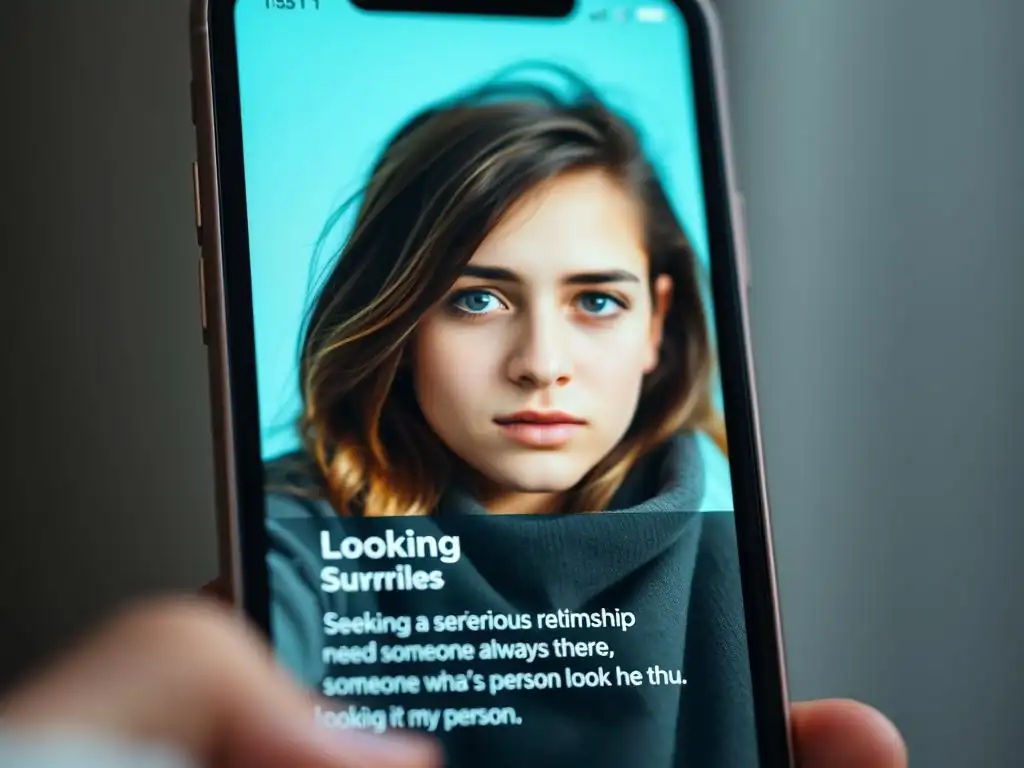
This section delves into the specific behavioral patterns and communication styles often displayed in online dating profiles by individuals exhibiting anxious attachment. Recognizing these signs can help you navigate the dating world more effectively and avoid potentially tumultuous relationships. Understanding anxious attachment in online dating profiles is crucial for fostering healthy connections.
Excessive Messaging and Need for Constant Reassurance
Individuals with anxious attachment often demonstrate a strong need for validation and reassurance. In online dating profiles, this might manifest as:
- Frequent messaging: They may initiate conversations repeatedly, send multiple messages without receiving a reply, and generally exhibit a higher-than-average messaging frequency. For example, you might receive five messages in a row before you've even had a chance to respond to the first one. This can feel overwhelming and even suffocating.
- Rapid-fire questions: Expect a barrage of personal questions, sometimes before even a proper introduction has taken place. This intense questioning stems from a desire to quickly establish connection and solidify the relationship. They might ask about your future plans, family life, and deeply personal details prematurely.
- Seeking constant reassurance: Their messages might subtly (or not-so-subtly) seek constant reassurance of your interest. Phrases like, "Are you still interested? ", "Are you busy? ", or "I hope I'm not bothering you," might appear frequently. They may interpret silence or delayed responses as rejection, leading to increased messaging.
- Emotional dependency: Their messages might reveal a strong reliance on external validation. They might express feelings of insecurity or inadequacy, seeking external reassurance to counteract these feelings.
Demand for Immediate Commitment and Relationship Progression
Anxious attachment often leads to a desire for rapid relationship escalation. In online dating profiles, this can present as:
- "Relationship-oriented" language: Their profile might explicitly mention their desire for a serious relationship, long-term commitment, or even marriage. While this isn't inherently negative, the intensity and prematureness of this focus can be a red flag.
- Pressure for quick meetings: They may suggest meeting up very early in the communication process, often before a proper understanding of each other has been established. This haste may stem from an anxious need for physical closeness and relationship confirmation.
- Idealization and unrealistic expectations: Their profile might portray an idealized version of a relationship, with unrealistic expectations about speed, intimacy, and commitment. This could manifest as statements about finding their "soulmate" or "perfect match" very quickly.
- Jealousy or possessiveness (subtle hints): While not explicitly stated, their communication style may subtly hint at possessiveness or jealousy, even at this early stage. They might indirectly express concern about you talking to other people.
Overly Sharing Personal Information Early On
Individuals with anxious attachment may struggle with boundaries and may overshare personal information early in the communication process. This can include:
- Vulnerability and emotional disclosure: They might reveal deep personal struggles, traumas, or insecurities very early on, often seeking empathy and understanding. While vulnerability is healthy, the timing and intensity of this disclosure can be a sign of anxious attachment.
- Sharing intimate details prematurely: They might share intimate details about their past relationships, family dynamics, or personal struggles before a foundation of trust has been established. This can feel overwhelming and inappropriate in the early stages of online dating.
- Lack of self-awareness: Their profiles may lack healthy boundaries, indicating a potential difficulty in recognizing and respecting the boundaries of others.
- Seeking immediate intimacy: Their communication may subtly or overtly suggest a desire for immediate emotional or even physical intimacy, without sufficient time to build a connection. This can manifest as overly suggestive language or premature discussions about sexual intimacy.
Understanding these indicators is key to navigating online dating successfully and protecting your emotional well-being. Remember, recognizing these patterns doesn't mean judging individuals, but rather equipping yourself with the knowledge to make informed choices about who you engage with. Healthy relationships are built on mutual respect, trust, and gradual progression.
Jealousy and Possessiveness: Digital Clues
Individuals with anxious attachment styles often exhibit jealousy and possessiveness, and their online dating profiles might subtly reveal these tendencies. Look for language that suggests insecurity or a need for constant reassurance. For example, phrases like "Looking for someone who will only have eyes for me," or "I need someone who is completely devoted," hint at a fear of abandonment and a desire for exclusive attention.
They may also indirectly express jealousy by mentioning past negative experiences with infidelity or highlighting a need for a partner who is "completely trustworthy" – a phrase that, while seemingly innocent, can mask underlying anxieties. Furthermore, analyze their profile pictures. Are they often pictures with other people, possibly suggesting insecurity about being alone or a need for external validation?
The presence of numerous photos displaying extreme closeness with friends or family could also indicate a need for constant reassurance and validation from others, which is a characteristic of anxious attachment. Remember, however, that some expressions of desire for commitment are perfectly healthy; the key is to discern between healthy expectations and excessive possessiveness stemming from insecurity.
Negative Self-Perception and Low Self-Esteem in Profiles
Anxious attachment often manifests as low self-esteem and negative self-perception. These feelings can be subtly reflected in online dating profiles. Look for self-deprecating humor that goes beyond lightheartedness. While a little self-deprecation can be endearing, excessive or overly negative self-talk suggests deeper insecurities.
For instance, profiles that repeatedly mention flaws or insecurities, even in a joking manner, might indicate a pattern of self-criticism. Pay attention to the language used to describe themselves – words like "flawed," "insecure," or "damaged" used repeatedly are clear warning signs. Furthermore, consider the overall tone of the profile. Does it project a sense of uncertainty or lack of confidence?
A profile filled with apologies or excessive explanations can be a subtle indicator of low self-esteem and a fear of rejection. The choice of photos also matters; a lack of confident, well-lit pictures, or a preference for obscured or low-quality images, could subtly reflect a negative self-image. It is crucial to remember that everyone has flaws, but the way these flaws are presented reveals much about their self-perception.
Inconsistent Communication Patterns: A Telltale Sign
While you can't directly observe communication patterns from a static profile, certain profile cues can hint at potential inconsistency. For example, an anxious individual might present a seemingly perfect image in their profile but then exhibit erratic or unpredictable behavior once communication begins. While this isn't directly visible in the profile itself, the profile might inadvertently reveal a predisposition to such behavior. Look for profiles that present an idealized version of themselves – almost too good to be true.
This perfect presentation could signal a fear of rejection, leading to later inconsistencies as they struggle to maintain this facade. Additionally, an anxious attachment style can manifest in a profile's excessive eagerness to connect. A profile that explicitly states a desire for immediate connection, or one that uses phrases conveying a sense of urgency to find a partner, could reflect an underlying need for constant reassurance and validation.
This urgency, while seemingly positive, can often mask deeper anxieties and lead to inconsistent communication styles once a relationship begins. Therefore, while the profile itself might not directly show inconsistent communication, it can provide clues to a personality prone to such patterns. Remember, consistency in communication is key in building healthy relationships.
Understanding anxious attachment in online dating profiles is crucial for building healthy relationships. Individuals with anxious attachment often exhibit specific behaviors and communication styles that can be identified through careful observation of their online presence. This section will delve into practical strategies for navigating these interactions, focusing on setting boundaries, responding effectively, and prioritizing your emotional safety. Recognizing the signs of anxious attachment is the first step towards fostering healthier online dating experiences and avoiding potentially draining relationships. Remember, your emotional well-being is paramount.
Setting Healthy Boundaries: Protecting Your Emotional Well-being
Setting boundaries is paramount when interacting with individuals exhibiting anxious attachment behaviors online. These individuals often crave constant reassurance and communication, which can become overwhelming. Establishing clear limits early on prevents burnout and protects your emotional energy. This isn't about being unkind; it's about self-preservation.
For example, if someone consistently messages you multiple times a day expecting immediate responses, you can politely establish a boundary. Instead of feeling pressured to respond instantly, you might say something like, "I'm busy today, but I'll get back to you later this evening." This simple statement sets a reasonable expectation without being dismissive.
Another effective strategy involves limiting your availability. You might dedicate specific times for checking messages instead of constantly monitoring your inbox. This prevents feeling overwhelmed and allows you to engage in other activities. This proactive approach manages expectations and helps you avoid becoming entangled in potentially unhealthy communication patterns. Remember, consistent and clear communication about your needs is key. It’s okay to prioritize your time and mental health. Don't feel guilty about establishing healthy boundaries; it's a sign of self-respect.
Responding to Anxious Attachment Behaviors Effectively
Responding effectively to anxious attachment behaviors requires empathy and clear communication. These individuals often experience heightened levels of insecurity and fear of abandonment, leading to clingy behavior or excessive neediness in their online communication. Understanding their underlying anxieties allows for a more compassionate and effective response.
Instead of reacting defensively to their demanding messages or frequent requests for reassurance, try to validate their feelings while still maintaining your boundaries. For instance, if they express worry about your lack of immediate response, you might say, "I understand you're feeling anxious, and I appreciate you sharing that. However, I need some time to myself, and I'll get back to you when I can." This acknowledges their feelings without giving in to their demands.
It's important to be mindful of your own emotional responses. Their anxieties can be contagious, and it's crucial to protect yourself from absorbing their negative emotions. Regular self-care practices, such as meditation or spending time in nature, can help maintain your emotional equilibrium. Prioritizing your own well-being allows you to respond more effectively and compassionately to their needs without compromising your own emotional health.
Prioritizing Your Emotional Safety in Online Dating
Prioritizing your emotional safety in online dating is crucial, especially when encountering individuals with anxious attachment. This involves recognizing red flags, setting boundaries, and protecting your emotional well-being. Remember, your safety and happiness are paramount.
Some red flags to watch out for include excessive demands for attention, constant need for reassurance, rapid escalation of intimacy, and possessive or controlling behavior, all of which can manifest in online interactions. If you observe these patterns, it's essential to establish firm boundaries and limit contact. Remember, it's perfectly acceptable to end communication with someone who is not respecting your emotional needs.
Consider keeping your personal information private until you've established trust. Avoid sharing sensitive details or revealing too much about your daily routine early in the online dating process. This protects you from potential harm and allows you to assess the individual's behavior before sharing more personal information. Your online safety and emotional well-being are non-negotiable. Trust your instincts; if something feels off, it probably is. Remember, healthy relationships are built on mutual respect and understanding. Don't compromise your emotional safety for anyone.
Moving Forward: Finding Compatibility and Avoiding Anxious Attachment
After identifying potential signs of anxious attachment in online dating profiles, the next step is to focus on building healthy and fulfilling relationships. This involves understanding your own attachment style and recognizing compatible partners. Remember, recognizing anxious attachment isn't about judgment; it's about self-awareness and making informed choices. This section will guide you on how to navigate the online dating landscape with a focus on secure, healthy connections.
Focusing on Secure Attachment Styles in Online Dating
Secure attachment is characterized by a healthy balance of independence and interdependence. Individuals with a secure attachment style generally have a positive view of themselves and others, leading to healthy relationship dynamics. When searching for a partner online, look for profiles that reflect these characteristics. For example, a secure individual's profile might showcase genuine self-confidence, a balanced portrayal of their life (not overly focused on seeking validation), and a clear sense of self. They might mention hobbies and interests without excessive self-deprecation or boasting. They are likely to express their needs and desires clearly and respectfully.
Here's a table summarizing key indicators of secure attachment in online dating profiles:
| Indicator | Description | Example |
|---|---|---|
| Positive Self-Image | Shows self-acceptance and confidence; avoids excessive self-criticism. | "I enjoy hiking and spending time outdoors; I'm always learning something new." |
| Realistic Expectations | Presents a balanced view of relationships; doesn't idealize or expect perfection. | "Looking for a genuine connection with someone who values honesty and trust." |
| Healthy Boundaries | Clearly communicates their needs and limits; respects the boundaries of others. | "I value my independence, but I also enjoy spending quality time with loved ones." |
| Open Communication | Expresses themselves clearly and honestly; actively listens and engages in dialogue. | "I'm looking forward to getting to know someone who enjoys open and honest communication." |
Remember, these are indicators, not definitive proof. A profile might exhibit some traits but not others. The goal is to identify a pattern suggesting a secure attachment style rather than relying on individual elements alone.
Identifying Healthy Relationship Dynamics in Profiles
Beyond individual characteristics, pay attention to how potential partners describe their past relationships and their vision for the future. Profiles reflecting healthy relationship dynamics often showcase respect, trust, and effective communication. Avoid profiles that portray a pattern of tumultuous relationships, blaming others for relationship failures, or exhibiting a desperate need for constant reassurance.
Look for these clues:
- Respectful Communication: Does the profile mention respectful communication styles, active listening, and the ability to resolve conflicts constructively?
- Shared Values: Do they express values that align with your own? Shared values often form the foundation of strong relationships.
- Emotional Maturity: Do they demonstrate emotional intelligence and the ability to manage their emotions healthily? This is particularly crucial in navigating the challenges of online dating.
- Realistic Expectations of Relationships: Do they have realistic expectations about relationships, acknowledging that they require effort and compromise?
Anxious attachment often manifests in profiles that prioritize immediate gratification, highlight a history of intense but short-lived relationships, or emphasize a constant need for validation. Being mindful of these red flags can help you avoid potentially unhealthy relationships.
Building Healthy Relationships After Identifying Anxious Attachment
Understanding anxious attachment is a crucial first step towards building healthy relationships. If you've identified anxious attachment in yourself or a potential partner, remember that it's not insurmountable. Open communication, self-awareness, and a commitment to healthy relationship dynamics are key. Consider seeking professional guidance from a therapist or counselor specializing in attachment styles if you feel you need additional support. This can help navigate the complexities of your own attachment style and build more secure and fulfilling relationships.
Remember, building a healthy relationship takes time and effort. Be patient with yourself and your partner, and prioritize open communication and mutual respect. By focusing on secure attachment and understanding healthy relationship dynamics, you can improve your chances of finding a fulfilling and lasting connection in online dating. The journey to finding love requires self-awareness and a willingness to learn and grow, ensuring a smoother path towards lasting happiness.
Frequently Asked Questions
How can I identify an anxious attachment style in an online dating profile?
Look for profiles exhibiting high need for reassurance, frequent mentions of relationship anxieties, or overly desperate language. They might also post many photos showcasing their vulnerability.
What are some common phrases or words used by people with anxious attachment in their dating profiles?
Words like "needy," "clingy," "insecure," or phrases expressing a desperate need for a relationship might be indicators. Also watch out for excessive negativity or self-deprecation.
Does having an anxious attachment style mean someone is unsuitable for dating?
Absolutely not! Anxious attachment is a common attachment style, and understanding it can help you navigate the dating process with more empathy and awareness. Therapy or self-reflection can be beneficial.
How can I approach someone with an anxious attachment style on a dating app?
Be responsive and reassuring, but avoid overwhelming them. Maintain healthy boundaries while showing genuine interest and understanding. Clear communication is key.
What should I do if I think I might have an anxious attachment style myself?
Seeking professional help from a therapist is recommended. Self-help resources and working on self-esteem and communication skills can also be beneficial. Remember, self-awareness is the first step.
Understanding anxious attachment in online dating profiles is not merely an academic exercise; it's a crucial tool for building healthier relationships in the digital age. The prevalence of online dating means we're constantly bombarded with curated versions of ourselves and others, making it easier to fall into unhealthy patterns and miss crucial red flags. Recognizing these patterns, particularly those stemming from anxious attachment, is the first step towards fostering genuine connection.
The impact of anxious attachment extends far beyond the confines of a dating app; it shapes our expectations, communication styles, and overall relationship satisfaction. It's a pervasive issue that influences how we perceive ourselves and others, often leading to cycles of insecurity and disappointment. The most important thing in life is to learn how to give out love, and to let it come in.
– Morrie Schwartz. This quote highlights the importance of self-awareness and emotional regulation in cultivating healthy relationships, a process made significantly more challenging by the complexities of online dating.
Now, consider your own dating experiences. Have you noticed patterns of behavior in yourself or potential partners that align with anxious attachment? Take this opportunity to reflect on your own attachment style and how it might be impacting your online dating journey. By understanding your tendencies and those of others, you can consciously choose to break free from unhealthy cycles and cultivate more fulfilling connections. Embrace self-compassion, seek professional guidance if needed, and remember that building healthy relationships takes time, effort, and a willingness to learn and grow.
Unlock Healthier Dating: Take Control of Your Connections
Thanks for exploring the impact of anxious attachment on online dating profiles! You've gained valuable insights into recognizing these patterns in yourself and others. Ready to apply this knowledge?
- Understand your attachment style: Take a free online quiz to better understand your dating patterns and how they affect your relationships. This self-awareness is crucial for building healthier connections.
- Share this article with a friend who might find it helpful. Discussing anxious attachment can be surprisingly supportive.
- Create a confident online profile: Review your dating profile and edit it to project confidence and security. Focus on your strengths and what you seek in a balanced, healthy relationship.
What's your first step toward building more secure and fulfilling relationships?