
Learn to Communicate Your Needs: A BenefitDriven Approach for Each Attachment Style


Ready to transform your online dating experience? At OnlineDatingSuccess.org, we understand the challenges of navigating the digital dating world. This isn't just about finding a match; it's about building meaningful connections. Our expert advice will guide you through crafting compelling profiles and mastering the art of online communication. But first, let's explore the crucial role of online dating communication needs, especially when considering your unique attachment style. Discover how understanding your needs—and those of potential partners—can unlock the door to lasting relationships. Learn more about how to communicate your needs effectively and find the right match for you.
- Understanding Your Attachment Style and its Impact on Online Dating Communication
- Communicating Your Needs as a Securely Attached Individual in Online Dating
- Communicating Your Needs as an Anxiously Attached Individual in Online Dating
- Communicating Your Needs as an Avoidantly Attached Individual in Online Dating
- Communicating Your Needs as a Fearfully Avoidantly Attached Individual in Online Dating
- Effective Communication Techniques for All Attachment Styles in Online Dating
- Building Meaningful Connections Through Authentic Online Dating Communication
- Success Stories: Real-Life Examples of Effective Online Dating Communication
-
Frequently Asked Questions
- How can I effectively communicate my needs on online dating sites?
- What if my communication style clashes with my potential partner's?
- How do I communicate my needs based on my attachment style?
- What are some common communication mistakes to avoid in online dating?
- How can I maintain healthy communication throughout the dating process?
- Final Reflection: Unlocking Connection Through Authentic Communication
- Unlock Your Dating Potential: Speak Your Love Language
Understanding Your Attachment Style and its Impact on Online Dating Communication
Navigating the world of online dating can feel like deciphering a complex code, especially when trying to connect authentically with others. Success hinges not just on crafting the perfect profile picture or writing a witty bio, but also on effectively communicating your needs and desires. This is where understanding your attachment style becomes crucial.
Your attachment style, shaped by early childhood experiences, significantly influences how you approach relationships, including those formed online. This article will explore the connection between attachment styles – secure, anxious, avoidant, and fearful-avoidant – and online dating communication, providing you with practical insights to improve your dating experience and foster meaningful connections. We'll delve into recognizing your own communication patterns and those of potential partners, empowering you to communicate your needs clearly and build healthier, more fulfilling relationships.
Mastering online dating communication means understanding yourself and how your attachment style impacts your interactions. This is key to finding success and avoiding common pitfalls. Let's unlock the secrets to effective communication in the digital dating landscape, helping you find the connection you deserve.
Identifying Your Attachment Style: Secure, Anxious, Avoidant, and Fearful-Avoidant
Understanding your attachment style is the first step towards improving your online dating communication. There are four main attachment styles:
- Secure: Secure individuals generally feel comfortable with intimacy and independence. They trust others and communicate their needs openly and honestly. In online dating, they tend to be straightforward and responsive.
- Anxious: Anxious individuals crave intimacy but fear abandonment. They may overthink messages, seek constant reassurance, and become overly invested quickly. Online, this can manifest as frequent messaging, checking for responses obsessively, and interpreting silence negatively.
- Avoidant: Avoidant individuals value independence and often feel uncomfortable with intimacy. They may avoid expressing their needs or feelings, leading to misunderstandings and difficulties in building close relationships. In online dating, they might be less responsive, less forthcoming about their feelings, and may even disappear without explanation.
- Fearful-Avoidant (Disorganized): This style combines elements of both anxious and avoidant attachment. These individuals desire intimacy but fear closeness and rejection simultaneously, leading to inconsistent and confusing communication patterns. Online, this can result in unpredictable behavior, alternating between intense engagement and withdrawal.
Think about your typical communication patterns in relationships. Do you find it easy to express your needs? Do you worry about rejection or abandonment? Recognizing your dominant attachment style will provide valuable self-awareness, paving the way for more effective communication strategies. Consider taking an online attachment style quiz for a more in-depth understanding. Knowing your style is the first step towards positive change.
How Attachment Style Influences Online Dating Communication
Your attachment style directly impacts how you communicate your needs online. For example:
| Attachment Style | Communication Style | Potential Challenges |
|---|---|---|
| Secure | Open, honest, responsive, respects boundaries | May underestimate the needs of others |
| Anxious | Frequent messaging, seeking reassurance, overthinking | May come across as needy or clingy |
| Avoidant | Less responsive, avoids vulnerability, may disappear | May appear uninterested or distant |
| Fearful-Avoidant | Inconsistent, unpredictable, alternating between hot and cold | May confuse and frustrate potential partners |
Understanding these patterns is crucial. For instance, an anxiously attached individual might send numerous messages, interpreting a delayed response as rejection. Conversely, an avoidant individual might struggle to express their feelings, leading to misinterpretations. Recognizing these tendencies allows you to adjust your approach and communicate more effectively.
Recognizing Communication Patterns by Attachment Style in Online Dating
Identifying your own attachment style is only half the battle. Learning to recognize the attachment styles of potential partners is equally important. By observing their communication patterns, you can anticipate their reactions and adjust your approach accordingly.
For example, if someone consistently responds quickly and enthusiastically, they might be securely attached. If someone is hesitant to share personal information or disappears for long periods, they might be avoidantly attached. If someone is overly demanding of attention or reassurance, they might be anxiously attached. Observing these patterns will help you manage expectations and navigate conversations more effectively.
Remember, recognizing these patterns isn't about labeling or judging; it's about understanding and adapting your communication to foster healthier connections. Effective communication is a two-way street, requiring awareness and empathy from both parties. By understanding these dynamics, you'll be better equipped to navigate the complexities of online dating and build more meaningful relationships.
Communicating Your Needs as a Securely Attached Individual in Online Dating
Secure attachment, characterized by a positive view of self and others, fosters healthy communication in online dating. Individuals with this attachment style generally find it easier to express their needs and desires openly and honestly. However, even securely attached individuals can benefit from refining their communication strategies for optimal online dating success. This section explores effective techniques for securely attached individuals to navigate the nuances of online interactions.
Clear and Direct Communication Strategies for Securely Attached Individuals
Securely attached individuals often possess strong communication skills. They tend to be assertive yet empathetic, able to express their needs without being demanding or overly apologetic. However, the digital realm introduces unique challenges. The lack of non-verbal cues can lead to misinterpretations, making direct and clear communication even more crucial. Here's how securely attached individuals can leverage their strengths:
- Be upfront about your intentions: Don't play games or beat around the bush. If you're looking for a long-term relationship, say so! This eliminates wasted time and helps attract compatible partners. For example, instead of saying "Let's see where this goes," try, "I'm looking for a serious relationship, and I'm excited to see if we're a good match."
- Use specific examples: Instead of vague statements like "I need more communication," provide concrete examples. "I appreciate you responding promptly to my messages, but I would feel more connected if we scheduled a quick video call once a week."
- Practice active listening: Online dating often involves asynchronous communication. Pay close attention to your partner's messages and respond thoughtfully, showing you understand their perspective. Summarizing their points ("So, it sounds like you're feeling...") demonstrates active listening and strengthens the connection.
- Express your feelings using "I" statements: This avoids placing blame and encourages a more constructive dialogue. For instance, instead of saying "You never call me," try "I feel a little disconnected when we only communicate through text. I'd love to hear your voice more often."
- Don't be afraid to ask for what you need: Secure attachment doesn't equate to passivity. If something isn't working, communicate it directly and respectfully. This could be anything from adjusting communication frequency to clarifying expectations about exclusivity.
Setting Healthy Boundaries in Online Dating: A Secure Approach
While secure attachment promotes healthy relationships, establishing clear boundaries is essential, even for those with secure attachment styles. The anonymity and distance inherent in online dating can make it easier for individuals to overstep boundaries. Here's how securely attached individuals can protect themselves while fostering connection:
- Define your dealbreakers early: What are your non-negotiables? Are you looking for someone who shares your values, lifestyle, or long-term goals? Communicate these preferences clearly from the outset to avoid wasting time on incompatible matches.
- Limit personal information sharing: Protect your privacy by avoiding sharing sensitive details too early in the process. This includes your full address, workplace, or financial information. Gradually reveal personal information as trust develops.
- Manage your time and energy: Don't feel obligated to respond immediately to every message. Prioritize your well-being and allocate time for online dating that aligns with your schedule and energy levels.
- Respect your own needs for space: It's perfectly acceptable to take breaks from online dating or to decline dates if you're not feeling it. Don't feel pressured to maintain constant contact or accept every invitation.
- Disengage from disrespectful or harmful interactions: If someone is being disrespectful, rude, or makes you feel uncomfortable, don't hesitate to block or report them. Your safety and well-being are paramount.
Building Trust and Connection: A Securely Attached Perspective
Building trust and connection online requires consistent effort and open communication. Securely attached individuals, with their inherent ability to form strong bonds, can excel in this area. However, the virtual environment necessitates a strategic approach:
- Consistent communication: Regular, meaningful interactions are crucial for building trust. This goes beyond superficial exchanges; aim for genuine conversations that reveal your personalities and shared interests.
- Vulnerability in moderation: Sharing personal experiences and emotions fosters intimacy. However, it's important to gauge the level of trust before revealing highly sensitive information. Start with smaller vulnerabilities and gradually increase intimacy as the relationship develops.
- Video calls: Video calls add a personal touch, enhancing connection and trust. They allow you to observe non-verbal cues and build rapport beyond text-based interactions.
- Meet in person (safely): Eventually, a face-to-face meeting is vital to solidify the connection. Prioritize safety by choosing public places for initial meetings and informing a friend or family member of your plans.
- Patience and persistence: Building trust takes time. Don't get discouraged if it doesn't happen overnight. Continue to communicate openly, honestly, and consistently, and trust will naturally develop over time. Remember, genuine connection takes effort, but the rewards are well worth it.
Communicating Your Needs as an Anxiously Attached Individual in Online Dating
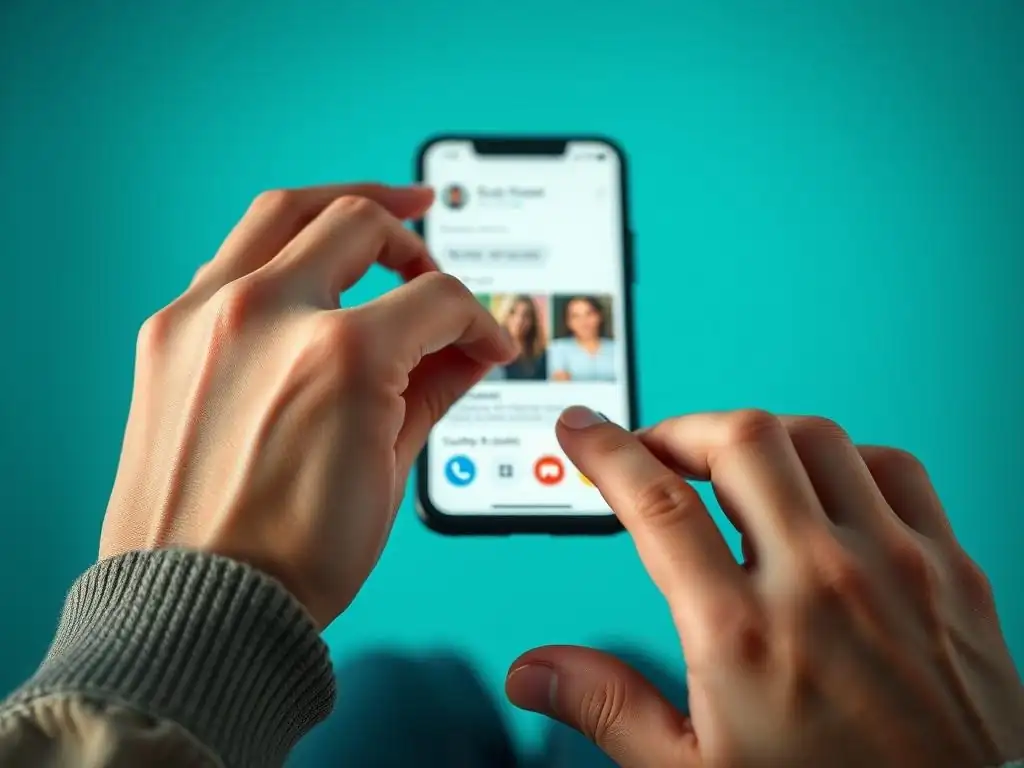
Anxiously attached individuals often prioritize connection and reassurance in relationships. This can manifest in online dating as frequent messaging, a need for constant validation, and a tendency to overthink interactions. Successfully navigating online dating with an anxious attachment style requires understanding your communication patterns and implementing strategies for healthier interactions.
Mastering online dating communication needs as an anxiously attached person involves self-awareness and proactive steps to manage anxieties. This section focuses on practical strategies for communicating your needs effectively while mitigating the potential pitfalls of anxious attachment in the online dating world. Let's explore how to navigate this delicate balance.
Managing Anxiety in Online Dating Communication: Practical Tips
Online dating can trigger anxieties for anyone, but for those with anxious attachment, the experience can be amplified. The uncertainty inherent in online interactions can fuel worries about rejection, abandonment, and the overall pace of connection. Here are some practical tips to manage these anxieties:
- Set realistic expectations: Avoid idealizing potential partners. Remember that everyone presents a curated version of themselves online. Focus on getting to know someone authentically, rather than projecting unrealistic hopes onto them. This helps to manage expectations and reduces the likelihood of disappointment.
- Schedule breaks: Constant checking of dating apps and messaging can exacerbate anxiety. Schedule specific times to check messages and avoid obsessive monitoring. Engage in other activities to distract yourself and prevent overthinking. This mindful approach helps regulate the emotional rollercoaster often associated with online dating.
- Practice self-soothing techniques: Develop healthy coping mechanisms for anxiety, such as deep breathing exercises, meditation, or mindfulness practices. These techniques can help calm your nerves and prevent impulsive actions driven by anxiety. Remember that self-care is crucial in managing your emotional wellbeing.
- Limit initial contact: Resist the urge to bombard potential partners with messages. Allow for natural pacing and give them space to respond. Respect their time and boundaries. This demonstrates maturity and reduces the likelihood of overwhelming them.
- Identify your triggers: Understanding what specifically triggers your anxiety in online interactions is a crucial step. Are you triggered by slow responses? By a lack of initiative from the other person? Once you identify your triggers, you can develop strategies to manage your reactions.
Avoiding Overthinking and Seeking Reassurance: An Anxious Attachment Strategy
Overthinking is a common characteristic of anxious attachment. In online dating, this can lead to misinterpreting messages, creating narratives in your head, and seeking constant reassurance. To mitigate this:
- Challenge negative thoughts: When you find yourself overthinking, consciously challenge negative thoughts and replace them with more balanced perspectives. Ask yourself: "Is this thought based on facts or assumptions?" "What is the most likely explanation for this situation?" "What is the worst that could happen, and how likely is it?" This cognitive restructuring is a powerful tool for managing anxieties.
- Focus on the present moment: Instead of dwelling on past interactions or worrying about future possibilities, concentrate on the present moment. Engage in activities that ground you in the here and now. This helps to shift your focus away from anxious thoughts.
- Limit reassurance seeking: While seeking reassurance might feel necessary, it can inadvertently reinforce anxiety. Instead, focus on building self-confidence and trust in your own judgment. This process takes time and practice but yields significant long-term benefits.
- Journaling: Writing down your thoughts and feelings can be incredibly helpful in processing emotions and gaining perspective. It allows you to externalize your anxieties and identify patterns.
- Set boundaries: Communicate your needs clearly and respectfully, but avoid excessive reassurance seeking. This shows self-respect and encourages healthy communication dynamics.
Healthy Communication Strategies for Anxious Attachment
Effective communication is key to building healthy relationships, especially in online dating. For anxiously attached individuals, this involves:
- Clear and direct communication: Express your needs and feelings directly, without being overly apologetic or hesitant. Use "I" statements to avoid blaming or accusing. For example, instead of saying "You never text me back," try "I feel anxious when I don't hear from you within a reasonable timeframe."
- Active listening: Pay attention to what your potential partner is saying, both verbally and nonverbally. Ask clarifying questions to ensure you understand their perspective. This fosters mutual understanding and reduces misinterpretations.
- Respect boundaries: Recognize and respect the boundaries of your potential partner. Avoid being overly demanding or possessive. Healthy relationships are built on mutual respect and autonomy.
- Manage expectations: Remember that online dating is a process, and not every interaction will lead to a relationship. Focus on building genuine connections, rather than solely pursuing romantic outcomes.
- Seek professional support: If you're struggling to manage your anxiety, consider seeking professional support from a therapist or counselor. They can provide personalized guidance and tools to help you navigate online dating and build healthier relationships. This is a proactive step towards improving your overall well-being and relationship success.
This comprehensive approach to online dating communication, tailored to the needs of anxiously attached individuals, offers a path toward more fulfilling and less anxiety-ridden experiences. Remember that self-awareness, proactive strategies, and a commitment to healthy communication are essential for success.
Communicating Your Needs as an Avoidantly Attached Individual in Online Dating
Avoidant attachment styles, characterized by a preference for independence and a discomfort with intimacy, present unique challenges in online dating. Successfully navigating this landscape requires understanding your communication patterns and implementing strategies to foster healthier connections. This section explores how to express your needs while respecting your boundaries, focusing specifically on the nuances of online communication. Mastering this will significantly improve your online dating experience and increase your chances of forming meaningful relationships. This is crucial for improving your online dating communication needs.
Overcoming Communication Barriers in Online Dating: An Avoidant Approach
Avoidantly attached individuals often struggle with direct communication, preferring indirect methods or avoiding difficult conversations altogether. This can manifest in online dating as delayed responses, infrequent messaging, or a reluctance to discuss personal feelings. To overcome these barriers, consider these steps:
- Acknowledge your tendencies: Recognizing your avoidance patterns is the first step towards change. Be mindful of your communication style and actively work to counteract your natural inclinations.
- Practice self-compassion: Avoid self-criticism for past communication failures. Focus on progress, not perfection. Remember that learning to communicate effectively takes time and effort.
- Start small: Begin by engaging in short, low-pressure conversations. Gradually increase the frequency and depth of your interactions as you feel more comfortable.
- Use written communication strategically: Online dating offers the advantage of written communication, which allows for careful consideration of your words. Take advantage of this to express yourself clearly and concisely.
- Set realistic expectations: Don't expect to overcome your avoidance overnight. Celebrate small victories and be patient with yourself throughout the process.
Balancing Independence and Connection: Strategies for Avoidant Attachment
The core challenge for avoidantly attached individuals in online dating is balancing the need for independence with the desire for connection. This delicate balance requires careful navigation. Here are some practical strategies:
- Define your boundaries: Clearly articulate your personal boundaries regarding communication frequency and intimacy levels. This helps manage expectations and prevents feelings of overwhelm.
- Schedule communication: Instead of relying on spontaneous interactions, schedule dedicated time for messaging or video calls. This provides structure and reduces anxiety.
- Practice vulnerability (gradually): Share personal information at a pace that feels comfortable. Start with small, less emotionally charged details and gradually increase the level of intimacy as trust develops.
- Identify your communication triggers: Understanding what situations or topics trigger your avoidance helps you anticipate and manage your reactions.
- Seek professional support: Therapy or counseling can provide valuable tools and strategies for managing avoidant attachment and improving communication skills.
Building Healthy Relationships Despite Avoidant Attachment
Building healthy relationships requires consistent effort and self-awareness, particularly for those with avoidant attachment styles. Remember that overcoming ingrained patterns takes time and perseverance. Here are some key considerations:
- Choose partners who respect your needs: Select partners who understand and appreciate your need for independence while valuing connection. Mutual respect is paramount.
- Communicate your needs directly (but kindly): While challenging, direct communication is crucial. Express your needs and boundaries calmly and respectfully. Avoid accusatory or blaming language.
- Practice active listening: Actively listen to your partner's needs and perspectives. Showing empathy and understanding fosters mutual respect and strengthens the relationship.
- Celebrate progress, not perfection: Acknowledge and celebrate your progress in overcoming communication barriers. Focus on your growth rather than dwelling on setbacks.
- Remember that relationships require effort: Healthy relationships require ongoing effort from both partners. Be prepared to invest time and energy in nurturing your connection. This is a key component of fulfilling your online dating communication needs.
This detailed approach to understanding and addressing avoidant attachment in online dating provides a roadmap for building healthier, more fulfilling relationships. Remember, progress, not perfection, is the key. 🤝
Communicating Your Needs as a Fearfully Avoidantly Attached Individual in Online Dating

Fearful-avoidant attachment, a complex blend of wanting connection yet fearing intimacy, presents unique challenges in online dating. Individuals with this attachment style often experience a push-pull dynamic, simultaneously craving closeness and recoiling from it. This internal conflict significantly impacts communication, leading to inconsistent messaging, sudden withdrawal, or even self-sabotaging behavior. Understanding these tendencies is crucial for effective online dating communication. Successfully navigating this requires a delicate balance of self-awareness, emotional regulation, and strategic communication. The goal is to foster healthy connections without triggering the inherent anxieties associated with this attachment style. This section explores practical strategies to achieve this.
The online dating landscape, with its potential for rejection and vulnerability, can be particularly daunting for someone with fearful-avoidant attachment. The anonymity afforded by online platforms can both alleviate and exacerbate anxieties. While it provides a sense of safety to initiate contact, it can also amplify the fear of rejection. This often manifests as inconsistent communication – periods of intense engagement followed by sudden silences. These inconsistent patterns can be confusing and frustrating for potential partners, potentially leading to misunderstandings and ultimately, relationship failure.
One key to overcoming this is mindful self-reflection. Journaling can help identify triggers and patterns in your communication style. Ask yourself: When do I pull away? What am I afraid of? Understanding these underlying fears is the first step towards addressing them.
Another significant hurdle is the tendency to overthink and catastrophize. A simple unread message can be interpreted as rejection, leading to a spiral of negative self-talk. Challenging these negative thoughts is vital. Replace catastrophic thinking with more realistic and balanced perspectives. For example, instead of assuming a lack of response means rejection, consider alternative explanations (busy schedules, technical difficulties). Remember, online dating involves many variables beyond your control. Focusing on what you can control – your communication and self-care – empowers you to navigate the process more effectively.
Managing Fear and Insecurity in Online Dating Communication
Managing fear and insecurity is paramount for successful online dating communication with a fearful-avoidant attachment style. This requires developing coping mechanisms to navigate anxieties that might arise during interactions. One effective technique is to practice self-compassion. Treat yourself with the same kindness and understanding you would offer a friend facing similar challenges. Acknowledge your feelings without judgment. Remember that feeling anxious or insecure is normal, especially in the context of vulnerability inherent in online dating.
Furthermore, setting realistic expectations is crucial. Avoid idealizing potential partners or placing undue pressure on early interactions. Remember that online dating is a process of exploration and discovery. Not every connection will lead to a long-term relationship, and that's okay. Accepting this reality can significantly reduce anxiety and pressure.
Finally, consider seeking professional support. A therapist specializing in attachment styles can provide personalized guidance and tools to manage your anxieties and develop healthier communication patterns. This can be particularly helpful in understanding and addressing the root causes of your fearful-avoidant tendencies. This proactive approach can lead to a more fulfilling and successful online dating experience.
Developing Healthy Communication Strategies for Fearful-Avoidant Attachment
Developing healthy communication strategies is key to overcoming the challenges posed by fearful-avoidant attachment in online dating. This involves learning to express your needs and boundaries assertively yet respectfully. Start by identifying your communication needs. What kind of interaction makes you feel comfortable? What are your boundaries regarding frequency and intimacy of communication? Once you understand your needs, you can communicate them clearly and directly. For example, you might say, "I enjoy talking regularly, but I also need some space to process things sometimes." This honest approach builds trust and encourages reciprocal communication.
Another important strategy is to practice active listening. Pay attention to your partner's responses, both verbal and nonverbal. This shows respect and fosters mutual understanding. It also helps avoid misinterpretations that can fuel anxieties. Avoid avoidance behaviors like ghosting or sudden withdrawal.
If you need time or space, communicate this directly instead of disappearing. This transparent approach fosters trust and prevents misunderstandings. Remember, building healthy relationships requires open and honest communication. By actively working on these strategies, individuals with fearful-avoidant attachment can significantly improve their online dating experience and build more fulfilling connections. The journey may require patience and persistence, but the rewards of healthier relationships are well worth the effort.
Effective Communication Techniques for All Attachment Styles in Online Dating
This section focuses on practical communication strategies to enhance your online dating experience, regardless of your attachment style. Successful online dating hinges on clear, empathetic communication. Mastering these techniques will significantly improve your chances of forming meaningful connections. Remember, effective communication is key to navigating the complexities of online dating and finding a compatible partner. This applies to all attachment styles – anxious, avoidant, secure, or fearful-avoidant – as each style presents unique communication challenges and opportunities. Understanding these nuances and employing the right techniques can lead to more fulfilling relationships.
Active Listening and Empathetic Responses in Online Dating
Active listening goes beyond simply hearing words; it involves understanding the emotional context behind them. In online dating, where nonverbal cues are limited, paying close attention to the tone and word choice in messages is crucial. For example, a seemingly simple "Hey" can convey different levels of interest depending on the accompanying emojis or the overall flow of the conversation. An anxious attachment style might over-interpret a delayed response, while an avoidant style might unintentionally appear uninterested.
To practice active listening:
- Summarize and paraphrase: Restate what you understand your date to be saying to confirm your comprehension. For example, “So, it sounds like you’re saying you’re looking for someone who enjoys outdoor activities as much as you do?”
- Ask clarifying questions: Don't hesitate to ask for more information if something is unclear. This shows genuine interest and prevents misunderstandings. Instead of simply reacting, ask questions like, "Tell me more about that," or "What did you mean by...?"
- Emphasize empathy: Acknowledge and validate your date's feelings, even if you don't necessarily share them. Phrases like, "I understand that must have been frustrating," or "That sounds challenging," can go a long way in building rapport.
By actively listening and responding empathetically, you create a safe and supportive space for open communication, regardless of your or your date's attachment style. This fosters trust and strengthens the connection.
Expressing Your Needs Clearly and Assertively in Online Dating
Clearly expressing your needs is paramount in online dating, particularly when navigating the complexities of different attachment styles. Anxious individuals might struggle to directly communicate their needs, fearing rejection. Avoidant individuals might downplay their needs or avoid expressing vulnerability. However, clear and assertive communication benefits everyone.
Here's how to express your needs effectively:
- Use "I" statements: Focus on your own feelings and needs, rather than blaming or criticizing your date. For example, instead of saying, "You never respond to my messages," try, "I feel a little insecure when I don't hear back from you within a reasonable timeframe."
- Be specific: Avoid vague statements. Instead of saying, "I need more communication," specify what kind of communication you desire. For example, "I'd appreciate it if we could chat for a few minutes each day," or "I enjoy hearing about your day."
- Set boundaries: Communicate your limits and expectations assertively but respectfully. This is crucial for maintaining healthy boundaries and avoiding potential conflict. For instance, clearly state your preferences regarding frequency of contact or the types of conversations you’re comfortable with.
- Practice self-compassion: Remember that expressing your needs is a strength, not a weakness. It takes courage to be vulnerable, and it's a crucial aspect of building healthy relationships.
Utilizing Nonverbal Communication Effectively in Online Dating
While online dating lacks face-to-face interaction, nonverbal communication still plays a significant role. Emojis, tone, and the frequency and timing of messages all convey information about your personality and feelings. Understanding and utilizing these aspects effectively can enhance your communication and build stronger connections.
Consider these points:
| Nonverbal Cue | Impact on Online Dating Communication | Example |
|---|---|---|
| Emojis | Convey emotion and tone; can help avoid misinterpretations. | Using a smiling emoji to soften a potentially serious message. |
| Punctuation | Affects tone and emphasis. | Using exclamation points to show enthusiasm (use sparingly! ). |
| Response Time | Signals interest level and availability. Consistent delays can be misinterpreted. | Responding promptly to messages shows engagement. |
| Message Length | Indicates effort and engagement. | Longer, thoughtful messages demonstrate genuine interest. |
Mastering nonverbal communication in the online space involves mindful consideration of these subtle cues. Consistent and thoughtful communication helps establish trust and understanding, leading to more successful online dating experiences. Remember, even in the digital world, nonverbal cues are crucial for establishing rapport and building genuine connections.
Managing Expectations and Avoiding Misunderstandings in Online Dating
Online dating, while offering exciting possibilities for connection, can also be a breeding ground for misunderstandings. Effective communication is key to navigating this landscape successfully, regardless of your attachment style. Mismatched expectations are a common source of frustration and disappointment. To mitigate this, it's crucial to be upfront about your needs and intentions from the outset. Avoid making assumptions about what your potential partner wants or expects.
For example, if you're looking for a long-term relationship, explicitly state that in your profile and early messages. Don't assume that everyone on the platform shares your definition of "casual dating" or "serious relationship." The ambiguity inherent in online communication can lead to differing interpretations of seemingly innocuous messages. Clear and direct language is essential.
Furthermore, actively listen to your date's responses. Pay attention not only to their words but also their tone and body language (if communicating via video). Are their responses consistent with your understanding of their intentions? If you detect inconsistencies or feel unsure about something, don't hesitate to ask clarifying questions. For instance, if someone says they're "busy," ask what that means in the context of dating – are they too busy for a first date, or just busy with work and will have time next week?
This proactive approach prevents small misunderstandings from escalating into larger conflicts later on. Remember, open communication is a two-way street. Encourage your date to express their needs and expectations openly, too. Create a safe space for vulnerability and honesty.
Another crucial aspect is managing your own emotional responses. Online dating can be emotionally taxing, especially if you've experienced past disappointments. Be mindful of your own emotional baggage and how it might influence your interpretations of messages or actions. If you find yourself becoming overly reactive or anxious, take a step back and reflect on your emotions before responding. Consider using journaling or mindfulness techniques to regulate your emotional state.
This self-awareness will significantly improve your ability to communicate clearly and avoid misinterpretations. Finally, remember that not every connection will be a perfect match. Learning to manage expectations and gracefully navigate disagreements is a valuable skill in online dating and in relationships generally. Accepting that some incompatibilities are inevitable will help you avoid unnecessary frustration and maintain a healthy perspective.
Building Meaningful Connections Through Authentic Online Dating Communication
This section focuses on how open and honest communication, tailored to your attachment style, can significantly improve your online dating experience. Successfully navigating the world of online dating hinges on effectively communicating your needs and desires. This isn't just about finding a match; it's about building a genuine connection that has the potential to blossom into a fulfilling relationship. Understanding your communication style, rooted in your attachment style, is the crucial first step.
Authenticity is key; presenting a version of yourself that isn't truly you will only lead to disappointment and mismatched expectations down the line. Instead, focus on expressing your needs clearly and respectfully, fostering a sense of trust and mutual understanding from the outset. Remember, effective online dating communication is a two-way street – it requires both expressing your own needs and actively listening to your potential partner's.
The Importance of Self-Awareness in Online Dating Communication
Before you even begin crafting your online dating profile or sending messages, take the time for crucial self-reflection. Understanding your attachment style – whether secure, anxious, avoidant, or fearful-avoidant – is paramount. Each style manifests differently in communication. For instance, someone with an anxious attachment style might over-communicate, seeking constant reassurance, while someone with an avoidant style might be less responsive or emotionally distant.
This self-awareness allows you to anticipate your communication patterns and adjust them proactively. Consider journaling about your past relationship experiences to identify recurring communication patterns. Ask yourself: Do I tend to initiate contact frequently? Do I struggle with expressing my needs directly?
Do I withdraw emotionally when feeling overwhelmed? Honest answers will illuminate your communication tendencies and help you navigate online dating with greater intention. This process of self-discovery is not a one-time event; it's an ongoing journey of self-improvement that will continuously enhance your online dating success. Regular introspection will help you identify areas for growth and refine your communication skills to better reflect your authentic self.
Long-Term Relationship Building Based on Open Communication
Building a lasting relationship online requires consistent, open communication. It's not enough to simply exchange pleasantries; you need to delve deeper. Share your values, aspirations, and boundaries openly and honestly. This transparency helps establish trust and mutual understanding, paving the way for a stronger, more meaningful connection.
For example, if you're looking for a long-term relationship, don't be afraid to express this explicitly. Similarly, clearly communicating your dealbreakers – whether it's smoking, children, or career ambitions – saves both you and your potential partner time and heartache. Remember to actively listen to your partner's responses; effective communication is a dialogue, not a monologue.
Pay attention to their verbal and nonverbal cues, ensuring you understand their needs and perspectives as well. This reciprocal exchange of information strengthens your bond and lays the foundation for a healthy, sustainable relationship. Consider incorporating regular check-ins to discuss your feelings and needs; this proactive approach keeps communication channels open and prevents misunderstandings from escalating.
Sometimes, navigating the complexities of online dating and attachment styles can feel overwhelming. If you find yourself struggling with consistent relationship challenges despite your best efforts, don't hesitate to seek professional help. A therapist specializing in attachment theory can provide valuable insights and guidance, helping you understand your communication patterns and develop healthier relationship dynamics.
They can offer tools and techniques to improve communication, manage anxiety, and build healthier relationships. Therapy can help you identify underlying insecurities or anxieties that might be hindering your progress in online dating and provide strategies for overcoming these obstacles. Remember, seeking professional help is a sign of strength, not weakness.
It's an investment in your emotional well-being and your ability to build fulfilling relationships. Don't underestimate the power of professional support in navigating the intricate world of online dating and attachment. It's a valuable resource that can provide the tools you need to achieve your relationship goals.
Success Stories: Real-Life Examples of Effective Online Dating Communication
This section showcases real-life examples of how individuals with different attachment styles successfully communicated their needs in online dating, leading to fulfilling connections. Understanding these success stories can provide valuable insights and inspiration for your own online dating journey. Remember, effective communication is key to finding compatible partners, regardless of your attachment style. The examples below highlight the importance of clear, honest, and empathetic communication in navigating the complexities of online dating.
Secure Attachment Success Story
Sarah, a 32-year-old with a secure attachment style, knew exactly what she wanted in a partner: someone emotionally available, communicative, and respectful. In her online dating profile, she clearly stated her values and preferences, emphasizing her desire for a genuine connection. She initiated conversations with thoughtful questions, actively listening to responses and sharing her own experiences openly and honestly. When she met Mark, their communication was effortless.
They easily shared their feelings and needs, creating a strong foundation of trust and mutual understanding. Their initial online conversations flowed naturally into in-person dates, resulting in a lasting and fulfilling relationship. Sarah's success stems from her ability to communicate her needs directly and respectfully, establishing healthy boundaries and fostering a reciprocal exchange of emotions. This demonstrates the power of assertive communication in building strong connections within online dating.
Overcoming Anxious Attachment Challenges: A Case Study
Emily, a 28-year-old with an anxious attachment style, initially struggled with online dating. Her anxieties often led to overthinking and excessive messaging, sometimes overwhelming potential partners. After reflecting on her communication patterns, she consciously worked on slowing down her responses and focusing on quality over quantity. She learned to express her needs without demanding reassurance.
Instead of bombarding potential matches with messages, she focused on engaging in meaningful conversations, asking thoughtful questions and actively listening to their responses. When she met David, she practiced mindful communication, expressing her feelings without excessive neediness. She also learned to manage her expectations and accept that not every connection would lead to a relationship.
This gradual shift in communication style allowed her to build more secure and fulfilling relationships. This example highlights the transformative power of self-awareness and mindful communication in overcoming anxious attachment challenges in the online dating sphere. It emphasizes the importance of patience and self-compassion in navigating the complexities of online dating with an anxious attachment style.
John, a 35-year-old with an avoidant attachment style, initially found online dating overwhelming. His fear of intimacy led him to keep conversations brief and avoid emotional vulnerability. However, after recognizing his communication patterns, he made a conscious effort to gradually increase his engagement. He started by responding to messages promptly and asking open-ended questions to show interest.
He also practiced expressing his feelings in small, manageable steps, focusing on honesty and transparency. When he connected with Jessica, he surprised himself by sharing more about his thoughts and feelings than he ever had before. He learned to appreciate the value of emotional intimacy without feeling overwhelmed. This gradual approach allowed him to build a healthy and fulfilling relationship.
This case study underscores the importance of gradual self-disclosure and the need for patience and self-compassion in overcoming avoidant attachment challenges within the online dating world. It shows how even those with avoidant attachment styles can successfully navigate online communication with mindful steps and a willingness to engage emotionally. The key is to foster a sense of trust and mutual respect, leading to a more balanced and fulfilling online dating experience.
Frequently Asked Questions
How can I effectively communicate my needs on online dating sites?
Clearly state your desires and boundaries early on. Be direct but kind, focusing on what you seek in a partner and relationship. Don't be afraid to set limits.
What if my communication style clashes with my potential partner's?
Understanding different communication styles is key. Try to adapt and find common ground, but also recognize incompatibility. Open and honest communication is crucial for navigating these differences.
How do I communicate my needs based on my attachment style?
Knowing your attachment style (secure, anxious, avoidant) helps you understand your communication patterns. Adjust your approach accordingly – secure individuals are typically more direct, while anxious ones might need reassurance.
What are some common communication mistakes to avoid in online dating?
Avoid being too vague or passive-aggressive. Don't overshare sensitive information too early. And remember to actively listen and respond thoughtfully to your matches.
How can I maintain healthy communication throughout the dating process?
Prioritize respectful and honest communication. Be mindful of your partner's feelings and needs. Regularly check in and discuss expectations to avoid misunderstandings.
Final Reflection: Unlocking Connection Through Authentic Communication
Understanding your attachment style and how it impacts your communication in online dating is not just a helpful tip—it's a key to unlocking genuine connection. The ability to articulate your needs clearly and confidently, regardless of your attachment style, significantly increases your chances of finding a fulfilling relationship. This isn't about changing who you are, but about understanding your inherent communication patterns and leveraging that knowledge to build healthier, more satisfying relationships.
The exploration of attachment styles and their influence on online dating communication has profoundly impacted my understanding of relationship dynamics. It's highlighted the crucial role self-awareness plays in navigating the complexities of modern romance. The most important thing in communication is hearing what isn't said.
- Peter Drucker. This quote rings especially true in the online dating world, where nonverbal cues are limited, and unspoken needs can easily lead to misunderstandings and missed connections. Understanding your own unspoken needs, and learning to express them effectively, is paramount.
Now, consider your own communication style. Reflect on how your attachment style might be influencing your interactions in the online dating sphere. Are you holding back your needs out of fear of rejection? Are you inadvertently pushing potential partners away due to anxieties stemming from past experiences? Take the time to identify these patterns, and actively work towards more assertive and authentic communication. Embrace the opportunity to build stronger, more meaningful connections by learning to express your needs with clarity and confidence. The journey to finding fulfilling relationships begins with understanding yourself and communicating that understanding effectively.
Unlock Your Dating Potential: Speak Your Love Language
Thank you for learning how to communicate your needs effectively! You've gained valuable insights into how attachment styles affect communication and how to navigate those differences. Ready to apply this knowledge?
- Prioritize open and honest communication: Identify a specific area where you struggle to express yourself and plan a more direct approach for your next conversation. Even small changes can make a big difference!
- Understand your attachment style: Learning more about how your attachment style impacts your relationships can increase self-awareness and improve communication. Consider exploring online resources or books on the subject.
- Share your key learnings: Discuss what you've learned with someone who might benefit from this information. Starting a conversation is a great way to reinforce your understanding and help others.
What communication strategy will you implement this week to strengthen your relationships?