
Dating With Confidence: LGBTQ+ Online Dating Safety Tips for a Secure Experience

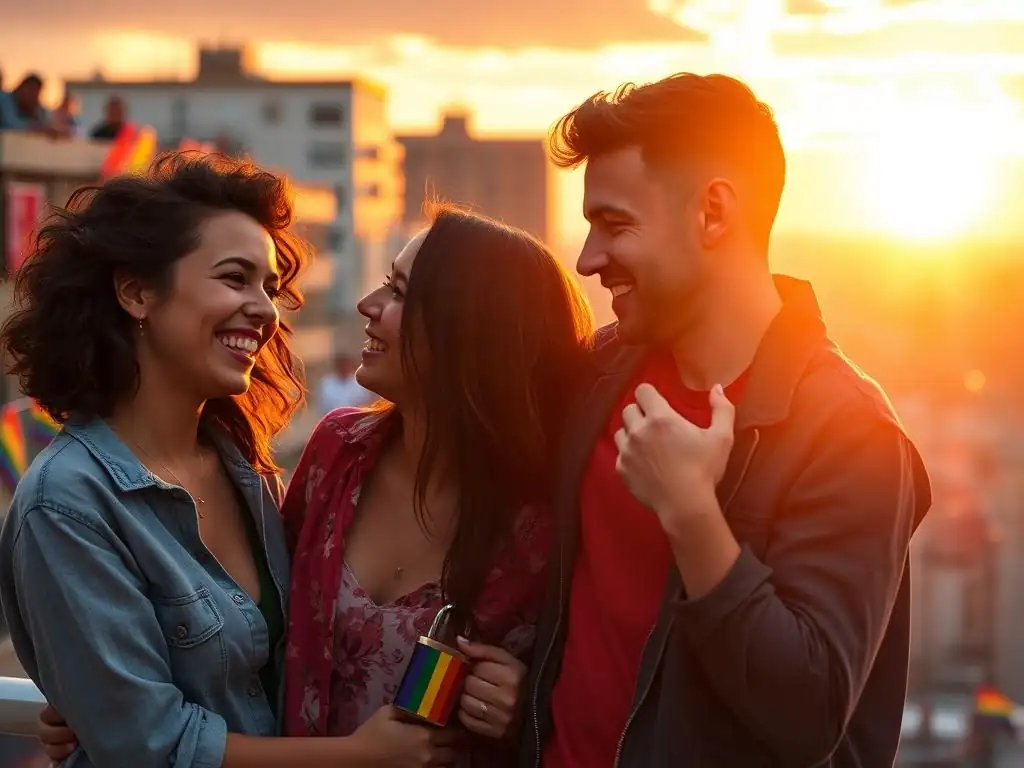
Ready to navigate the exciting world of online dating with confidence? At OnlineDatingSuccess.org, we empower you to build meaningful connections. But first, safety is key, especially within the LGBTQ+ community. This article dives into crucial LGBTQ+ online dating safety tips, ensuring your journey is both fulfilling and secure. Discover the strategies to protect yourself and find the love you deserve – let's get started!
- Understanding LGBTQ+ Online Dating Risks and Vulnerabilities
- Protecting Your Identity and Personal Information
- Safe Communication Strategies for LGBTQ+ Online Daters
- Building a Supportive Online Dating Network
- Staying Safe During In-Person Meetings
- LGBTQ+ Online Dating Apps and Their Safety Features
- Resources and Further Support for LGBTQ+ Online Daters
-
Frequently Asked Questions
- How can I create a safe and private profile on LGBTQ+ dating apps?
- What are some red flags to watch out for when communicating with potential matches?
- How do I protect my personal information while using LGBTQ+ dating apps?
- What should I do if I feel uncomfortable or unsafe during a date?
- Are there specific safety considerations for LGBTQ+ individuals using online dating?
- Final Reflection: Navigating Love and Safety in the Digital Age
- Unlock Your Dating Potential: Take Control of Your Online Safety
Understanding LGBTQ+ Online Dating Risks and Vulnerabilities
Online dating presents unique challenges for everyone, but LGBTQ+ individuals often face additional risks and vulnerabilities. Navigating the world of online dating while also dealing with potential prejudice, discrimination, and targeted scams can be significantly more stressful and dangerous. This article provides practical, empathetic advice and actionable LGBTQ+ online dating safety tips to help you create a safer and more positive online dating experience.
We'll explore the specific challenges faced by LGBTQ+ daters, strategies for identifying and avoiding scams, and the crucial role of privacy settings in protecting your personal information. Ultimately, our goal is to empower you to build confidence and navigate the online dating world with a greater sense of security and control, allowing you to focus on forging meaningful connections. Remember, prioritizing your safety and well-being is paramount, and understanding the risks is the first step towards mitigating them.
Unique Challenges Faced by LGBTQ+ Daters Online
LGBTQ+ individuals often face unique challenges in online dating that heterosexual individuals may not encounter. These challenges stem from societal biases and prejudices that translate into the digital space. For example, LGBTQ+ individuals may experience higher rates of:
- Targeted Harassment and Discrimination: Hate speech, homophobic or transphobic messages, and discriminatory behavior are unfortunately common occurrences. These experiences can be incredibly hurtful and discouraging, impacting mental health and willingness to continue using dating apps.
- Misrepresentation and Catfishing: Individuals may misrepresent their gender identity or sexual orientation, leading to disappointment, frustration, and even dangerous situations. This is especially true for transgender and non-binary individuals who may face heightened risks of misgendering and targeted harassment.
- DoXing and Privacy Violations: The sharing of personal information without consent, often with malicious intent, is a significant risk. This can lead to harassment, stalking, and other forms of abuse. The vulnerability is often amplified for those in less accepting communities.
- Lack of Community Support: While many dating apps strive for inclusivity, some still lack robust reporting mechanisms or community support for LGBTQ+ users facing harassment or discrimination. This lack of support can leave individuals feeling isolated and vulnerable.
The emotional toll of these experiences can be substantial, impacting self-esteem and confidence. It's crucial to remember that you are not alone and that there are resources and strategies available to help you navigate these challenges.
Identifying and Avoiding Online Dating Scams Targeting LGBTQ+ Individuals
Scammers often prey on vulnerabilities, and LGBTQ+ individuals are not immune. While the scams themselves might be similar to those targeting heterosexual individuals (e.g., romance scams, financial scams), there are nuances. Scammers might exploit common anxieties or prejudices within the LGBTQ+ community to gain trust and extract money or personal information. Here are some red flags to watch out for:
- Unusual Requests for Money or Financial Assistance: Be wary of anyone who quickly asks for money, especially under the guise of an emergency or personal hardship.
- Inconsistent or Vague Profiles: Profiles lacking detail, using stolen photos, or containing inconsistent information are major red flags.
- Pressure to Move Quickly Offline: Scammers often try to rush the relationship to avoid scrutiny and move interactions off of the dating app to more private channels.
- Overly Romantic or Idealistic Language: Be cautious of individuals who express intense romantic feelings very early in the relationship, especially if you haven't met in person.
- Lack of Video Calls or In-Person Meetings: A consistent refusal to engage in video calls or meet in person should raise concerns.
Remember, if something feels "off," trust your instincts. It’s better to err on the side of caution.
The Importance of Privacy Settings and Data Protection in LGBTQ+ Online Dating
Protecting your personal information is crucial for your safety and well-being. Take advantage of the privacy settings offered by dating apps and platforms. This includes:
- Limiting the Information You Share: Avoid sharing sensitive personal information like your full address, workplace, or financial details until you have established trust and met in person.
- Using Strong Passwords: Choose strong, unique passwords for all of your dating app accounts.
- Regularly Review Your Privacy Settings: Dating apps frequently update their privacy policies and settings. Regularly review and adjust your settings to ensure your information is protected.
- Be Mindful of Location Sharing: Carefully consider whether to share your exact location, especially with individuals you haven't met in person.
- Report Suspicious Behavior: If you encounter harassment, scams, or other suspicious activity, report it immediately to the dating app and/or law enforcement.
By being proactive and informed, you can significantly reduce your risk and create a safer online dating experience. Remember, building meaningful connections should be a positive and enjoyable experience. Prioritizing your safety allows you to focus on that goal.
Protecting Your Identity and Personal Information
This section focuses on crucial strategies for safeguarding your personal information while navigating the world of LGBTQ+ online dating. Protecting your identity is paramount to ensuring a safe and positive online dating experience. Remember, even seemingly innocuous details can be pieced together to compromise your security. We'll explore practical steps to minimize risks and maximize your privacy.
Safe Profile Creation: Tips for LGBTQ+ Online Dating Profiles
Creating a compelling profile is essential for attracting potential matches, but it's equally important to do so safely. Avoid oversharing personal details that could compromise your privacy. For example, never include your full address, workplace address, or the exact location of your home. Instead, use general location references such as "near downtown" or "in the suburbs."
Here's a checklist for creating a safe and engaging LGBTQ+ online dating profile:
- Use a profile picture that doesn't reveal too much: Opt for a photo that shows your face clearly but doesn't include identifying landmarks or background details.
- Choose a username wisely: Avoid usernames that include personal information like your real name, birthday, or location. A creative and unique username adds a layer of anonymity.
- Be cautious about what you write in your bio: While you want to be authentic, avoid divulging sensitive details such as your full legal name, job title, or specific hobbies that could easily be used to locate you.
- Verify your profile settings: Familiarize yourself with the privacy settings of the dating app you're using and ensure they are appropriately configured to protect your information. Many apps allow you to control who can see your profile and contact you.
- Use reverse image search: Before posting a photo, conduct a reverse image search to ensure it's not already being used elsewhere online without your consent. This helps prevent identity theft and catfishing.
Remember, a captivating profile doesn't require revealing personal information; focus on showcasing your personality and interests in a creative and secure way. A little mystery can be very attractive!
Sharing personal information online, even in the context of dating, carries significant risks. It's crucial to understand what information should be kept private to avoid potential harm. This includes:
| Information Type | Why It's Risky | Alternative Approach |
|---|---|---|
| Full Name | Identity theft, stalking, doxing | Use a nickname or initials initially. |
| Home Address | Stalking, physical harm | Avoid mentioning specific locations. Use general terms like "city center" or "suburbs." |
| Workplace Address | Stalking, harassment, unwanted visits | Avoid mentioning your workplace altogether. |
| Phone Number | Harassment, unwanted calls, doxing | Exchange contact information only after establishing trust and meeting in person. |
| Financial Information | Identity theft, financial fraud | Never share banking details or credit card information. |
| Social Security Number | Identity theft, fraud | Never share your SSN online under any circumstances. |
| Detailed Travel Plans | Burglary, theft | Avoid sharing specific travel details until after you've returned. |
Avoid sharing photos that clearly reveal your location (e.g., images with GPS data embedded) and be mindful of the information you inadvertently disclose in your profile or conversations.
Managing Your Online Presence: Protecting Your Identity Beyond Dating Apps
Protecting your identity online extends beyond dating apps. Your overall online presence can influence your safety and security. Consider the following:
- Review your social media privacy settings: Ensure your social media accounts have strong privacy settings, limiting who can see your posts and information.
- Be mindful of what you share publicly: Avoid posting information that could be used to identify you or your location.
- Use strong passwords: Create strong, unique passwords for all your online accounts, including dating apps and social media. Consider a password manager to help you keep track.
- Regularly update your software: Keep your operating system and apps updated to benefit from the latest security patches.
- Be wary of phishing attempts: Be cautious of suspicious emails or messages requesting personal information. Never click on links from unknown senders.
By implementing these comprehensive strategies, you can significantly reduce your risks and enjoy a safer and more fulfilling LGBTQ+ online dating experience. Remember, prioritizing your safety is key to a positive experience. 💖
Safe Communication Strategies for LGBTQ+ Online Daters
This section focuses on practical communication strategies to enhance your safety while navigating the world of LGBTQ+ online dating. Remember, open and honest communication is key, but it needs to be approached cautiously. Building trust takes time, and prioritizing your safety throughout the process is paramount. This isn't about being distrustful, but rather being smart. The goal is to enjoy the experience while minimizing potential risks.
Secure Messaging Practices: Avoiding Phishing and Malware
Online dating platforms often become targets for phishing and malware attacks. Scammers may try to steal your personal information, financial details, or even spread harmful software. Therefore, practicing secure messaging habits is crucial. Avoid clicking on suspicious links within messages, and be wary of overly enthusiastic profiles that quickly ask for personal information or financial assistance.
Always verify the legitimacy of any website or link before interacting with it. Consider using end-to-end encrypted messaging apps for more private conversations, ensuring only you and the recipient can access the content. Remember, reputable dating sites employ security measures, but individual vigilance remains your strongest defense. Report any suspicious activity to the platform immediately.
Think of it like this: if something seems too good to be true, or too urgent, it probably is. Don't rush into things; take your time to assess each interaction carefully. Protecting your digital well-being is just as important as protecting your physical safety.
Vetting Potential Matches: Red Flags and Warning Signs to Watch For
Before meeting anyone offline, thoroughly vet your potential matches. Look for inconsistencies in their profiles – blurry photos, lack of personal information, or overly generic descriptions are red flags. Be cautious of individuals who are evasive about their personal life or refuse to answer direct questions. Pay close attention to their communication style.
Aggressive, demanding, or overly possessive behavior, even in early conversations, should raise concerns. Also, be wary of anyone who pressures you to share personal information too quickly or pushes for an offline meeting before you feel comfortable. Remember, building a genuine connection takes time. Don't feel pressured to meet someone just because they express strong interest.
Trust your instincts; if something feels off, it probably is. Consider using reverse image search on their photos to verify their authenticity and check their profiles on other social media platforms for more information. This extra step can help you gain a more comprehensive understanding of who you are interacting with. Prioritize your safety and well-being above all else.
First Dates: Safety Precautions for Initial Meetings
The first date should always be in a public place, ideally during the daytime. Let a trusted friend or family member know where you are going, who you are meeting, and when you expect to return. Share your date's profile information with them as well. Always meet in a well-lit, populated area, and avoid secluded or isolated locations.
Never allow your date to pick you up; arrange to meet there independently. If you feel uncomfortable at any point, have an exit strategy planned. This could involve having a friend call you with a "fake emergency," or having a ride readily available. Trust your gut feeling; if something doesn't feel right, leave immediately.
Remember, your safety is paramount, and it's perfectly acceptable to end a date early if you feel uneasy. Prioritize your well-being, and don't hesitate to take precautions to ensure your safety. A safe and enjoyable first date is always better than a potentially dangerous one. Your comfort and security should be the top priority throughout the entire process.
Building a Supportive Online Dating Network
Building a strong support network is crucial for navigating the complexities of LGBTQ+ online dating. Feeling safe and supported can significantly improve your dating experience and reduce the risk of encountering harmful situations. This involves actively cultivating connections within the LGBTQ+ community both online and offline. Remember, you're not alone in this journey.
Connecting with LGBTQ+ Communities Online
Connecting with other LGBTQ+ individuals online can provide a sense of belonging and shared experience. Many online platforms specifically cater to the LGBTQ+ community, offering safe spaces for socializing and finding potential partners. These platforms often have robust moderation policies designed to protect users from harassment and abuse.
Actively participating in these communities can help you build friendships, find support, and even receive advice from others who understand the unique challenges of LGBTQ+ dating. Look for groups focused on specific interests or identities within the larger LGBTQ+ umbrella – this can help you find like-minded individuals and foster stronger connections. Sharing positive experiences and offering support to others can create a positive feedback loop, reinforcing a sense of community and safety.
Remember to be mindful of your online privacy and only share information you feel comfortable disclosing. Building these connections takes time and effort, but the rewards of a supportive online community are invaluable. Think of it as expanding your circle of trust and creating a network of allies.
Seeking Support from LGBTQ+ Organizations and Resources
Beyond online communities, numerous LGBTQ+ organizations and resources offer support and guidance. These organizations often provide hotlines, online forums, and counseling services specifically designed to address the challenges faced by LGBTQ+ individuals in dating and relationships. Many offer educational materials on online safety, healthy relationship dynamics, and strategies for dealing with harassment or abuse.
These resources can be particularly helpful if you’ve experienced a negative interaction or are struggling with feelings of isolation or vulnerability. Don't hesitate to reach out for help; these organizations are dedicated to providing support and ensuring your well-being. Researching reputable organizations in your area or nationally can provide you with access to a wider range of support options.
Remember that seeking help is a sign of strength, not weakness. Utilizing these resources can equip you with the tools and knowledge to navigate online dating with increased confidence and safety. The support offered by these organizations can be instrumental in creating a more positive and empowering dating experience.
Reporting Harassment and Abuse: Utilizing App Reporting Mechanisms
Most dating apps provide mechanisms for reporting harassment and abuse. Familiarize yourself with these reporting procedures. Knowing how to report inappropriate behavior is crucial for your safety and the safety of others. Many apps have clear guidelines on what constitutes harassment and abuse, and their reporting processes often involve providing details about the incident, including screenshots or other evidence.
These reports are often reviewed by app moderators who can take action against the offender, ranging from issuing warnings to banning the user from the platform. Promptly reporting incidents is essential, as it helps to create a safer environment for all users. Don't underestimate the power of reporting; your action can prevent others from experiencing similar harm.
Remember, reporting is not just about protecting yourself; it's also about contributing to a more inclusive and respectful online dating community for everyone. By actively utilizing these reporting mechanisms, you're playing a crucial role in fostering a safer space for LGBTQ+ individuals seeking connection and companionship online. 💪 Your voice matters!
Staying Safe During In-Person Meetings

Meeting someone you've connected with online in person can be exciting, but safety should always be your top priority, especially within the LGBTQ+ community. Taking precautions doesn't diminish the romance; it enhances it by ensuring you feel comfortable and secure. Remember, your well-being is paramount.
Choosing Safe Meeting Locations for LGBTQ+ Daters
Selecting a public and well-lit location for your first meeting is crucial. Avoid secluded spots or places where you might feel isolated. Think about places that offer a degree of anonymity while maintaining safety. Consider these options:
- Busy coffee shops: The bustling atmosphere provides a natural level of security and allows for a quick exit if needed.
- Public parks during daylight hours: Choose a popular park with plenty of people around. Avoid secluded areas or going at night.
- Well-lit restaurants or bars: Opt for establishments known for their safety and visibility.
- Museums or art galleries: These venues typically have security and plenty of people around.
Avoid meeting at someone's home, especially for a first date. Always maintain control over the situation and ensure you have a readily available escape route. This is especially important for LGBTQ+ individuals who may face additional safety concerns due to societal biases and prejudices. Remember, your comfort and safety are paramount. Consider the location's accessibility and your ability to quickly leave if necessary.
Prioritize your safety—it's not overly cautious; it's smart. By choosing a public and well-lit location, you significantly reduce the risk of encountering dangerous situations. Your safety is non-negotiable.
Letting Friends and Family Know Your Plans: Sharing Your Location
Transparency with your support network is a powerful safety measure. Before meeting someone you've met online, inform a trusted friend or family member about your plans. Share the date, time, location, and the person's name (if comfortable). Consider using a location-sharing app so they can track your whereabouts in real-time. This simple act provides an extra layer of security and peace of mind.
It's also wise to have a pre-arranged check-in system. Agree on a time to text or call your contact to let them know you're safe. If you fail to check in, they'll know to take action. This proactive approach can be life-saving in unforeseen circumstances. Open communication with your support system is key to navigating the world of LGBTQ+ online dating safely and confidently. Don't hesitate to utilize technology to enhance your safety.
Trust Your Instincts: Recognizing and Responding to Uncomfortable Situations
Your intuition is a powerful tool. If something feels off—whether it's the person's behavior, the location, or the overall vibe—trust your gut. Don't feel pressured to continue the interaction if you feel uneasy. It's perfectly acceptable, and even advisable, to end the date early if you sense danger.
Here are some red flags to watch out for:
| Red Flag | Description | Response |
|---|---|---|
| Excessive pressure/control | Attempts to control your decisions, rush you into intimacy, or ignore your boundaries. | Politely but firmly assert your boundaries. Leave the situation immediately if necessary. |
| Inconsistent information | Discrepancies in their profile or what they tell you in person. | Investigate further or end the date. |
| Aggressive or threatening behavior | Any form of verbal or physical aggression, threats, or intimidation. | Remove yourself from the situation immediately and seek help. |
| Substance abuse | Excessive alcohol or drug use that makes them unpredictable or aggressive. | End the date immediately and seek help. |
Remember, your safety is your responsibility. Prioritizing your well-being is not being paranoid; it's being proactive and responsible. If you encounter a dangerous situation, seek help immediately. Your safety is paramount. 🌈
LGBTQ+ Online Dating Apps and Their Safety Features
This section focuses on the inherent safety features offered by various popular LGBTQ+ dating apps. Understanding these built-in safeguards is crucial for mitigating risks and fostering a safer online dating experience. While no app guarantees complete safety, leveraging their features significantly enhances your security. We will explore how different platforms approach user safety, highlighting key differences and best practices.
Comparing Safety Features Across Popular LGBTQ+ Dating Apps
Many LGBTQ+ dating apps boast a range of safety features, but the specifics vary considerably. A direct comparison reveals important distinctions in their approach to user protection. For example, some apps prioritize robust reporting mechanisms, allowing users to quickly flag inappropriate behavior or suspicious profiles. Others focus on profile verification processes, aiming to reduce the prevalence of fake accounts and catfishing. Still others integrate location-sharing options, enabling users to share their location with trusted contacts during dates.
Let's consider a hypothetical comparison:
| App Name | Profile Verification | Reporting Mechanisms | Location Sharing | Blocking Features | Privacy Controls |
|---|---|---|---|---|---|
| App A | Photo Verification | In-app Reporting, Email | Yes | Robust | Granular |
| App B | Email Verification Only | In-app Reporting | No | Basic | Limited |
| App C | None | In-app Reporting, Helpline | Yes (Premium Only) | Robust | Moderate |
Note: The data presented above is illustrative and may not reflect the exact current features of specific apps. Always check the app's individual settings and help sections for the most up-to-date information. Features and their efficacy are constantly evolving. The quality of implementation also matters; a feature's presence doesn't guarantee effectiveness.
Utilizing App-Specific Safety Tools and Resources
Beyond general features, many apps offer specialized tools and resources designed to enhance user safety. These might include:
- Panic buttons: Some apps provide a quick way to alert emergency contacts or the app's support team in case of immediate danger.
- Background checks: Although not universally available, some apps offer integrations with background check services, providing an additional layer of verification for potential matches.
- Safety guides and educational materials: Many apps offer in-app resources providing tips on safe dating practices, including advice on meeting in public spaces, sharing location information with friends, and being aware of potential red flags.
- Community support: Some apps foster a strong sense of community, providing forums or support groups where users can share experiences and seek advice on safety concerns. This peer-to-peer support can be invaluable.
It's crucial to explore these resources within each app you use. Familiarizing yourself with these tools empowers you to make informed decisions and navigate the dating experience more confidently. Remember, proactive safety measures are key.
Reviewing App Privacy Policies and Data Handling Practices
Understanding an app's privacy policy is critical for protecting your personal information. Carefully review how the app collects, uses, and protects your data. Pay close attention to:
- Data collection practices: What information does the app collect, and how is it used? Look for transparency regarding data collection beyond the basics like profile information and location.
- Data security measures: What steps does the app take to protect your data from unauthorized access or breaches? Look for mentions of encryption and other security protocols.
- Data sharing practices: Does the app share your data with third parties? If so, with whom, and for what purposes? Be wary of apps that share your data extensively without clear justification.
- Data retention policies: How long does the app retain your data, and what are the procedures for data deletion? Understanding data retention is key to controlling your digital footprint.
By critically reviewing these aspects of an app's privacy policy, you gain control over your personal information and contribute to a safer online dating experience. Remember, informed consent is paramount. Choose apps with transparent and robust privacy policies that align with your comfort level.
Resources and Further Support for LGBTQ+ Online Daters
This section provides crucial resources and support networks specifically designed to assist LGBTQ+ individuals navigating the complexities of online dating. Remember, your safety and well-being are paramount. Utilizing these resources can significantly enhance your online dating experience and help you build confidence while connecting with others. We aim to empower you with the knowledge and tools to create a safer and more positive online dating journey. These resources are readily available and designed to provide a lifeline when needed. Remember, you are not alone.
LGBTQ+ Organizations Offering Online Safety Guidance
Many LGBTQ+ organizations offer invaluable guidance and support regarding online safety. These organizations often provide workshops, webinars, and online resources tailored to the specific challenges faced by LGBTQ+ individuals in the digital realm. They frequently address topics such as:
- Profile Privacy: Learning how to manage your privacy settings on various dating platforms to minimize the risk of unwanted exposure.
- Safe Communication Practices: Understanding how to communicate effectively and safely online, avoiding the sharing of personally identifiable information (PII) too early in the process.
- Identifying and Reporting Harassment: Recognizing signs of online harassment and abuse and knowing the appropriate channels for reporting such incidents.
- Cyberbullying Prevention: Strategies to prevent and manage cyberbullying, a significant concern for many LGBTQ+ individuals.
- Data Security: Protecting your personal data and online accounts from unauthorized access and potential misuse.
These organizations often collaborate with law enforcement and technology companies to develop best practices and advocate for increased safety measures within online dating platforms. They are a vital resource for understanding the latest online safety threats and learning proactive strategies to mitigate these risks. Seeking out these specialized resources can provide a sense of community and support, knowing you are connecting with others who understand your unique experiences and concerns.
Hotlines and Support Services for LGBTQ+ Individuals Experiencing Harassment
Experiencing harassment or abuse online can be incredibly distressing. It’s vital to know that there are hotlines and support services available specifically designed to provide immediate assistance and guidance to LGBTQ+ individuals facing such challenges. These services are confidential and offer a safe space to discuss your experiences without judgment.
Many offer:
- Immediate Crisis Intervention: Providing immediate support and guidance during a crisis situation.
- Emotional Support: Offering a listening ear and emotional support during difficult times.
- Safety Planning: Helping you develop a safety plan to protect yourself from further harm.
- Referral Services: Connecting you with other resources and services, such as legal aid or counseling.
- Advocacy and Support: Providing advocacy and support as you navigate the process of reporting harassment or abuse.
These hotlines and support services are staffed by trained professionals who understand the unique challenges faced by LGBTQ+ individuals and can provide empathetic and effective support. Remember, reaching out for help is a sign of strength, not weakness.
Legal Resources for LGBTQ+ Individuals Facing Online Abuse
Online abuse can have serious legal ramifications. If you are facing online harassment, stalking, or other forms of online abuse, it’s crucial to understand your legal rights and options. Several organizations provide legal resources and support specifically for LGBTQ+ individuals facing these challenges. These resources can help you:
- Understand your legal rights: Learn about the relevant laws and regulations related to online harassment and abuse.
- Document and report incidents: Learn how to effectively document and report incidents of online abuse to the appropriate authorities.
- Access legal assistance: Find legal assistance and representation if needed.
- Seek protection orders: Explore the possibility of obtaining protection orders to prevent further harassment or abuse.
- Navigate the legal system: Receive guidance and support as you navigate the legal system.
These legal resources can provide invaluable support and guidance as you seek justice and protection from online abuse. Remember, you are not alone, and there are people and organizations ready to help you. Taking proactive steps to protect yourself and seek legal recourse when necessary is a critical aspect of online safety for LGBTQ+ individuals. Knowing your rights and having access to legal support can significantly reduce the impact of online abuse and help you rebuild your confidence.
Frequently Asked Questions
How can I create a safe and private profile on LGBTQ+ dating apps?
Avoid sharing too much personal information in your profile, like your exact address or workplace. Use a nickname instead of your full name and be cautious about the photos you post. Verify the app's privacy settings and adjust them to your comfort level.
What are some red flags to watch out for when communicating with potential matches?
Be wary of anyone who pressures you to meet up quickly, asks for financial assistance, or shares inconsistent information. If something feels off, trust your gut and discontinue contact. Report any suspicious behavior to the app.
How do I protect my personal information while using LGBTQ+ dating apps?
Never share your full name, address, or workplace with someone you haven't met in person and thoroughly vetted. Be mindful of geo-tagging in your photos and avoid sharing sensitive details in your profile or messages. Use strong passwords and enable two-factor authentication if available.
What should I do if I feel uncomfortable or unsafe during a date?
Trust your instincts. Have a pre-arranged safety plan, like letting a friend know where you're going and when you expect to be back. If you feel threatened or unsafe, leave immediately and contact the app's support or the authorities if necessary.
Are there specific safety considerations for LGBTQ+ individuals using online dating?
Yes, consider the legal protections available in your area and be aware of potential discrimination. Prioritize meeting in public places for initial dates and let a friend or family member know your plans. Be mindful of potential biases and discrimination that may exist within certain online communities.
The fight for safe and inclusive online spaces for LGBTQ+ individuals is far from over, and the need for proactive safety measures in online dating remains critically important. The rise of dating apps has revolutionized how we connect, yet this digital landscape presents unique challenges, particularly for LGBTQ+ individuals who may face heightened risks of discrimination, harassment, and even violence. This reality underscores the urgent need for continued education and awareness surrounding online dating safety.
The journey towards fostering genuine connection while prioritizing personal safety is a deeply personal one, demanding constant vigilance and self-advocacy. The vulnerability inherent in putting yourself out there, especially within a community that has historically faced marginalization, cannot be understated. Love is not a battlefield, but navigating the digital world to find it can sometimes feel like one.
This quote highlights the delicate balance between embracing the opportunities of online dating and mitigating the potential dangers. We must continue to create supportive communities and resources that empower LGBTQ+ individuals to navigate this complex landscape with confidence and resilience.
You, the reader, hold the power to shape your online dating experience. Take the time to reflect on the tips discussed in this article, and actively integrate them into your online interactions. Don't hesitate to report suspicious behavior, utilize the safety features provided by dating apps, and most importantly, trust your instincts. By prioritizing your safety and well-being, you pave the way for authentic connections and a more inclusive and secure online dating environment for all. Let's build a future where love blossoms safely, online and offline.
Unlock Your Dating Potential: Take Control of Your Online Safety
Thank you for learning about safer LGBTQ+ online dating! You've gained valuable insights to navigate online connections confidently. Ready to apply your knowledge?
- Prioritize your privacy: Review your privacy settings on all dating apps and social media. Adjust anything that concerns you; this simple step significantly improves your safety.
- Share your dating journey: Tell a trusted friend or family member about your online dating experiences—both big and small. This builds support and enhances your safety.
- Share your tips: What safety practices have worked for you in the LGBTQ+ online dating world? Share your experiences in the comments below to help build a safer community.
Ready to build authentic connections while feeling secure?