
The Art of Profile Reading: Spotting Dismissive Attachment Styles in Dating Bios


Ready to transform your online dating experience? At OnlineDatingSuccess.org, we empower you to navigate the complexities of finding love online. But be warned: not all profiles are created equal. Learn to identify red flags before you swipe right – this article dives deep into spotting dismissive dating profiles, helping you avoid wasted time and heartache. Discover how understanding attachment styles can unlock the secret to building genuine connections. Let's get started!
- Understanding Dismissive Attachment in Online Dating
- Spotting Dismissive Dating Profiles: Red Flags to Watch For
- How to Interpret Ambiguous Signals in Dating Profiles
- Strategies for Interacting with Potentially Dismissive Profiles
- Moving Forward After Identifying a Dismissive Attachment Style
-
Frequently Asked Questions
- How can I spot a dismissive-avoidant attachment style in an online dating profile?
- What kind of language should I be wary of in dating profiles?
- Are all independent people dismissive-avoidant?
- What if someone's profile seems perfect but I suspect dismissiveness?
- How can I protect myself from dating someone with a dismissive attachment style?
- Final Reflection: Decoding the Digital Heart: Understanding Dismissive Attachment in Online Dating
- Decode Dating Bios: Sharpen Your Attachment Style Intuition!
Understanding Dismissive Attachment in Online Dating
Navigating the world of online dating can feel like deciphering a complex code. Understanding attachment styles is crucial to improving your dating experience and identifying potential compatibility (or incompatibility!). This article focuses on a specific attachment style – the dismissive attachment style – and how to spot its telltale signs within online dating profiles. Learning to identify these patterns can save you time and emotional energy, allowing you to focus your efforts on individuals who are more likely to offer a healthy and fulfilling relationship.
We'll explore the key characteristics of dismissive attachment and provide practical tips for recognizing these behaviors within dating bios and communication, ultimately helping you to "spot dismissive dating profiles" and make more informed dating choices. This knowledge empowers you to build healthier connections and avoid potentially frustrating experiences. Let's dive in!
Defining Dismissive Attachment Style: Key Characteristics
Individuals with a dismissive attachment style often present a seemingly independent and self-sufficient exterior. They may appear aloof, emotionally unavailable, and prioritize their autonomy above all else. This isn't necessarily a conscious choice; it stems from past experiences that have led them to develop coping mechanisms involving emotional distance. Here are some key characteristics to look for:
- Emotional Independence: They often emphasize self-reliance and independence to a point of appearing distant or uninterested in deep emotional connection. Their bios might highlight solo adventures or boast about their self-sufficiency.
- Avoidance of Intimacy: They may subtly (or not so subtly) express discomfort with vulnerability or close relationships. Look for phrases that downplay the importance of romance or commitment.
- Superficial Connections: They may prioritize casual encounters over deeper, meaningful relationships. Their profiles might focus on physical attributes or recreational activities rather than expressing deeper emotional needs or desires.
- High Value on Independence: Their profiles often highlight achievements and self-reliance. They may portray themselves as busy and successful, sometimes to the point of appearing unavailable.
- Fear of Commitment: While not always explicitly stated, a pervasive sense of avoiding long-term commitment might be subtly suggested through their language and choice of photos.
Remember, these characteristics aren't always explicitly stated; they often manifest subtly within the language and tone of their profile. It's crucial to look beyond surface-level details and analyze the overall impression they create.
Recognizing Dismissive Attachment Behaviors Online
Spotting dismissive attachment in online dating profiles requires careful observation and a nuanced understanding of their communication style. Beyond the written word, consider the following:
- Profile Content: Look for profiles that emphasize independence, achievements, and a busy lifestyle, sometimes to the point of appearing almost inaccessible. The language used may be emotionally detached, focusing on facts and accomplishments rather than personal feelings or vulnerabilities.
- Photo Selection: Photos might feature them engaging in solo activities, showcasing their achievements, or highlighting their physical attractiveness without revealing much about their personality or emotional depth. A lack of photos with others can also be a subtle indicator.
- Communication Style: If you've started communicating, pay attention to their responsiveness and the depth of their engagement. Do they avoid discussing personal feelings or deeper topics? Do they keep conversations brief and superficial? Are they quick to deflect questions about their emotional availability? These are all potential red flags.
- Use of Humor: While some dismissive individuals use humor effectively, others may utilize sarcasm or cynicism as a defense mechanism to distance themselves emotionally. Pay attention to the tone and intent behind their humor.
Identifying dismissive attachment styles isn't about judgment; it's about self-awareness and building healthier relationships. By understanding these patterns, you can navigate the online dating world with greater clarity and increase your chances of finding a compatible partner.
Spotting Dismissive Dating Profiles: Red Flags to Watch For

Finding love online can be challenging, and understanding attachment styles can significantly improve your success rate. This section focuses on identifying dismissive attachment styles in online dating profiles, helping you avoid potential heartache and wasted time. Spotting dismissive dating profiles requires a keen eye for subtle cues often hidden within seemingly innocuous details. Let's explore the key indicators to look for.
Language Clues in Dating Bios: Identifying Dismissive Patterns
Dismissive individuals often project an image of self-sufficiency and independence, sometimes to the point of appearing aloof or even arrogant. Their language reflects this. Look for these patterns in their dating bios:
- Emphasis on Independence and Self-Reliance: Phrases like "I'm very independent and don't need anyone," "I do my own thing," or "I'm not looking for a relationship, but..." are common red flags. They might boast about their accomplishments without mentioning any desire for companionship.
- Avoidance of Emotional Vulnerability: Their bios might lack depth or personal details. They avoid discussing feelings or past relationships, preferring to keep things superficial. You'll rarely find expressions of vulnerability or heartfelt desires.
- Negative or Cynical Views on Relationships: Statements like "Relationships are overrated," "I don't believe in happily ever after," or "Dating is a waste of time" indicate a deeply ingrained distrust of intimacy.
- Superficial Descriptions: Their bios may focus heavily on external achievements (career, hobbies) while offering little insight into their inner world or emotional landscape. This suggests a reluctance to connect on a deeper level.
- Use of Qualifying Language: They might use phrases like "If you're looking for something serious..." or "I'm not sure what I want..." to distance themselves emotionally while simultaneously hinting at the possibility of a relationship. This ambiguity is a classic dismissive tactic.
For example, consider this bio: "Successful entrepreneur, enjoys extreme sports and traveling solo. Not looking for anything serious, just seeing what's out there." The emphasis on individual accomplishments, the avoidance of emotional vulnerability, and the explicit statement of not wanting a serious relationship are all strong indicators of a dismissive attachment style.
Analyzing Profile Pictures: Visual Cues of Dismissiveness
While not as direct as language, profile pictures can offer valuable clues about a person's attachment style. Dismissive individuals often present themselves in a specific way:
- Distant or Aloof Expressions: The individual might appear detached, unsmiling, or even slightly arrogant in their photos. They might avoid direct eye contact with the camera. The overall impression is one of coolness and emotional unavailability.
- Focus on Individual Achievement: Photos might showcase accomplishments, such as trophies, awards, or exotic travel destinations, rather than social interactions or intimate moments.
- Lack of Warmth or Connection: The overall vibe of the pictures often lacks warmth and genuine connection. The photos might feel staged or overly polished, lacking spontaneity or authenticity.
- Solo Activities: A predominance of solo activities, such as hiking, climbing, or traveling alone, further reinforces the image of self-sufficiency and independence, which can be a sign of dismissiveness.
Remember, a single photo doesn't define someone's attachment style. However, a consistent pattern of distant expressions and a focus on individual achievement across multiple photos can be a significant red flag.
The preferences and interests section of a dating profile can reveal subtle yet significant clues about an individual's attachment style. Pay attention to:
- Emphasis on Independence and Freedom: Their interests might revolve around solitary activities like extreme sports, solo travel, or competitive pursuits. A lack of interests that involve collaboration or teamwork could be indicative of dismissiveness.
- Avoidance of Commitment-Oriented Activities: They might avoid mentioning activities that typically involve long-term commitment, such as joining a book club, volunteering regularly, or participating in team sports.
- Vague or Generalized Interests: Their listed interests might be vague or generalized, offering little insight into their personality or preferences. This lack of specificity reflects a reluctance to reveal personal details.
- Ideal Partner Description: The description of their ideal partner might focus solely on physical attributes or external achievements, lacking any mention of emotional qualities or compatibility.
By carefully analyzing these aspects of a dating profile – language, pictures, and preferences – you can significantly improve your ability to spot dismissive attachment styles and make more informed decisions about who to connect with online. Remember, recognizing these patterns doesn't mean judging individuals; it's about protecting your emotional well-being and finding a partner who is truly compatible with you. This empowers you to navigate the online dating world with increased self-awareness and confidence.
How to Interpret Ambiguous Signals in Dating Profiles
Dating profiles, by their very nature, are curated presentations of self. This means that deciphering genuine personality traits from carefully crafted narratives requires a keen eye and a nuanced understanding of human behavior. Spotting dismissive attachment styles in online dating profiles isn't about finding smoking guns; it's about recognizing subtle patterns and inconsistencies.
Many seemingly harmless phrases or profile choices can hint at a dismissive attachment style if viewed through the correct lens. For example, a profile boasting numerous hobbies and interests, yet lacking any mention of close relationships or emotional vulnerability, could be a red flag. Similarly, a profile filled with self-assured statements and a lack of self-reflection might suggest someone who avoids intimacy.
The key is to look beyond the surface level and consider the overall tone and message conveyed. Remember, the goal isn't to judge, but to better understand potential compatibility and avoid potentially difficult relationships. Learning to interpret ambiguous signals empowers you to make more informed decisions about who you choose to connect with.
Differentiating Dismissive from Other Attachment Styles
Dismissive attachment styles often share similarities with other attachment styles, making accurate identification challenging. It's crucial to differentiate dismissive behavior from, for example, the independent or even the secure attachment style. A secure individual might also present as self-sufficient and independent but will likely showcase a willingness to connect emotionally and form meaningful relationships. The key difference lies in the quality of the independence expressed.
A dismissive person's independence often stems from a fear of intimacy and vulnerability, whereas a secure individual's independence is rooted in self-confidence and healthy boundaries. Furthermore, anxious-preoccupied individuals may appear overly eager for connection, potentially presenting with a plethora of personal details in their profile. Conversely, a dismissive profile typically conveys a sense of emotional distance and self-reliance, often to the point of appearing aloof or uninterested in deeper connection. Consider this example: two profiles both mention enjoying solo hiking.
One profile goes on to describe the joy of sharing the experience with friends and family, showcasing a balance between independence and connection. The other focuses solely on the solitude and self-reliance aspects, suggesting a possible dismissive attachment style. Understanding these nuances is vital for accurate profile interpretation. The table below highlights further key distinctions:
| Feature | Dismissive Attachment Style | Secure Attachment Style | Anxious-Preoccupied Attachment Style |
|---|---|---|---|
| Self-Description | Often emphasizes self-sufficiency and independence to the point of aloofness. | Balances independence with openness to connection and vulnerability. | May appear overly eager for validation and connection, sometimes to the point of clinginess. |
| Relationship History | May be vague or downplay past relationships, potentially presenting as emotionally unavailable. | Openly discusses past relationships, demonstrating healthy processing and learning. | May dwell on past relationships, highlighting negativity and unmet needs. |
| Emotional Expression | Minimal emotional expression; avoids vulnerability. | Comfortable expressing emotions and seeking support when needed. | May overshare emotions or express them in an intense manner. |
| Profile Pictures | Often solo pictures emphasizing independence and self-reliance. | Variety of pictures showing both solo activities and social interactions. | May include multiple pictures seeking validation and attention. |
Considering Contextual Factors in Profile Interpretation
Remember that online profiles offer a limited snapshot of a person's personality. Contextual factors are crucial when interpreting potential dismissive tendencies. For example, a recently heartbroken individual might present with seemingly dismissive traits temporarily, while someone who prioritizes their career might appear less emotionally available, even if they are not dismissive. Age can also play a role; younger individuals may present differently than older ones.
Cultural background further influences how individuals express themselves online and in relationships. Therefore, avoid jumping to conclusions based solely on a profile. Consider the overall tone, the consistency of information, and the presence of other potential indicators. It's also essential to acknowledge that some individuals may simply be less expressive or skilled at crafting engaging profiles.
The absence of overt emotional expression does not automatically indicate a dismissive attachment style. Thorough profile analysis, combined with a holistic understanding of contextual factors, is key to discerning genuine dismissive traits from other possible explanations. Always prioritize nuanced interpretation over simplistic labeling. The goal is not to definitively diagnose attachment styles from a profile alone but to identify potential red flags and make more informed decisions about who to connect with.
Strategies for Interacting with Potentially Dismissive Profiles
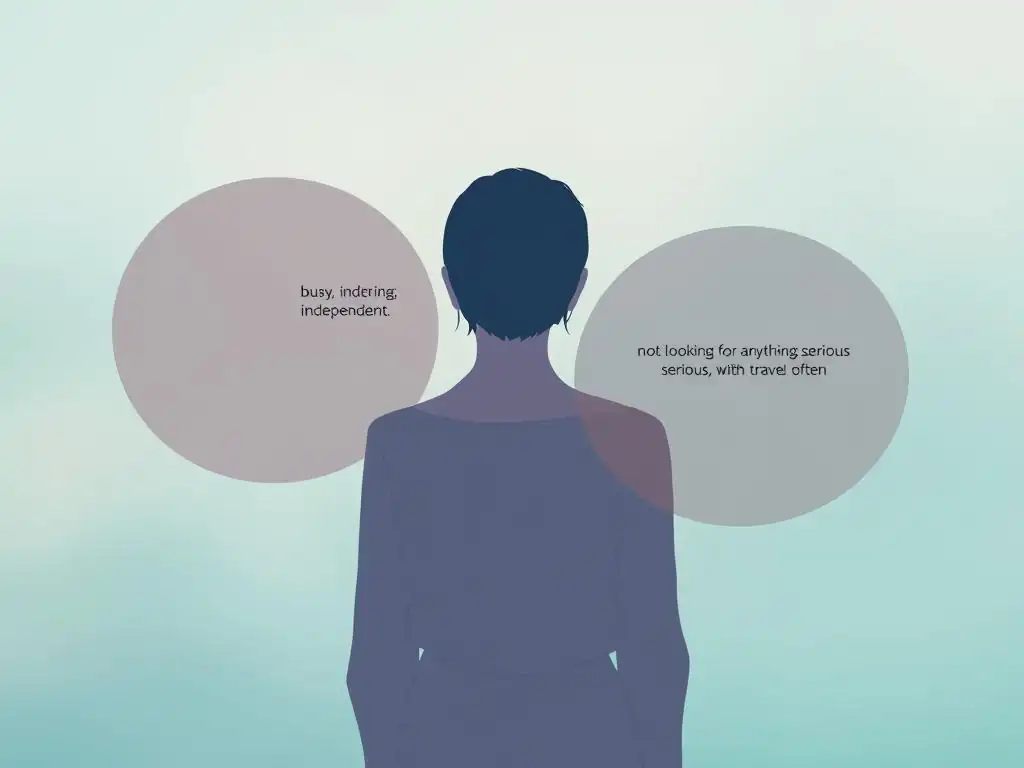
This section focuses on practical strategies for navigating interactions with individuals exhibiting dismissive attachment styles, identified through their online dating profiles. Remember, spotting a dismissive profile is just the first step; understanding how to interact with these individuals requires a nuanced approach. We'll explore ways to approach these profiles constructively while prioritizing your emotional well-being. The goal isn't to "fix" them, but to protect yourself and make informed decisions about pursuing a connection.
Approaching Dismissive Individuals Online: Dos and Don'ts
Identifying a potentially dismissive profile is only half the battle. Knowing how to approach them—or whether to approach them at all—is crucial. Here's a breakdown of dos and don'ts:
Dos:
- Keep your initial message concise and engaging: Dismissive individuals often value efficiency and directness. Avoid lengthy, emotionally charged messages. A simple, well-crafted opener that highlights a shared interest is more effective. For example, instead of a long paragraph detailing your life story, try something like: "Saw you're a [shared interest]! I'm also a big fan of that. What's your favorite [related detail]?"
- Respect their boundaries: If they respond briefly or infrequently, don't bombard them with messages. Give them space and recognize that their communication style might be a reflection of their attachment style.
- Focus on shared activities: Suggest specific activities or experiences rather than abstract conversations. This allows for a more concrete interaction and less opportunity for emotional avoidance. Instead of, "Let's chat sometime," try, "I'm going to [event] next week. Would you be interested in joining?"
- Be assertive about your needs: Don't be afraid to express your own desires and boundaries clearly and respectfully. This can help you avoid wasting time on someone who isn't a good match for your needs.
Don'ts:
- Over-analyze their responses: Dismissive individuals might not always respond in ways that align with conventional dating etiquette. Avoid overthinking their brevity or perceived lack of enthusiasm.
- Chase their attention: If they consistently give you minimal attention or are unresponsive, recognize that this is a pattern and likely reflects their attachment style. Don't waste your time and energy trying to win their affection.
- Take their behavior personally: Their dismissive behavior stems from their own insecurities and coping mechanisms, not a reflection of your worth.
- Engage in emotional labor: Don't feel responsible for addressing their emotional unavailability or trying to change their behavior.
Setting Healthy Boundaries in Online Dating Interactions
Setting boundaries is crucial when interacting with anyone online, but especially with individuals showing signs of a dismissive attachment style. This involves protecting your time, energy, and emotional well-being.
- Limit your communication frequency: Establish a comfortable communication rhythm. If you find yourself constantly initiating contact with little response, reassess the interaction. A good rule of thumb is reciprocity. If the effort isn't mutual, it's time to reconsider.
- Define your expectations early: Communicate your dating goals and expectations upfront. This helps prevent misunderstandings and wasted time. Are you looking for a casual relationship, something serious, or just exploring? Be clear.
- Don't tolerate disrespect: Dismissive behaviors, such as ghosting, ignoring messages, or consistently minimizing your feelings, are unacceptable. Respect yourself enough to walk away from disrespectful interactions.
- Prioritize self-care: Online dating can be emotionally draining, especially when dealing with individuals who exhibit dismissive tendencies. Make sure you're prioritizing self-care activities to manage stress and maintain your mental health. This includes spending time with loved ones, pursuing hobbies, and practicing mindfulness. Remember, your well-being is paramount.
Remember, recognizing dismissive attachment styles in online dating profiles is a valuable skill for protecting your emotional well-being and finding compatible partners. By employing these strategies and prioritizing your own needs, you can navigate the online dating world with greater confidence and success. Spotting dismissive dating profiles is the first step towards a healthier dating experience.
Moving Forward After Identifying a Dismissive Attachment Style
Once you've identified a dating profile exhibiting traits of a dismissive-avoidant attachment style, the next step is deciding how to proceed. This isn't about judging individuals; it's about protecting your emotional well-being and finding a compatible partner. Remember, recognizing these patterns empowers you to make informed choices about who you engage with. Don't feel obligated to interact with someone whose profile signals potential incompatibility. Your time and energy are valuable resources, and investing them wisely in dating is crucial.
Recognizing Your Own Attachment Style and its Impact
Understanding your own attachment style is equally important. Are you drawn to dismissive individuals because of your own attachment insecurities? Do you have a pattern of choosing partners who are emotionally unavailable? Identifying your own patterns can help you break free from potentially damaging cycles.
Consider exploring resources on attachment theory to gain a deeper understanding of your behaviors and motivations. This self-awareness is key to building healthy relationships. For example, someone with an anxious attachment style might be particularly drawn to the challenge of "fixing" someone with a dismissive style, leading to frustration and disappointment.
By recognizing your own predispositions, you can actively choose partners who are more emotionally available and better suited to your needs. This proactive approach can significantly improve your online dating experience and increase your chances of forming a meaningful connection. Self-reflection, possibly with the help of a therapist or counselor, can provide invaluable insights into your relationship patterns.
Prioritizing Your Emotional Well-being in Online Dating
Online dating can be emotionally taxing, even without encountering dismissive profiles. Prioritizing your emotional well-being is paramount. This means setting boundaries, practicing self-compassion, and knowing when to take a break. Don't hesitate to unmatch or block profiles that trigger negative emotions.
Remember, you're in control of your online dating experience. Engage in self-care activities that help you manage stress and maintain a positive outlook. This could include exercise, spending time in nature, pursuing hobbies, or connecting with supportive friends and family. Taking care of yourself emotionally will not only improve your overall well-being but also enhance your ability to form healthy relationships.
Remember, a successful online dating experience is about finding a compatible partner and maintaining your emotional health throughout the process. Prioritizing your emotional well-being is not a sign of weakness, but rather a testament to your strength and self-respect. It’s a vital component of spotting dismissive dating profiles and navigating the online dating landscape successfully.
Frequently Asked Questions
How can I spot a dismissive-avoidant attachment style in an online dating profile?
Look for profiles that boast independence and self-sufficiency to an extreme. They might downplay the importance of relationships or express a lack of interest in commitment. Avoidance of vulnerability is a key indicator.
What kind of language should I be wary of in dating profiles?
Watch out for phrases that suggest disinterest in emotional intimacy or a reluctance to be vulnerable. Words like "independent," "low-maintenance," or "not looking for anything serious" (without further clarification) can be red flags. Pay attention to the overall tone – is it dismissive or cold?
Are all independent people dismissive-avoidant?
No, independence itself isn't inherently negative. However, the context matters. A dismissive profile will often showcase independence in a way that feels defensive or emotionally unavailable, rather than simply self-assured.
What if someone's profile seems perfect but I suspect dismissiveness?
Trust your gut feeling. Even if a profile seems great on the surface, inconsistencies or a sense of something being "off" could indicate a dismissive attachment style. Proceed with caution and observe their behavior in communication.
How can I protect myself from dating someone with a dismissive attachment style?
Communicate clearly about your needs and expectations early on. If you sense dismissiveness, don't hesitate to end contact. Prioritize your emotional well-being and remember that healthy relationships require emotional vulnerability and connection from both partners.
Final Reflection: Decoding the Digital Heart: Understanding Dismissive Attachment in Online Dating
The ability to identify dismissive attachment styles in online dating profiles is no longer a niche skill; it's a crucial tool for navigating the modern dating landscape. Understanding these subtle cues can save you time, heartache, and ultimately, help you find a more fulfilling connection. The prevalence of online dating means we're all, to some degree, practicing profile reading, whether consciously or not.
The impact of attachment styles on our relationships is profound, shaping our expectations, communication styles, and overall relational satisfaction. The patterns we learned in childhood often repeat themselves in our adult relationships, unless we consciously choose to break the cycle.
This quote highlights the importance of self-awareness, not just in identifying dismissive patterns in others, but also in recognizing our own attachment style and how it might influence our choices. Understanding these dynamics allows us to approach dating with more empathy and realistic expectations, fostering healthier connections.
Now, consider your own dating experiences. Have you encountered profiles that exhibited the characteristics we've discussed? More importantly, have you reflected on your own attachment style and how it might be influencing your choices and interactions? Take this opportunity to examine your dating patterns, learn from past experiences, and consciously choose to build relationships based on mutual respect, emotional availability, and genuine connection. The journey to finding lasting love begins with self-awareness and a commitment to healthy relationship dynamics.
Decode Dating Bios: Sharpen Your Attachment Style Intuition!
Thanks for exploring the world of attachment styles! You've gained valuable tools to better understand dating profiles and navigate the complexities of online romance. Ready to apply your new knowledge?
- Analyze five new profiles today: Use your newfound understanding to identify potential signs of dismissive attachment. See if you can spot the subtle cues!
- Share this article with a friend: Discuss your observations and help each other interpret dating bios. Collaboration can significantly enhance your understanding of attachment styles.
- Leave a comment below: Share a particularly insightful (or challenging!) dating profile example. Let's learn from each other's experiences!
What surprising discoveries have you made about online dating profiles now that you're more aware of attachment styles?