
Exploring How Digital Dating Affects Cultural Expectations of Love

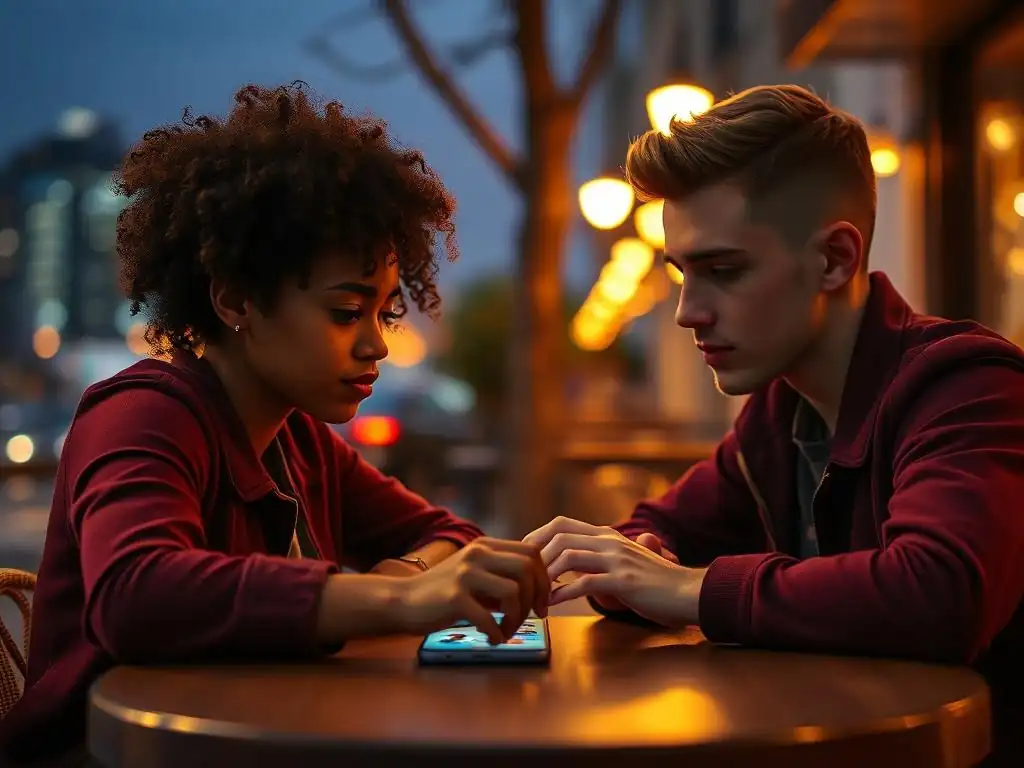
Ready to rewrite the rules of love in the digital age? At OnlineDatingSuccess.org, we delve into the fascinating intersection of online dating cultural expectations and the search for meaningful connections. Are your dating app strategies aligned with modern romance? Discover how cultural norms are shifting in the digital sphere, and learn how to navigate this evolving landscape to find lasting love. Explore the unexpected ways online dating is reshaping our understanding of relationships — and unlock your potential for success.
- The Shifting Landscape of Romance: Online Dating and Modern Relationships
- Online Dating's Influence on Cultural Norms Surrounding Courtship
- Navigating the Digital Dating World: Cultural Considerations for Success
- The Challenges and Opportunities of Cross-Cultural Online Dating
- The Future of Love in the Digital Age: Evolving Cultural Expectations
-
Frequently Asked Questions
- How does online dating change traditional cultural expectations of love?
- Does online dating impact cultural differences in expressing love?
- What are the cultural expectations around online dating profiles?
- How does online dating affect the cultural understanding of "the chase"?
- Can online dating help overcome cultural barriers in finding love?
- Final Reflection: Redefining Love in the Digital Age
- Uncover Your Own Love Story: Beyond the Swipe
The Shifting Landscape of Romance: Online Dating and Modern Relationships
The digital age has irrevocably altered how we connect, communicate, and even conceptualize love. Online dating, once a niche activity, has become a mainstream phenomenon, profoundly impacting cultural expectations surrounding relationships and the search for romantic partners. This article delves into the complex interplay between online dating and evolving cultural norms around love, exploring how algorithms, accessibility, and the sheer volume of choices available are reshaping our understanding of what constitutes a successful and fulfilling romantic partnership.
We will examine how the ease and immediacy of online connections both challenge and reinforce traditional societal expectations, ultimately impacting how we approach love, intimacy, and commitment in the 21st century. Understanding these shifts is crucial for navigating the modern dating landscape successfully and fostering meaningful connections in the digital age.
This exploration will focus on the evolving cultural expectations of love in the context of online dating, particularly addressing how online platforms influence our perceptions of ideal partners and the very nature of romantic relationships. We'll also consider the potential downsides and the importance of maintaining realistic expectations in this rapidly evolving environment.
The Rise of Online Dating and its Impact on Relationship Expectations
The meteoric rise of online dating platforms has dramatically altered the landscape of romantic relationships. No longer are individuals limited to meeting potential partners through pre-existing social circles or chance encounters. The sheer volume of profiles available, often categorized and filtered by algorithms, presents a vast and unprecedented selection.
This abundance of choice, while seemingly empowering, has also contributed to a culture of comparison and a potentially unrealistic expectation of instant gratification. Many users swipe through countless profiles, searching for the "perfect" match, often leading to disappointment and a sense of overwhelm. This constant exposure to a wide range of potential partners can also lead to a decreased commitment to any single relationship, fostering a "grass is always greener" mentality.
Furthermore, the ease of initiating contact and ending relationships online can create a sense of disposability, impacting the perceived value and significance of romantic commitment. The shift from traditional courtship rituals to the swipe-and-match dynamic has undeniably altered the cultural expectations surrounding the initial stages of romantic relationships.
The impact extends beyond the initial stages. The curated nature of online profiles, often presenting idealized versions of individuals, can create unrealistic expectations about personality, appearance, and compatibility. This can lead to disappointment when the reality of a relationship doesn't quite match the carefully constructed online persona.
Moreover, the constant accessibility afforded by online communication can blur the lines between casual and serious relationships, creating ambiguity and potentially hindering the development of deeper emotional connections. The rise of online dating has undeniably altered the cultural script of romance, demanding a reevaluation of traditional relationship expectations and a more nuanced understanding of the complexities of modern dating.
How Algorithms Shape Perceptions of Ideal Partners and Love
Online dating algorithms, designed to optimize matches based on user data and preferences, play a significant role in shaping perceptions of ideal partners and love itself. These algorithms, while intended to improve efficiency, inadvertently influence users' expectations by presenting a curated selection of potential partners.
The parameters used in these algorithms – age, location, interests, physical attributes – often subtly reinforce existing societal biases and stereotypes, potentially limiting the diversity of potential matches and shaping users' notions of desirability. For example, an algorithm prioritizing certain physical attributes might unintentionally reinforce unrealistic beauty standards, leading users to undervalue potential partners who don't conform to those standards.
Furthermore, the constant feedback loop provided by online dating platforms, in the form of matches, messages, and interactions, can create a sense of validation or rejection based on algorithmic assessments. This can reinforce existing insecurities and anxieties related to self-worth and desirability. The inherent bias in algorithms, often stemming from the data they are trained on, can perpetuate societal inequalities and limit the opportunities for diverse and meaningful connections.
The lack of transparency regarding the inner workings of many algorithms further compounds this issue, making it difficult for users to understand how their perceived "matchworthiness" is determined and potentially leading to frustration and disillusionment. It is crucial to recognize the influence of these algorithms on our perceptions of ideal partners and love itself, to actively challenge any biases they may reinforce, and to strive for a more inclusive and realistic approach to online dating.
Online Dating's Influence on Cultural Norms Surrounding Courtship

Online dating has undeniably reshaped the cultural landscape of courtship, impacting everything from initial interactions to long-term relationship expectations. The ease and accessibility of connecting with potential partners online have led to significant shifts in how we approach romance, challenging traditional norms and creating new ones. This section delves into the specific ways online dating alters cultural expectations surrounding love, examining both the positive and negative consequences of this digital revolution in relationships.
We'll explore how the sheer volume of choices, the immediacy of communication, and the curated nature of online profiles influence our perceptions of love and relationships. Understanding these influences is crucial for navigating the complexities of modern dating and fostering meaningful connections in the digital age.
Speed Dating vs. Traditional Courtship: A Comparison of Cultural Shifts
Traditional courtship, often characterized by slow, deliberate processes of getting to know someone, stands in stark contrast to the speed and efficiency of online dating, particularly in its manifestation as speed dating. Traditional courtship involved extended periods of interaction within established social circles, allowing for gradual intimacy and a deeper understanding of compatibility. This process often involved family and community involvement, reinforcing social norms and providing external validation.
In contrast, speed dating and online dating platforms often prioritize efficiency and choice. Users can quickly browse through numerous profiles, initiating contact and scheduling dates with minimal investment of time or emotional energy. This accelerated pace can lead to a more transactional approach to dating, with a greater emphasis on immediate physical attraction and compatibility scores over deeper emotional connection. The shift from a community-supported courtship to an individualized, self-directed process has significantly altered cultural expectations around relationship initiation and development.
A key difference lies in the role of shared social networks. Traditional courtship relied heavily on shared social circles and mutual acquaintances, creating a natural framework for assessing compatibility and building trust. Online dating, however, often bypasses these social filters, introducing elements of uncertainty and requiring individuals to rely more heavily on self-representation and limited information presented on profiles.
This difference highlights the significant cultural change in how we assess potential partners and build relationships. The data shows a clear trend: the average number of dates before a serious relationship in traditional courtship was significantly higher than in online dating scenarios. [Specific data on average number of dates pending].
The Impact of Online Dating Profiles on First Impressions and Relationship Expectations
Online dating profiles serve as a crucial first impression, shaping initial perceptions and influencing relationship expectations. Unlike traditional encounters where first impressions are formed through spontaneous interactions, online dating profiles allow users to carefully curate their self-presentation. This curated self often leads to inflated expectations and a potential disconnect between the online persona and the real-life individual. The use of filters, strategically chosen photos, and carefully crafted bios can create an idealized image that may not accurately reflect the person's true personality or characteristics.
This phenomenon, often referred to as "online persona inflation," can lead to disappointment and frustration when the reality falls short of the idealized image presented online. Furthermore, the ease of creating and deleting profiles fosters a culture of disposability, where individuals may feel less invested in building lasting relationships and more inclined to move on to the next potential match. The emphasis on visual appeal and concise self-descriptions also contributes to a superficial evaluation of potential partners, potentially overlooking deeper qualities that might lead to a more fulfilling relationship.
The pressure to present a perfect online self can lead to a sense of inadequacy and anxiety, impacting self-esteem and creating unrealistic expectations for both oneself and potential partners. This affects how we approach relationships in the real world, creating a feedback loop where online dating reinforces certain expectations of perfection and instant gratification.
The impact on mental health is a significant area requiring further research. [Data on the correlation between online dating profile curation and relationship satisfaction pending].
This section delves into the fascinating intersection of online dating and cultural expectations surrounding love and relationships. We'll explore how digital platforms reshape traditional courtship rituals and influence the way individuals perceive and pursue romantic connections across diverse cultural backgrounds. Understanding these nuances is crucial for navigating the online dating landscape successfully and fostering meaningful relationships. The rise of online dating has undeniably impacted how we approach love, introducing both opportunities and challenges related to cultural expectations.
Cultural Differences in Online Dating Communication Styles and Expectations
Online dating communication styles vary significantly across cultures. What might be considered perfectly acceptable in one culture could be perceived as rude or inappropriate in another. For instance, directness in communication, highly valued in some Western cultures, might be seen as overly aggressive or even offensive in more indirect communication cultures prevalent in East Asia. The speed of communication also differs. Some cultures favor quick, frequent interactions, while others prefer a more measured and deliberate pace.
Consider the expectations surrounding initiating contact. In some cultures, it's perfectly acceptable for women to initiate contact, while in others, it's still considered more appropriate for men to take the lead. This difference in expectation can lead to misunderstandings and missed connections if not properly navigated. Furthermore, the use of emojis and other digital communication elements can also carry different cultural meanings. A simple thumbs-up emoji, for example, might be interpreted positively in one culture and negatively in another.
To illustrate this point, let's examine a hypothetical scenario: A user from a direct communication culture, like the United States, might send a straightforward message expressing clear interest in a potential date. This same message sent to a user from a more indirect communication culture, like Japan, might be misinterpreted as overly forward or even presumptuous.
Understanding these subtle differences is paramount. Successful online daters cultivate cultural sensitivity by:
- Researching cultural norms: Before interacting with someone from a different cultural background, take the time to research common communication styles and expectations.
- Observing communication patterns: Pay close attention to the other person's communication style and adjust your own accordingly.
- Asking clarifying questions: If unsure about something, don't hesitate to ask clarifying questions to avoid misinterpretations.
- Being patient and understanding: Remember that communication styles vary, and patience and understanding are key to building successful connections.
Understanding Cultural Nuances in Online Dating Profiles and Presentation
The presentation of oneself on online dating profiles is heavily influenced by cultural norms. What constitutes an attractive profile in one culture might be considered unappealing or even off-putting in another. This includes everything from the type of photos used to the language and tone of the profile description.
For example, the emphasis on physical appearance can vary significantly across cultures. Some cultures prioritize outward beauty, while others place more emphasis on personality and character traits. This difference in emphasis can influence the types of photos individuals choose to include in their profiles. Similarly, the level of self-disclosure in profile descriptions can also vary widely. Some cultures encourage open and honest self-expression, while others prefer a more reserved approach.
To effectively navigate these nuances, consider the following:
- Image selection: Choose photos that accurately reflect your personality and preferences while keeping in mind cultural norms regarding appropriate attire and body language.
- Profile description: Craft a profile description that is both honest and engaging, while being mindful of cultural differences in self-disclosure and communication styles. Avoid generalizations or stereotypes.
- Cultural sensitivity: Demonstrate cultural sensitivity by showing an interest in learning about your potential date's background and respecting their cultural values.
Effective online dating requires a nuanced understanding of how cultural expectations influence online interactions. By paying attention to these details and adapting your approach accordingly, you significantly increase your chances of forming meaningful connections. Remember, successful online dating is not just about finding a match; it's about building relationships based on mutual respect and understanding. Navigating the complexities of cultural differences enhances the experience and increases the likelihood of finding a compatible partner.
The Challenges and Opportunities of Cross-Cultural Online Dating
Online dating, while offering unprecedented opportunities for connection, significantly impacts how we perceive and experience love within a globalized world. The ease of connecting with individuals from diverse cultural backgrounds presents both exciting opportunities and unique challenges to our understanding of romantic relationships. This section will explore these aspects, focusing on how online dating reshapes cultural expectations of love in a cross-cultural context. The keyword phrase "online dating cultural expectations love" is central to this discussion.
Overcoming Cultural Barriers in Online Romantic Relationships
Navigating cross-cultural relationships online requires sensitivity and awareness. Different cultures possess varied norms regarding courtship, communication styles, and expressions of affection. For example, directness in communication, considered acceptable in some cultures, might be perceived as rude or aggressive in others. Similarly, displays of public affection, commonplace in certain societies, could be deemed inappropriate in more reserved cultures. These differences can lead to misunderstandings and conflict if not addressed proactively.
Successful cross-cultural online dating often hinges on effective communication. Learning about your potential partner's cultural background is crucial. This involves understanding their values, beliefs, and expectations regarding relationships. Utilizing online resources, engaging in open and honest discussions, and demonstrating a willingness to learn and adapt are essential steps. Patience and empathy are key; misunderstandings are inevitable, but addressing them with respect and understanding can strengthen the connection. Remember, the goal is mutual respect and understanding, not assimilation.
Furthermore, managing expectations regarding family involvement is paramount. In some cultures, family plays a significant role in matchmaking and relationship decisions. Openly discussing the role of family in your respective cultures early on prevents potential conflict later. Transparency and clear communication are vital in navigating these complexities. The online space, while offering anonymity, should not be used to hide crucial aspects of your cultural identity or family expectations.
Building Successful Relationships Across Cultures Through Online Dating
Building successful cross-cultural relationships through online dating requires a proactive approach. It's not merely about overcoming barriers; it's about leveraging the unique strengths of cultural diversity to enrich the relationship. This involves celebrating differences, learning from each other, and fostering mutual respect.
One crucial aspect is embracing cultural exchange. Sharing traditions, foods, and perspectives broadens understanding and strengthens the bond. This could involve virtual "date nights" focused on exploring each other's cultures, learning a few phrases in each other's languages, or even sharing family stories and traditions. This creates a richer, more nuanced understanding of each other's identities and fosters a sense of shared experience.
Another key element is establishing clear communication protocols. This includes understanding communication styles, identifying potential misunderstandings, and actively working to bridge cultural gaps. Regular check-ins to ensure mutual understanding and addressing concerns promptly are vital. The use of translation tools can be helpful, but it's crucial to remember that nuances of language and meaning can be lost in translation; direct conversations remain essential. Active listening and a willingness to adapt communication styles are crucial for building trust and understanding.
Finally, remember that successful relationships—regardless of cultural background—are built on shared values, mutual respect, and a genuine connection. Online dating provides a platform to connect with people from diverse backgrounds, but the foundation of a successful relationship remains the same: open communication, mutual understanding, and a willingness to build a strong, lasting bond. The online dating experience can significantly affect how we experience "online dating cultural expectations love," but the core principles of love and commitment remain constant.
The Future of Love in the Digital Age: Evolving Cultural Expectations
The rise of online dating has undeniably reshaped how we approach love and relationships, significantly impacting cultural expectations. Gone are the days where chance encounters and limited social circles dictated romantic prospects. Now, algorithms and curated profiles influence the very landscape of courtship, prompting a fascinating evolution in societal views on love and commitment.
This section explores the long-term effects of this digital transformation on our cultural understanding of romantic partnerships. Understanding these shifts is crucial for navigating the modern dating scene successfully and fostering healthy, meaningful connections. The keyword phrase "Online dating cultural expectations love" perfectly encapsulates this evolving paradigm.
Long-Term Effects of Online Dating on Societal Views of Love and Commitment
Online dating's influence extends beyond simply facilitating connections; it's fundamentally altering our expectations of love and commitment. The sheer volume of choice available through dating apps fosters a culture of comparison, potentially leading to a decreased tolerance for perceived imperfections in potential partners. This "abundance mentality" can ironically hinder the development of long-term relationships, as individuals may constantly seek "better" options instead of nurturing existing connections.
Studies suggest a correlation between increased online dating usage and a rise in shorter-term relationships. This isn't necessarily a negative trend; it reflects a societal shift toward prioritizing individual fulfillment and exploring different compatibility dynamics before committing. However, it also raises concerns about the potential decline in the perceived value of long-term commitment. The ease of ending online relationships, often with minimal emotional investment, contrasts sharply with the traditional cultural emphasis on enduring partnerships.
Furthermore, the anonymity and distance afforded by online platforms can impact the depth and quality of emotional connection. While initial interactions might seem promising, the lack of physical proximity and shared experiences can create a barrier to truly meaningful bonding. This can contribute to a perceived lack of intimacy in relationships formed online, potentially leading to a shift in cultural expectations towards more superficial connections. This necessitates a conscious effort to prioritize genuine connection and vulnerability within online interactions.
The Role of Technology in Shaping Future Cultural Expectations of Relationships
The future of love in the digital age is inextricably linked to technological advancements. Artificial intelligence (AI) is already playing a role in matchmaking, with algorithms becoming increasingly sophisticated in predicting compatibility. This raises ethical questions about the extent to which technology should influence our choices in relationships, and whether it risks homogenizing our expectations of romantic partners.
Moreover, the increasing integration of virtual reality (VR) and augmented reality (AR) into social interactions could further blur the lines between physical and digital relationships. Virtual dating experiences, while offering unique possibilities for connection, may also contribute to a desensitization towards physical intimacy and the nuances of face-to-face interaction. The impact of these technological advancements on long-term cultural expectations remains uncertain, but it's crucial to approach these developments with a critical and mindful perspective.
The future of "Online dating cultural expectations love" hinges on our ability to harness technology's potential for good while mitigating its potential negative consequences. This requires a conscious effort to cultivate genuine connection, prioritize emotional intimacy, and maintain a healthy balance between the virtual and physical realms of relationships. The challenge lies in integrating the efficiency and convenience of online dating with the enduring values of commitment, empathy, and mutual respect that underpin successful, lasting relationships.
Frequently Asked Questions
How does online dating change traditional cultural expectations of love?
Online dating significantly alters the traditional pace of relationships. It introduces a higher volume of potential partners and a more selection-driven approach, potentially shifting expectations about courtship and commitment. This can lead to both faster and slower relationship developments depending on individual goals.
Does online dating impact cultural differences in expressing love?
Yes, online dating can both highlight and obscure cultural differences in expressing love. While digital communication can transcend geographical boundaries, misinterpretations due to differing cultural norms regarding directness, affection displays, and communication styles remain a possibility. Clear communication is key.
What are the cultural expectations around online dating profiles?
Cultural expectations around online dating profiles vary greatly. Some cultures emphasize modesty and restraint in profile presentation, while others embrace more outgoing and self-promotional approaches. It’s crucial to be aware of these differences and tailor your profile accordingly.
How does online dating affect the cultural understanding of "the chase"?
Online dating often redefines the traditional "chase" dynamic. The ease of connecting with multiple people simultaneously can lessen the intensity of pursuing a single individual. However, genuine connection and respect remain crucial for building a successful relationship, irrespective of the platform.
Can online dating help overcome cultural barriers in finding love?
While online dating can help people connect across cultures, it’s important to be mindful of cultural differences in communication styles and relationship expectations. Successful cross-cultural dating requires openness, patience, and a willingness to learn and understand differing perspectives.
Final Reflection: Redefining Love in the Digital Age
The rise of digital dating has irrevocably altered our cultural understanding of love, shifting expectations from organic connection to curated profiles and instant gratification. This isn't simply a technological advancement; it's a fundamental reshaping of how we approach intimacy, relationships, and the very definition of "finding the one." The impact is profound and continues to evolve, demanding a critical examination of its long-term consequences.
The pervasiveness of online dating has normalized a culture of choice and comparison, impacting self-esteem and fostering a sense of constant evaluation. This relentless pursuit of the "perfect match," often fueled by algorithms and idealized representations, can lead to dissatisfaction and a distorted perception of healthy relationships. The problem with dating apps isn't the apps themselves, but the culture they reflect and amplify – a culture obsessed with optimization and instant gratification.
This quote highlights the crucial need to understand the underlying societal pressures at play, beyond the technological interface.
Consider the implications of this shift. How are your expectations of love shaped by the digital landscape? Do you find yourself comparing potential partners to curated online personas? Are you prioritizing instant connection over deeper, more meaningful engagement? Take a moment to reflect on your own experiences and actively challenge the potentially unrealistic standards perpetuated by digital dating. Let's strive to cultivate a more authentic and compassionate approach to love, one that prioritizes genuine connection over superficial metrics and embraces the messy, beautiful reality of human relationships.
Uncover Your Own Love Story: Beyond the Swipe
Thank you for exploring the fascinating world of digital dating and its impact on our cultural expectations of love! We hope you gained valuable insights into how technology shapes romantic relationships. Now, let's put that knowledge to practical use.
- Reimagine your dating approach: Consider how these insights can help you navigate the digital dating world more authentically and purposefully. What changes can you make to your online profile, communication style, or expectations to find a more meaningful connection?
- Share your thoughts: What most surprised you about the relationship between digital dating and our cultural perceptions of love? Let's discuss this further in the comments below!
- Explore resources for mindful dating: Take some time to research articles and resources on building healthy relationships in the digital age. This will help you approach dating with intention and awareness.
Are you ready to redefine your love story, one meaningful connection at a time?