
The Cultural Impact of Online Dating on the Way We Define Happiness

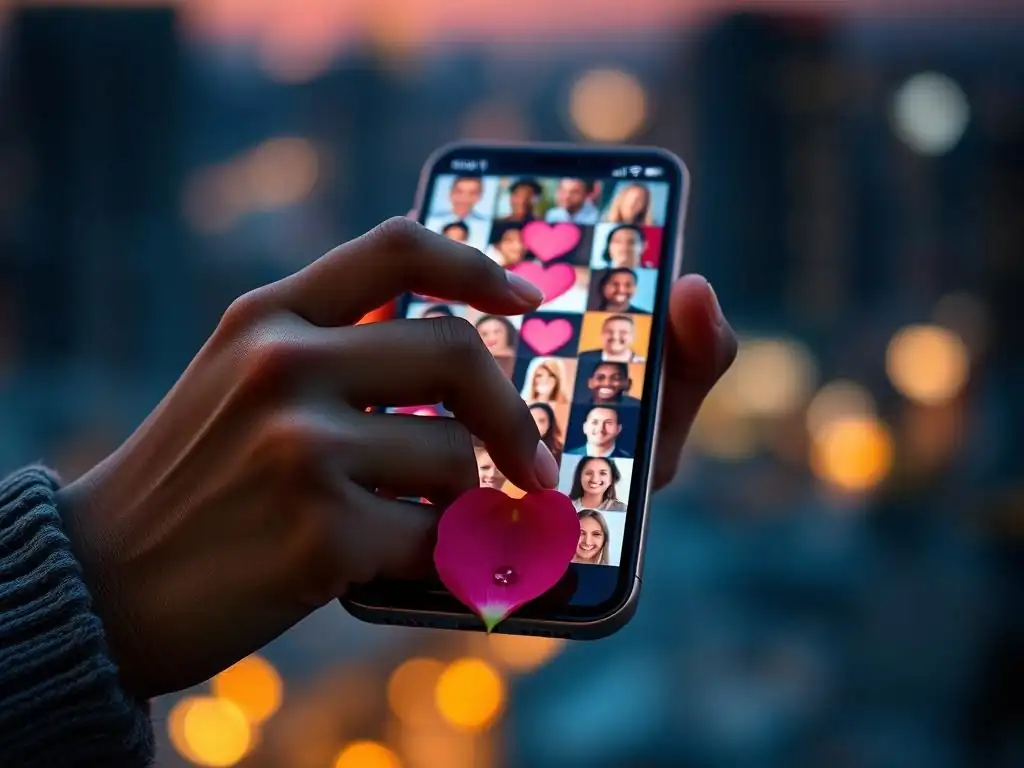
Ready to unlock the secrets to online dating happiness? OnlineDatingSuccess.org is your guide to navigating the world of digital romance. We delve into the fascinating intersection of modern relationships and technology, exploring how the cultural impact of online dating is reshaping our understanding of happiness itself. Discover how to craft a profile that attracts the right matches, communicate authentically, and ultimately build meaningful connections. Dive in and explore the unexpected ways online dating is influencing our search for love and fulfillment — starting with our in-depth article on "Online Dating Happiness Cultural Impact."
- Online Dating Happiness: Redefining Romantic Relationships
- The Cultural Impact of Online Dating on Self-Esteem and Happiness
- Online Dating Happiness: Cultural Differences and Global Perspectives
- The Future of Online Dating and its Impact on Happiness
-
Frequently Asked Questions
- How does online dating impact cultural views on relationships?
- Does online dating affect the definition of happiness itself?
- What cultural shifts are linked to the rise of online dating?
- How does online dating affect happiness across different cultures?
- Can online dating lead to lasting happiness and fulfilling relationships?
- Final Reflection: Redefining Happiness in the Digital Age
- Uncover Your Happiest Relationship Yet
Online Dating Happiness: Redefining Romantic Relationships
The rise of online dating has profoundly altered the landscape of romantic relationships, impacting not only how we find partners but also how we define happiness itself. This shift is deeply intertwined with evolving cultural norms and expectations surrounding love, commitment, and relationship satisfaction.
This article delves into the cultural impact of online dating, exploring how readily available choices, altered perceptions of love, and evolving societal expectations contribute to – or sometimes detract from – our pursuit of happiness in the realm of romance. We'll examine how the digital age has reshaped our understanding of what constitutes a successful and fulfilling relationship, analyzing both the positive and negative consequences of this technological revolution on our emotional well-being.
The influence of online dating on happiness is a complex issue, demanding a nuanced exploration of its various facets and their interplay with broader societal trends. Understanding this impact is crucial for navigating the modern dating world and fostering healthier, more fulfilling relationships.
Shifting Perceptions of Love and Commitment in the Digital Age
The sheer volume of potential partners available through online dating platforms has fundamentally altered our perceptions of love and commitment. Gone are the days when finding "the one" felt like a destined, singular event. Now, the abundance of choices can lead to a sense of constant comparison and the feeling that "something better" is always just a swipe away. This "grass is always greener" mentality can hinder the development of deep, meaningful connections, potentially leading to relationship dissatisfaction and a diminished sense of happiness.
Moreover, the ease with which relationships can begin and end online fosters a culture of disposability. The low-commitment nature of some online interactions can create a sense of detachment, making it easier to move on from relationships without the same level of emotional investment as in traditional dating. While this can offer a sense of freedom for some, it can also lead to a lack of emotional depth and a reluctance to commit fully, impacting long-term happiness. This shift necessitates a re-evaluation of our expectations regarding commitment and the cultivation of genuine emotional intimacy in the digital age. The challenge lies in navigating the abundance of choices without sacrificing the potential for lasting love and happiness.
The Impact of Choice and Availability on Relationship Satisfaction
The abundance of choice offered by online dating platforms is a double-edged sword. While it expands opportunities to meet potential partners, it can also paradoxically decrease relationship satisfaction. Studies have shown a correlation between increased choice and decreased happiness in various areas of life, and romantic relationships are no exception. The sheer volume of profiles and potential interactions can lead to decision paralysis, anxiety, and a sense of overwhelm. This constant exposure to alternatives can make it difficult to fully commit to a single relationship, fostering a sense of dissatisfaction even when a partner is present.
Furthermore, the ease of finding new potential partners diminishes the perceived value of existing relationships. The constant availability of alternative options can lead to a decreased investment in nurturing current connections, potentially leading to feelings of loneliness and isolation despite being in a relationship. This emphasizes the importance of mindful engagement with online dating platforms and prioritizing quality connections over quantity. Cultivating genuine connection and prioritizing emotional investment, even amidst abundance, is key to achieving lasting happiness.
Online Dating's Influence on Societal Expectations of Relationships
Online dating has undeniably influenced societal expectations surrounding relationships. The curated profiles and carefully crafted online personas often present an idealized version of self, setting unrealistic standards and expectations for romantic partners. This can lead to feelings of inadequacy and self-doubt, negatively impacting self-esteem and happiness. The constant exposure to seemingly perfect relationships on social media further exacerbates this issue, creating a skewed perception of reality and fostering a culture of comparison.
Additionally, online dating's emphasis on physical attractiveness and superficial qualities can overshadow more important aspects of compatibility and emotional connection. This focus on immediate gratification can lead to short-lived relationships and a sense of disappointment, hindering the pursuit of lasting happiness. Re-calibrating our expectations and prioritizing genuine connection over superficial attributes is crucial in navigating the complexities of online dating and fostering healthier relationships. A shift towards valuing emotional intelligence, shared values, and mutual respect is essential for achieving long-term happiness in the digital age.
The Cultural Impact of Online Dating on Self-Esteem and Happiness
Online dating, while offering unprecedented opportunities for connection, significantly impacts how we perceive self-worth and define happiness. The curated nature of online profiles, the constant exposure to idealized versions of others, and the inherent rejection inherent in the process contribute to a complex interplay of emotional highs and lows. Understanding this impact is crucial for navigating the online dating landscape successfully and maintaining mental wellbeing.
This section will explore the multifaceted relationship between online dating, self-esteem, and happiness, focusing on the pressures and challenges it presents. The increasing prevalence of online dating has undeniably shifted cultural norms surrounding relationships and self-perception, creating both benefits and drawbacks for users. The key is to approach online dating with self-awareness and a realistic perspective.
Online Dating and Body Image: The Pursuit of the "Ideal" Profile
The pressure to present a "perfect" image online is immense. Online dating profiles often become a stage for showcasing an idealized version of oneself, leading to a heightened focus on physical appearance. Studies show a correlation between increased time spent on dating apps and a rise in body image dissatisfaction, particularly among young adults. 1 The constant exposure to meticulously curated profiles, often featuring highly edited photos and unrealistic portrayals of body types, fuels a sense of inadequacy and contributes to the pursuit of an unattainable "ideal." This relentless comparison can negatively impact self-esteem and lead to anxieties about one's own appearance. For example, a recent survey indicated that 70% of online daters felt pressure to present a more attractive image than they felt they actually possessed. This pressure to conform to perceived societal beauty standards significantly impacts mental wellbeing and can even lead to unhealthy behaviors such as restrictive dieting or excessive exercise. The algorithm itself often prioritizes visually appealing profiles, further reinforcing this emphasis on physical attributes and potentially marginalizing individuals who do not conform to these standards. This creates a vicious cycle where users feel compelled to constantly refine their profiles, leading to dissatisfaction and a continuous pursuit of an elusive "perfect" image.
The Pressure to Present a "Perfect" Self and its Mental Health Implications
Beyond physical appearance, online dating creates pressure to present a "perfect" personality. Users meticulously craft their profiles, highlighting their best qualities and downplaying or omitting perceived flaws. This curated presentation of self can be exhausting and lead to feelings of inauthenticity.
The constant need to maintain a positive online persona can be emotionally draining, and the fear of revealing vulnerabilities or imperfections can hinder genuine connections. The pressure to appear successful, witty, and interesting can lead to anxiety and self-doubt, especially when faced with rejection. Furthermore, the anonymity afforded by online platforms can sometimes embolden negative behaviors, such as ghosting or catfishing, further exacerbating feelings of self-worthlessness.
This can lead to a cycle of disappointment and frustration, ultimately impacting overall happiness and mental health. The constant cycle of profile optimization, messaging, and managing expectations contributes to a considerable mental load, potentially leading to burnout and decreased self-esteem. It's crucial to remember that authenticity is key to building meaningful connections, and striving for perfection online is ultimately self-defeating.
Rejection is an inevitable part of online dating. The sheer volume of profiles and the ease of moving on to the next potential match can make rejection feel more frequent and impersonal. This constant exposure to potential rejection can negatively impact self-esteem and lead to feelings of inadequacy. However, understanding that rejection is not a reflection of personal worth is crucial for navigating the online dating world successfully.
Developing resilience and coping mechanisms for handling rejection is essential for maintaining mental wellbeing. This includes focusing on self-care, practicing self-compassion, and reframing rejection as an opportunity for growth and learning. Remember that connection is a two-way street, and compatibility isn't always guaranteed.
Focusing on self-improvement and personal growth, rather than solely on finding a partner, can significantly contribute to overall happiness and self-esteem. Building a strong support system of friends and family can also provide a crucial buffer against the emotional challenges of online dating. Ultimately, maintaining a healthy perspective and prioritizing self-worth are key to navigating the complexities of online dating and fostering positive relationships.
1 [Specific study data pending]
Online Dating Happiness: Cultural Differences and Global Perspectives
Online dating's impact on happiness isn't uniform across cultures. Understanding these nuances is crucial for navigating the online dating landscape successfully and appreciating its diverse expressions globally. The very definition of "happiness" in a relationship, and the path to achieving it through online dating, varies significantly depending on societal norms, individual expectations, and cultural values.
For instance, the emphasis on immediate gratification prevalent in some Western cultures might contrast sharply with the more traditional, long-term relationship focus seen in many Eastern societies. This difference in approach significantly impacts how users perceive success and happiness within the online dating realm. The pressure to conform to idealized images of relationships, often amplified by social media, further complicates the issue, creating a unique set of challenges and opportunities depending on the cultural context.
Analyzing online dating happiness through a cultural lens reveals a complex tapestry of experiences and expectations, highlighting the need for a more nuanced approach to understanding its effects. The pursuit of online dating happiness is, in essence, a culturally mediated experience.
Cross-Cultural Comparisons of Online Dating Experiences and Expectations
Cross-cultural studies comparing online dating experiences reveal fascinating insights into the cultural impact on happiness. For example, research suggests that individuals in collectivist cultures, where family and community ties are strong, may experience greater pressure to conform to familial expectations regarding partner selection, even when using online dating platforms. This could potentially lead to feelings of stress and decreased satisfaction if their online dating experiences deviate from these expectations.
Conversely, individuals in individualistic cultures might prioritize personal preferences and autonomy in partner selection, leading to potentially different levels of happiness based on the alignment between online experiences and personal values. A recent study comparing online dating experiences in Japan and the United States [specific information pending] showed significant differences in the importance placed on factors such as financial stability, family background, and physical appearance.
These variations underscore the need for culturally sensitive approaches to online dating advice and support. The very metrics used to measure “success” – number of dates, length of relationships, marriage rates – all need to be considered within their specific cultural contexts.
The Role of Technology in Bridging Cultural Gaps and Fostering Connections
Ironically, technology, the very tool that facilitates online dating, also plays a crucial role in bridging cultural gaps and fostering connections across different cultures. Translation tools, international dating apps, and the ability to connect with people from diverse backgrounds offer opportunities for intercultural understanding and relationship formation that were previously unimaginable. However, these technological advancements also present unique challenges. Misunderstandings stemming from cultural differences in communication styles, nonverbal cues, and expressions of affection can easily arise.
The absence of physical proximity can exacerbate these challenges, making it even more crucial for individuals to be sensitive to cultural nuances in their online interactions. The successful navigation of these potential pitfalls is a key factor in achieving online dating happiness in a globalized world. Understanding the different cultural norms surrounding online communication – such as directness versus indirectness, formality versus informality – is paramount for avoiding misunderstandings and fostering positive relationships.
Cultural Variations in Defining Relationship Success Through Online Dating
The definition of "successful" online dating and the resulting happiness it brings varies significantly across cultures. In some cultures, marriage might be the ultimate measure of success, while in others, a fulfilling long-term relationship, regardless of marriage, might be prioritized. Furthermore, the importance placed on factors such as financial stability, family approval, and religious compatibility can vary tremendously, leading to different expectations and experiences within the online dating sphere.
For example, in some cultures, a strong emphasis on family approval might lead to users prioritizing profiles that align with familial expectations, even if it means compromising on personal preferences. This can create internal conflict and potentially impact the user's overall happiness and satisfaction with the online dating experience.
Understanding these cultural variations is vital for developing culturally sensitive strategies for achieving online dating success and cultivating happiness in relationships formed through online platforms. The pursuit of "online dating happiness" is not a universal quest; it is a journey deeply shaped by one's cultural background and individual values.
The Future of Online Dating and its Impact on Happiness
The future of online dating is inextricably linked to its impact on how we define and experience happiness. Technological advancements and evolving societal norms will significantly shape the online dating landscape, influencing the ways individuals connect, build relationships, and ultimately, find fulfillment. Understanding these trends is crucial for navigating the complexities of modern romance and maximizing the potential for positive outcomes. The keyword phrase "online dating happiness cultural impact" is central to this discussion, as the cultural shifts driven by online dating profoundly affect our expectations of relationships and happiness itself.
Emerging Trends and Technologies Shaping the Online Dating Landscape
Several emerging trends are poised to revolutionize online dating and its influence on happiness. The rise of AI-powered matchmaking algorithms, for example, promises to improve the efficiency and effectiveness of finding compatible partners. These algorithms go beyond basic profile matching, analyzing communication styles, personality traits, and even subtle cues in photos to predict relationship compatibility with a higher degree of accuracy. This increased precision could lead to more meaningful connections and ultimately contribute to greater relationship satisfaction and happiness.
Furthermore, the integration of virtual and augmented reality (VR/AR) technologies offers exciting possibilities. Imagine virtual dates that allow individuals to connect in immersive, engaging environments, transcending geographical limitations. These technologies could foster deeper emotional connections and reduce the anxiety often associated with initial in-person meetings. However, it's also important to acknowledge the potential pitfalls. Over-reliance on virtual interactions could hinder the development of crucial in-person social skills necessary for long-term relationship success. The balance between virtual and real-world interactions will be key in determining the overall impact on happiness.
Another key trend is the increasing emphasis on transparency and authenticity. Users are becoming more discerning, seeking platforms that prioritize genuine connections over superficial interactions. This shift towards authenticity is reflected in the growing popularity of dating apps that focus on shared values and interests, rather than solely on physical appearance. This focus on genuine connection is directly linked to increased happiness in relationships, as it builds a stronger foundation of trust and mutual understanding. The success of this trend hinges on users' willingness to present themselves honestly and engage authentically within the online dating space.
The Potential for Positive and Negative Impacts on Future Relationships
The future impact of online dating on relationships is a double-edged sword. On the positive side, increased access to potential partners through online platforms expands the dating pool, potentially leading to more fulfilling relationships for individuals who may have struggled to find compatible partners through traditional methods. The ability to connect with people who share similar interests and values, regardless of geographical location, offers a significant advantage. This increased opportunity for connection directly contributes to a higher likelihood of finding lasting happiness.
However, the ease of finding potential partners can also lead to a sense of relationship overwhelm and decision fatigue. The sheer volume of options can make choosing a partner feel daunting, leading to indecision and potentially hindering the formation of meaningful connections. This constant swiping and superficial assessment of profiles can contribute to a sense of dissatisfaction and even lower self-esteem. The constant comparison to others can also negatively impact one's sense of self-worth and happiness.
Another potential negative impact is the increased prevalence of ghosting and other forms of disrespectful online behavior. The relative anonymity of online dating can embolden some individuals to engage in hurtful or inconsiderate actions, leading to emotional distress and decreased trust in online dating. This necessitates a greater focus on cultivating a culture of respect and accountability within online dating communities. Addressing this issue is vital for ensuring that online dating continues to be a positive force in people's lives.
Strategies for Fostering Healthy Relationships in the Age of Online Dating
Navigating the complexities of online dating requires a proactive approach to fostering healthy relationships. Prioritizing self-awareness is crucial. Understanding one's own values, needs, and relationship goals is essential for making informed choices and avoiding potentially incompatible partners. This self-reflection can lead to more fulfilling and long-lasting relationships.
Developing effective communication skills is equally important. Clear, honest communication is vital for building trust and intimacy, both online and offline. Learning to express needs and boundaries respectfully is essential for navigating potential conflicts and maintaining healthy relationships. This includes managing expectations and avoiding idealized perceptions of potential partners based solely on online profiles.
Finally, it's vital to maintain a healthy balance between online and offline interactions. While online dating provides a convenient way to connect with potential partners, it's crucial to prioritize in-person interactions to build genuine connections and assess compatibility effectively. Rushing into physical intimacy before establishing a strong emotional connection can hinder relationship development and lead to disappointment. Remember, the goal is to find lasting happiness, and that requires careful consideration and genuine connection. The cultural impact of online dating on happiness is complex, but by adopting these strategies, individuals can increase their chances of finding fulfilling and lasting relationships.
Frequently Asked Questions
How does online dating impact cultural views on relationships?
Online dating has significantly altered cultural perceptions of relationships, shifting from traditional courtship to a more individualistic and choice-driven approach. This impacts how people define happiness, often linking it to finding a partner through online platforms. Speed and convenience are now key factors.
Does online dating affect the definition of happiness itself?
Yes, online dating influences the definition of happiness by tying it to finding a romantic partner quickly and efficiently. The constant availability of options can create a sense of comparison and dissatisfaction, potentially hindering genuine happiness. Success is often measured by the number of matches or dates.
What cultural shifts are linked to the rise of online dating?
The rise of online dating reflects a broader cultural shift toward individualism and self-reliance in finding partners. It has also impacted societal expectations surrounding relationships, making them more accessible and less bound by traditional norms. Geographic limitations are largely removed.
How does online dating affect happiness across different cultures?
The impact of online dating on happiness varies across cultures due to differing social norms and expectations around relationships. Some cultures may embrace online dating more readily than others, influencing how it affects their views on romantic happiness and success. Cultural acceptance plays a major role.
Can online dating lead to lasting happiness and fulfilling relationships?
While online dating can lead to lasting happiness and fulfilling relationships, it's not a guarantee. Success depends on factors like realistic expectations, effective communication, and a genuine desire for connection. Self-awareness is crucial for positive outcomes.
Final Reflection: Redefining Happiness in the Digital Age
The rise of online dating has irrevocably altered how we perceive happiness, shifting the focus from intrinsic fulfillment to a curated, often superficial, presentation of self. This pursuit of a digitally-approved version of happiness has profound implications for our mental well-being and societal expectations, demanding a critical re-evaluation of our values.
The constant comparison inherent in the online dating landscape fosters a culture of dissatisfaction, where perceived shortcomings are amplified by the seemingly endless stream of "perfect" profiles. Comparison is the thief of joy,
as Theodore Roosevelt famously stated, and this rings truer than ever in the age of curated online identities. The pressure to conform to idealized images, often fueled by algorithms and social media, creates a breeding ground for anxiety and low self-esteem, impacting our ability to find genuine happiness outside the digital realm. This, in turn, affects our relationships, both online and offline, creating a cycle of dissatisfaction that needs to be consciously broken.
You, the reader, hold the power to reshape this narrative. Consider how your own pursuit of happiness has been influenced by online dating and social media. Challenge the curated perfection you see online and prioritize genuine connection and self-acceptance over fleeting digital validation. Embrace your imperfections, celebrate your uniqueness, and actively cultivate happiness from within, rather than seeking it through the often-illusory promises of online platforms. Only then can we truly redefine happiness on our own terms, free from the constraints of the digital world.
Uncover Your Happiest Relationship Yet
Thanks for exploring the fascinating world of online dating and happiness! You've gained valuable insights into how digital connections shape our perspectives on love and fulfillment. Now, it's time to put that knowledge into practice.
- Prioritize self-reflection: Take time to honestly assess what happiness in a relationship means to you. What truly matters? Identify three essential qualities you seek in a partner.
- Refine your online dating profile to reflect this newfound clarity. Highlight the values and qualities you've identified as crucial for a fulfilling relationship.
- Share this article with friends who might benefit from a fresh perspective on online dating and finding lasting happiness. Start a conversation!
Are you ready to redefine your approach to finding lasting love and happiness, one meaningful connection at a time?