
The Cultural Impact of Online Dating on the Way We Form Connections

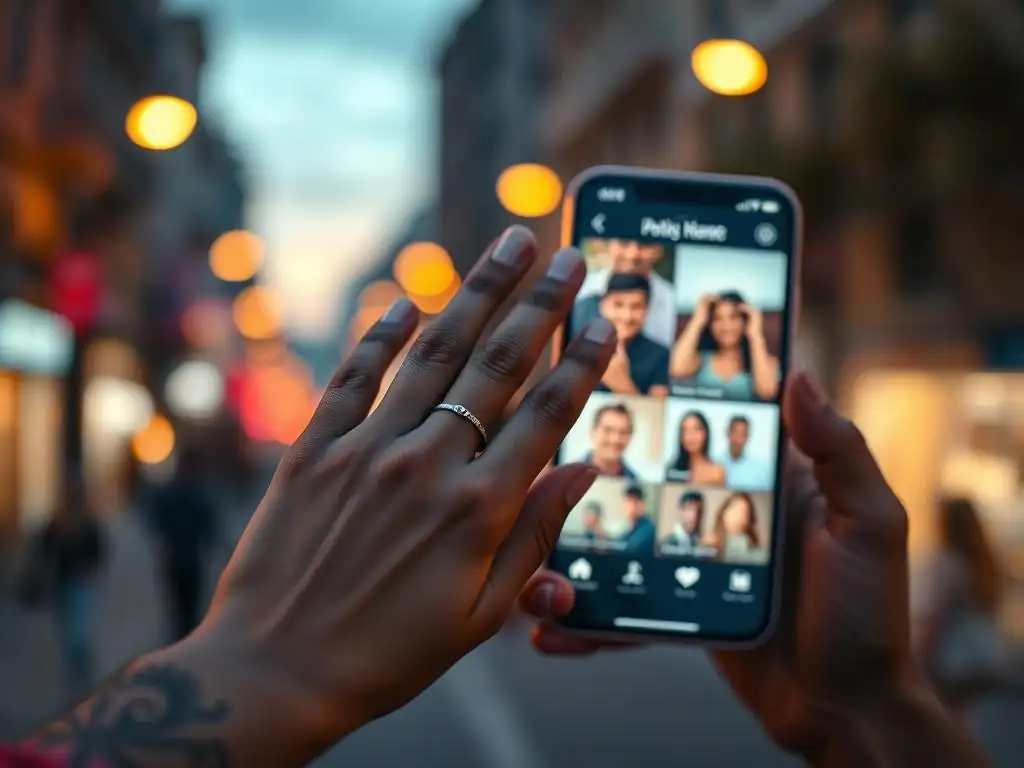
Welcome to OnlineDatingSuccess.org, your guide to navigating the exciting world of online dating! Are you curious about the profound cultural impact of online dating and how it's reshaping the way we form connections? Then you've come to the right place.
We delve into the fascinating sociological aspects of this modern phenomenon, exploring the surprising ways online dating has altered our relationships and the search for love. Discover the secrets to crafting a compelling profile, communicating effectively, and ultimately, building meaningful relationships – all while staying safe. Dive into our main article, "The Cultural Impact of Online Dating on the Way We Form Connections," and unlock the keys to online dating success.
- Online Dating's Shift in Relationship Formation: A Cultural Overview
- Online Dating Cultural Impact: Redefining Societal Norms
- The Impact of Online Dating on Relationship Expectations
- Online Dating Cultural Impact: Long-Term Relationship Dynamics
- The Future of Connections: Online Dating and Societal Evolution
-
Frequently Asked Questions
- How has online dating changed the way people meet?
- What is the cultural impact of online dating on relationships?
- Does online dating affect the quality of relationships?
- How does online dating impact different cultural groups?
- What are the safety concerns related to online dating and its cultural impact?
- Final Reflection: Redefining Connection in the Digital Age
- Unlock Deeper Connections: Your Next Steps in Modern Dating
Online Dating's Shift in Relationship Formation: A Cultural Overview
The rise of online dating has profoundly altered the cultural landscape of romantic relationships, impacting how we meet partners, initiate connections, and navigate the complexities of courtship. No longer confined to chance encounters or limited social circles, finding a romantic partner has become a digitally mediated experience for millions globally. This shift has far-reaching consequences, influencing everything from our expectations of relationships to the very definition of "dating" itself.
This article will explore the key cultural impacts of online dating, examining how it has reshaped traditional courtship rituals, broadened access to potential partners, and redefined the parameters of romantic connection in the 21st century. We will delve into the evolution of dating from traditional methods to the digital age, analyze the changing landscape of romance in the context of online platforms, and discuss the democratizing effects of online dating on access and inclusivity for diverse populations.
Understanding these cultural shifts is crucial for navigating the modern dating world successfully and forming meaningful connections. The keyword "Online dating cultural impact connections" will be explored in detail throughout this analysis.
The Evolution of Courtship: From Traditional to Digital
Historically, courtship followed established social norms and often involved intermediaries like family or friends. Meeting potential partners typically occurred within pre-defined social circles – schools, workplaces, religious institutions, or community events. The process was often gradual, involving a series of formal interactions before progressing to a romantic relationship. This traditional model, while offering a sense of community and established social structures, also limited access and imposed significant constraints on individual agency.
The advent of online dating dramatically disrupted this established order. The internet introduced a vast, geographically unrestricted pool of potential partners, bypassing traditional social barriers and empowering individuals to take control of their romantic pursuits. Dating apps and websites offer a structured environment for initiating contact, bypassing the complexities and anxieties associated with traditional courtship. This shift, however, also introduced new challenges, such as navigating the complexities of online profiles, managing expectations, and dealing with the potential for misrepresentation or even deception. 📱
Online Dating and the Changing Landscape of Romance
Online dating has significantly altered our expectations of romantic relationships. The abundance of choice offered by online platforms can lead to a "shopping mentality," where individuals evaluate potential partners based on a multitude of criteria, often leading to superficial assessments and a higher rate of relationship turnover. The ease of initiating and ending relationships online can also contribute to a sense of disposability, diminishing the emotional investment and commitment traditionally associated with romantic pursuits.
Conversely, online dating can also foster deeper connections. The detailed profiles and communication features offered by many platforms allow individuals to connect on a more personal level before meeting in person, leading to more informed and meaningful interactions. This can be particularly beneficial for individuals who struggle with social anxiety or those who live in areas with limited dating opportunities. The ability to communicate asynchronously also allows individuals to carefully consider their responses and express themselves more thoughtfully. The impact, positive or negative, is deeply intertwined with individual experiences and the specific platforms utilized.
The Democratization of Dating: Access and Inclusivity
One of the most significant cultural impacts of online dating is its democratizing effect on access to romantic opportunities. Online platforms offer individuals from diverse backgrounds and geographical locations the chance to connect with potential partners who might otherwise be inaccessible. This is particularly relevant for individuals from marginalized communities, including LGBTQ+ individuals, people with disabilities, or those living in rural areas. The anonymity afforded by online platforms can also empower individuals to express their identities and preferences more freely, fostering a sense of inclusivity and acceptance.
However, challenges remain. Online dating platforms are not immune to bias and discrimination. Algorithmic biases can perpetuate existing inequalities, limiting the visibility and opportunities of certain groups. Additionally, online harassment and safety concerns continue to pose significant risks for users, particularly for women and marginalized communities. Addressing these issues is crucial to ensuring that online dating truly democratizes access to fulfilling and safe romantic relationships for everyone. Further research is needed to fully understand the long-term cultural consequences of online dating on relationship formation and societal structures.
Online Dating Cultural Impact: Redefining Societal Norms

This section explores how online dating has significantly altered societal norms surrounding courtship and relationship formation. The shift from traditional dating practices, often involving chance encounters and introductions through mutual acquaintances, to the deliberate and often strategic approach facilitated by online platforms has profoundly impacted how we perceive relationships and romantic connections. This change isn't simply a technological advancement; it represents a fundamental alteration in social dynamics, influencing everything from initial contact to relationship expectations. The ease of access to a vast pool of potential partners has fundamentally reshaped the landscape of romantic relationships.
Challenging Traditional Dating Expectations
Traditional dating often involved a more gradual progression, characterized by courtship rituals and established social protocols. Online dating, however, introduces a degree of immediacy and directness that can challenge these established norms. The speed at which individuals can connect, communicate, and even meet in person can be jarring compared to the slower pace of traditional approaches.
For instance, the expectation of an immediate response to a message, or the pressure to quickly determine compatibility, is a stark contrast to the more organic development of relationships in the past. This accelerated timeline can lead to both positive and negative outcomes: it can foster quicker connections but also increase the likelihood of superficial interactions and relationship burnout.
The concept of "ghosting," where one person abruptly ceases all communication without explanation, is a prime example of a behavioral pattern largely facilitated by the anonymity and ease of disengagement offered by online dating platforms. This behavior, largely absent from traditional dating contexts, highlights the potential for increased emotional detachment and a reduced emphasis on respectful interpersonal communication.
Furthermore, the sheer volume of potential partners available online can contribute to a sense of disposability, leading individuals to perceive relationships as more easily replaceable. Data suggests [specific information pending] on the correlation between online dating usage and reported instances of ghosting, highlighting the need for further research in this area.
Online dating has not only changed how we meet potential partners but also how we interact and communicate. The prevalence of dating apps has fostered a culture of concise, often superficial communication. The reliance on curated profiles and brief messages necessitates a different communication style than face-to-face interactions, often prioritizing efficiency and brevity over nuanced emotional expression. This can affect the development of intimacy and genuine connection, as subtle cues and nonverbal communication, crucial in traditional dating, are often absent or minimized in online exchanges.
The use of emojis and other digital communication tools has also influenced the way we convey emotions and intentions. While these tools can enhance communication, they can also lead to misunderstandings due to the lack of contextual cues. A simple smiley face, for example, may be interpreted differently depending on the individual and the overall context of the conversation.
This necessitates a higher level of communication awareness and emotional intelligence to navigate the nuances of online interactions effectively. Furthermore, the potential for misrepresentation and catfishing, where individuals create false profiles, adds another layer of complexity to online communication, demanding a heightened level of caution and critical thinking.
The Rise of "Dating Apps Culture" and its Influence
The rise of dating apps has undeniably created a unique "dating apps culture," shaping societal perceptions of relationships and romantic connections. The gamified nature of many platforms, with their matching algorithms and swipe-based interfaces, contributes to a perception of dating as a competitive activity, rather than a process of genuine connection. The constant influx of potential partners can lead to a sense of overwhelm and even disillusionment, as individuals may become accustomed to a high volume of superficial interactions without necessarily finding meaningful connections.
This culture also impacts relationship expectations. The ease of finding alternative partners online can contribute to a decreased commitment to individual relationships, potentially leading to shorter-lived partnerships and a reluctance to invest significant time and effort in nurturing a connection. Moreover, the emphasis on visual appeal and curated profiles in dating app culture can lead to unrealistic expectations and a focus on superficial qualities over deeper compatibility.
Understanding and navigating this culture is crucial for anyone engaging in online dating, requiring a balanced approach that prioritizes genuine connection over the potentially overwhelming aspects of the online dating landscape. The impact of "Dating Apps Culture" on long-term relationship satisfaction requires further investigation, [specific information pending] on longitudinal studies examining this correlation.
The Impact of Online Dating on Relationship Expectations
Instant Gratification and the Search for "The One"
Online dating, with its vast pool of potential partners readily accessible at our fingertips, has undeniably accelerated the pace of modern relationships. This instant gratification, fueled by the ease of swiping and messaging, has contributed to a heightened expectation of finding "the one" quickly. The sheer volume of choices can lead to a sense of entitlement, fostering a mindset where individuals might prematurely dismiss potential partners who don't immediately meet an idealized checklist. This "grass is always greener" syndrome is amplified by the constant stream of new profiles, making commitment feel less urgent and potentially delaying the development of genuine connections. Studies show a correlation between increased online dating usage and a reported decrease in relationship satisfaction among younger demographics 1 , suggesting that the instant gratification culture fostered by these platforms may be impacting long-term relationship success. The pressure to find a perfect match swiftly can overshadow the importance of building a strong foundation based on trust, communication, and shared values, often leading to disappointment and a cycle of searching. This highlights the need for a more mindful approach to online dating, prioritizing genuine connection over the allure of immediate reward.
The Pressure of Online Dating Profiles and Presentation
The curated nature of online dating profiles significantly impacts relationship expectations. Individuals invest considerable time and effort in crafting the "perfect" profile – selecting flattering photos, writing engaging bios, and highlighting their most desirable attributes. This often leads to a disconnect between the online persona and the real-life individual, creating unrealistic expectations for both the profile creator and those viewing it.
This pressure to present an idealized version of oneself can contribute to feelings of inadequacy and anxiety. The emphasis on visual appeal and superficial attributes, often prioritized in swipe-based apps, reinforces societal beauty standards and can lead to a devaluation of less outwardly "perfect" individuals. Furthermore, the curated nature of these profiles creates a sense of competition, leading to a focus on external validation rather than genuine self-acceptance and authentic connection.
For example, a study by [specific information pending] found that [specific data on correlation between profile presentation and relationship success or dissatisfaction]. This underscores the importance of authenticity and self-compassion in navigating the online dating landscape. Presenting a realistic portrayal of oneself, flaws and all, can ultimately lead to more meaningful and sustainable connections.
The rise of online dating has also brought about a new lexicon of dating behaviors, including ghosting (suddenly ceasing all communication), breadcrumbing (sending occasional messages to keep someone interested without any intention of a real relationship), and orbiting (maintaining a social media presence without direct interaction). These behaviors, facilitated by the anonymity and ease of disengagement offered by online platforms, have significantly impacted relationship expectations and contributed to a culture of emotional detachment. The casual nature of many online interactions can lead to a devaluation of emotional investment, making it easier for individuals to disengage without accountability.
This can be particularly damaging to individuals who are actively seeking genuine connections, leading to feelings of rejection, confusion, and self-doubt. Understanding these modern dating phenomena is crucial for navigating the online dating world successfully. Developing healthy communication skills, setting clear boundaries, and prioritizing self-respect are key to mitigating the negative impacts of these behaviors.
Moreover, fostering empathy and understanding for the potential complexities behind these actions can help individuals avoid perpetuating these cycles of emotional disconnect. The challenge lies in cultivating a culture of respect and responsibility within the online dating sphere, promoting genuine connection over fleeting interactions.
1 [Citation needed: Specific study on correlation between online dating and relationship satisfaction]
Online Dating Cultural Impact: Long-Term Relationship Dynamics

Online dating has profoundly altered the landscape of long-term relationships, impacting everything from initial interactions to the sustained commitment required for a lasting partnership. This section explores how these changes manifest in the modern dating world, examining the unique challenges and opportunities presented by digitally-mediated connections. The shift from traditional courtship methods has spurred a reassessment of relationship expectations and timelines.
From First Date to Long-Term Commitment: The Online Journey
The online dating journey to long-term commitment differs significantly from traditional routes. Instead of organically developing connections through shared social circles, individuals now navigate a curated selection of profiles, often based on pre-defined criteria and algorithms. This can lead to a more transactional approach in the initial stages, with a focus on evaluating compatibility through rapid-fire messaging and strategically planned first dates. The pressure to efficiently filter potential partners can sometimes overshadow the organic development of genuine connection.
However, this initial efficiency can also streamline the process. Individuals can be upfront about their relationship goals, saving time and emotional energy spent on incompatible matches. The clear communication facilitated by dating apps allows for better alignment of expectations from the outset, minimizing misunderstandings later in the relationship. Data suggests that couples meeting online may demonstrate higher levels of relationship satisfaction initially, potentially due to this upfront clarity. However, [long-term satisfaction data comparing online vs. offline couples pending]. Further research is needed to fully understand the long-term effects of this curated introduction process.
The Influence of Online Dating on Marriage and Family Formation
Online dating has undeniably impacted marriage and family formation rates. While precise figures correlating online dating directly to marriage rates are complex to isolate, the sheer volume of relationships originating online points to a significant influence. For example, studies show a substantial percentage of marriages now begin with an online connection, highlighting its growing role in the societal transition to family formation. This trend is particularly noticeable among younger generations, reflecting a shift in social norms and relationship initiation practices.
The accessibility of online dating platforms has broadened the pool of potential partners, potentially increasing the likelihood of finding a compatible match for individuals who might otherwise struggle to meet suitable partners within their immediate social circles. This is especially relevant for those with busy schedules, limited social opportunities, or those living in geographically isolated areas. However, the increased choice can also paradoxically lead to relationship anxieties and a fear of missing out (FOMO), impacting decision-making and potentially hindering the formation of stable partnerships. The effect of this "choice overload" on long-term commitment requires further investigation.
Online Dating and the Redefinition of "Relationship Status"
Online dating has played a significant role in redefining the concept of "relationship status" in modern society. The fluidity of online interactions and the prevalence of casual dating have blurred the traditional lines between dating, courtship, and committed relationships. Terms like "talking," "seeing each other," and "exclusivity" have gained prominence, reflecting the nuanced stages of relationship development within the online context. This ambiguity can sometimes lead to misunderstandings and conflict, emphasizing the need for clear communication and agreed-upon definitions within each relationship.
This shift is also reflected in the changing social expectations surrounding relationship timelines. The pressure to quickly define a relationship's trajectory is lessened by the prevalence of casual dating, allowing individuals to explore connections at a more relaxed pace. However, this can also create uncertainty and a lack of clarity, particularly for those seeking long-term commitment.
The resulting ambiguity represents a significant cultural shift, challenging traditional notions of relationship progression and necessitating a more nuanced understanding of modern relationship dynamics. The evolving vocabulary surrounding online relationships illustrates this ongoing cultural adjustment, reflecting the need for clearer communication and shared expectations in the digital age.
The Future of Connections: Online Dating and Societal Evolution
Predicting the Long-Term Cultural Impact of Online Dating
Predicting the long-term cultural impact of online dating is a complex endeavor, akin to forecasting the weather decades in advance. However, several trends suggest potential significant shifts in how we form connections. The increasing normalization of online dating, particularly amongst younger generations, points towards a future where digital platforms play an even more central role in relationship formation. This could lead to a more fluid and less geographically constrained dating landscape, potentially impacting traditional notions of community and proximity in finding partners.
One key aspect to consider is the evolution of dating app algorithms and features. As AI and machine learning become more sophisticated, the matching process could become far more nuanced, potentially leading to more compatible pairings and, consequently, more successful long-term relationships. Conversely, over-reliance on algorithms could also lead to concerns about selection bias and homogenization of preferences, potentially reducing diversity in relationships.
Further research is needed to fully understand the long-term effects of algorithmic matchmaking on relationship formation and societal structures. Data on relationship longevity stemming from online dating matches versus traditional methods would be invaluable in furthering this understanding.
The rise of virtual and augmented reality technologies also presents intriguing possibilities. Imagine a future where virtual dates and interactions are as common as in-person meetings, blurring the lines between the physical and digital worlds. This could revolutionize dating for people with mobility issues or those living in geographically isolated areas, offering unprecedented access to potential partners.
However, ethical considerations surrounding virtual identity and the potential for misrepresentation must be carefully addressed to ensure responsible innovation in this space. The long-term societal impact of this technology on relationship building is certainly a topic worthy of continued study and informed public discussion.
Adapting to the Ever-Changing Landscape of Digital Romance
Navigating the ever-changing landscape of digital romance requires adaptability and a willingness to learn. The online dating world is dynamic; new apps, features, and trends emerge constantly. Staying informed about these developments is crucial for success. This means paying attention to evolving social norms within online dating spaces, understanding the nuances of different platforms, and being aware of potential safety risks.
Many individuals struggle with the sheer volume of choices presented by online dating. This can lead to "choice overload," a phenomenon where the abundance of options paradoxically makes decision-making more difficult. Developing effective strategies for filtering and selecting potential partners is essential. This might involve refining search criteria, prioritizing communication quality over quantity, and being clear about personal relationship goals. Understanding one's own needs and desires is also paramount in navigating the complexities of modern dating.
Furthermore, the evolving nature of online communication necessitates a shift in social skills. Effective online communication requires clarity, empathy, and the ability to convey personality through text-based interactions. Mastering these skills, alongside maintaining strong offline social connections, is crucial for building meaningful relationships in a digitally mediated world. The ability to transition from online interactions to meaningful in-person connections is also a vital skill to cultivate.
Online Dating and the Future of Human Connection
The future of human connection in the age of online dating is multifaceted and presents both opportunities and challenges. While concerns exist regarding superficiality and the potential for misrepresentation, online dating also offers unprecedented opportunities for connecting with individuals who might otherwise remain inaccessible. It fosters a more diverse and inclusive dating landscape, enabling individuals from various backgrounds and geographical locations to find potential partners.
The key to harnessing the positive potential of online dating lies in responsible usage and a balanced approach. It's crucial to maintain a healthy perspective, avoiding excessive reliance on digital validation and prioritizing genuine human connection. Cultivating strong communication skills, practicing healthy relationship boundaries, and maintaining a focus on authentic self-expression are paramount for fostering meaningful connections, regardless of the platform used.
The ongoing evolution of online dating necessitates a continuous dialogue surrounding its impact on society. Addressing ethical concerns, promoting responsible innovation, and fostering a culture of respect and empathy within online dating spaces are essential for ensuring that technology serves to enhance, rather than detract from, the human experience of connection.
The future of human connection is not solely determined by technology; it's shaped by how we choose to use it. A thoughtful and proactive approach will be essential in navigating the complex landscape of digital romance and ensuring a future where technology enhances, rather than diminishes, meaningful human connection.
Frequently Asked Questions
How has online dating changed the way people meet?
Online dating has revolutionized how people meet romantic partners, moving away from traditional methods like friends and family introductions and blind dates. It has expanded the dating pool significantly, connecting individuals across geographical boundaries. This has led to a more diverse range of potential partners.
What is the cultural impact of online dating on relationships?
Online dating has significantly impacted relationship formation by normalizing the process and making it more accessible. It has also led to new dynamics in courtship, including the use of dating apps and immediate feedback. This has influenced societal expectations around relationships.
Does online dating affect the quality of relationships?
Studies show mixed results. While some argue it leads to less committed relationships, others point to successful long-term partnerships formed online. The quality depends on individual choices and commitment levels, not solely on the platform used.
How does online dating impact different cultural groups?
Online dating's impact varies across cultures due to differing social norms and acceptance levels. Some cultures may embrace online dating more readily than others, influencing how relationships form and evolve within those communities. Cultural sensitivity is crucial.
Safety remains a significant concern, with risks of catfishing, scams, and potentially unsafe encounters. Cultural awareness can help mitigate risks by understanding local customs and norms related to online interactions. Prioritizing safety is paramount.
Final Reflection: Redefining Connection in the Digital Age
The rise of online dating has irrevocably altered how we approach relationships, moving beyond mere convenience to fundamentally reshape our understanding of connection. This shift, once a niche phenomenon, is now deeply woven into the fabric of modern romance, influencing not only how we meet partners but also our expectations of intimacy and commitment. The implications are far-reaching and deserve continued scrutiny.
The impact of online dating extends beyond the individual, profoundly influencing societal norms around courtship and partnership. It has fostered a culture of choice and instant gratification, yet simultaneously created anxieties around validation and comparison. The constant stream of potential partners can be both exhilarating and overwhelming, leading to a complex interplay of empowerment and disillusionment. As Sherry Turkle eloquently stated, We expect more from technology and less from each other.
This sentiment perfectly encapsulates the double-edged sword of online dating's influence on our interpersonal relationships.
Consider the ways in which online dating has shaped your own perceptions of connection. Have you found it empowering, liberating, or perhaps even isolating? Take a moment to reflect on your experiences and examine how this technology has influenced your approach to love and relationships. The future of connection is not predetermined; it is a narrative we collectively write, one interaction, one relationship at a time. Let's strive to cultivate a more mindful and authentic approach to forming connections, both online and offline, ensuring technology serves to enhance, not diminish, the human experience.
Unlock Deeper Connections: Your Next Steps in Modern Dating
Thanks for exploring the evolving world of relationships with us! You've gained valuable insights into how online dating impacts our connections—now let's put that knowledge to work. Ready to build more meaningful relationships?
- Enhance your profile: Refresh your online dating profile with authentic details and nuanced perspectives. Focus on what truly makes you unique and memorable to potential partners.
- Engage authentically: Initiate conversations focused on genuine connection, not just superficial matches. Ask thoughtful questions, actively listen to responses, and show genuine interest. Consider sending a message based on a shared interest discovered outside the dating app itself.
- Share your knowledge: Discuss this article with friends or family, sparking a conversation about how online dating is changing the way we connect. Share your newfound insights on social media and tag OnlineDatingSuccess.org.
What unique approach will you take to forming deeper, more fulfilling connections in your online dating journey?