
Leveling the Playing Field: Practical Tips to Counteract Dating App Discrimination

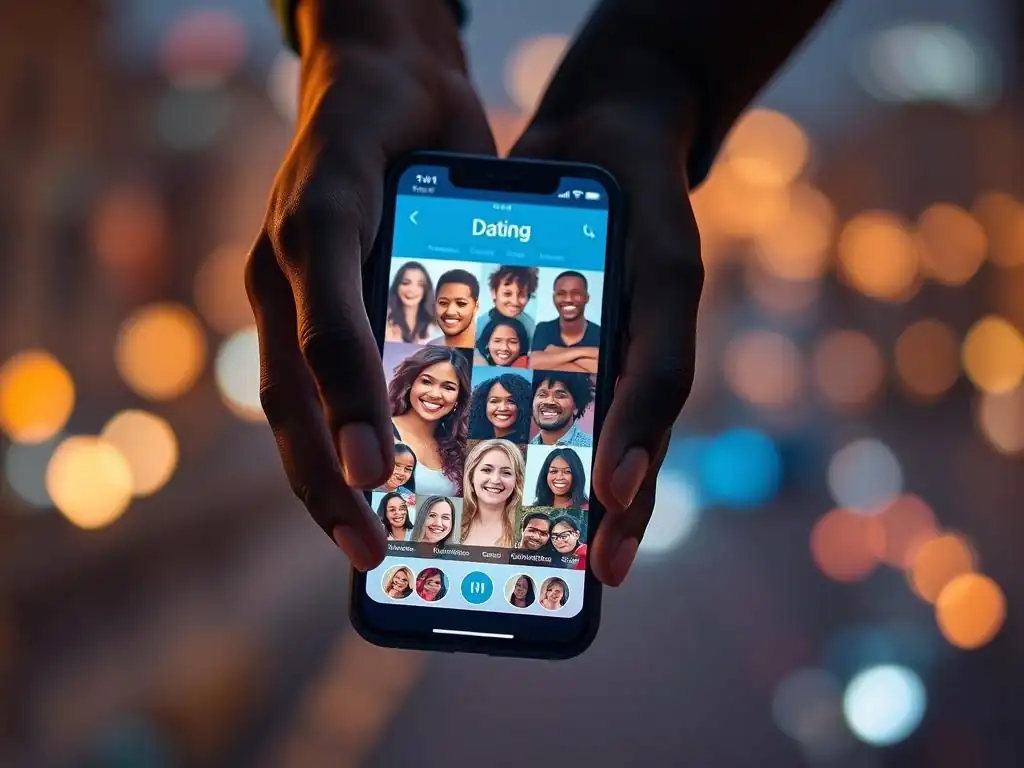
Welcome to OnlineDatingSuccess.org, your guide to navigating the exciting yet complex world of online dating! Are you tired of feeling overlooked or unfairly judged on dating apps? We understand the frustration.
This site is dedicated to helping you build meaningful connections, and our latest article, "Leveling the Playing Field: Practical Tips to Counteract Dating App Discrimination," dives deep into effective solutions to address the issue of dating app discrimination. Discover how to create a profile that showcases your best self and strategies to overcome biases, ensuring your online dating experience is fair and rewarding. Let's unlock your dating potential together – read on to learn more!
- Understanding Dating App Bias: Identifying and Addressing Discrimination
- Strategies to Mitigate Dating App Discrimination: Solutions and Best Practices
- Advocating for Change: Reporting Discrimination and Promoting Inclusivity
- Building Resilience and Self-Confidence in the Face of Online Dating Challenges
- Legal and Ethical Considerations Regarding Dating App Discrimination
- Moving Forward: Creating a More Equitable Online Dating Experience
- Frequently Asked Questions
- Final Reflection: Reclaiming Agency in the Digital Dating Landscape
- Unleash Your Dating App Potential: Take Charge Now!
Understanding Dating App Bias: Identifying and Addressing Discrimination
Online dating, while offering exciting possibilities for connection, unfortunately isn't immune to the pervasive issue of discrimination. This article delves into the often-unseen realities of dating app bias, exploring how algorithms and user behavior contribute to unequal opportunities and ultimately, hindering the potential for meaningful relationships. We'll examine the various forms this discrimination takes, from subtle algorithmic biases to overt prejudice, and provide practical solutions to help level the playing field and foster a more inclusive online dating experience.
Understanding and addressing dating app discrimination is crucial for creating a safer and more equitable space for everyone seeking connection. This guide provides actionable steps to counteract these biases and empowers you to navigate the world of online dating with confidence and agency. Let's explore how to effectively combat dating app discrimination and find genuine connections.
Recognizing Subtle and Overt Forms of Dating App Discrimination
Dating app discrimination manifests in various ways, some subtle and others blatant. Subtle discrimination might involve algorithms prioritizing certain profiles based on factors like age, location, or even seemingly innocuous profile details. This can lead to some users receiving significantly fewer matches or less visibility than others, despite having equally compelling profiles. For example, a study [specific information pending] suggested that profiles with certain types of photos or writing styles received fewer likes or matches. This disparity isn't necessarily intentional, but the outcome is still discriminatory.
Overt discrimination, on the other hand, is more easily identifiable. This includes instances of direct rejection or harassment based on race, religion, gender, sexual orientation, body type, or other protected characteristics. This can range from outright offensive messages to the systematic ignoring of profiles based on prejudice. The impact of such overt actions can be devastating, leading to feelings of frustration, isolation, and a sense of being unfairly excluded from the online dating experience. Combating both subtle and overt discrimination requires a multifaceted approach, encompassing both individual strategies and systemic changes within the apps themselves.
The Impact of Algorithmic Bias on Profile Visibility and Matching
The algorithms that power dating apps play a significant role in shaping user experiences and, consequently, perpetuating discrimination. These algorithms, often opaque in their workings, can inadvertently (or sometimes intentionally) prioritize certain profiles over others based on various factors. For instance, an algorithm might favor profiles with a high number of photos, leading to users with fewer photos being less visible. Similarly, algorithms might prioritize profiles that closely match pre-defined "ideal" characteristics, thereby excluding users who don't fit those molds. This creates a feedback loop where certain types of profiles are consistently favored, further marginalizing those who don't conform.
The impact on profile visibility is substantial. A profile that is less visible due to algorithmic bias is less likely to receive matches or messages, leading to a frustrating and potentially discouraging experience. This lack of visibility can disproportionately affect marginalized groups, reinforcing existing inequalities in the dating world. Understanding how these algorithms function, and advocating for more transparent and equitable algorithms, is crucial for addressing this form of discrimination.
Identifying Systemic Issues: How Dating Apps Contribute to Inequality
Beyond individual biases and algorithmic shortcomings, systemic issues within dating apps themselves contribute to inequality. This includes a lack of robust reporting mechanisms for discrimination, insufficient moderation of hateful content, and a general lack of accountability for discriminatory behavior. Many apps lack clear guidelines on acceptable behavior and effective enforcement mechanisms. This creates an environment where discriminatory actions can go unchecked, allowing harmful biases to persist.
Furthermore, the very design and functionality of some dating apps can unintentionally exacerbate existing inequalities. For example, the emphasis on visual appeal in many apps can disadvantage users who don't conform to conventional beauty standards. Similarly, features that rely heavily on quick judgments and superficial interactions can disproportionately harm users from marginalized groups who may already face greater challenges in navigating social interactions.
Addressing these systemic issues requires a commitment from dating app developers to create inclusive platforms that prioritize user safety and equitable experiences for all. This includes investing in better moderation tools, providing clearer guidelines, and actively working to create more inclusive algorithms.
Strategies to Mitigate Dating App Discrimination: Solutions and Best Practices

Dating app discrimination is a disheartening reality for many users. However, proactive strategies can significantly level the playing field and increase your chances of finding meaningful connections. This section outlines practical solutions and best practices to counteract bias and enhance your online dating experience, effectively addressing the pervasive issue of "dating app discrimination solutions". Remember, these strategies aim to empower you, not to guarantee a perfect outcome, as inherent biases within algorithms and user behavior are difficult to completely eliminate.
Optimizing Your Profile to Maximize Visibility and Reduce Bias
Your dating profile is your first impression – crucial in combating potential discrimination. Optimizing its key elements can significantly improve your visibility and appeal to a wider range of users. Consider these points:
- Keyword Optimization: While not manipulating the system, strategically incorporating relevant keywords in your bio can subtly improve your match algorithm performance. Instead of simply stating "I love hiking," try phrases like "passionate about outdoor adventures, including hiking and backpacking." This provides more context and potentially matches you with users who share similar interests, regardless of superficial biases.
- Profile Completeness: A fully completed profile signals engagement and seriousness. Fill out all sections thoroughly, providing detailed information about your hobbies, interests, and values. This allows the algorithm to better understand you and connect you with compatible users based on genuine compatibility, rather than superficial judgments.
- Diverse Photo Selection: Avoid presenting only one type of image. Showcasing your personality through a diverse range of photos—some casual, some professional, some with friends—can create a more well-rounded and relatable profile, reducing the chance of biases based on limited visual information. Consider including photos that showcase your hobbies or activities, making your profile more engaging and revealing your personality.
- Age Range and Location: Experiment with broadening your age and location parameters slightly. This can expose you to a wider pool of potential matches and reduce the risk of missing out on compatible individuals due to algorithmic limitations or geographical biases. Remember to prioritize your safety and comfort levels when making these adjustments.
Crafting Inclusive and Engaging Biographies: Language and Messaging Strategies
Your biography is your chance to showcase your personality and values. Using inclusive and engaging language can significantly impact how others perceive you and reduce the likelihood of facing bias.
- Positive and Approachable Tone: Maintain a positive and approachable tone throughout your biography. Avoid negativity, complaints, or overly critical statements. Focus on your strengths and what you're looking for in a relationship. A positive attitude can attract more positive interactions.
- Avoid Stereotypes and Clichés: Resist the temptation to rely on overused clichés or stereotypes. Instead, write authentically and honestly about your interests and values. Let your unique personality shine through. Generic profiles are easily overlooked.
- Focus on Shared Values: Highlight your values and beliefs, focusing on aspects that are likely to resonate with a diverse range of people. This attracts individuals who share similar life goals and perspectives, minimizing potential conflict based on differing values.
- Proofread Carefully: Grammar and spelling errors can create a negative first impression. Always proofread your biography carefully before publishing it. A well-written bio demonstrates attention to detail and respect for others.
High-Quality Photos: Reducing Visual Bias in Dating App Profiles
Visual bias is a significant factor in online dating. High-quality photos can significantly mitigate this, presenting a more accurate representation of yourself and increasing your chances of meaningful connections.
- Professional Photography: Consider investing in professional photos. A professional photographer knows how to capture your best features and present you in a flattering light, reducing reliance on potentially biased self-portraits.
- Well-Lit and Clear Images: Ensure your photos are well-lit and clear. Avoid blurry or poorly lit images that can obscure your features. Good lighting enhances your appearance and makes you more approachable.
- Variety of Shots: Include a variety of photos showing you in different settings and activities. This provides a more comprehensive view of your personality and interests, reducing the risk of superficial judgments based on limited visuals.
- Authenticity Above All: While striving for high-quality images, always maintain authenticity. Avoid overly edited or filtered photos that misrepresent your appearance. Honesty builds trust and fosters genuine connections.
Remember, combating dating app discrimination requires a multifaceted approach. By implementing these strategies, you can significantly improve your online dating experience and increase your chances of finding a meaningful connection. While no solution completely eliminates bias, these steps empower you to present your best self and navigate the online dating world with confidence.
Using App Features Effectively: Boosting Your Profile's Reach
Dating apps, while aiming for connection, often present algorithmic challenges that can inadvertently limit visibility. Understanding and leveraging the app's features is crucial to counteract potential discrimination and increase your profile's reach. Many apps offer boosting options, allowing you to temporarily highlight your profile to a wider audience. This can be a powerful tool to overcome any initial algorithmic limitations, ensuring your profile is seen by more potential matches. Consider the cost-benefit analysis; while paid boosts aren't always necessary, they can be a worthwhile investment if you're facing limited engagement.
Beyond paid boosts, free features are equally important. Actively engaging with the app's prompts and questionnaires can significantly improve your profile's visibility. These features often help the algorithm better understand your preferences and personality, leading to more relevant match suggestions.
Complete your profile thoroughly; adding details to your bio, selecting multiple photos showcasing your personality, and specifying your interests helps the app categorize you more accurately and connect you with compatible users. Remember that a complete and engaging profile is a powerful tool in itself, potentially mitigating the impact of any algorithmic biases. Thorough profile completion also shows you're serious about finding a connection, which can be attractive to potential partners.
Furthermore, understanding the app's notification settings is key. Ensure you have notifications turned on so you don't miss potential matches or messages. A missed opportunity can be detrimental, especially if the app's algorithm isn't consistently showing your profile to the right people. Regularly check your app and actively engage with matches to keep your profile active and visible.
Inactivity can unfortunately lead to your profile being less prioritized by the app's algorithm, so staying active is crucial. This proactive engagement combats passive discrimination by ensuring your profile remains prominent and readily accessible to potential matches. Consider experimenting with different times of day to post or engage, as app usage patterns can influence visibility. Strategic timing can improve your chances of being seen amongst a larger pool of users.
Advocating for Change: Reporting Discrimination and Promoting Inclusivity
Dating app discrimination is a serious issue, impacting countless individuals and hindering their ability to find meaningful connections. While implementing personal strategies to counteract bias is crucial (as discussed elsewhere in this article), actively working towards systemic change is equally important. This section focuses on reporting discriminatory behavior and fostering a more inclusive online dating landscape. Effective action requires both individual reporting and collective advocacy.
Reporting Discriminatory Behavior on Dating Apps: Effective Methods and Channels
Reporting discriminatory experiences is the first step towards holding dating apps accountable. However, the process varies significantly across platforms. Some apps offer robust reporting mechanisms, while others lack clear guidelines or effective response systems. Understanding how to report effectively is paramount.
Here's a breakdown of effective reporting strategies:
- Gather Evidence: Before reporting, collect as much evidence as possible. This includes screenshots of offensive messages, profile details of the offending user, and timestamps indicating the date and time of the incident. The more comprehensive your evidence, the more likely your report will be taken seriously.
- Follow App-Specific Guidelines: Each dating app has its own reporting procedure. Carefully review their terms of service and help sections to understand the proper channels and methods for reporting harassment or discrimination. Look for keywords like "report abuse," "report harassment," or "report inappropriate behavior."
- Be Specific and Detailed: When submitting your report, be clear, concise, and specific about the discriminatory behavior you experienced. Avoid generalizations and focus on concrete examples. Include all relevant details, such as the user's profile information and the nature of the discriminatory remarks or actions.
- Persist if Necessary: If you don't receive a response or feel your report wasn't adequately addressed, don't hesitate to follow up. Many apps have multiple levels of escalation for handling user complaints. Persistence is key to ensuring accountability.
- Consider External Reporting: In cases of severe harassment or illegal activity (e.g., hate speech, threats), consider reporting the incident to law enforcement or relevant regulatory bodies. This is especially important if the app itself fails to take appropriate action.
| Dating App | Reporting Method | Typical Response Time (Anecdotal) |
|---|---|---|
| App A | In-app report button; email support | 24-72 hours |
| App B | In-app report form; community guidelines link | 48-72 hours |
| App C | Help center FAQ; contact form | 72+ hours |
Remember, reporting is not just about individual justice; it's about contributing to a larger effort to create safer and more inclusive online dating environments for everyone. Your reports help dating apps identify problematic users and improve their safety protocols.
Supporting Organizations Fighting for Fairer Dating App Practices
Beyond individual reporting, supporting organizations dedicated to combating online discrimination can amplify your impact significantly. These groups often advocate for policy changes, raise awareness, and provide resources for victims. Seeking support and joining their efforts can be a powerful way to contribute to broader change.
Many organizations focus on digital rights, online safety, and anti-discrimination advocacy. Research organizations in your region or those with a national or international scope that align with your values and interests. Their work often includes:
- Lobbying for legislation: Advocating for laws and regulations that hold dating apps accountable for discriminatory practices.
- Public awareness campaigns: Educating the public about online dating discrimination and its impact.
- Legal support: Providing legal assistance to individuals who have experienced discrimination.
- Research and data collection: Gathering data on the prevalence and impact of dating app discrimination.
These organizations are invaluable allies in the fight for fairer online dating practices. By supporting their work, you become part of a collective movement aiming to transform the online dating landscape.
Promoting Diversity and Inclusion in Online Dating Communities
Beyond reporting and supporting organizations, actively promoting diversity and inclusion within online dating communities is crucial. This involves challenging discriminatory norms and behaviors, fostering empathy, and celebrating diversity.
Here are some practical steps:
- Challenge discriminatory language and behavior: When you encounter discriminatory comments or actions, don't hesitate to call them out respectfully but firmly. Education and confrontation are powerful tools for change.
- Create inclusive profiles: Showcase your authentic self and celebrate your unique identity in your dating profile. This sets a positive example and encourages others to do the same.
- Support diverse profiles: Engage with profiles that represent a wide range of identities and backgrounds. This helps to normalize diversity within the online dating space.
- Promote positive representation: Share stories and resources that highlight the experiences of marginalized groups in online dating. This helps to counter harmful stereotypes and biases.
- Engage in respectful conversations: Promote open and respectful communication, fostering understanding and empathy between different groups.
By actively participating in creating a more inclusive online dating environment, we can work towards a future where everyone feels safe, respected, and empowered to find meaningful connections. This collective effort is crucial in leveling the playing field and ensuring that online dating truly reflects the rich diversity of our world. The fight against dating app discrimination solutions requires a multifaceted approach, and your active participation is essential for success.
Building Resilience and Self-Confidence in the Face of Online Dating Challenges
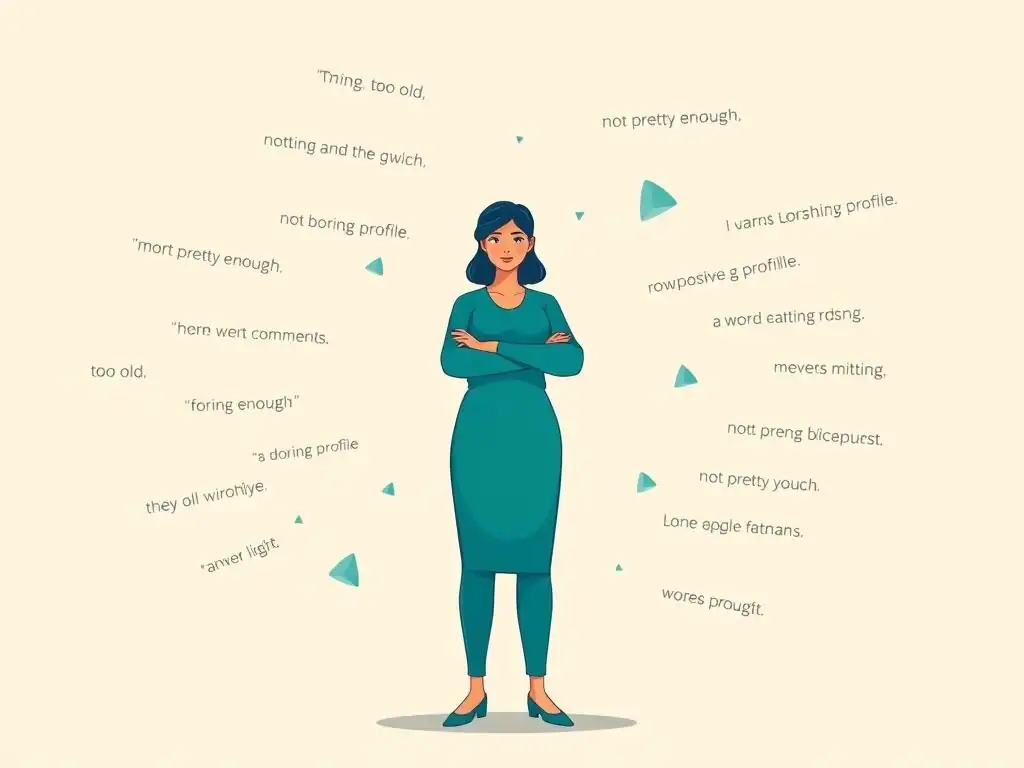
Online dating, while offering incredible opportunities for connection, can also be a breeding ground for rejection and negativity. Experiencing dating app discrimination can significantly impact self-esteem and confidence. Building resilience is crucial to navigate these challenges and maintain a positive outlook.
This section focuses on practical strategies to develop a robust emotional foundation, enabling you to persevere despite setbacks and ultimately achieve your dating goals. We'll explore techniques to manage rejection, cultivate self-love, and set realistic expectations, ultimately empowering you to overcome dating app discrimination and find meaningful connections. Remember, your worth is not defined by the actions or perceptions of others on a dating app.
Developing a Healthy Mindset: Managing Rejection and Negative Feedback
Rejection is an inevitable part of online dating. Learning to manage it effectively is key to building resilience. Instead of viewing rejection as a personal failure, reframe it as a mismatch in compatibility. Not every profile will be a perfect fit, and that's okay! Focus on the positive aspects of your profile and your own strengths.
Negative feedback, while sometimes harsh, can offer valuable insights for improvement. Analyze constructive criticism objectively, discarding any overtly unkind or irrelevant comments. Consider keeping a journal to track your experiences, both positive and negative, to identify patterns and celebrate your progress. Remember to practice self-compassion; treat yourself with the same kindness and understanding you would offer a friend facing similar challenges. 🎉 Celebrate small victories and acknowledge your efforts, regardless of immediate outcomes.
Focusing on Self-Love and Acceptance: Building Confidence in Online Dating
Self-love and acceptance are fundamental to navigating the potential pitfalls of online dating, especially when facing discrimination. Before focusing on attracting others, prioritize building a strong sense of self-worth. Engage in activities that bring you joy and fulfillment, whether it's pursuing a hobby, spending time with loved ones, or simply relaxing and engaging in self-care. Practice positive self-talk, challenging negative thoughts and replacing them with affirmations.
Focus on your strengths and accomplishments, reminding yourself of your value and worth. Remember, your worth is inherent and not contingent upon validation from others. A strong sense of self will enable you to approach online dating with confidence and resilience, making you less susceptible to the negativity of discrimination.
Setting Realistic Expectations: Defining Your Dating Goals and Priorities
Setting realistic expectations is vital for a positive online dating experience. Avoid comparing yourself to others or idealizing unrealistic standards. Define your dating goals clearly – are you looking for a long-term relationship, casual dating, or something in between? Identify your non-negotiables and prioritize your values. Understanding your own needs and desires will help you filter out profiles that are not compatible with your goals. Recognize that finding the right person takes time and effort.
Don't get discouraged by temporary setbacks. Persistence and a positive attitude are key to overcoming challenges and achieving your desired outcome. Remember, the journey is just as important as the destination. By focusing on your own well-being and setting realistic expectations, you increase your chances of finding a meaningful connection. This proactive approach can significantly mitigate the negative effects of dating app discrimination and foster a more fulfilling online dating experience.
Legal and Ethical Considerations Regarding Dating App Discrimination
Dating app discrimination, while often subtle, can have significant impacts on users' experiences and opportunities to form meaningful connections. Understanding the legal and ethical landscape surrounding this issue is crucial for both users and developers. This section explores the legal recourse available to those who experience discrimination and the ethical responsibilities borne by both app developers and users themselves. We'll delve into the complexities of proving discrimination and the ongoing efforts to promote a more equitable online dating environment. This is vital for creating a space where everyone feels safe and respected, regardless of their background or characteristics.
Understanding Your Rights: Legal Recourse for Dating App Discrimination
Discrimination in online dating, while not explicitly covered by many existing anti-discrimination laws in the same way as housing or employment, is increasingly becoming a topic of legal and ethical debate. Currently, legal avenues for redress are often limited and depend heavily on the specific nature of the discrimination and the jurisdiction. For instance, if an app demonstrably uses algorithms that systematically exclude users based on protected characteristics like race or gender, a legal challenge might be possible under existing anti-discrimination laws, particularly if the app operates in a jurisdiction with robust anti-discrimination legislation.
However, proving such systematic bias can be challenging, requiring substantial evidence of discriminatory intent or impact. Gathering this evidence may involve documenting instances of rejection or shadow banning, analyzing app algorithms (if possible), and potentially engaging legal experts specializing in technology and discrimination.
Many countries lack specific legislation directly addressing online dating discrimination. This creates a legal grey area, making it difficult for users to pursue legal action. However, advocating for stronger legal protections against online dating discrimination is a growing movement. This involves pressuring legislators to update existing laws or create new ones that specifically address discrimination in online dating platforms. The effectiveness of legal action depends heavily on proving a causal link between discriminatory practices and the harm experienced by the user. This requires meticulous documentation and, often, expert legal counsel.
Ethical Responsibilities of Dating App Developers and Users
Beyond the legal framework, a strong ethical foundation is essential for combating dating app discrimination. Dating app developers bear a significant ethical responsibility to ensure their platforms are fair and inclusive. This includes actively designing algorithms and features that minimize bias and promote diversity. Transparency in how algorithms operate is crucial; users should understand how the platform's matching system functions and what factors influence the visibility of their profiles.
Regular audits of algorithms and user reporting mechanisms can help identify and rectify potential biases. This proactive approach demonstrates a commitment to creating a more equitable online dating environment. Furthermore, developers have an ethical obligation to provide clear and accessible reporting mechanisms for users to flag instances of discrimination or harassment. These mechanisms should be responsive and lead to meaningful action against offenders.
Users also play a vital role in promoting ethical online dating. This involves actively rejecting discriminatory behavior and reporting it when observed. Practicing empathy and understanding towards others, regardless of their background or characteristics, is essential. Furthermore, users should be mindful of their own potential biases and strive to approach online dating with respect and inclusivity. Promoting positive and respectful interactions contributes to a healthier and safer online dating community for everyone. This includes being mindful of the language used, avoiding harmful stereotypes, and actively challenging discriminatory comments or actions.
Promoting Responsible Online Dating Practices: A Call to Action
Combating dating app discrimination requires a multi-pronged approach involving developers, users, and policymakers. Developers must prioritize transparency, fairness, and accountability in their algorithm design and user moderation policies. This includes implementing robust reporting mechanisms and taking swift action against discriminatory behavior.
Users should be empowered to report discrimination, and education campaigns should raise awareness about the issue and promote responsible online dating practices. Policymakers, in turn, have a crucial role to play in updating existing laws or creating new legislation that specifically addresses online dating discrimination. This may involve defining what constitutes discrimination in this context and establishing clear legal pathways for redress.
Ultimately, creating a more equitable online dating environment requires a collective effort. By fostering open dialogue, promoting ethical practices, and advocating for stronger legal protections, we can work towards a future where online dating is a truly inclusive and respectful space for everyone. This collective responsibility underscores the importance of continuous monitoring, adaptation, and proactive measures to mitigate bias and discrimination effectively.
The fight against dating app discrimination is an ongoing process that demands constant vigilance and commitment from all stakeholders. The goal is not just to level the playing field but to create a positive and meaningful experience for everyone seeking connection online.
Moving Forward: Creating a More Equitable Online Dating Experience
This section explores proactive measures to mitigate dating app discrimination and foster a more inclusive online dating environment. We'll examine long-term strategies, the importance of user feedback, and the cultivation of a respectful online culture. Addressing dating app discrimination requires a multi-pronged approach, demanding both individual action and systemic change. The goal is to level the playing field, ensuring fair and equitable opportunities for all users regardless of age, race, gender, or other protected characteristics. This isn't just about fixing bugs; it's about building a better future for online dating.
Long-Term Strategies for Addressing Systemic Issues in Online Dating
Tackling systemic issues in online dating requires a long-term commitment from both dating app developers and users. Algorithms, the backbone of many dating apps, often perpetuate existing biases. Developers must prioritize algorithmic fairness by regularly auditing their systems for discriminatory patterns. This includes analyzing which profiles are prioritized in search results and how matching algorithms function.
Transparency is key; users should be informed about how these algorithms operate and have avenues to report potential biases. Furthermore, implementing robust and inclusive design principles from the outset is crucial. This means actively considering the potential impact of design choices on various user groups. For instance, features that inadvertently favor certain demographics should be identified and revised.
The ultimate aim is to design systems that treat all users equitably, actively working to counter existing societal biases rather than passively reflecting them. This requires ongoing investment in research, development, and ethical review processes. Ignoring this aspect will only allow inequalities to persist and fester. We need to move beyond reactive solutions and embrace proactive measures to ensure long-term equity.
The Role of User Feedback and Advocacy in Shaping App Policies
User feedback is paramount in identifying and addressing instances of dating app discrimination. Dating apps should establish clear and accessible channels for users to report discriminatory experiences. This could include dedicated reporting forms within the app, easily accessible email addresses, or even in-app chat features with trained moderators. The reporting process should be streamlined and user-friendly, ensuring users feel comfortable and safe reporting incidents without fear of retaliation.
Furthermore, platforms should transparently communicate how they address these reports and the actions taken. This builds trust and encourages further reporting. Beyond individual reports, collective advocacy plays a vital role. User groups and advocacy organizations can leverage collective power to pressure dating app companies to adopt more equitable practices.
This might involve public campaigns, petitions, or collaborative efforts to push for policy changes. Active engagement and persistent pressure are crucial to effect meaningful change. The power of collective action shouldn't be underestimated in the fight against dating app discrimination. Remember, your voice matters; use it.
Fostering a Culture of Respect and Inclusion in Online Dating
Creating a respectful and inclusive online dating culture requires a collective effort from all stakeholders. Dating apps can promote positive behavior through targeted educational campaigns within their apps. These campaigns could highlight the importance of respectful communication, emphasizing empathy and understanding. They could also offer resources on identifying and combating various forms of online harassment and discrimination.
Additionally, implementing stricter moderation policies and enforcement mechanisms is crucial. This includes promptly addressing reported instances of harassment and discrimination and banning users who repeatedly violate community guidelines. These actions send a clear message that such behavior will not be tolerated. Beyond app-level interventions, cultivating a culture of respect requires individual responsibility.
Users should actively challenge discriminatory behavior they encounter, reporting it to the app and engaging in constructive conversations when possible. Promoting inclusivity means actively seeking out and engaging with diverse profiles, fostering understanding and breaking down harmful stereotypes. Remember, building a better online dating experience is a shared responsibility, requiring proactive engagement from all parties involved. Let's work together to make online dating a more welcoming and equitable space for everyone.
Frequently Asked Questions
What is dating app discrimination?
Dating app discrimination refers to the biased treatment users face based on factors like age, race, gender, religion, or physical appearance. This can manifest as fewer matches, less engagement, or even outright exclusion from the platform.
How can I identify if I'm experiencing dating app discrimination?
Notice patterns like significantly fewer matches than you'd expect based on your profile quality, or a lack of responses even with engaging messages. Consider if your profile is being shadow banned or your account limited.
What steps can I take to mitigate dating app discrimination?
Optimize your profile with high-quality photos, a detailed bio showcasing your best self, and clear communication preferences. Try different apps and experiment with various profile approaches. Report any blatant discriminatory behavior.
Are there specific dating apps better for diverse users?
While no app is entirely discrimination-free, some are generally considered more inclusive than others. Research apps known for their commitment to diversity and inclusivity. Look for features that address safety and reporting mechanisms.
What legal recourse exists if I experience discrimination on a dating app?
Many dating apps have terms of service prohibiting discrimination. Report violations to the app, and if necessary, consult with a lawyer specializing in online harassment and discrimination. Consider filing a complaint with relevant regulatory bodies.
Final Reflection: Reclaiming Agency in the Digital Dating Landscape
The pervasive nature of dating app discrimination continues to shape online interactions, undermining the promise of equal opportunity for all. This isn't simply a matter of bad apples; algorithmic biases and ingrained societal prejudices are actively shaping the experiences of millions, creating a system where certain users are systematically disadvantaged. We must actively challenge this status quo.
The fight against dating app discrimination is far from over; it's a continuous evolution of awareness, adaptation, and advocacy. The subtle ways in which bias manifests – from profile visibility algorithms to the language used in bios – require constant vigilance. The personal is political,
and the digital sphere is no exception. Our online dating experiences reflect and reinforce the inequalities present in the wider world. This understanding compels us to engage in critical self-reflection and to demand better from the platforms we use. We must hold these companies accountable for fostering inclusive and equitable environments.
You, the reader, hold the power to shape the future of online dating. By actively implementing the strategies discussed in this article – from crafting inclusive profiles to reporting discriminatory behavior – you can contribute to a more just and equitable digital landscape. Let's not just passively accept the status quo; let's actively work towards a future where dating apps truly level the playing field, allowing everyone to connect authentically and find meaningful relationships. The journey towards a more inclusive online dating experience starts with each of us.
Unleash Your Dating App Potential: Take Charge Now!
Thank you for learning how to overcome the challenges of online dating. You now have the tools to create a compelling profile and effective strategies to navigate the dating app landscape. Ready to put your new knowledge into practice?
- Craft an Irresistible Profile: Use the tips from this article to improve your photos and bio, focusing on authenticity and highlighting your best qualities. This is the crucial first step to maximizing your success.
- Share Your Experiences: Let's build a supportive community! Share your successes and challenges in the comments below. Your insights could help someone else.
- Experiment and Adapt: Try different search filters, communication styles, and even explore various dating apps to discover what works best for you.
What's one small change you can make to your profile today to enhance your online dating experience?