
Social Media and Dating: How to Spot Fake Profiles and Avoid Scams


Dive into the world of online dating with confidence! At OnlineDatingSuccess.org, we empower you to navigate the digital dating landscape with ease and safety. This isn't just about finding a match; it's about building meaningful connections. But first, let's address a critical concern: how to avoid dating profile scams. Our expert advice will equip you with the knowledge to spot red flags and protect yourself, ensuring your online dating journey is both exciting and secure. Read on to discover how to create a truly successful online dating experience.
- Understanding the Risks of Online Dating Scams
- How to Spot Fake Dating Profiles on Social Media
-
Protecting Yourself from Dating Scams: Best Practices
- Verifying Profile Authenticity Through Reverse Image Search
- Utilizing Social Media's Privacy Settings for Enhanced Security
- Building Trust Gradually: Avoiding Premature Personal Information Sharing
- Being Wary of High-Pressure Tactics and Unusual Requests
- Reporting Suspicious Profiles and Activities to the Relevant Platforms
- What to Do If You Encounter a Fake Profile or Scam
- Leveraging Social Media for Safe and Successful Online Dating
- Frequently Asked Questions
- Final Reflection: Navigating the Digital Dating Landscape
- Unmask the Truth: Take Control of Your Online Dating Safety
Understanding the Risks of Online Dating Scams
Online dating, while offering exciting possibilities for connection and romance, presents a significant risk of encountering fake profiles and scams. Navigating this digital landscape requires vigilance and a clear understanding of the tactics employed by those seeking to exploit vulnerable individuals. This article aims to equip you with the knowledge and tools to identify red flags, avoid dating profile scams, and protect yourself from emotional and financial harm. We'll explore common scammer tactics, delve into the psychology behind why people fall victim, and provide practical strategies to ensure your online dating experience remains safe and positive.
The prevalence of online dating scams is a serious concern, impacting thousands each year. Learning to recognize and avoid these scams is crucial for building healthy and genuine connections. Remember, your safety and well-being are paramount. Let's begin by understanding the methods employed by those who create fake profiles with malicious intent.
Common Tactics Used by Fake Profiles to Lure Victims
Fake profiles often employ sophisticated tactics to gain your trust and extract information or money. These tactics can range from seemingly innocent flattery to elaborate, emotionally manipulative schemes. Here are some common examples:
- Love Bombing: Fake profiles often shower potential victims with excessive compliments and declarations of love early in the relationship, creating a sense of intense connection that feels too good to be true. This rapid escalation is a major red flag.
- Catfishing: This involves using stolen photos or fabricated identities to create a seemingly desirable persona. The scammer may claim to be someone they are not, often with a fabricated profession, lifestyle, or family background.
- Financial Scams: Once trust is established, scammers often invent emergencies or sob stories to solicit financial assistance. This can range from requests for small amounts of money to elaborate schemes involving investments or loans.
- Emotional Manipulation: Scammers are masters of emotional manipulation, using your empathy and compassion to their advantage. They may create a false sense of intimacy and vulnerability to control your decisions and actions.
- Pressure to Move Offline Quickly: Legitimate relationships develop organically, but scammers often rush the process, pressuring victims to move the conversation offline quickly, often before trust is fully established.
Recognizing potential scammers requires a critical eye and a healthy dose of skepticism. Here are some key red flags to watch out for:
- Inconsistent Information: Check for inconsistencies in their profile information. Do their photos seem professionally edited or taken from stock images? Do their stories or details contradict each other?
- Limited Social Media Presence: A completely empty or suspiciously sparse social media profile can be a warning sign. Legitimate individuals generally have some form of online presence.
- Vague or Overly Generic Profiles: Be wary of profiles with little personal information or generic statements. Genuine profiles usually reflect individuality.
- Requests for Money or Financial Assistance: Any request for money, especially early in the relationship, should be treated as a major red flag. Legitimate relationships do not revolve around financial transactions.
- Unusual or Suspicious Communication Patterns: Be cautious of individuals who consistently initiate conversations, avoid video calls, or are overly persistent despite your boundaries.
- Grammar and Spelling Errors: While not definitive, an unusually high number of grammatical errors or spelling mistakes can indicate a fake profile.
The Psychology Behind Dating Scams: Why People Fall Prey
Understanding the psychology behind why people fall victim to dating scams can help prevent future occurrences. Scammers often prey on loneliness, vulnerability, and the desire for connection. Here are some key psychological factors:
- Loneliness and Isolation: People who are lonely or isolated are more susceptible to the charm and attention offered by scammers. The feeling of being wanted and cared for can override rational judgment.
- Idealization and Projection: Victims may project their idealized image of a partner onto the scammer, overlooking red flags and inconsistencies. This is especially true when the scammer creates a persona that aligns with the victim's desires and fantasies.
- Cognitive Biases: Confirmation bias, the tendency to seek out information that confirms pre-existing beliefs, and the halo effect, where one positive trait influences perceptions of other traits, can lead victims to overlook warning signs.
- Emotional Investment: Once an emotional connection is established, victims may become invested in the relationship and unwilling to accept the possibility of a scam, leading to denial and rationalization.
- Fear of Missing Out (FOMO): The fear of missing out on a potential relationship can prevent victims from critically evaluating the situation and recognizing warning signs.
By understanding these common tactics, red flags, and psychological factors, you can significantly reduce your risk of falling victim to online dating scams. Remember to always prioritize your safety and well-being. Proceed with caution, trust your instincts, and don't hesitate to seek help if you suspect something is amiss.
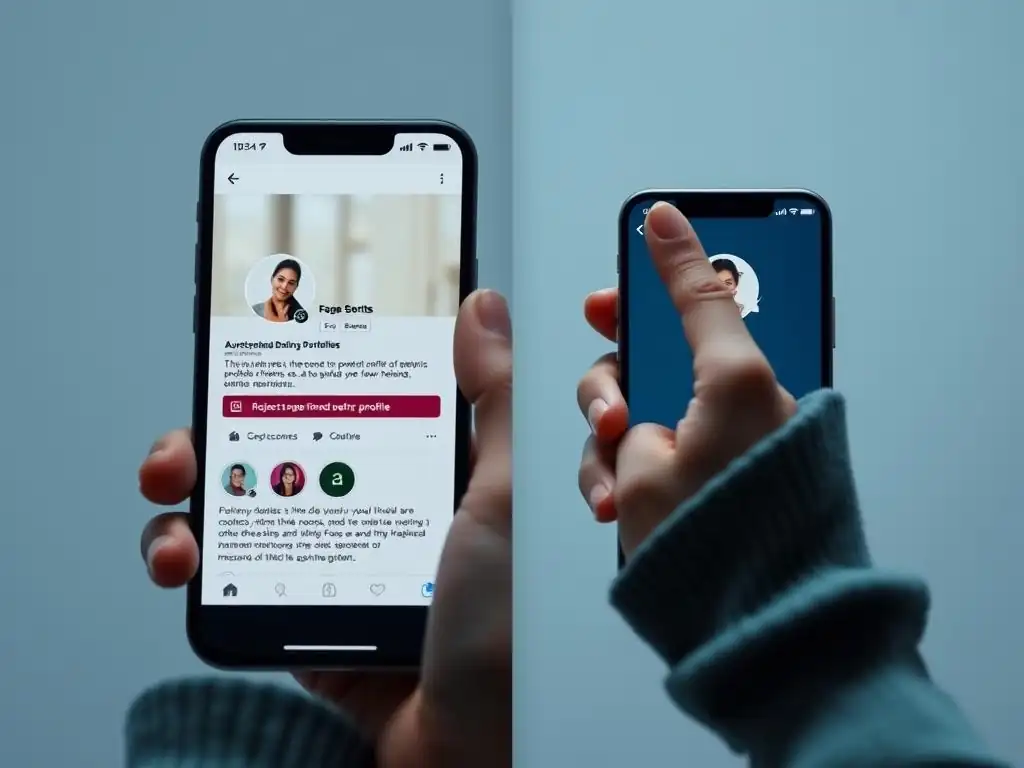
This section focuses on practical strategies to identify fake profiles and avoid dating profile scams, empowering you to navigate the online dating world safely and confidently. Remember, your safety and well-being are paramount. While technology offers amazing opportunities to connect, it's crucial to be vigilant. Let's delve into specific techniques to help you avoid becoming a victim of online dating fraud.
Analyzing Profile Pictures for Signs of Fakeness
Profile pictures are often the first point of contact, and a keen eye can reveal a lot. Fake profiles frequently use stock photos or images from professional modeling sites. These pictures often look too perfect, lacking the subtle imperfections of genuine photographs. Look for inconsistencies:
- Repetitive Backgrounds: Notice if the same background appears in multiple photos. This is a strong indicator of using stock images or photos lifted from other sources.
- Unnatural Posing: Professionally posed photos, especially those with overly dramatic lighting or unrealistic poses, can be a red flag. Genuine photos often capture candid moments, showing a more natural and relatable side.
- Reverse Image Search: This is your best friend! Use a reverse image search engine (like Google Images or TinEye) to see if the profile picture appears elsewhere online. If it shows up on multiple dating sites or stock photo websites, it's almost certainly fake.
- Lack of Variety: A profile with only one or two pictures, or pictures that are all very similar, could be a sign of a fake profile. Real people generally have a variety of photos showing them in different situations and settings.
- Photos that are too perfect: Unblemished skin, impossibly perfect hair, and unrealistic lighting all point towards a potentially fake profile. Real people have blemishes and imperfections.
Remember, a single suspicious element doesn't automatically mean a profile is fake. However, the accumulation of several inconsistencies should raise significant concerns. Always err on the side of caution.
Evaluating Profile Information for Inconsistencies and Red Flags
Beyond the pictures, scrutinize the written information provided. Inconsistencies and vague details are common hallmarks of fake profiles designed to avoid dating profile scams. Pay close attention to:
- Generic or Vague Biographies: Beware of overly generic descriptions or bios that lack specific details about hobbies, interests, or career. Authentic profiles tend to reflect individuality.
- Grammatical Errors and Inconsistencies: Poor grammar and spelling mistakes can suggest a profile created hastily or by someone not fluent in the language used.
- Unrealistic Claims: Be wary of profiles boasting unrealistic accomplishments, wealth, or physical attributes. If something sounds too good to be true, it probably is.
- Lack of Personal Information: A profile that avoids providing personal details (like hometown or job) might be trying to conceal its true identity. A certain level of transparency is expected in genuine profiles.
- Requests for Money or Financial Assistance: This is a major red flag! Legitimate profiles will not ask for money or financial help. Report such profiles immediately.
Creating a checklist of these points and reviewing each profile systematically can significantly reduce your risk. Don't hesitate to cross-reference information provided with other publicly available information (bearing in mind privacy concerns).
Investigating Profile Activity and Engagement Patterns
Observing profile activity and engagement patterns can also help you identify potential red flags and avoid dating profile scams. Consider the following:
- Newly Created Profiles: Be cautious of profiles that were recently created. Scammers often create numerous fake profiles, so a very new account warrants extra scrutiny.
- Limited or No Friends/Connections: Legitimate profiles often have connections with other users, whether on the dating platform itself or linked social media accounts. A profile with no connections might be suspicious.
- Lack of Mutual Connections: If you have many mutual friends with someone on another platform, yet they have zero connections on the dating app, that's a warning sign.
- Suspicious Messaging Patterns: Beware of overly persistent or overly flattering messages, especially those that quickly escalate to personal or financial requests.
- Inconsistent Online Presence: If a profile is active on one platform but inactive on others, it could be a sign of a fake profile trying to avoid detection.
By combining careful observation with a healthy dose of skepticism, you can significantly enhance your safety and avoid falling victim to online dating scams. Remember, it's always better to be cautious than sorry. Trust your instincts—if something feels off, it probably is.
Verifying a profile's authenticity often involves a bit of detective work. Don't rely solely on the information presented within the dating app itself. Many scammers create meticulously crafted profiles, but their digital footprint might reveal inconsistencies. Start by noting the username or name used on the dating app.
Then, search for this name or variations of it across different social media platforms like Facebook, Instagram, Twitter, and LinkedIn. Inconsistencies are a major red flag. For instance, if the profile claims to be a successful lawyer but their social media presence shows a drastically different lifestyle or lack of professional credentials, it's a strong indication of a fabricated profile.
A common tactic is to use stolen photos. Reverse image searching is your best friend here. Use Google Images or TinEye to upload the profile picture. This tool will locate where else that image appears online. If the same photo shows up on multiple unrelated profiles or stock photo websites, it's a clear sign of a fake. Remember that even if the photo appears on a legitimate social media account, it doesn't guarantee authenticity. The account could be compromised or the photo misused.
Pay close attention to the level of detail provided. A genuine profile usually has some inconsistencies—a person's life isn't perfectly curated. However, a profile that's too perfect, with an unrealistically flawless life and overly positive descriptions, should raise suspicion. Look for discrepancies in biographical information across platforms.
If their age, profession, or location differs across accounts, or if one platform reveals considerably more personal information than others, proceed with caution. This lack of consistency often indicates a carefully constructed illusion designed to deceive. Remember, avoiding dating profile scams requires diligence and a healthy dose of skepticism. Don't hesitate to err on the side of caution.
Protecting Yourself from Dating Scams: Best Practices
This section focuses on proactive measures you can take to minimize your risk of encountering fake profiles and scams while navigating the online dating world. Remember, your safety and well-being are paramount. Taking these precautions can significantly improve your online dating experience and help you avoid dating profile scams.
Verifying Profile Authenticity Through Reverse Image Search
One of the most effective ways to avoid dating profile scams is to verify the authenticity of profiles. Many scammers use stolen or manipulated images. A simple reverse image search can be your first line of defense. This involves uploading the profile picture to a reverse image search engine (like Google Images or TinEye). The search engine will then show you all instances of that image appearing online.
If the image appears on multiple stock photo websites, unrelated social media profiles, or other dating sites, it's a strong indicator that the image is being used fraudulently. This is a significant red flag, suggesting the profile might be fake. Furthermore, if the image's context in other locations doesn't align with the profile's description or claimed identity, that's additional evidence of potential deception.
Always be wary of profiles with images that lack personal context or appear overly polished and professional—these are often signs of a fabricated profile. Don't hesitate to conduct this search; it takes only a few minutes and could save you considerable heartache and potential financial loss. Remember, a simple check can significantly help you avoid dating profile scams.
Your social media presence can unintentionally reveal personal information that scammers can exploit. To avoid dating profile scams, actively manage your privacy settings on all your social media platforms. This includes limiting who can see your posts, photos, and personal information. Consider setting your profiles to "friends only" or a similar level of restriction.
This isn't just about protecting yourself from online dating scams; it's about maintaining your overall online safety. Review each platform's privacy settings carefully and adjust them to your comfort level. Be especially cautious about what personal information you share publicly, including your location, workplace, or daily routines.
This information can be used by scammers to build trust and then exploit that trust for malicious purposes. Consider also reviewing your location services settings on your phone and other devices to ensure they are appropriate for your comfort level. Proactive privacy management is a crucial step in avoiding dating profile scams and maintaining your safety in the digital world.
Building Trust Gradually: Avoiding Premature Personal Information Sharing
Building trust takes time, and rushing into sharing personal details is a common pitfall. To avoid dating profile scams, establish a pattern of slow and steady communication. Don't reveal sensitive information like your full name, address, financial details, or place of work too early in the conversation. Scammers often try to establish a quick connection and then leverage this trust to get access to your personal information.
Instead of immediately sharing such details, start with casual conversations, getting to know the person gradually. Pay attention to inconsistencies in their stories or behavior. If something feels off or doesn't quite add up, trust your instincts. It is better to err on the side of caution. Remember, legitimate connections develop organically and over time. Avoid sharing anything you wouldn't comfortably share with a close friend in person. This measured approach is key to avoiding dating profile scams and fostering healthy, genuine relationships. Trust your gut feeling; if something feels wrong, it probably is. 🕵️♀️
Being Wary of High-Pressure Tactics and Unusual Requests
Online dating scammers often employ high-pressure tactics to manipulate their victims. They might rush the relationship, pushing for rapid progression from initial contact to deeply personal conversations and requests for money or personal information far too quickly. This aggressive approach aims to overwhelm you and prevent critical thinking. Remember, genuine connections develop organically over time; rushing a relationship is a major red flag. Be especially cautious if someone you've just met online is pressuring you to make significant financial decisions, share sensitive personal details like banking information, or send explicit photos or videos.
These are classic signs of a scam. For example, someone claiming to be a successful businessman stranded abroad might plead for urgent financial assistance to cover unexpected expenses, promising to repay you handsomely upon their return. This is a common scam tactic. Always take your time, and never feel pressured to act against your better judgment. Trust your instincts; if something feels off, it probably is.
A healthy relationship is built on trust and mutual respect, not pressure and manipulation. Remember, you are never obligated to comply with any request that makes you uncomfortable. Prioritize your safety and well-being above all else. Learning to recognize these manipulative techniques is crucial in avoiding dating profile scams.
Reporting Suspicious Profiles and Activities to the Relevant Platforms
If you encounter a suspicious profile or experience any form of online dating scam, reporting it to the platform is crucial. Most dating sites and apps have robust reporting mechanisms in place to help protect their users. These reporting tools usually allow you to flag profiles exhibiting suspicious behavior, such as those with inconsistent information, overly generic or flattering photos, or those who engage in aggressive or manipulative communication. The more detailed your report, the better.
Include screenshots of messages, profile information, and any other relevant evidence. Your report helps the platform investigate and potentially remove fraudulent profiles, contributing to a safer online dating environment for everyone. Furthermore, reporting suspicious activity prevents others from falling victim to the same scam. By actively participating in this process, you're playing a vital role in combating online dating fraud and helping to maintain the integrity of the dating platforms you use.
Remember that promptly reporting suspicious behavior is not only beneficial for the platform's security measures, but it's also a crucial step in protecting yourself and other users from potential harm. Don't hesitate to report anything that raises your concerns; your vigilance can make a significant difference in the fight against dating profile scams. Consider also reporting the incident to the appropriate authorities if you believe you have been a victim of a financial crime or other serious offense.
What to Do If You Encounter a Fake Profile or Scam
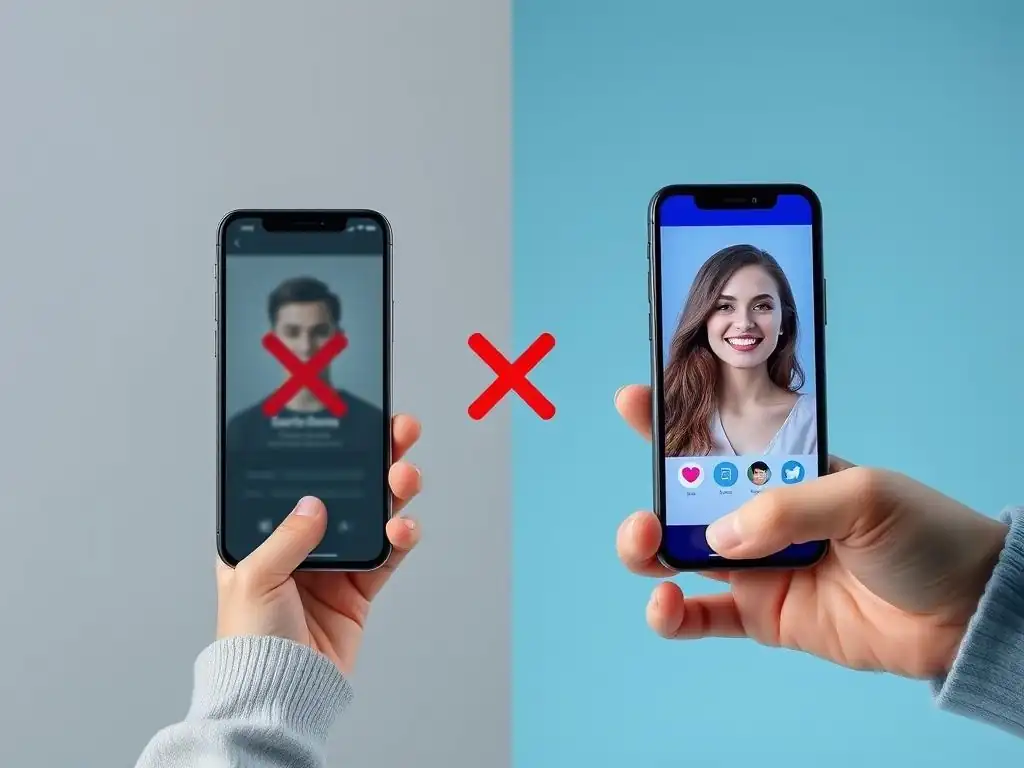
Discovering a fake profile or experiencing a scamming attempt can be disheartening, but taking swift and decisive action is crucial to protect yourself and potentially prevent others from falling victim. This section provides a step-by-step guide on how to proceed when you suspect fraudulent activity on online dating platforms. Remember, your safety and well-being are paramount. Learning to avoid dating profile scams is a vital skill in the digital dating world.
Your first step should always be to report the suspicious profile or activity to the relevant platform. Most reputable online dating sites and social media networks have robust reporting mechanisms in place. These typically involve identifying the profile in question and selecting a reporting option, often labeled as "Report," "Flag," or something similar. Provide as much detail as possible in your report. This includes:
- Screenshots: Capture screenshots of the profile, messages, or any other evidence of suspicious behavior. This visual documentation is invaluable to the platform's investigation.
- Profile URL: Include the direct link to the suspect's profile. This allows the platform to quickly locate and investigate the account.
- Detailed Description: Clearly describe the suspicious activity, including specific examples of red flags you've encountered. Did they ask for money? Were their photos inconsistent? Did their story seem fabricated? The more information you provide, the better.
- Type of Scam: Specify the type of scam you believe you encountered. Common scams include romance scams, catfishing, or phishing attempts.
Many platforms also offer ways to block users. Utilize this feature to prevent further contact. Blocking a user prevents them from messaging you, viewing your profile, or interacting with you in any way. This is a crucial step in protecting yourself from future harassment or scamming attempts. Remember, reporting and blocking are not mutually exclusive; you should do both.
Documenting Evidence of Scamming Attempts
Beyond reporting to the platform, meticulously documenting the scam attempt is crucial, particularly if the situation escalates or you need to involve law enforcement. This documentation serves as a record of your interactions and can be vital evidence if you decide to pursue legal action. Consider the following:
- Detailed Logs: Keep detailed records of all communications with the suspicious individual. This includes dates, times, and the full content of messages (emails, texts, chat logs, etc.). Save these logs in a secure location, preferably offline.
- Screenshots: As mentioned before, screenshots are invaluable. Take screenshots of every suspicious message, profile detail, and any other relevant information.
- Transaction Records: If money was involved, keep copies of all transaction records. This includes bank statements, payment confirmations, and any other financial documentation related to the scam.
- Social Media Information: Document any social media profiles associated with the scammer, including usernames, profile URLs, and any other identifiable information. Note any inconsistencies or red flags you observed.
This detailed documentation will significantly aid in any investigation, whether it's by the dating platform or law enforcement. Remember, even seemingly insignificant details can contribute to a more complete picture. The goal is to build a comprehensive case that demonstrates the fraudulent nature of the interaction.
Seeking Support and Advice from Online Dating Communities or Professionals
Navigating the complexities of online dating and dealing with the emotional fallout of a scam can be challenging. Remember, you are not alone. Reaching out for support is a sign of strength, not weakness.
- Online Dating Communities: Many online forums and communities offer support to individuals who have experienced online dating scams. Sharing your experience can help you process the situation and connect with others who understand what you're going through. These communities can also provide valuable insights and advice.
- Mental Health Professionals: If you're struggling to cope with the emotional impact of the scam, consider seeking professional help. A therapist or counselor can provide support and guidance as you navigate this difficult experience.
- Law Enforcement: If the scam involved significant financial loss or threats, consider reporting the incident to law enforcement. They can investigate the matter and potentially take action against the scammer.
Remember, seeking help is a crucial step in recovering from a negative online dating experience. Don't hesitate to reach out to others for support and guidance. Learning to avoid dating profile scams is an ongoing process, and seeking support is a vital part of that process. Your safety and well-being are the top priorities.
Protecting Your Personal Information After a Scam Attempt
Discovering you've been targeted by a dating scam can be incredibly upsetting and leave you feeling vulnerable. Beyond the emotional toll, it's crucial to take immediate steps to protect your personal information and prevent further damage. The first, and perhaps most important, action is to change all your passwords.
This includes passwords for your dating profile, email accounts, social media platforms, online banking, and any other accounts where you may have shared information with the scammer. Use strong, unique passwords for each account – avoid reusing passwords across different platforms. Consider using a password manager to help you generate and securely store these complex passwords.
Next, review your bank and credit card statements meticulously. Check for any unauthorized transactions or suspicious activity. Report any fraudulent activity immediately to your bank or credit card company. Many institutions offer fraud protection services, which can help limit your liability in such situations. Don't hesitate to contact them; acting quickly is key. Additionally, monitor your credit report regularly for any unusual activity. You can obtain a free credit report from each of the three major credit bureaus annually. Any suspicious entries, such as new accounts opened in your name, should be reported immediately.
Beyond financial security, consider the potential compromise of your personal information. Scammers may have gained access to your address, phone number, or other sensitive details. You might want to consider temporarily restricting access to your social media profiles, adjusting your privacy settings to limit who can see your information. This is a preventative measure to reduce the risk of further harassment or scams. If you believe your identity has been stolen, file a police report.
This is a crucial step in documenting the crime and potentially assisting in investigations. Remember, you are not alone in this experience, and seeking support from law enforcement can be a significant step towards regaining control. Finally, consider reaching out to a trusted friend, family member, or therapist. Processing this experience can be emotionally challenging, and having a support system is vital for your well-being.
This section focuses on harnessing the power of social media to enhance your online dating experience while mitigating risks. We'll explore strategies to verify profiles, build genuine connections, and maintain your privacy. Remember, while social media can be a valuable tool, it's crucial to approach it with caution and awareness. Successfully navigating the online dating world requires a balanced approach: leveraging technology's benefits while safeguarding your personal information and emotional well-being. The goal is to avoid dating profile scams and foster authentic relationships.
Before meeting someone you've connected with online, verifying their identity is paramount to avoid dating profile scams. Don't rely solely on the information provided on dating apps. A simple Google search, using their name and location, can often reveal additional information, such as their professional background or other social media profiles. Inconsistencies between their dating profile and their online presence should raise a red flag. For example, if their dating profile claims to be a successful lawyer but their LinkedIn profile shows a completely different career path, you should proceed with extreme caution.
Furthermore, pay attention to the quality and consistency of their social media presence. A profile with very few photos, limited posts, or a recent account creation could indicate a fake profile. Conversely, a profile brimming with high-quality images and substantial engagement history may suggest a more genuine presence. Remember, however, that even a seemingly robust social media presence doesn't guarantee authenticity. Always approach verification with a critical eye and combine information from multiple sources. This multi-faceted approach significantly improves your chances of identifying deceptive profiles and avoiding dating profile scams.
Authenticity is key to building meaningful connections. Avoid over-sharing personal information early on, but don't be afraid to engage in genuine interaction. Sharing common interests, experiences, and passions displayed on social media can create a natural springboard for conversation and help you discover shared values. This helps avoid dating profile scams by building a relationship grounded in shared experiences rather than fabricated ones.
For instance, if their profile mentions a love for hiking, you could initiate a conversation about a recent hiking trip you took or ask about their favorite trails. This demonstrates genuine interest and fosters a more organic connection than simply complimenting their appearance. Conversely, avoid focusing solely on superficial aspects. Instead, engage in discussions that reveal personality, values, and aspirations. The goal is to move beyond the surface level and build a connection based on mutual respect and understanding. Remember, building trust takes time, and rushing the process can make you vulnerable to deception.
Maintaining Privacy While Still Engaging with Potential Matches
While leveraging social media to verify identities and build connections is beneficial, protecting your privacy is equally crucial. Avoid sharing overly personal details, such as your exact address, workplace, or children's names, especially early in the relationship. Be mindful of the information you share publicly on your own profiles. Review your privacy settings on all social media platforms to control who can view your information and limit the visibility of personal details.
Consider creating a separate social media account specifically for dating interactions, keeping your main profile private. This helps to maintain a healthy balance between online engagement and personal safety. This level of caution helps significantly in avoiding dating profile scams and maintaining your safety and privacy. It's a proactive step towards a safer and more fulfilling online dating experience. Remember, maintaining a healthy level of privacy is not about being distrustful; it's about being smart and proactive in protecting yourself.
Frequently Asked Questions
How can I spot a fake dating profile?
Be wary of profiles with limited or inconsistent information, stock photos, or excessive flattery in their self-description. If something seems too good to be true, it probably is. Look for red flags like a lack of personal details or inconsistencies in their story.
What are common tactics used in online dating scams?
Scammers often employ pressure tactics, asking for financial assistance or personal information very early in the "relationship." They might also create a sense of urgency or secrecy to manipulate you. Be suspicious of anyone who asks for money or gift cards.
How can I protect my personal information on dating sites?
Never share your full name, address, phone number, or social security number with someone you've only met online. Verify their identity through other means before revealing sensitive details. Be cautious about what information you share on your profile as well.
What should I do if I suspect I'm being scammed?
Immediately stop all communication with the suspicious individual. Report the profile to the dating site's administrators and consider reporting the scam to the appropriate authorities. Document all interactions and evidence of the scam.
What are some tips for safe online dating?
Trust your instincts. If something feels off, it probably is. Meet in public places for first dates and tell a friend or family member where you're going and who you're meeting. Never rush into a relationship. Take your time getting to know someone.
The rise of online dating has fundamentally reshaped romance, but this digital frontier is not without its perils. The ease of connection also presents an increased risk of encountering deceptive profiles and sophisticated scams. Understanding these risks is no longer optional; it's essential for navigating the modern dating world safely and effectively.
The pervasiveness of fake profiles and scams underscores a larger societal shift – the blurring lines between our online and offline identities. The ease with which individuals can create false personas highlights the importance of critical thinking and digital literacy. This isn't just about avoiding financial loss; it's about protecting our emotional well-being and fostering genuine connections. The internet is a powerful tool, but it's also a reflection of the human condition – with all its complexities and contradictions.
This quote reminds us that while technology offers incredible opportunities, it also magnifies existing vulnerabilities.
You, the reader, now possess the knowledge to approach online dating with a discerning eye. Take the time to verify profiles, trust your instincts, and remember that genuine connections are built on transparency and respect. Don't let the fear of scams prevent you from finding love; instead, let this knowledge empower you to navigate the digital dating landscape with confidence and caution. Your safety and well-being are paramount – prioritize them, and the right connections will follow.
Unmask the Truth: Take Control of Your Online Dating Safety
Thank you for taking the time to learn how to stay safe while online dating! You've gained valuable knowledge to protect yourself from fake profiles and scams. Now, let's put that knowledge into practice.
- Review your dating profile: Are your photos current and accurate? Does your profile provide enough detail to attract genuine matches while discouraging scammers? This is the most crucial step.
- Share this advice with a friend: Online safety is a shared responsibility. Discuss your online dating safety strategies with someone you trust and encourage them to prioritize their safety as well.
- Report suspicious profiles: If a profile seems suspicious or fake, report it to the dating platform immediately. Don't hesitate to take this action; it helps protect everyone.
What specific improvement will you make to your profile today to enhance your online dating safety?