
Social Media and Dating: How to Balance Online and Offline Interactions

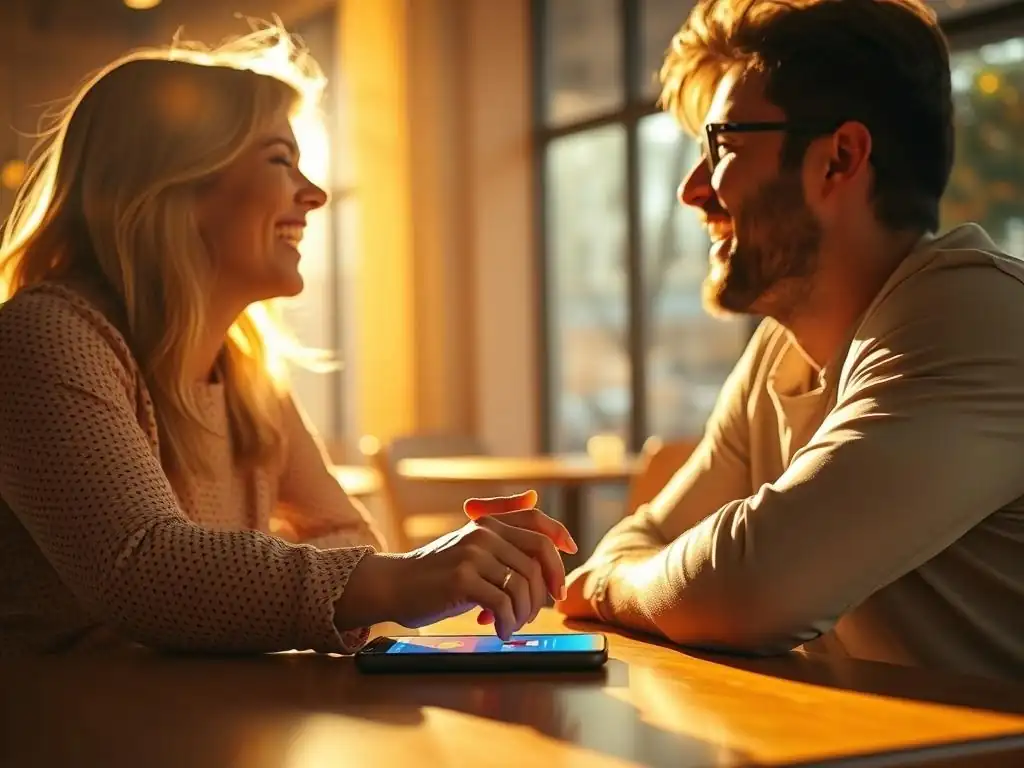
Welcome to OnlineDatingSuccess.org, your guide to navigating the exciting yet complex world of online dating! Are you struggling to find the right balance between your online dating profile and your social media presence? Mastering the art of Online dating social media balance is key to attracting genuine connections and avoiding common pitfalls. Discover practical strategies to create a compelling online persona that reflects your authentic self, while safeguarding your privacy and maximizing your chances of finding lasting love. Let's unlock the secrets to success together – read on to learn more!
- The Double-Edged Sword: Social Media's Role in Online Dating
- Integrating Social Media into Your Online Dating Strategy
- The Art of the Balanced Approach: Online Dating and Social Media Harmony
- Navigating Social Media After Meeting Offline
- Online Dating Social Media Balance: Long-Term Relationship Strategies
-
Frequently Asked Questions
- How much of my social media life should I share on my dating profile?
- Should I link my social media accounts to my dating profile?
- What if someone I'm dating is overly active on social media?
- How can I maintain a healthy balance between online and offline dating interactions?
- How can I avoid "oversharing" on social media and jeopardizing my online dating success?
- Final Reflection: Bridging the Digital Divide in Modern Romance
- Unlock Your Dating Potential: From Online to Offline Connection
Navigating the world of online dating can feel like traversing a minefield. While technology offers incredible opportunities to connect with potential partners, the integration of social media adds another layer of complexity. This article explores the delicate balance between leveraging social media to enhance your online dating experience and the potential pitfalls of overexposure. We'll examine how to strategically utilize social media platforms to attract compatible matches while simultaneously safeguarding your privacy and personal safety.
Mastering this balance is crucial for building genuine connections and avoiding the risks inherent in sharing personal information online. Understanding how to effectively manage your online presence is key to achieving online dating success and fostering meaningful relationships, ultimately leading to a more fulfilling offline experience. Let's delve into the strategies and precautions necessary to navigate this digital landscape effectively.
Social media, when used strategically, can significantly boost your online dating prospects. It's not about broadcasting your entire life story; it's about presenting a curated, authentic version of yourself that attracts the right kind of attention. Think of your social media profiles as digital extensions of your online dating profile. They offer potential matches a glimpse into your interests, hobbies, and personality beyond the confines of a dating app.
Consider these points:
- Consistent Branding: Ensure your social media profiles align with the image you project on your dating profile. Inconsistencies can raise red flags and erode trust.
- Highlighting Interests: Showcase your passions and hobbies through photos and posts. This provides conversation starters and helps attract individuals who share similar interests. For example, if you're a passionate hiker, share photos of your adventures! 🏞️
- Engaging Content: Post regularly, but avoid overposting. A few thoughtful, engaging posts per week are far more effective than a constant stream of updates.
- Professionalism: Keep your profiles clean and professional. Avoid controversial or inappropriate content that could alienate potential matches.
Remember, your social media presence should complement, not replace, your dating profile. It should serve as a supplementary source of information, allowing potential partners to get a more holistic view of who you are.
The ease and accessibility of social media can tempt us to overshare, a practice that can have serious consequences in the context of online dating. Over-sharing personal information, including your address, workplace, or detailed daily routines, can make you vulnerable to stalking, harassment, or even identity theft. This is especially true when interacting with strangers who might not have your best interests at heart.
Here are some key risks to consider:
- Stalking and Harassment: Providing too much information can make you a target for unwanted attention.
- Catfishing and Scams: Oversharing can make it easier for scammers to impersonate you or gain your trust for malicious purposes.
- Privacy Violations: Your personal information could be misused or shared without your consent.
- Damaged Reputation: Inappropriate content or posts can negatively impact your reputation and your chances of finding a compatible partner.
It is crucial to maintain a healthy level of caution and discretion when sharing information about yourself online.
Protecting your privacy online requires a proactive and mindful approach. It's not about hiding who you are; it's about controlling what information you make public. By implementing these strategies, you can significantly reduce your risk while still enjoying the benefits of social media in your dating life.
Here are some essential safety practices:
- Privacy Settings: Utilize the privacy settings on your social media accounts to control who can see your posts, photos, and personal information.
- Careful Tagging: Be mindful of who tags you in photos and posts. Inappropriate content can damage your reputation.
- Location Sharing: Avoid sharing your precise location in real-time. This information can be misused by malicious actors.
- Background Checks: If you meet someone online, consider conducting a background check before meeting them offline.
- Trust Your Instincts: If something feels off, trust your instincts and remove yourself from the situation.
By carefully managing your online presence and taking proactive steps to protect your privacy, you can harness the power of social media to enhance your online dating experience while minimizing risks. Remember, a balanced approach—one that prioritizes safety and authenticity—is key to finding meaningful connections in the digital age.
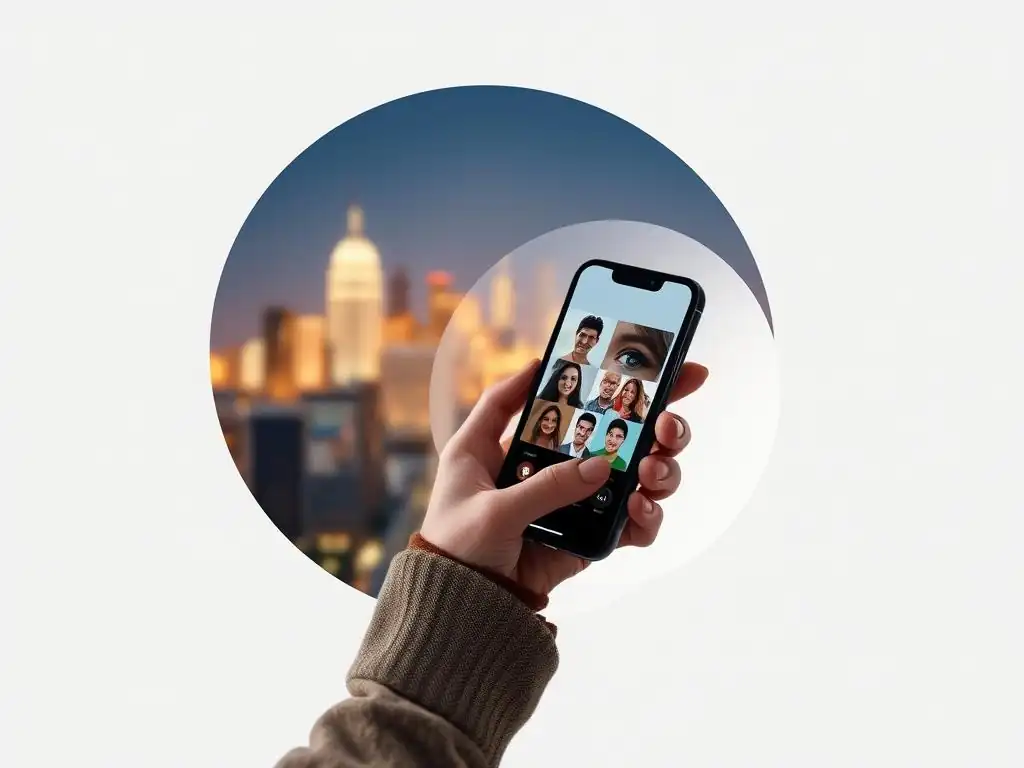
This section explores how to strategically leverage social media to enhance your online dating experience, focusing on responsible and effective techniques. Successfully navigating the online dating world often involves a delicate balance; using social media too aggressively can be off-putting, while ignoring it entirely might limit your opportunities. The key is integration, not immersion. Finding that sweet spot requires careful planning and mindful execution.
We'll delve into specific strategies that can help you boost your online dating success without compromising your safety or privacy. Remember, the goal is to use social media to supplement your online dating profile, not replace it. Authenticity remains paramount.
Before you even think about reaching out, responsible social media research can significantly improve your online dating outcomes. This isn't about stalking; it’s about gathering information to gauge compatibility and ensure safety. For example, checking a potential match's profile on platforms like LinkedIn can offer insights into their professional life, interests, and values. Similarly, a quick (and discreet!) look at their Instagram or other public social media accounts can provide a glimpse into their hobbies, friends, and overall lifestyle. This allows you to identify shared interests, assess personality, and even spot any red flags.
However, remember to be discreet and respectful of privacy. Avoid digging too deep or engaging with their posts. Your goal is to gather information, not to intrude. Furthermore, always prioritize safety. Never share personal information or engage with accounts that feel suspicious or make you uncomfortable. This preliminary research should be a tool to inform your decisions, not a means to judge. Remember, first impressions are important, but a person's online presence is only a small part of their whole being.
Here's a simple checklist for safe social media research:
| Step | Action | Caution |
|---|---|---|
| Profile Check | Review public profiles on LinkedIn, Instagram, etc. for common interests. | Avoid excessive scrolling or engagement. Respect their privacy. |
| Interest Scan | Identify shared hobbies, passions, or causes. | Don't overanalyze small details or jump to conclusions. |
| Red Flag Check | Look for anything concerning (e.g., hateful posts, excessive negativity). | Trust your gut. If something feels off, move on. |
| Information Gathering | Note down common interests and potential conversation starters. | Don't use this information to manipulate or make assumptions. |
Once you've made a connection on an online dating platform, social media can serve as a powerful tool to move the conversation beyond the confines of the app. A simple comment on a shared interest seen on their profile, referencing something from their social media, can be a natural and engaging way to initiate a more personal conversation. This demonstrates genuine interest and helps transition the interaction from a purely transactional online experience to a more meaningful connection.
For instance, if you both follow a specific sports team, commenting on a recent game or sharing a funny meme related to the team can be a low-pressure, engaging icebreaker. Remember, the goal is to build rapport and show genuine interest. This approach is far more effective than generic opening lines. It's about demonstrating that you've taken the time to learn about them and that you have shared interests. This personal touch can significantly improve your chances of a successful transition to offline interactions.
However, avoid overdoing it. Bombarding someone with comments or messages can quickly become overwhelming and even off-putting. Keep your interactions light, playful, and respectful, ensuring the conversation remains balanced and engaging. The focus should always be on fostering a genuine connection, not on manipulating the interaction.
Maintaining Boundaries: When to Transition from Online to Offline
Successfully navigating the online-to-offline transition requires a delicate balance. While social media can be a valuable tool for building rapport, it shouldn't replace face-to-face interaction. The goal is to use social media to nurture the connection, not to sustain it indefinitely. Once a comfortable level of trust and mutual interest has been established, it's time to suggest an offline meeting.
This transition shouldn't be rushed. Pay attention to the pace of the conversation and respect your date's boundaries. Propose a low-pressure, public setting for your first meeting. This ensures safety and comfort for both parties. Remember, the online interaction is only a prelude to the real thing. The ultimate goal is to build a genuine connection in person. Don't let the online world overshadow the importance of real-life interactions. Prioritize safety and comfort, and always trust your instincts. If something feels off, don’t hesitate to end the interaction. Your safety and well-being are paramount.
Finding the sweet spot between your online dating life and your social media presence is crucial for building genuine connections. Many people fall into the trap of over-reliance on social media, neglecting the importance of real-world interactions. Others, conversely, avoid social media altogether, missing opportunities to connect and expand their dating horizons. The key lies in achieving a harmonious balance, leveraging social media strategically while prioritizing authentic, offline interactions.
This section explores how to cultivate this balance, ensuring your online dating journey leads to meaningful relationships. Mastering this balance is key to successful online dating and achieving your relationship goals. It's about integrating these platforms thoughtfully, not letting them dictate your dating life.
Social media, while offering convenience, can be incredibly time-consuming. Spending hours scrolling through feeds instead of actively pursuing dates is a common pitfall. Many individuals become so engrossed in the online world that they neglect opportunities for real-life connections. This digital distraction can lead to a sense of isolation and hinder the development of meaningful relationships. Think of it this way: a perfectly curated online profile doesn't replace genuine human interaction.
To counter this, establish clear boundaries. Set specific time limits for social media usage, perhaps using app timers or scheduling blocks of time dedicated to offline activities. Prioritize activities that foster personal growth and real-world connections, such as joining clubs, attending workshops, or simply spending quality time with friends and family. This not only enriches your life but also makes you a more well-rounded and attractive dating prospect.
Remember, your online dating profile is a window into your life—a life that should be vibrant and fulfilling beyond the digital realm. The goal isn't to eliminate social media entirely, but to re-center your focus on the tangible, enriching experiences that form the foundation of strong relationships. Consider tracking your social media usage for a week to identify areas where you can cut back.
While social media can be a useful tool, it's essential to be aware of potential red flags in the online behavior of potential partners. Excessive posting, particularly about ex-partners or negativity, can be a warning sign. Similarly, a profile devoid of personal photos or information might indicate a lack of authenticity or a desire for secrecy. Pay attention to inconsistencies between their online persona and their offline behavior. This discrepancy can suggest a lack of genuine connection or even deception.
Here's a table summarizing some key red flags to watch out for:
| Red Flag | Description | Impact on Dating |
|---|---|---|
| Excessive Posting/Selfies | Constant updates, numerous selfies, overwhelming need for validation. | Suggests insecurity, narcissism, and a lack of focus on real-life interactions. |
| Negative or Aggressive Posts | Frequent complaints, attacks on others, spreading negativity online. | Indicates poor conflict resolution skills and potentially toxic behavior. |
| Inconsistent Information | Discrepancies between online profiles and real-life information. | Points to potential deception or dishonesty. |
| Lack of Personal Information | Profile lacking details, photos, or genuine engagement with others. | Suggests a lack of authenticity or a desire for anonymity. |
| Overly Private Profile | Extremely restrictive privacy settings, reluctance to share personal information. | Can be a sign of distrust or a lack of willingness to build a genuine connection. |
Remember, these are potential red flags, not definitive proof of incompatibility. However, they warrant careful consideration and further investigation before committing to a relationship.
Building Genuine Connections: Focusing on Authentic Communication
The goal of online dating is to transition from digital interactions to real-life connections. Social media can facilitate this process, but it shouldn't replace genuine, face-to-face communication. Authentic communication is built on trust, respect, and shared experiences. Avoid relying solely on superficial interactions online; instead, aim for meaningful conversations that reveal personality, values, and goals. This involves actively listening, asking thoughtful questions, and being genuinely interested in getting to know the other person beyond their online persona.
Think of social media as a prelude, not the main event. It's a tool to initiate contact and gauge initial compatibility, but the real magic happens when you meet in person. Focus on creating opportunities for offline interaction as soon as it feels comfortable and safe. A simple coffee date or a casual walk can be far more revealing than countless online messages.
Remember that the best relationships are built on authentic connections, not carefully crafted online images. Prioritize quality time together, engaging in activities that you both enjoy. This shared experience will help you build a stronger, more meaningful bond. The best way to build a strong connection is to be genuine and present, both online and offline.
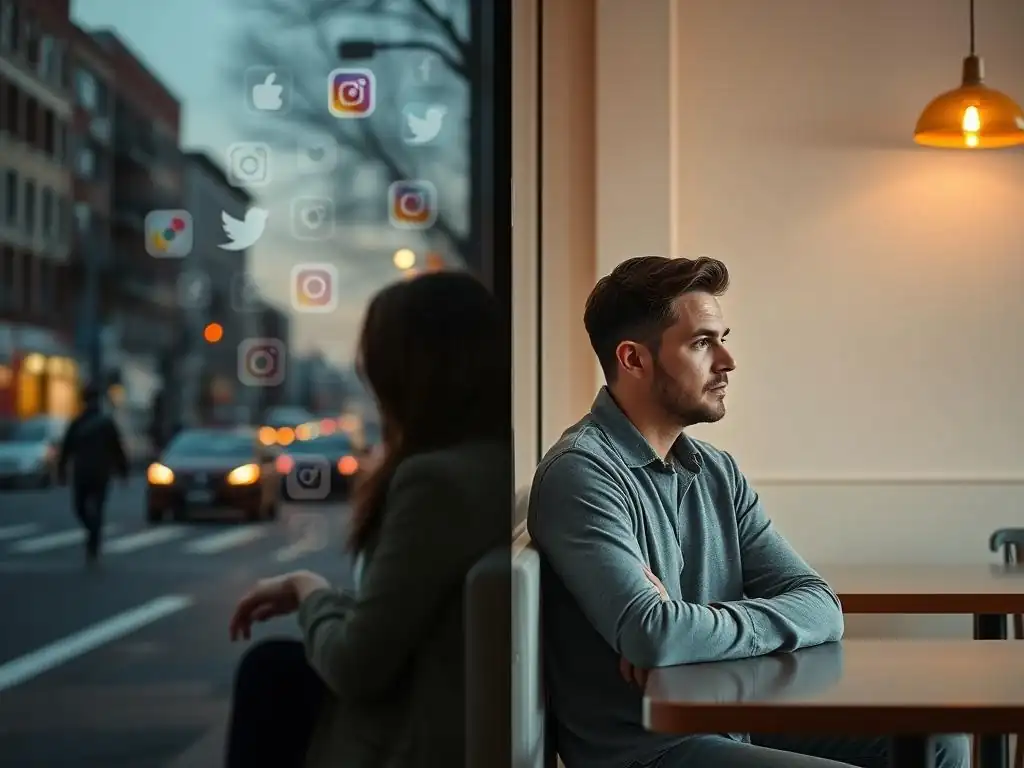
This section focuses on the crucial transition from offline interaction to online engagement after a successful date. Successfully navigating this phase requires careful consideration and communication. The goal is to build a connection that feels natural and authentic, blending real-world chemistry with the digital world's convenience. Mastering this balance is key to fostering a healthy and lasting relationship. The keyword, "Online dating social media balance," directly addresses the core of this challenge.
The initial excitement of a first date can easily translate into an eagerness to connect on social media. However, it's vital to manage expectations. What you observe in person might differ from the curated online persona. For example, someone might be incredibly charming in person but present a different image on their Instagram, perhaps showcasing a lifestyle that doesn't entirely reflect their everyday reality. This discrepancy can be a source of confusion or even disappointment.
Remember, social media often presents a highlight reel. It's essential to avoid making assumptions based solely on online profiles. Focus on the genuine connection you experienced offline. Let the relationship develop organically, rather than rushing to define it through social media interactions. Take time to discern the nuances of their personality, avoiding premature conclusions based on limited online data. This approach helps maintain a realistic perspective, preventing potential misunderstandings fuelled by a skewed online portrayal.
Respecting Boundaries: Privacy After a First Date
Respecting boundaries is paramount, especially in the early stages of dating. Avoid excessive social media stalking. While a quick check of their profile might be harmless, repeatedly reviewing their posts or engaging in deep dives into their online history can be perceived as intrusive and unsettling. It's important to respect their privacy and avoid actions that could make them uncomfortable.
Consider the information you share publicly. Over-sharing details about your date or relationship status might violate the other person's privacy or create unwanted attention. Similarly, refrain from tagging them in posts without their explicit consent. Open communication about social media usage is key. A simple conversation about comfort levels can prevent awkward situations and foster mutual respect. This is a crucial aspect of achieving a healthy "online dating social media balance".
Maintaining Healthy Communication: Balancing Online and Offline Contact
Achieving a healthy balance involves prioritizing face-to-face interactions. While texting and messaging can be convenient, over-reliance on digital communication can hinder the development of a deeper connection. Prioritize quality time together, focusing on meaningful conversations and shared experiences. Let your online interactions complement, rather than replace, your in-person connection.
Consider the frequency and type of online communication. Constant messaging might feel overwhelming and detract from the excitement of anticipation between dates. Establish a comfortable rhythm of communication that suits both of your preferences and respects your individual needs. Avoid letting social media dictate the pace of your relationship; instead, let your in-person interactions guide the trajectory of your connection. This balanced approach contributes to a more fulfilling and authentic relationship journey, effectively managing the “online dating social media balance”.

Finding a partner online is just the beginning. Maintaining a healthy, long-term relationship requires careful consideration of how social media fits into your lives together. Achieving an online dating social media balance is crucial for lasting connection. Too much social media can lead to feelings of neglect and insecurity, while too little can hinder communication and shared experiences. The key is mindful integration.
Social media, when used thoughtfully, can actually enhance long-term relationships. It offers avenues for maintaining connection even when physical distance separates partners. Sharing updates, photos, and even short videos of your day can foster a sense of closeness and shared experiences. Consider these strategies:
- Dedicated Time: Schedule specific times to engage with each other online, avoiding the constant distraction of notifications. This dedicated time allows for focused interaction and deeper connection.
- Shared Accounts: For some couples, shared streaming accounts or collaborative playlists can be a fun way to build shared interests and experiences. However, be mindful of privacy settings and what you're sharing.
- Positive Reinforcement: Use social media to publicly celebrate your partner's achievements or share positive moments. This demonstrates support and strengthens your bond. A simple "proud of you" comment can go a long way.
- Private Moments: Remember that not every aspect of your relationship needs to be shared online. Maintain a balance between public displays of affection and private moments cherished between the two of you. This helps preserve the intimacy of your relationship.
Think of social media as a supplement, not a replacement, for real-life interaction. Regular face-to-face time, phone calls, and meaningful conversations remain essential. The goal is to use social media to enhance your connection, not to define it.
Disagreements are inevitable in any relationship. However, social media can complicate conflict resolution. Public arguments or venting on social media can escalate tensions and damage your relationship. It can also create a sense of betrayal if one partner shares private details online without the other's consent.
Here's how to navigate conflicts constructively:
- Offline First: Address disagreements privately and face-to-face whenever possible. This allows for open and honest communication without the added pressure of a public audience.
- Avoid Social Media Venting: Resist the urge to air your grievances online. This can only exacerbate the situation and make reconciliation more difficult.
- Digital Detox During Conflicts: Consider taking a break from social media during periods of conflict to allow for calm communication and resolution.
- Mutual Respect: Remember that your partner deserves respect, even during disagreements. Avoid posting anything that could embarrass or humiliate them. Maintaining digital decorum is key for healthy conflict resolution. Consider the long-term impact of your words and actions online.
Significant milestones, whether it's an anniversary, a birthday, or a career achievement, are opportunities to celebrate your relationship and use social media to express your joy. However, remember to maintain a balance and authenticity.
- Meaningful Posts: Avoid generic or overly staged posts. Instead, opt for genuine and heartfelt messages that reflect the true nature of your relationship. This demonstrates sincerity and strengthens your bond.
- Privacy Considerations: While sharing your happiness is wonderful, be mindful of oversharing personal details. Maintain appropriate privacy settings and protect your relationship's intimacy.
- Shared Memories: Use social media to create a digital scrapbook of your shared experiences. This can be a fun and engaging way to look back on your journey together and reinforce your connection.
- Individual Celebrations: Don't forget to celebrate individual achievements as well. Showing support for each other's personal growth strengthens the relationship.
Remember, achieving an online dating social media balance is an ongoing process. It requires open communication, mutual respect, and a conscious effort to prioritize real-life connection. By integrating social media mindfully, you can enhance your relationship and build a stronger, more fulfilling bond.
Frequently Asked Questions
Keep it brief and positive. Sharing a few carefully selected photos and mentioning hobbies is fine, but avoid oversharing personal details or negative comments. Focus on showcasing your personality, not your entire digital life.
Generally, no. It's safer to keep your dating profile separate from your main social media accounts. This protects your privacy and gives you more control over what potential partners see.
Observe their online behavior and assess your comfort level. If their social media presence feels excessive or intrusive, it's okay to address your concerns openly and honestly. Healthy communication is key.
How can I maintain a healthy balance between online and offline dating interactions?
Prioritize meaningful in-person connections. Don't let online dating consume your life. Schedule regular offline dates and make time for hobbies and other social activities outside of the dating app.
Be mindful of the information you publicly share. Avoid posting anything that could be used against you or that reveals too much personal information. Remember that potential dates might be searching for you online.
Final Reflection: Bridging the Digital Divide in Modern Romance
The rise of social media has fundamentally reshaped the landscape of dating, creating both exciting opportunities and significant challenges. Navigating this new terrain requires a delicate balance—a conscious effort to leverage the tools at our disposal while preserving the authenticity and depth of genuine human connection. Ignoring this balance risks sacrificing meaningful relationships for fleeting online interactions.
The impact of social media on dating extends far beyond simply finding a partner; it influences how we perceive ourselves, how we present ourselves to others, and ultimately, how we define intimacy. The curated perfection often displayed online can create unrealistic expectations and fuel anxieties about self-worth. As the poet Mary Oliver wisely reminds us, Tell me, what is it you plan to do with your one wild and precious life?
This question becomes even more poignant in the context of online dating, urging us to prioritize genuine connection over superficial validation.
Consider the lessons learned within this article, and ask yourself: How can you cultivate a healthier relationship with social media in your own dating life? Are you prioritizing authentic connection over curated profiles? Are you allowing yourself to be vulnerable and open in your interactions, both online and offline?
Embrace the power of mindful engagement, choosing to invest your time and energy in relationships that nourish your soul, not just your social media feed. The journey to finding meaningful connection is a personal one, but by consciously navigating the digital and physical worlds, you can create a richer, more fulfilling experience.
Unlock Your Dating Potential: From Online to Offline Connection
Thanks for exploring the world of online dating and finding a balance between digital and real-world connections! You've already learned valuable strategies to navigate the modern dating scene. Now it's time to put that knowledge into practice.
Here's how to take the next step:
- Focus on one platform: Choose the dating app or social media site that feels most comfortable and productive for you, and concentrate your efforts there. This will prevent you from feeling overwhelmed and spread too thin.
- Plan a meaningful offline date: Consider someone you've connected with online and arrange a casual, low-pressure get-together – coffee, a walk, or even a simple chat. Stepping away from the screen can significantly improve your experience.
- Share your dating journey: Tell us about your experiences! Share your successes and challenges in the comments below – inspiring others helps everyone grow.
Ready to create a more fulfilling dating experience, blending the best of online and offline worlds? What's the first step you'll take to transition from online connections to genuine, in-person interactions?